
Technical Contents
Engineering Guide: Rough Country Traction Boards
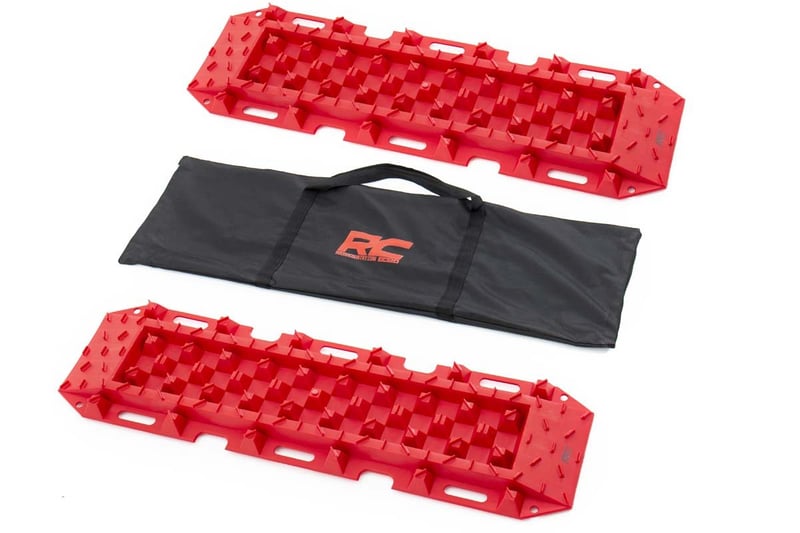
Engineering Insight: Material Selection in rough country traction boards
The performance and longevity of rough country traction boards are fundamentally determined by material composition. These boards are engineered to provide temporary traction in extreme off-road conditions—mud, sand, snow, and loose gravel—where recovery operations demand both mechanical strength and environmental resilience. While many suppliers offer off-the-shelf traction boards constructed from commodity plastics or low-grade polymers, such solutions frequently fail under operational stress due to inadequate material science integration.
At Suzhou Baoshida Trading Co., Ltd., we approach traction board design from a rubber compounding perspective, leveraging our expertise in industrial elastomers to deliver products that withstand repeated impact, high torque loads, and prolonged exposure to UV radiation, ozone, and temperature extremes. Standard polyethylene or nylon-based boards may appear cost-effective initially, but they exhibit brittle behavior at low temperatures and undergo rapid creep under sustained load. This leads to cracking, tooth deformation, and ultimately, failure during critical recovery scenarios.
Our engineered rubber traction boards utilize a proprietary blend of high-density ethylene propylene diene monomer (EPDM) reinforced with aramid microfibers. This formulation provides superior tensile strength, elongation at break, and resistance to abrasion—key parameters in high-slip environments. The molecular cross-linking density is optimized to balance flexibility and rigidity, allowing the board to conform slightly to terrain irregularities while maintaining structural integrity under vehicle weight.
Unlike thermoplastics, which soften significantly above 60°C, our rubber compound maintains performance across a thermal range of -45°C to +120°C. This thermal stability ensures consistent functionality in arctic conditions as well as desert environments, where surface temperatures can exceed 70°C. Additionally, the material’s hydrophobic nature and chemical resistance prevent degradation from exposure to mud slurries, road salts, and petroleum-based contaminants.
Another critical advantage of our elastomeric formulation is fatigue resistance. Traction boards are often subjected to repeated flexing during deployment and retrieval. Conventional materials develop microfractures at stress concentration points—particularly at the teeth and interlocking edges—leading to premature failure. Our rubber matrix, with its inherent hysteresis and energy dissipation characteristics, resists crack propagation and maintains tooth geometry over hundreds of deployment cycles.
The following table compares key performance metrics between standard off-the-shelf materials and our engineered rubber solution:
| Property | Standard Polyethylene | Nylon 6 | Baoshida Engineered Rubber |
|---|---|---|---|
| Tensile Strength (MPa) | 25–30 | 70–85 | 88 |
| Elongation at Break (%) | 150–300 | 150–300 | 420 |
| Operating Temperature Range (°C) | -40 to +80 | -40 to +100 | -45 to +120 |
| Shore A Hardness | 60–70 | 80–85 | 82 |
| Abrasion Resistance (mm³ loss) | 180 | 120 | 65 |
| UV/Ozone Resistance | Poor | Moderate | Excellent |
In summary, material selection is not a secondary consideration—it is the foundation of reliable traction board performance. Off-the-shelf solutions fail because they prioritize cost over function. At Baoshida, we engineer for mission-critical durability, ensuring our rubber traction boards deliver consistent, safe recovery performance in the world’s most demanding environments.
Material Specifications
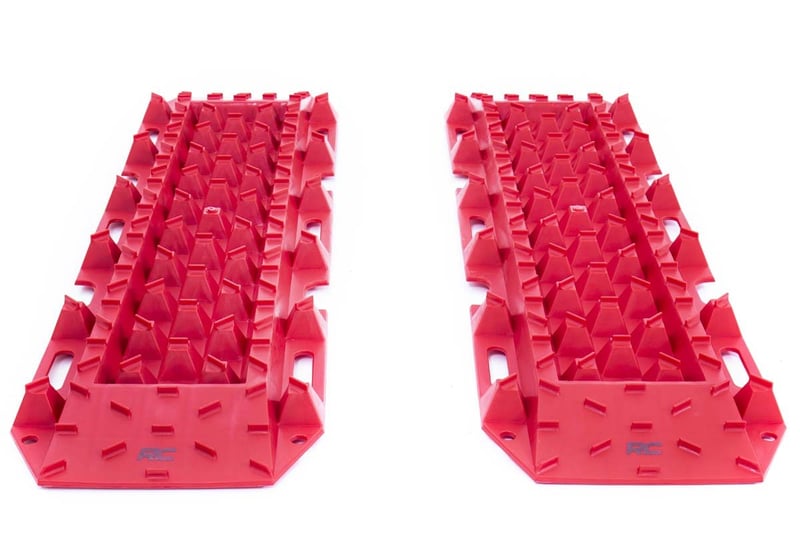
Material Specifications for Off-Road Traction Board Manufacturing
The performance and longevity of rough country traction boards under extreme off-road recovery conditions are critically dependent on elastomer selection. Suzhou Baoshida Trading Co., Ltd. engineers traction boards to withstand high-impact loads, abrasive terrain, chemical exposure from mud and fuels, and rapid temperature fluctuations. Viton, Nitrile, and Silicone represent the primary elastomer families deployed in industrial-grade traction solutions, each offering distinct molecular advantages for specific operational environments. Material choice directly influences coefficient of friction, structural integrity during torque transfer, and resistance to permanent deformation under cyclic stress.
Viton (FKM) fluorocarbon rubber delivers exceptional resistance to high temperatures and aggressive chemicals, including hydrocarbons, acids, and ozone. Its molecular stability ensures reliable performance in engine bay proximity or recovery scenarios involving fuel spills, with continuous service capability up to 230°C. However, Viton’s higher compound cost and reduced low-temperature flexibility below -20°C necessitate targeted application in high-heat zones of the board. Nitrile (NBR) remains the industry standard for balanced cost-performance, exhibiting superior resistance to oils, greases, and aliphatic hydrocarbons encountered in off-road environments. With a practical temperature range of -30°C to 100°C and high abrasion resistance, NBR formulations achieve optimal traction on muddy or sandy surfaces while maintaining structural resilience under dynamic shear forces. Silicone (VMQ) provides unmatched flexibility at sub-zero temperatures down to -60°C and excellent resistance to UV degradation, making it ideal for cold-climate operations. Its inherent hydrophobicity prevents moisture absorption-induced swelling but limits adhesion to certain substrates and reduces tear strength compared to NBR under high-load impact.
Suzhou Baoshida prioritizes compound customization through additive packages—reinforcing silica for abrasion resistance, specialized plasticizers for low-temperature elasticity, and anti-oxidants for extended outdoor exposure. All materials undergo rigorous ASTM D2000 testing for tensile strength, elongation, and compression set to ensure dimensional stability after repeated deployment. The following comparative analysis details critical physical properties for OEM specification alignment.
| Material | Temperature Range (°C) | Tensile Strength (MPa) | Elongation at Break (%) | Hardness Range (Shore A) | Key Advantages | Primary Limitations |
|---|---|---|---|---|---|---|
| Viton (FKM) | -20 to 230 | 12–18 | 150–250 | 60–90 | Extreme chemical/heat resistance; Low gas permeability | High cost; Poor low-temp flexibility; Limited adhesion |
| Nitrile (NBR) | -30 to 100 | 15–25 | 200–400 | 50–90 | Excellent oil/fuel resistance; High abrasion strength; Cost-effective | Moderate ozone resistance; Swells in polar solvents |
| Silicone (VMQ) | -60 to 200 | 6–12 | 200–600 | 30–80 | Superior low-temp flexibility; UV/ozone stability; Biocompatibility | Low tear strength; High gas permeability; Adhesion challenges |
OEM partners must evaluate operational parameters—geographic climate, vehicle weight classes, and chemical exposure profiles—to select the optimal elastomer. Suzhou Baoshida’s technical team provides compound validation through accelerated aging tests and finite element analysis, ensuring traction boards maintain ≥0.8 coefficient of friction on saturated surfaces after 500 deployment cycles. Material certification documentation per ISO 9001 is standard for all production batches.
Manufacturing Capabilities
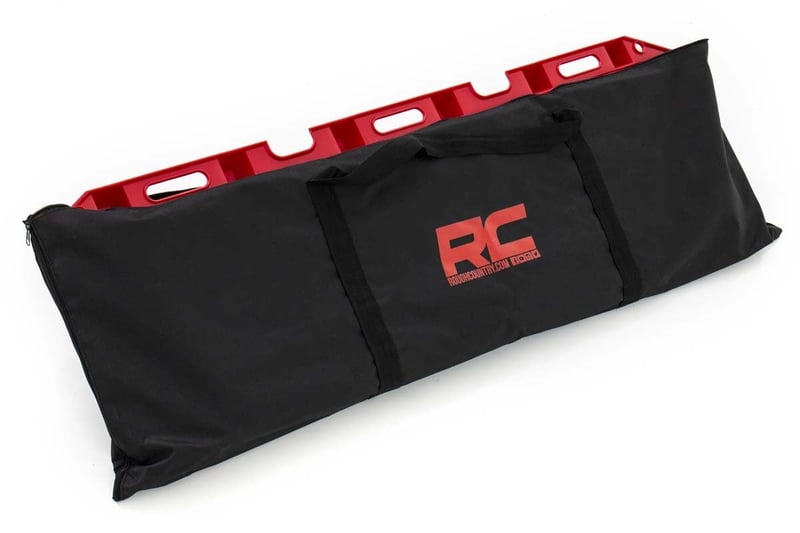
Suzhou Baoshida Trading Co., Ltd. operates at the forefront of industrial rubber engineering, delivering high-performance traction solutions tailored for demanding off-road environments. Our core strength in developing rough country traction boards lies in the integration of advanced material science and precision mold design. With a dedicated team of five mold engineers and two specialized rubber formula engineers, we maintain full in-house control over the product development lifecycle—from concept and compound formulation to mold fabrication and performance validation.
Our formula engineers possess deep expertise in elastomer chemistry, focusing on optimizing rubber compounds for extreme mechanical stress, environmental resistance, and long-term durability. Each traction board formulation is engineered to balance hardness, tensile strength, tear resistance, and low-temperature flexibility. We utilize a base of high-strength synthetic rubber, reinforced with specialized fillers and additives to enhance grip on mud, snow, sand, and rocky terrain. The resulting compound exhibits exceptional resistance to abrasion, UV degradation, and hydrolysis, ensuring reliable performance across diverse climatic conditions.
Complementing our material development is a robust mold engineering division. Our five mold engineers specialize in designing high-tolerance, multi-cavity steel molds that ensure dimensional accuracy and consistent part replication. These molds are CNC-machined for precision and treated with surface coatings to extend service life and reduce maintenance. The design process incorporates finite element analysis (FEA) to simulate stress distribution during use, enabling structural optimization for load-bearing capacity and anti-slip geometry. This synergy between material formulation and mold design allows us to produce traction boards with uniform thickness, sharp tread definition, and superior mechanical integrity.
As an OEM partner, Suzhou Baoshida offers end-to-end manufacturing solutions. We support custom specifications including size, load rating, color, branding, and packaging. Our production lines are capable of both low-volume prototyping and high-volume output, with strict adherence to ISO 9001 quality standards. All products undergo rigorous testing for tensile strength, elongation at break, compression set, and slip resistance before release.
The following table outlines the standard technical specifications for our engineered rough country traction boards:
| Property | Specification | Test Method |
|---|---|---|
| Hardness (Shore A) | 70 ± 5 | ASTM D2240 |
| Tensile Strength | ≥18 MPa | ASTM D412 |
| Elongation at Break | ≥450% | ASTM D412 |
| Tear Strength | ≥90 kN/m | ASTM D624 |
| Operating Temperature Range | -40°C to +80°C | Internal |
| Coefficient of Friction (wet) | ≥0.8 | ASTM D1894 |
| Weight per Unit (1.8m board) | ~4.2 kg | Measured |
Our engineering capabilities are backed by continuous R&D investment and close collaboration with global off-road equipment manufacturers. Suzhou Baoshida is committed to delivering traction solutions that meet the highest standards of industrial performance and reliability.
Customization Process
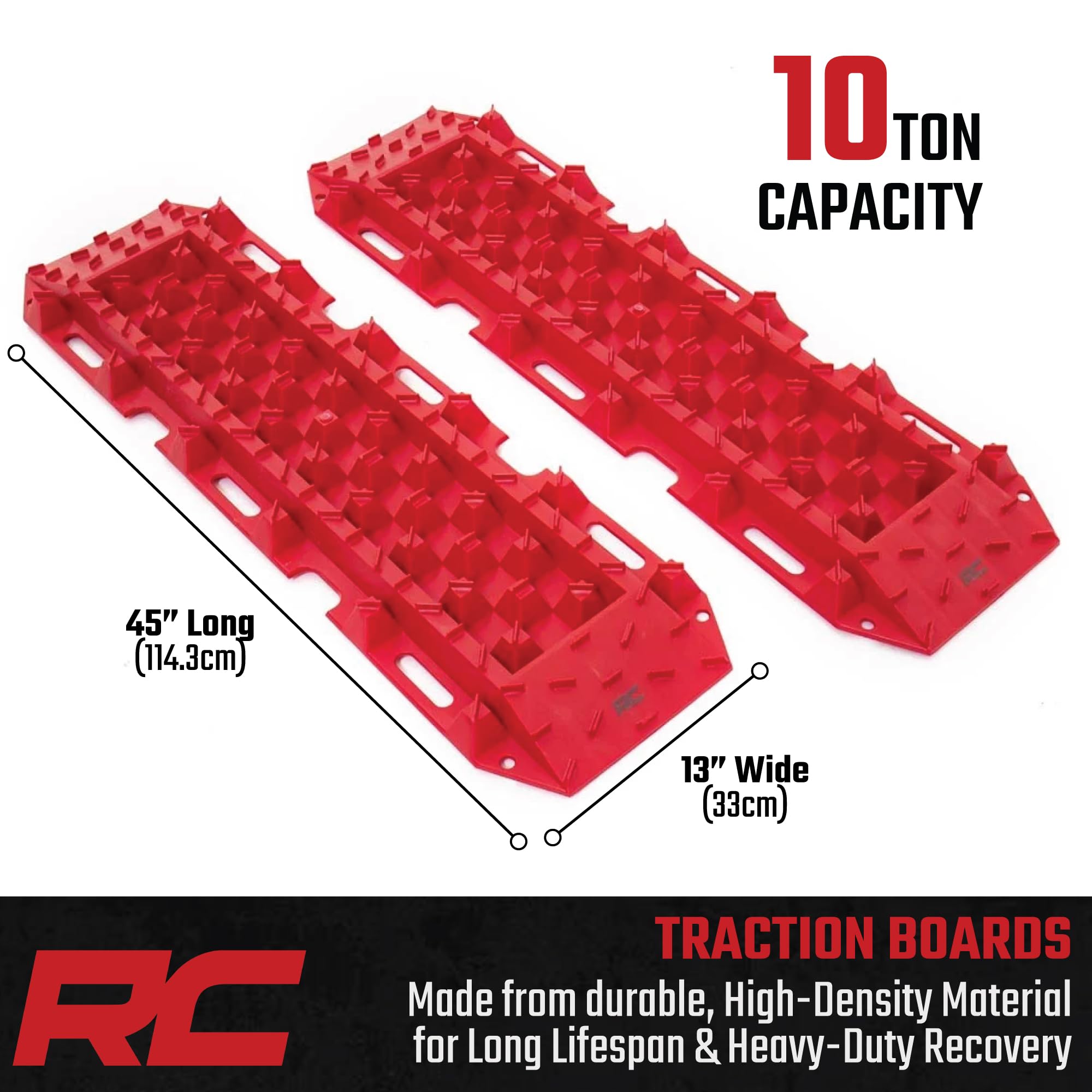
Customization Process for Rough Country Traction Boards
At Suzhou Baoshida Trading Co., Ltd., our industrial rubber solutions for rough country traction boards follow a rigorously defined customization pathway. This ensures optimal performance in extreme off-road conditions while meeting precise OEM specifications. The process begins with Drawing Analysis, where our engineering team conducts a granular review of client-provided technical schematics. We validate critical dimensions, load-bearing zones, and environmental exposure parameters against ISO 1307 and ASTM D2000 standards. Tolerances are scrutinized to ±0.3mm, with particular attention to edge geometry and cleat profile integrity under dynamic stress. Any deviations from manufacturability thresholds trigger collaborative redesign sessions with the client’s engineering department.
Subsequent Formulation Development leverages our proprietary rubber compounding database. Based on the operational environment—mud, sand, ice, or rocky terrain—we select base polymers (EPDM, NBR, or specialty hydrogenated nitrile) and reinforce with silica or carbon black to achieve target hardness and abrasion resistance. Additives for UV stability, ozone resistance, and low-temperature flexibility (down to -50°C) are precisely dosed. Each formulation undergoes computational simulation for compression set and dynamic fatigue life, ensuring the compound maintains 90%+ recovery after 10,000 deformation cycles.
Prototyping employs CNC-machined aluminum molds for first-article production. Three functional units undergo accelerated life testing:
ASTM D2240 durometer verification under thermal cycling (-40°C to +120°C)
ISO 188 aging resistance at 100°C for 72 hours
SAE J640 traction coefficient measurement on wet granite
Client validation of physical samples occurs within 15 business days, with material certificates (RoHS, REACH) provided.
Upon approval, Mass Production initiates under ISO 9001-certified protocols. We implement real-time rheometer monitoring during curing to maintain Mooney viscosity consistency (±3 points). Every batch undergoes 100% visual inspection and statistical sampling for dimensional accuracy. Traceability is enforced via laser-etched batch codes linked to raw material lot numbers. Production scalability ranges from 500 to 50,000 units monthly, with JIT delivery coordination to client assembly lines.
Key Performance Specifications Comparison
| Property | Industry Standard | Suzhou Baoshida Customized Specification |
|---|---|---|
| Durometer (Shore A) | 60–70 | 55–85 (terrain-optimized) |
| Tensile Strength (MPa) | ≥10 | ≥18 (reinforced silica matrix) |
| Tear Resistance (kN/m) | ≥40 | ≥65 (anisotropic fiber integration) |
| Operating Temp Range | -30°C to +100°C | -50°C to +135°C (specialty polymer) |
| Abrasion Loss (mm³) | ≤120 | ≤75 (ASTM D5963) |
This structured methodology eliminates guesswork in traction board performance, converting engineering intent into field-proven reliability. All stages include biweekly client checkpoints, ensuring alignment from concept to container loading.
Contact Engineering Team
Contact Suzhou Baoshida for Premium Industrial Rubber Traction Solutions
At Suzhou Baoshida Trading Co., Ltd., we specialize in high-performance industrial rubber products engineered for extreme conditions. Our rough country traction boards are designed for off-road recovery, heavy-duty vehicle extraction, and challenging terrain navigation—delivering unmatched grip, durability, and safety. As a trusted OEM manufacturer and technical partner, we serve global distributors, automotive brands, and industrial equipment suppliers with precision-crafted rubber solutions tailored to exact specifications.
If your operations demand reliable traction under harsh environments, our engineering team is ready to support your project from concept to mass production. We utilize advanced rubber compounding techniques, incorporating high-tensile polymers and reinforced substrates to ensure structural integrity and long-term field performance. Every traction board undergoes rigorous quality control, including tensile strength testing, abrasion resistance evaluation, and environmental aging simulations, to meet international industrial standards.
We invite technical buyers, procurement managers, and product developers to contact Mr. Boyce, our dedicated OEM and technical liaison, to discuss custom formulations, volume manufacturing, and logistics coordination. Whether you require standard traction board configurations or fully customized designs with branded logos, unique dimensions, or specialized surface textures, Suzhou Baoshida provides scalable production with consistent quality and competitive lead times.
Our facility in Suzhou integrates automated molding systems with skilled quality oversight, enabling us to deliver orders ranging from pilot batches to annual contracts exceeding 500,000 units. All products are compliant with REACH, RoHS, and ISO 9001:2015 standards, ensuring environmental and operational safety. We also offer third-party inspection services (SGS, BV, etc.) upon request and support drop-shipping, private labeling, and just-in-time delivery models.
For technical inquiries, material data sheets, or sample requests, direct communication with Mr. Boyce ensures fast turnaround and precise technical alignment. We prioritize responsive engineering support and long-term partnership development, helping clients reduce field failure rates and improve end-user satisfaction.
Below are key technical specifications for our standard rough country traction board series. Custom parameters are available upon request.
| Property | Value | Test Method |
|---|---|---|
| Material Composition | High-strength NBR/PVC blend with fiber reinforcement | ASTM D412 |
| Tensile Strength | ≥18 MPa | ASTM D412 |
| Elongation at Break | ≥350% | ASTM D412 |
| Hardness (Shore A) | 70 ± 5 | ASTM D2240 |
| Operating Temperature Range | -40°C to +80°C | ISO 188 |
| Coefficient of Friction (wet surface) | ≥0.8 | ASTM D1894 |
| Impact Resistance | Up to 50 kg drop weight | Internal Test |
| Dimensions (Standard) | 600 mm × 300 mm × 12 mm | Customizable |
| Weight per Unit | Approx. 2.1 kg | Varies by size |
Partner with Suzhou Baoshida Trading Co., Ltd. to integrate proven rubber traction technology into your product line. For immediate assistance, contact Mr. Boyce at [email protected]. Include your project details, volume requirements, and technical expectations to receive a tailored proposal within 24 business hours.
⚖️ O-Ring Weight Calculator
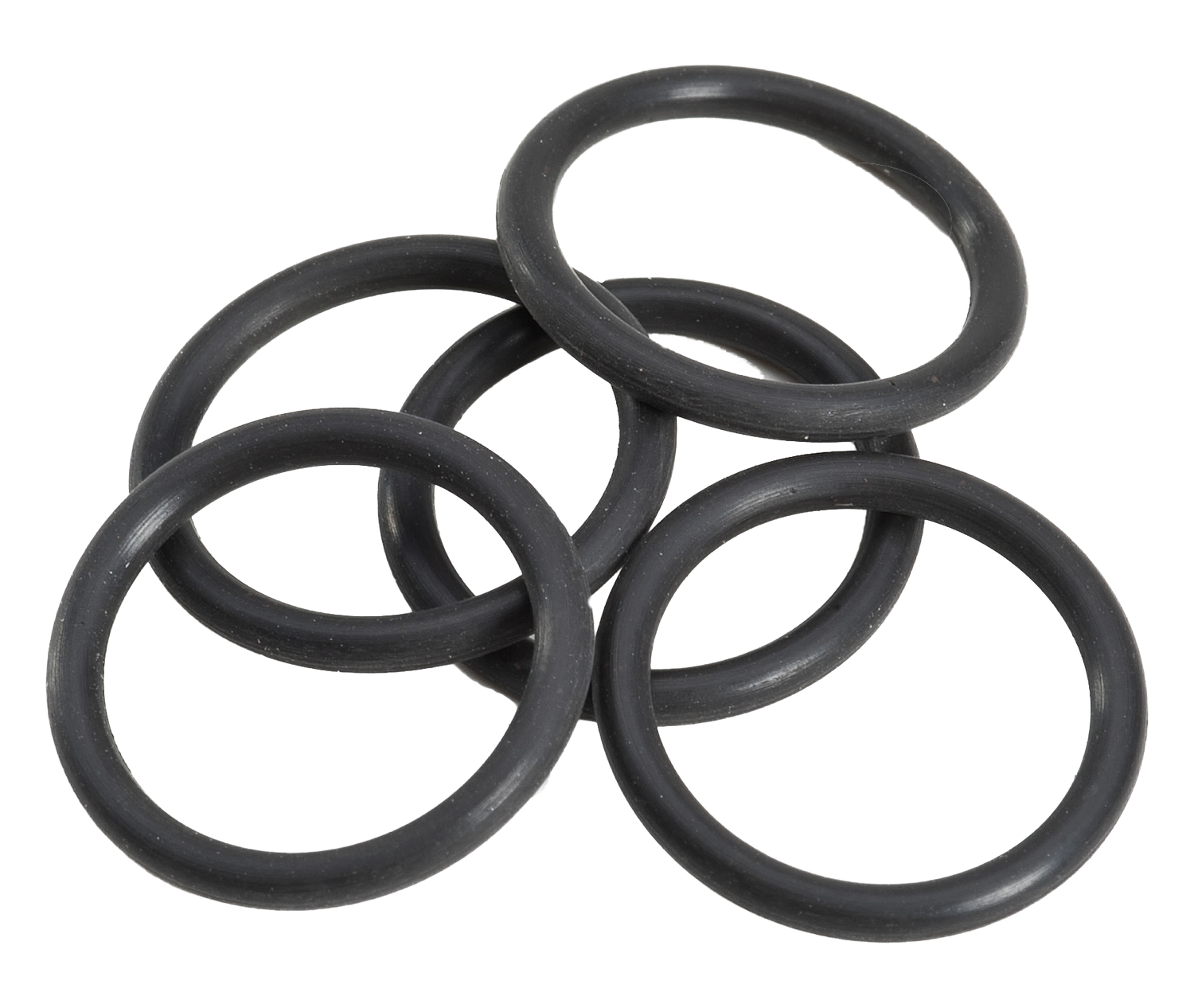
Estimate rubber O-ring weight (Approx).