
Technical Contents
Engineering Guide: Round Rubber Seals
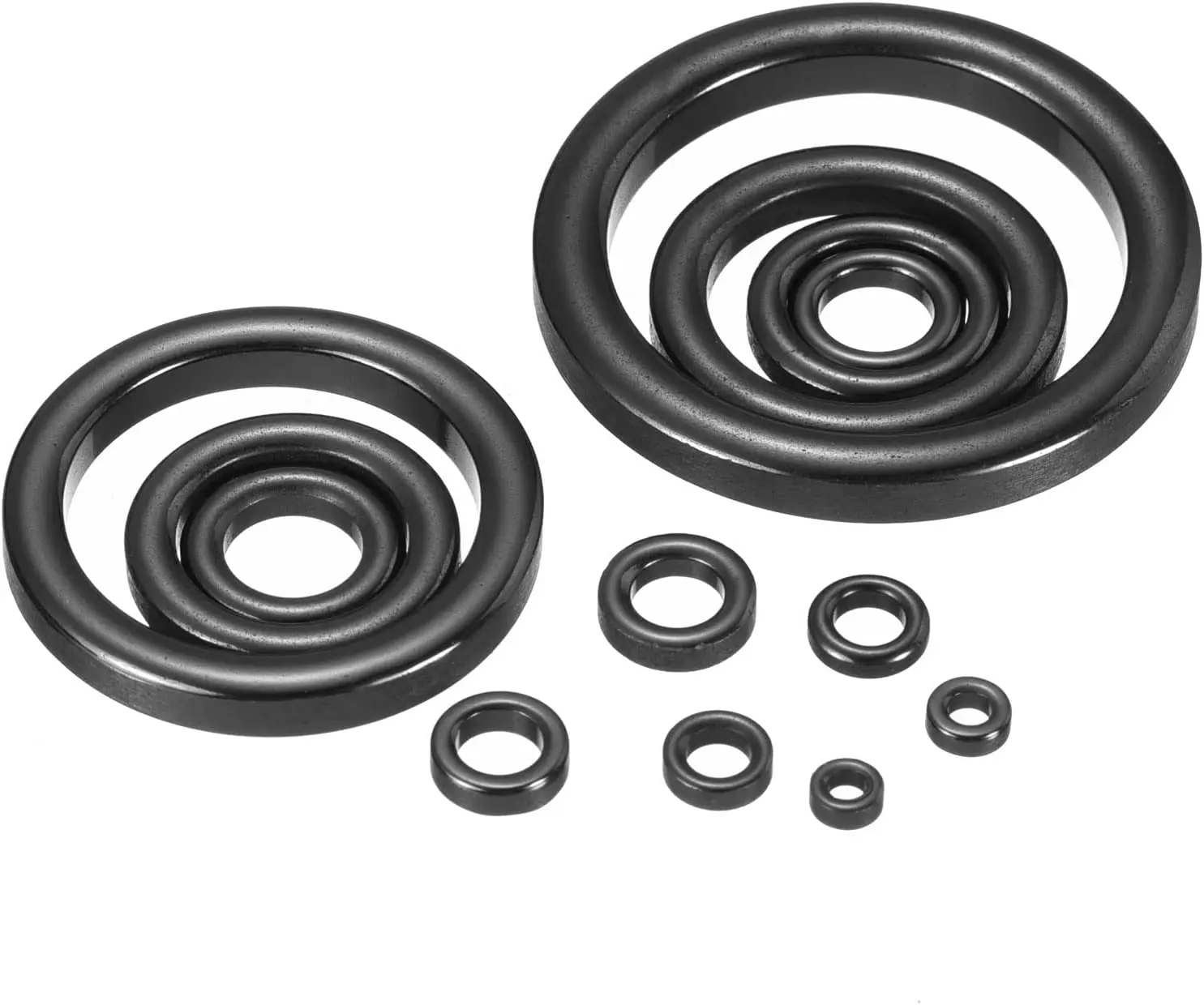
Engineering Insight: The Critical Role of Material Selection in Round Rubber Seals
In precision rubber sealing applications, material selection is not merely a design consideration—it is a foundational engineering decision that directly impacts performance, longevity, and system reliability. At Suzhou Baoshida Trading Co., Ltd., we emphasize that off-the-shelf round rubber seals frequently fail under real-world conditions due to mismatched material properties. These pre-manufactured solutions are typically formulated for generalized environments, lacking the tailored resistance required for specific temperature ranges, chemical exposures, or mechanical stresses.
Round rubber seals operate under dynamic or static compression, often exposed to aggressive media such as oils, solvents, water, or gases. The elastomer must maintain elasticity, compression set resistance, and dimensional stability across the operational lifecycle. A seal made from standard NBR (nitrile butadiene rubber), for example, may perform adequately in mineral oil environments at moderate temperatures but will degrade rapidly when exposed to ozone, aromatic hydrocarbons, or temperatures exceeding 100°C. Similarly, using silicone rubber in high-abrasion mechanical systems can lead to premature wear due to its inherently low tensile strength.
The failure of generic seals often manifests as hardening, cracking, swelling, or extrusion—symptoms directly traceable to inappropriate elastomer selection. These failures compromise sealing integrity, lead to system leakage, increase maintenance frequency, and in critical applications, may result in safety hazards or costly downtime.
Custom material formulation allows for optimization based on application-specific parameters. For instance, fluorocarbon rubber (FKM) offers superior resistance to high temperatures and aggressive chemicals, making it ideal for automotive and aerospace applications. For environments requiring biocompatibility and steam resistance, EPDM or silicone may be preferred. Even within a single elastomer family, variations in polymer structure, filler content, and curing systems can significantly alter performance characteristics.
At Suzhou Baoshida, we collaborate with OEMs to analyze operational conditions and select or engineer the optimal elastomer compound. Our approach integrates fluid compatibility, temperature profiles, pressure cycles, and regulatory requirements into the material selection process—ensuring that each round rubber seal is engineered for its intended function, not merely dimensionally compatible.
The following table outlines key elastomer properties relevant to round seal applications:
| Material | Temperature Range (°C) | Key Chemical Resistances | Typical Applications |
|---|---|---|---|
| NBR | -30 to +100 | Mineral oils, aliphatic hydrocarbons | Hydraulic systems, fuel pumps |
| FKM | -20 to +200 | Aromatic hydrocarbons, acids, fuels | Automotive, chemical processing |
| EPDM | -50 to +150 | Water, steam, ketones, brake fluids | HVAC, pharmaceutical |
| Silicone | -60 to +200 | Ozone, UV, water, some acids | Medical devices, food processing |
| VMQ | -60 to +180 | Oxidizing agents, weathering | Aerospace, electrical insulation |
Material selection is not a one-size-fits-all proposition. Precision engineering demands precision materials—only through detailed analysis and customization can round rubber seals deliver reliable, long-term performance.
Material Specifications
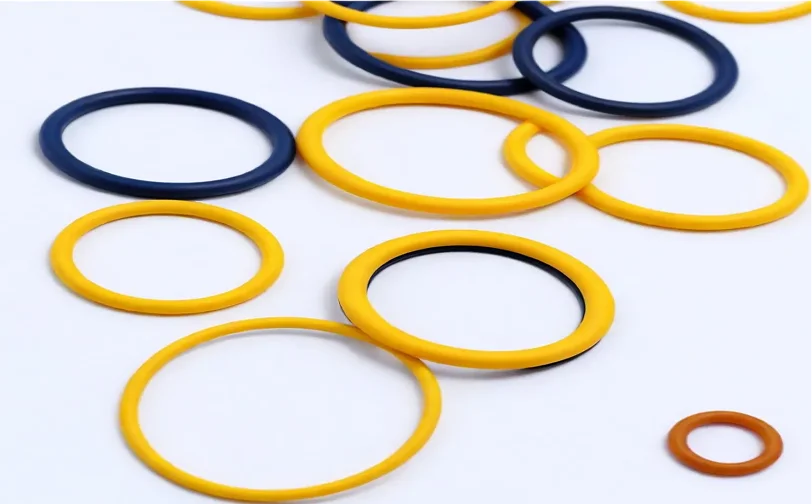
Material Specifications for Precision Round Rubber Seals
Material selection critically determines the performance longevity and reliability of round rubber seals in demanding industrial environments. At Suzhou Baoshida Trading Co., Ltd., we engineer compounds to exact OEM specifications, prioritizing chemical resistance, thermal stability, and mechanical integrity. Viton fluorocarbon rubber (FKM) excels in extreme conditions, offering continuous service from -20°C to 250°C with exceptional resistance to jet fuels, hydraulic fluids, and aromatic hydrocarbons. Its low gas permeability and minimal compression set under high temperatures make it indispensable for aerospace and semiconductor manufacturing seals where failure is not an option. Nitrile butadiene rubber (NBR) remains the cost-effective standard for petroleum-based fluid applications, operating reliably between -40°C and 120°C. Our precision-formulated NBR compounds achieve optimal balance between abrasion resistance and flexibility, ideal for automotive fuel systems and hydraulic O-rings requiring consistent sealing force under dynamic pressure cycles. Silicone rubber (VMQ) delivers unmatched versatility across extreme temperatures (-60°C to 230°C) with inherent biocompatibility and ozone resistance. Its low toxicity and FDA compliance support critical applications in medical devices and food processing equipment, though tensile strength limitations necessitate careful design validation for high-stress interfaces.
All materials undergo rigorous batch testing per ASTM D2000 and ISO 3601 standards at our Suzhou facility, including Shore A hardness verification, tensile elongation analysis, and accelerated aging in specified media. Compound customization adjusts filler content, polymer grades, and cure systems to meet exact friction coefficients, extrusion resistance, or low-temperature flexibility requirements without compromising base polymer advantages.
Comparative Material Properties for Round Rubber Seals
| Property | Viton (FKM) | Nitrile (NBR) | Silicone (VMQ) |
|---|---|---|---|
| Temperature Range (°C) | -20 to 250 | -40 to 120 | -60 to 230 |
| Tensile Strength (MPa) | 12–20 | 10–25 | 5–10 |
| Compression Set (70h/150°C) | ≤20% | ≤30% | ≤25% |
| Fuel Resistance (ASTM 3) | Excellent | Good | Poor |
| Acid/Alkali Resistance | Excellent | Moderate | Moderate |
| Typical Applications | Jet engines, chemical pumps | Fuel hoses, gearboxes | Medical tubing, bakeware seals |
Material selection must align with fluid compatibility charts and dynamic stress profiles. Viton dominates where chemical aggression and heat exceed 150°C, while NBR provides optimal value for standard automotive fluids below 120°C. Silicone serves niche roles requiring extreme cold flexibility or regulatory compliance but requires reinforcement for high-pressure systems. Suzhou Baoshida’s engineering team provides media immersion test data and finite element analysis support to validate material suitability against your operational parameters, ensuring zero leakage in critical sealing interfaces. Never compromise base polymer fundamentals for cost savings—precision seals demand chemistry-specific engineering.
Manufacturing Capabilities
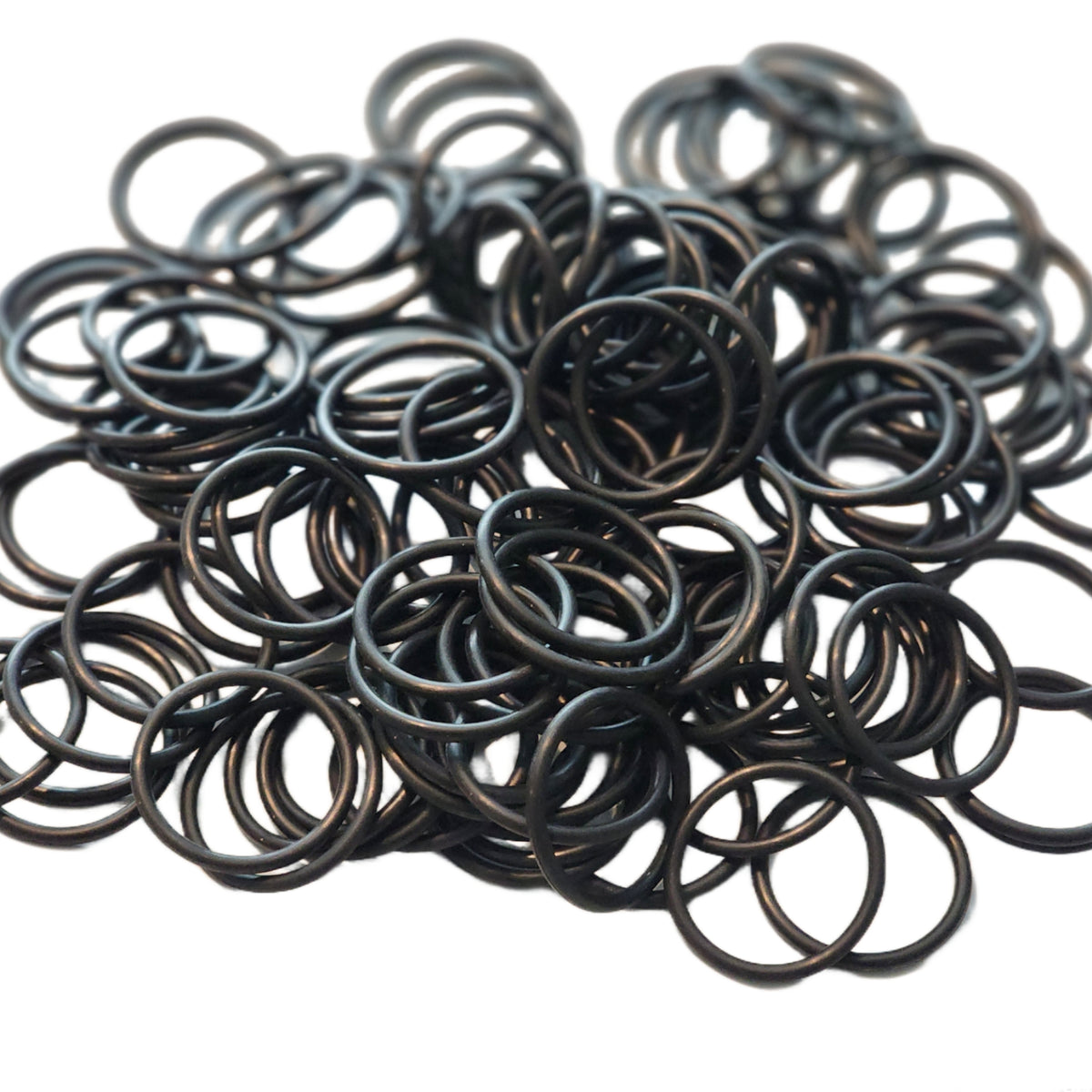
Engineering Capability: Precision-Driven Development for Round Rubber Seals
At Suzhou Baoshida Trading Co., Ltd., our engineering capability forms the backbone of our precision rubber seal manufacturing. With a dedicated team of five experienced mould engineers and two specialized rubber formulation engineers, we deliver technically robust, application-specific round rubber seals tailored to demanding industrial environments. Our integrated engineering approach ensures seamless coordination from material selection to tooling design, enabling rapid prototyping, consistent quality, and full OEM support.
Our mould engineers possess extensive expertise in precision tool design for rubber compression, transfer, and injection moulding processes. Each engineer averages over 12 years of experience in developing high-tolerance moulds for round seals, including O-rings, quad rings, and custom-profiled seals. Utilizing advanced CAD/CAM software—SolidWorks, AutoCAD, and Moldflow—we optimize gate placement, venting, and parting line geometry to minimize flash, ensure uniform curing, and extend tool life. All moulds are manufactured in-house or through certified partners using hardened P20 or H13 steel, with tolerances maintained within ±0.02 mm to meet ISO 3601 and AS568 standards.
Complementing our tooling expertise is our in-house rubber formulation capability. Our two certified formula engineers specialize in developing custom elastomer compounds tailored to specific performance requirements such as temperature resistance, chemical exposure, compression set, and dynamic sealing. We routinely formulate and test materials across silicone (VMQ), nitrile (NBR), EPDM, fluorocarbon (FKM), and hydrogenated nitrile (HNBR) families. Each compound is validated through rigorous physical testing—including tensile strength, elongation, hardness (Shore A), and volume swell analysis—to ensure compliance with ASTM D2000 and OEM specifications.
Our OEM capabilities are built on a foundation of technical agility and confidentiality. We support full design-for-manufacturability (DFM) reviews, reverse engineering of legacy seals, and co-development of next-generation sealing solutions. With full traceability from raw material batch to finished part, we meet the stringent documentation and validation requirements of automotive, aerospace, and industrial automation sectors.
The following table outlines our core engineering and material specifications:
| Parameter | Specification |
|---|---|
| Mould Tolerance | ±0.02 mm |
| Standard Compliance | ISO 3601, AS568, DIN 3771, JIS B 2401 |
| CAD/CAM Software | SolidWorks, AutoCAD, Moldflow |
| Mould Materials | P20, H13, 420 Stainless Steel |
| Lead Time (Prototype Mould) | 15–20 days |
| Rubber Hardness Range | 40–90 Shore A |
| Temperature Range (Material Dependent) | -60°C to +300°C |
| Standard Elastomers | NBR, EPDM, FKM, VMQ, HNBR, CR, ACM |
| Custom Compound Development | Available (per ASTM D2000) |
| Testing Capabilities | Tensile, Compression Set, Volume Swell, Hardness, Aging |
Through disciplined engineering and deep material science expertise, Suzhou Baoshida delivers precision round rubber seals that perform reliably under real-world conditions—proving our value as a strategic OEM partner in global manufacturing supply chains.
Customization Process
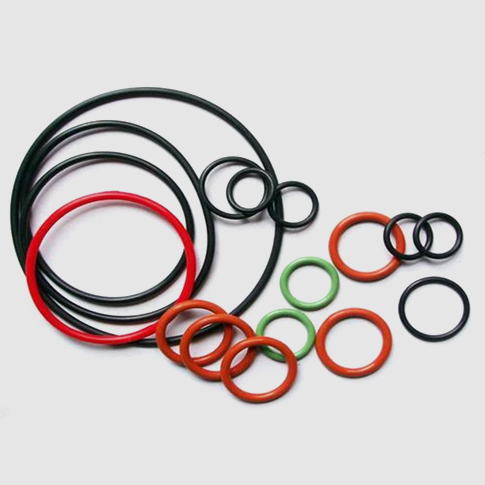
Customization Process for Precision Round Rubber Seals
At Suzhou Baoshida Trading Co., Ltd., our customization process for round rubber seals integrates rigorous engineering protocols with industrial-scale manufacturing capabilities. This structured workflow ensures optimal performance, durability, and compliance with OEM specifications while minimizing time-to-market. Each phase undergoes stringent validation to eliminate design or material risks before progression.
Drawing Analysis initiates the process, where our engineering team conducts a comprehensive review of client-provided technical drawings. We verify critical parameters including inner/outer diameters, cross-section tolerances per ISO 3601, groove compatibility, and surface finish requirements. Dimensional deviations beyond ±0.05mm or angular inconsistencies are flagged for collaborative resolution. This phase also assesses application context—operating pressure, dynamic/static loading, and environmental exposure—to preemptively address sealing challenges.
Formulation Development follows, leveraging our in-house polymer science expertise. Based on the analysis, we select base elastomers (e.g., NBR, FKM, EPDM, or specialty HNBR) and engineer custom compounds. Key variables include hardness (40–90 Shore A), compression set resistance (<20% per ASTM D395), and fluid compatibility. For instance, aerospace seals demanding jet fuel resistance utilize peroxide-cured FKM with controlled fluorine content (66–68%), while automotive coolant seals employ EPDM with optimized zinc oxide dispersion for thermal stability. All formulations undergo predictive modeling for compression stress relaxation and permeation rates.
Prototyping validates the engineered solution through iterative physical testing. We produce 5–10 sample seals via precision molding, then subject them to application-specific protocols: hydraulic pressure cycling (up to 70 MPa), thermal aging (150°C for 72h), and chemical immersion per SAE AS568 standards. Dimensional re-measurement post-testing confirms stability, with failure modes analyzed via FTIR spectroscopy. Client approval requires zero leakage in functional tests and ≤5% dimensional drift.
Mass Production commences only after prototype certification, utilizing automated CNC molding presses with real-time cavity pressure monitoring. Each production batch undergoes 100% visual inspection and statistical dimensional sampling (AQL 1.0). Critical lots include third-party certification for ISO 11200 compliance. Our lean manufacturing system ensures batch traceability via laser-etched lot codes while maintaining ±0.03mm tolerance consistency across runs exceeding 50,000 units.
Material performance specifications for common seal compounds are summarized below:
| Property | NBR (Standard) | FKM (Aerospace) | EPDM (Coolant) |
|---|---|---|---|
| Hardness Range (Shore A) | 50–80 | 60–85 | 55–75 |
| Temp. Range (°C) | -30 to +120 | -20 to +230 | -50 to +150 |
| Compression Set (70h/100°C) | ≤35% | ≤15% | ≤25% |
| Fluid Resistance (ASTM D471) | Oil/Grease: Excellent | Jet Fuel: Excellent | Glycol: Excellent |
| Key Standard | ASTM D2000 BA | AMS 7254 | SAE J200 A3 |
This end-to-end customization framework reduces non-recurring engineering costs by 30% and accelerates validation cycles by 25% versus industry benchmarks, ensuring Suzhou Baoshida delivers mission-critical sealing solutions with uncompromised precision.
Contact Engineering Team
For precision-critical applications in automotive, aerospace, industrial hydraulics, and medical device manufacturing, the performance of round rubber seals cannot be overstated. At Suzhou Baoshida Trading Co., Ltd., we specialize in the engineering and supply of high-integrity round rubber seals designed to meet exact OEM specifications and demanding environmental conditions. Our expertise spans material formulation, dimensional precision, and long-term sealing reliability, ensuring that every component we deliver contributes to system efficiency, safety, and durability.
Round rubber seals, often referred to as O-rings or cord seals depending on configuration, serve as critical barriers against fluid leakage, contamination ingress, and pressure loss. The effectiveness of these components hinges on precise durometer control, consistent cross-sectional geometry, and material compatibility with operational media such as oils, fuels, acids, or sterilization agents. At Suzhou Baoshida, we leverage advanced compounding techniques and stringent quality control protocols to manufacture seals that perform reliably across temperature extremes, dynamic motion cycles, and prolonged service intervals.
Our technical team works closely with OEMs and Tier suppliers to select optimal elastomer formulations, including NBR, EPDM, FKM (Viton®), silicone, and specialty compounds such as FFKM or ACM for extreme environments. Whether your application requires low-temperature flexibility, resistance to aggressive chemicals, or compliance with FDA, USP Class VI, or ISO 10993 standards, we provide tailored solutions backed by full material traceability and test reporting.
To ensure dimensional accuracy, all round rubber seals produced under our supervision undergo laser-based diameter and cross-section inspection, with tolerances maintained to ISO 3601, AS568, or custom drawing specifications. This level of precision guarantees proper gland fill, minimizes compression set, and extends service life—key factors in reducing maintenance downtime and field failures.
Below is a representative specification profile for a standard FKM-based round rubber seal commonly used in high-temperature automotive and industrial applications:
| Parameter | Specification |
|---|---|
| Material | FKM (70 Durometer, ASTM D2000: HK 7075) |
| Inner Diameter | 25.4 mm ± 0.15 mm |
| Cross Section | 3.53 mm ± 0.08 mm |
| Hardness (Shore A) | 70 ± 5 |
| Temperature Range | -20°C to +230°C (intermittent to +260°C) |
| Fluid Resistance | Excellent against oils, fuels, acids |
| Compression Set (70 hrs, 200°C) | ≤ 20% |
| Standards Compliance | ISO 3601, ASTM D1418, ROHS, REACH |
Partnering with Suzhou Baoshida means accessing a vertically integrated supply chain, responsive technical support, and scalable production capacity to serve both prototyping and high-volume OEM demands. We understand that in precision sealing, every micron and material property matters.
For engineering consultation, sample requests, or custom formulation development, contact Mr. Boyce directly at [email protected]. Our team is prepared to assist with technical data sheets, 3D drawings, and material certifications to accelerate your qualification process. Reach out today to integrate trusted sealing performance into your next generation of engineered systems.
⚖️ O-Ring Weight Calculator
Estimate rubber O-ring weight (Approx).