
Technical Contents
Engineering Guide: Rtv Rubber Silicone
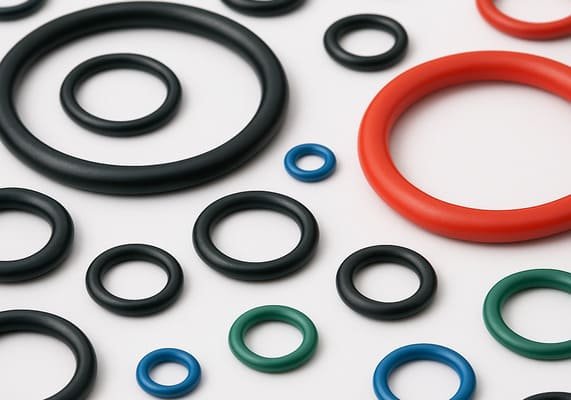
Engineering Insight: Material Selection Criticality in RTV Silicone Applications
The deployment of Room Temperature Vulcanizing (RTV) silicone rubber in industrial environments demands rigorous material selection far beyond generic off-the-shelf solutions. Standard commercial RTV formulations prioritize cost and broad applicability, neglecting the precise chemical, thermal, and mechanical stresses encountered in specialized manufacturing. This oversight manifests as premature seal failure, adhesion loss, or catastrophic component degradation under operational conditions. For instance, an automotive sensor housing exposed to intermittent -40°C coolant exposure and 150°C engine bay temperatures will experience polymer chain embrittlement or compression set with non-engineered RTV, leading to fluid ingress and system failure. Such failures stem from inadequate crosslink density control and filler systems optimized for consumer-grade adhesion rather than industrial resilience.
Material science dictates that RTV performance hinges on three interdependent factors: polymer backbone architecture, functional crosslinker chemistry, and engineered filler matrices. Off-the-shelf variants typically utilize phenyl-methyl or standard methyl-vinyl silicone polymers with generic silica fillers, resulting in compromised thermal stability and limited adhesion to low-surface-energy substrates like polyamides or anodized aluminum. Critical industrial applications require tailored vinyl content for platinum-catalyzed addition cure systems, ensuring complete conversion without acetic acid byproducts that corrode electronics. Furthermore, unmodified RTV exhibits poor resistance to hydraulic fluids, biodiesel, or aerospace lubricants due to insufficient hydrophobicity and filler-polymer bonding. The consequence is swelling, modulus loss, and eventual seal rupture—costing OEMs millions in recalls and downtime.
Suzhou Baoshida Trading Co., Ltd. addresses these gaps through application-specific molecular design. Our engineered RTV formulations incorporate fluorosilicone polymers for fuel resistance, fumed silica with surface silanization for thermal stability, and adhesion promoters targeting specific substrate chemistries. The table below illustrates performance differentials critical to industrial viability:
| Property | Generic Off-the-Shelf RTV | Baoshida Engineered RTV | Industrial Consequence of Deficiency |
|---|---|---|---|
| Continuous Use Temp | -50°C to +200°C | -65°C to +250°C | Seal extrusion at high temp; brittle fracture at low temp |
| Tensile Strength (MPa) | 4.0–5.5 | 7.0–9.2 | Inadequate stress resistance during assembly/vibration |
| Fuel B100 Swell (72h) | >25% | <8% | Seal distortion leading to leakage paths |
| Adhesion to PA66 (kN/m) | 1.8–2.5 | 4.0–5.3 | Delamination under thermal cycling |
| Compression Set (22h/150°C) | 35–45% | 12–18% | Loss of sealing force in static joints |
Material selection must align with the operational envelope’s extremes—not nominal conditions. An RTV adequate for a household appliance gasket becomes a liability in wind turbine pitch bearings exposed to UV, sand abrasion, and -30°C startup torque. Suzhou Baoshida partners with OEMs to define failure thresholds through accelerated life testing and substrate-specific adhesion profiling. We reject one-size-fits-all approaches, instead formulating with controlled vinyl group distribution and nano-reinforced fillers to achieve target Shore A hardness retention across 10,000-hour thermal cycles. The cost of field failure exponentially outweighs precision material engineering—demand formulations validated against your application’s actual service parameters, not catalog specifications. Industrial reliability begins with molecular intent.
Material Specifications
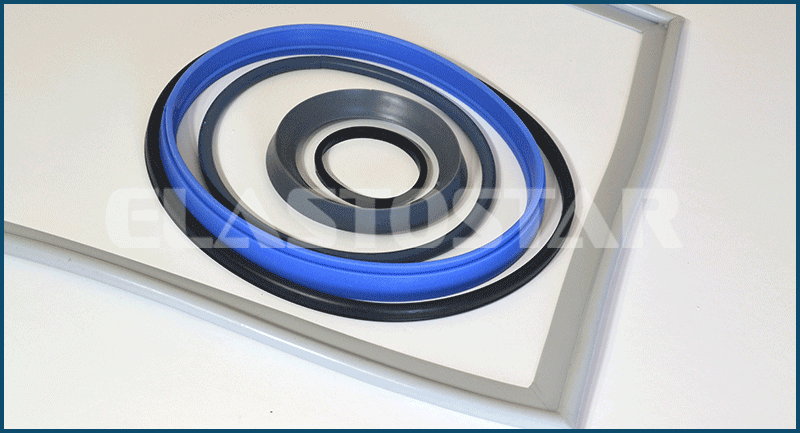
RTV (Room Temperature Vulcanizing) rubber silicone is a critical material in industrial sealing and bonding applications due to its ability to cure at ambient conditions and deliver long-term performance under thermal and chemical stress. At Suzhou Baoshida Trading Co., Ltd., we specialize in high-performance elastomeric solutions tailored to demanding OEM environments. Our expertise includes the formulation and supply of RTV silicone, Viton (FKM), and Nitrile (NBR) compounds, each engineered to meet precise operational requirements in sectors such as automotive, aerospace, energy, and industrial equipment manufacturing.
Silicone rubber, particularly in its RTV form, offers exceptional thermal stability, typically performing reliably from -60°C to +200°C, with some formulations extending beyond 300°C. It exhibits excellent resistance to UV radiation, ozone, and weathering, making it ideal for outdoor and high-temperature sealing applications. Its electrical insulation properties are also highly valued in electronic encapsulation and gasketing. While silicone demonstrates moderate mechanical strength and low tear resistance compared to other elastomers, its flexibility and biocompatibility make it suitable for medical and food-grade applications when appropriately certified.
Viton, a fluorocarbon-based rubber, provides superior chemical resistance to oils, fuels, acids, and many solvents. It maintains performance at continuous service temperatures up to 230°C, with short-term exposure tolerance to 300°C. This makes Viton an optimal choice for aerospace fuel systems, chemical processing seals, and high-temperature automotive components. Its low gas permeability and excellent aging characteristics further enhance reliability in critical sealing environments, though it is less flexible at low temperatures and typically more expensive than silicone or Nitrile.
Nitrile rubber, or Buna-N, is widely used for its excellent resistance to petroleum-based oils and fuels. It performs well in temperature ranges from -40°C to +120°C, with some specialty grades extending to 150°C. Nitrile offers good abrasion resistance and tensile strength, making it a cost-effective solution for hydraulic seals, O-rings, and gaskets in industrial machinery and automotive systems. However, it has limited resistance to ozone, UV light, and polar solvents, restricting its use in outdoor or highly oxidative environments.
The following table summarizes key physical and chemical properties of these materials for comparative evaluation:
| Property | Silicone (RTV) | Viton (FKM) | Nitrile (NBR) |
|---|---|---|---|
| Temperature Range (°C) | -60 to +200 (up to 300 intermittent) | -20 to +230 | -40 to +120 (up to 150 intermittent) |
| Tensile Strength (MPa) | 5–8 | 15–20 | 10–20 |
| Elongation at Break (%) | 200–400 | 200–300 | 250–500 |
| Hardness (Shore A) | 30–80 | 60–90 | 50–90 |
| Resistance to Oils/Fuels | Moderate | Excellent | Excellent |
| Resistance to Ozone/UV | Excellent | Excellent | Poor |
| Electrical Insulation | Excellent | Good | Fair |
| Compression Set | Low to Moderate | Low | Moderate |
Selecting the appropriate elastomer requires balancing performance requirements, environmental exposure, and cost. At Suzhou Baoshida Trading Co., Ltd., we support OEMs with material selection, technical data, and customized formulations to ensure optimal integration into your manufacturing processes.
Manufacturing Capabilities
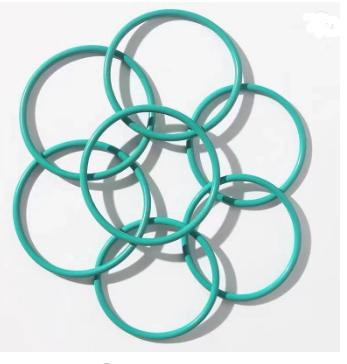
Engineering Capability: Precision RTV Silicone Development and Manufacturing
Suzhou Baoshida Trading Co., Ltd. delivers engineered RTV rubber silicone solutions through an integrated team of specialists dedicated to material science and production excellence. Our core strength lies in the strategic synergy between 5 dedicated Mould Engineers and 2 advanced Formula Engineers, enabling end-to-end control from compound design to final part validation. This dual-discipline approach ensures every RTV silicone product meets exacting industrial performance criteria while optimizing manufacturability and cost-efficiency.
Our Formula Engineers focus on molecular-level customization of platinum-cured and tin-catalyzed RTV systems. Leveraging 15+ years of compound development experience, they formulate materials addressing specific client challenges: extreme temperature resilience, chemical resistance, electrical insulation, or biocompatibility. Each formulation undergoes rigorous laboratory testing for viscosity stability, cure kinetics, and post-cure properties before transitioning to production. Critical parameters—including hardness deviation control within ±2 Shore A units and tensile strength repeatability at ±0.5 MPa—are validated through ISO 17025-accredited protocols.
Concurrently, our Mould Engineering team designs and validates production tooling with precision tolerancing to ±0.05 mm. They optimize gating systems, venting, and thermal management for complex geometries, minimizing flash and ensuring consistent part replication across high-volume runs. Finite Element Analysis (FEA) simulations predict material flow and cure behavior, reducing trial iterations by 40% compared to industry averages. This proactive engineering eliminates common failure modes such as incomplete cavity filling or internal stresses in thick-section parts.
As a certified OEM partner, we execute confidential projects under strict IP protection frameworks. Our facility supports full turnkey manufacturing—from raw material sourcing (with traceable batch records) to automated dispensing, curing, and 100% visual/functional inspection. Clients benefit from seamless scalability: pilot batches transition directly to量产 without re-engineering, backed by real-time process monitoring and Statistical Process Control (SPC) data reporting.
The following table summarizes key RTV silicone properties achievable through our engineering pipeline:
| Property | Standard Range | Customization Potential |
|---|---|---|
| Hardness (Shore A) | 10–80 | ±2 units accuracy |
| Tensile Strength (MPa) | 3.0–10.0 | Up to 12.0 achievable |
| Elongation at Break (%) | 150–800 | Optimized for tear resistance |
| Operating Temperature | -60°C to +250°C | Extended to +300°C (short-term) |
| Dielectric Strength (kV/mm) | 15–25 | Enhanced for HV applications |
| Compression Set (22h/150°C) | ≤20% | ≤10% achievable |
This technical infrastructure enables us to solve complex sealing, bonding, and encapsulation challenges across automotive, medical device, and electronics sectors. By embedding material science expertise within the manufacturing workflow, Suzhou Baoshida guarantees RTV silicone components that perform reliably under operational stress while accelerating clients’ time-to-market. All processes adhere to IATF 16949 and ISO 13485 standards, with full documentation for audit readiness. Partner with us to transform demanding specifications into defect-free production reality.
Customization Process
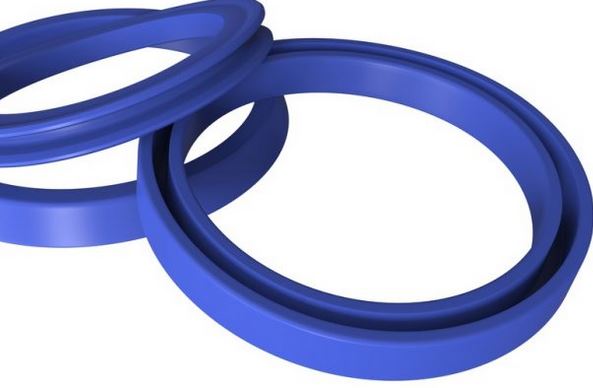
Customization Process for RTV Rubber Silicone Products
At Suzhou Baoshida Trading Co., Ltd., our industrial rubber solutions are engineered for precision, durability, and performance under demanding operational conditions. For RTV (Room Temperature Vulcanizing) rubber silicone applications, we follow a structured customization pathway that ensures optimal material behavior, dimensional accuracy, and compliance with OEM specifications. This process consists of four critical stages: Drawing Analysis, Formulation Development, Prototyping, and Mass Production.
The process begins with Drawing Analysis, where our engineering team reviews technical blueprints, 3D models, and performance requirements provided by the client. We assess critical dimensions, tolerances, surface finishes, and application environments such as temperature exposure, chemical contact, and mechanical stress. This phase ensures full alignment with design intent and identifies any manufacturability concerns early in the cycle.
Following drawing validation, we proceed to Formulation Development. Our rubber formula engineers select base polymers, cross-linkers, fillers, and additives tailored to the functional demands of the end-use application. Key parameters include hardness (Shore A), elongation at break, tensile strength, thermal stability (-60°C to +250°C), and resistance to UV, ozone, or industrial fluids. The formulation is adjusted iteratively to achieve the desired balance between flexibility, adhesion, and long-term aging performance. For example, platinum-catalyzed systems are chosen for high-purity applications, while tin-catalyzed variants may be used for cost-sensitive, high-volume parts.
Once the compound is finalized, we initiate Prototyping. Using precision molds or dispensing systems, small-batch samples are produced under controlled conditions. These prototypes undergo rigorous testing, including compression set, dielectric strength, and adhesion performance on target substrates (e.g., metals, plastics). Client feedback is integrated at this stage to refine geometry or material behavior before scale-up.
The final stage is Mass Production, executed in our ISO-certified manufacturing facility. Automated dispensing, curing ovens with precise humidity and temperature control, and inline quality checks ensure batch-to-batch consistency. Every production run is subject to final inspection against the initial technical specifications, including dimensional verification via coordinate measuring machines (CMM) and material certification reports.
Throughout this workflow, Suzhou Baoshida maintains full traceability and adheres to international quality standards, enabling seamless integration into automotive, electronics, medical device, and industrial equipment supply chains.
Typical RTV Silicone Physical Properties (Customizable Range)
| Property | Standard Range | Test Method |
|---|---|---|
| Hardness (Shore A) | 20–80 | ASTM D2240 |
| Tensile Strength | 4.0–9.0 MPa | ASTM D412 |
| Elongation at Break | 200–600% | ASTM D412 |
| Operating Temperature | -60°C to +250°C | ASTM D1329 |
| Dielectric Strength | 15–22 kV/mm | ASTM D149 |
| Specific Gravity | 1.05–1.25 | ASTM D792 |
| Cure Time (25°C, 50% RH) | 24–72 hours (surface dry: 1–3 hrs) | ASTM C1184 |
Contact Engineering Team
Direct Engineering Collaboration for RTV Silicone Manufacturing Solutions
Suzhou Baoshida Trading Co., Ltd. operates at the intersection of polymer science and industrial application, specializing in precision-engineered RTV (Room Temperature Vulcanizing) silicone compounds for demanding manufacturing environments. Our formulations are rigorously validated against ASTM D2240, ISO 37, and UL 94 standards, ensuring repeatability in compression set, thermal stability, and chemical resistance. For OEMs and Tier-1 suppliers requiring custom RTV silicone solutions—whether for automotive gasketing, medical device encapsulation, or aerospace sealing—direct engagement with our technical team eliminates iterative delays and costly reformulation cycles.
Critical performance parameters define RTV silicone viability in industrial contexts. The table below outlines baseline specifications for our standard platinum-catalyzed formulations, though all properties are adjustable per client-driven requirements:
| Property | Test Standard | Typical Value Range | Industrial Relevance |
|---|---|---|---|
| Hardness (Shore A) | ASTM D2240 | 10–80 | Seal conformity under dynamic loads |
| Tensile Strength (MPa) | ISO 37 | 4.0–12.0 | Resistance to mechanical tearing |
| Elongation at Break (%) | ISO 37 | 200–1000 | Flexibility in thermal cycling |
| Operating Temperature | ASTM D573 | -60°C to +250°C | Stability in extreme environments |
| Dielectric Strength (kV/mm) | ASTM D149 | 15–25 | Electrical insulation integrity |
These metrics represent starting points for co-engineering. Real-world applications often necessitate modifications—such as enhancing flame retardancy to UL 94 V-0, reducing outgassing for vacuum systems, or optimizing pot life for automated dispensing. Our laboratory in Suzhou maintains ISO/IEC 17025 accreditation, enabling rapid prototyping with FTIR, DMA, and rheometry analysis to validate performance against your operational thresholds.
Engagement with Mr. Boyce, our Lead Rubber Formulation Engineer and OEM Manager, initiates a structured technical dialogue. He possesses 14 years of experience resolving complex material challenges, including adhesion failures in multi-substrate assemblies and viscosity drift in high-humidity production lines. Contact him directly to:
Submit application-specific failure mode analyses for root-cause assessment
Discuss regulatory compliance pathways (FDA 21 CFR, REACH, RoHS)
Request DFM (Design for Manufacturability) input during prototyping
Secure batch-specific certificates of conformance with traceable lot numbers
Do not rely on generic datasheets when molecular-level precision determines product lifecycle success. Mr. Boyce will coordinate cross-functional resources—from compounding to quality assurance—to deliver a validated RTV silicone solution within your timeline. Initiate the engineering process by emailing [email protected] with your project scope, target specifications, and environmental stress factors. Include any existing test data to accelerate feasibility assessment. Suzhou Baoshida commits to a technical response within 12 business hours, providing actionable insights—not sales scripts—to advance your manufacturing objectives. Your next-generation product demands material science expertise, not transactional vendor relationships. Contact us to engineer certainty.
⚖️ O-Ring Weight Calculator
Estimate rubber O-ring weight (Approx).