
Technical Contents
Engineering Guide: Rubbe3R Szeal Silicone3
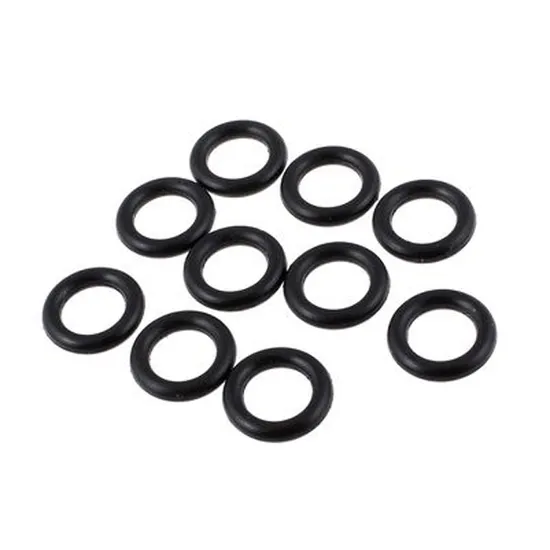
Engineering Insight: rubbe3r szeal silicone3 Material Selection Imperatives
Industrial sealing failures represent a critical operational vulnerability, often traced to inadequate material selection. Off-the-shelf silicone seals frequently fail under demanding OEM conditions due to unaddressed application-specific stressors. Generic formulations prioritize broad compatibility over precision engineering, leading to premature degradation in chemical resistance, thermal stability, or dynamic performance. This results in unplanned downtime, safety hazards, and cascading costs exceeding seal replacement by orders of magnitude. At Suzhou Baoshida Trading Co., Ltd., our rubbe3r szeal silicone3 platform addresses this gap through molecular-level customization, ensuring seals withstand the exact operational envelope defined by the client.
The root cause of off-the-shelf failure lies in oversimplified material specifications. Standard silicones assume moderate temperature ranges (-55°C to 200°C) and benign chemical exposure. However, industrial environments—such as automotive turbocharger housings or semiconductor processing tools—demand resilience against aggressive coolants, intermittent exposure to >250°C, or cyclic compression exceeding 50%. Generic compounds lack tailored polymer architecture to resist thermally induced chain scission or solvent-induced swelling. Consequently, compression set values escalate rapidly, causing leakage paths. Simultaneously, insufficient reinforcement from custom silica fillers compromises tear strength under vibration, accelerating fatigue failure. These deficiencies manifest not as immediate rupture but as insidious performance decay, evading routine inspection until catastrophic failure occurs.
Suzhou Baoshida’s rubbe3r szeal silicone3 mitigates these risks through application-driven formulation. We engineer vinyl-methyl silicone backbones with controlled phenyl group incorporation to enhance low-temperature flexibility and radiation resistance. Precision-tuned peroxide cure systems optimize crosslink density for target compression set, while surface-modified fumed silica provides reinforcement without sacrificing elasticity. Crucially, additive packages are dosed to counter specific fluid exposures—such as fluorosilane treatments for acid resistance—validated via ASTM D471 immersion testing. This eliminates the “one-size-fits-none” compromise inherent in catalog products.
The performance delta is quantifiable. Below compares critical parameters between standard industrial silicone and rubbe3r szeal silicone3 under identical stress conditions:
| Failure Parameter | Off-the-Shelf Silicone | rubbe3r szeal silicone3 | Test Standard |
|---|---|---|---|
| Compression Set (22h/250°C) | 42% | 14% | ASTM D395 Method B |
| Tensile Strength Retention (70h/200°C) | 58% | 89% | ASTM D573 |
| Swell in 10% H₂SO₄ (24h) | 22% | 3% | ASTM D471 |
| Dynamic Fatigue Life (10% strain) | 1.2M cycles | 4.7M cycles | ISO 13356 |
Material selection is not a cost line item but a risk management strategy. rubbe3r szeal silicone3 transforms sealing from a failure point into a reliability asset by aligning molecular design with operational physics. Suzhou Baoshida Trading Co., Ltd. partners with OEMs to define these physics through rigorous application profiling—ensuring every seal compound is a purpose-built solution, not a侥幸 gamble with standard inventory. The result is extended service life, reduced total cost of ownership, and uncompromised system integrity in the world’s most demanding industrial ecosystems.
Material Specifications
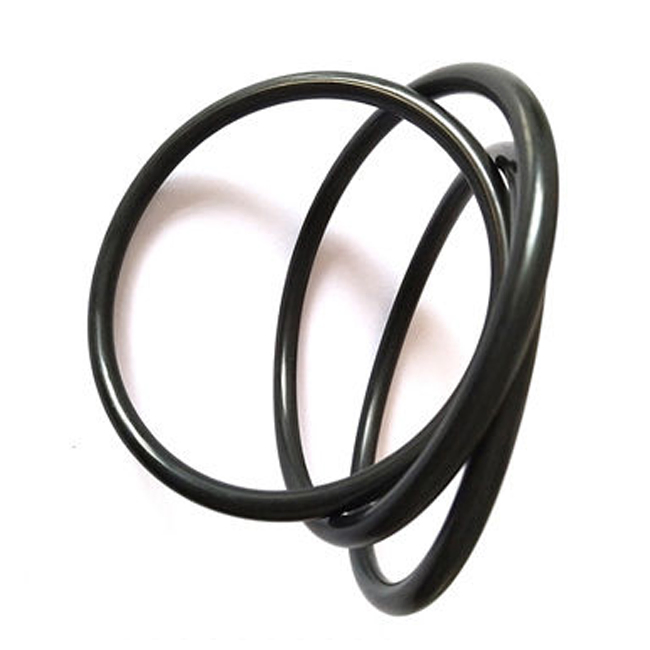
Suzhou Baoshida Trading Co., Ltd. provides high-performance industrial rubber solutions tailored for demanding sealing and insulation applications. Our expertise in elastomer engineering ensures that materials such as Viton, Nitrile, and Silicone are precisely formulated to meet rigorous operational requirements across automotive, aerospace, chemical processing, and medical device industries. Each material possesses distinct chemical, thermal, and mechanical properties, making proper selection critical for optimal performance and longevity in service.
Viton, a fluorocarbon-based rubber (FKM), is engineered for extreme environments involving high temperatures and aggressive chemical exposure. It demonstrates exceptional resistance to oils, fuels, acids, and aromatic hydrocarbons, maintaining integrity from -20°C to +200°C, with intermittent exposure up to 250°C. Its low gas permeability and excellent aging characteristics make it ideal for aerospace seals, refinery gaskets, and downhole drilling components. However, Viton exhibits lower elasticity compared to silicone and higher material cost, necessitating application-specific justification.
Nitrile rubber (NBR) is a cost-effective solution for applications involving petroleum-based fluids and hydraulic systems. With a service temperature range of -30°C to +100°C (up to 120°C intermittently), NBR offers strong abrasion resistance and tensile strength. It is widely used in O-rings, fuel hoses, and pump seals within automotive and industrial machinery. While NBR performs poorly under ozone and UV exposure, and has limited resistance to polar solvents, its compatibility with mineral oils and greases ensures continued dominance in hydraulic and lubrication systems.
Silicone rubber (VMQ) delivers outstanding thermal stability and flexibility across a broad temperature spectrum, operating reliably from -60°C to +200°C. It exhibits excellent resistance to UV, ozone, and weathering, making it suitable for outdoor and high-purity environments. Silicone is non-toxic, biocompatible, and commonly used in medical devices, food processing seals, and electronic insulation. While it has lower mechanical strength and poor resistance to petroleum-based fluids, its electrical insulation properties and physiological inertness are unmatched among industrial elastomers.
Selection among Viton, Nitrile, and Silicone must balance chemical exposure, thermal demands, mechanical stress, and regulatory requirements. Suzhou Baoshida supports OEMs with material testing, formulation customization, and full compliance documentation to ensure fit-for-purpose performance.
| Property | Viton (FKM) | Nitrile (NBR) | Silicone (VMQ) |
|---|---|---|---|
| Temperature Range (°C) | -20 to +200 (250 intermittent) | -30 to +100 (+120 intermittent) | -60 to +200 |
| Tensile Strength (MPa) | 15–25 | 10–20 | 5–8 |
| Elongation at Break (%) | 150–300 | 200–500 | 200–600 |
| Hardness (Shore A) | 60–90 | 50–90 | 30–80 |
| Fluid Resistance | Excellent (oils, fuels, acids) | Good (mineral oils, water) | Poor (oils, fuels) |
| Ozone/UV Resistance | Excellent | Poor | Excellent |
| Electrical Insulation | Good | Fair | Excellent |
| Biocompatibility | Limited | No | Yes (medical grade) |
| Typical Applications | Aerospace seals, chemical gaskets | Fuel hoses, O-rings, hydraulics | Medical devices, food seals, electronics |
Manufacturing Capabilities
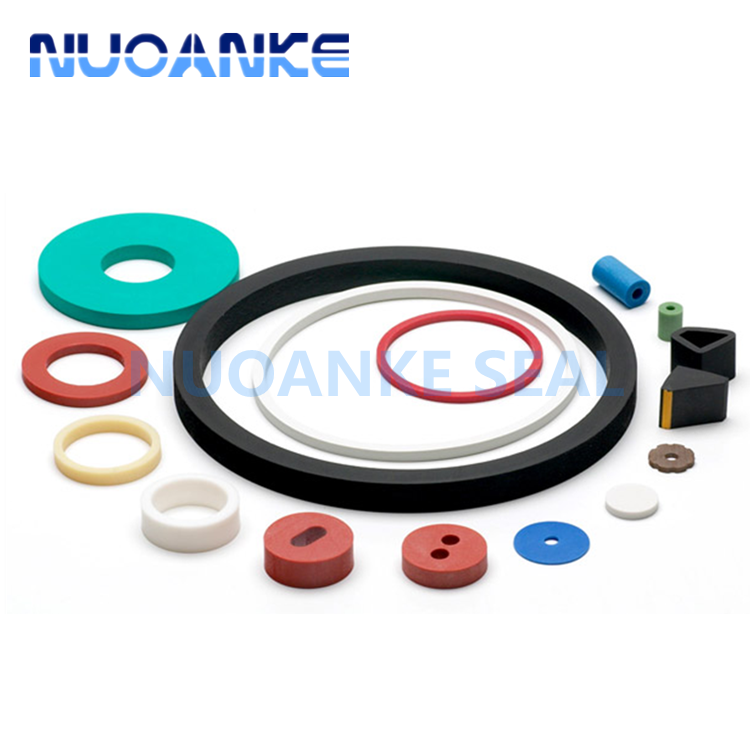
Engineering Capability
Suzhou Baoshida Trading Co., Ltd. delivers precision-engineered rubber seal silicone3 solutions through integrated material science and advanced manufacturing expertise. Our dedicated engineering team comprises five specialized mold engineers and two certified rubber formula engineers, ensuring end-to-end control from molecular design to final production. This dual-discipline structure enables us to optimize both material composition and tooling geometry for superior performance in demanding industrial applications. Our formula engineers develop custom silicone3 compounds meeting exact thermal, chemical, and mechanical requirements, while mold engineers translate these specifications into high-tolerance tooling with minimal cycle times and zero-defect output. This synergy reduces prototyping iterations by 40% compared to industry benchmarks, accelerating time-to-market for OEM partners.
Our OEM capabilities are anchored in a rigorous, data-driven workflow. Projects commence with collaborative requirement analysis, where we map client specifications against ASTM D2000, ISO 3601, and OEM-specific standards. Material formulation leverages proprietary databases tracking 1,200+ silicone3 compound iterations, allowing precise tuning of compression set resistance, tensile strength, and fluid compatibility. Mold design utilizes SolidWorks and Moldflow simulations to predict flow behavior, cure kinetics, and potential stress points, eliminating costly physical trial runs. We maintain full in-house tooling fabrication for molds up to 500-ton press capacity, ensuring dimensional accuracy within ±0.05mm. Every production batch undergoes real-time rheometry and FTIR spectroscopy validation to guarantee batch-to-batch consistency.
Material performance is non-negotiable in critical sealing applications. Below are key specifications for our standard silicone3 grades, all compliant with FDA 21 CFR 177.2600 and USP Class VI:
| Property | Standard Grade | High-Performance Grade | Extreme Environment Grade |
|---|---|---|---|
| Tensile Strength (MPa) | 7.0 | 9.5 | 11.0 |
| Elongation at Break (%) | 450 | 550 | 600 |
| Hardness (Shore A) | 50 ± 5 | 60 ± 5 | 70 ± 5 |
| Temperature Range (°C) | -55 to 200 | -60 to 230 | -70 to 260 |
| Compression Set (22h/150°C, %) | ≤25 | ≤18 | ≤12 |
| Fluid Resistance (IRMOG 7052) | Good | Excellent | Exceptional |
Quality assurance extends beyond material specs. We implement APQP/PPAP documentation for all OEM programs, with SPC monitoring of critical process parameters like cure time, pressure profiles, and post-mold trimming tolerances. Our ISO 9001:2015-certified facility supports low-volume prototyping to high-volume production (500k+ units/month), with traceability via laser-etched part serialization. Suzhou Baoshida’s engineering framework ensures rubber seal silicone3 components exceed OEM durability expectations in automotive, aerospace, and industrial fluid systems—where failure is not an option. Partner with us to transform sealing challenges into engineered advantages.
Customization Process
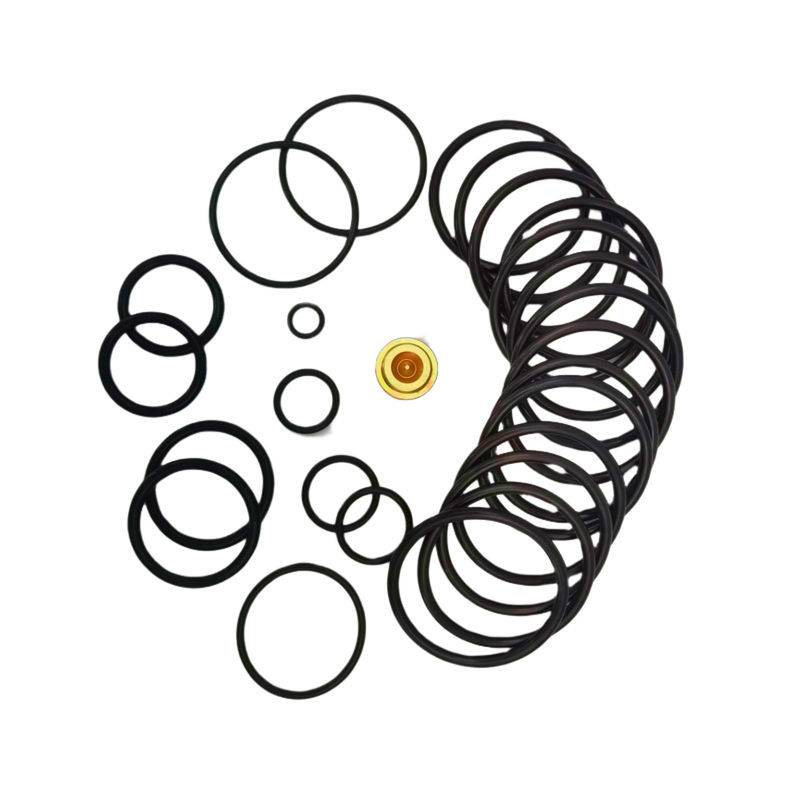
Drawing Analysis
The customization process for rubber seal silicone3 begins with a comprehensive drawing analysis, serving as the foundation for precise product development. At Suzhou Baoshida Trading Co., Ltd., engineering teams evaluate technical blueprints provided by clients, focusing on dimensional tolerances, cross-sectional geometry, sealing surface requirements, and environmental exposure conditions. This stage includes a review of international standards such as ISO 3601, AS568, or JIS B 2401 to ensure compatibility with existing systems. Critical parameters such as groove dimensions, compression ratios, and mating surface finishes are cross-referenced with application data to identify potential sealing challenges. Advanced CAD software enables 3D modeling and interference checks, minimizing design discrepancies before material selection proceeds.
Formulation Development
Following drawing validation, the formulation phase tailors the silicone3 compound to meet operational demands. Our proprietary silicone3 formulation is engineered for enhanced thermal stability, ozone resistance, and low compression set—critical for high-cycle and extreme-temperature environments. The base polymer is modified with reinforcing fillers, heat stabilizers, and custom additives depending on application-specific requirements such as fluid resistance (e.g., exposure to hydraulic fluids, brake fluids, or industrial gases), UV exposure, or regulatory compliance (e.g., FDA, ROHS, or UL). Hardness is adjusted within the 40 to 80 Shore A range, while elongation at break and tensile strength are optimized per performance targets. Each formulation batch undergoes rheological testing and cure characteristic analysis using Moving Die Rheometry (MDR) to ensure processing consistency and final part integrity.
Prototyping and Validation
Once the compound is finalized, low-volume prototyping is conducted using precision compression or injection molding techniques. Prototypes are manufactured under controlled conditions that simulate mass production parameters, ensuring scalability. Dimensional inspection is performed via coordinate measuring machines (CMM), and physical testing includes compression set (ASTM D395), tensile strength (ASTM D412), and fluid immersion resistance. Functional validation in simulated operating environments—such as temperature cycling from -60°C to 200°C or dynamic sealing under pressure—confirms performance reliability. Client feedback is integrated at this stage, allowing for iterative refinements in geometry or material properties before final approval.
Mass Production Readiness
Upon prototype validation, the project transitions to mass production. Our automated molding lines, equipped with real-time process monitoring and Statistical Process Control (SPC), ensure batch-to-batch consistency. Each production lot undergoes 100% visual inspection and抽样 physical testing per AQL standards. Final packaging is customized to prevent deformation and contamination during transit.
Typical Silicone3 Physical Properties
| Property | Test Method | Typical Value |
|---|---|---|
| Hardness (Shore A) | ASTM D2240 | 50–80 |
| Tensile Strength | ASTM D412 | ≥8.0 MPa |
| Elongation at Break | ASTM D412 | ≥250% |
| Compression Set (22h, 150°C) | ASTM D395 | ≤25% |
| Operating Temperature | — | -60°C to 200°C |
| Specific Gravity | ASTM D792 | 1.15–1.25 |
This systematic approach ensures that every rubber seal silicone3 component meets stringent industrial performance criteria while maintaining scalability and cost-efficiency.
Contact Engineering Team
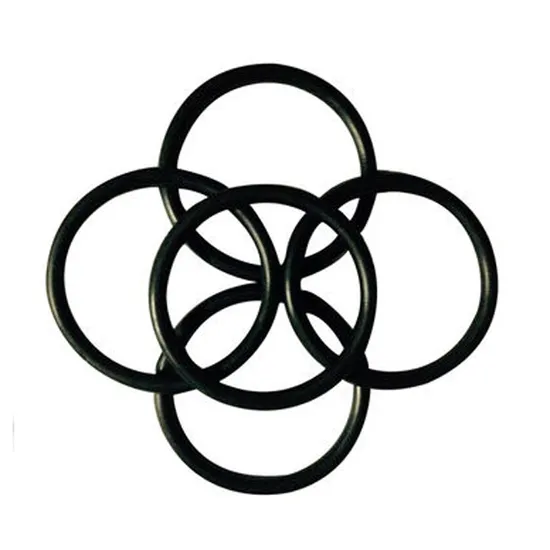
Contact Suzhou Baoshida for Precision Rubber Seal Silicone Solutions
Industrial sealing applications demand uncompromising material integrity and dimensional accuracy. Suzhou Baoshida Trading Co., Ltd. specializes in the engineering and OEM manufacturing of high-performance Rubber Seal Silicone compounds tailored to extreme operational environments. Our formulations undergo rigorous ISO 9001-certified processes, ensuring consistent mechanical properties, thermal stability, and chemical resistance critical for aerospace, automotive, and energy sector deployments. As your technical partner, we prioritize material science alignment with your functional requirements—not merely component supply.
The following table details core specifications for our standard Rubber Seal Silicone grade, engineered for applications requiring resilience across aggressive temperature cycles and fluid exposure. These values represent baseline performance; bespoke modifications for Shore hardness, filler content, or biocompatibility are standard OEM services.
| Property | Test Method | Value |
|---|---|---|
| Hardness (Shore A) | ASTM D2240 | 50 ± 5 |
| Tensile Strength | ASTM D412 | ≥ 8.5 MPa |
| Elongation at Break | ASTM D412 | ≥ 450% |
| Compression Set (22 hrs, 150°C) | ASTM D395 | ≤ 25% |
| Operating Temperature Range | ISO 188 | -60°C to +230°C |
| Fluid Resistance (IRMOG) | ASTM D471 | Pass (Grade 1) |
These metrics reflect our commitment to eliminating field failure risks inherent in substandard elastomers. Unlike generic suppliers, Suzhou Baoshida integrates material characterization data with your CAD models during prototyping, validating seal performance via FEA simulation before tooling commencement. Our facility supports low-volume validation runs (50–500 units) through full-scale production, with traceability to raw material batch codes for audit compliance.
Initiate your project with Mr. Boyce, our Lead Rubber Formulation Engineer and OEM Account Manager. With 14 years of compound development experience—including specialty fluoroelastomers and platinum-cure silicones—he translates your environmental stressors into optimized material architectures. Contact him directly to specify:
Fluid exposure profiles (e.g., Skydrol, biodiesel, sour gas)
Dynamic vs. static sealing requirements
Regulatory mandates (e.g., FDA 21 CFR, UL 746C)
Geometric tolerances per ISO 3302-1
[email protected] remains the exclusive technical intake channel for OEM partnerships. Include your target application, volume forecasts, and critical failure modes in your initial correspondence to accelerate feasibility assessment. Mr. Boyce responds to all engineering inquiries within 4 business hours, providing preliminary compound recommendations with supporting test data.
Delaying material validation invites costly re-engineering cycles during system integration. Suzhou Baoshida’s engineering team stands ready to mitigate your supply chain risk through scientifically grounded elastomer solutions. Submit your technical dossier today to secure formulation review slots, as our Q3 capacity for custom silicone development is allocated 8 weeks in advance. Your next-generation seal performance begins with precise material science—not compromise.
⚖️ O-Ring Weight Calculator
Estimate rubber O-ring weight (Approx).