
Technical Contents
Engineering Guide: Rubber And Resin
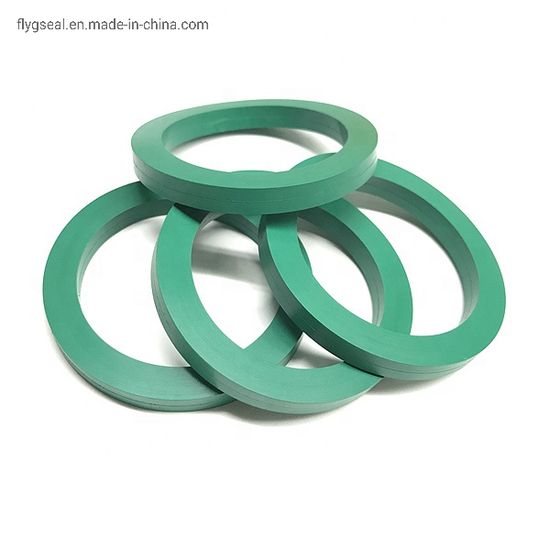
Engineering Insight: Critical Material Selection in Rubber and Resin Applications
Material selection is the foundational determinant of performance and longevity in industrial rubber and resin components. Off-the-shelf compounds frequently fail to meet the rigorous demands of specialized applications, leading to premature degradation, system failure, and significant operational costs. Generic formulations prioritize broad market appeal over specific engineering requirements, inherently lacking the tailored properties necessary for challenging environments. Critical parameters such as dynamic stress resistance, chemical compatibility, thermal stability, and compression set must be precisely engineered for the intended service conditions. Neglecting this bespoke approach results in solutions that appear cost-effective initially but incur substantial expenses through unplanned downtime, safety hazards, and repeated replacement cycles.
The core failure mechanism of standard materials lies in their inability to simultaneously satisfy multiple, often conflicting, performance criteria. A seal exposed to intermittent hydrocarbon exposure and wide temperature fluctuations (-40°C to +150°C) requires a balance of low-temperature flexibility, chemical inertness, and resistance to thermal degradation. Standard nitrile rubber (NBR) may offer adequate fuel resistance at room temperature but becomes brittle below -20°C and degrades rapidly above 120°C. Similarly, generic epoxy resins often lack the necessary thermal shock resistance or adhesion under cyclic loading encountered in power electronics encapsulation. Material science demands a holistic analysis of the operational profile – including media exposure, mechanical loads, temperature excursions, and required service life – to formulate a compound where no single property is compromised at the expense of system integrity.
Suzhou Baoshida Trading Co., Ltd. leverages OEM collaboration to define these precise requirements early in the design phase. Our engineering process involves rigorous simulation of end-use conditions and iterative compound development. The table below illustrates key differentiators between standard and precision-engineered solutions for a demanding hydraulic seal application:
| Critical Parameter | Standard NBR (Off-the-Shelf) | Precision-Engineered HNBR (Baoshida OEM Solution) |
|---|---|---|
| Temperature Range (°C) | -30 to +100 | -50 to +160 |
| Compression Set (ASTM D395, 70h @ 100°C) | 35% | < 15% |
| Resistance to Synthetic Hydraulic Fluids | Moderate (Swelling > 15%) | Excellent (Swelling < 5%) |
| Dynamic Fatigue Life (Cycles to Failure) | 500,000 | > 2,000,000 |
The consequences of inadequate material selection are severe and quantifiable. Seal extrusion under high pressure, rapid hardening due to ozone exposure, or catastrophic loss of adhesion in resin bonds directly impact production uptime and product liability. Field failures often trace back to compounds selected solely on hardness (Shore A) or base polymer type, ignoring synergistic effects of the operational environment. Suzhou Baoshida’s engineering methodology ensures every formulation undergoes application-specific validation, transforming material selection from a cost center into a strategic reliability asset. Precision-engineered rubber and resin solutions are not a luxury; they are the non-negotiable prerequisite for industrial system resilience and operational excellence.
Material Specifications
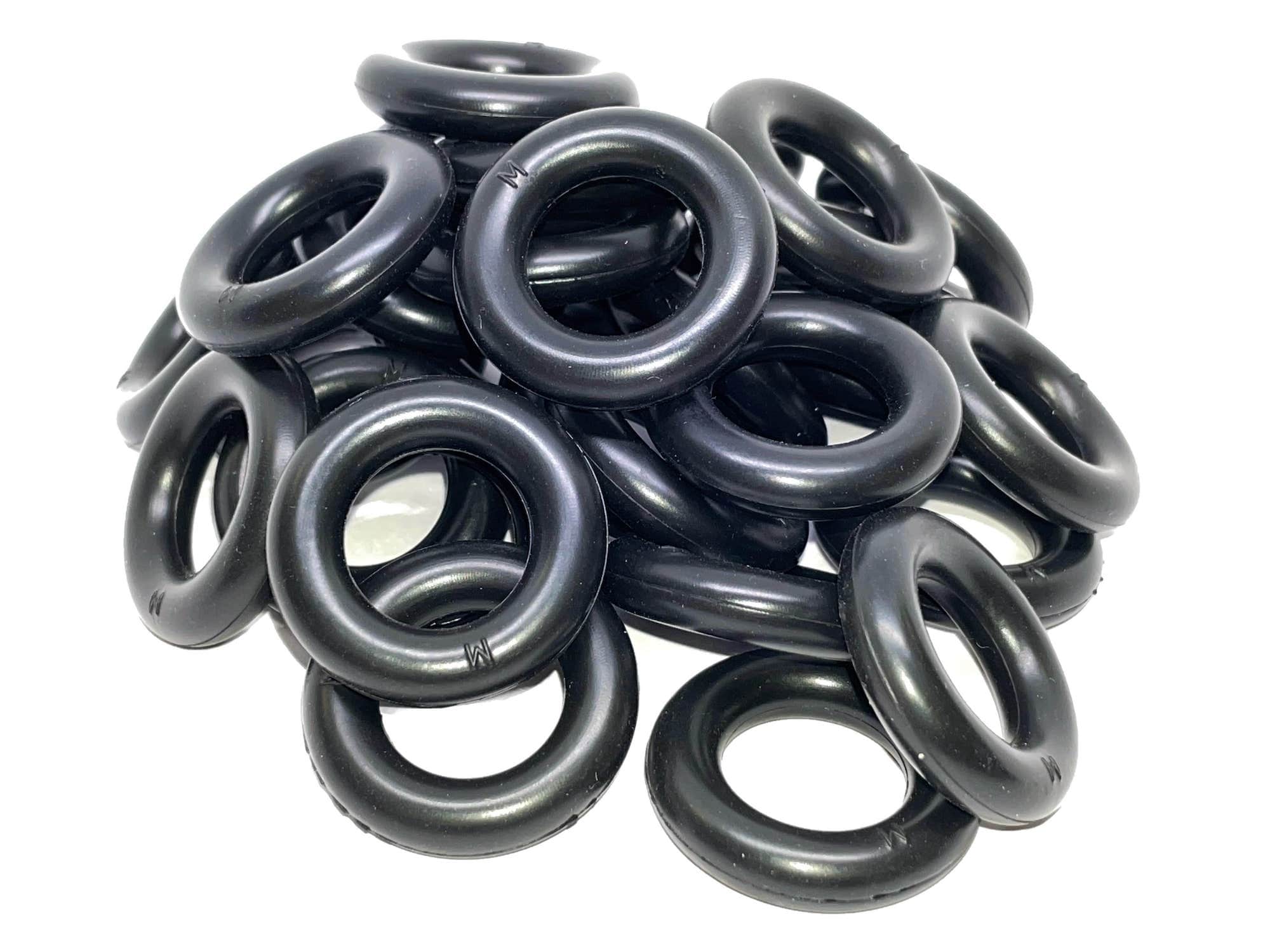
Suzhou Baoshida Trading Co., Ltd. provides advanced industrial rubber solutions tailored for demanding applications across automotive, aerospace, chemical processing, and high-performance sealing industries. Our expertise in elastomer formulation ensures optimal material selection based on environmental exposure, mechanical stress, and longevity requirements. This section details the critical specifications of three key elastomeric materials: Viton (FKM), Nitrile (NBR), and Silicone (VMQ), enabling informed decision-making for OEMs and industrial manufacturers.
Viton, a fluorocarbon-based rubber, is engineered for extreme chemical and thermal resistance. It maintains integrity in environments involving aggressive fuels, oils, acids, and chlorinated hydrocarbons. With continuous service temperatures ranging from -20°C to +230°C, Viton outperforms most elastomers in high-heat applications. Its low gas permeability and excellent aging characteristics make it ideal for aerospace seals, refinery gaskets, and semiconductor processing components. However, Viton exhibits lower flexibility at sub-zero temperatures and higher material cost compared to alternatives.
Nitrile rubber, or Buna-N, is a copolymer of butadiene and acrylonitrile, optimized for resistance to petroleum-based oils and fuels. It is one of the most widely used elastomers in hydraulic systems, automotive fuel delivery, and industrial machinery. Nitrile offers good abrasion resistance and mechanical strength, with a service temperature range of -30°C to +120°C. Its performance degrades under prolonged exposure to ozone, UV radiation, and polar solvents. Custom formulations with varying acrylonitrile content allow tuning of oil resistance versus low-temperature flexibility.
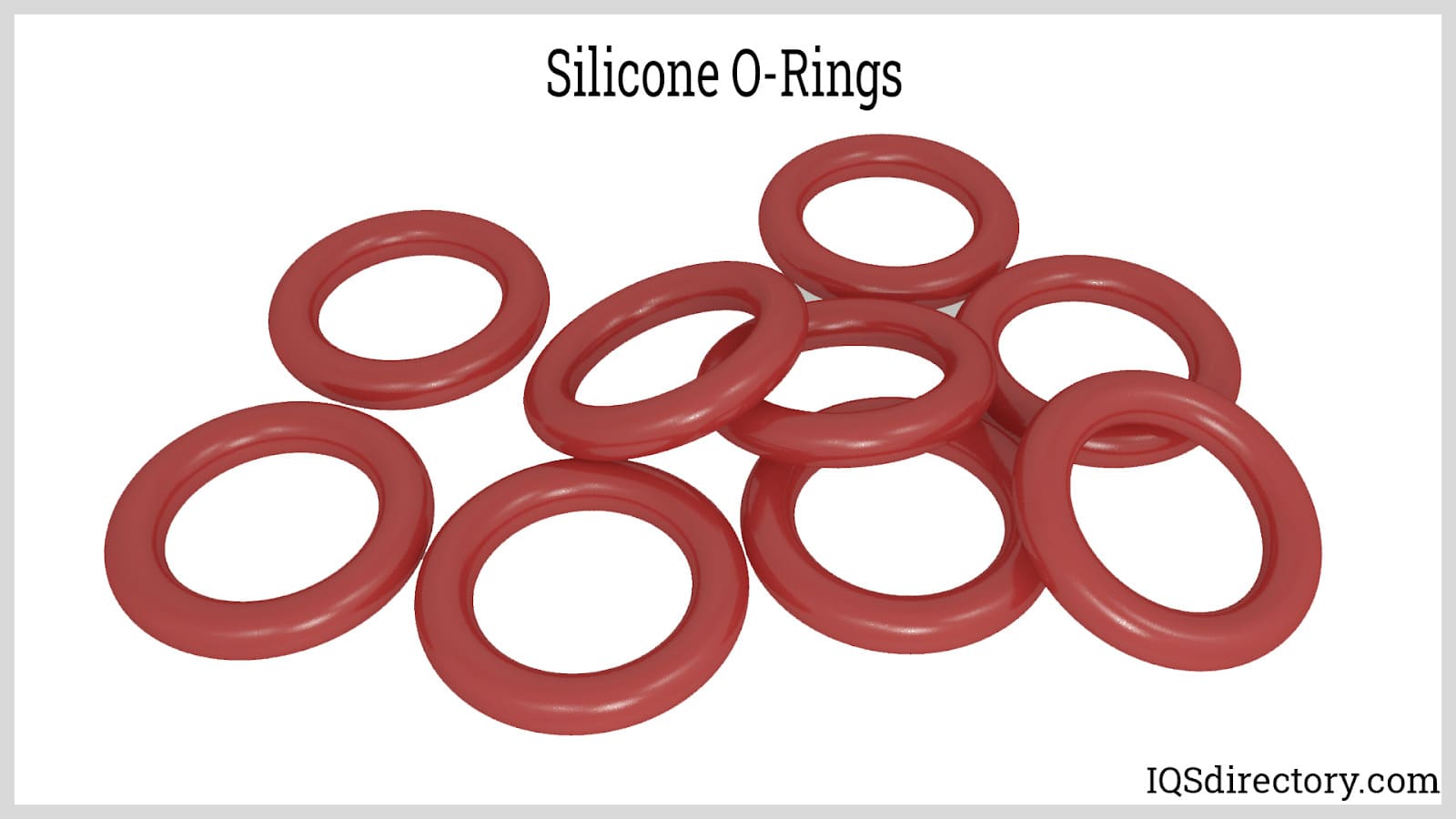
Silicone rubber (VMQ) delivers exceptional thermal stability and biocompatibility, with operational performance from -60°C to +200°C. It is inherently resistant to UV, ozone, and weathering, making it suitable for outdoor electrical insulation, medical devices, and food-grade applications. While silicone exhibits low mechanical strength and poor resistance to hydrocarbon oils, its electrical insulation properties and physiological inertness are unmatched among standard elastomers. Reinforced formulations improve tear resistance for dynamic sealing applications.
The following table summarizes key physical and chemical properties for comparative analysis:
| Property | Viton (FKM) | Nitrile (NBR) | Silicone (VMQ) |
|---|---|---|---|
| Base Polymer | Fluorocarbon | Acrylonitrile-Butadiene | Polydimethylsiloxane |
| Temperature Range (°C) | -20 to +230 | -30 to +120 | -60 to +200 |
| Tensile Strength (MPa) | 15–25 | 10–20 | 5–8 |
| Elongation at Break (%) | 150–300 | 200–500 | 200–600 |
| Hardness (Shore A) | 60–90 | 50–90 | 30–80 |
| Resistance to Oils/Fuels | Excellent | Excellent | Poor |
| Resistance to Ozone/UV | Excellent | Fair | Excellent |
| Compression Set (22h, 150°C) | Low | Moderate | Low to Moderate |
| Electrical Insulation | Good | Fair | Excellent |
| FDA Compliance (Grade) | Optional | Limited | Standard |
Suzhou Baoshida Trading Co., Ltd. supports material selection with technical data sheets, custom compounding, and application engineering. Each elastomer is available in multiple grades to meet specific industrial standards, including ASTM D2000 and ISO 3601.
Manufacturing Capabilities
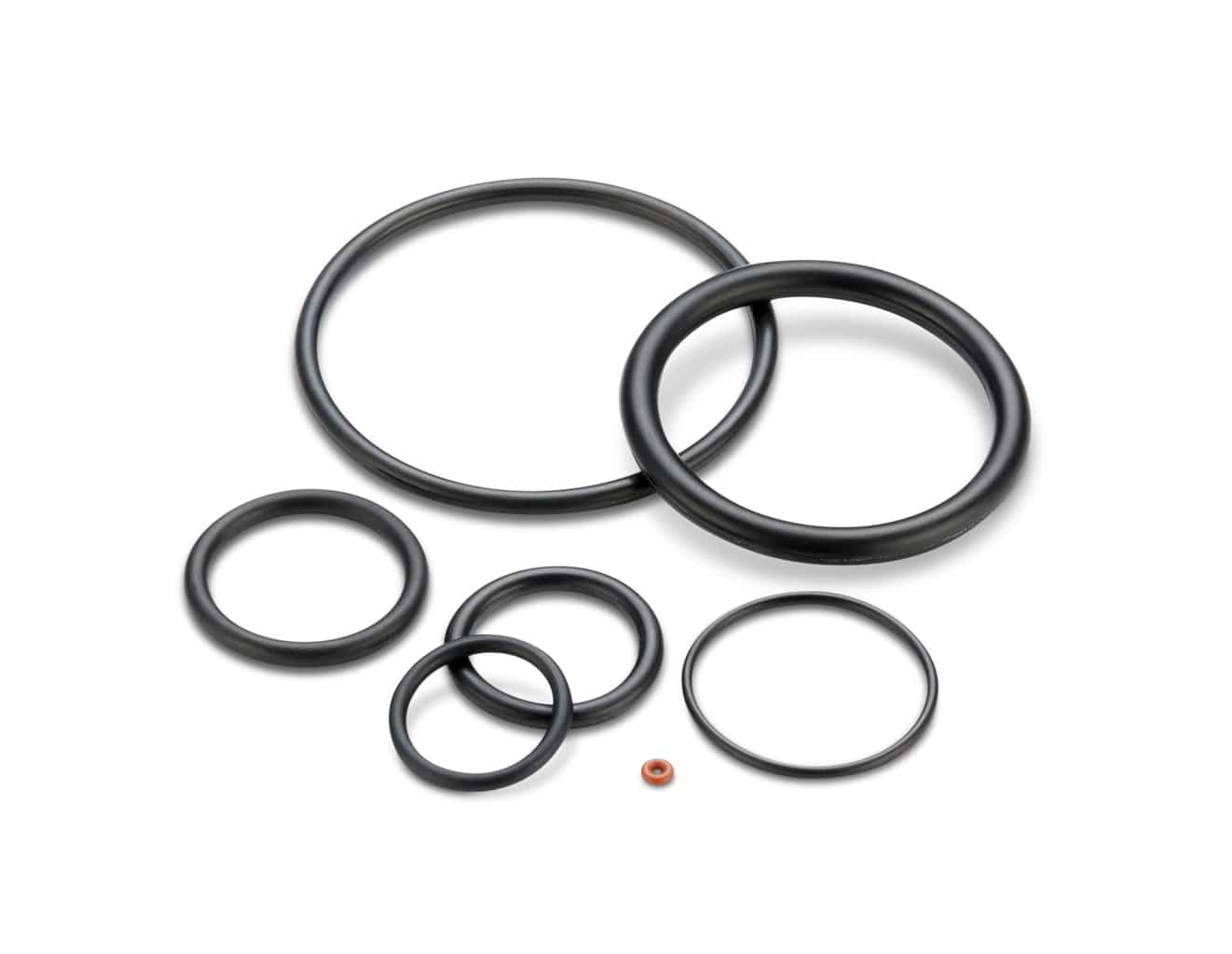
Integrated Engineering Capabilities for Precision Rubber Solutions
Suzhou Baoshida Trading Co., Ltd. leverages a dedicated team of seven specialized engineers—five mould engineers and two formula engineers—to deliver rigorously optimized rubber components for demanding industrial applications. This integrated expertise ensures material science and precision manufacturing converge at every project phase. Our formula engineers develop custom elastomer compounds tailored to exact environmental and mechanical requirements, while mould engineers translate these formulations into high-tolerance tooling. This synergy minimizes material waste, reduces failure rates in critical applications, and accelerates time-to-market. Each compound undergoes empirical validation for properties such as compression set, tensile strength, and chemical resistance, ensuring compliance with ISO 37, ASTM D2000, and OEM-specific standards.
Our OEM capabilities encompass end-to-end project ownership from concept to量产. We manage confidential client specifications through a structured workflow: initial material-performance matrix analysis, 3D mould flow simulation, prototype validation under simulated operational conditions, and full-scale production with real-time SPC monitoring. This process guarantees dimensional stability within ±0.05mm tolerances and consistent batch-to-batch repeatability. Crucially, our engineers collaborate directly with client R&D teams to refine designs for manufacturability—addressing challenges like flash control in multi-cavity moulds or optimizing cure kinetics for high-volume runs. All intellectual property remains protected under strict NDA frameworks, with dedicated project managers ensuring seamless communication and milestone adherence.
Material performance is quantified through standardized testing protocols. The table below illustrates key properties of frequently engineered compounds:
| Material Type | Hardness Range (Shore A) | Tensile Strength (MPa) | Compression Set (70°C, 22h) | Key Applications |
|---|---|---|---|---|
| Hydrogenated Nitrile (HNBR) | 50–90 | 20–30 | ≤25% | Automotive fuel systems, oilfield seals |
| Fluorosilicone (FVMQ) | 40–80 | 6–12 | ≤30% | Aerospace fuel/oil gaskets |
| EPDM Peroxide-Cured | 45–85 | 15–25 | ≤20% | HVAC thermal seals, solar panel mounts |
| Specialty Polyurethane (AU) | 70–95 | 35–55 | ≤15% | Mining conveyor belts, hydraulic seals |
This data-driven approach enables precise material selection for extreme conditions—whether cryogenic flexibility down to -55°C or resistance to aggressive chemicals like methanol or hydraulic fluids. Our formula engineers adjust polymer backbones, filler systems, and cure packages to achieve target performance without compromising processability. Concurrently, mould engineers implement advanced techniques such as sequential valve gating or thermal pin optimization to eliminate knit lines and ensure uniform density in complex geometries.
By unifying compound innovation with precision tooling execution, Suzhou Baoshida mitigates supply chain risks for global OEMs. We transform technical specifications into reliable, high-yield production—reducing client validation cycles by up to 40% while maintaining zero-defect delivery records for Tier-1 automotive and industrial equipment manufacturers. Partner with us to convert engineering constraints into competitive advantages through scientifically validated rubber solutions.
Customization Process
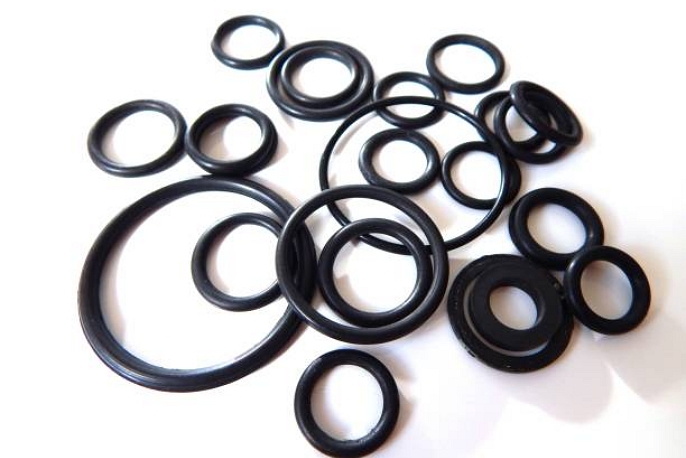
Drawing Analysis: Precision Engineering as the Foundation
The customization process for industrial rubber and resin components begins with rigorous drawing analysis, a critical phase that establishes dimensional accuracy, tolerance compliance, and functional alignment with OEM requirements. At Suzhou Baoshida Trading Co., Ltd., our engineering team conducts a multi-point evaluation of technical drawings provided by clients, focusing on geometric dimensioning and tolerancing (GD&T), sealing surfaces, mating interfaces, and environmental exposure zones. We verify material callouts against operating conditions such as temperature range, chemical exposure, dynamic stress, and compression set requirements. When necessary, our engineers collaborate directly with client design teams to resolve ambiguities, recommend design for manufacturability (DFM) improvements, or suggest alternative geometries to enhance performance and reduce production costs. This phase ensures that every specification is translated into a technically feasible and economically viable manufacturing pathway.
Formulation: Tailoring Material Chemistry to Application Demands
Following drawing validation, the formulation stage involves selecting and compounding rubber or resin systems to meet exact performance criteria. Our in-house R&D laboratory leverages advanced polymer science to engineer custom elastomer blends using base polymers such as NBR, EPDM, FKM, silicone, or polyurethane, tailored with specific additives for UV resistance, flame retardancy, low-temperature flexibility, or abrasion resistance. For resin-based components, we formulate thermosetting systems like epoxy or phenolic resins with controlled cure kinetics and adhesion properties. Each formulation is documented under a unique Material Data Sheet (MDS) and subjected to preliminary testing for hardness, specific gravity, and rheological behavior. The formulation is then cross-referenced with the application environment to ensure long-term durability and regulatory compliance, including RoHS, REACH, or FDA standards where applicable.
Prototyping: Validating Design and Material in Real-World Conditions
Once the material is finalized, we proceed to prototyping using precision tooling—typically aluminum or soft steel molds—enabling rapid iteration and functional testing. Prototypes are manufactured under near-production conditions and subjected to dimensional inspection, compression testing, leak testing, and accelerated aging as required. Client feedback is integrated at this stage, allowing for design or material refinement before committing to full-scale tooling. This iterative validation ensures that both form and function meet the intended operational demands.
Mass Production: Scalable, Consistent, and Traceable Output
Upon prototype approval, we transition to mass production using hardened steel molds and automated curing lines, ensuring batch-to-batch consistency. Each production lot undergoes strict quality control, including first-article inspection and statistical process control (SPC). Full traceability is maintained through lot numbering and retained samples.
| Property | Test Method | Typical Range |
|---|---|---|
| Hardness (Shore A) | ASTM D2240 | 40–90 |
| Tensile Strength | ASTM D412 | 8–25 MPa |
| Elongation at Break | ASTM D412 | 150–600% |
| Compression Set (22h, 70°C) | ASTM D395 | ≤25% |
| Operating Temp Range | — | -40°C to +250°C (FKM) |
Contact Engineering Team
Contact Suzhou Baoshida for Precision Industrial Rubber Solutions
Suzhou Baoshida Trading Co., Ltd. stands as your definitive partner for engineered rubber and resin formulations tailored to rigorous industrial applications. Our expertise spans compound development, OEM manufacturing, and technical validation for sectors demanding uncompromising material performance—including automotive sealing systems, aerospace components, and heavy machinery isolators. We operate at the intersection of polymer science and production scalability, ensuring every formulation meets exacting mechanical, thermal, and chemical resistance requirements. Generic material solutions often fail under operational stress; our approach begins with your specific environmental and functional parameters to deliver compounds that endure.
Critical to our methodology is the integration of advanced testing protocols with real-world application data. Unlike standard suppliers, we validate formulations against dynamic conditions such as fluid immersion at elevated temperatures, cyclic fatigue loads, and ozone exposure levels exceeding ISO 1817 and ASTM D2000 standards. This precision engineering minimizes field failures and extends product lifecycle. Below is a comparative overview of our core material capabilities versus industry benchmarks:
| Material Type | Key Properties | Suzhou Baoshida Advantage |
|---|---|---|
| Nitrile (NBR) | Tensile: 15–25 MPa; Temp Range: -30°C to 120°C | Custom hydrogenated variants (HNBR) to 150°C; fuel/oil resistance exceeding ASTM D471 Type 4 |
| EPDM | Tensile: 7–20 MPa; Temp Range: -50°C to 150°C | Cryogenic variants stable to -70°C; compression set <15% after 70h at 150°C (ASTM D395) |
| Silicone (VMQ) | Tensile: 6–12 MPa; Temp Range: -60°C to 230°C | Reinforced grades with 450% elongation; biocompatible formulations per USP Class VI |
| Polyurethane (TPU) | Tensile: 30–60 MPa; Abrasion Index: 100–140 | Hydrolysis-resistant grades; Shore A 60–95 with tear strength >60 kN/m |
Engage directly with Mr. Boyce, our dedicated Technical OEM Manager, to resolve complex formulation challenges or accelerate production timelines. Mr. Boyce possesses 14 years of hands-on experience in rubber compounding for Tier-1 automotive and industrial clients, with a proven record in transitioning lab-scale prototypes to high-volume manufacturing. His team specializes in rapid iteration of material batches—typically delivering validated samples within 15 business days—and provides full traceability via batch-specific certificates of conformance (CoC) including rheometry, DSC, and FTIR data.
Initiate technical collaboration by contacting Mr. Boyce exclusively via email at [email protected]. Include your application’s critical parameters: required hardness range (Shore A/D), operating temperature extremes, fluid exposure profiles, and mechanical stress conditions. For expedited review, reference your ISO/ASTM compliance targets and annual volume requirements. We do not accept initial inquiries via phone or general contact forms; this ensures your technical dossier receives immediate engineering scrutiny. Suzhou Baoshida operates under strict IATF 16949 protocols, and all communications are treated as confidential technical data. Partner with us to transform material constraints into competitive advantages through scientifically grounded rubber engineering.
⚖️ O-Ring Weight Calculator
Estimate rubber O-ring weight (Approx).