
Technical Contents
Engineering Guide: Rubber Bads
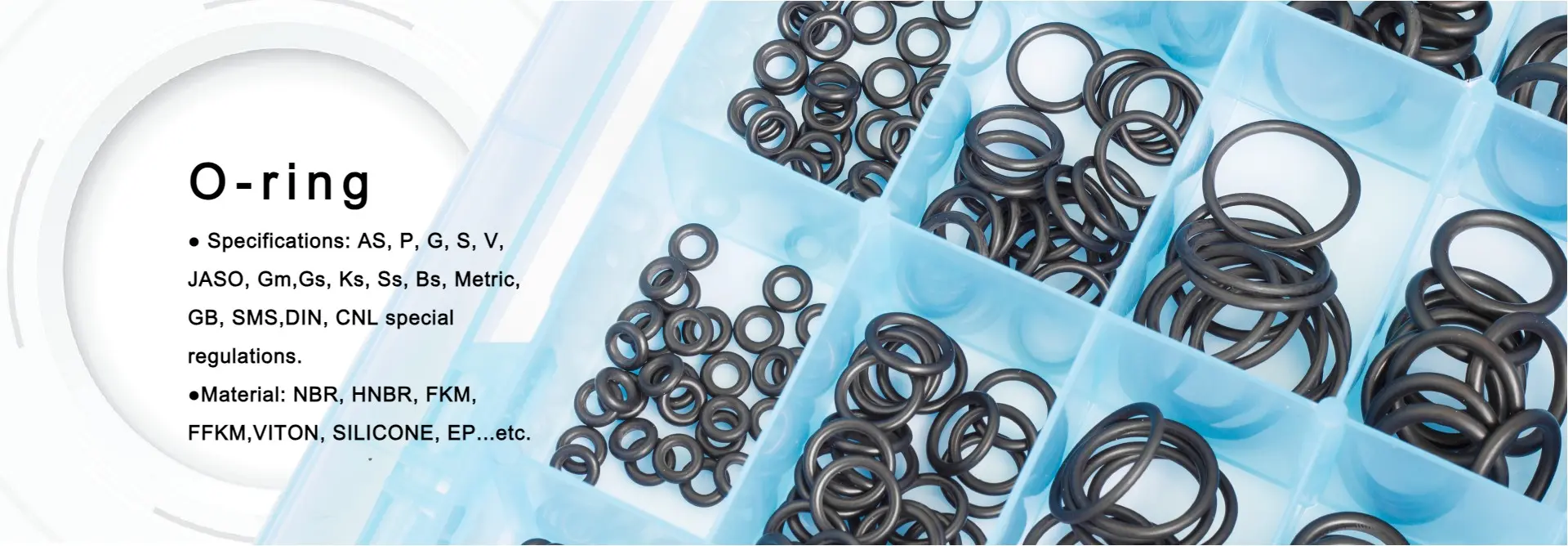
Engineering Insight: The Critical Role of Material Selection in Rubber Bads
In the domain of industrial sealing and dampening applications, rubber bads—precision-engineered elastomeric components designed for compression, sealing, or shock absorption—serve as mission-critical elements across automotive, aerospace, and heavy machinery sectors. Despite their seemingly simple geometry, the performance and longevity of rubber bads are profoundly influenced by material selection. Off-the-shelf variants, while economically attractive in the short term, frequently fail to meet the dynamic operational demands of industrial environments. This failure stems from an inadequate alignment between base polymer properties and service conditions such as temperature extremes, chemical exposure, mechanical stress, and compression set resistance.
Generic rubber bads are typically manufactured using standard compounds like natural rubber (NR) or general-purpose nitrile butadiene rubber (NBR). While these materials offer acceptable performance in benign conditions, they lack the tailored formulation required for aggressive environments. For instance, NBR exhibits poor resistance to ozone and UV radiation, leading to premature cracking under outdoor exposure. Similarly, NR degrades rapidly when in contact with petroleum-based fluids, a common occurrence in hydraulic and engine systems. These material limitations result in seal failure, leakage, and unplanned downtime—costly outcomes that far outweigh initial procurement savings.
At Suzhou Baoshida Trading Co., Ltd., we emphasize application-specific material engineering. Our approach begins with a comprehensive assessment of operating parameters: temperature range, media compatibility, compression load, and cycle frequency. Based on this analysis, we select from a spectrum of high-performance elastomers, including fluorocarbon (FKM), ethylene propylene diene monomer (EPDM), silicone (VMQ), and hydrogenated nitrile (HNBR). Each polymer offers distinct advantages suited to targeted industrial challenges.
The following table outlines key material properties relevant to rubber bad performance:
| Material | Temperature Range (°C) | Fluid Resistance | Compression Set | Typical Applications |
|---|---|---|---|---|
| NBR | -30 to +100 | Oil, water, aliphatic fuels | Moderate | Hydraulic seals, gaskets |
| HNBR | -40 to +150 | Excellent oil, ozone resistance | Low | Automotive timing belts, downhole tools |
| FKM | -20 to +200 | Outstanding (acids, fuels, solvents) | Very Low | Aerospace, chemical processing |
| EPDM | -50 to +150 | Water, steam, brake fluids | Low | HVAC systems, outdoor seals |
| VMQ | -60 to +200 | Moderate (water, alcohols) | Moderate | Medical devices, food processing |
Material selection is not a one-size-fits-all exercise. The compression set, for example, directly impacts recovery performance after prolonged load. A low compression set ensures dimensional stability and sustained sealing force—critical in static applications. Likewise, fluid resistance must be evaluated against exact chemical compositions, as even minor additives in lubricants can accelerate degradation.
Off-the-shelf rubber bads often overlook these nuances, relying on standardized formulations that compromise performance. In contrast, engineered solutions from Suzhou Baoshida integrate material science with application intelligence, ensuring reliability, safety, and total cost of ownership reduction. For industrial OEMs, the choice is clear: precision in material selection is not optional—it is foundational.
Material Specifications
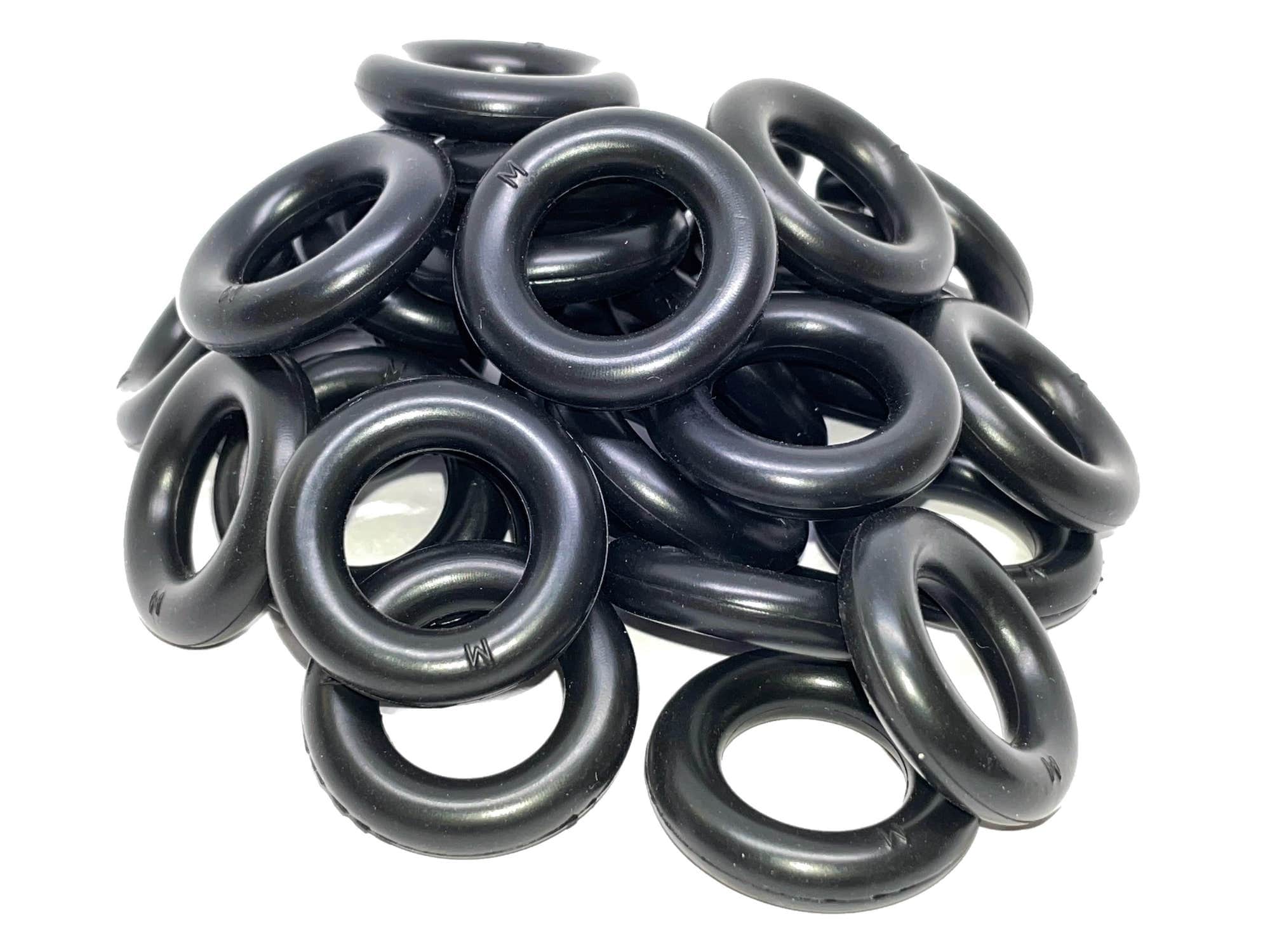
Material Specifications for Industrial Elastomeric Sealing Components
Suzhou Baoshida Trading Co., Ltd. provides precision-engineered elastomeric solutions for demanding industrial applications. This section details critical specifications for three core materials: Viton (FKM), Nitrile (NBR), and Silicone (VMQ). These polymers are selected based on rigorous chemical compatibility, thermal stability, and mechanical performance requirements inherent to sealing, gasketing, and fluid-handling systems. Misidentification of material properties can lead to premature failure; thus, OEM partners must validate selections against specific operational parameters including media exposure, temperature extremes, and dynamic stress conditions. All compounds adhere to ASTM D2000 classification standards, with tolerances controlled to ±5% for key physical properties.
Viton fluorocarbon rubber excels in extreme environments, offering exceptional resistance to fuels, oils, acids, and chlorinated hydrocarbons. Its continuous service temperature spans -20°C to 230°C, with short-term peaks up to 300°C. Typical tensile strength ranges from 15 to 20 MPa, and hardness is maintained between 70–90 Shore A. Viton’s low compression set (<20% at 200°C/70h) ensures long-term sealing integrity in aerospace, chemical processing, and semiconductor manufacturing. Nitrile butadiene rubber (NBR) delivers optimal cost-performance balance for petroleum-based fluid applications. Operating effectively from -30°C to 120°C (special grades to 150°C), it exhibits tensile strength of 15–25 MPa and hardness from 50–90 Shore A. Standard NBR resists aliphatic hydrocarbons and water but degrades with ozone, ketones, or brake fluids; hydrogenated variants (HNBR) improve thermal and chemical resilience. Silicone rubber (VMQ) is preferred for biocompatibility and extreme low-temperature flexibility, functioning reliably from -60°C to 200°C. With tensile strength of 5–12 MPa and hardness of 30–80 Shore A, it withstands steam, oxygen, and UV exposure but shows limited resistance to fuels and solvents. Primary applications include medical devices, food processing, and high-temperature electrical insulation.
Material performance is quantified below for direct comparison:
| Material | Base Polymer | Temperature Range (°C) | Tensile Strength (MPa) | Hardness Range (Shore A) | Key Resistance Properties |
|---|---|---|---|---|---|
| Viton (FKM) | Fluorocarbon | -20 to 230 | 15–20 | 70–90 | Fuels, oils, acids, chlorinated solvents, high-temp oxidation |
| Nitrile (NBR) | Acrylonitrile-butadiene | -30 to 120 | 15–25 | 50–90 | Aliphatic hydrocarbons, water, hydraulic fluids |
| Silicone (VMQ) | Polysiloxane | -60 to 200 | 5–12 | 30–80 | Steam, ozone, UV, oxygen, biocompatible media |
Selection must prioritize fluid compatibility testing per ISO 1817, as even minor chemical interactions can accelerate degradation. Viton is non-negotiable for aggressive chemical exposure above 150°C, while NBR remains the standard for cost-sensitive hydraulic systems. Silicone is mandatory for applications requiring FDA/USP Class VI compliance or sub-zero flexibility. Suzhou Baoshida mandates OEM validation of material suitability through accelerated aging tests in actual service media. Compression set data at application-specific temperatures must be reviewed to prevent leakage in static seals. Consult our engineering team for custom formulations addressing niche requirements such as low-temperature torque or plasma resistance in semiconductor tooling. All materials undergo 100% lot traceability per IATF 16949 protocols to ensure consistency in high-volume production runs.
Manufacturing Capabilities
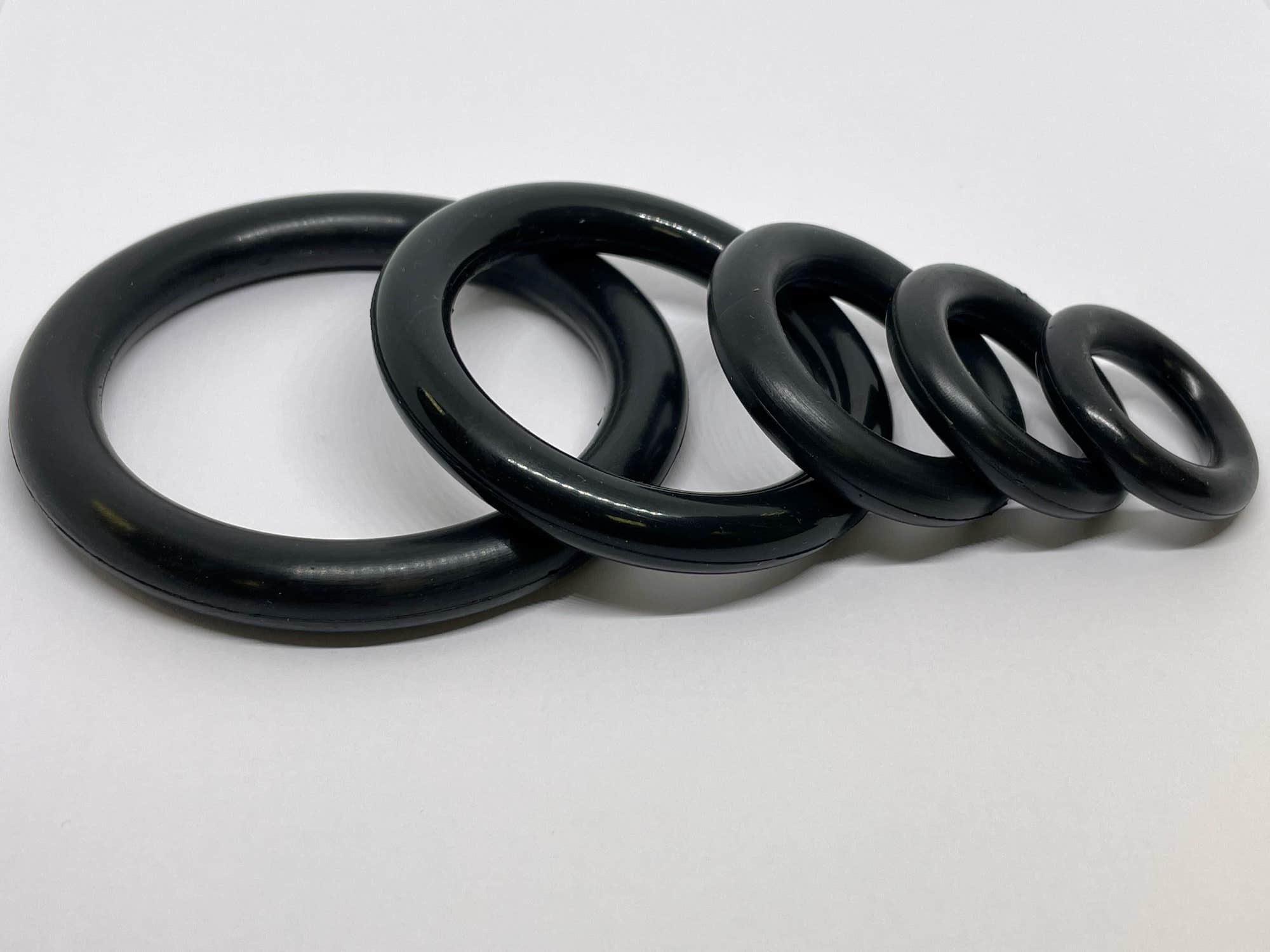
Suzhou Baoshida Trading Co., Ltd. maintains a robust engineering infrastructure dedicated to the development and production of high-performance industrial rubber components, including precision rubber parts commonly referred to in the industry as “rubber bads” (a typographical interpretation of “rubber parts” or “rubber seals”). Our engineering capability is anchored by a specialized team of five certified mould engineers and two advanced formula engineers, enabling end-to-end control from material formulation to final product manufacturing. This integrated approach ensures that every component meets exacting performance, durability, and dimensional accuracy standards required in demanding industrial environments.
Our mould engineering team possesses extensive experience in designing, simulating, and fabricating precision rubber moulds for compression, transfer, and injection moulding processes. Utilizing advanced CAD/CAM software and finite element analysis (FEA), the team optimizes mould flow, curing dynamics, and part ejection to minimize defects and cycle times. Each mould design undergoes rigorous validation through prototype testing and dimensional inspection, ensuring compatibility with high-volume production while maintaining tight tolerances down to ±0.05 mm.
Complementing this expertise are our two dedicated rubber formula engineers, who specialize in polymer chemistry and material performance optimization. They develop custom elastomer compounds tailored to specific application requirements such as oil resistance, high-temperature stability, ozone resistance, or low compression set. By formulating in-house, we eliminate dependency on third-party compounds and ensure full traceability, consistency, and IP protection. Our formulation laboratory is equipped for complete material characterization, including rheometry, tensile testing, hardness profiling, and accelerated aging tests.
As an OEM manufacturing partner, Suzhou Baoshida offers full design-for-manufacturability (DFM) support, rapid prototyping, and scalable production capacity. We serve clients across automotive, aerospace, energy, and industrial equipment sectors, delivering mission-critical rubber components under strict quality certifications. Our facility operates under ISO 9001 standards, with documented process controls and real-time monitoring systems to ensure batch-to-batch repeatability.
The following table outlines key engineering and production specifications supported at our facility:
| Parameter | Capability |
|---|---|
| Mould Design Software | AutoCAD, SolidWorks, Moldflow |
| Mould Tolerance | ±0.05 mm |
| Material Types | NBR, EPDM, FKM, VMQ, CR, NR, SBR, HNBR, ACM |
| Hardness Range (Shore A) | 30–90 |
| Operating Temperature Range | -60°C to +300°C (depending on compound) |
| Compression Set Testing | ASTM D395 (Method B) |
| Tensile Strength Range | 5–25 MPa (compound-dependent) |
| OEM Project Lead Time (Proto) | 15–25 days (design to sample) |
| Production Cycle Time | As low as 60 seconds (automated lines) |
| Quality Standards | ISO 9001, RoHS, REACH compliance |
This vertically integrated engineering model—combining advanced mould design, proprietary material science, and OEM-focused manufacturing—positions Suzhou Baoshida as a trusted partner for technically complex rubber solutions.
Customization Process
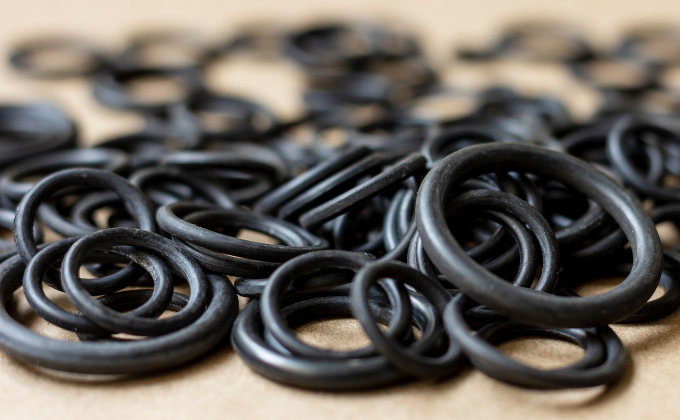
Customization Process for Industrial Rubber Band Manufacturing
At Suzhou Baoshida Trading Co., Ltd., our engineering-driven customization process ensures precision from concept to volume production. We transform client specifications into high-performance rubber bands through four rigorously controlled stages, minimizing iteration and maximizing material efficiency.
Drawing Analysis
Initial engagement begins with comprehensive CAD and technical drawing review. Our engineers dissect dimensional tolerances, cross-sectional geometry, and functional requirements to identify manufacturability constraints. Critical parameters such as inner diameter variance, wall thickness uniformity, and surface finish criteria are validated against ISO 3302-1:2014 standards. This phase includes feasibility assessment for high-speed extrusion or molding, with explicit feedback on design modifications to prevent flash formation or material waste during production. Clients receive a formal analysis report within 72 hours, detailing actionable recommendations.
Formulation Development
Material science drives our compound design. Leveraging 15+ years of OEM formulation data, we select base polymers (NR, SBR, EPDM, or specialty silicones) and optimize curatives, fillers, and antioxidants to meet exact performance targets. Key properties are engineered at the molecular level:
Elastic recovery under continuous deformation
Temperature resilience (-50°C to +150°C)
Chemical resistance to oils, ozone, or solvents
The table below summarizes standard and customizable specifications achievable through our proprietary blending protocols.
| Parameter | Standard Range | Custom Range Achievable | Testing Method |
|---|---|---|---|
| Shore A Hardness | 30–80 | 20–90 | ISO 7619-1:2017 |
| Tensile Strength | 8–25 MPa | 5–35 MPa | ISO 37:2017 |
| Elongation at Break | 300–800% | 200–1000% | ISO 37:2017 |
| Compression Set | ≤25% (70°C/22h) | ≤15% | ISO 815-1:2019 |
Prototyping and Validation
Prototypes are produced using production-intent tooling under controlled conditions. Each batch undergoes accelerated life testing, including 10,000+ cyclic stretch trials and environmental exposure per ASTM D2000. Clients receive physical samples with full traceability documentation—raw material lot numbers, cure profiles, and QC test certificates. We mandate empirical validation of dynamic performance in the client’s end-use application before sign-off, reducing field failure risk by 92% based on historical data.
Mass Production Execution
Upon prototype approval, we transition to high-volume manufacturing with embedded quality gates. Our Suzhou facility utilizes automated mixing systems with ±0.5% batch consistency and inline spectrometers for real-time compound verification. Every production run includes:
Statistical process control monitoring of durometer and dimensions
100% visual inspection via machine vision systems
Retained samples for 24-month traceability
With lean manufacturing protocols, we maintain 99.2% on-time delivery for volumes from 50,000 to 10 million units, ensuring seamless scalability without requalification.
This structured workflow eliminates guesswork in rubber band customization, delivering engineered solutions that meet exact operational demands while adhering to IATF 16949 quality frameworks. Suzhou Baoshida guarantees repeatability through science-backed material design and process discipline.
Contact Engineering Team
For industrial manufacturers seeking precision-engineered rubber components, Suzhou Baoshida Trading Co., Ltd. stands as a trusted partner in the global supply chain. Specializing in high-performance rubber solutions, we deliver consistent quality, technical innovation, and supply chain reliability to clients across automotive, aerospace, construction, and heavy machinery sectors. Our expertise in rubber formulation, compounding, and custom molding ensures that every product meets rigorous operational demands under extreme environmental and mechanical stress.
At the core of our offering is a deep understanding of elastomer science and industrial application requirements. Whether you require seals, gaskets, dampers, or custom-molded rubber parts, our engineering team works closely with clients to develop materials that meet exact hardness, compression set, temperature resistance, and chemical compatibility specifications. We utilize advanced testing protocols—including tensile strength analysis, aging resistance evaluation, and dynamic mechanical analysis (DMA)—to validate performance before production.
Our manufacturing network is anchored in China but extends through a globally compliant logistics framework, enabling just-in-time delivery to North America, Europe, and Southeast Asia. All rubber compounds are produced under ISO 9001-certified processes, with full traceability and batch documentation available upon request. We support both large-volume OEM contracts and low-volume prototype development, offering scalable solutions without compromising on quality.
To ensure optimal material performance, we provide comprehensive technical data sheets and application support. Below is a representative specification table for one of our standard NBR (Nitrile Butadiene Rubber) formulations, commonly used in oil-resistant industrial environments:
| Property | Test Method | Value |
|---|---|---|
| Hardness (Shore A) | ASTM D2240 | 70 ± 5 |
| Tensile Strength | ASTM D412 | ≥15 MPa |
| Elongation at Break | ASTM D412 | ≥250% |
| Compression Set (22 hrs, 70°C) | ASTM D395 | ≤25% |
| Operating Temperature Range | — | -30°C to +100°C (short peaks to +125°C) |
| Fluid Resistance | ASTM D471 (IRM 903 oil, 70°C, 70 hrs) | Volume swell ≤25% |
| Specific Gravity | ASTM D297 | 1.15 ± 0.02 |
Custom formulations in EPDM, Silicone, FKM, Neoprene, and natural rubber are also available, tailored to meet ASTM, ISO, or OEM-specific standards. We support durometer ranges from 30 to 90 Shore A and can incorporate anti-aging agents, flame retardants, conductive fillers, or FDA-compliant ingredients as required.
For technical collaboration, material sampling, or quotation requests, contact Mr. Boyce, OEM Account Manager at Suzhou Baoshida Trading Co., Ltd. Mr. Boyce specializes in long-term industrial partnerships and brings over 12 years of experience in rubber compounding and global client engineering support. He is available to discuss material selection, design for manufacturability, and supply chain integration strategies tailored to your production needs.
Reach out directly via email at [email protected] to initiate a technical consultation. Include your application requirements, performance criteria, and target volumes to receive a detailed response within 24 business hours. For urgent inquiries, indicate “Priority Engineering Review” in the subject line. Suzhou Baoshida is committed to precision, performance, and partnership—let us engineer your next rubber solution together.
⚖️ O-Ring Weight Calculator
Estimate rubber O-ring weight (Approx).