
Technical Contents
Engineering Guide: Rubber Ban
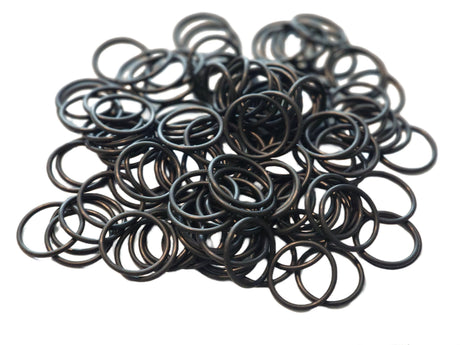
Engineering Insight: The Critical Role of Material Selection in Rubber Ban Applications
In industrial environments, the term “rubber ban” refers to precision-engineered rubber components designed for dynamic sealing, vibration damping, and mechanical isolation under demanding operational conditions. While the name may imply a simple band or ring, rubber bans are complex elastomeric systems whose performance is directly tied to the science of material selection. Off-the-shelf solutions often fail because they prioritize cost and availability over application-specific engineering requirements.
The failure of generic rubber bans typically stems from an inadequate match between the elastomer compound and the service environment. Factors such as temperature extremes, exposure to oils and chemicals, dynamic stress cycles, and compression set resistance must be evaluated at the molecular level. For instance, a standard NBR (nitrile butadiene rubber) ban may perform adequately in low-temperature hydraulic systems but will rapidly degrade when exposed to ozone or aromatic hydrocarbons. Similarly, EPDM compounds offer excellent resistance to weathering and steam but exhibit poor compatibility with petroleum-based fluids.
At Suzhou Baoshida Trading Co., Ltd., we emphasize compound-specific design based on OEM specifications and field data. Our engineering team conducts material lifecycle simulations to predict performance under real-world stressors, ensuring that each rubber ban is tailored to its intended application. This approach mitigates premature failure modes such as cracking, swelling, hardening, or loss of resilience.
A critical oversight in off-the-shelf procurement is the lack of traceability in compound formulation. Many commercial-grade bans use reprocessed or inconsistent rubber blends, leading to batch-to-batch variability. In contrast, our manufacturing process employs virgin polymers with controlled filler content, precise curing systems, and rigorous QC testing to ensure repeatability and compliance with ISO 9001 standards.
Below is a comparative analysis of common elastomer types used in industrial rubber bans, highlighting key performance characteristics:
| Material | Temperature Range (°C) | Hardness (Shore A) | Tensile Strength (MPa) | Key Resistance Properties |
|---|---|---|---|---|
| NBR | -30 to +100 | 60–90 | 10–20 | Oil, fuel, abrasion |
| EPDM | -50 to +150 | 50–80 | 8–15 | Ozone, UV, steam |
| Silicone | -60 to +200 | 40–80 | 5–9 | Extreme temperatures, oxidation |
| FKM (Viton®) | -20 to +200 | 70–90 | 12–18 | Chemicals, oils, high heat |
| Neoprene | -40 to +120 | 50–85 | 10–17 | Flame, weathering, moderate oils |
Selecting the correct material is not a one-size-fits-all decision. It requires a deep understanding of both the mechanical interface and environmental exposure. At Baoshida, we collaborate with OEMs to define operating parameters and develop custom formulations that extend service life, reduce downtime, and enhance system reliability. In the realm of rubber ban engineering, precision in material science is not optional—it is foundational.
Material Specifications
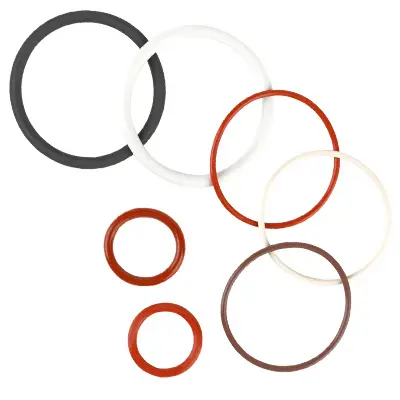
Material Specifications for Industrial Sealing Components
The term “rubber ban” commonly refers to precision-engineered elastomeric sealing components critical in industrial applications. At Suzhou Baoshida Trading Co., Ltd., we prioritize material science rigor to ensure optimal performance under demanding operational conditions. This section details specifications for three premier elastomers: Viton (FKM), Nitrile (NBR), and Silicone (VMQ). Each material exhibits distinct chemical, thermal, and mechanical properties, necessitating precise selection based on fluid exposure, temperature extremes, and mechanical stress. Misapplication can result in premature seal failure, system contamination, or safety hazards. Our OEM formulation processes adhere strictly to ASTM D2000 and ISO 3601 standards, ensuring repeatability and compliance with global industrial requirements.
Viton (Fluoroelastomer, FKM) delivers exceptional resistance to high temperatures, aggressive chemicals, and fuels. It maintains integrity in continuous service up to 230°C and intermittent exposure to 260°C. Its molecular structure provides superior stability against mineral oils, synthetic hydraulic fluids, aromatics, and acids, making it indispensable in aerospace, automotive fuel systems, and chemical processing. Viton compounds typically achieve tensile strengths of 12–20 MPa and hardness ranges of 60–90 Shore A. However, its cost premium necessitates justified application scenarios.
Nitrile (Acrylonitrile-Butadiene Rubber, NBR) remains the industry standard for cost-effective resistance to petroleum-based oils and greases. Operating effectively between -40°C and 120°C, NBR excels in hydraulic systems, automotive transmissions, and general industrial seals. Its acrylonitrile content directly correlates with oil resistance; higher percentages (e.g., 40–50%) enhance durability in fuel-rich environments but reduce low-temperature flexibility. Standard NBR formulations exhibit tensile strengths of 10–18 MPa and hardness of 50–90 Shore A. Limitations include poor ozone resistance and degradation in polar solvents like acetone.
Silicone (Polymerized Siloxane, VMQ) offers the broadest operational temperature range (-60°C to 200°C) and outstanding biocompatibility. Its inertness suits food, pharmaceutical, and medical applications where purity is non-negotiable. Silicone maintains flexibility at cryogenic temperatures and resists oxidation, but exhibits poor mechanical strength (tensile: 5–10 MPa) and limited resistance to concentrated acids, alkalis, and petroleum derivatives. Hardness typically spans 30–80 Shore A. Compression set resistance is moderate, requiring careful design for dynamic applications.
The comparative analysis below summarizes critical performance metrics for informed material selection:
| Property | Viton (FKM) | Nitrile (NBR) | Silicone (VMQ) |
|---|---|---|---|
| Temperature Range (°C) | -20 to +230 | -40 to +120 | -60 to +200 |
| Tensile Strength (MPa) | 12–20 | 10–18 | 5–10 |
| Hardness Range (Shore A) | 60–90 | 50–90 | 30–80 |
| Key Fluid Resistance | Acids, fuels, oils | Petroleum oils, water | Water, alcohols |
| Key Limitations | Ketones, amines | Ozone, polar solvents | Petroleum oils, steam |
| Compression Set (ASTM D395, 22h/150°C) | ≤25% | ≤30% | ≤35% |
Suzhou Baoshida Trading Co., Ltd. leverages decades of OEM formulation expertise to tailor these base materials with specialized additives—reinforcing fillers, anti-degradants, and processing aids—to meet exact client specifications. We rigorously validate all compounds through accelerated aging, fluid immersion, and dynamic sealing tests per ISO 2230. Partner with us to transform material science into reliable industrial performance, minimizing downtime and ensuring regulatory compliance across your supply chain.
Manufacturing Capabilities
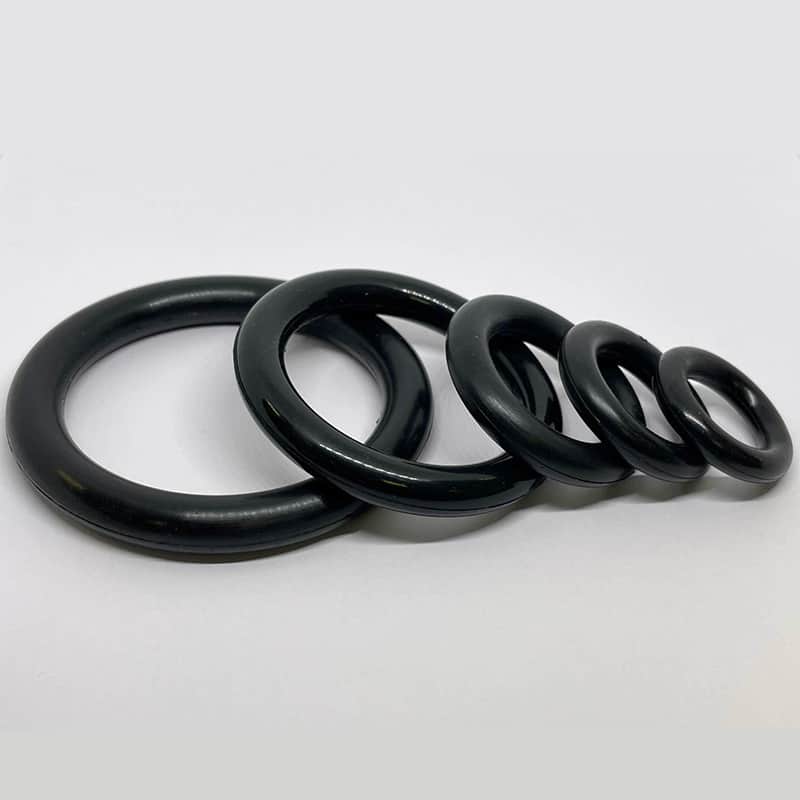
Engineering Capability
At Suzhou Baoshida Trading Co., Ltd., our engineering capability forms the backbone of our industrial rubber solutions, enabling us to deliver precision-crafted, high-performance rubber components tailored to the exacting demands of global OEMs. With a dedicated team of five specialized mould engineers and two advanced rubber formula engineers, we integrate material science with precision tooling to ensure end-to-end control over product development and manufacturing.
Our mould engineering team brings extensive experience in designing and optimizing rubber compression, transfer, and injection moulds. Each engineer applies finite element analysis (FEA) and 3D CAD simulation tools to anticipate material flow, cure dynamics, and potential defect zones prior to production. This proactive design validation reduces prototyping cycles and ensures first-time-right performance, particularly critical in high-volume OEM supply chains where time-to-market and repeatability are paramount.
Complementing our mould expertise, our two in-house rubber formulation engineers specialize in developing custom elastomer compounds for targeted performance in extreme environments. Whether the application demands resistance to high temperatures, aggressive chemicals, dynamic compression, or low-temperature flexibility, our formula engineers formulate and validate proprietary blends using EPDM, NBR, FKM, silicone, and specialty fluoroelastomers. All formulations are tested in-house for physical properties including tensile strength, elongation, compression set, hardness, and aging characteristics per ASTM and ISO standards.
Our OEM capabilities are built on a foundation of technical collaboration. We work directly with clients during the design phase to optimize part geometry, select the ideal material system, and develop scalable production processes. This co-engineering approach ensures that every rubber component not only meets functional requirements but also achieves cost-efficiency in high-volume manufacturing.
To support this integrated engineering workflow, we maintain a comprehensive database of material certifications, process validation reports, and tooling documentation, ensuring full traceability and compliance with automotive, industrial, and appliance industry standards.
The table below outlines our core engineering specifications and testing capabilities:
| Parameter | Capability | Standards Compliance |
|---|---|---|
| Mould Design | 3D CAD (SolidWorks, AutoCAD), FEA Simulation | ISO 9001, IATF 16949 |
| Material Development | Custom compound formulation for NBR, EPDM, FKM, VMQ | ASTM D2000, ISO 3302 |
| Hardness Range | 30 to 90 Shore A | ASTM D2240 |
| Temperature Resistance | -60°C to +300°C (material-dependent) | ASTM D1329, ASTM D573 |
| Tensile Strength | Up to 25 MPa (formulation-dependent) | ASTM D412 |
| Compression Set Testing | Static and dynamic simulation at elevated temps | ASTM D395 |
| Tooling Lifecycle | 50,000+ cycles (standard steel), up to 500,000 (hardened) | ISO 2768 |
This technical infrastructure enables Suzhou Baoshida to act not just as a manufacturer, but as a strategic engineering partner for OEMs requiring reliable, high-integrity rubber components.
Customization Process
Customization Process for Industrial Rubber Components
Suzhou Baoshida Trading Co., Ltd. delivers precision-engineered rubber solutions through a rigorously controlled customization workflow. Our process begins with comprehensive drawing analysis, where engineering teams dissect client-provided technical schematics against ASTM D2000 and ISO 37 standards. Critical dimensions, tolerance bands, and functional requirements undergo dimensional metrology validation using CMM equipment. Material compatibility with operational environments—such as fluid exposure, temperature extremes, or dynamic stress cycles—is cross-referenced against our proprietary material database. This phase ensures geometric feasibility and identifies potential failure modes before formulation commences.
Formulation development leverages Suzhou Baoshida’s 15-year compound library and accelerated aging protocols. Our rubber formula engineers select base polymers (e.g., NBR, EPDM, FKM) based on chemical resistance and thermal stability requirements. Precise ratios of curatives, fillers, plasticizers, and anti-degradants are optimized via Mooney viscometry and oscillating disk rheometry. Each formulation undergoes predictive modeling for compression set, tensile strength, and hardness retention under simulated service conditions. Client-specified performance thresholds dictate iterative adjustments, with full traceability maintained through our LIMS platform.
Prototyping executes validated formulations via precision molding on hydraulic presses with ±0.5°C temperature control. Pilot lots of 50–200 units undergo accelerated life testing per ISO 188 and fluid immersion per ASTM D471. Dimensional conformity is verified against original CAD data using optical comparators, while physical properties are certified via third-party labs. Clients receive detailed test reports including stress-strain curves and compression set values at 70°C for 72 hours. Feedback loops allow rapid iteration; 92% of prototypes achieve first-pass approval.
Mass production initiates only after client sign-off on PPAP documentation. Suzhou Baoshida employs SPC-controlled molding lines with real-time cavity pressure monitoring. Each batch undergoes 100% visual inspection and automated hardness screening, supplemented by destructive testing of 3 random samples per 500 units. Traceability is enforced via laser-etched batch codes linked to raw material certificates and cure history. Final shipments include IATF 16949-compliant COC documentation with lot-specific mechanical property data.
Key Material Specifications for Common Applications
| Material Type | Hardness (Shore A) | Temperature Range (°C) | Tensile Strength (MPa) | Elongation at Break (%) | Compression Set (70°C/22h, %) |
|---|---|---|---|---|---|
| NBR | 50–90 | -30 to +120 | 10–25 | 200–500 | ≤25 |
| EPDM | 40–80 | -50 to +150 | 8–20 | 250–450 | ≤20 |
| FKM | 60–85 | -20 to +230 | 12–18 | 150–300 | ≤15 |
This systematic approach minimizes time-to-market while guaranteeing compliance with aerospace, automotive, and industrial sealing standards. Suzhou Baoshida’s OEM partnership model embeds quality at every phase—from digital twin validation in formulation to blockchain-tracked production lots—ensuring rubber components perform reliably in mission-critical applications.
Contact Engineering Team
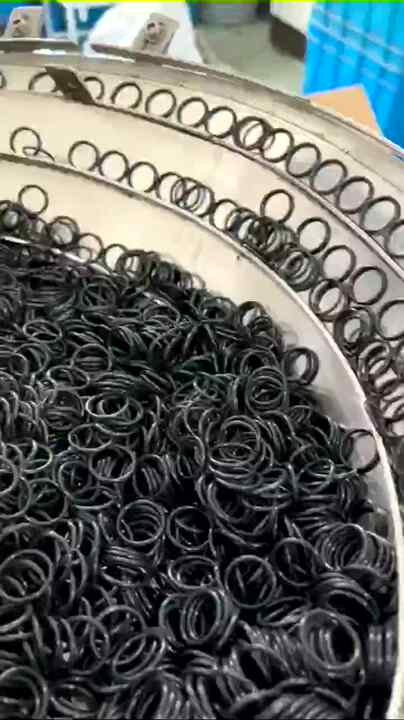
For industrial manufacturers navigating the complexities of rubber processing, compliance, and tooling efficiency, Suzhou Baoshida Trading Co., Ltd. stands as a trusted partner in precision rubber solutions. Our expertise in rubber ban technology—critical for ensuring material integrity, minimizing waste, and maintaining production consistency—positions us as a leader in advanced industrial rubber systems. As an OEM-focused supplier, we deliver engineered products that meet the rigorous demands of automotive, aerospace, electronics, and heavy machinery sectors.
Rubber ban, a term referring to the controlled separation or containment of rubber compounds during mixing, extrusion, or molding, is essential to prevent cross-contamination, maintain batch uniformity, and comply with international material safety standards. At Suzhou Baoshida, we specialize in the design and supply of rubber ban systems that integrate seamlessly into existing production lines, offering enhanced process control and long-term cost savings. Our engineered solutions include custom tooling, ban plates, isolation seals, and material handling components manufactured to exacting tolerances using high-performance elastomers and reinforced composites.
We understand that every manufacturing environment presents unique challenges. That is why our team works directly with clients to assess operational parameters, material specifications, and compliance requirements before recommending or fabricating a solution. Whether you are upgrading legacy equipment or designing a new production cell, our technical support ensures optimal performance and regulatory adherence.
To facilitate seamless integration and long-term reliability, we provide full documentation, material certification, and performance validation reports with every order. Our supply chain is optimized for rapid turnaround without compromising quality, supporting just-in-time manufacturing models across global markets.
For immediate technical consultation or to request a customized rubber ban solution, contact Mr. Boyce, OEM Manager at Suzhou Baoshida Trading Co., Ltd. He is available to discuss your specific application requirements, material challenges, and production goals. Reach out directly via email at [email protected] to initiate a technical dialogue or schedule a virtual engineering review.
Below are key specifications for our standard rubber ban components, illustrating the precision and durability inherent in our product line.
| Parameter | Specification |
|---|---|
| Material Options | Nitrile (NBR), EPDM, Silicone, FKM, CR |
| Hardness Range (Shore A) | 50–90 ±5 |
| Temperature Resistance | -40°C to +250°C (depending on compound) |
| Tensile Strength | 12–25 MPa |
| Elongation at Break | 200–500% |
| Compression Set (24h, 70°C) | ≤25% |
| FDA / RoHS Compliance | Available upon request |
| Custom Machining Tolerance | ±0.05 mm |
| Lead Time (Standard) | 15–25 days after drawing approval |
Partnering with Suzhou Baoshida means investing in engineered reliability, regulatory compliance, and operational efficiency. Contact Mr. Boyce today to advance your rubber processing capabilities with a solution built to your exact needs.
⚖️ O-Ring Weight Calculator
Estimate rubber O-ring weight (Approx).