
Technical Contents
Engineering Guide: Rubber Bed Pads
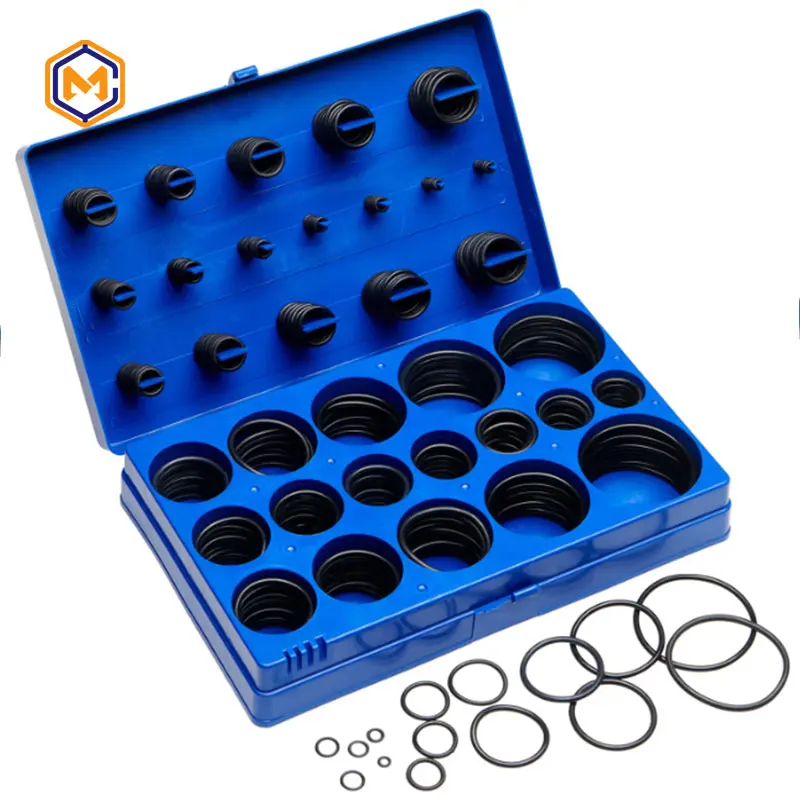
Engineering Insight: Material Selection Criticality in Industrial Rubber Bed Pads
Industrial rubber bed pads serve as critical interface components in heavy machinery, medical equipment, and precision manufacturing systems. Their primary function extends beyond simple cushioning; they must maintain dimensional stability under dynamic loads, resist environmental degradation, and ensure operational safety over extended service life. Off-the-shelf rubber pads frequently fail in these demanding applications due to generic material formulations that ignore application-specific stressors. Standard commercial pads typically utilize low-cost SBR or generic EPDM compounds optimized for consumer comfort, not industrial endurance. These materials exhibit rapid compression set under constant load, leading to permanent deformation and loss of load-bearing capacity. Simultaneously, they lack resistance to industrial contaminants like hydraulic oils, ozone, or temperature extremes common in factory environments. The consequence is premature pad collapse, equipment misalignment, and unplanned downtime costing OEMs thousands per hour.
Material science dictates that successful bed pad performance hinges on precise polymer backbone architecture and additive systems. For instance, nitrile rubber (NBR) with high acrylonitrile content (≥45%) is essential for oil resistance in hydraulic systems, while hydrogenated nitrile (HNBR) provides superior thermal stability for high-temperature applications. Critical additives include peroxide curing systems for low compression set (<20% per ASTM D395), nano-silica reinforcement for tear strength, and specialized antiozonants for outdoor exposure. Off-the-shelf solutions omit these tailored formulations, relying on sulfur-cure systems that accelerate aging and carbon black grades insufficient for high-load scenarios. The result is catastrophic failure modes: surface cracking from ozone attack, swelling in oil-lubricated environments, or irreversible hardening above 80°C.
Suzhou Baoshida Trading Co., Ltd. addresses these failures through OEM-specific compound engineering. We analyze dynamic load profiles, chemical exposure, and temperature cycles to formulate pads meeting exact ASTM D2000 classification requirements. Below compares standard commercial compounds against our engineered solutions:
| Property | Standard Commercial Pad | Baoshida Engineered Pad | Test Standard |
|---|---|---|---|
| Tensile Strength | 12 MPa | 28 MPa | ASTM D412 |
| Compression Set (70°C, 22h) | 45% | 15% | ASTM D395 |
| Oil Resistance (IRM 903) | +35% Volume Swell | +8% Volume Swell | ASTM D471 |
| Operating Temperature | -10°C to +70°C | -40°C to +120°C | ISO 188 |
This data underscores why generic pads fail: they operate outside the physical limits required by industrial machinery. Our approach integrates finite element analysis (FEA) with material testing to predict pad behavior under actual service conditions, eliminating guesswork. The investment in engineered compounds prevents cascading failures—misaligned equipment damages bearings, motors, and precision components far exceeding the pad’s initial cost. For OEMs, specifying application-optimized rubber bed pads isn’t a cost center; it’s a strategic safeguard for uptime, safety, and total cost of ownership. Partnering with a specialist in industrial elastomer formulation ensures your foundation components perform as rigorously as the systems they support.
Material Specifications
Material Specifications for Industrial Rubber Bed Pads
Suzhou Baoshida Trading Co., Ltd. provides high-performance rubber bed pads engineered for demanding industrial environments. These components are critical in vibration isolation, load distribution, and equipment protection across sectors including automotive, aerospace, manufacturing, and heavy machinery. The selection of base elastomer directly influences operational reliability, chemical resistance, and service life. Among the most effective materials for such applications are Viton (FKM), Nitrile (NBR), and Silicone (VMQ), each offering distinct mechanical and chemical properties tailored to specific environmental conditions.
Viton, a fluorocarbon-based rubber, is renowned for its exceptional resistance to high temperatures, oils, fuels, and aggressive chemicals. It maintains structural integrity in continuous service temperatures up to 230°C (446°F), making it ideal for extreme environments such as engine compartments or chemical processing plants. Its low gas permeability and excellent aging characteristics further enhance long-term performance, though it is typically more expensive than other elastomers. For rubber bed pads exposed to aromatic hydrocarbons, chlorinated solvents, or jet fuels, Viton offers unmatched durability.
Nitrile rubber, or acrylonitrile butadiene rubber (NBR), is a cost-effective solution with strong resistance to aliphatic hydrocarbons, mineral oils, and greases. With a service temperature range of -30°C to 108°C (-22°F to 226°F), NBR is widely used in hydraulic systems, industrial machinery, and automotive under-hood applications. Its mechanical strength, abrasion resistance, and compression set performance are favorable for dynamic loading conditions. While not suitable for ozone or UV exposure without protective additives, NBR remains a preferred choice for oil-resistant rubber bed pads in standard industrial operations.
Silicone rubber (VMQ) excels in extreme temperature applications, functioning reliably from -60°C to 200°C (-76°F to 392°F). It offers excellent resistance to UV radiation, ozone, and weathering, making it suitable for outdoor or high-temperature environments. Though it has lower tensile and tear strength compared to Viton or Nitrile, its electrical insulation properties and physiological inertness allow use in sensitive or regulated environments. Silicone-based bed pads are often selected for applications requiring thermal stability with minimal outgassing or odor.
The following table summarizes key material properties to guide selection for rubber bed pad applications.
| Property | Viton (FKM) | Nitrile (NBR) | Silicone (VMQ) |
|---|---|---|---|
| Temperature Range (°C) | -20 to 230 | -30 to 108 | -60 to 200 |
| Temperature Range (°F) | -4 to 446 | -22 to 226 | -76 to 392 |
| Tensile Strength (MPa) | 15–20 | 10–25 | 5–10 |
| Elongation at Break (%) | 150–250 | 200–500 | 200–700 |
| Hardness (Shore A) | 60–90 | 50–90 | 30–80 |
| Fluid Resistance | Excellent (oils, fuels) | Good (oils, greases) | Poor (oils, fuels) |
| Ozone/UV Resistance | Excellent | Poor (without additives) | Excellent |
| Compression Set Resistance | Excellent | Good | Good |
| Typical Applications | Aerospace, chemical seals | Automotive, hydraulics | Outdoor, electrical, medical |
Material selection must balance performance requirements, environmental exposure, and cost efficiency. Suzhou Baoshida Trading Co., Ltd. supports OEMs and industrial partners with customized formulations and rigorous quality control to ensure optimal functionality in every rubber bed pad solution.
Manufacturing Capabilities
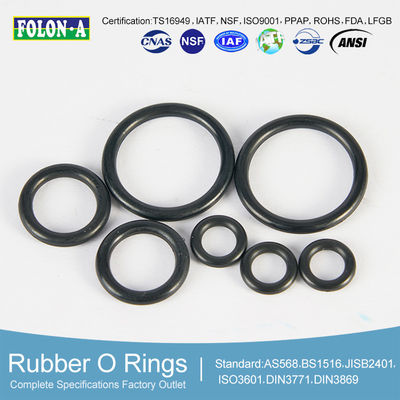
Engineering Capabilities for Precision Rubber Bed Pad Manufacturing
Suzhou Baoshida Trading Co., Ltd. leverages deep technical expertise in rubber formulation and mold engineering to deliver mission-critical bed pad solutions for medical, hospitality, and industrial applications. Our dedicated engineering team comprises five specialized mold engineers and two advanced rubber formula engineers, ensuring end-to-end control from molecular design to final production. This integrated approach eliminates supply chain vulnerabilities and guarantees material-performance alignment with stringent OEM requirements.
Our formula engineers optimize compound architectures using ASTM D2000 and ISO 37 standards, focusing on critical parameters for bed pad functionality: low compression set for long-term resilience, precise Shore A hardness for patient comfort, and exceptional resistance to hydrolysis, ozone, and repeated disinfection protocols. Each formulation undergoes rigorous accelerated aging tests (per ISO 188) and biocompatibility screening (ISO 10993-5) to ensure safety in sensitive environments. We prioritize sustainable material science, utilizing FDA-compliant synthetic rubbers and minimizing volatile organic compound emissions without compromising mechanical integrity.
Precision mold engineering is equally critical to product performance. Our five mold engineers deploy 3D flow analysis (Moldflow) to eliminate knit lines, sink marks, and dimensional drift in complex geometries. Tooling is fabricated from hardened H13 or S136 stainless steel with micron-level tolerances (±0.05 mm), incorporating conformal cooling channels to reduce cycle times by 18–22% while maintaining uniform crosslink density. This precision ensures consistent pad thickness, edge sealing integrity, and surface texture control—essential for fluid barrier efficacy and patient comfort.
OEM collaboration is embedded in our workflow. We initiate projects with joint specification sign-offs covering material datasheets, GD&T drawings, and AQL 1.0/2.5 quality gates. Our engineers co-develop validation protocols, including in-house compression deflection testing and peel adhesion assays for multi-layer pads. Full traceability—from raw material batch codes to molding parameter logs—is maintained via our ERP system, enabling rapid root-cause analysis during scale-up.
The table below summarizes key performance specifications achievable for custom rubber bed pad formulations:
| Property | Test Standard | Typical Range | Significance for Bed Pads |
|---|---|---|---|
| Hardness (Shore A) | ASTM D2240 | 40–70 | Pressure redistribution, patient comfort |
| Tensile Strength (MPa) | ISO 37 | 8.0–15.0 | Tear resistance during handling |
| Elongation at Break (%) | ISO 37 | 250–450 | Flexibility for contouring surfaces |
| Compression Set (22h/70°C) | ASTM D395 | ≤25% | Long-term shape recovery, durability |
| Tear Strength (kN/m) | ISO 34 | 25–45 | Resistance to edge damage |
| Specific Gravity | ASTM D297 | 1.15–1.35 | Weight optimization for portability |
This engineering synergy—combining molecular-level compound design with precision tooling science—enables Suzhou Baoshida to solve complex challenges in bed pad manufacturing. We transform OEM specifications into validated, production-ready solutions with zero compromise on performance or compliance. Partner with us to convert material science into measurable clinical and operational outcomes.
Customization Process
Customization Process for Industrial Rubber Bed Pads
At Suzhou Baoshida Trading Co., Ltd., we specialize in delivering high-performance rubber bed pads tailored to the precise mechanical and environmental demands of industrial applications. Our structured customization process ensures product integrity, durability, and compliance with OEM specifications. The journey from concept to mass production is methodically divided into four core stages: Drawing Analysis, Formulation Development, Prototyping, and Mass Production.
The process begins with Drawing Analysis, where engineering teams evaluate client-provided technical drawings and application requirements. Key parameters such as dimensional tolerances, load-bearing profiles, surface contact area, and installation environment are assessed. This stage ensures alignment between design intent and manufacturability, identifying potential challenges in molding, demolding, or long-term performance under dynamic stress.
Following drawing validation, our rubber formulation engineers initiate Formulation Development. Based on operational conditions—such as temperature range, exposure to oils or chemicals, compression set resistance, and required Shore hardness—we select the optimal elastomer base. Common materials include Nitrile (NBR) for oil resistance, EPDM for thermal and UV stability, and Natural Rubber (NR) for high resilience. Additives such as reinforcing fillers, antioxidants, and vulcanizing agents are precisely compounded to achieve target physical properties. This stage is critical in ensuring the final product maintains structural integrity over extended service life.
Once the compound is finalized, we proceed to Prototyping. Using precision molds fabricated in-house, small-batch samples are produced under controlled vulcanization conditions. These prototypes undergo rigorous laboratory testing, including compression deflection analysis, hardness verification, aging resistance, and dimensional inspection. Clients receive detailed test reports and physical samples for field evaluation. Feedback is incorporated into design or material refinements, ensuring optimal performance prior to scale-up.
Upon approval, the project transitions into Mass Production. Our fully automated production lines, operating under ISO 9001-certified quality management protocols, ensure consistency across large volumes. Each batch is subject to in-process and final quality inspections, including visual checks, dimensional sampling, and mechanical property audits. Products are packaged per client logistics requirements, with full traceability maintained through batch coding and material certifications.
Throughout this process, Suzhou Baoshida ensures technical transparency, rapid iteration, and adherence to industrial-grade performance standards. Our expertise in rubber compounding and precision manufacturing enables reliable, scalable solutions for demanding applications.
Typical Technical Specifications for Custom Rubber Bed Pads
| Property | Test Method | Typical Value Range |
|---|---|---|
| Hardness (Shore A) | ASTM D2240 | 40–80 |
| Tensile Strength | ASTM D412 | 8–18 MPa |
| Elongation at Break | ASTM D412 | 200–500% |
| Compression Set (22 hrs, 70°C) | ASTM D395 | ≤25% |
| Operating Temperature Range | — | -30°C to +120°C (material-dependent) |
| Specific Gravity | ASTM D297 | 1.10–1.30 |
| Oil Resistance (IRMO 1, 70°C) | ASTM D471 | Volume swell ≤25% |
Contact Engineering Team
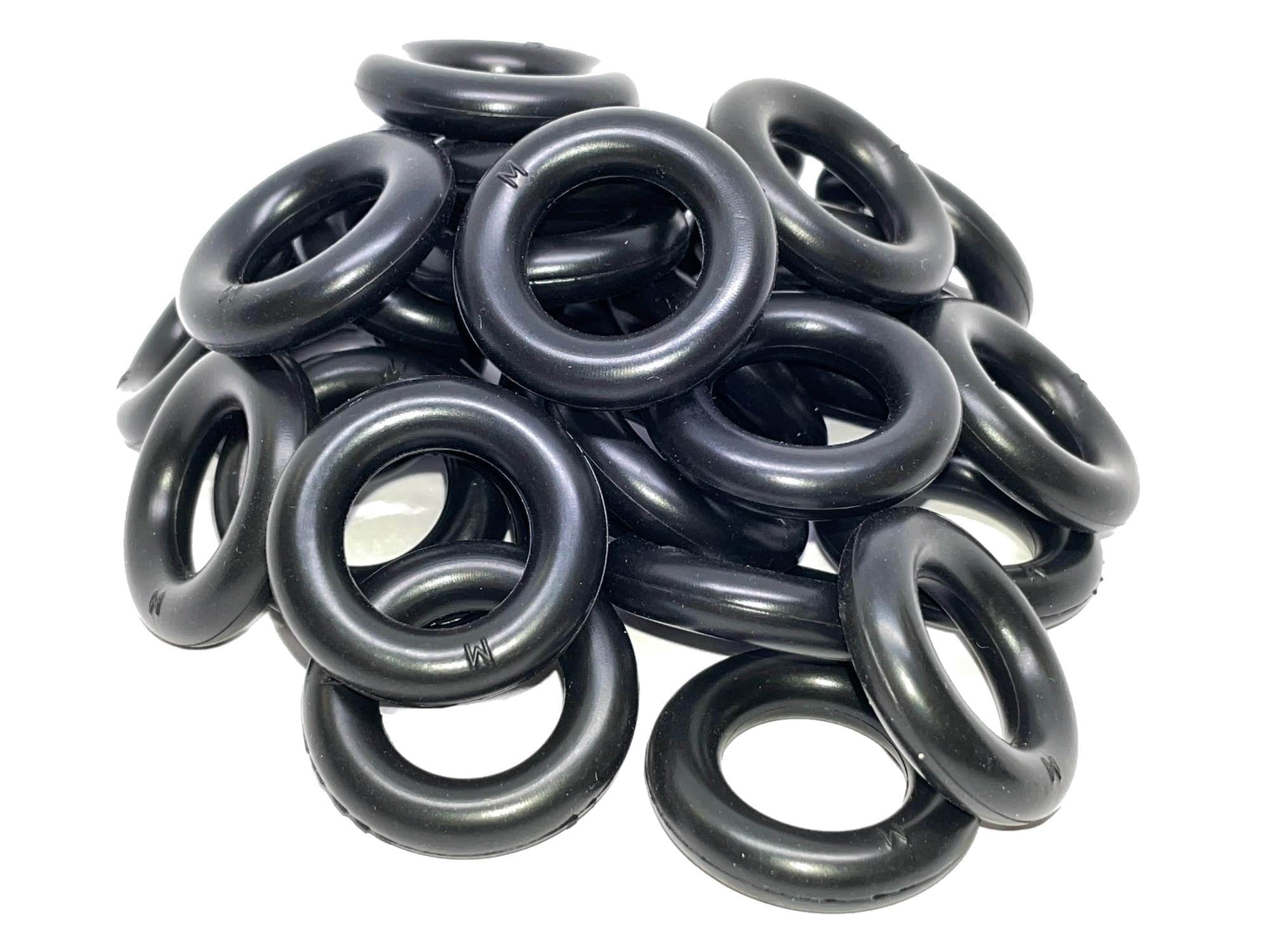
Technical Engagement Protocol for Industrial Rubber Bed Pad Solutions
Suzhou Baoshida Trading Co., Ltd. operates at the intersection of advanced polymer science and precision manufacturing, delivering engineered rubber bed pads that meet stringent industrial performance criteria. Our formulations leverage proprietary compounding techniques to optimize molecular crosslink density, ensuring consistent resilience, compression set resistance, and thermal stability across operational lifecycles. Each product undergoes rigorous validation per ASTM D2000 and ISO 37 standards, with traceable batch documentation for full supply chain transparency. For mission-critical applications where vibration damping, load distribution, or chemical exposure tolerance is non-negotiable, our technical team provides material selection guidance grounded in decades of OEM partnership experience.
The following table details core specifications for our standard EPDM-based rubber bed pad series, designed for heavy machinery, medical equipment, and transportation sectors. These values represent baseline capabilities; custom formulations accommodate specialized requirements including flame retardancy (UL 94 V-0), FDA compliance, or extreme temperature resilience.
| Property | Standard Value | Test Method |
|---|---|---|
| Hardness (Shore A) | 70 ± 5 | ASTM D2240 |
| Tensile Strength | ≥ 15 MPa | ASTM D412 |
| Elongation at Break | ≥ 300% | ASTM D412 |
| Compression Set (22h/70°C) | ≤ 25% | ASTM D395 |
| Temperature Range | -40°C to +120°C | ISO 188 |
| Specific Gravity | 1.25 ± 0.05 | ASTM D297 |
| Tear Resistance | ≥ 30 kN/m | ASTM D624 |
These metrics reflect our commitment to dimensional stability and fatigue resistance under cyclic loading—a critical factor in extending equipment service intervals. Unlike commodity rubber products, Baoshida’s bed pads integrate controlled filler dispersion and vulcanization kinetics to minimize performance drift in high-humidity or oil-contaminated environments. Our ISO 9001-certified production lines maintain extrusion tolerances of ±0.3mm, ensuring seamless integration into automated assembly processes without secondary machining.
To initiate a technical consultation or request application-specific validation data, contact Mr. Boyce directly at [email protected]. As Suzhou Baoshida’s dedicated OEM Manager, Mr. Boyce coordinates cross-functional engineering support—from initial material sampling to PPAP documentation—streamlining your transition from prototype to volume production. Provide your operational parameters (load profiles, environmental exposure, regulatory constraints), and our team will deliver a formulation dossier with accelerated aging test results within 72 hours. For urgent projects requiring expedited tooling or lot-reserved inventory, specify lead time requirements in your inquiry to activate our rapid-response protocol.
Industrial procurement decisions demand evidence-based validation. We invite you to submit third-party lab reports for competitive materials; our engineers will conduct side-by-side comparative analysis at no cost, demonstrating performance differentials in real-world stress scenarios. Partner with Suzhou Baoshida to convert rubber component specifications into quantifiable operational advantages—reduced downtime, extended maintenance cycles, and compliance assurance. Initiate technical dialogue today to receive a tailored solution proposal with certified material certificates and dimensional conformance reports.
⚖️ O-Ring Weight Calculator
Estimate rubber O-ring weight (Approx).