
Technical Contents
Engineering Guide: Rubber Bushings By Size
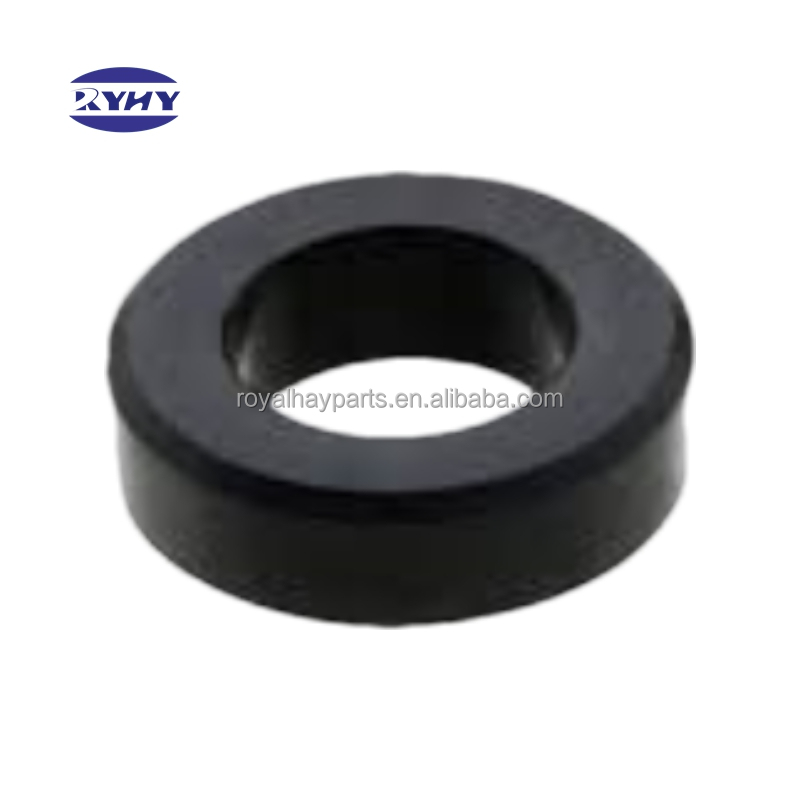
Engineering Insight: Rubber Bushings by Size – The Critical Role of Material Selection
In industrial applications, rubber bushings serve as pivotal components in vibration isolation, noise reduction, and mechanical load distribution. While standard catalog offerings often list bushings by size—outer diameter, inner diameter, and length—these dimensional specifications alone are insufficient to ensure long-term performance. The underlying material composition fundamentally determines the bushing’s ability to withstand operational stress, environmental exposure, and dynamic loading conditions. Off-the-shelf rubber bushings, though dimensionally compliant, frequently fail prematurely because they are manufactured using generic elastomers that do not account for application-specific demands.
Material selection governs key performance metrics such as compression set resistance, tensile strength, temperature tolerance, and resistance to oils, ozone, and UV radiation. For instance, a bushing made from natural rubber (NR) may exhibit excellent resilience and damping properties under moderate conditions. However, when exposed to petroleum-based fluids or elevated temperatures, NR degrades rapidly, leading to cracking, hardening, and loss of functionality. Conversely, nitrile rubber (NBR) offers superior oil resistance but may exhibit poor low-temperature flexibility, rendering it unsuitable for cold environments.
Similarly, ethylene propylene diene monomer (EPDM) provides excellent resistance to weathering and ozone but performs poorly in contact with hydrocarbon fuels. Silicone rubber (VMQ) excels in extreme temperature ranges but lacks the mechanical strength required for high-load applications. These trade-offs underscore the necessity of matching elastomer properties to the operational environment. A bushing that fits dimensionally but employs an incompatible material will inevitably fail, resulting in unplanned downtime, safety risks, and increased maintenance costs.
Suzhou Baoshida Trading Co., Ltd. emphasizes engineered material solutions over generic sizing. Our approach integrates application parameters—load type, frequency of motion, temperature range, chemical exposure, and service life expectations—into the formulation process. This ensures that each rubber bushing, even when conforming to standard dimensions, is tailored to perform under real-world conditions.
The following table illustrates how common elastomers compare across critical performance attributes:
| Material | Temperature Range (°C) | Oil Resistance | Ozone Resistance | Tensile Strength (MPa) | Typical Use Case |
|---|---|---|---|---|---|
| Natural Rubber (NR) | -40 to +80 | Low | Low | 18–30 | General industrial, low-stress environments |
| Nitrile (NBR) | -30 to +100 | High | Moderate | 10–20 | Automotive, hydraulic systems |
| EPDM | -50 to +150 | Low | High | 8–15 | Outdoor applications, HVAC systems |
| Silicone (VMQ) | -60 to +200 | Moderate | High | 5–8 | High-temperature electrical insulation |
| Polyurethane (PU) | -30 to +90 | High | Moderate | 30–50 | High-load, abrasion-prone environments |
In conclusion, selecting rubber bushings by size is only the starting point. True reliability emerges from precise material engineering. At Suzhou Baoshida Trading Co., Ltd., we prioritize performance-driven design, ensuring that every bushing meets not just dimensional standards, but functional demands.
Material Specifications
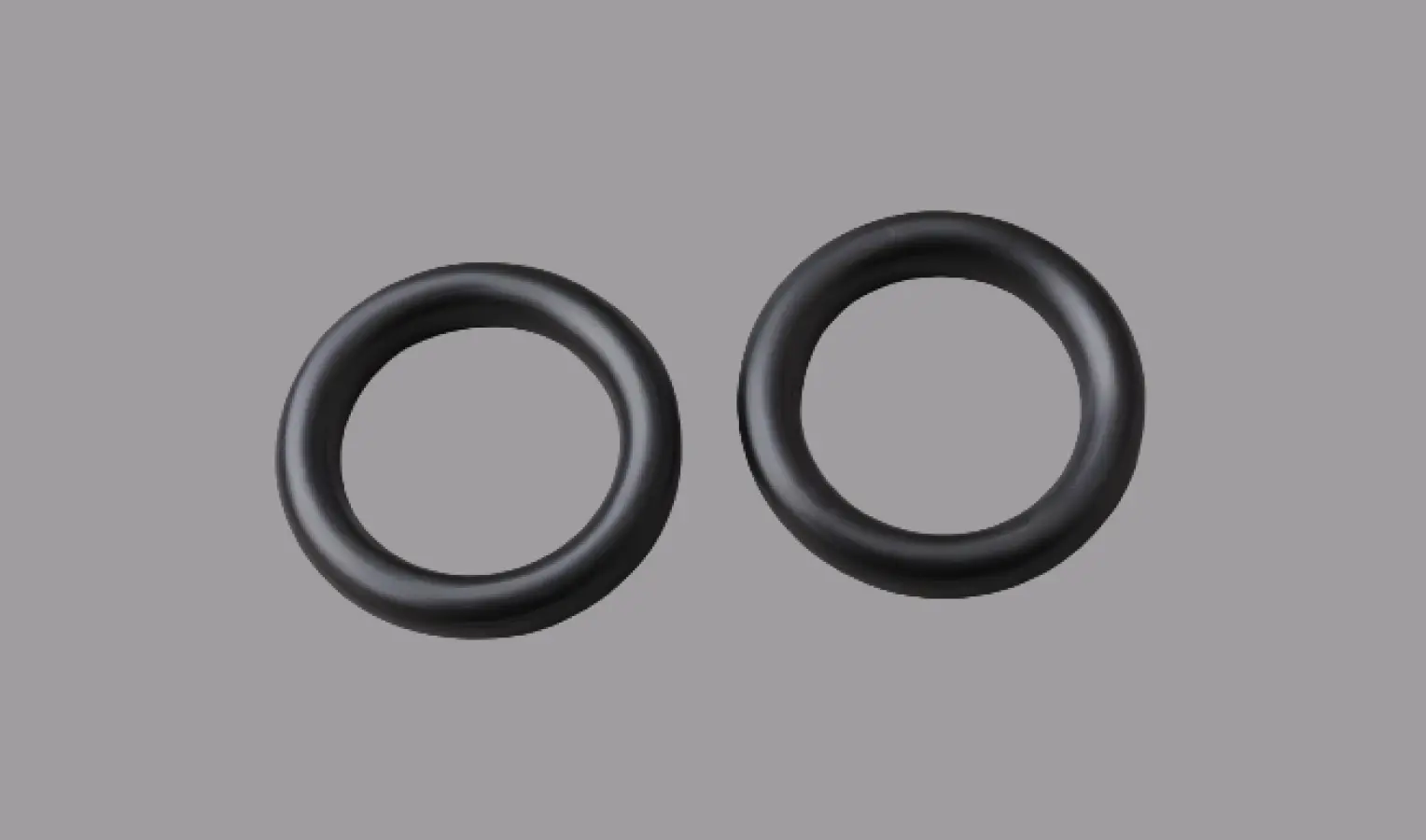
Material Specifications for Industrial Rubber Bushings
Selecting the optimal elastomer for rubber bushings is critical for performance longevity under operational stress. At Suzhou Baoshida Trading Co., Ltd., we engineer bushings to stringent OEM standards, prioritizing chemical resistance, thermal stability, and mechanical integrity. Material choice directly impacts service life in dynamic applications like automotive suspensions, industrial machinery mounts, and hydraulic systems. Below we detail three core elastomers: Viton (FKM), Nitrile (NBR), and Silicone (VMQ), emphasizing application-specific suitability.
Viton fluorocarbon rubber delivers exceptional resistance to high temperatures, aggressive fuels, and synthetic lubricants. With continuous service capability up to 230°C and intermittent peaks at 250°C, it outperforms alternatives in turbocharger hoses, aerospace seals, and chemical processing equipment. Its low gas permeability and resilience against ozone degradation ensure reliability in critical high-stress environments. However, Viton exhibits higher compression set values above 150°C and commands a premium cost, necessitating justification through extreme operational demands.
Nitrile butadiene rubber remains the industrial benchmark for oil and fuel resistance at cost-effective pricing. Operating effectively between -40°C and 120°C, NBR bushings excel in automotive transmission mounts, hydraulic accumulators, and petroleum-handling machinery. Superior abrasion resistance and tensile strength (15–25 MPa) provide robust durability against cyclic loading. Limitations include poor performance in phosphate ester hydraulic fluids and significant hardening below -30°C, restricting use in arctic conditions without specialized formulations.
Silicone rubber offers unmatched flexibility across extreme temperatures (-60°C to 200°C) and superior electrical insulation. Its inert composition resists UV, ozone, and sterilization processes, making it ideal for medical device mounts, food-grade conveyors, and outdoor electrical housings. While compression set resistance is excellent at low temperatures, silicone’s low tear strength (3–12 kN/m) and susceptibility to swelling in non-polar solvents require careful design validation for high-load mechanical applications.
The following table quantifies key properties per ASTM D2000 and ISO 1817 standards for precise OEM comparison:
| Property | Viton (FKM) | Nitrile (NBR) | Silicone (VMQ) |
|---|---|---|---|
| Temperature Range (°C) | -20 to 230 | -40 to 120 | -60 to 200 |
| Fuel/Oil Resistance | Excellent | Excellent | Poor |
| Compression Set (70h/150°C) | 20–35% | 15–25% | 10–20% |
| Tensile Strength (MPa) | 10–20 | 15–25 | 5–10 |
| Hardness Range (Shore A) | 60–90 | 50–90 | 30–80 |
| Key Limitation | Cost, Low-temp flexibility | Poor water/glycol resistance | Low tear strength |
Material selection must align with bushing geometry, as larger diameters amplify compression set effects under sustained load. Suzhou Baoshida validates all formulations through OEM-specific dynamic fatigue testing, ensuring dimensional stability per ISO 3384 protocols. Consult our engineering team to match elastomer properties with your bushing size, load profile, and environmental exposure for failure-proof integration. Industrial-grade precision begins with material science.
Manufacturing Capabilities
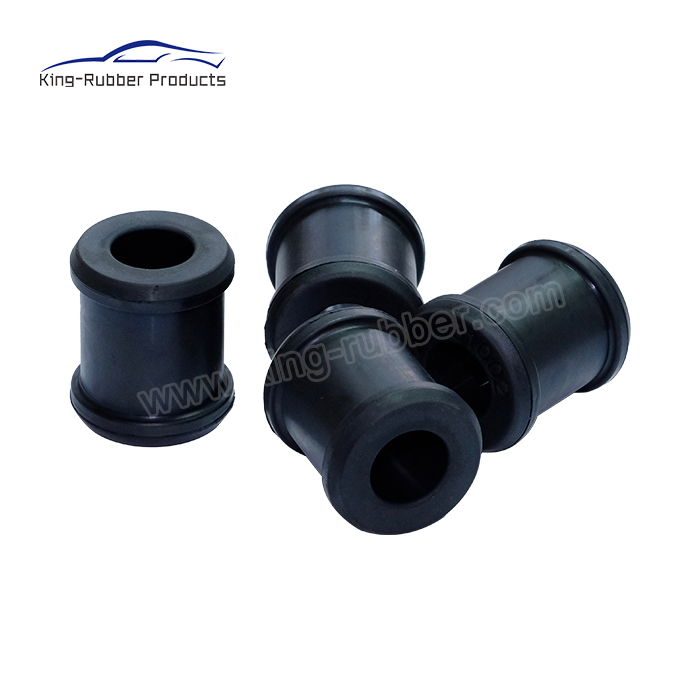
Engineering Excellence in Rubber Bushing Manufacturing
At Suzhou Baoshida Trading Co., Ltd., our engineering capability forms the backbone of our industrial rubber solutions, ensuring precision, reliability, and customization for every client. With a dedicated team of 5 experienced mould engineers and 2 specialized rubber formula engineers, we integrate material science with advanced tooling design to deliver high-performance rubber bushings tailored to exact OEM specifications. Our multidisciplinary engineering team operates at the intersection of chemistry and mechanics, enabling us to solve complex challenges in dynamic sealing, vibration damping, and load-bearing applications.
Our mould engineers bring over a decade of cumulative experience in precision rubber mould design, utilizing state-of-the-art CAD/CAM software and CNC machining to develop high-tolerance steel moulds. Each bushing mould is engineered for optimal flash control, dimensional stability, and cycle efficiency, ensuring consistent part quality across production runs. We specialize in multi-cavity and family mould configurations, allowing cost-effective manufacturing for both high-volume OEM contracts and low-volume, high-mix industrial applications.
Complementing our tooling expertise, our two in-house rubber formula engineers possess deep knowledge of elastomer chemistry and compounding. They develop custom rubber formulations based on application requirements such as temperature resistance, oil exposure, compression set, and dynamic fatigue. Whether the need is for NBR, EPDM, silicone, FKM, or specialty blends, our formula team ensures material performance aligns precisely with operational demands. This vertical integration of material and mould engineering allows us to control quality from compound mixing to final part inspection.
We support full OEM service capabilities, including reverse engineering of legacy bushings, GD&T-conforming drawings, and rapid prototyping with functional testing. Our engineering team collaborates directly with client design departments to optimize part geometry, suggest material upgrades, and validate performance under real-world conditions. This proactive engineering engagement reduces time-to-market and enhances long-term product reliability.
All rubber bushings are manufactured under strict ISO 9001-compliant processes, with full traceability of materials and process parameters. Our facility supports batch production from 1,000 to over 500,000 units annually, with scalable capacity to meet growing OEM demands.
Below is a representative specification range for our standard rubber bushing portfolio:
| Parameter | Range/Specification |
|---|---|
| Inner Diameter (ID) | 6 mm – 120 mm |
| Outer Diameter (OD) | 12 mm – 150 mm |
| Height (H) | 5 mm – 80 mm |
| Hardness (Shore A) | 40° – 90° |
| Materials | NBR, EPDM, FKM, Silicone, NR, CR, HNBR |
| Temperature Range | -40°C to +250°C (material-dependent) |
| Tolerance (ID/OD) | ±0.05 mm (precision grade) |
| OEM Customization | Full design, compound, and packaging |
Our engineering-driven approach ensures that every rubber bushing we produce is not just a component, but a precision-engineered solution.
Customization Process
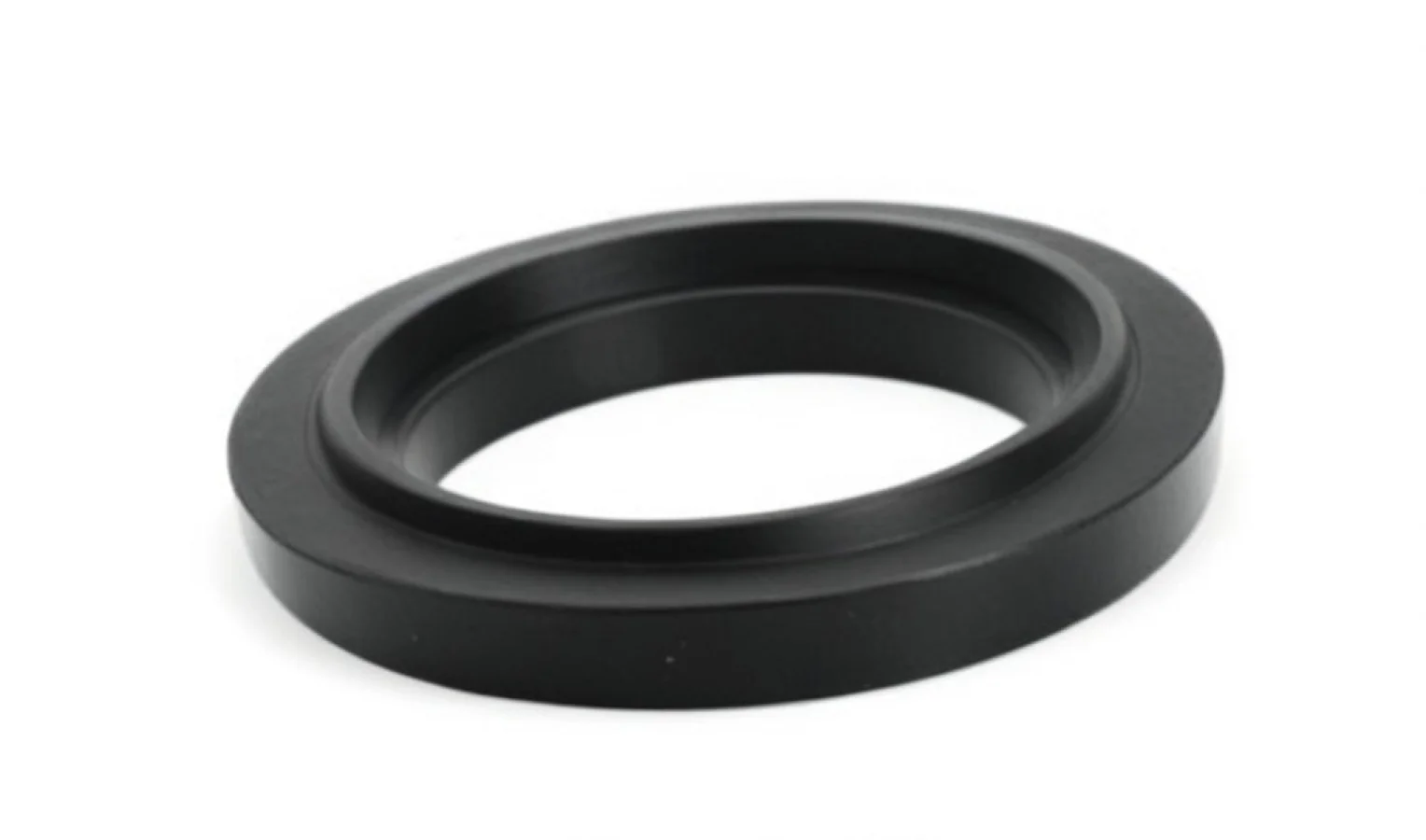
Rubber Bushing Customization Process: Precision Engineering from Concept to Volume Production
Suzhou Baoshida Trading Co., Ltd. executes a rigorous, science-driven customization pathway for industrial rubber bushings, ensuring dimensional accuracy, material performance, and longevity align precisely with OEM application demands. Our process systematically transforms client specifications into reliable components through four critical, interdependent phases.
Drawing Analysis initiates the engagement. Our engineering team conducts a meticulous technical review of client-supplied CAD models or 2D drawings, focusing beyond nominal dimensions. We scrutinize Geometric Dimensioning and Tolerancing (GD&T) callouts, surface finish requirements, and critical functional zones. Concurrently, we assess the operational environment—static or dynamic load profiles, exposure temperatures, fluid compatibility (oils, coolants, chemicals), and expected service life. This phase identifies potential manufacturability challenges early, such as undercuts affecting mold release or thin sections prone to flash, enabling collaborative design refinements before material commitment.
Formulation follows, where material science becomes paramount. Based on the environmental and mechanical analysis, our rubber chemists select the optimal polymer backbone—NBR for oil resistance, EPDM for weather/ozone stability, or FKM for extreme heat. Precise compounding adjusts filler types (e.g., carbon black vs. silica), plasticizers, vulcanizing agents, and anti-degradants to achieve the target Shore A hardness, tensile strength, elongation, and compression set resistance. Each formulation is engineered to meet or exceed relevant ASTM D2000 or ISO 3767 material classification codes, ensuring predictable behavior under specified stresses.
Prototyping validates both design and material. Utilizing precision CNC-machined prototype molds, we produce initial bushing batches. These undergo comprehensive in-house testing per client specifications: dimensional verification via CMM, hardness checks, compression deflection analysis, and accelerated aging tests simulating years of service. Critical performance metrics like dynamic stiffness under load or fluid immersion resistance are quantified. Client feedback on prototype fit, form, and function within their assembly is integrated, allowing final adjustments to the mold geometry or compound before tooling investment.
Mass Production leverages our certified manufacturing infrastructure. Production occurs in climate-controlled facilities using hydraulic or injection molding presses with tight process parameter control (temperature, pressure, cure time). Statistical Process Control (SPC) monitors key dimensions and physical properties in real-time. Every production lot undergoes full First Article Inspection (FAI) and adheres to stringent AQL sampling plans per ISO 2859-1. Traceability from raw material batch to finished part is maintained, with full PPAP documentation available. This phase delivers consistent, high-volume output meeting the exacting tolerances and performance criteria established in the initial phases.
The following table summarizes critical specification parameters routinely engineered and verified during this process:
| Parameter | Standard Range | Critical Application Factor |
|---|---|---|
| Shore A Hardness | 40 to 90 | Load distribution, deflection control |
| Operating Temperature | -50°C to +150°C (NBR/EPDM) | Fluid stability, compression set resistance |
| Compression Set (ASTM D395) | < 25% (70h @ 100°C) | Long-term sealing force retention |
| Tensile Strength | 10 to 25 MPa | Resistance to tearing under dynamic loads |
| Fluid Resistance (ASTM D471) | Volume swell < 15% (IRMOG) | Dimensional stability in hydraulic systems |
Suzhou Baoshida’s structured customization protocol ensures rubber bushings are not merely manufactured to size, but engineered as integrated performance solutions, minimizing field failures and maximizing OEM assembly reliability.
Contact Engineering Team
For industrial manufacturers and OEMs seeking precision-engineered rubber bushings by size, Suzhou Baoshida Trading Co., Ltd. stands as a trusted partner in high-performance rubber solutions. With years of expertise in material science, compounding, and precision molding, we deliver custom and standard rubber bushings that meet the rigorous demands of automotive, railway, machinery, and industrial equipment applications. Our technical team ensures every component is optimized for load capacity, vibration damping, and environmental resistance, tailored precisely to your dimensional and performance requirements.
Our manufacturing capabilities support a broad range of sizes, durometers, and elastomer compounds—including NBR, EPDM, silicone, and natural rubber—ensuring compatibility with diverse operating conditions such as temperature extremes, oil exposure, and dynamic stress. Whether you require bushings for suspension systems, mounting brackets, or industrial conveyors, our focus on dimensional accuracy and material consistency ensures seamless integration into your assemblies.
To support global clients, we maintain strict quality control protocols aligned with ISO standards, including comprehensive testing for compression set, tensile strength, and aging resistance. Our production lines are equipped for both low-volume prototyping and high-volume series production, enabling flexible supply chain integration.
Below is a representative sample of standard rubber bushing specifications available from our catalog. Custom sizes and compounds can be developed upon request:
| Outer Diameter (mm) | Inner Diameter (mm) | Height (mm) | Material | Hardness (Shore A) | Max Load (kN) | Temperature Range (°C) |
|---|---|---|---|---|---|---|
| 25 | 12 | 15 | NBR | 70 | 8.5 | -30 to +100 |
| 30 | 15 | 20 | EPDM | 65 | 7.2 | -40 to +120 |
| 38 | 18 | 22 | Natural Rubber | 60 | 9.0 | -20 to +70 |
| 45 | 20 | 25 | Silicone | 55 | 4.8 | -60 to +180 |
| 50 | 25 | 30 | NBR | 75 | 11.5 | -30 to +100 |
All dimensions are tolerance-controlled to ±0.1 mm, with concentricity and parallelism maintained to ensure consistent performance under dynamic loads. We also offer anti-rotation features, bonded metal sleeves, and custom packaging for automated assembly lines.
For technical inquiries, volume pricing, or custom formulation development, contact Mr. Boyce, OEM Manager at Suzhou Baoshida Trading Co., Ltd. With deep expertise in rubber-to-metal bonding and application engineering, Mr. Boyce supports clients from initial design review through production scaling. His team ensures rapid prototyping, documentation compliance (including material test reports and PPAP), and on-time delivery to international destinations.
To request a quotation, submit your RFQ with dimensional drawings or part numbers, material preferences, and annual volume estimates. Mr. Boyce responds to all technical emails within 4 business hours and supports English, Mandarin, and technical German communication.
Contact Mr. Boyce directly at [email protected] to begin your next project with engineered reliability and precision.
⚖️ O-Ring Weight Calculator
Estimate rubber O-ring weight (Approx).