
Technical Contents
Engineering Guide: Rubber Cap Plugs
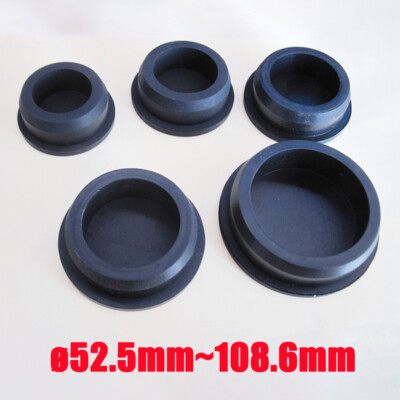
Engineering Insight: Material Selection Criticality in Rubber Cap Plugs
Industrial rubber cap plugs appear deceptively simple, yet their performance hinges entirely on precise material science. Off-the-shelf solutions frequently fail because generic formulations ignore application-specific stressors, leading to premature degradation, fluid leakage, or catastrophic seal failure. At Suzhou Baoshida Trading Co., Ltd., we emphasize that rubber is not a monolithic material—each polymer compound reacts uniquely to thermal, chemical, and mechanical environments. Selecting the correct elastomer requires analyzing fluid compatibility, temperature extremes, compression set resistance, and regulatory constraints. A plug rated for water at 25°C may disintegrate when exposed to hydraulic fluid at 120°C, causing unplanned downtime and safety hazards.
Standardized cap plugs often utilize cost-driven, broad-spectrum materials like low-acrylonitrile NBR or unmodified EPDM. These lack tailored resistance to aggressive media such as ozone, fuels, or industrial solvents. For instance, a generic EPDM plug in an automotive fuel line application will swell and extrude due to poor hydrocarbon resistance, while a silicone plug in a high-abrasion pneumatic system may tear from inadequate tensile strength. Compression set—the permanent deformation after prolonged compression—is another critical failure point. Off-the-shelf plugs frequently use fillers or cure systems that accelerate set in high-temperature scenarios, resulting in loss of sealing force. ASTM D2000 standards classify rubber properties, but OEMs must match exact material grades to operational demands, not just nominal categories.
The consequences of material mismatch extend beyond immediate failure. Swelling or hardening alters dimensional stability, compromising interference fits. Chemical attack can leach plasticizers, contaminating sensitive fluids in medical or semiconductor applications. In regulated industries, non-compliant materials risk violating FDA 21 CFR or ISO 10993 standards, triggering recalls. Our OEM engineering team routinely identifies field failures where a 10-cent generic plug caused $15,000 in equipment damage due to overlooked ester-based lubricant incompatibility.
Material selection must be proactive, not reactive. Below is a comparative analysis of common elastomers for cap plug applications:
| Material | Temperature Range (°C) | Key Resistance Strengths | Common Failure Modes in Mismatched Applications |
|---|---|---|---|
| NBR (Medium ACN) | -30 to +100 | Aliphatic hydrocarbons, water, hydraulic fluids | Swelling in aromatic fuels, ozone cracking, hardening above 100°C |
| EPDM | -50 to +150 | Steam, polar solvents, ozone, weathering | Swelling in oils/greases, poor brake fluid resistance |
| Silicone | -60 to +230 | Extreme temperatures, UV, physiological saline | Low tensile strength, swelling in fuels, poor abrasion resistance |
| FKM (Viton®) | -20 to +250 | Aromatic/halogenated hydrocarbons, acids, jet fuels | Poor low-temperature flexibility, high cost, sensitivity to amines |
Suzhou Baoshida’s approach integrates OEM application data with compound engineering. We formulate custom blends using specialty polymers, optimized filler systems, and advanced cure packages to target exact operational parameters. This eliminates the gamble of off-the-shelf solutions, ensuring cap plugs maintain integrity across lifecycle demands. Material selection is not a cost line item—it is the foundation of system reliability. Partner with our technical team to transform cap plugs from failure points into engineered safeguards.
Material Specifications
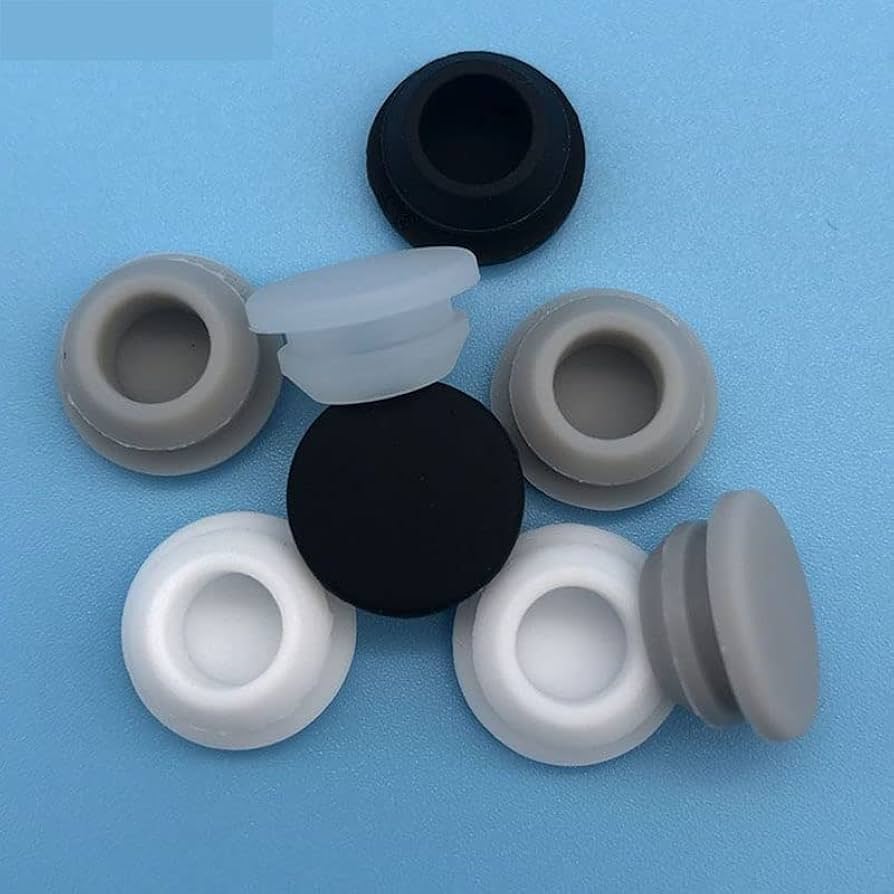
Material selection is a critical factor in the performance and longevity of rubber cap plugs used in industrial applications. At Suzhou Baoshida Trading Co., Ltd., we engineer cap plugs to meet rigorous environmental and mechanical demands by leveraging high-performance elastomers such as Viton, Nitrile (NBR), and Silicone. Each material offers distinct chemical resistance, temperature tolerance, and mechanical properties, making them suitable for specific operational environments. Understanding these differences allows OEMs and industrial users to select the optimal material for sealing, protection, and reliability.
Viton, a fluorocarbon-based rubber (FKM), is renowned for its exceptional resistance to high temperatures, oils, fuels, and a broad range of aggressive chemicals. Cap plugs made from Viton perform reliably in continuous service temperatures up to 200°C and can withstand short-term exposure to even higher temperatures. This makes them ideal for aerospace, automotive, and chemical processing applications where exposure to hydrocarbons and ozone is common. Viton also exhibits low gas permeability and excellent aging characteristics, contributing to long-term sealing integrity under demanding conditions.
Nitrile rubber, or Buna-N, is one of the most widely used elastomers in industrial sealing due to its excellent resistance to petroleum-based oils and fuels. With a typical operating temperature range of -30°C to 100°C, Nitrile cap plugs are well-suited for hydraulic systems, machinery, and general-purpose applications involving lubricants and aliphatic hydrocarbons. While not as thermally stable as Viton, Nitrile offers superior abrasion resistance and mechanical strength, providing cost-effective performance in moderate environments.
Silicone rubber (VMQ) excels in extreme temperature applications, with a functional range from -60°C to 230°C. It maintains flexibility at low temperatures and resists degradation at elevated ones, making it suitable for environments subject to wide thermal cycling. Silicone is also highly resistant to UV radiation and ozone, ideal for outdoor or medical-grade applications. However, it has lower tensile strength and abrasion resistance compared to Viton and Nitrile, and is less effective in dynamic sealing under high mechanical stress.
The following table summarizes key physical and chemical properties of these materials to guide selection:
| Property | Viton (FKM) | Nitrile (NBR) | Silicone (VMQ) |
|---|---|---|---|
| Temperature Range (°C) | -20 to 200 | -30 to 100 | -60 to 230 |
| Tensile Strength (MPa) | 15–20 | 10–25 | 5–10 |
| Elongation at Break (%) | 200–300 | 200–500 | 200–700 |
| Hardness (Shore A) | 70–90 | 60–90 | 40–80 |
| Resistance to Oils/Fuels | Excellent | Excellent | Poor |
| Resistance to Ozone/UV | Excellent | Good | Excellent |
| Compression Set Resistance | Excellent | Good | Good |
| Common Applications | Aerospace, chemical seals | Hydraulics, machinery | Medical, outdoor, food |
Selecting the appropriate rubber material ensures optimal performance, safety, and service life of cap plugs across diverse industrial environments.
Manufacturing Capabilities
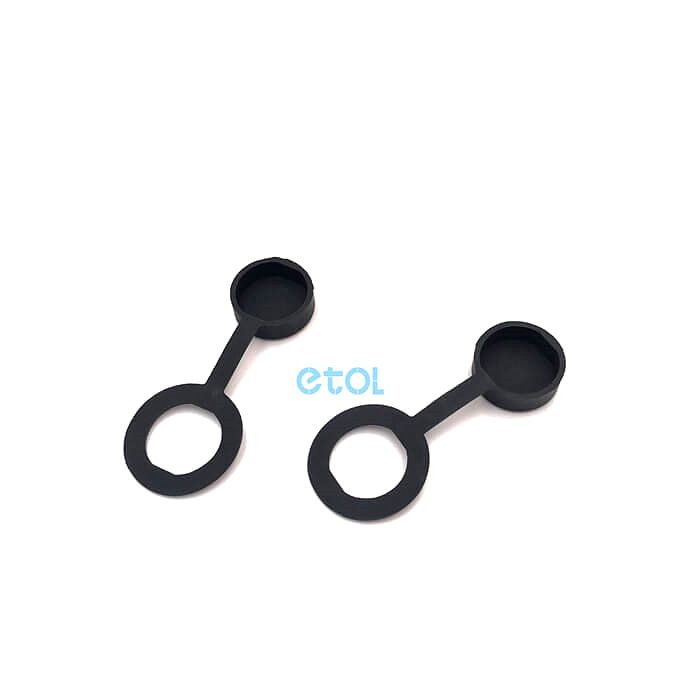
Engineering Capability: Precision Rubber Cap Plug Development at Suzhou Baoshida
Suzhou Baoshida Trading Co., Ltd. delivers engineered rubber cap plug solutions where material science and precision manufacturing converge. Our core strength lies in an integrated engineering team comprising five dedicated mold designers and two specialized rubber formula engineers. This structure ensures seamless translation of client specifications into high-performance, failure-resistant components. Unlike commodity suppliers, we prioritize material integrity and dimensional accuracy from concept to production, addressing critical challenges such as compression set, chemical resistance, and sealing efficacy under extreme operational stresses.
Our formula engineering team leverages 15+ years of compounding expertise to develop bespoke elastomer formulations. We systematically optimize polymer matrices—EPDM, NBR, FKM, and silicone—by adjusting filler systems, curing agents, and additive packages to meet exact durometer, temperature resilience, and fluid compatibility requirements. This capability is critical for applications where standard off-the-shelf plugs fail, such as automotive fuel systems exposed to biofuels or industrial valves handling aggressive solvents. Rigorous lab validation includes ASTM D2000 compliance testing, thermal aging analysis, and dynamic mechanical assessment to guarantee long-term performance.
Complementing this, our five mold engineers deploy advanced CAD/CAM and mold flow simulation tools to design precision tooling for complex geometries. We specialize in multi-cavity molds with tight tolerances (±0.05mm) and engineered venting systems to eliminate flash or voids—common failure points in low-cost alternatives. Cavity pressure monitoring during prototyping ensures optimal material flow and cure uniformity, directly enhancing product consistency. This synergy between material formulation and mold engineering minimizes scrap rates and accelerates time-to-market for custom cap plugs.
As a certified OEM partner, we manage end-to-end production under strict ISO 9001 protocols. Our facility supports full traceability from raw material lot tracking to final inspection, with options for client-specific packaging and labeling. We enforce rigorous IP protection agreements, ensuring proprietary designs and formulations remain confidential. Clients benefit from scalable production volumes—from 1,000-piece trials to 500,000+ unit runs—without compromising on quality control.
The following table summarizes key technical capabilities for our rubber cap plug solutions:
| Parameter | Standard Capability | Custom Engineering Range | OEM Value-Add |
|---|---|---|---|
| Material Types | EPDM, NBR, Silicone | FKM, HNBR, Conductive Compounds | Client-specific formulation development |
| Durometer Range (Shore A) | 40–90 | 30–95 | Optimized for sealing force retention |
| Temperature Resistance | -40°C to +150°C | -60°C to +300°C | Fluid exposure compatibility testing |
| Tolerance Control | ±0.10 mm | ±0.05 mm | CMM-certified dimensional validation |
| Chemical Resistance | ASTM D471 oils/fuels | Custom solvent exposure | Client-specific fluid immersion data |
| Production Volume | 1,000–500,000+ units | Prototype to mass production | Dedicated production lines with traceability |
Suzhou Baoshida’s engineering-led approach transforms rubber cap plugs from simple closures into engineered sealing systems. By embedding formula and mold expertise into every project, we deliver solutions that prevent leakage, extend service life, and reduce total cost of ownership for global industrial clients. Partner with us to convert material challenges into competitive advantages.
Customization Process
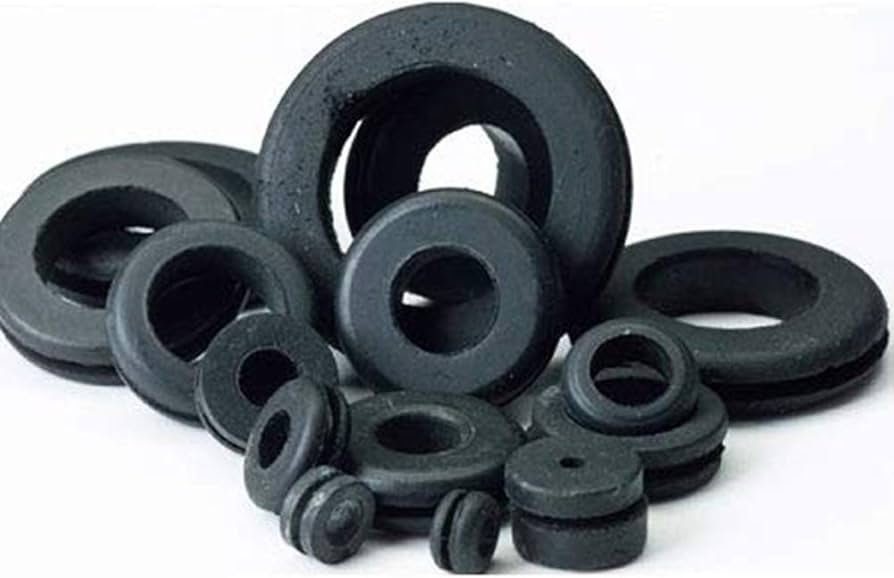
Customization Process for Rubber Cap Plugs at Suzhou Baoshida Trading Co., Ltd.
At Suzhou Baoshida Trading Co., Ltd., our approach to custom rubber cap plug manufacturing is rooted in precision engineering and material science. We follow a structured, four-phase process—Drawing Analysis, Formulation, Prototyping, and Mass Production—to ensure that every plug meets exacting industrial standards and client-specific requirements.
The process begins with Drawing Analysis, where our engineering team evaluates the client’s technical drawings, 3D models, and functional specifications. We assess dimensional tolerances, sealing requirements, insertion force, and environmental exposure conditions such as temperature range, fluid contact, and UV or ozone exposure. This phase ensures that design intent is fully understood and any potential manufacturability issues are flagged early. Our engineers utilize CAD software to cross-verify geometries and recommend design optimizations for improved performance and mold longevity.
Following drawing validation, we proceed to Formulation Development. Based on the operational environment and mechanical demands, our rubber chemists select the optimal elastomer compound. Common choices include Nitrile (NBR) for oil resistance, EPDM for weather and heat resistance, Silicone (VMQ) for extreme temperature applications, and Fluorocarbon (FKM) for aggressive chemical environments. Hardness is tailored between 40 to 90 Shore A, and additives such as anti-oxidants, processing aids, and reinforcing fillers are incorporated to meet performance targets. Each formulation is documented and batch-traceable for consistency.
The third phase is Prototyping, where we produce small batches using precision steel molds. These prototypes undergo rigorous in-house testing, including compression set, tensile strength, elongation at break, and fluid immersion resistance per ASTM and ISO standards. Dimensional inspection is conducted using digital calipers and optical comparators to ensure conformity to print. Clients receive samples along with material certification and test reports for validation. Feedback from this stage is integrated into final design or material adjustments.
Once approved, we transition to Mass Production. Our automated rubber molding lines, supported by statistical process control (SPC), ensure high repeatability and minimal variance. Production batches are subject to ongoing quality checks, including first-article inspection and random sampling per AQL 1.0 standards. Final products are packaged per client logistics requirements, with full traceability maintained through batch coding and documentation.
Below is a summary of typical technical specifications for custom rubber cap plugs:
| Parameter | Standard Range | Test Standard |
|---|---|---|
| Material Options | NBR, EPDM, VMQ, FKM, SBR, CR | ASTM D2000 |
| Hardness (Shore A) | 40 – 90 | ASTM D2240 |
| Temperature Range | -40°C to +250°C (material-dependent) | ISO 1817 |
| Tolerance (Dimensions) | ±0.1 mm to ±0.5 mm (based on size) | ISO 3302 |
| Compression Set (24h) | ≤20% at 70°C, ≤30% at 150°C | ASTM D395 |
| Color Options | Black, red, blue, green, custom (Pantone) | – |
This systematic customization process enables Suzhou Baoshida to deliver high-performance rubber cap plugs tailored to automotive, aerospace, hydraulic, and industrial equipment applications.
Contact Engineering Team

Contact Suzhou Baoshida for Precision Rubber Cap Plug Solutions
Suzhou Baoshida Trading Co., Ltd. stands as your dedicated engineering partner for mission-critical rubber cap plug applications within demanding industrial environments. Our expertise transcends standard component supply; we deliver engineered sealing solutions founded on rigorous material science and precise manufacturing protocols. When component integrity directly impacts system performance, safety, and longevity, selecting a supplier with deep technical proficiency is non-negotiable. Our team, led by experienced Rubber Formula Engineers and OEM Management professionals, possesses the granular knowledge required to match cap plug specifications precisely to your operational parameters, environmental exposures, and regulatory requirements. We understand that minute deviations in durometer, chemical resistance, or temperature stability can cascade into significant field failures. Partnering with Suzhou Baoshida ensures access to formulations and production processes validated for real-world industrial resilience, not merely catalogued dimensions.
The technical performance of a rubber cap plug is intrinsically linked to its material composition and manufacturing tolerances. To facilitate your preliminary evaluation, the table below outlines key specification parameters for our standard industrial-grade cap plug families. These values represent baseline capabilities; our core strength lies in custom formulation and dimensional adaptation to meet exacting OEM blueprints and performance criteria.
| Material Type | Temperature Range (°C) | Durometer Range (Shore A) | Key Resistance Properties | Typical Industrial Applications |
|---|---|---|---|---|
| Nitrile (NBR) | -40 to +120 | 50 – 90 | Oils, Fuels, Aliphatic Hydrocarbons | Hydraulic Systems, Automotive Fluids |
| Silicone (VMQ) | -60 to +230 | 30 – 80 | Extreme Temperatures, Ozone, UV | Aerospace, Medical, High-Heat Sensors |
| EPDM | -50 to +150 | 50 – 80 | Water, Steam, Weathering, Acids | Plumbing, HVAC, Marine Equipment |
| Fluorocarbon (FKM) | -20 to +230 | 60 – 90 | Aggressive Chemicals, High Temp | Chemical Processing, Semiconductor |
| Neoprene (CR) | -45 to +100 | 50 – 80 | Flame Resistance, Ozone, Weather | Electrical Enclosures, Marine Hardware |
Initiating a technical dialogue with Suzhou Baoshida provides immediate access to engineering resources focused on optimizing your specific cap plug application. Mr. Boyce, our dedicated OEM Manager, serves as your primary technical liaison. His role extends beyond order processing; he possesses the authority and technical acumen to facilitate rapid material evaluation, prototype development, and seamless integration of our components into your manufacturing workflow. Mr. Boyce understands the urgency inherent in industrial supply chains and the critical nature of component validation. He ensures your technical queries receive responses grounded in material science data and practical manufacturing experience, not generic sales assurances. Direct communication with him eliminates layers of miscommunication, accelerating your path from specification to qualified production.
Do not rely on generic supplier interactions for components where sealing integrity is paramount. The cost of inadequate sealing performance far exceeds the value of the plug itself, potentially leading to system downtime, safety hazards, and reputational damage. Contact Mr. Boyce directly today to leverage Suzhou Baoshida’s engineering rigor for your rubber cap plug requirements. Provide your specific application details, environmental challenges, and performance targets. We will respond with a technically validated solution proposal, including material recommendations, dimensional compliance verification, and production timelines. Elevate your component sourcing from procurement to engineering partnership. Reach Mr. Boyce immediately at [email protected] to commence a precision-engineered solution for your industrial sealing challenges. Your system integrity demands nothing less than expertly formulated rubber technology.
⚖️ O-Ring Weight Calculator
Estimate rubber O-ring weight (Approx).