
Technical Contents
Engineering Guide: Rubber Compounders
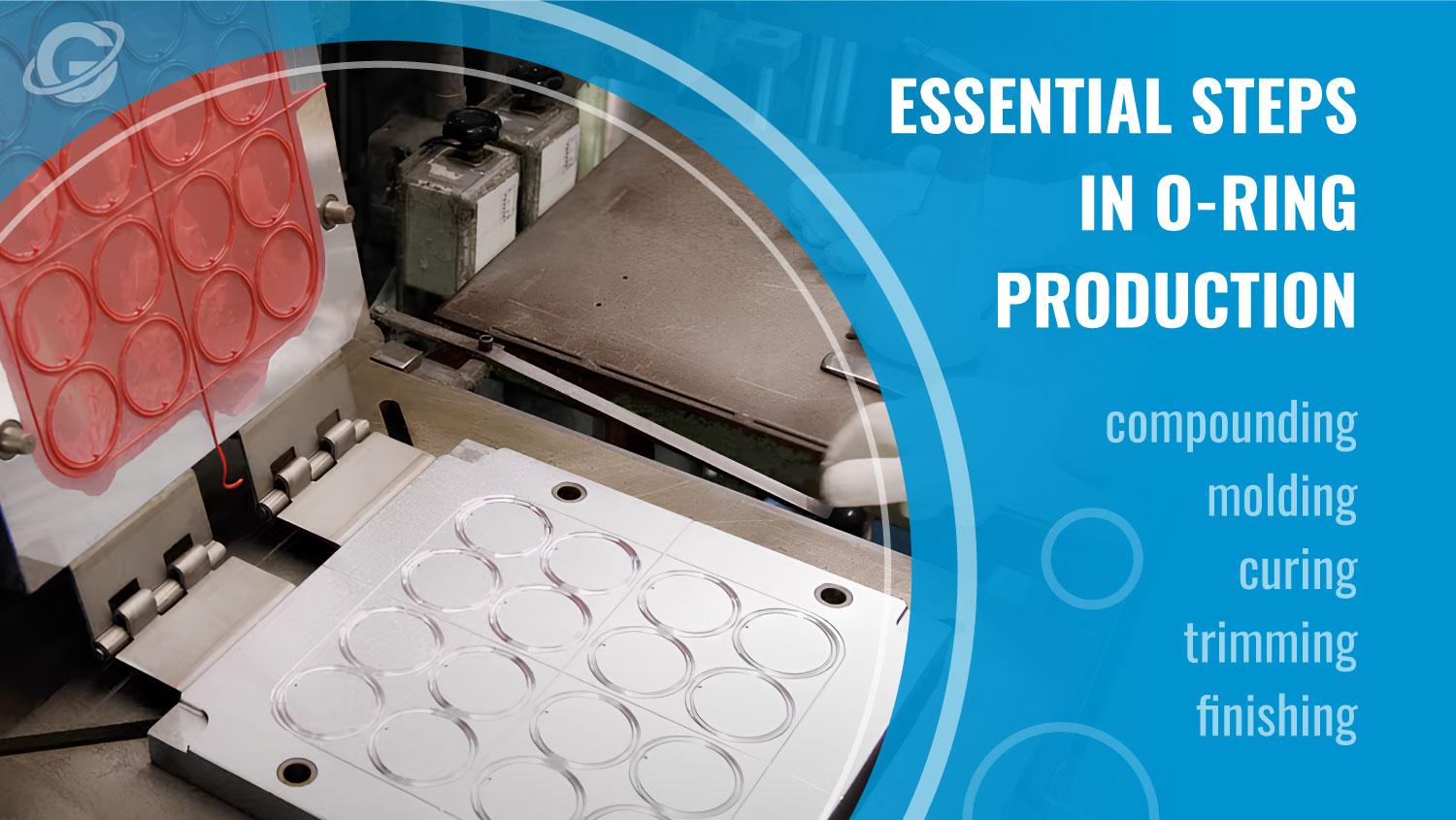
Engineering Insight: Material Selection in Rubber Compounding
Material selection constitutes the foundational determinant of rubber component performance and longevity. Off-the-shelf compounds frequently fail under specialized industrial conditions due to inherent compromises in their formulation. Generic solutions prioritize broad market applicability over application-specific stressors, leading to premature degradation in demanding environments. Critical factors such as dynamic mechanical properties, chemical resistance, thermal stability, and compression set behavior cannot be optimally balanced without precise material tailoring.
The core deficiency of standardized compounds lies in their inability to address unique operational profiles. For instance, an automotive suspension bushing requires exceptional fatigue resistance under cyclic torsion and exposure to road salts, while a chemical processing seal must withstand aggressive solvents at elevated temperatures. Off-the-shelf formulations typically utilize mid-range polymer bases and filler systems, sacrificing peak performance in any single domain to achieve moderate functionality across many. This results in vulnerabilities: ozone cracking in outdoor hydraulic seals due to insufficient antiozonant levels, excessive compression set in high-temperature gaskets from inadequate polymer crosslink density, or catastrophic abrasion failure in mining conveyor belts from suboptimal filler dispersion.
Compounders must rigorously evaluate application-specific parameters before selection. Key considerations include maximum/minimum operating temperatures, fluid exposure spectra, dynamic load profiles, regulatory compliance requirements (e.g., FDA, UL), and dimensional stability tolerances. Neglecting even one parameter—such as intermittent steam exposure in a food-grade diaphragm valve—can trigger rapid compound breakdown. Standardized materials often omit critical additives like specialized antioxidants for intermittent high-heat cycles or custom-surface-treated silica for low-rolling-resistance tire treads, directly causing field failures.
The performance gap between engineered and generic compounds is quantifiable across critical parameters:
| Parameter | Custom Compound | Off-the-Shelf Compound |
|---|---|---|
| Polymer Selection | Targeted base (e.g., HNBR for oil resistance) | General-purpose EPDM/NR blends |
| Filler System | Surface-modified for dispersion & reinforcement | Standard carbon black/silica |
| Additive Package | Precision-dosed for specific stressors | Generic antioxidant package |
| Performance Outcome | 40% longer service life in target application | Premature failure under stress |
Suzhou Baoshida Trading Co., Ltd. addresses these challenges through collaborative compound engineering. Our OEM partnerships begin with rigorous application profiling—analyzing fluid compatibility charts, dynamic stress simulations, and environmental exposure logs—to formulate compounds where every ingredient serves a defined purpose. This methodology eliminates the guesswork inherent in off-the-shelf adoption, transforming material selection from a procurement decision into a performance guarantee. For industrial rubber solutions demanding zero compromise, the engineering cost of customization is invariably offset by reduced downtime, extended service intervals, and elimination of catastrophic failure modes. Partner with precision; partner with Baoshida.
Material Specifications
Suzhou Baoshida Trading Co., Ltd. provides high-performance industrial rubber solutions tailored for demanding applications across automotive, aerospace, oil & gas, and chemical processing industries. As a trusted OEM partner and rubber formula engineering specialist, we prioritize material integrity, environmental resistance, and long-term performance. This section outlines the technical specifications of three critical elastomers: Viton (FKM), Nitrile (NBR), and Silicone (VMQ), enabling compounders to make informed decisions based on application requirements.
Viton (fluorocarbon rubber) is engineered for extreme environments where resistance to high temperatures, aggressive chemicals, and hydrocarbons is paramount. It maintains structural stability in continuous service up to 230°C, with short-term excursions beyond 300°C. Its molecular structure provides exceptional resistance to oils, fuels, acids, and ozone, making it ideal for sealing applications in aerospace engines, chemical pumps, and refinery equipment. However, Viton exhibits lower flexibility at low temperatures and higher material cost compared to alternatives.
Nitrile rubber (NBR) remains one of the most widely used elastomers due to its excellent balance of performance and cost. It offers strong resistance to aliphatic hydrocarbons, mineral oils, and water, with good abrasion resistance. NBR is commonly formulated for use in hydraulic systems, fuel hoses, and gaskets in automotive and industrial machinery. Operating temperatures typically range from -30°C to 120°C, with low-temperature variants extending performance to -50°C. While NBR is less resistant to ozone and UV exposure than other elastomers, proper compounding with protective additives can mitigate these limitations.
Silicone rubber (VMQ) excels in thermal stability and biocompatibility, with usable performance from -60°C to 200°C. It maintains elasticity over a wide temperature range and demonstrates excellent resistance to UV radiation, ozone, and weathering. These properties make silicone ideal for medical devices, food-grade seals, outdoor electrical insulation, and high-temperature gaskets. While it has relatively low tensile strength and poor resistance to hydrocarbon fuels, its inertness and non-toxicity are unmatched among standard elastomers.
The following table summarizes key physical and chemical properties of these materials to assist rubber compounders in material selection.
| Property | Viton (FKM) | Nitrile (NBR) | Silicone (VMQ) |
|---|---|---|---|
| Temperature Range (°C) | -20 to 230 | -30 to 120 (-50 to 120*) | -60 to 200 |
| Tensile Strength (MPa) | 12–20 | 10–25 | 5–10 |
| Elongation at Break (%) | 150–300 | 200–500 | 200–700 |
| Hardness (Shore A, 70–90) | 70–90 | 60–90 | 30–80 |
| Resistance to Oils & Fuels | Excellent | Good to Very Good | Poor |
| Resistance to Ozone/UV | Excellent | Fair | Excellent |
| Compression Set (24h @ 150°C) | Low | Moderate | Low to Moderate |
| Water Resistance | Excellent | Good | Excellent |
| Chemical Resistance | Excellent (acids, bases) | Moderate | Moderate to Poor |
At Suzhou Baoshida Trading Co., Ltd., we support rubber compounders with precision-engineered formulations and technical data to ensure optimal material performance under real-world conditions.
Manufacturing Capabilities
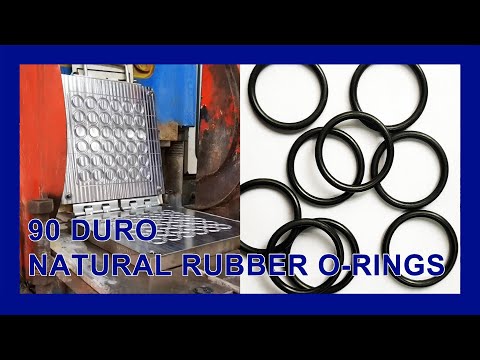
Engineering Capabilities: Precision Rubber Compound Development and OEM Execution
Suzhou Baoshida Trading Co., Ltd. delivers engineered rubber solutions through a dedicated technical team comprising five specialized Mold Engineers and two advanced Formula Engineers. This integrated structure ensures seamless transition from material science to precision molding, addressing complex industrial requirements with scientific rigor. Our Formula Engineers focus on molecular-level compound design, optimizing polymer selection, filler dispersion, cure kinetics, and performance additives to meet exacting operational demands. Concurrently, Mold Engineers translate these formulations into manufacturable components, leveraging finite element analysis (FEA) for cavity design, flow simulation, and thermal management to eliminate defects like flash or incomplete cure. This synergy eliminates traditional silos between material development and production, accelerating time-to-market while ensuring repeatability.
Our OEM capabilities extend beyond standard manufacturing to full technical partnership. We implement joint development protocols with clients, initiating projects with detailed requirement analysis, feasibility studies, and risk assessment. Utilizing accelerated aging protocols and dynamic mechanical analysis (DMA), we validate compounds against application-specific stressors—extreme temperatures, chemical exposure, or cyclic fatigue—before tooling commencement. For high-volume production, our engineers establish stringent process windows with real-time monitoring of critical parameters: temperature uniformity (±1.5°C), pressure consistency (±0.3 MPa), and cure time control (±2 seconds). This data-driven approach guarantees dimensional stability (CTQ adherence to ±0.05 mm) and mechanical property consistency across batches.
The table below summarizes core technical specifications achievable through our integrated engineering workflow:
| Parameter | Range/Specification | Testing Standard |
|---|---|---|
| Material Types | NBR, EPDM, FKM, HNBR, SIL | ASTM D2000 |
| Hardness Range (Shore A) | 30–90 | ASTM D2240 |
| Temperature Resistance | -60°C to +300°C | ASTM D573 |
| Tensile Strength | 8–25 MPa | ASTM D412 |
| Elongation at Break | 150–650% | ASTM D412 |
| Compression Set (70h/100°C) | ≤25% | ASTM D395 |
| Fluid Resistance | Customized to ISO 1817 | ISO 1817 |
This technical infrastructure enables us to solve critical challenges in automotive sealing, industrial hose reinforcement, and fluid handling systems. For instance, recent collaborations involved reformulating EPDM compounds for 150,000-cycle durability in hydrogen fuel cell gaskets and optimizing FKM viscosity for zero-defect injection molding of aerospace O-rings. All developments undergo rigorous validation via our in-house lab, equipped for tear strength, abrasion resistance, and permeation testing per OEM specifications.
As your OEM partner, we prioritize intellectual property security and scalability. Our engineers co-develop technical data packages (TDPs) with clients, ensuring full transparency in material traceability and process documentation. From prototype to量产, we maintain engineering oversight to uphold performance integrity, reducing client validation costs by up to 40% through preemptive defect elimination. This commitment to scientific precision and collaborative execution defines Suzhou Baoshida’s value proposition in industrial rubber manufacturing.
Customization Process
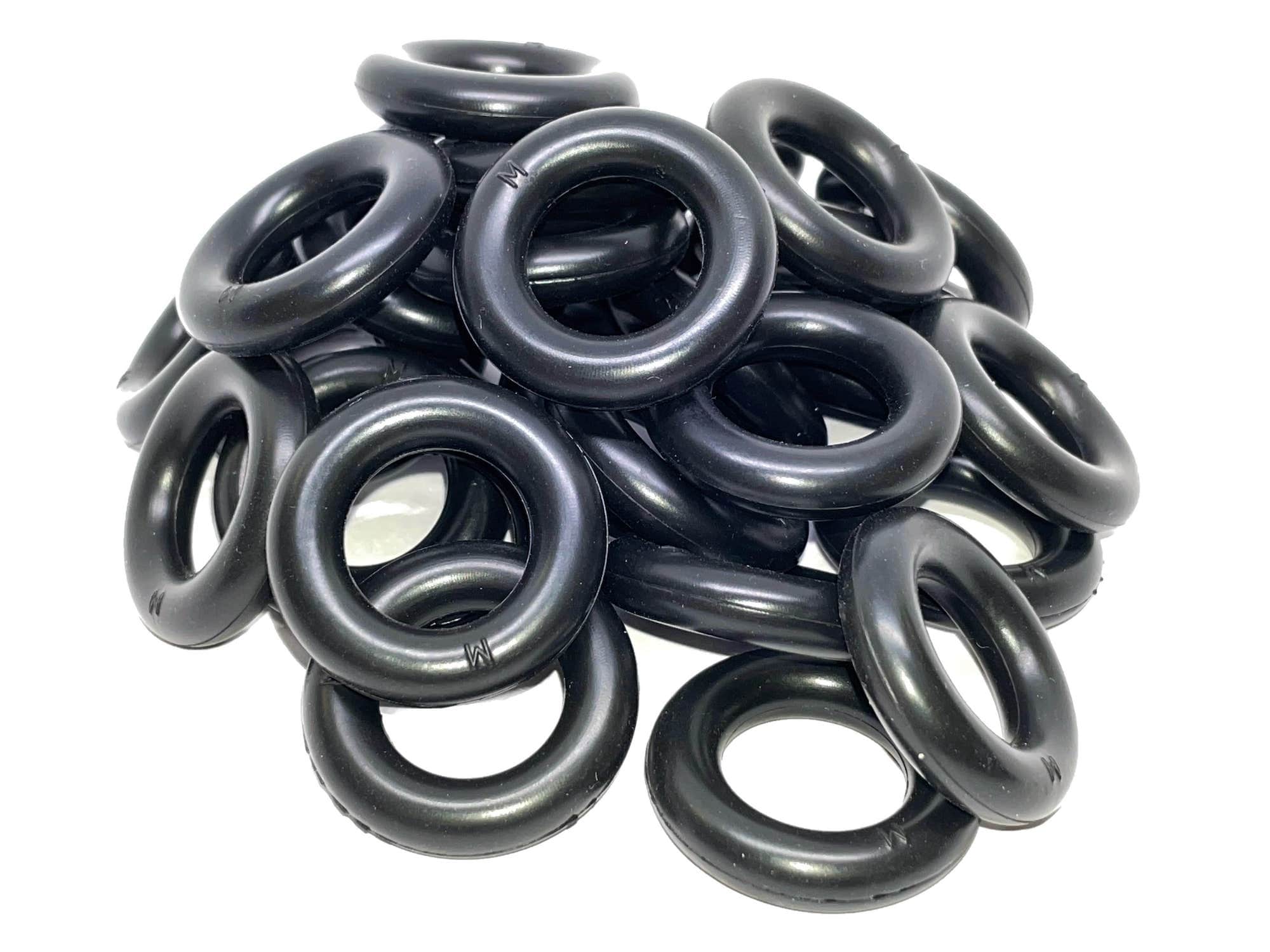
Drawing Analysis: Precision Engineering for Performance-Driven Outcomes
The foundation of any successful rubber component begins with rigorous drawing analysis. At Suzhou Baoshida Trading Co., Ltd., we initiate the customization process by conducting a comprehensive technical review of customer-provided engineering drawings. This phase involves evaluating dimensional tolerances, geometric specifications, surface finish requirements, and functional interface points. Our engineering team cross-references ASTM, ISO, and OEM-specific standards to ensure compliance and long-term performance under operational stress. Critical parameters such as compression set, elongation at break, and hardness (Shore A) are pre-assessed based on the intended application environment—be it automotive sealing systems, industrial hoses, or vibration dampers. Accurate interpretation at this stage ensures that downstream development remains aligned with both design intent and real-world service conditions.
Formulation: Tailored Chemistry for Targeted Performance
Once design parameters are validated, our rubber formula engineers develop a bespoke compound formulation. This stage integrates material science with application-specific demands. We select base polymers—such as NBR, EPDM, FKM, or silicone—based on thermal stability, chemical resistance, and mechanical resilience. Additives including reinforcing fillers, plasticizers, accelerators, and anti-degradants are precisely proportioned to achieve the desired physical properties. Each formulation is modeled using internal databases and predictive algorithms to minimize trial iterations. All raw materials are sourced under strict quality control protocols, ensuring batch-to-batch consistency and traceability. The formulated recipe is documented as a technical master batch card, serving as the blueprint for prototyping and future scale-up.
Prototyping: Validation Through Functional Testing
Prototyping transforms theoretical formulations into physical samples for empirical evaluation. Using precision molding techniques—compression, injection, or transfer molding—we produce small-batch prototypes under controlled process conditions. These samples undergo a battery of laboratory tests, including tensile strength, hardness, compression deformation, fluid resistance, and thermal aging. Where applicable, dynamic mechanical analysis (DMA) and finite element analysis (FEA) simulations are employed to predict in-service behavior. Feedback from testing is used to refine the formulation or adjust processing parameters. Customer validation is conducted through fit, form, and function checks, ensuring compatibility with assembly lines and end-use environments.
Mass Production: Scalable Excellence with Quality Assurance
Upon prototype approval, we transition to full-scale manufacturing. Our production lines are equipped with automated mixing systems, CNC-controlled molding presses, and inline quality monitoring. Every batch is subjected to real-time inspection using calibrated measurement tools and statistical process control (SPC) methodologies. Final products are packaged per client specifications, with full documentation including material test reports (MTRs) and certificates of conformance (CoC).
The following table outlines typical performance specifications achievable through our customization process:
| Property | Test Method | Typical Range (Example: EPDM) |
|---|---|---|
| Hardness (Shore A) | ASTM D2240 | 50–90 |
| Tensile Strength | ASTM D412 | 10–22 MPa |
| Elongation at Break | ASTM D412 | 200–500% |
| Compression Set (22h, 70°C) | ASTM D395 | ≤20% |
| Operating Temperature | — | -50°C to +150°C |
| Fluid Resistance (IRM 903) | ASTM D471 | Volume swell ≤30% |
Contact Engineering Team
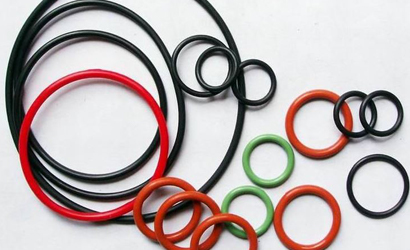
Technical Engagement Protocol: Optimizing Rubber Compound Development with Suzhou Baoshida
Suzhou Baoshida Trading Co., Ltd. operates at the intersection of advanced polymer science and industrial scalability, delivering mission-critical rubber compounds for demanding OEM applications. Our engineering team specializes in resolving complex formulation challenges where standard material solutions fail—addressing adhesion failures in multi-material assemblies, dynamic sealing under extreme thermal cycling, or abrasion resistance in mining conveyor systems. We do not offer generic elastomer blends; every compound is engineered to your ASTM, ISO, or proprietary performance thresholds, validated through in-house testing per ISO 37, ISO 48, and ASTM D2000 protocols. Our value lies in translating your functional requirements into material specifications that survive real-world production environments, reducing scrap rates and extending service life.
The following table summarizes our core technical capabilities for industrial compounders requiring precision-engineered solutions:
| Technical Parameter | Capability Range | Testing Standard | Industrial Application Relevance |
|---|---|---|---|
| Durometer Range (Shore A) | 30A to 90A | ASTM D2240 | Sealing integrity under compression load |
| Tensile Strength | 8 MPa to 35 MPa | ISO 37 | Structural component durability |
| Elongation at Break | 200% to 800% | ISO 37 | Flex fatigue resistance |
| Compression Set (70°C/22h) | ≤15% to ≤35% | ASTM D395 | Long-term seal retention |
| Fluid Resistance (IRM 903) | Volume swell ≤15% to ≤40% | ASTM D471 | Hydraulic/petroleum exposure |
| OEM Batch Consistency | ±0.5% Mooney viscosity tolerance | ASTM D1646 | Production line stability |
| Custom Cure Kinetics | T90 adjustable: 3 min to 25 min | ASTM D5289 | Integration with molding cycle times |
When your current compound formulation exhibits premature failure in dynamic applications or fails to meet evolving regulatory standards (e.g., REACH Annex XVII phthalate restrictions), direct engagement with our technical team becomes operationally imperative. Mr. Boyce, our dedicated OEM Solutions Lead, possesses 18 years of hands-on experience in troubleshooting compound interactions within high-speed molding processes and multi-material bonding systems. He will initiate a structured technical dialogue focused on your specific pain points: material degradation in ozone-rich environments, inconsistent filler dispersion affecting tensile properties, or cost-driven raw material substitutions compromising performance.
Do not rely on generic supplier portals or automated response systems. Contact Mr. Boyce directly via [email protected] to trigger our 72-hour technical response protocol. Include your target compound specifications (e.g., ASTM D2000 line callout), observed failure modes, and production throughput requirements. Within three business days, you will receive a preliminary formulation analysis with actionable recommendations—not a sales brochure. This is how we resolve compound formulation bottlenecks that standard vendors cannot address: through rigorous material science collaboration, not transactional procurement. Your next-generation rubber component demands engineering precision, not commodity sourcing. Initiate the technical validation process today.
⚖️ O-Ring Weight Calculator
Estimate rubber O-ring weight (Approx).