
Technical Contents
Engineering Guide: Rubber Cork
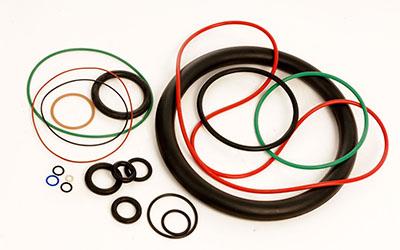
Engineering Insight: The Critical Role of Material Selection in Rubber Cork Applications
In industrial sealing and vibration damping applications, rubber cork is often specified for its unique combination of compressibility, resilience, and thermal insulation. However, despite its widespread use, many manufacturers encounter premature failure when deploying off-the-shelf rubber cork solutions. The root cause typically lies not in the design but in improper material selection tailored to the operational environment.
Rubber cork composites are engineered by bonding granulated cork with synthetic or natural rubber matrices. This hybrid structure provides a balance between the natural damping properties of cork and the durability and elasticity of rubber. While standard formulations may appear cost-effective, they frequently fail under dynamic service conditions due to overlooked variables such as temperature cycling, fluid exposure, compression set, and long-term creep resistance.
One of the most common failure modes occurs when standard nitrile rubber (NBR)-based cork is exposed to elevated temperatures or non-polar fluids such as certain oils and solvents. NBR begins to degrade above 100°C, leading to hardening, cracking, and loss of sealing force. Similarly, in high-humidity or submerged environments, untreated cork granules can absorb moisture, causing swelling and dimensional instability. These issues are exacerbated in cyclic loading applications, where repeated compression leads to permanent set and loss of contact pressure.
Another critical factor is the density and grading of the cork particles. Coarse, low-density cork offers high compressibility but poor recovery, making it unsuitable for applications requiring sustained load retention. Conversely, fine, high-density cork with a reinforced rubber binder provides better structural integrity but at the cost of reduced conformability to flange irregularities.
At Suzhou Baoshida Trading Co., Ltd., we emphasize application-specific formulation development. Our engineered rubber cork solutions are customized based on operational parameters, including temperature range, media compatibility, compression load, and required service life. By selecting appropriate rubber matrices—such as EPDM for ozone and heat resistance, or silicone for extreme temperature stability—and controlling cork particle size and distribution, we ensure optimal performance under real-world conditions.
The following table outlines key performance characteristics of common rubber cork formulations:
| Rubber Matrix | Temperature Range (°C) | Fluid Resistance | Compression Set (24h @ 70°C) | Typical Applications |
|---|---|---|---|---|
| NBR | -30 to 100 | Good (aliphatic oils) | ≤ 35% | Gearboxes, hydraulic systems |
| EPDM | -50 to 135 | Excellent (water, steam, polar fluids) | ≤ 30% | HVAC, water pumps, outdoor enclosures |
| Silicone | -60 to 200 | Fair (limited oil resistance) | ≤ 25% | High-temp gaskets, electrical insulation |
| Neoprene | -40 to 120 | Moderate (ozone, weathering) | ≤ 40% | Marine, rail, general industrial |
Standardized rubber cork products often sacrifice performance for versatility. In contrast, precision-engineered solutions account for the full spectrum of environmental and mechanical stressors. For mission-critical applications, material selection is not a commodity decision—it is a foundational engineering requirement. At Baoshida, we partner with OEMs to define specifications that ensure reliability, longevity, and system integrity.
Material Specifications
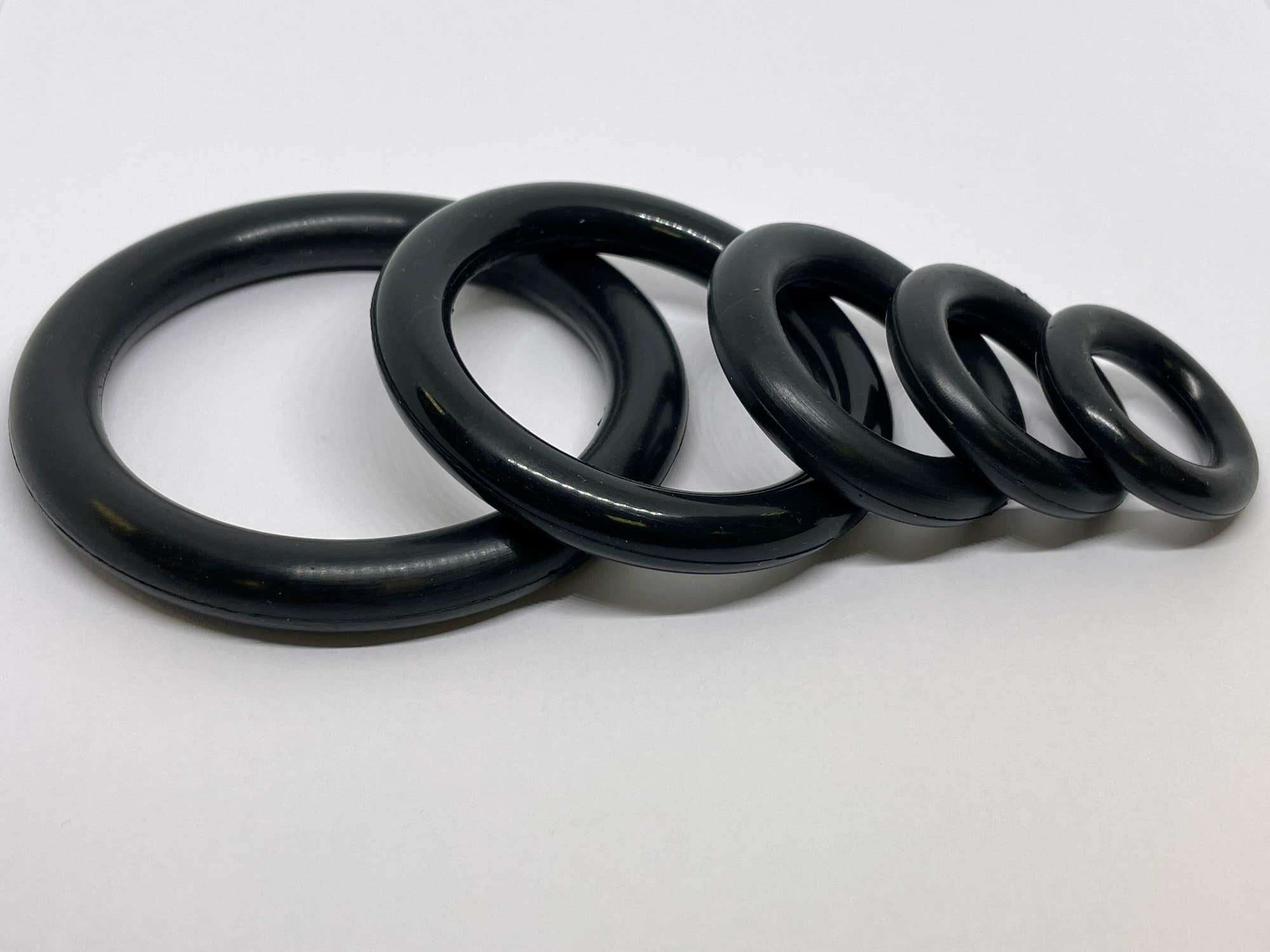
Material Specifications for Rubber Cork Industrial Applications
Rubber cork composites serve critical sealing and vibration damping functions across automotive, aerospace, and industrial machinery sectors. Material selection directly impacts performance longevity under operational stressors including temperature extremes, chemical exposure, and mechanical compression. At Suzhou Baoshida Trading Co., Ltd., we engineer rubber cork formulations using three primary elastomers—Viton, Nitrile (NBR), and Silicone—each optimized for distinct environmental challenges. Precision in compound specification ensures OEM compliance with ISO 37, ASTM D2000, and SAE J200 standards while minimizing field failures.
Viton fluorocarbon rubber excels in high-severity environments demanding exceptional chemical and thermal stability. Our Viton-based rubber cork compounds achieve continuous service temperatures up to 230°C and resist aggressive media including jet fuels, hydraulic fluids, and aromatic hydrocarbons. Hardness ranges from 60 to 90 Shore A, maintaining seal integrity under 30% compression set after 70 hours at 200°C. This material is indispensable for aerospace fuel systems and chemical processing equipment where failure is non-negotiable.
Nitrile rubber (NBR) offers the optimal balance of cost efficiency and resistance to petroleum-based fluids, making it the dominant choice for automotive transmission seals and hydraulic applications. Our NBR rubber cork formulations operate reliably between -40°C and 125°C, with specialized grades extending to 150°C. Key advantages include low compression set (≤25% at 100°C) and exceptional abrasion resistance. NBR demonstrates moderate ozone resistance but requires protective additives for outdoor exposure, positioning it ideally for engine compartment components.
Silicone rubber provides unmatched flexibility across extreme temperature ranges and superior biocompatibility. Our silicone rubber cork composites function from -60°C to 200°C with minimal property deviation, exhibiting low compression set (≤20% at 150°C) and resistance to water, steam, and polar solvents. Hardness spans 40–80 Shore A, enabling tight sealing in medical device housings and food-grade machinery. While silicone lacks NBR’s fuel resistance, its electrical insulation properties and low toxicity are critical for electronics and life science OEMs.
The following comparative table details essential specifications for OEM qualification:
| Material | Hardness Range (Shore A) | Continuous Temp Range (°C) | Key Fluid Resistances | Compression Set (Typical) | Primary OEM Applications |
|---|---|---|---|---|---|
| Viton | 60–90 | -20 to +230 | Jet fuels, acids, hydraulic fluids | ≤30% @ 200°C | Aerospace fuel systems, chemical valves |
| Nitrile (NBR) | 50–90 | -40 to +125 (+150 special) | Mineral oils, greases, water | ≤25% @ 100°C | Automotive transmissions, hydraulic seals |
| Silicone | 40–80 | -60 to +200 | Water, steam, alcohols, acids | ≤20% @ 150°C | Medical devices, food processing, electronics |
Material selection must align with fluid compatibility charts and dynamic stress requirements. Suzhou Baoshida provides compound-specific test data per ASTM D2240 and D573 upon request, ensuring seamless integration into your manufacturing process. Consult our engineering team for custom formulations addressing unique operational parameters.
Manufacturing Capabilities
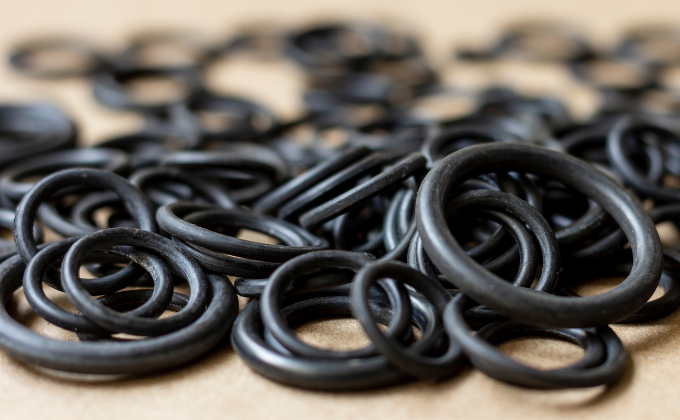
Engineering Capability
At Suzhou Baoshida Trading Co., Ltd., our engineering capability forms the backbone of our industrial rubber solutions, particularly in the development and production of high-performance rubber cork composites. With a dedicated team comprising five specialized mould engineers and two advanced formula engineers, we maintain full technical control from concept to final product delivery. This integrated engineering structure enables us to deliver precision-engineered rubber cork solutions tailored to the exact functional, environmental, and dimensional demands of our OEM partners.
Our formula engineers focus on the scientific design of elastomer compounds, optimizing the blend of natural and synthetic rubber with cork particulates to achieve targeted physical properties. Through rigorous material testing and iterative formulation, we balance compressibility, resilience, thermal insulation, and sealing performance. Each compound is engineered for specific service conditions, including temperature extremes, fluid exposure, and dynamic compression loads. Our in-house laboratory facilitates accelerated aging tests, hardness profiling, compression set analysis, and density verification, ensuring long-term reliability in automotive, HVAC, and industrial equipment applications.
Complementing our material science expertise, our five mould engineers specialize in precision tooling design and process optimization for rubber cork compression and transfer moulding. They utilize advanced CAD/CAM software and finite element analysis (FEA) to simulate flow behavior and curing dynamics, minimizing defects such as voids, flash, or incomplete fill. Mould designs are optimized for cycle time efficiency, dimensional accuracy, and extended tool life, supporting both low-volume prototyping and high-volume OEM production. Our team collaborates directly with clients to interpret technical drawings, suggest design for manufacturing (DFM) improvements, and validate first articles per ISO and customer-specific standards.
We offer full OEM service integration, managing every stage of product realization under strict confidentiality and quality control. From initial specification review to final PPAP submission, our engineering team ensures seamless scalability and consistent part-to-part repeatability. Our facility supports rapid prototyping with short lead times, enabling fast validation and time-to-market acceleration for new product introductions.
The following table summarizes key technical capabilities and material performance ranges for our standard rubber cork formulations:
| Property | Test Method | Typical Range |
|---|---|---|
| Hardness (Shore A) | ASTM D2240 | 40 – 80 |
| Tensile Strength | ASTM D412 | 2.5 – 6.0 MPa |
| Elongation at Break | ASTM D412 | 80% – 200% |
| Compression Set (22 hrs, 70°C) | ASTM D395 | ≤ 35% |
| Operating Temperature Range | — | -40°C to +120°C |
| Density | ASTM D297 | 0.6 – 0.9 g/cm³ |
| Thermal Conductivity | ASTM C168 | 0.08 – 0.12 W/m·K |
With a disciplined, data-driven engineering approach and deep expertise in both rubber chemistry and precision moulding, Suzhou Baoshida delivers technically superior rubber cork components that meet the exacting standards of global industrial OEMs.
Customization Process
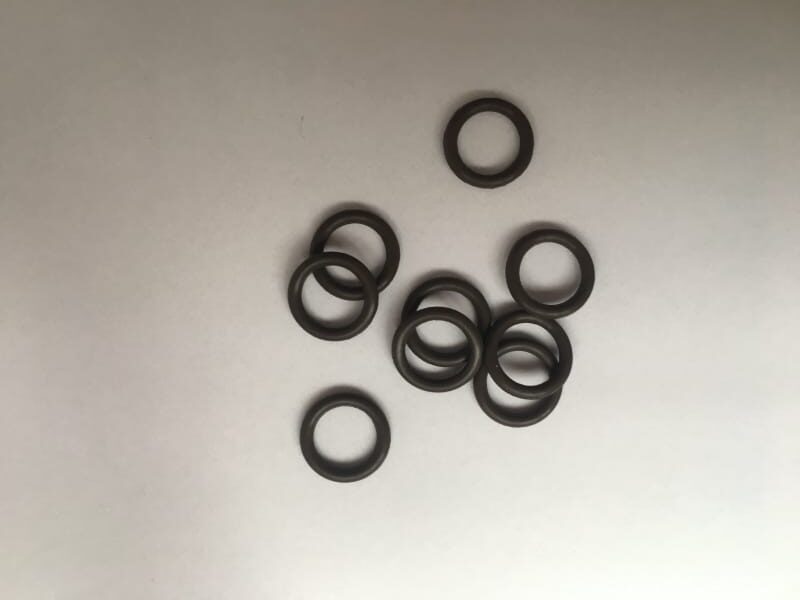
Rubber Cork Customization Process: Precision Engineering from Concept to Production
At Suzhou Baoshida Trading Co., Ltd., our industrial rubber solutions, particularly rubber cork composites, undergo a rigorously defined customization pathway. This systematic approach ensures optimal material performance, dimensional accuracy, and cost-efficiency for demanding OEM applications. The process initiates with comprehensive Drawing Analysis. Our engineering team meticulously reviews client-provided technical drawings and specifications, focusing on geometric tolerances (GD&T), critical sealing surfaces, environmental exposure requirements (temperature, fluids, pressure), and functional load conditions. Utilizing CAD software and finite element analysis (FEA) where necessary, we validate feasibility, identify potential manufacturing constraints, and propose constructive feedback to optimize the design for both performance and producibility, preventing costly iterations later.
Following design validation, the core Formulation phase commences. Leveraging our extensive material science database and decades of compounding expertise, our rubber formula engineers develop a bespoke compound. This involves precise selection and proportioning of natural/synthetic rubbers (e.g., NBR, EPDM, SBR), cork granules of specified particle size and density, reinforcing fillers, vulcanizing agents, and specialty additives. The formulation targets the exact balance of properties required: resilience, compression set resistance, thermal stability, fluid compatibility, and acoustic damping. Every ingredient batch undergoes stringent incoming quality control per ISO standards before compounding.
The formulated compound then progresses to Prototyping. Utilizing client-approved tooling or rapid prototyping techniques like precision CNC-machined molds, we produce initial sample batches. These prototypes undergo rigorous in-house validation testing against the agreed performance criteria. Critical assessments include dimensional inspection via CMM, hardness (Shore A/D), compression deflection force (CDF), compression set (ASTM D395), fluid resistance, and thermal aging per specified protocols. Client feedback on these functional prototypes is integral; we analyze test data collaboratively to fine-tune the compound or process parameters before committing to full-scale tooling.
Upon successful prototype validation and client sign-off, seamless transition to Mass Production occurs. Our ISO 9001-certified manufacturing facility employs automated mixing lines, precision hydraulic presses with closed-loop temperature control, and optimized vulcanization cycles. Statistical Process Control (SPC) is implemented at every stage – from raw material batching to final inspection. Each production batch is subjected to our stringent quality assurance protocol, including first-article inspection (FAI) and ongoing lot sampling. This guarantees consistent conformance to the finalized specifications, ensuring every rubber cork component delivers reliable performance in the end application, batch after batch.
Typical Rubber Cork Composite Properties Achieved Through Custom Formulation
| Property | Test Standard | Typical Range | Critical Application Impact |
|---|---|---|---|
| Density | ASTM D297 | 0.45 – 0.85 g/cm³ | Weight reduction, acoustic insulation |
| Hardness (Shore A) | ASTM D2240 | 40 – 80 | Sealing force, compression recovery |
| Compression Set (22h/70°C) | ASTM D395 Method B | 15% – 35% | Long-term sealing integrity retention |
| Tensile Strength | ASTM D412 | 1.5 – 4.0 MPa | Durability under mechanical stress |
| Elongation at Break | ASTM D412 | 100% – 300% | Flexibility, resistance to tearing |
| Thermal Conductivity | ASTM C177 | 0.04 – 0.08 W/m·K | Thermal insulation effectiveness |
| Fluid Resistance (Oil) | ASTM D471 | Excellent to Good | Performance longevity in lubricated env. |
This disciplined, science-driven customization process, from initial drawing scrutiny through to controlled mass production, is fundamental to Suzhou Baoshida’s commitment to delivering robust, application-specific rubber cork solutions that meet the highest industrial standards.
Contact Engineering Team

For industrial manufacturers seeking high-performance rubber cork solutions, Suzhou Baoshida Trading Co., Ltd. stands as a trusted partner in the development and supply of precision-engineered rubber materials. As a leader in Industrial Rubber Solutions, we specialize in formulating and delivering rubber cork composites that meet the rigorous demands of automotive, aerospace, construction, and heavy machinery sectors. Our technical expertise ensures that every product aligns with global quality standards while addressing the unique operational challenges of modern industrial environments.
Rubber cork is a composite material combining the resilience of rubber with the natural damping and thermal insulation properties of cork. This hybrid formulation delivers superior vibration absorption, acoustic insulation, and compression recovery—critical attributes in sealing and gasket applications where dynamic stress and thermal cycling are prevalent. At Suzhou Baoshida, we offer customizable rubber cork formulations based on NBR, EPDM, and silicone rubber matrices, allowing clients to optimize performance for temperature resistance, oil resistance, and long-term durability.
Our engineering team works closely with OEMs and Tier suppliers to develop application-specific solutions, from die-cut gaskets to molded seals and sheet stock. We prioritize material consistency, dimensional accuracy, and compliance with industry standards such as ASTM D2000 and ISO 3302. Every batch undergoes rigorous quality control, including hardness testing, compression set analysis, and environmental aging tests, ensuring reliability under real-world conditions.
Below is a representative specification table for a standard NBR-based rubber cork composite commonly used in automotive under-the-hood applications:
| Property | Test Method | Typical Value |
|---|---|---|
| Hardness (Shore A) | ASTM D2240 | 65 ± 5 |
| Tensile Strength | ASTM D412 | ≥ 5.0 MPa |
| Elongation at Break | ASTM D412 | ≥ 120% |
| Compression Set (22 hrs, 70°C) | ASTM D395 | ≤ 25% |
| Temperature Range | — | -40°C to +120°C |
| Specific Gravity | ASTM D297 | 0.95 ± 0.05 |
| Oil Resistance (IRM 903) | ASTM D471 | Volume Swell ≤ 25% |
| Thickness Tolerance (3mm) | ISO 3302 | ±0.3 mm |
These values are indicative and can be adjusted to meet client-specific performance requirements. Custom durometers, flame retardancy (UL 94), and conductive or anti-static formulations are available upon request.
To initiate a technical consultation or request material samples, contact Mr. Boyce, OEM Manager and Rubber Formula Engineer at Suzhou Baoshida Trading Co., Ltd. Mr. Boyce brings over 12 years of experience in rubber compounding and industrial sealing solutions, offering direct engineering support to global clients. He is available to discuss material selection, performance validation, and scalable supply chain integration.
Reach out via email at [email protected] to schedule a technical review. Include details on your application environment, performance expectations, and volume requirements to receive a tailored formulation proposal. For urgent inquiries, a 48-hour response window is guaranteed. Suzhou Baoshida is committed to accelerating your product development cycle with scientifically grounded rubber solutions engineered for industrial excellence.
⚖️ O-Ring Weight Calculator
Estimate rubber O-ring weight (Approx).