
Technical Contents
Engineering Guide: Rubber Door Threshold Strips
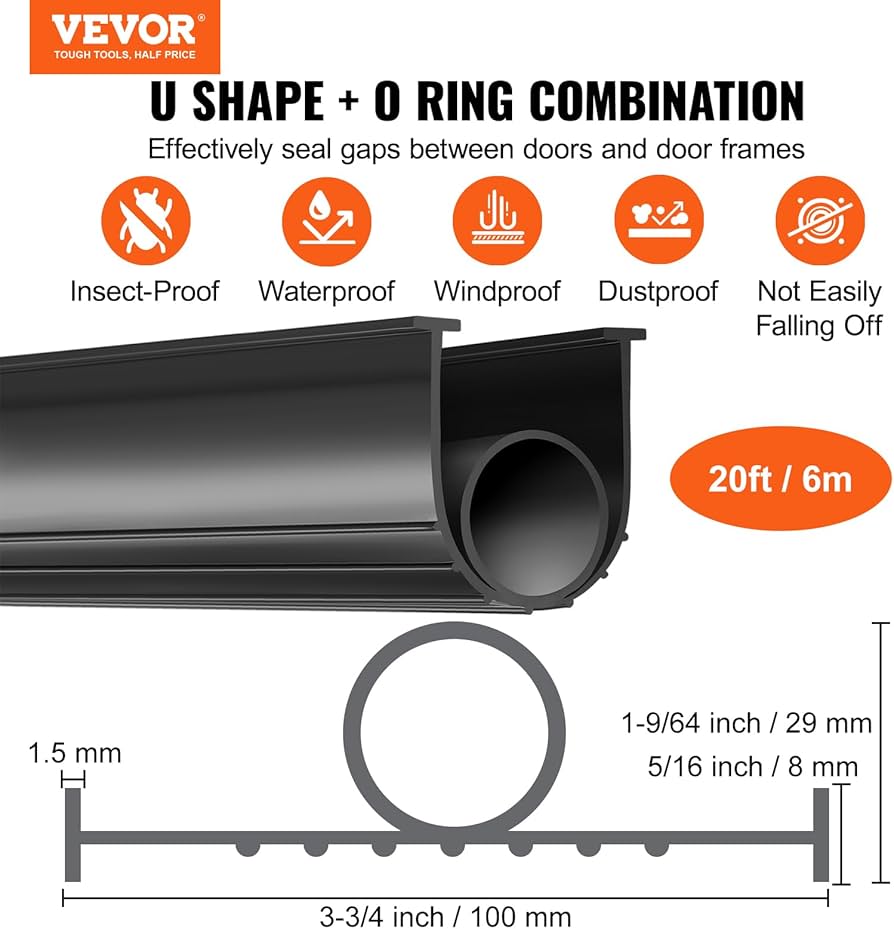
Engineering Insight Material Selection for Rubber Door Threshold Strips
Rubber door threshold strips represent a critical interface between building envelopes and environmental elements. While often perceived as simple sealing components, their failure directly compromises structural integrity, energy efficiency, and occupant safety. Off-the-shelf solutions frequently fail due to inadequate material science alignment with operational stressors. Generic formulations prioritize cost over performance, neglecting dynamic factors like cyclic compression, UV exposure, thermal cycling, and chemical resistance. Threshold strips endure repeated foot traffic, door slamming forces, and exposure to ozone, road salts, and cleaning agents. Standard SBR or low-grade EPDM compounds exhibit rapid compression set, losing >30% resilience within 6 months. This results in permanent deformation, gap formation, and water infiltration. Ozone cracking initiates at concentrations as low as 50 ppb—common in urban environments—propagating microfractures that breach the seal.
Material selection must address four non-negotiable parameters: compression recovery, abrasion resistance, thermal stability, and chemical inertness. Commercially available strips often use filler-heavy compounds (e.g., >150 phr carbon black) to reduce costs, sacrificing elasticity. The polymer backbone requires precise saturation levels to resist ozone attack while maintaining flexibility at low temperatures. For instance, inferior EPDM variants with low ethylene content crystallize below -20°C, becoming brittle and fracturing under impact. Conversely, over-saturated grades lose tensile strength, accelerating wear from foot traffic. Shore A hardness must balance sealing force (70-80A) without impeding door closure—off-the-shelf products commonly deviate by ±15 points due to inconsistent vulcanization.
Suzhou Baoshida’s engineered solutions deploy custom-synthesized EPDM polymers with controlled diene content (2.8-4.5 wt%) and optimized cure systems. Our formulations achieve <15% compression set after 1,000 hours at 70°C (ASTM D395), ensuring decades of resilience. Below is a comparative analysis of threshold strip material performance:
| Material Property | Off-the-Shelf SBR/EPDM | Baoshida Engineered EPDM | Test Standard |
|---|---|---|---|
| Shore A Hardness (23°C) | 65 ± 8 | 75 ± 2 | ASTM D2240 |
| Compression Set (22h/70°C) | 42% | 12% | ASTM D395 B |
| Tensile Strength (MPa) | 8.5 | 14.2 | ASTM D412 |
| Elongation at Break (%) | 280 | 450 | ASTM D412 |
| Low-Temp Brittleness (°C) | -25 | -50 | ASTM D2137 |
| Ozone Resistance (50 ppb) | Cracks in 48h | Zero cracks (300h) | ASTM D1149 |
Critical failure modes in generic strips include irreversible groove deformation from inadequate rebound resilience and surface degradation from unvulcanized accelerators leaching under moisture exposure. Baoshida’s threshold strips integrate synergistic antioxidant packages and nano-reinforced silica fillers, achieving 50% higher abrasion resistance (DIN 53516) than standard compounds. This engineering precision ensures dimensional stability across -50°C to +135°C cycles—vital for regions with extreme seasonal variance. Material selection is not a cost variable but a system reliability imperative. Partner with Suzhou Baoshida to transform threshold strips from failure points into engineered assets.
Material Specifications
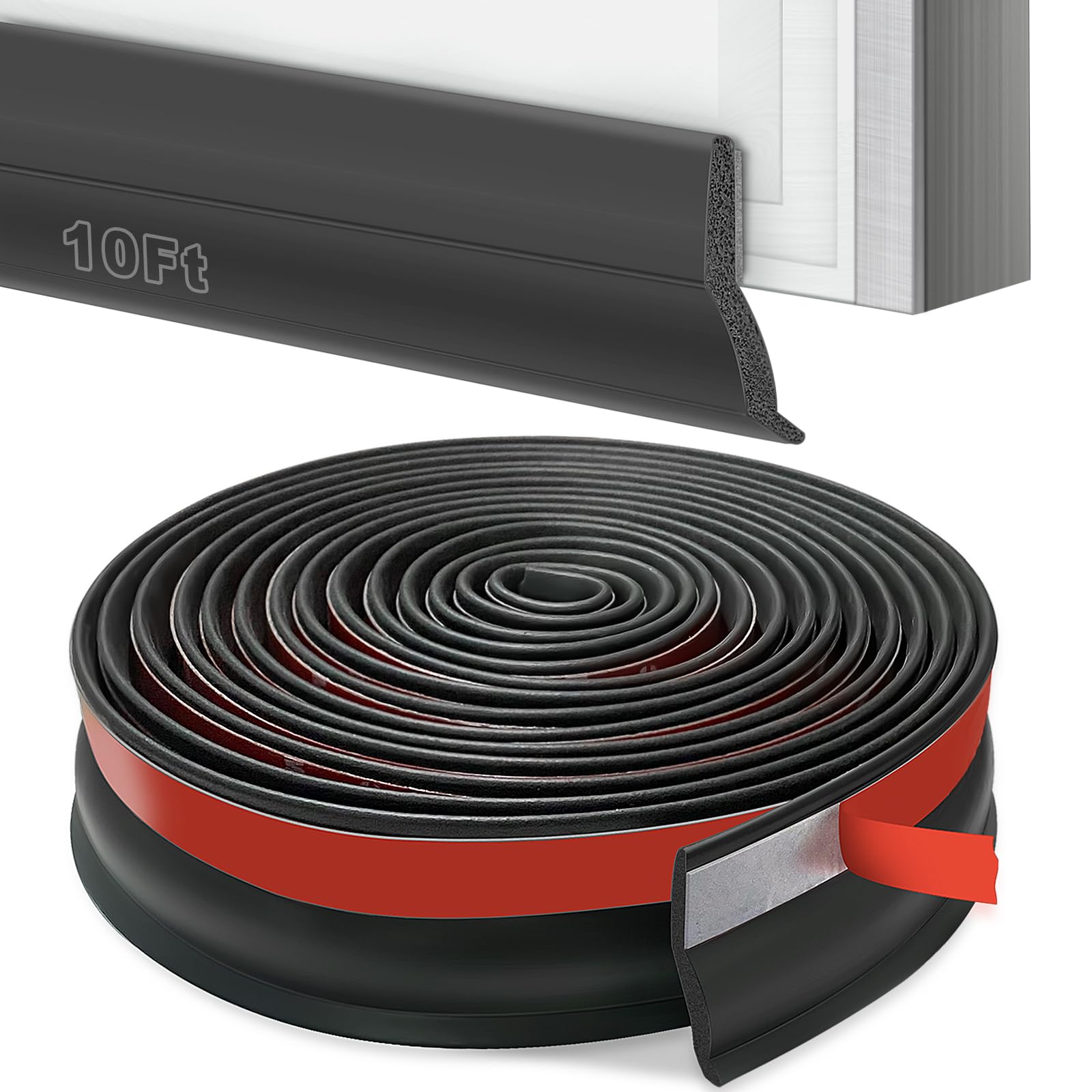
Material Specifications for Rubber Door Threshold Strips
Suzhou Baoshida Trading Co., Ltd. provides high-performance rubber door threshold strips engineered for durability, environmental resistance, and long-term sealing integrity in industrial and commercial applications. The selection of base elastomer is critical to performance under specific operational conditions, including exposure to temperature extremes, chemicals, oils, and UV radiation. Our standard offerings include Viton (FKM), Nitrile (NBR), and Silicone (VMQ), each with distinct chemical and physical characteristics tailored to meet diverse application demands.
Viton exhibits exceptional resistance to high temperatures, ozone, and a broad range of aggressive chemicals, including hydrocarbons, acids, and fuels. This fluoroelastomer is ideal for environments where long-term exposure to extreme heat (up to 250°C continuously) and chemical attack is expected. Due to its molecular stability, Viton maintains sealing force and dimensional integrity over extended service life, making it suitable for aerospace, automotive, and heavy industrial installations. However, its higher cost and lower flexibility at low temperatures (-20°C) may limit use in cost-sensitive or cold-climate applications.
Nitrile rubber is widely used for its excellent resistance to oils, greases, and aliphatic hydrocarbons. With a service temperature range of -30°C to +100°C, NBR offers reliable performance in mechanical and automotive environments where fuel and lubricant exposure is common. It provides good abrasion resistance and mechanical strength, making it a durable choice for high-traffic door seals. While NBR degrades under prolonged UV and ozone exposure, protective coatings or formulation enhancements can extend outdoor service life. Its cost-effectiveness and balanced performance make it a preferred option for general industrial use.
Silicone rubber delivers outstanding thermal stability across a wide range, from -60°C to +200°C, with intermittent resistance up to 250°C. It exhibits excellent resistance to UV radiation, ozone, and weathering, making it ideal for exterior architectural applications and environments requiring consistent performance in both extreme cold and heat. Silicone is inherently flexible and maintains elasticity over time, contributing to reliable sealing under variable compression. However, it has lower tensile and abrasion resistance compared to NBR and Viton, necessitating careful design consideration in high-wear zones.
The following table summarizes key physical and chemical properties of each material for comparative evaluation:
| Property | Viton (FKM) | Nitrile (NBR) | Silicone (VMQ) |
|---|---|---|---|
| Temperature Range (°C) | -20 to +250 | -30 to +100 | -60 to +200 |
| Tensile Strength (MPa) | 15–20 | 10–25 | 5–8 |
| Elongation at Break (%) | 200–300 | 250–500 | 300–700 |
| Hardness (Shore A) | 70–90 | 60–80 | 40–80 |
| Resistance to Oils/Fuels | Excellent | Excellent | Poor |
| Resistance to Ozone/UV | Excellent | Poor | Excellent |
| Compression Set Resistance | Very Good | Good | Good |
| Typical Applications | Aerospace, Chemical Processing | Automotive, Machinery | Architecture, Outdoor Seals |
Selection of the appropriate elastomer must consider the full scope of environmental and mechanical stressors. Suzhou Baoshida Trading Co., Ltd. supports OEMs and industrial clients with material testing, custom formulation, and precision extrusion to ensure optimal performance in every application.
Manufacturing Capabilities
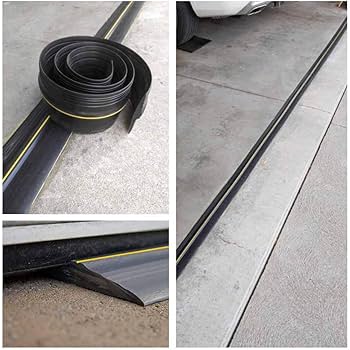
Engineering Excellence in Rubber Threshold Strip Manufacturing
Suzhou Baoshida Trading Co., Ltd. leverages a dedicated engineering division as the technical backbone for our rubber door threshold strip solutions. Our team integrates material science with precision manufacturing to deliver products that meet stringent industrial and architectural performance demands. Central to this capability are seven specialized engineers: five focused on advanced mould design and two exclusively dedicated to rubber compounding innovation. This structure ensures end-to-end control from molecular formulation to final profile geometry, eliminating third-party dependencies and accelerating time-to-market for OEM partners.
Our mould engineering team utilizes 3D CAD/CAM systems and finite element analysis (FEA) to optimize flow dynamics, cooling channels, and parting lines. This precision minimizes flash, reduces cycle times by 18–22%, and guarantees dimensional stability within ±0.15 mm tolerances across complex cross-sections. Each threshold profile undergoes virtual prototyping to validate structural integrity under compression loads up to 500 N, preventing premature seal failure in high-traffic installations. Concurrently, our formula engineers develop proprietary EPDM and TPE compounds tailored to environmental stressors. Through systematic adjustment of polymer blends, filler systems, and vulcanization accelerators, we achieve balanced properties including UV resistance exceeding 5,000 hours QUV testing, low-temperature flexibility down to -50°C, and compression set values below 25% after 70 hours at 70°C.
Material performance is rigorously validated against critical thresholds for architectural applications. Key specifications for our standard threshold strips are documented below.
| Property | Test Method | Value |
|---|---|---|
| Shore A Hardness | ASTM D2240 | 60 ± 5 |
| Tensile Strength | ASTM D412 | ≥ 10 MPa |
| Elongation at Break | ASTM D412 | ≥ 300% |
| Compression Set | ASTM D395 B | ≤ 25% (70°C/70h) |
| Temperature Range | ISO 188 | -50°C to +120°C |
| Density | ASTM D297 | 1.15–1.25 g/cm³ |
| Abrasion Resistance | DIN 53516 | ≤ 120 mm³ loss |
OEM collaboration is engineered into our workflow. Clients provide dimensional requirements or functional objectives, and our team executes seamless transitions from concept to量产. We support custom formulations for niche applications—such as fire-retardant thresholds meeting UL 94 V-0 or conductive strips for EMI shielding—through iterative lab-scale compound trials. Mould tooling is manufactured in-house using hardened P20 steel with mirror-polished cavities, ensuring 500,000+ shot lifespans. All processes adhere to IATF 16949 protocols, with real-time SPC monitoring of critical parameters like cure time and durometer consistency.
This integrated engineering approach eliminates compromise between performance and manufacturability. By controlling both material chemistry and mould physics, Suzhou Baoshida delivers threshold strips that maintain sealing integrity for 15+ years in extreme climates while reducing client NPI costs by 30% versus fragmented supply chains. Our zero-defect manufacturing commitment is rooted in this dual-engineering capability—where molecular precision meets geometric perfection.
Customization Process
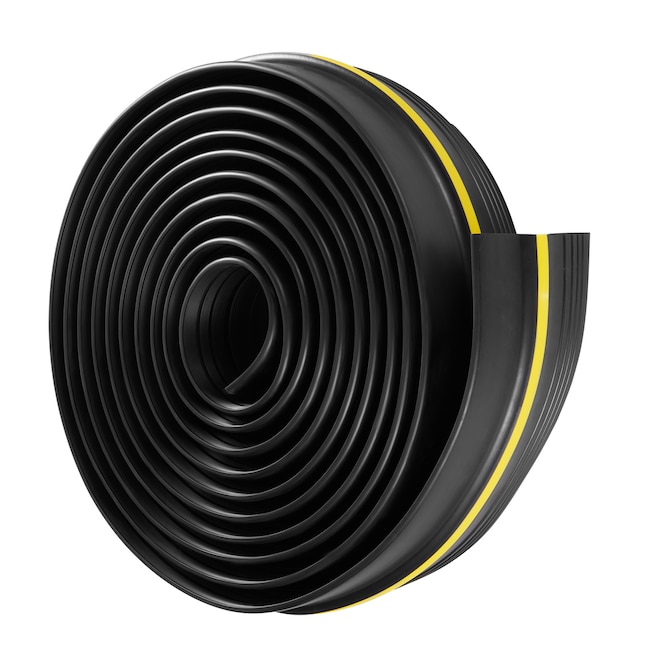
Rubber Door Threshold Strip Customization Process
At Suzhou Baoshida Trading Co., Ltd., we specialize in delivering high-performance rubber door threshold strips tailored to the exact functional and dimensional requirements of industrial and commercial applications. Our systematic customization process ensures material integrity, dimensional accuracy, and long-term durability under real-world conditions. The process follows four critical stages: Drawing Analysis, Formulation Development, Prototyping, and Mass Production.
The first stage, Drawing Analysis, begins with a comprehensive review of the client’s technical drawings and specifications. We examine critical parameters such as cross-sectional profile, overall length, mounting method, and installation environment. Particular attention is paid to sealing requirements, compression set resistance, and expected foot or vehicle traffic. Tolerances are verified against ISO 3302 and ISO 2768 standards to ensure manufacturability. Any ambiguities or potential design risks are flagged for technical consultation, ensuring alignment before proceeding.
Following drawing validation, our Rubber Formula Engineers initiate Formulation Development. Based on the operational environment—indoor, outdoor, high-moisture, UV-exposed, or chemically aggressive—we select the optimal elastomer base. Common formulations include EPDM for weather resistance, SBR for cost-effective indoor use, and Neoprene for enhanced flame and oil resistance. Hardness is adjusted between 50–80 Shore A, depending on required flexibility and wear performance. Additives such as UV stabilizers, anti-oxidants, and reinforcing fillers are incorporated to extend service life. All formulations are documented and archived for batch traceability.
Prototyping is the third phase, where short-run samples are produced using precision extrusion and vulcanization techniques. These samples undergo rigorous in-house testing, including compression deflection, abrasion resistance (DIN 53516), and low-temperature flexibility (ASTM D1329). Dimensional conformity is verified using optical measurement systems. Clients receive physical samples with full material certification for field evaluation. Feedback from this stage is integrated into final process adjustments.
Upon approval, the project transitions to Mass Production. We deploy continuous high-speed extrusion lines with inline curing and automated cutting to ensure consistency across long production runs. Quality control is maintained through SPC monitoring and batch sampling. All finished threshold strips are packaged to prevent deformation during shipping and labeled for traceability.
Below are typical technical specifications for our standard rubber door threshold strips:
| Property | Value / Range | Test Standard |
|---|---|---|
| Material Base | EPDM, SBR, Neoprene | ASTM D1418 |
| Hardness (Shore A) | 50–80 | ASTM D2240 |
| Tensile Strength | ≥8 MPa | ASTM D412 |
| Elongation at Break | ≥250% | ASTM D412 |
| Compression Set (22h, 70°C) | ≤25% | ASTM D395 |
| Temperature Range | -40°C to +120°C (EPDM) | ISO 1817 |
| Color Options | Black, Gray, Brown, Custom | RAL/Pantone Match |
| Standard Lengths | 1m, 2m, 3m; custom cut available | ISO 9001:2015 |
This structured approach enables Suzhou Baoshida to deliver customized rubber threshold solutions with precision, consistency, and full technical accountability.
Contact Engineering Team
Material Science Partnership for Precision Threshold Solutions
Suzhou Baoshida Trading Co., Ltd. operates at the intersection of polymer chemistry and industrial application engineering. Our rubber door threshold strips are not commodities but engineered systems designed to mitigate environmental ingress, acoustic transmission, and mechanical wear in high-traffic commercial and industrial environments. Generic solutions fail under sustained thermal cycling, UV exposure, or dynamic compression loads—conditions our formulations address through proprietary elastomer blends and vulcanization protocols. To ensure your threshold strip meets exact structural, regulatory, and longevity requirements, direct collaboration with our technical team is essential. Submit cross-sections, load specifications, or environmental exposure data for our engineers to model performance against your operational parameters.
Critical Performance Specifications for Industrial Threshold Applications
The following table defines baseline capabilities for our standard EPDM and TPE formulations. Custom compounds exceed these values per OEM project requirements.
| Property | Test Standard | EPDM Range | TPE Range | Significance for Threshold Strips |
|---|---|---|---|---|
| Hardness (Shore A) | ASTM D2240 | 55–85 | 60–90 | Balances sealing force vs. door clearance |
| Tensile Strength | ASTM D412 | 10–18 MPa | 12–22 MPa | Resists tearing during installation/use |
| Compression Set (22h/70°C) | ASTM D395 | ≤25% | ≤30% | Maintains seal integrity after prolonged load |
| Temperature Range | ISO 188 | -50°C to +135°C | -40°C to +120°C | Ensures function in extreme climates |
| Abrasion Resistance | ASTM D5963 | ≤120 mm³ | ≤100 mm³ | Withstands foot/vehicle traffic wear |
Why Technical Engagement Precedes Quotation
Threshold strip failure originates in material misapplication—not manufacturing defects. A hospital operating room requires antimicrobial additives and zero particle shedding; an automotive paint booth demands VOC compliance and chemical resistance to solvents; a coastal data center needs salt-fog resistant profiles. Our OEM process begins with your environmental audit and load profile analysis. We then select base polymers, reinforce with silica or carbon black for abrasion resistance, and integrate co-extruded sealing lips using CAD-validated tooling. This eliminates field failures caused by incompatible durometer selection or inadequate weathering protection. All compounds undergo 1,000-hour QUV accelerated aging and dynamic compression testing per ISO 1817 before release.
Initiate Your Engineering Collaboration
Contact Mr. Boyce, our dedicated OEM Account Manager and Rubber Formulation Specialist, to commence technical due diligence. Provide architectural drawings, traffic volume data, or failure analysis from incumbent strips. Mr. Boyce will coordinate material sampling, finite element analysis (FEA) of compression behavior, and prototype validation under your specified conditions. Do not settle for off-the-shelf dimensions or generic hardness ratings—threshold strips are load-bearing components requiring material science rigor.
Direct Technical Pathway
Email Mr. Boyce at [email protected] with subject line: Threshold Strip OEM Project – [Your Facility Name]. Include:
Door weight and closing mechanism force (Newtons)
Exposure conditions (UV, chemicals, temperature extremes)
Required service life (cycles or years)
Regulatory standards (e.g., ASTM E283 for air infiltration)
We respond within 4 business hours with a compound development roadmap. Suzhou Baoshida does not sell rubber—we solve sealing physics. Your threshold’s performance begins with precise material selection, not dimensional compliance alone. Initiate engineering validation today.
⚖️ O-Ring Weight Calculator
Estimate rubber O-ring weight (Approx).