
Technical Contents
Engineering Guide: Rubber Ends
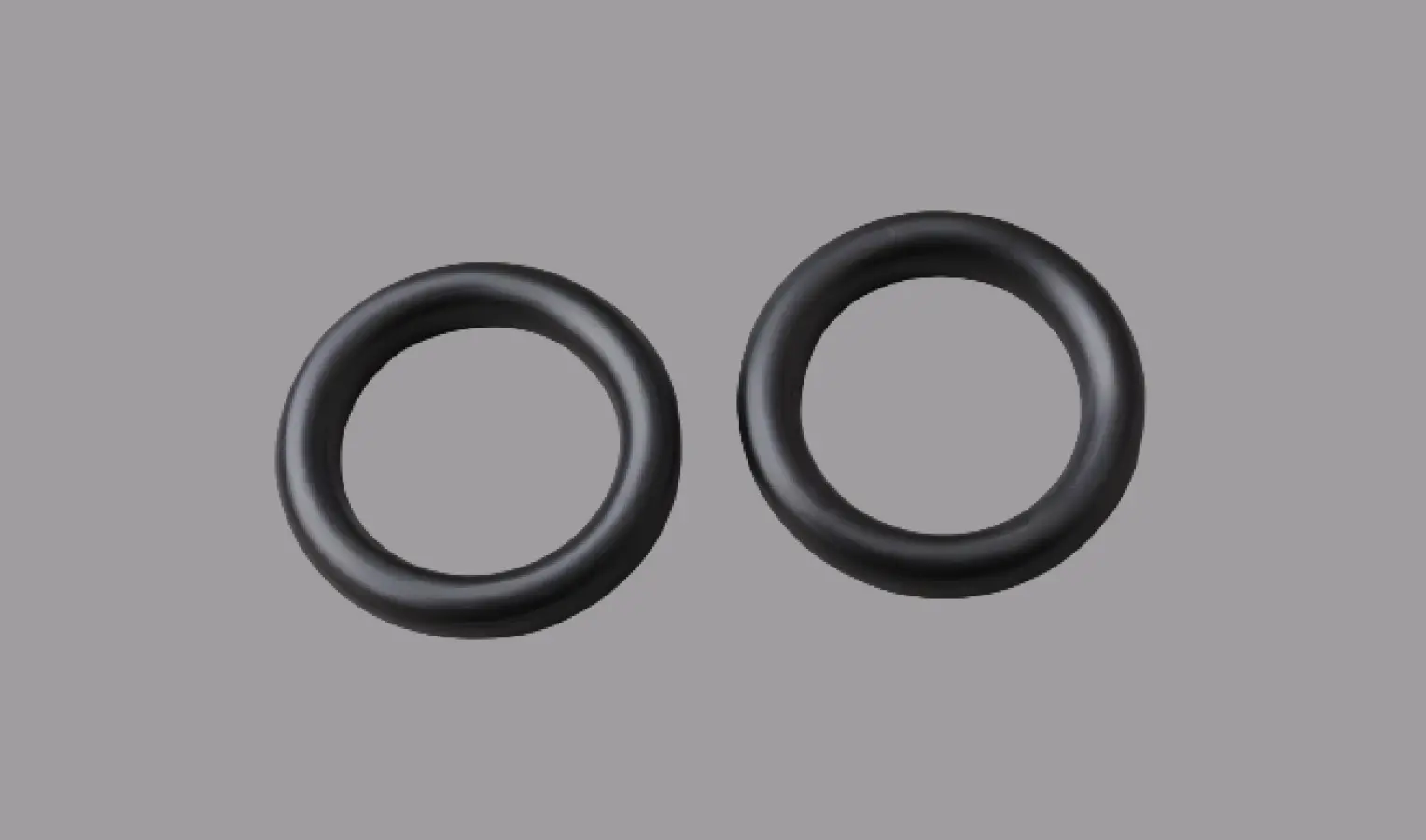
Engineering Insight: Critical Material Selection for Rubber Ends
The performance longevity of rubber ends in industrial applications hinges exclusively on precise material selection. Generic solutions frequently precipitate premature failure due to unaddressed operational stressors, resulting in catastrophic seal leakage, equipment downtime, and safety hazards. Off-the-shelf compounds prioritize cost reduction over engineered resilience, ignoring the nuanced interplay between polymer chemistry and real-world service conditions. This oversight manifests as accelerated compression set, chemical degradation, or thermal embrittlement—directly compromising system integrity.
Material failure stems from three critical oversights in standard formulations. First, chemical resistance is often mismatched; a rubber end exposed to biodiesel or phosphate ester hydraulic fluids requires fluorocarbon (FKM) resistance, yet off-the-shelf variants typically default to nitrile (NBR), which swells and degrades rapidly. Second, thermal profiles are underestimated; continuous exposure above 120°C demands peroxide-cured EPDM or FKM, whereas conventional sulfur-cured NBR suffers irreversible hardening. Third, dynamic stress resistance is neglected; applications involving vibration or cyclic compression require low-compression-set polymers with tailored filler systems, which commodity grades lack due to inadequate crosslink density control.
Suzhou Baoshida Trading Co., Ltd. addresses these gaps through application-specific compound engineering. We analyze fluid media, temperature extremes, pressure cycles, and regulatory constraints to formulate bespoke solutions. Below is a comparative analysis of critical material properties for industrial rubber ends:
| Material Type | Temperature Range (°C) | Key Fluid Resistance | Compression Set (70°C/72h) | Primary Industrial Limitations |
|---|---|---|---|---|
| Standard NBR | -40 to +120 | Mineral oils, water | 25-35% | Poor ozone/weathering resistance; fails in biodiesel |
| Premium EPDM | -50 to +150 | Water, steam, acids | 15-25% | Swells in hydrocarbons; unsuitable for fuel systems |
| Custom FKM | -20 to +230 | Fuels, acids, solvents | 10-20% | High cost; requires specialized processing |
The data underscores why standardized rubber ends fail: no single polymer satisfies all operational demands. For instance, an automotive transmission rubber end exposed to automatic transmission fluid (ATF) at 140°C requires FKM with optimized cure systems to resist both thermal aging and fluid-induced volume swell—parameters unaddressed in generic NBR. Similarly, hydraulic cylinder ends in marine environments demand EPDM with exceptional ozone resistance, yet off-the-shelf variants often omit critical stabilizers.
At Suzhou Baoshida, we reject one-size-fits-all compromises. Our OEM partnership model begins with rigorous application profiling, followed by iterative compound validation via ASTM D2000 standards. This precision engineering approach ensures rubber ends withstand 500,000+ cycles under specified loads, directly enhancing equipment uptime and lifecycle economics. Material cost differentials are negligible against the cost of system failure—proving that in critical sealing, specification accuracy is non-negotiable.
Material Specifications
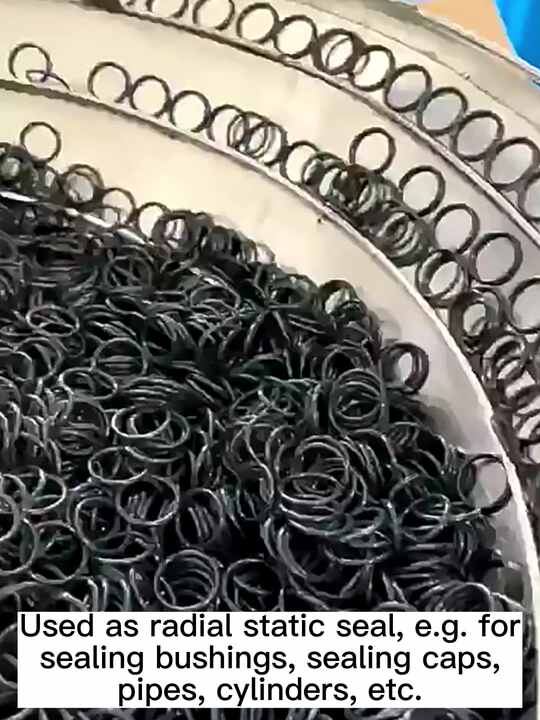
Material selection is a critical determinant in the performance, durability, and compatibility of rubber ends used in industrial applications. At Suzhou Baoshida Trading Co., Ltd., we specialize in high-precision rubber components engineered to meet rigorous operational demands across automotive, aerospace, oil & gas, and chemical processing industries. Our core materials—Viton (FKM), Nitrile (NBR), and Silicone (VMQ)—are selected based on their distinct chemical resistance, temperature tolerance, mechanical strength, and sealing efficiency.
Viton, a fluorocarbon-based elastomer, delivers exceptional resistance to high temperatures, aggressive chemicals, oils, and fuels. It maintains structural integrity in continuous service temperatures up to 230°C (446°F), with short-term exposure capability exceeding 300°C. This makes Viton ideal for extreme environments such as engine compartments, hydraulic systems, and chemical reactor seals. Its low gas permeability and excellent aging characteristics further enhance reliability in critical sealing applications.
Nitrile rubber, or Buna-N, is a cost-effective solution optimized for resistance to petroleum-based oils, greases, and fuels. With a standard operating range of -30°C to 120°C (-22°F to 248°F), Nitrile offers strong abrasion resistance and tensile strength, making it a preferred choice for hydraulic hoses, O-rings, and gaskets in industrial machinery and automotive systems. While it exhibits limited performance in ozone and UV exposure, its compatibility with aliphatic hydrocarbons ensures widespread utility in standard sealing environments.
Silicone rubber provides outstanding thermal stability across extreme temperature ranges, typically from -60°C to 200°C (-76°F to 392°F), with specialized grades extending beyond. It demonstrates excellent resistance to UV radiation, ozone, and weathering, making it suitable for outdoor and high-purity applications such as pharmaceutical equipment, food processing, and electrical insulation. Though lower in mechanical strength compared to Viton or Nitrile, Silicone excels in flexibility and dielectric properties, supporting use in dynamic and electrically sensitive environments.
Each material is compounded with precision additives to enhance specific performance traits, including compression set resistance, tear strength, and fluid compatibility. Our formulations adhere to international standards such as ASTM D2000 and ISO 3601, ensuring consistency and traceability.
The following table summarizes key physical and chemical properties for Viton, Nitrile, and Silicone rubber to facilitate informed material selection:
| Property | Viton (FKM) | Nitrile (NBR) | Silicone (VMQ) |
|---|---|---|---|
| Temperature Range (°C) | -20 to 230 | -30 to 120 | -60 to 200 |
| Tensile Strength (MPa) | 15–20 | 10–25 | 5–10 |
| Elongation at Break (%) | 200–300 | 200–500 | 200–700 |
| Hardness (Shore A) | 60–90 | 50–90 | 30–80 |
| Resistance to Oils/Fuels | Excellent | Excellent | Poor |
| Resistance to Ozone/UV | Excellent | Fair | Excellent |
| Compression Set Resistance | Excellent | Good | Good |
| Electrical Insulation | Fair | Fair | Excellent |
Selection of the appropriate rubber compound must consider fluid exposure, thermal cycling, mechanical load, and regulatory requirements. Our engineering team at Suzhou Baoshida supports OEMs with material testing, prototyping, and compliance documentation to ensure optimal integration into end-use systems.
Manufacturing Capabilities
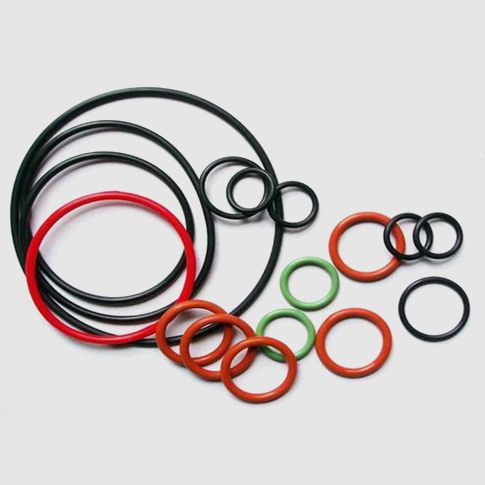
Engineering Capabilities for Precision Rubber Ends Manufacturing
Suzhou Baoshida Trading Co., Ltd. leverages a dedicated engineering team of seven specialists—five Mold Engineers and two Rubber Formula Engineers—to deliver technically rigorous solutions for industrial rubber ends. Our integrated approach ensures material science and mechanical design converge at every project phase, from initial concept to mass production. The Formula Engineering team develops custom elastomer compounds tailored to dynamic stress, chemical exposure, and thermal cycling requirements, while Mold Engineers optimize cavity design for zero-defect molding through finite element analysis and mold flow simulation. This synergy eliminates common failure modes like flash, incomplete curing, or dimensional drift in critical sealing interfaces.
Our formula development process begins with substrate adhesion profiling and dynamic mechanical analysis (DMA) to match compound viscoelasticity to application-specific load spectra. Each formulation undergoes accelerated aging per ASTM D573 and compression set testing per ISO 815-1, ensuring performance retention beyond 10,000 hours in aggressive environments. For OEM partners, we implement Design for Manufacturing (DFM) protocols during CAD validation, reducing tooling iterations by 30–40% through tolerance stack-up analysis and gate location optimization. All compounds are engineered for seamless integration with automated assembly lines, featuring controlled durometer stability (±3 Shore A) and low-particulate outgassing to meet automotive and medical cleanroom standards.
OEM collaboration follows a structured six-phase workflow: requirement specification, material prototyping, mold validation, PPAP submission, production ramp-up, and continuous improvement. We maintain ISO/TS 16949-compliant documentation for full traceability, including batch-specific rheology curves and FTIR validation reports. Our facility supports rapid prototyping with 3D-printed mold inserts for geometry validation within 72 hours, accelerating time-to-market for complex geometries like bonded metal-rubber interfaces or multi-lip sealing profiles.
Key material capabilities for rubber ends are summarized below:
| Material Type | Temperature Range (°C) | Hardness Range (Shore A) | Key Performance Attributes | Common Applications |
|---|---|---|---|---|
| Hydrogenated NBR (HNBR) | -40 to +150 | 50–90 | Superior oil/fuel resistance, low compression set | Automotive engine mounts, fuel system dampers |
| EPDM | -55 to +135 | 45–85 | Excellent ozone/weather resistance, steam tolerance | HVAC vibration isolators, marine seals |
| Silicone (VMQ) | -60 to +200 | 30–80 | Ultra-low temp flexibility, biocompatibility | Medical device couplings, aerospace seals |
| Fluorosilicone (FVMQ) | -55 to +175 | 50–75 | Fuel/oil resistance + high-temp stability | Aviation fuel line connectors |
| Polyurethane (AU) | -30 to +90 | 70–95 | High abrasion resistance, load-bearing capacity | Industrial machinery bushings, conveyor rollers |
Quality assurance is embedded through in-process rheometer monitoring and post-cure dimensional validation via CMM (±0.05 mm accuracy). We prioritize failure mode prevention via DOE-driven process windows, ensuring rubber ends consistently achieve <0.1% defect rates in high-volume OEM production. Suzhou Baoshida’s engineering framework transforms material constraints into performance advantages, delivering rubber ends that exceed operational lifecycle expectations in demanding industrial ecosystems.
Customization Process
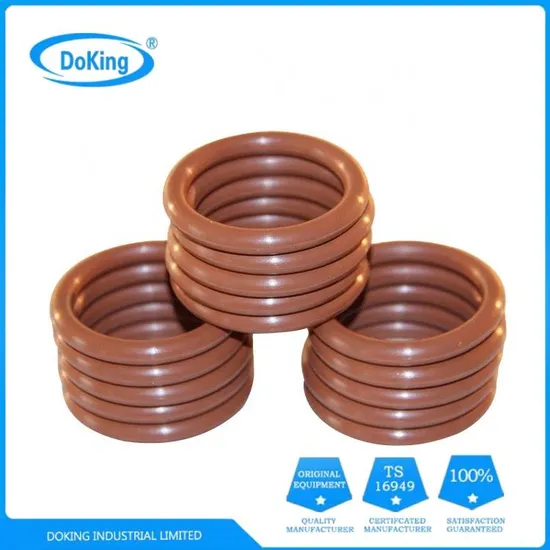
Customization Process for Rubber Ends at Suzhou Baoshida Trading Co., Ltd.
At Suzhou Baoshida Trading Co., Ltd., our industrial rubber solutions are engineered to meet the exacting demands of OEMs and high-performance manufacturing sectors. The customization process for rubber ends follows a rigorous four-phase methodology: Drawing Analysis, Formulation, Prototyping, and Mass Production. Each phase is designed to ensure dimensional accuracy, material compatibility, and long-term durability under operational stress.
The process begins with Drawing Analysis, where our engineering team evaluates client-provided technical drawings and 3D models. We assess critical dimensions, tolerance ranges, mating interfaces, and environmental exposure conditions. This stage includes geometric dimensioning and tolerancing (GD&T) verification and feasibility analysis for mold design. Our engineers collaborate directly with the client to resolve ambiguities, optimize part geometry for manufacturability, and confirm compliance with industry standards such as ISO 3302 and ISO 2768.
Following drawing validation, we proceed to Formulation Development. Based on the operational environment—temperature range, fluid exposure, compression set requirements, and mechanical loading—we select the appropriate elastomer compound. Our in-house compounding laboratory specializes in nitrile (NBR), ethylene propylene diene monomer (EPDM), silicone (VMQ), fluorocarbon (FKM), and hydrogenated nitrile (HNBR). Each formulation is tailored to balance hardness, resilience, chemical resistance, and aging characteristics. Material selection is documented and cross-referenced with ASTM D2000 standards for traceability.
The third phase, Prototyping, involves low-volume production using precision steel molds or rapid tooling methods. Prototypes are subjected to dimensional inspection via coordinate measuring machines (CMM) and functional testing, including compression deflection, sealing performance, and thermal cycling. Clients receive sample batches with full material certification and test reports. Feedback from this stage informs final adjustments to the mold or compound before release to production.
Upon client approval, we transition to Mass Production, executed in our ISO 9001-certified manufacturing facility. Automated molding lines, statistical process control (SPC), and 100% visual inspection ensure batch consistency. We support production runs from 1,000 to over 1 million units annually, with just-in-time delivery options.
Key material properties and performance specifications are summarized below:
| Property | NBR | EPDM | FKM | HNBR | VMQ |
|---|---|---|---|---|---|
| Hardness Range (Shore A) | 50–90 | 50–85 | 60–80 | 60–90 | 40–80 |
| Temperature Range (°C) | -30 to +100 | -50 to +150 | -20 to +200 | -40 to +150 | -60 to +200 |
| Fuel/Oil Resistance | Excellent | Poor | Excellent | Excellent | Fair |
| Ozone/UV Resistance | Fair | Excellent | Excellent | Excellent | Excellent |
| Typical Applications | Hydraulic systems, automotive seals | Outdoor seals, water systems | Aerospace, chemical seals | Oilfield equipment, engines | High-temp gaskets, medical |
This structured approach ensures that every rubber end we produce meets the precise functional and regulatory demands of modern industrial applications.
Contact Engineering Team
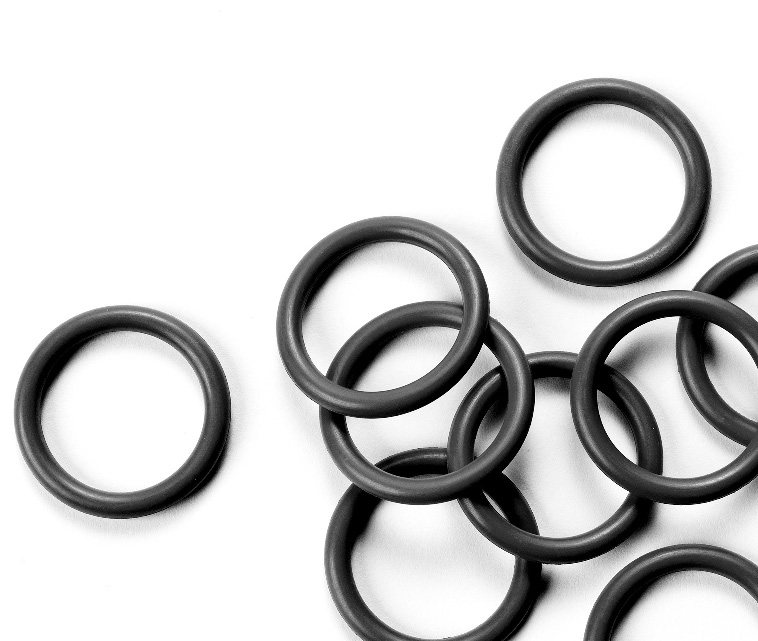
Precision Rubber End Solutions: Engineering Partnership for Industrial Applications
Suzhou Baoshida Trading Co., Ltd. operates at the critical intersection of polymer science and industrial manufacturing, delivering engineered rubber ends that meet exacting performance thresholds. In sectors ranging from automotive suspension systems to heavy machinery vibration dampening, the failure of a single rubber component can cascade into systemic operational downtime. Our technical team specializes in resolving complex material challenges where standard off-the-shelf solutions fall short—addressing issues such as dynamic load fatigue, chemical exposure in hydraulic environments, and extreme temperature cycling. The distinction between functional reliability and premature failure often lies in micron-level tolerance control and bespoke compound formulation, areas where our OEM-focused methodology delivers measurable lifecycle cost reduction.
Contacting our engineering division initiates a structured technical dialogue, not a conventional sales process. Mr. Boyce, our dedicated OEM Manager with 14 years of experience in industrial elastomer applications, serves as your primary technical liaison. He collaborates directly with your R&D and procurement teams to deconstruct application requirements, translating operational parameters into validated material specifications. This includes reviewing dynamic stress profiles, environmental exposure variables, and regulatory compliance needs such as FDA 21 CFR or ISO 1817. Mr. Boyce’s role extends beyond quotation generation; he facilitates prototyping validation through Suzhou Baoshida’s ISO 9001-certified testing facility, where compounds undergo accelerated aging, compression set analysis, and fluid resistance trials per ASTM D2000 standards. His technical authority to adjust formulations—modifying filler ratios, polymer backbone structures, or cure systems—ensures final parts perform under your exact operational conditions.
Our capability matrix demonstrates the precision engineering foundation supporting every rubber end solution. The table below outlines core material properties achievable through our formulation expertise:
| Material Type | Hardness Range (Shore A) | Temperature Range (°C) | Key Applications |
|---|---|---|---|
| Hydrogenated NBR | 50–90 | -40 to +150 | Fuel injection systems, high-pressure seals |
| Peroxide-Cured EPDM | 45–85 | -55 to +165 | HVAC dampers, outdoor electrical enclosures |
| High-Temp Silicone | 30–80 | -60 to +230 | Medical device interfaces, semiconductor tooling |
| Polyurethane (AU) | 70–95 | -30 to +110 | Mining equipment bushings, conveyor rollers |
| Fluorosilicone | 55–85 | -55 to +200 | Aerospace fuel/oil systems, chemical valves |
Initiating collaboration requires no formal RFQ submission. Email Mr. Boyce directly at [email protected] with your application’s critical parameters: operating load cycles, fluid contact list, dimensional constraints, and failure mode history if available. Within 24 business hours, he will provide a preliminary compound recommendation with projected performance metrics against your specifications. For urgent prototyping needs, our Suzhou facility maintains expedited molding capabilities for samples up to 500mm outer diameter, with material certification dossiers available upon request. Industrial reliability demands partners who speak the language of polymer chemistry and mechanical stress equally well. Contact Mr. Boyce to transform your rubber end performance requirements into engineered reality—where compound science meets manufacturing precision.
⚖️ O-Ring Weight Calculator
Estimate rubber O-ring weight (Approx).