
Technical Contents
Engineering Guide: Rubber Flange Gasket
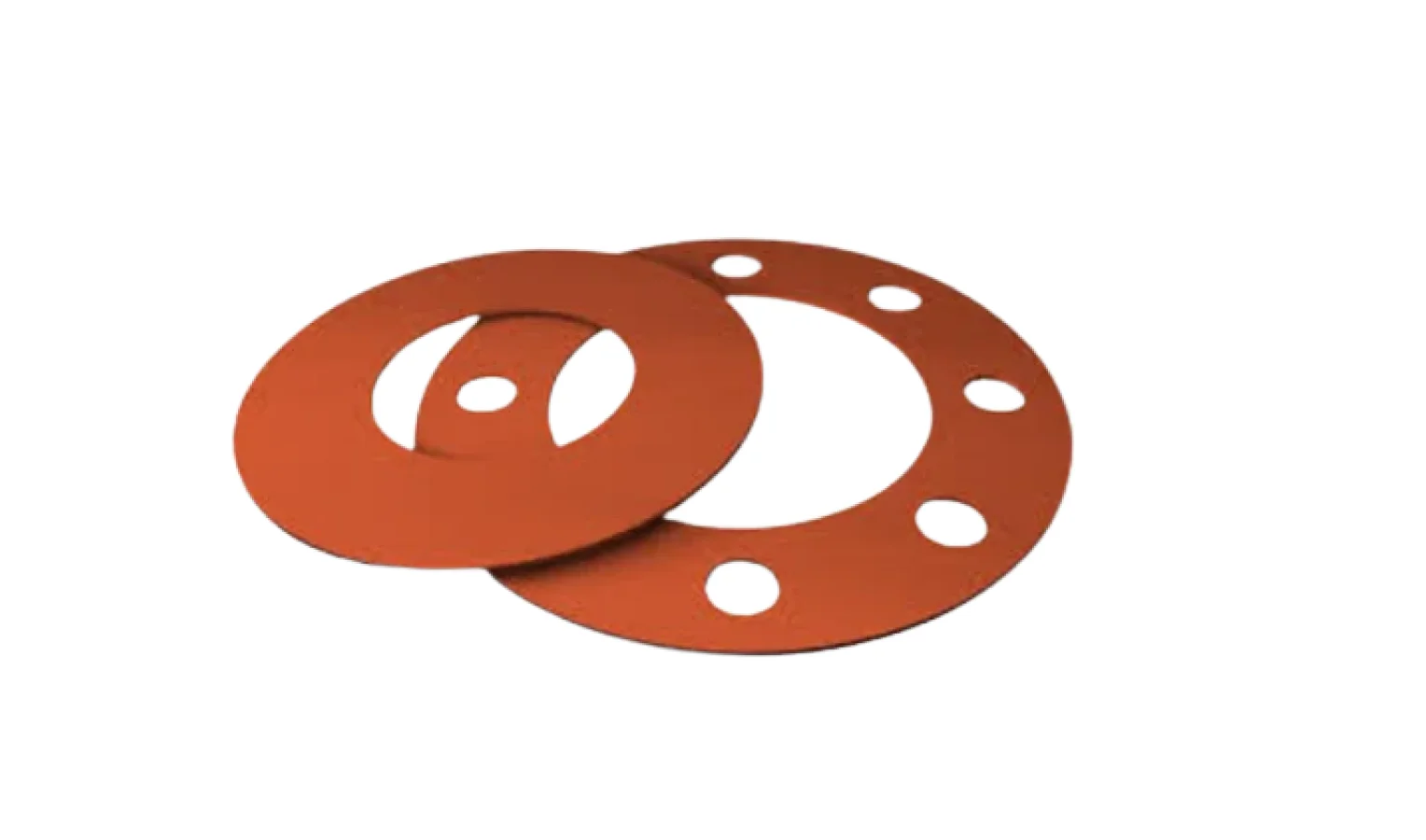
Engineering Insight: Material Selection Criticality in Rubber Flange Gaskets
The performance integrity of a rubber flange gasket hinges exclusively on precise material selection. Off-the-shelf solutions frequently fail because standardized compounds cannot address the dynamic interplay of temperature extremes, chemical exposure, pressure differentials, and mechanical stress inherent in industrial systems. Generic gaskets prioritize cost over compatibility, leading to premature degradation through compression set, extrusion, chemical swelling, or thermal decomposition. These failures manifest as leaks, unplanned downtime, and safety hazards—costs far exceeding the initial gasket price. At Suzhou Baoshida Trading Co., Ltd., we engineer compounds at the molecular level to match the operational envelope of each application, ensuring seal longevity under real-world conditions.
Material failure often stems from misjudging fluid compatibility. A gasket resistant to water may rapidly deteriorate in hydraulic oil or sulfuric acid environments due to polymer chain breakdown or excessive permeation. Similarly, temperature fluctuations induce critical changes: standard nitrile rubber (NBR) hardens below -30°C, losing sealing force, while silicone may soften above 200°C, causing extrusion. Compression set—the permanent loss of elastic recovery—is accelerated by incompatible media or sustained high temperatures, creating irreversible gaps. Off-the-shelf gaskets lack the tailored filler systems and crosslink density required to resist these mechanisms, whereas our OEM formulations integrate specialty elastomers, reinforcing agents, and stabilizers validated through ASTM D2000 and ISO 3601 testing protocols.
The following table illustrates why generic material choices fail against specific industrial challenges:
| Material Type | Max Continuous Temp (°C) | Key Chemical Vulnerabilities | Typical Off-the-Shelf Failure Mode |
|---|---|---|---|
| Standard NBR | 100 | Aromatic hydrocarbons, ozone | Swelling in fuel systems; cracking in outdoor UV exposure |
| Generic EPDM | 135 | Petroleum oils, hydrocarbons | Catastrophic shrinkage in engine oil contact |
| Commercial FKM | 200 | Low-temperature flexibility (< -20°C), ketones | Brittleness in cryogenic ammonia service |
| Bulk Silicone | 180 | Steam permeation, acid resistance | Rapid compression set in high-pressure steam lines |
Suzhou Baoshida avoids these pitfalls through application-specific engineering. We analyze fluid composition, temperature cycling data, flange surface finish, and bolt load retention to formulate gaskets with optimized cure systems and polymer blends. For instance, our hydrogenated nitrile (HNBR) variants withstand sour gas (H₂S) in oilfield manifolds, while perfluoroelastomer (FFKM) solutions seal aggressive semiconductor process chemicals at 300°C. This precision eliminates the guesswork of catalog selections, transforming gaskets from failure points into reliable system components. Partnering with an OEM engineer ensures your seal performs—not merely fits—the application.
Material Specifications
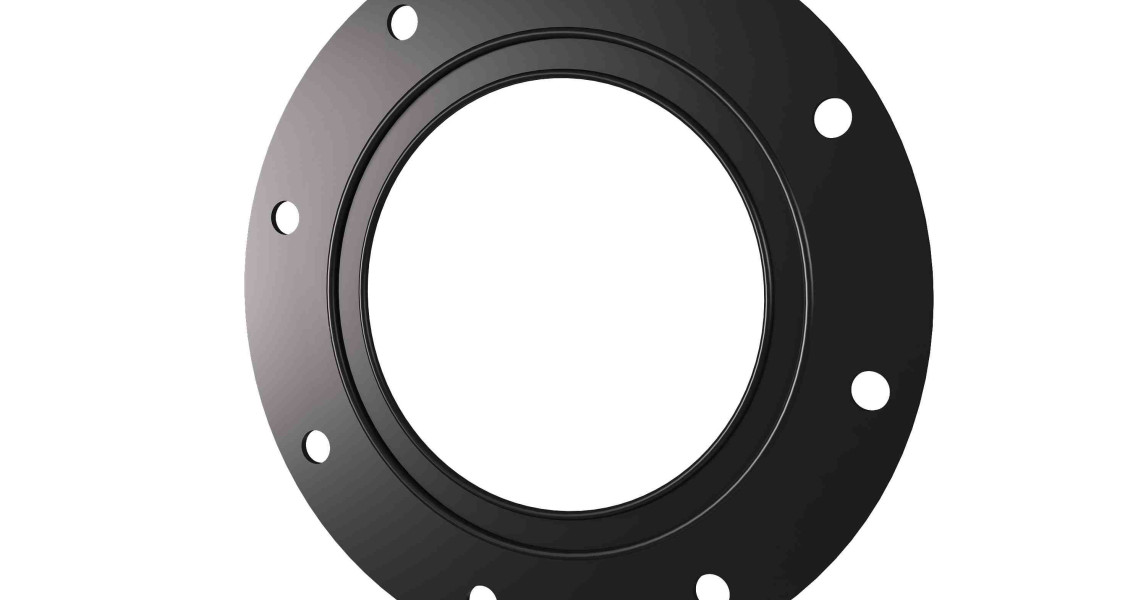
Material selection is a critical factor in the performance and longevity of rubber flange gaskets, particularly in demanding industrial environments. At Suzhou Baoshida Trading Co., Ltd., we specialize in precision rubber seals engineered to meet rigorous operational requirements across chemical processing, oil and gas, automotive, and semiconductor industries. Our core materials—Viton, Nitrile (NBR), and Silicone—are selected for their distinct chemical resistance, temperature stability, and mechanical integrity under compression.
Viton, a fluorocarbon-based elastomer (FKM), offers superior resistance to high temperatures, aggressive chemicals, and hydrocarbons. It maintains sealing performance in continuous service up to 200°C and intermittent exposure up to 250°C. Viton gaskets are ideal for applications involving fuels, oils, acids, and halogenated solvents. Their low gas permeability and excellent aging characteristics make them a preferred choice in aerospace and chemical processing systems where reliability is paramount.
Nitrile rubber, or Buna-N, is a cost-effective solution for applications involving petroleum-based fluids. With a service temperature range of -30°C to 120°C, NBR provides excellent resistance to aliphatic hydrocarbons, water, and hydraulic fluids. It exhibits strong abrasion resistance and maintains good mechanical strength under dynamic compression. While not suitable for exposure to ozone, weathering, or polar solvents, Nitrile remains a widely used material in automotive and industrial hydraulic systems due to its balance of performance and economy.
Silicone rubber (VMQ) excels in extreme temperature applications, operating effectively from -60°C to 230°C. It offers outstanding flexibility at low temperatures and retains elasticity after thermal cycling. Silicone demonstrates good resistance to ozone and UV radiation, making it suitable for outdoor and medical applications. However, its tensile strength and abrasion resistance are lower than Viton or Nitrile, and it is not recommended for use with petroleum-based oils. Silicone gaskets are commonly used in food processing, pharmaceutical, and high-purity environments due to their compliance with FDA and USP Class VI standards.
Each material is compounded with proprietary additives to enhance specific properties such as compression set resistance, extrusion resistance, and sealing force uniformity. All gaskets are manufactured under ISO 9001-certified processes to ensure dimensional accuracy and material consistency.
The following table summarizes key performance characteristics of the three materials for comparative evaluation:
| Property | Viton (FKM) | Nitrile (NBR) | Silicone (VMQ) |
|---|---|---|---|
| Temperature Range (°C) | -20 to 250 | -30 to 120 | -60 to 230 |
| Tensile Strength (MPa) | 15–20 | 10–18 | 5–8 |
| Elongation at Break (%) | 200–300 | 250–400 | 200–600 |
| Hardness (Shore A) | 70–90 | 60–80 | 40–80 |
| Compression Set (22h, 150°C) | ≤20% | ≤25% | ≤20% |
| Fluid Resistance | Excellent (oils, fuels, acids) | Good (oils, water, hydraulics) | Poor (oils), Good (water, ozone) |
| FDA Compliant Compounds | Available | Limited | Standard |
Selecting the appropriate material requires a comprehensive understanding of the operational environment, including media exposure, thermal cycling, and mechanical loading. Suzhou Baoshida Trading Co., Ltd. provides technical consultation to support optimal material selection and ensure long-term sealing performance.
Manufacturing Capabilities
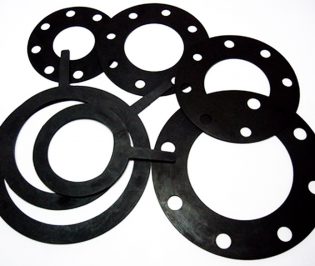
Engineering Capability: Precision Rubber Flange Gasket Development
Suzhou Baoshida Trading Co., Ltd. leverages a dedicated engineering team of seven specialists—five Mold Engineers and two Rubber Formula Engineers—to deliver mission-critical flange gaskets for demanding industrial applications. Our integrated approach ensures seamless transition from material science to precision manufacturing, directly addressing OEM requirements for reliability under extreme thermal, chemical, and pressure conditions. Unlike commodity suppliers, our Formula Engineers optimize elastomer compounds at the molecular level, tailoring polymer chains, filler dispersion, and crosslink density to resist specific media (e.g., sour gas, hydraulic fluids, or caustic chemicals) while maintaining compression set below 15% per ASTM F36. This eliminates premature seal failure in critical joints.
Our Mold Engineers utilize advanced CAD/CAM systems and finite element analysis (FEA) to design molds with micron-level tolerancing, ensuring consistent gasket geometry across production runs. This precision mitigates flange misalignment risks and prevents extrusion in high-pressure systems exceeding 1,500 psi. All tooling undergoes rigorous validation via coordinate measuring machine (CMM) inspection, guaranteeing dimensional stability per ASME B16.21 and EN 1514 standards. Crucially, our engineers collaborate directly with OEM clients during the design phase, conducting joint failure mode and effects analysis (FMEA) to preempt field issues—reducing time-to-market by up to 30%.
As a certified OEM partner, we manage end-to-end production under strict IATF 16949 protocols. Our facility supports low-volume prototyping to high-volume manufacturing (50,000+ units monthly) with zero tooling amortization fees for qualified partners. We maintain full traceability via batch-specific material certificates (including ASTM D2000 line callouts) and real-time process monitoring, ensuring every gasket meets the exact specifications of global automotive, petrochemical, and semiconductor clients.
The following table outlines core material capabilities for standard flange gasket formulations:
| Material Type | Hardness (Shore A) | Temperature Range | Pressure Rating | Key Chemical Resistance |
|---|---|---|---|---|
| Nitrile (NBR) | 50–90 | -40°C to +125°C | ≤ 1,500 psi | Oils, fuels, hydraulic fluids |
| EPDM | 50–80 | -50°C to +150°C | ≤ 1,200 psi | Steam, acids, alkalis, ozone |
| Fluorocarbon (FKM) | 60–80 | -20°C to +230°C | ≤ 2,000 psi | Aggressive chemicals, jet fuels |
| Silicone (VMQ) | 40–80 | -60°C to +200°C | ≤ 800 psi | Extreme temps, biological fluids |
Quality assurance is embedded at every stage. Each compound undergoes accelerated aging tests per ASTM D573, while finished gaskets are 100% visually inspected and sampled for tensile strength, elongation, and fluid immersion resistance. Our engineers provide comprehensive technical dossiers—including material safety data sheets (MSDS), compression-deflection curves, and thermal conductivity reports—to validate performance against client-defined service envelopes. This scientific rigor, combined with agile OEM collaboration, positions Suzhou Baoshida as the engineering partner for flange integrity where failure is not an option.
Customization Process
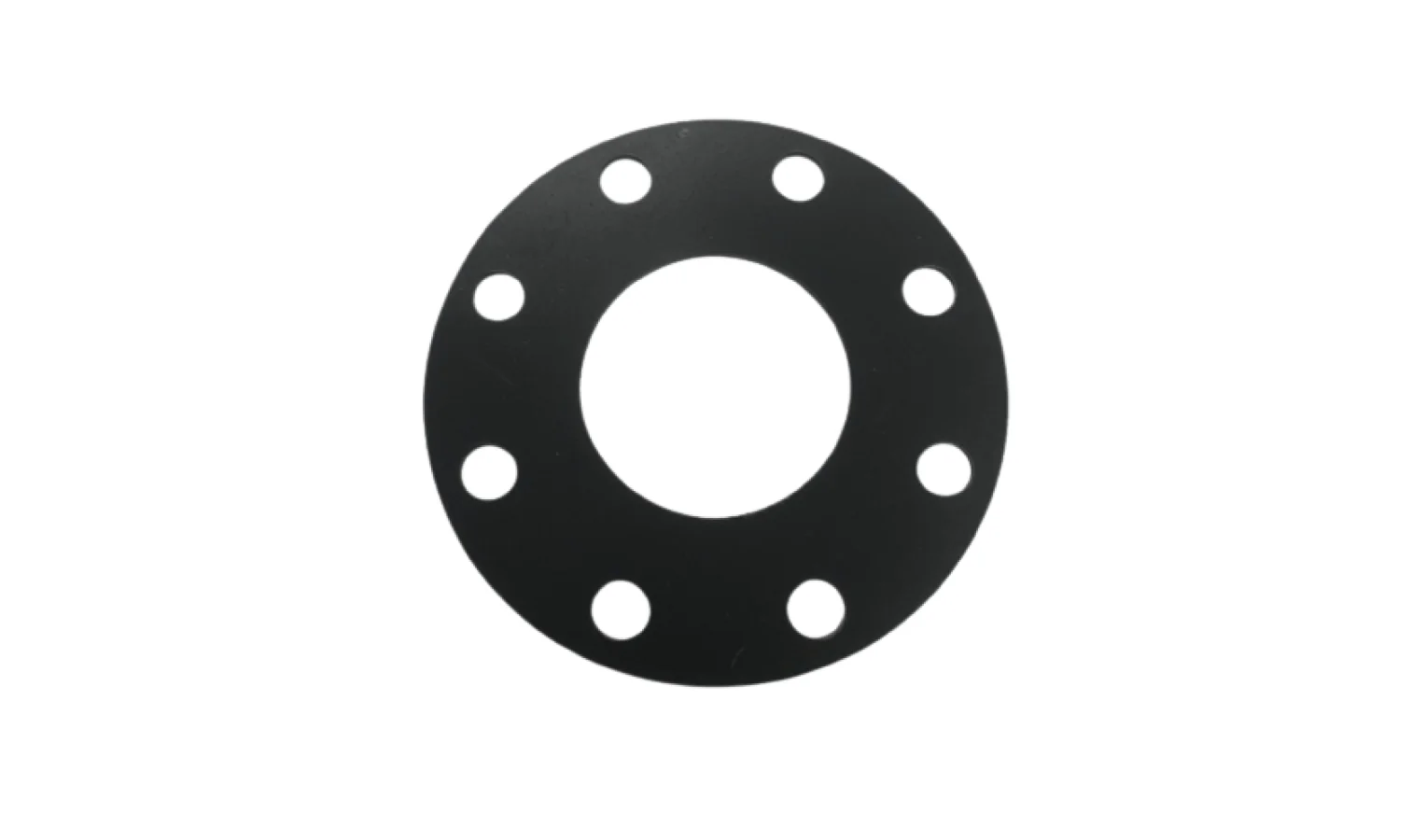
Drawing Analysis and Technical Review
The customization process for rubber flange gaskets begins with a comprehensive drawing analysis. At Suzhou Baoshida Trading Co., Ltd., engineering teams evaluate customer-provided technical drawings to verify dimensional accuracy, flange interface compatibility, and sealing surface requirements. Critical parameters such as inner diameter (ID), outer diameter (OD), thickness, bolt hole patterns, and groove dimensions are cross-referenced against industry standards including ASME B16.21, EN 1514, and JIS B2401. Tolerance analysis is performed in accordance with ISO 3302 and ISO 2768 to ensure form, fit, and function under operational conditions. Any discrepancies or design risks—such as insufficient compression, inadequate sealing area, or material stretch—are flagged and discussed with the client for optimization.
Material Formulation and Compound Development
Once dimensional specifications are validated, the formulation phase initiates. Based on the application environment—temperature range, media exposure (e.g., oil, water, acid), pressure load, and regulatory compliance—our rubber chemists select the optimal elastomer base. Common materials include Nitrile (NBR), EPDM, Silicone (VMQ), Fluorocarbon (FKM), and Chloroprene (CR). Custom compounds are engineered to meet specific performance criteria such as compression set resistance, tensile strength, and volume swell in target fluids. All formulations are developed in accordance with ASTM D2000 standards for rubber product classification. Each compound is assigned a unique batch formula and subjected to rigorous lab testing for hardness (Shore A), elongation, and thermal stability.
Prototyping and Validation
Precision prototypes are manufactured using compression or injection molding techniques, depending on complexity and volume expectations. Prototypes undergo dimensional inspection via coordinate measuring machines (CMM) and are tested for seal integrity in simulated operating conditions. Functional testing includes compression-deflection analysis, leak rate measurement, and thermal cycling. Clients receive prototype samples along with material test reports (MTRs) and first article inspection (FAI) documentation. Feedback is integrated iteratively until performance benchmarks are consistently achieved.
Transition to Mass Production
After client approval, the project transitions to mass production. Tooling is finalized, and process parameters are locked into our production management system to ensure repeatability. Full production runs are conducted under ISO 9001-certified quality controls, with in-process inspections and final batch testing. All gaskets are traceable by lot number, and packaging is customized to client logistics requirements.
Typical Material Performance Specifications
| Property | NBR (70 Shore A) | EPDM (75 Shore A) | FKM (80 Shore A) | Silicone (60 Shore A) |
|---|---|---|---|---|
| Temperature Range (°C) | -30 to +120 | -50 to +150 | -20 to +200 | -60 to +230 |
| Tensile Strength (MPa) | ≥15 | ≥12 | ≥10 | ≥6 |
| Elongation at Break (%) | ≥250 | ≥200 | ≥150 | ≥300 |
| Volume Swell in Oil (%) | ≤15 | ≤80 | ≤5 | ≤30 |
| Compression Set (22h, 70°C) | ≤25% | ≤20% | ≤20% | ≤25% |
Contact Engineering Team
Direct Engineering Consultation for Critical Sealing Applications
Suzhou Baoshida Trading Co., Ltd. operates at the intersection of advanced polymer science and industrial reliability, specializing in precision-engineered rubber flange gaskets for mission-critical environments. Our engineering team leverages decades of compound formulation expertise to address complex sealing challenges in oil and gas, chemical processing, power generation, and semiconductor manufacturing. Standard catalog solutions often fail under extreme thermal cycling, aggressive chemical exposure, or high-pressure differentials—conditions where our custom-tailored elastomer formulations deliver uncompromised integrity. We prioritize material compatibility, compression set resistance, and dimensional stability to prevent catastrophic leaks, downtime, and safety hazards. Partnering with Suzhou Baoshida means accessing OEM-level technical collaboration from initial specification review through production validation, ensuring your gaskets perform precisely within your system’s operational envelope.
Material selection is foundational to gasket longevity and safety. Below is a reference table outlining key performance parameters for common elastomers used in flange gasket applications. These values represent typical industrial benchmarks; actual performance is optimized through our proprietary compounding process for your specific media and conditions.
| Material Type | Temperature Range (°C) | Pressure Rating (MPa) | Key Chemical Resistances | Typical ASTM Standard |
|---|---|---|---|---|
| NBR (Nitrile) | -30 to +120 | 35 | Oils, fuels, aliphatic hydrocarbons | D2000 BA |
| EPDM | -50 to +150 | 25 | Steam, acids, alkalis, oxygenated solvents | D2000 EA |
| FKM (Viton®) | -20 to +230 | 40 | Aromatics, chlorinated solvents, high-temp fuels | D2000 GF |
| Silicone | -60 to +200 | 15 | Ozone, UV, physiological fluids | D2000 GE |
These specifications illustrate baseline capabilities, but real-world sealing demands rigorous application analysis. Our engineers conduct finite element analysis (FEA) for compression stress relaxation, evaluate fluid compatibility per ASTM D471, and validate Shore A hardness retention under your operational profile. We reject one-size-fits-all approaches—every compound is fine-tuned for your flange geometry, bolt torque sequence, and service life requirements.
Initiate your gasket optimization process by contacting Mr. Boyce, our dedicated OEM Manager, who oversees technical onboarding and project execution. With direct access to our Suzhou-based R&D laboratory and ISO 9001-certified production facilities, Mr. Boyce ensures seamless translation of your engineering specifications into validated sealing solutions. He will coordinate material testing protocols, prototype validation, and batch traceability documentation to meet your quality assurance mandates. Do not compromise on sealing performance when system integrity is non-negotiable.
Contact Mr. Boyce immediately at [email protected] to schedule a technical consultation. Include your flange dimensions, operating media, temperature/pressure profiles, and target service life for a prioritized engineering assessment. Suzhou Baoshida commits to a 24-hour technical response window for all qualified inquiries. Advance your sealing reliability with engineered precision—reach out today to eliminate leakage risks at the source.
⚖️ O-Ring Weight Calculator
Estimate rubber O-ring weight (Approx).