
Technical Contents
Engineering Guide: Rubber For Stand

Engineering Insight: Material Selection Imperatives for Industrial Rubber Stands
Industrial rubber stands serve as critical interface components between machinery and foundational surfaces, directly influencing operational stability, vibration isolation, and equipment longevity. Generic rubber compounds frequently fail in these demanding roles due to fundamental mismatches between standardized material properties and the specific dynamic load profiles, environmental exposures, and precision requirements of industrial applications. Off-the-shelf solutions often prioritize cost and broad compatibility over the nuanced engineering needed for reliable performance under sustained stress. This oversight leads to premature degradation, compromised isolation efficiency, and ultimately, unplanned downtime – costs far exceeding the initial savings of a non-optimized compound.
The core failure mechanism lies in inadequate material science alignment. Standard rubber formulations lack the tailored viscoelastic memory required to consistently absorb and dissipate complex vibrational energy across varying frequencies and amplitudes encountered in modern machinery. They frequently exhibit excessive compression set under continuous load, causing the stand to permanently deform and lose its designed height and damping characteristics. Furthermore, generic compounds possess insufficient resistance to common industrial contaminants like oils, ozone, and temperature extremes prevalent in factory environments. A stand exposed to hydraulic fluid trace elements may swell and soften, while one subjected to outdoor UV exposure without proper stabilizers will crack and harden, catastrophically altering its mechanical behavior. Crucially, the hardness (durometer) profile of off-the-shelf rubber is rarely optimized for the specific mass and resonance frequency of the supported equipment, resulting in either insufficient isolation (too hard) or excessive instability and sway (too soft).
Precision-engineered rubber stands demand compound customization based on rigorous application analysis. Key parameters include dynamic modulus under operational loads, compression set resistance at service temperatures, and chemical compatibility with the specific exposure environment. The following table contrasts critical properties between generic and engineered rubber solutions for industrial stands:
| Property | Generic Off-the-Shelf Rubber | Engineered Rubber Stand Compound |
|---|---|---|
| Hardness Range (Shore A) | Fixed (e.g., 60±5) | Precisely tailored (e.g., 70±2) |
| Compression Set (22h/70°C) | >35% | <15% |
| Continuous Temp Range | -10°C to +70°C | -40°C to +120°C |
| Oil/Fuel Resistance | Poor (Swelling >25%) | Excellent (Swelling <8%) |
| Dynamic Damping Loss Factor | Variable, inconsistent | Optimized for target frequency |
Suzhou Baoshida Trading Co., Ltd. leverages advanced polymer science and deep OEM manufacturing experience to formulate compounds where material properties are intrinsically linked to the stand’s functional requirements. We analyze the equipment mass, vibration spectrum, environmental stressors, and required service life to develop bespoke rubber matrices. This eliminates the guesswork and risk inherent in generic solutions, ensuring stands maintain dimensional stability, consistent damping performance, and chemical integrity throughout their operational lifecycle. The initial investment in scientifically validated material selection translates directly into reduced total cost of ownership through enhanced machine uptime and extended component service life. For mission-critical industrial stability, the rubber compound is not a commodity – it is the engineered foundation of performance.
Material Specifications
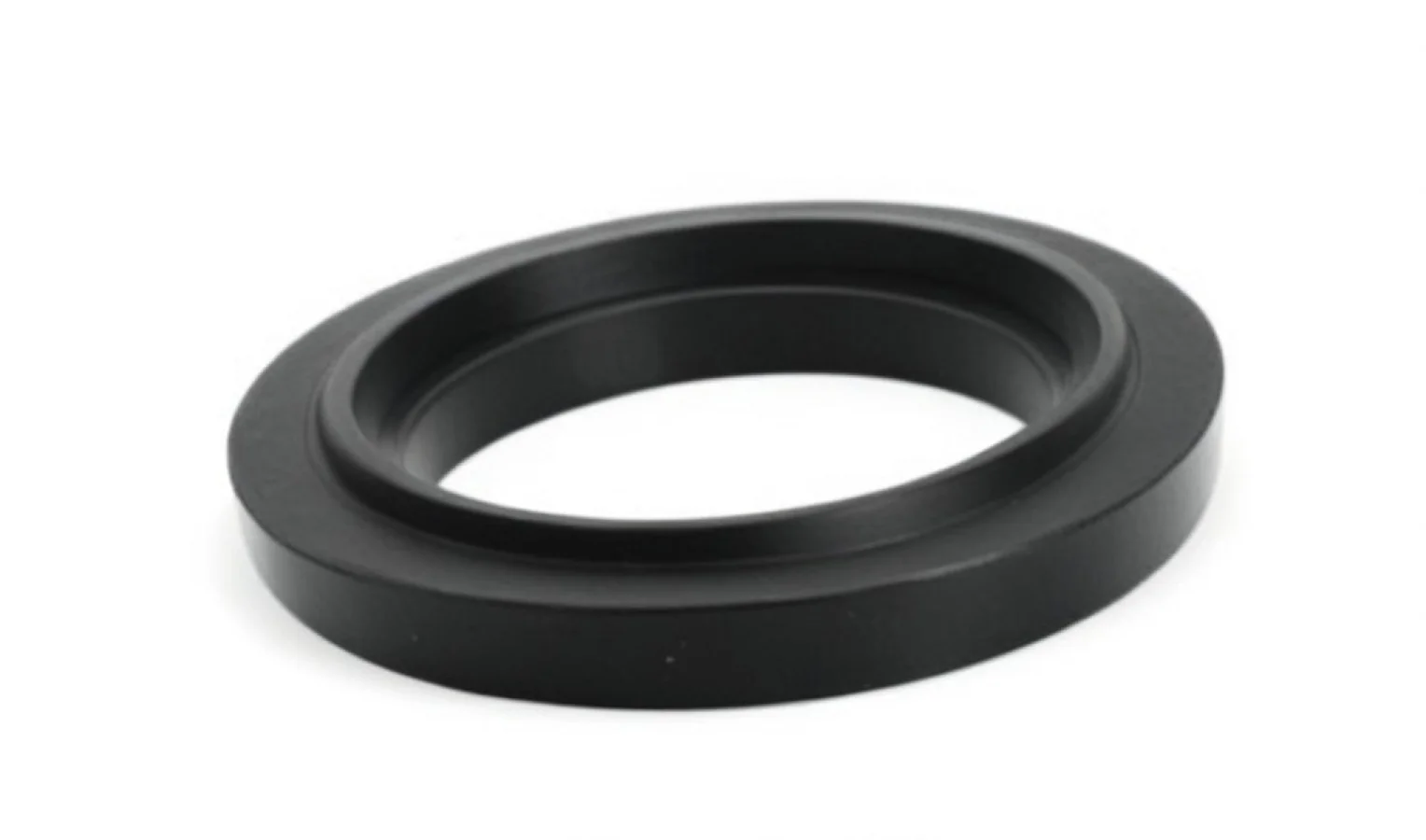
Material selection is a critical factor in the performance and longevity of rubber components used in industrial stands, where mechanical stability, environmental resistance, and operational durability are paramount. At Suzhou Baoshida Trading Co., Ltd., we specialize in high-performance rubber solutions tailored for demanding applications. Our primary elastomers—Viton (FKM), Nitrile (NBR), and Silicone (VMQ)—are engineered to meet precise industrial requirements, each offering distinct advantages based on chemical exposure, temperature range, and mechanical stress.
Viton rubber is a fluorocarbon-based material renowned for its exceptional resistance to high temperatures, oils, fuels, and aggressive chemicals. It performs reliably in continuous service up to 200°C and can withstand short-term exposure to temperatures as high as 300°C. This makes Viton ideal for applications involving exposure to hydrocarbons, halogenated solvents, and oxidizing agents. Its low gas permeability and excellent aging characteristics further enhance its suitability for critical sealing and support functions in industrial stands operating under harsh conditions.
Nitrile rubber, or Buna-N, is a cost-effective solution with strong resistance to petroleum-based oils, greases, and fuels. It maintains good mechanical properties across a service temperature range of -30°C to 120°C, making it well-suited for general-purpose industrial applications. Nitrile exhibits high abrasion resistance and tensile strength, which are beneficial in dynamic load-bearing environments. While it is less effective in ozone and UV resistance compared to other elastomers, proper formulation and protective additives can extend its service life in outdoor or semi-exposed installations.
Silicone rubber offers outstanding thermal stability and flexibility across an extreme temperature range of -60°C to 230°C. It demonstrates excellent resistance to UV radiation, ozone, and weathering, making it a preferred choice for outdoor or high-visibility applications where color stability and long-term resilience are required. Silicone is also biocompatible and meets various food-grade and medical standards, although its mechanical strength and resistance to petroleum-based fluids are lower than those of Viton or Nitrile. It is best applied in static or low-stress configurations where thermal and environmental stability are prioritized.
The following table provides a comparative overview of key physical and chemical properties for these materials:
| Property | Viton (FKM) | Nitrile (NBR) | Silicone (VMQ) |
|---|---|---|---|
| Temperature Range (°C) | -20 to 200 (up to 300 short-term) | -30 to 120 | -60 to 230 |
| Tensile Strength (MPa) | 15–20 | 10–25 | 5–10 |
| Elongation at Break (%) | 200–300 | 250–500 | 200–600 |
| Hardness (Shore A) | 60–90 | 50–90 | 30–80 |
| Resistance to Oils & Fuels | Excellent | Excellent | Poor |
| Resistance to Ozone & UV | Excellent | Fair | Excellent |
| Compression Set Resistance | Excellent | Good | Good |
| Chemical Resistance (acids, bases) | Very Good | Moderate | Good |
Selecting the appropriate rubber material for a stand application requires a detailed understanding of the operational environment. Suzhou Baoshida Trading Co., Ltd. provides customized formulation and technical support to ensure optimal material performance in your specific use case.
Manufacturing Capabilities
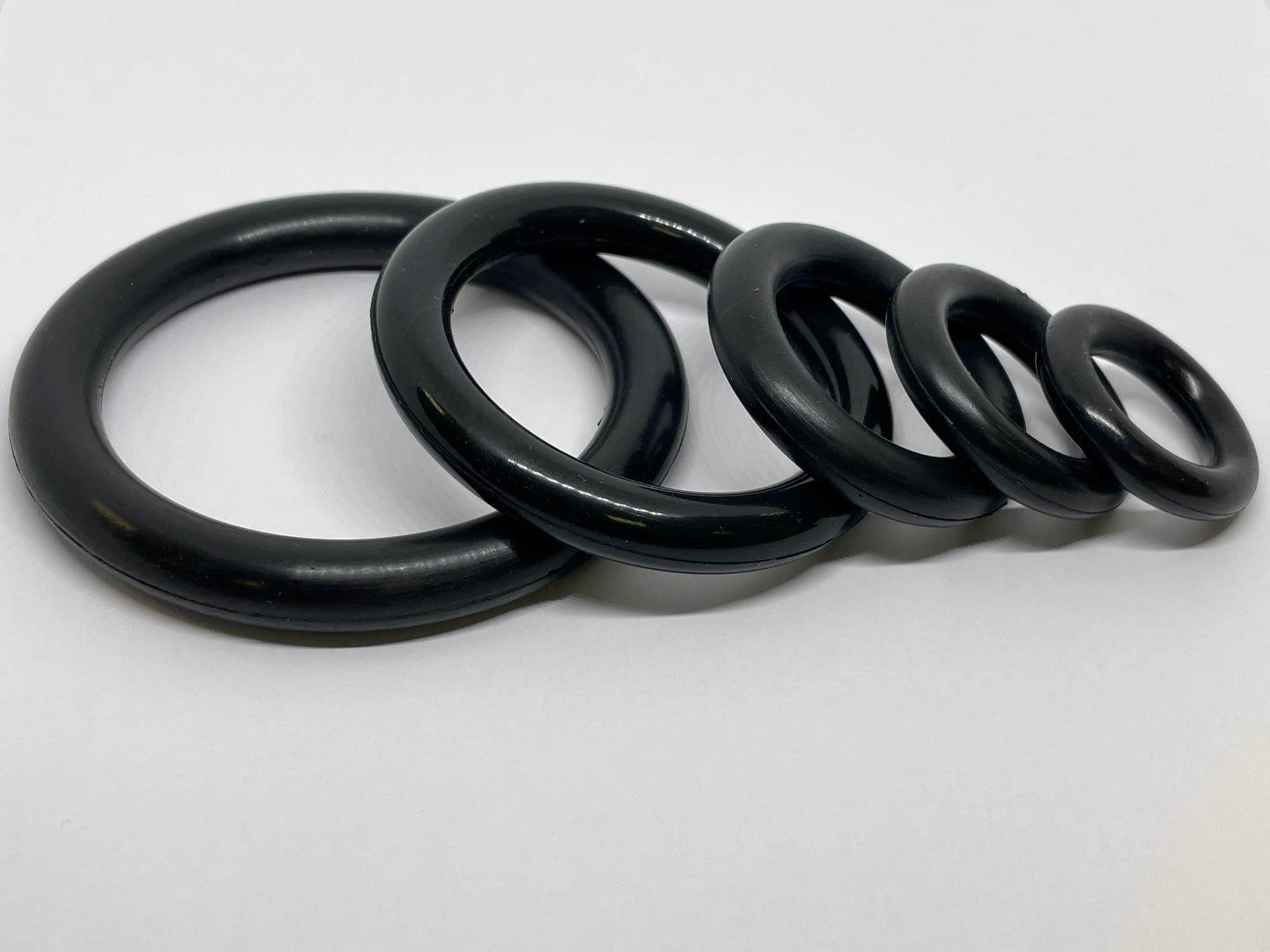
Engineering Capability: Precision Rubber Solutions for Industrial Stands
Suzhou Baoshida Trading Co., Ltd. delivers mission-critical rubber components for industrial stand applications through rigorously engineered material science and manufacturing expertise. Our core strength lies in the seamless integration of dedicated formula development and precision mould engineering, ensuring optimal performance under demanding operational conditions. The engineering cohort comprises five specialized mould engineers and two advanced formula engineers, collaborating to address complex client specifications from conceptualization to mass production. This dual-discipline approach eliminates siloed development, enabling holistic optimization of material properties, part geometry, and production efficiency.
Integrated Engineering Workflow
Formula engineers initiate the process by designing custom elastomer compounds tailored to specific load-bearing, environmental, and longevity requirements. Utilizing advanced rheometry, DSC, and accelerated aging protocols, they refine polymer blends—such as EPDM, NBR, or specialty silicones—to achieve precise hardness, compression set resistance, and thermal stability. Concurrently, mould engineers translate these material parameters into production-ready tooling. Leveraging 3D CAD/CAM simulations and finite element analysis (FEA), they optimize gate placement, cooling channels, and ejection systems to prevent flash, sink marks, or curing inconsistencies. This parallel workflow reduces time-to-market by 30% while guaranteeing dimensional accuracy within ±0.1 mm tolerances.
OEM Partnership Excellence
As a certified OEM solutions provider, Suzhou Baoshida assumes full responsibility for end-to-end production, from raw material sourcing to final inspection. Our ISO 9001-certified facility supports low-to-high volume runs with dedicated production lines, ensuring batch-to-batch consistency. Critical to stand applications, we implement real-time process monitoring via integrated sensors tracking temperature, pressure, and cure kinetics. Every component undergoes 100% visual inspection and statistical sampling for mechanical validation, with full traceability through our ERP system. Clients receive comprehensive documentation including material test reports (MTRs), process capability indices (Cp/Cpk), and failure mode analysis—essential for regulated industries.
Material Performance Specifications
The table below summarizes standard performance metrics for our industrial stand rubber compounds. All values are validated per ASTM/ISO protocols and adjustable per OEM requirements.
| Property | Standard Range | Testing Method | Application Relevance |
|---|---|---|---|
| Tensile Strength | 15–25 MPa | ASTM D412 | Ensures structural integrity under load |
| Hardness (Shore A) | 50–80 A | ASTM D2240 | Balances stability and vibration damping |
| Compression Set (70°C) | ≤25% after 24h | ASTM D395 | Maintains seal force over service life |
| Temperature Range | -40°C to +150°C | ISO 188 | Suitable for indoor/outdoor environments |
| Tear Resistance | 25–45 kN/m | ASTM D624 | Prevents edge damage during installation |
Strategic Value for OEM Partners
Suzhou Baoshida’s engineering model transforms rubber from a commodity component into a value-engineered asset. By unifying formula science with precision tooling, we mitigate common failure modes in stand assemblies—such as creep deformation or adhesive delamination—while reducing total cost of ownership. Our engineers collaborate directly with client R&D teams to co-develop solutions that enhance product lifecycle performance. For industrial stand manufacturers seeking reliability, scalability, and technical accountability, we provide a single-source engineering partner committed to exceeding operational expectations. Partner with Suzhou Baoshida to leverage our engineering rigor for stands that perform relentlessly in the field.
Customization Process
Customization Process for Rubber Components in Stand Applications
At Suzhou Baoshida Trading Co., Ltd., precision and material integrity are paramount in delivering industrial rubber solutions tailored for stand applications. Our structured customization process ensures optimal performance, durability, and compatibility with client-specific mechanical and environmental demands. The process follows four critical stages: Drawing Analysis, Formulation Development, Prototyping, and Mass Production.
The first phase, Drawing Analysis, involves a comprehensive technical review of customer-provided engineering drawings or 3D models. Our engineering team evaluates dimensional tolerances, load-bearing requirements, surface finish specifications, and installation conditions. This stage includes assessing stress points, compression set expectations, and potential exposure to oils, UV, or extreme temperatures. Accurate interpretation at this stage ensures that subsequent material and design decisions align precisely with functional needs.
Following drawing validation, we proceed to Formulation Development. Based on operational parameters, our rubber formula engineers select the appropriate base polymer—such as Nitrile (NBR), Ethylene Propylene Diene Monomer (EPDM), Silicone (VMQ), or Chloroprene (CR)—and customize the compound accordingly. Additives including reinforcing fillers, antioxidants, plasticizers, and vulcanizing agents are precisely balanced to achieve target hardness (Shore A), tensile strength, elongation at break, and compression resistance. Each formulation is designed to meet international standards such as ASTM D2000 or ISO 3302, ensuring consistency and traceability.
Once the compound is finalized, we initiate the Prototyping phase. Using precision molds or CNC-machined sample dies, small-batch prototypes are produced under near-production conditions. These samples undergo rigorous in-house testing, including dimensional inspection, hardness measurement, compression deflection analysis, and environmental aging tests. Clients are encouraged to conduct field trials, and feedback is integrated for final adjustments. This iterative validation ensures the design and material perform as intended under real-world conditions.
Upon approval, the project transitions into Mass Production. Our manufacturing facility leverages automated mixing, efficient molding lines (compression, transfer, or injection), and real-time quality monitoring systems. Every production batch is subject to statistical process control (SPC), with material certificates and test reports provided upon request. We maintain strict adherence to ISO 9001 protocols to guarantee consistency, scalability, and on-time delivery.
Below is a representative specification profile for a typical rubber stand component:
| Property | Test Method | Target Value |
|---|---|---|
| Hardness (Shore A) | ASTM D2240 | 60 ± 5 |
| Tensile Strength | ASTM D412 | ≥10 MPa |
| Elongation at Break | ASTM D412 | ≥250% |
| Compression Set (22h, 70°C) | ASTM D395 | ≤20% |
| Temperature Range | — | -30°C to +100°C |
| Fluid Resistance | ASTM D471 | Minimal swell in oil |
This systematic approach enables Suzhou Baoshida to deliver high-performance rubber solutions that enhance the stability, vibration damping, and longevity of stand systems across industrial, commercial, and electronic equipment applications.
Contact Engineering Team
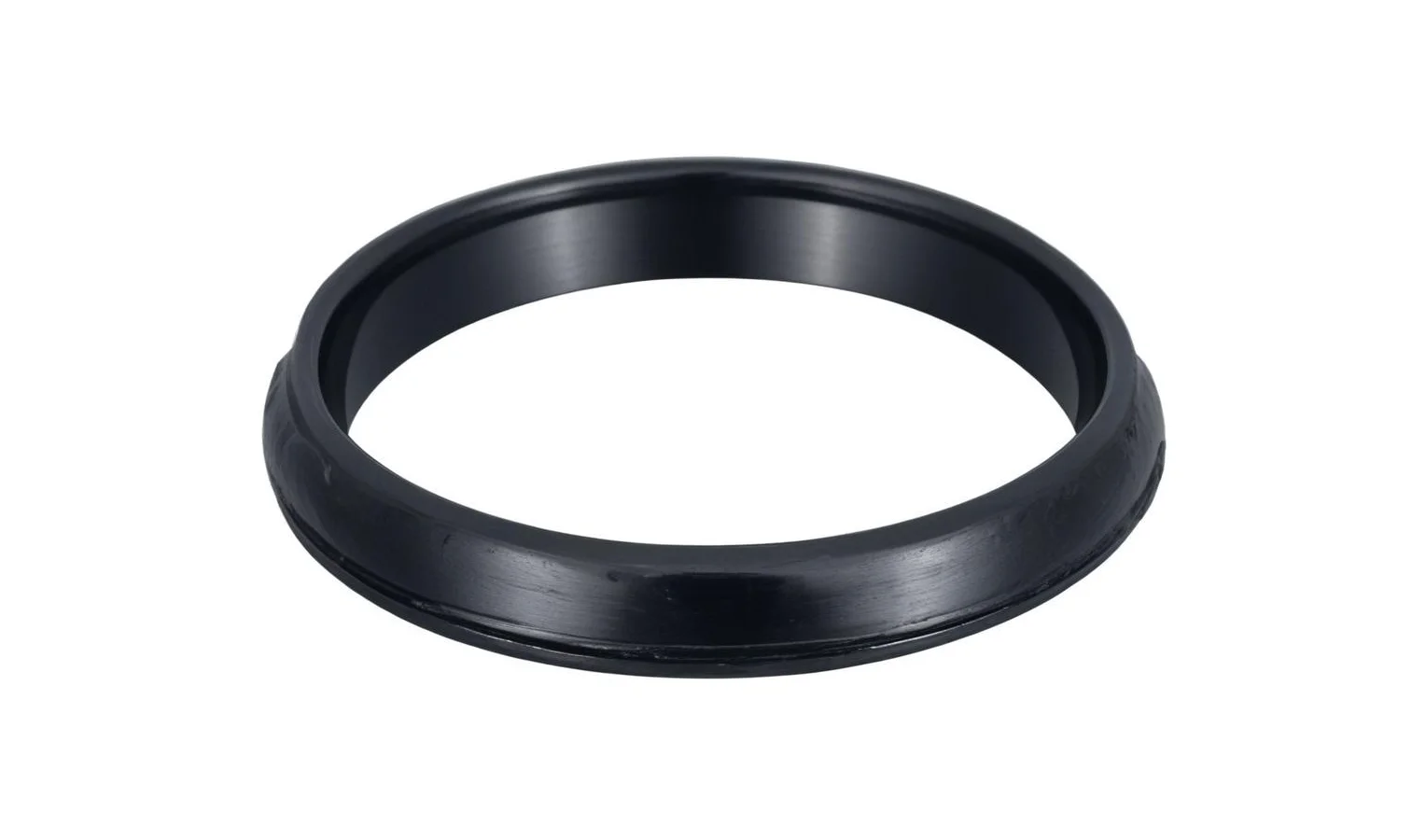
Contact Suzhou Baoshida for Precision Rubber Solutions in Stand Applications
Suzhou Baoshida Trading Co., Ltd. operates at the intersection of advanced polymer science and industrial manufacturing, specializing in engineered rubber compounds for critical stand applications. Our technical team possesses deep expertise in formulating elastomers that address specific performance demands, including vibration isolation, load distribution, thermal stability, and long-term compression set resistance. For stands supporting machinery, displays, or structural components, material failure is not an option. We develop bespoke rubber solutions that mitigate risks such as creep deformation, surface adhesion loss, or premature aging under dynamic stress cycles. This precision engineering ensures your stands maintain dimensional integrity and functional reliability across thousands of operational hours.
Our commitment extends beyond standard catalog offerings. As your OEM partner, we collaborate from initial concept through production scaling, leveraging in-house compounding facilities and rigorous QC protocols. Every formulation undergoes accelerated life testing against ISO 3384 and ASTM D395 standards to validate performance under real-world conditions. Whether your application requires oil-resistant nitrile for industrial equipment stands, high-damping silicone for sensitive instrumentation, or abrasion-resistant polyurethane for mobile platforms, we translate technical specifications into optimized material behavior.
Below outlines core technical parameters for our most deployed stand-grade rubber compounds. These values represent baseline capabilities; all formulations are adjustable per client requirements.
| Property | NBR Compound | EPDM Compound | Silicone Compound | Units |
|---|---|---|---|---|
| Hardness Range | 40–90 Shore A | 30–80 Shore A | 30–70 Shore A | ASTM D2240 |
| Tensile Strength | 15–25 | 10–20 | 6–12 | MPa |
| Elongation at Break | 250–500 | 300–600 | 200–400 | % |
| Compression Set (70°C, 22h) | ≤25 | ≤30 | ≤20 | % |
| Temperature Range | -30 to +120 | -50 to +150 | -60 to +230 | °C |
| Specific Gravity | 1.15–1.25 | 1.10–1.20 | 1.10–1.20 | — |
Initiate technical consultation with Mr. Boyce, our dedicated OEM Manager and Rubber Formula Engineer, to resolve your stand application challenges. With 14 years of experience in elastomer development for automotive, semiconductor, and heavy machinery sectors, Mr. Boyce directly oversees material selection, prototype validation, and production handoff. He will analyze your load diagrams, environmental exposure data, and lifecycle expectations to prescribe a compound architecture—adjusting polymer backbone chemistry, filler dispersion, and crosslink density for optimal performance.
Do not compromise stand integrity with off-the-shelf rubber. Contact Mr. Boyce at [email protected] to submit technical specifications or request a formulation assessment. Include details such as operating temperature extremes, dynamic/static load profiles, chemical exposure risks, and dimensional constraints. Our team responds to all engineering inquiries within 8 business hours with actionable data—not generic brochures. For time-sensitive projects, reference project code STAND-ENG-2024 in your correspondence to expedite material testing protocols. Suzhou Baoshida delivers rubber as a engineered system, not a commodity. Partner with us to eliminate stand-related downtime through molecular-level precision.
⚖️ O-Ring Weight Calculator
Estimate rubber O-ring weight (Approx).