
Technical Contents
Engineering Guide: Rubber Fuel Line
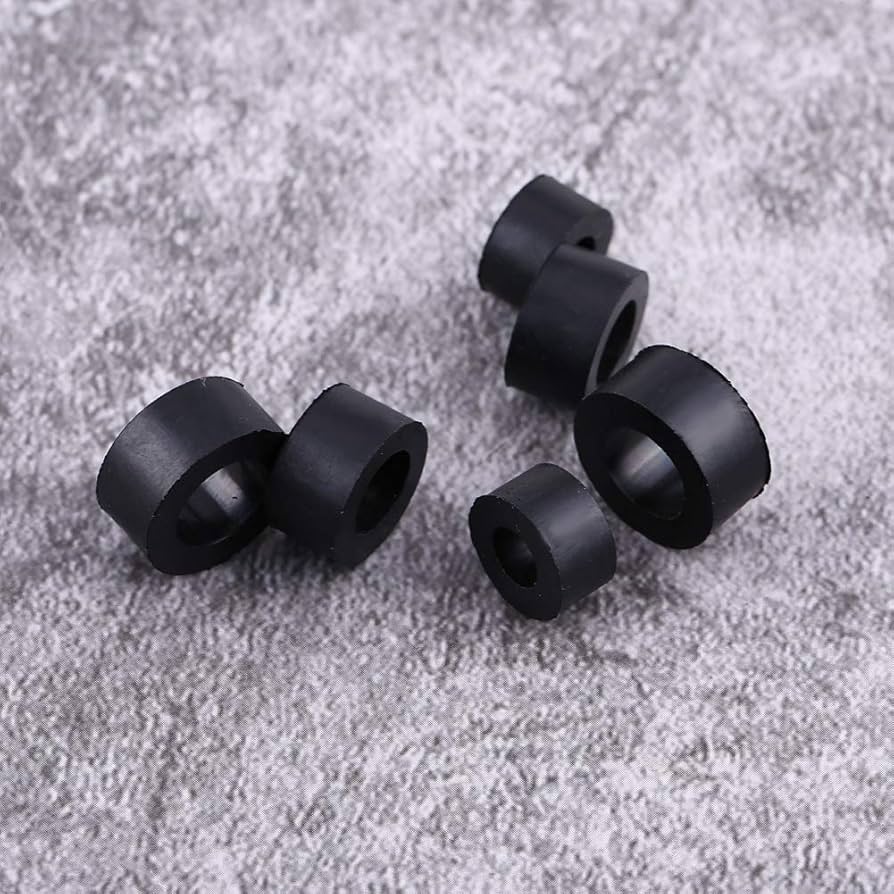
Engineering Insight: Material Selection Criticality in Rubber Fuel Line Performance
The operational integrity of rubber fuel lines hinges on precise material science, not generic elastomer availability. Off-the-shelf solutions frequently fail due to fundamental mismatches between standard compound formulations and the aggressive chemical, thermal, and mechanical demands of modern fuel systems. Automotive OEMs face catastrophic consequences—fuel leaks, engine failure, or fire hazards—when substituting engineered solutions with commodity hoses. This stems from inadequate resistance to fuel permeation, swelling, or degradation under dynamic stress conditions.
Modern fuels, particularly ethanol blends (E10–E85) and biodiesel variants, aggressively attack conventional elastomers like standard EPDM or SBR. These materials exhibit excessive swell (15–30%) when exposed to oxygenated fuels, compromising dimensional stability and seal integrity. Simultaneously, hydrocarbon saturation induces polymer chain scission, accelerating fatigue in pulsating engine environments. Temperature extremes (-40°C to +150°C) further exacerbate these failures, as poor low-temperature flexibility causes cracking during cold starts, while sustained high heat degrades mechanical properties. Crucially, permeation rates must comply with stringent EPA Tier 3 standards (<0.5 g/mm/day for gasoline), a threshold unattainable by non-specialized compounds.
Material selection must address three interdependent failure modes: chemical compatibility, dynamic fatigue resistance, and permeation control. Nitrile rubber (NBR) remains common but requires precise acrylonitrile content tuning (34–45%) to balance fuel resistance and low-temperature performance. For biofuel-intensive applications, fluorocarbon (FKM) or polyurethane (AU) elastomers offer superior stability but demand exact cure system optimization to avoid compression set in clamped joints. Crucially, static immersion test data (ASTM D471) is insufficient; dynamic flex testing per SAE J30) replicates real-world vibration-induced failure mechanisms.
The table below compares critical performance parameters across elastomer classes under standardized fuel exposure (ASTM D471, B-grade fuel at 70°C, 70 hours):
| Elastomer Type | Volume Swell (%) | Tensile Retention (%) | Permeation Rate (g/mm/day) | Low-Temp Flex (°C) |
|---|---|---|---|---|
| Standard EPDM | 28–35 | 45–55 | 1.8–2.2 | -35 |
| High-ACN NBR | 15–22 | 70–80 | 0.6–0.9 | -40 |
| FKM (Type 2) | 3–8 | 85–92 | 0.1–0.3 | -20 |
| AU (Ether-based) | 10–15 | 75–85 | 0.4–0.7 | -50 |
Off-the-shelf lines typically utilize cost-optimized NBR with suboptimal ACN levels or inadequate antioxidant packages, failing to address biofuel oxidation or dynamic flex fatigue. Suzhou Baoshida’s OEM-grade compounds integrate proprietary additive systems—customized phenolic antioxidants, specialized fillers, and dual-cure chemistries—to achieve <10% swell in E85, >85% tensile retention after 1,000-hour aging, and permeation rates 40% below regulatory limits. This precision engineering prevents the incremental degradation that manifests as field failures post-warranty. Material selection is not a cost line item but a foundational safety determinant; compromises here propagate through the supply chain as recalls, brand damage, and liability exposure. Partnering with a compound specialist ensures fuel lines perform as engineered systems, not disposable components.
Material Specifications
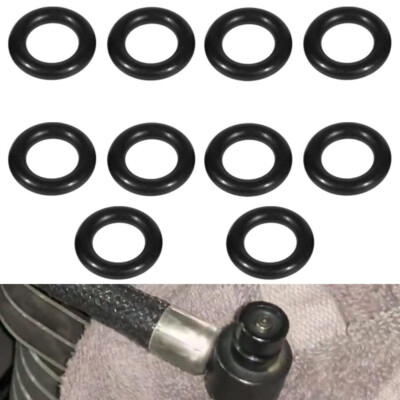
Material selection for rubber fuel lines is a critical determinant of system reliability, longevity, and safety in automotive, aerospace, and industrial applications. At Suzhou Baoshida Trading Co., Ltd., we specialize in high-performance rubber fuel line solutions engineered to meet rigorous operational demands. The three primary elastomers utilized in fuel line manufacturing—Viton (FKM), Nitrile (NBR), and Silicone (VMQ)—each offer distinct chemical, thermal, and mechanical properties suited to specific fuel types and environmental conditions.
Viton, a fluorocarbon-based rubber, exhibits exceptional resistance to hydrocarbon fuels, oils, and high-temperature degradation. It maintains integrity across a broad temperature range of -20°C to +200°C, with short-term exposure tolerance up to 250°C. This makes Viton ideal for use in modern fuel-injected engines, turbocharged systems, and aviation applications where fuel blends contain ethanol, biodiesel, or aromatic hydrocarbons. Its low permeability reduces fuel vapor emissions, supporting compliance with environmental regulations such as EPA and EURO standards.
Nitrile rubber, or Buna-N, is widely adopted for conventional fuel systems due to its excellent resistance to aliphatic hydrocarbons, mineral oils, and gasoline. Operating effectively within -40°C to +120°C, NBR offers a balanced combination of durability and cost-efficiency. It is particularly suitable for carbureted engines and older automotive platforms utilizing non-oxygenated fuels. However, Nitrile demonstrates limited resistance to ozone, UV radiation, and polar solvents, necessitating protective coatings or housing in exposed environments.
Silicone rubber, while not inherently fuel-resistant, is employed in low-pressure fuel delivery systems and vacuum lines when compounded with fluorinated additives. Standard silicone exhibits poor hydrocarbon resistance but can be enhanced to tolerate ethanol-blended fuels (e.g., E10–E20) in specific formulations. Its primary advantages lie in extreme flexibility, wide service temperature range (-60°C to +180°C), and superior resistance to weathering and aging. Silicone is often selected for applications requiring vibration damping and ease of assembly.
The following table compares key performance characteristics of these materials for informed selection in fuel line design.
| Property | Viton (FKM) | Nitrile (NBR) | Silicone (VMQ) |
|---|---|---|---|
| Temperature Range (°C) | -20 to +200 (up to 250°C) | -40 to +120 | -60 to +180 |
| Fuel Resistance | Excellent | Good | Poor to Moderate (enhanced) |
| Aromatic Hydrocarbon Resistance | Excellent | Fair | Poor |
| Ozone/UV Resistance | Excellent | Moderate | Excellent |
| Flexibility | Moderate | Good | Excellent |
| Permeation Resistance | Very High | Moderate | Low |
| Typical Applications | High-performance engines, aviation, turbo systems | Conventional fuel lines, diesel systems | Vacuum lines, low-pressure fuel systems, ethanol blends (modified) |
At Suzhou Baoshida Trading Co., Ltd., we provide material certification, OEM customization, and technical validation testing to ensure compliance with SAE, ISO, and customer-specific standards. Selection of the appropriate elastomer must consider fuel composition, pressure, temperature, and regulatory requirements.
Manufacturing Capabilities
Engineering Capability: Precision Development for Critical Fuel Systems
Suzhou Baoshida Trading Co., Ltd. integrates advanced material science with precision manufacturing to deliver rubber fuel lines meeting stringent automotive OEM requirements. Our dedicated engineering team comprises five specialized mould engineers and two certified rubber formula engineers, ensuring end-to-end control from molecular design to final production. This structure enables rigorous validation of both compound performance and dimensional accuracy under extreme operational conditions.
Our formula engineering team focuses on optimizing polymer matrices for fuel compatibility, temperature resilience, and longevity. Through systematic compound iteration, we develop formulations resistant to modern biofuels, ethanol blends, and oxidizing additives while maintaining critical properties like low permeability and dynamic flex fatigue resistance. Each compound undergoes accelerated aging per SAE J30 and ISO 1817 protocols, with data-driven adjustments to filler systems, plasticizers, and vulcanization kinetics. This scientific approach ensures compliance with OEM fluid resistance specifications across global markets, including GM 6297M and Ford WSK-M2C171-A2.
Mould engineering excellence supports complex geometries and tight tolerances essential for leak-free fuel delivery. Utilizing 3D CAD/CAM systems and finite element analysis (FEA), our team simulates flow dynamics, pressure distribution, and thermal expansion during the design phase. This preemptive validation minimizes tooling iterations, achieving first-article conformance rates exceeding 95%. Precision steel selection and surface treatments for mould cavities guarantee consistent part concentricity (±0.1 mm) and surface finish (Ra ≤ 3.2 μm), critical for sealing integrity in quick-connect fittings.
As a certified OEM partner, we execute full product lifecycle management under controlled change protocols. Our process begins with joint design reviews using client CAD data, progresses through DVP&R-aligned testing, and culminates in PPAP submission with full material traceability. We maintain dedicated production cells for low-volume prototyping and high-volume runs, all monitored via real-time SPC systems for dimensional and physical property consistency.
Critical performance specifications for our standard fuel line compounds are validated as follows:
| Parameter | Test Standard | Performance Range |
|---|---|---|
| Temperature Resistance | ISO 188 | -40°C to +125°C (continuous) |
| Pressure Rating | SAE J30 | 1.5 MPa (burst ≥ 6.0 MPa) |
| Fuel Permeation | ASTM D814 | ≤ 15 g·mm/m²·day |
| Ethanol Resistance | ISO 17477 | ΔTensile ≤ 25% after 1k hrs |
| Dynamic Flex Life | ISO 6954 | ≥ 500,000 cycles |
Quality assurance is embedded at every stage through our IATF 16949-certified system, with full material traceability from raw polymer batches to finished assemblies. Suzhou Baoshida’s engineering synergy between formulation science and precision tooling delivers fuel lines that exceed automotive safety and durability benchmarks, reducing field failure risks for OEM partners. This capability positions us as a strategic supplier for next-generation propulsion systems requiring validated elastomer performance.
Customization Process
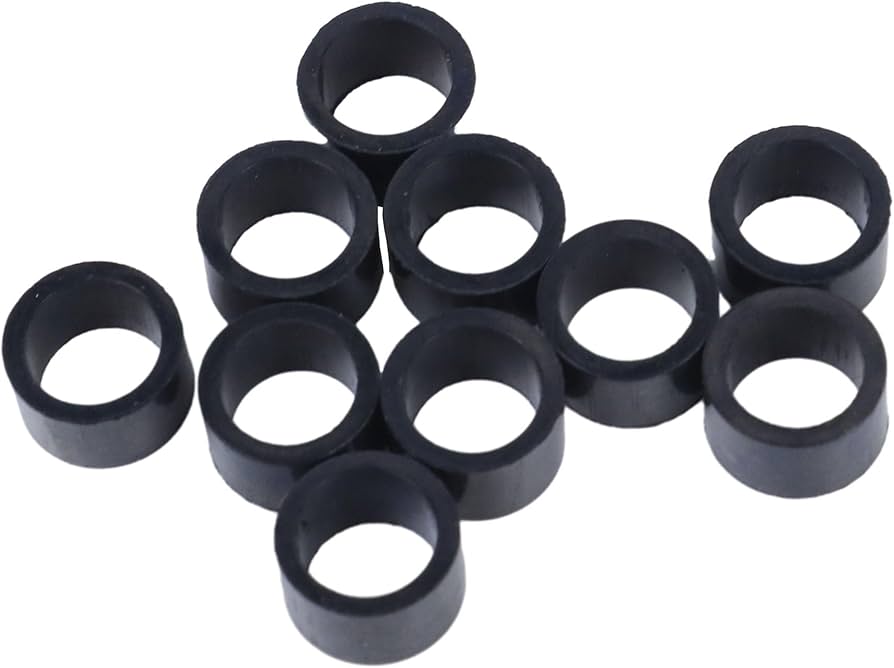
Drawing Analysis: Precision Engineering as the Foundation
The customization process for industrial rubber fuel lines begins with rigorous drawing analysis, a critical phase that establishes the technical blueprint for subsequent development. At Suzhou Baoshida Trading Co., Ltd., our engineering team conducts a comprehensive review of customer-provided technical drawings, focusing on dimensional accuracy, tolerance specifications, and interface compatibility with mating components. This includes evaluating inner diameter (ID), outer diameter (OD), wall thickness, bend radius, and end-fitting configurations. We assess compliance with international standards such as SAE J30, ISO 7816, and DIN 73378, ensuring that the proposed design meets both functional and regulatory requirements. Any discrepancies or potential performance risks—such as stress concentration zones or inadequate clearance—are flagged and discussed with the client for optimization. This stage ensures that the physical and mechanical parameters of the rubber fuel line are precisely aligned with the operational demands of the target application, including engine compartment layout, fuel type, and vibration exposure.
Formulation: Tailoring Material Chemistry for Performance
Following validated drawing specifications, our Rubber Formula Engineers develop a customized elastomer compound engineered to withstand the specific chemical and thermal environment of the fuel system. The selection of base polymer—typically NBR (nitrile butadiene rubber), FKM (fluorocarbon rubber), or ACM (acrylic rubber)—depends on fuel composition (e.g., gasoline, diesel, ethanol blends, or biofuels), operating temperature range, and required service life. Additives such as plasticizers, antioxidants, and reinforcing fillers are precisely dosed to optimize flexibility, ozone resistance, and abrasion performance. Our formulation process leverages accelerated aging tests and fuel immersion studies to predict long-term durability under real-world conditions. Each compound is documented in a Material Data Sheet (MDS) and subjected to internal quality audits before approval for prototyping.
Prototyping: Validation Through Physical Testing
Prototypes are manufactured using precision extrusion and vulcanization techniques that replicate mass production conditions. These samples undergo a battery of tests, including burst pressure evaluation, impulse testing (per SAE J2044), permeation analysis, and dimensional inspection via coordinate measuring machines (CMM). Functional fitment checks are performed on representative engine platforms to verify routing and installation feasibility. Feedback from this phase is used to refine both geometry and material formulation, ensuring optimal performance prior to scale-up.
Mass Production: Consistency and Compliance at Scale
Once prototype validation is complete, the project transitions to mass production. Our manufacturing lines operate under ISO 9001-certified processes, with in-line monitoring of cure time, extrusion speed, and dimensional tolerances. Each batch is traceable through lot numbering, and final products are packaged per client logistics requirements.
The following table outlines typical technical specifications for customized rubber fuel lines:
| Parameter | Standard Range | Test Method |
|---|---|---|
| Inner Diameter (ID) | 4.75 – 12.00 mm | ISO 3309 |
| Wall Thickness | 1.5 – 3.5 mm | ISO 3309 |
| Operating Temperature | -40°C to +125°C (up to +175°C intermittent) | ISO 1817 |
| Burst Pressure | ≥ 20 MPa | SAE J30 |
| Fuel Permeation | ≤ 15 g/m²/day (for gasoline) | ISO 17078 |
| Material Compliance | REACH, RoHS, FDA (if required) | Internal Audit |
Contact Engineering Team
Contact Suzhou Baoshida for Precision Rubber Fuel Line Solutions
Suzhou Baoshida Trading Co., Ltd. operates at the forefront of industrial rubber compound development and OEM manufacturing, specializing in mission-critical fluid conveyance systems. Our rubber fuel lines are engineered to exceed global automotive and industrial standards, addressing complex challenges in chemical resistance, thermal stability, and mechanical endurance. As your dedicated Rubber Formula Engineer and OEM Manager, I oversee the integration of material science with rigorous production protocols to deliver components that ensure operational safety and longevity in demanding environments. We understand that fuel line failure is not an option; our formulations undergo accelerated aging tests, burst pressure validation, and dynamic flex cycling to guarantee performance under real-world conditions.
Our technical expertise spans custom compound design for specific fuel blends, including biofuels and ethanol mixtures, where conventional elastomers often degrade. Utilizing advanced fluorocarbon (FKM), nitrile rubber (NBR), and specialty thermoplastic polyurethane (TPU) matrices, we achieve optimal balance between fuel permeation resistance and low-temperature flexibility. Each formulation is validated against ASTM D2000, SAE J30, and ISO 1877 standards, with traceable batch documentation for full supply chain transparency. The table below summarizes core performance parameters for our standard automotive-grade fuel line compounds:
| Property | Test Standard | Typical Value |
|---|---|---|
| Continuous Service Temperature | ASTM D573 | -40°C to +150°C |
| Burst Pressure (min) | ISO 1402 | 45 MPa |
| Fuel Permeation (C5-C6) | SAE J266 | ≤ 5.0 g·mm/m²·day |
| Tensile Strength (aged 70h/150°C) | ASTM D412 | ≥ 15 MPa |
| Volume Swell (Bunkers C) | ISO 1817 | ≤ 15% |
These specifications represent baseline capabilities; our engineering team routinely develops tailored solutions for unique OEM requirements, such as reduced permeation for hybrid vehicle systems or enhanced ozone resistance for high-altitude applications. We operate ISO/TS 16949-certified production facilities with in-house compounding, extrusion, and vulcanization control, enabling rapid prototyping and scalable volume manufacturing. Partnering with Suzhou Baoshida means gaining direct access to formula-level problem-solving—not just component supply.
Initiate engineering collaboration by contacting Mr. Boyce, our dedicated OEM Manager, who possesses 12 years of experience in automotive fluid systems. Mr. Boyce will coordinate technical discussions, material sample provisioning, and joint development agreements to align our rubber science with your production timelines and quality benchmarks. Do not compromise on fuel line integrity when precision-engineered alternatives exist. Submit your compound specifications or application challenges directly to [email protected] for immediate technical review. Our team responds to all engineering inquiries within 4 business hours, providing data-driven pathways to component optimization. Trust Suzhou Baoshida to transform rubber formulation challenges into validated production solutions—contact us today to secure your supply chain resilience.
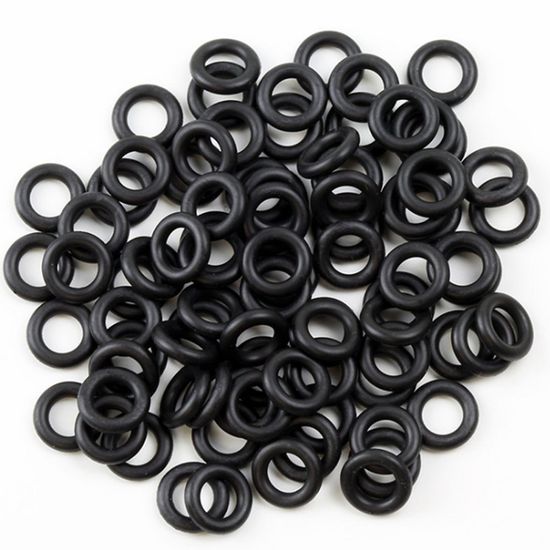
⚖️ O-Ring Weight Calculator
Estimate rubber O-ring weight (Approx).