
Technical Contents
Engineering Guide: Rubber Inc
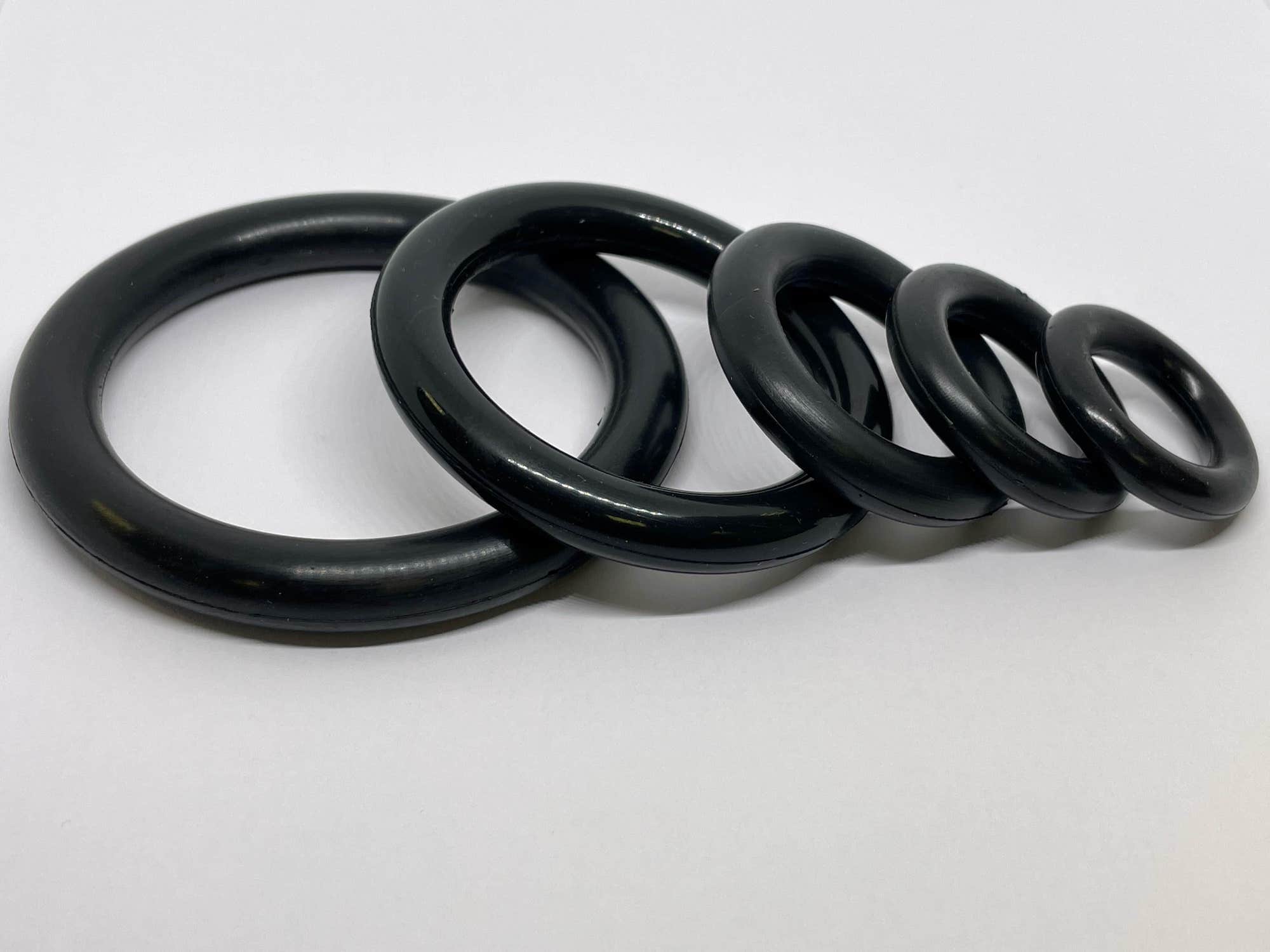
Engineering Insight: The Critical Role of Material Selection in Industrial Rubber Applications
In industrial environments, rubber components are subjected to extreme conditions—ranging from high pressure and temperature fluctuations to exposure to aggressive chemicals and continuous mechanical stress. Despite their seemingly simple form, rubber parts play a pivotal role in system integrity, longevity, and operational safety. At Suzhou Baoshida Trading Co., Ltd., we emphasize that material selection is not a secondary consideration but a foundational engineering decision. Off-the-shelf rubber solutions, while convenient, often fail prematurely because they are not engineered for the specific physical and chemical demands of a given application.
Generic rubber compounds are typically formulated for broad compatibility rather than targeted performance. This one-size-fits-all approach neglects critical variables such as fluid resistance, compression set, tensile strength, and thermal stability. For example, a standard NBR (nitrile butadiene rubber) seal may perform adequately in light-duty hydraulic systems but will degrade rapidly when exposed to ozone, aromatic hydrocarbons, or sustained temperatures above 100°C. Similarly, EPDM rubber, while excellent for weather and steam resistance, lacks oil resistance and is unsuitable for fuel or lubricant environments.
The failure of non-specialized rubber components manifests in various forms: cracking due to ozone exposure, swelling from fluid incompatibility, hardening from thermal aging, or loss of sealing force from compression set. These failures not only lead to unplanned downtime but can also compromise safety and result in costly secondary damage.
Precision-engineered rubber solutions begin with a comprehensive analysis of the operating environment. Key parameters include temperature range, media exposure, dynamic or static loading, surface finish of mating parts, and required service life. At Baoshida, we collaborate with OEMs to develop custom formulations—adjusting polymer base, filler content, plasticizers, and cure systems—to meet exact performance criteria.
The table below illustrates how different rubber materials perform under common industrial stressors:
| Material | Temperature Range (°C) | Oil Resistance | Ozone Resistance | Compression Set | Key Applications |
|---|---|---|---|---|---|
| NBR | -30 to +100 (up to +125 short-term) | Excellent | Poor | Good | Hydraulic seals, fuel systems |
| EPDM | -50 to +150 | Poor | Excellent | Very Good | Steam systems, outdoor seals |
| FKM (Viton®) | -20 to +200 (up to +250 intermittent) | Excellent | Excellent | Excellent | Chemical processing, aerospace |
| Silicone | -60 to +180 | Poor | Good | Fair | Electrical insulation, food-grade |
| Neoprene | -40 to +100 | Moderate | Good | Moderate | Industrial hoses, gaskets |
Selecting the correct elastomer is not merely a technical formality—it directly impacts system reliability and total cost of ownership. By moving beyond off-the-shelf options and embracing application-specific material engineering, industrial manufacturers can achieve superior performance, extended service cycles, and reduced maintenance costs. At Baoshida, we provide the technical expertise and material science insight to ensure every rubber component is engineered to endure.
Material Specifications
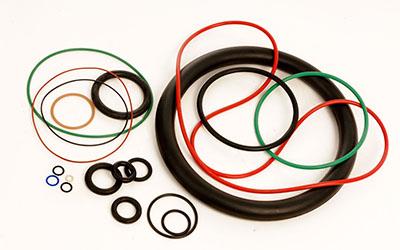
Industrial Rubber Material Specifications: Viton, Nitrile, Silicone
Material selection is a critical engineering decision in industrial sealing and component design, directly impacting product longevity, safety, and operational cost. Suzhou Baoshida Trading Co., Ltd. provides precision-engineered rubber solutions where understanding the fundamental properties of key elastomers is essential. This section details the core specifications of three dominant materials: Viton (FKM), Nitrile (NBR), and Silicone (VMQ), enabling informed OEM procurement and design validation.
Viton, a perfluoroelastomer, represents the pinnacle of chemical and thermal resistance among standard industrial rubbers. Its molecular structure, rich in fluorine atoms, provides exceptional stability against aggressive fuels, oils, acids, and solvents, including aromatic and chlorinated hydrocarbons. Viton maintains reliable sealing force across an extended continuous service temperature range from -20°C to +230°C, with short-term excursions possible up to 300°C. While its base compound hardness typically ranges from 60 to 90 Shore A, specialized grades offer enhanced low-temperature flexibility or improved resistance to specific chemicals like amines. The primary limitation is cost, making Viton the strategic choice for critical aerospace, semiconductor, and high-performance automotive applications where failure is unacceptable.
Nitrile rubber (NBR) remains the most widely specified general-purpose elastomer due to its excellent balance of performance and economy. Its acrylonitrile content directly governs oil and fuel resistance; higher ACN levels (e.g., 40-50%) significantly improve resistance to mineral oils and greases but reduce low-temperature flexibility. Standard NBR operates effectively between -30°C and +100°C, with specialized hydrogenated NBR (HNBR) extending the upper limit to approximately +150°C while enhancing mechanical strength and ozone resistance. NBR offers good abrasion resistance and compression set performance within its range, making it the standard material for hydraulic seals, fuel system O-rings, and industrial hoses handling petroleum-based fluids.
Silicone rubber (VMQ) excels in extreme temperature environments where flexibility at cryogenic conditions or stability at elevated heat is paramount. Its unique siloxane backbone provides an unparalleled continuous service range from -60°C to +200°C, with certain grades functioning down to -100°C or up to +230°C short-term. Silicone demonstrates excellent resistance to oxygen, ozone, and UV radiation but possesses relatively poor resistance to concentrated acids, alkalis, and non-polar solvents like gasoline. Its inherent low surface energy provides good release properties, while high gas permeability can be a factor in vacuum applications. Silicone is the material of choice for medical device components, food-grade seals, high-temperature gaskets, and electrical insulation requiring wide thermal stability.
The following table summarizes critical comparative specifications for rapid OEM evaluation:
| Material | Temperature Range (°C) | Key Chemical Resistance | Key Mechanical Properties | Typical Applications |
|---|---|---|---|---|
| Viton (FKM) | -20 to +230 (Short-term to 300) | Exceptional: Fuels, Oils, Acids, Solvents, Aromatics | High tensile strength, Good compression set resistance, Moderate elasticity | Aerospace seals, Chemical processing O-rings, Semiconductor tooling |
| Nitrile (NBR) | -30 to +100 (HNBR: -40 to +150) | Excellent: Petroleum oils, Greases, Water | Good abrasion resistance, Moderate compression set, Adjustable hardness | Hydraulic seals, Fuel hoses, Automotive gaskets, General industrial O-rings |
| Silicone (VMQ) | -60 to +200 (Special grades: -100 to +230) | Excellent: Oxygen, Ozone, UV; Poor: Concentrated acids/alkalis, Non-polar solvents | Low tensile strength, High flexibility at low temp, High gas permeability | Medical tubing, Food processing seals, High-temp gaskets, Electrical insulation |
Suzhou Baoshida Trading Co., Ltd. leverages this precise material science understanding to guide OEM partners toward optimal rubber solutions. Final material validation must consider specific fluid exposure, dynamic stresses, regulatory requirements (e.g., FDA, USP Class VI, ISO 10993), and total cost of ownership. Our engineering team provides comprehensive compound data sheets and application support to ensure seamless integration into your manufacturing process.
Manufacturing Capabilities
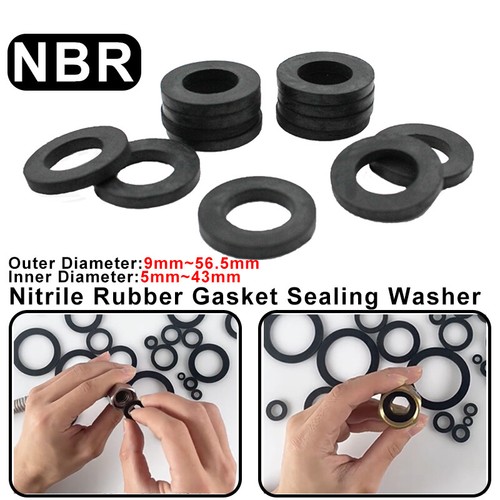
Engineering Capability: Precision-Driven Rubber Solutions
At Suzhou Baoshida Trading Co., Ltd., our engineering capability forms the backbone of our industrial rubber solutions, enabling us to deliver high-performance, application-specific products to global OEMs. With a dedicated team of five specialized mould engineers and two advanced formula engineers, we integrate material science, precision tooling, and manufacturing expertise to solve complex sealing, damping, and insulation challenges across industries such as automotive, aerospace, construction, and industrial machinery.
Our mould engineering team brings over 60 combined years of experience in designing and optimizing rubber moulds for compression, transfer, and injection processes. Each engineer is proficient in CAD/CAM software, including SolidWorks and AutoCAD, and applies finite element analysis (FEA) to simulate flow dynamics, curing behavior, and part stress under operational conditions. This ensures optimal cavity design, reduced cycle times, and minimal flash or parting line defects. We maintain full in-house tooling validation, allowing rapid prototyping and design iteration cycles that reduce time-to-market by up to 30% compared to industry averages.
Complementing our mould expertise is our advanced rubber compounding capability. Our two formula engineers hold advanced degrees in polymer science and specialize in developing custom elastomer formulations tailored to extreme environments—high temperature, chemical exposure, dynamic loading, and UV/ozone resistance. We routinely formulate and test compounds based on NBR, EPDM, FKM, silicone, and specialty blends such as HNBR and ACM. Every formulation undergoes rigorous laboratory testing for tensile strength, elongation, compression set, hardness, and aging characteristics per ASTM and ISO standards.
Our OEM capabilities are built on a foundation of technical collaboration. From initial concept to mass production, we work closely with client engineering teams to co-develop solutions that meet exact performance and regulatory requirements. We support full documentation packages, including DFMEA, process flow diagrams, control plans, and PPAP submissions, ensuring seamless integration into our clients’ supply chains.
All production is conducted under an ISO 9001-certified quality management system, with traceability maintained at the batch level. We also offer lifecycle material requalification and continuous improvement programs to support long-term product reliability.
Below is a summary of our core engineering specifications and capabilities:
| Parameter | Specification |
|---|---|
| Mould Design Software | SolidWorks, AutoCAD, Moldflow |
| Mould Types | Compression, Transfer, Injection (multi-cavity and family moulds) |
| Material Expertise | NBR, EPDM, FKM, Silicone, CR, NR, HNBR, ACM, and custom blends |
| Hardness Range (Shore A) | 30 to 90 ±5 points |
| Temperature Resistance | -60°C to +250°C (material-dependent) |
| Tensile Strength | Up to 25 MPa (formulation-dependent) |
| Compression Set Testing | ASTM D395 (Method B), 70h at 100°C to 150°C |
| Lead Time (Prototype Mould) | 15–25 days (based on complexity) |
| OEM Documentation Support | DFMEA, PFMEA, Control Plan, PPAP, IMDS, RoHS/REACH compliance |
Suzhou Baoshida Trading Co., Ltd. stands as a technically robust partner in industrial rubber manufacturing, where engineering precision meets scalable OEM execution.
Customization Process
Customization Process: Precision Engineering from Concept to Volume Production
At Suzhou Baoshida Trading Co., Ltd., industrial rubber component customization is a rigorously controlled sequence demanding deep materials science expertise and manufacturing discipline. We execute this process to deliver components meeting exact OEM performance, environmental, and lifecycle requirements. Our methodology ensures technical feasibility, material optimization, and seamless scalability.
Drawing Analysis initiates the engagement. Our engineering team conducts a comprehensive review of client CAD files and specifications, scrutinizing critical dimensions, tolerances, surface finishes, and functional interfaces. This phase identifies potential manufacturability challenges early, such as undercuts, thin walls, or complex geometries requiring specialized tooling. We assess material compatibility with the intended operating environment—factors like fluid exposure, temperature extremes, dynamic stress, and regulatory standards (e.g., FDA, ISO 10993, UL). This analysis forms the technical foundation, ensuring the proposed design aligns with both performance goals and production realities before formulation begins.
Formulation leverages our core competency in polymer science. Based on the environmental and mechanical requirements defined in Drawing Analysis, our Rubber Formula Engineers select the optimal base polymer (e.g., NBR, EPDM, FKM, VMQ, HNBR) and develop a precise compound recipe. This involves meticulous balancing of vulcanizing agents, accelerators, fillers, plasticizers, antioxidants, and specialty additives to achieve target properties: compression set resistance, abrasion resistance, low-temperature flexibility, or flame retardancy. Cure kinetics are modeled to ensure efficient processing. Every formulation undergoes rigorous in-house laboratory validation for fundamental properties prior to prototyping.
Prototyping utilizes client-approved tooling or rapid tooling methods to produce functional samples. These prototypes undergo stringent dimensional validation against the original CAD data using CMM and optical measurement systems. Concurrently, physical testing verifies critical performance metrics under simulated service conditions. This stage confirms the formulation’s real-world behavior and tooling accuracy, allowing for iterative refinement of both material composition and mold design based on empirical data.
Mass Production commences only after formal client approval of prototypes and documented process validation. We implement strict process control protocols across our certified production lines, monitoring key parameters like mixing sequence, temperature profiles, cure time, and pressure in real-time. Full traceability of raw materials and process data is maintained for every batch. Statistical process control (SPC) ensures consistent part quality, dimensional stability, and material property conformity throughout the production run, meeting the highest OEM standards for reliability.
Critical material properties are precisely engineered within defined ranges to meet diverse application demands. The table below outlines typical specification parameters achievable through our customization process:
| Parameter | Standard Range | Customization Capability |
|---|---|---|
| Hardness (Shore A) | 30 – 90 | ±2 units tolerance achievable |
| Tensile Strength (MPa) | 8 – 25 | Optimized for specific elongation |
| Elongation at Break (%) | 150 – 700 | Balanced with tear strength |
| Temperature Range (°C) | -60 to +250 (material dep.) | Extended ranges via specialty polymers |
| Compression Set (70h) | <20% (70°C) to <40% (150°C) | Critical for sealing applications |
This integrated approach—from meticulous drawing scrutiny through scientific formulation, validated prototyping, and controlled mass production—guarantees that every rubber component we deliver embodies the precise functional intent of the OEM design, engineered for performance longevity within the operational environment.
Contact Engineering Team
For industrial manufacturers seeking precision-engineered rubber components and custom elastomer solutions, Suzhou Baoshida Trading Co., Ltd. stands as a trusted OEM partner in the global rubber supply chain. With a technical focus on material science, process optimization, and consistent quality control, we deliver high-performance rubber products tailored to the demanding requirements of automotive, aerospace, construction, and heavy machinery sectors. Our engineering team specializes in compound formulation, mold design, and production scalability—ensuring that every rubber component meets exact physical, thermal, and chemical performance criteria.
At the core of our service offering is a commitment to technical collaboration. We work directly with client engineering departments to analyze application environments, recommend optimal elastomer materials—including NBR, EPDM, silicone, FKM, and specialty blends—and validate prototypes under real-world conditions. Whether the requirement is for high-temperature resistance, oil and fuel compatibility, or long-term compression set performance, our formula development process is data-driven and ISO-compliant. Our manufacturing network integrates advanced vulcanization techniques, CNC molding, and rigorous batch testing to maintain dimensional accuracy and material consistency across high-volume production runs.
To ensure seamless integration into your supply chain, we offer full documentation packages, including material certifications (e.g., ASTM D2000, ROHS, FDA), mold flow analysis, and first-article inspection reports. Our logistics infrastructure supports JIT delivery models and vendor-managed inventory programs for OEMs with synchronized production schedules.
For technical inquiries, custom formulation requests, or to initiate a new product development project, we invite direct engagement with our OEM management team. Mr. Boyce, OEM Account Engineer, serves as the primary technical liaison for industrial clients seeking to evaluate our rubber compound capabilities or submit application-specific performance requirements.
The following table summarizes key technical parameters supported in our standard and custom rubber manufacturing processes:
| Property | Range / Specification |
|---|---|
| Hardness (Shore A) | 30–90 ±5 |
| Tensile Strength | Up to 25 MPa (material dependent) |
| Elongation at Break | 150–600% |
| Temperature Range | -60°C to +300°C (material dependent) |
| Compression Set (22 hrs, 70°C) | ≤20% (per ASTM D395) |
| Volume Swell in ASTM #3 Oil | ≤35% (70 hrs, 100°C) |
| Molding Tolerances (per ISO 3302) | Class M3–M4 |
| Standard Materials | NBR, EPDM, FKM, Silicone, NR, CR, IIR |
| Certifications | ISO 9001:2015, ROHS, FDA (upon request) |
Contact Mr. Boyce directly at [email protected] to submit technical drawings, material specifications, or request a formulation review. Our team responds to all OEM inquiries within 8 business hours and can provide sample timelines within 5–7 working days upon receipt of application data. For urgent development cycles, expedited prototyping and testing services are available. Partner with Suzhou Baoshida for technically grounded rubber solutions backed by industrial precision and responsive engineering support.
⚖️ O-Ring Weight Calculator
Estimate rubber O-ring weight (Approx).