
Technical Contents
Engineering Guide: Rubber Interlocking Pavers
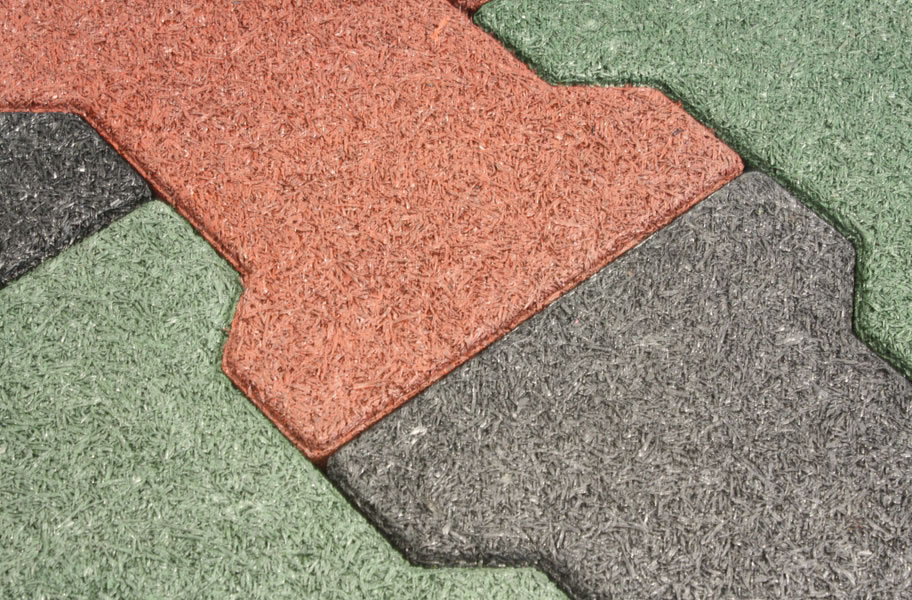
Engineering Insight: Material Selection in Rubber Interlocking Pavers
The performance and longevity of rubber interlocking pavers are fundamentally dictated by material composition. In industrial environments—such as manufacturing floors, logistics hubs, and maintenance bays—off-the-shelf rubber pavers frequently fail to meet operational demands. These failures stem from an oversimplified approach to material selection, where cost and availability often override engineering rigor. At Suzhou Baoshida Trading Co., Ltd., we emphasize that durable performance begins not with design alone, but with precision in polymer formulation and reinforcement strategy.
Standard commercial pavers typically utilize recycled rubber granules bound with low-grade adhesives. While this reduces upfront cost, it compromises structural integrity under continuous mechanical stress, thermal cycling, and exposure to oils, greases, and cleaning agents. The absence of cross-linking agents and UV stabilizers accelerates surface degradation, leading to cracking, delamination, and loss of interlock. Furthermore, inconsistent particle size distribution in reclaimed rubber results in non-uniform compaction, reducing load-bearing capacity and increasing trip hazards.
In contrast, engineered rubber pavers rely on a controlled blend of vulcanized EPDM or SBR compounds, selected for specific physical properties. The vulcanization process enhances elasticity and tensile strength, while reinforcing fillers such as carbon black or silica improve abrasion resistance and thermal stability. These formulations are calibrated to maintain performance across temperature extremes from -40°C to +80°C, critical in environments with fluctuating operational conditions.
Another critical factor is density control. Low-density pavers may offer initial comfort underfoot but compress permanently under static loads, disrupting the interlocking mechanism and creating uneven surfaces. High-performance pavers maintain a balanced density that supports impact absorption without sacrificing dimensional stability.
At Suzhou Baoshida, we subject all rubber compounds to accelerated aging tests, compression set analysis, and slip resistance evaluation per ISO 48, ISO 177, and DIN 51130 standards. This ensures that our pavers retain functionality over extended service life, even in high-traffic and chemically aggressive settings.
The following table outlines key material specifications that differentiate engineered pavers from generic alternatives:
| Property | Generic Recycled Paver | Engineered Paver (Baoshida Standard) |
|---|---|---|
| Base Polymer | Mixed reclaimed rubber | Vulcanized EPDM/SBR blend |
| Density (kg/m³) | 600–750 | 950–1100 |
| Tensile Strength (MPa) | 3.0–4.5 | ≥8.0 |
| Elongation at Break (%) | 80–120 | ≥200 |
| Compression Set (70°C, 22h) | ≤35% | ≤15% |
| Shore A Hardness | 55–65 | 65–75 |
| Oil Resistance (Volume Swell, IRM 903) | >25% | <10% |
| UV Resistance | Poor (cracking in 6–12 months) | Excellent (5+ years outdoor exposure) |
Material selection is not a commodity decision—it is an engineering imperative. Choosing pavers based solely on price ignores the total cost of ownership, including downtime, safety risks, and replacement cycles. By prioritizing scientifically validated rubber formulations, industrial facilities can achieve lasting, safe, and efficient flooring solutions.
Material Specifications
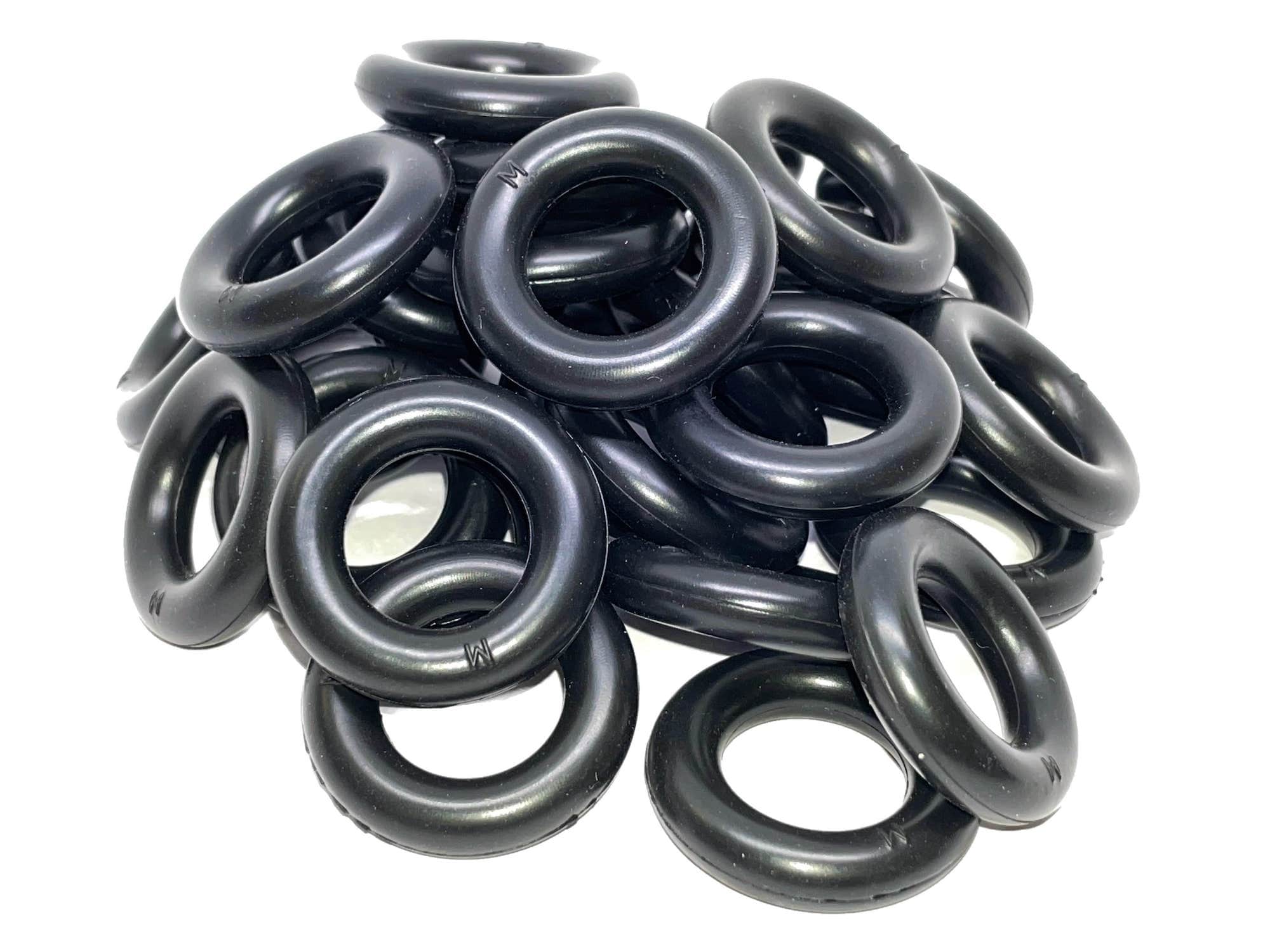
Material Specifications for Industrial Rubber Interlocking Pavers
Selecting the optimal elastomer for interlocking paver systems is critical for ensuring long-term performance under demanding environmental and mechanical stresses. At Suzhou Baoshida Trading Co., Ltd., we prioritize material science rigor to deliver solutions that withstand compression, UV exposure, thermal cycling, and chemical degradation. Our engineered formulations for Viton (FKM), Nitrile (NBR), and Silicone (VMQ) are tailored to specific operational profiles, balancing resilience, cost efficiency, and application longevity. Each compound undergoes stringent ASTM D2000 and ISO 37 testing to validate performance metrics before OEM integration.
Viton (FKM) represents the pinnacle of chemical and thermal resistance, making it ideal for pavers exposed to fuels, oils, or extreme temperatures. Its fluorocarbon structure maintains integrity from -20°C to 250°C, with exceptional resistance to ozone, acids, and hydrocarbons. Viton formulations achieve Shore A hardness values of 70–85 and tensile strengths exceeding 15 MPa, though its premium cost aligns with specialized industrial settings like chemical processing zones or high-temperature transit corridors.
Nitrile (NBR) offers a cost-effective balance for moderate environmental challenges, particularly where oil and fuel resistance is paramount. Operating effectively between -30°C and 120°C, NBR compounds exhibit Shore A hardness of 60–80 and tensile strengths of 10–18 MPa. While vulnerable to ozone and UV degradation without protective additives, its abrasion resistance and low compression set (typically <25% at 100°C) make it suitable for parking lots, logistics hubs, and general-purpose outdoor installations.
Silicone (VMQ) excels in extreme temperature flexibility and weathering resistance, spanning -60°C to 230°C. Its inorganic backbone provides unmatched UV and ozone stability, with Shore A hardness ranging from 40–70 and tensile strengths of 6–10 MPa. Though less resistant to oils than NBR or Viton, Silicone’s low-temperature elasticity and non-toxic profile are optimal for pedestrian zones, rooftop gardens, and cold-climate applications where thermal contraction is a critical failure mode.
The comparative specifications below detail core performance parameters for informed material selection:
| Property | Viton (FKM) | Nitrile (NBR) | Silicone (VMQ) |
|---|---|---|---|
| Temperature Range (°C) | -20 to 250 | -30 to 120 | -60 to 230 |
| Shore A Hardness | 70–85 | 60–80 | 40–70 |
| Tensile Strength (MPa) | 15–20 | 10–18 | 6–10 |
| Compression Set (%) | ≤20 (200°C/70h) | ≤25 (100°C/22h) | ≤20 (200°C/70h) |
| Key Chemical Resistance | Fuels, Acids, Ozone | Oils, Aliphatic Hydrocarbons | UV, Ozone, Water |
| Primary Application | Chemical plants, High-heat zones | Parking lots, Warehouses | Pedestrian areas, Extreme cold |
Material selection must align with site-specific stressors. Viton is non-negotiable for aggressive chemical exposure, NBR delivers economic robustness for oil-prone environments, and Silicone ensures dimensional stability in volatile thermal cycles. Suzhou Baoshida’s OEM partnerships leverage these specifications to engineer pavers that exceed 15-year service life under validated load conditions, minimizing lifecycle costs through precision compounding. Consult our technical team to match your operational profile with the optimal elastomer formulation.
Manufacturing Capabilities
Engineering Capability
At Suzhou Baoshida Trading Co., Ltd., our engineering team forms the backbone of our industrial rubber solutions, delivering precision and innovation to every OEM partner. Our dedicated technical staff includes five specialized mould engineers and two advanced rubber formula engineers, enabling us to control every phase of product development—from concept to mass production. This integrated engineering approach ensures that our rubber interlocking pavers meet rigorous performance standards while aligning with client-specific design and application requirements.
Our mould engineers bring extensive experience in precision tooling design, utilizing advanced CAD/CAM software and CNC machining techniques to develop high-tolerance steel and aluminum moulds. These professionals optimize cavity layout, gating systems, and cooling channels to ensure consistent part quality, extended tool life, and efficient cycle times. Their expertise supports rapid prototyping, design validation, and seamless scale-up to high-volume manufacturing. Whether producing standard configurations or custom interlocking geometries, our mould engineering team guarantees dimensional accuracy and long-term durability under industrial operating conditions.
Complementing this capability are our two in-house rubber formula engineers, who specialize in elastomer compounding for performance-critical applications. They formulate custom rubber compounds using SBR, EPDM, and reclaimed rubber blends, fine-tuning properties such as abrasion resistance, compression set, tensile strength, and UV stability. Each formulation is developed to meet specific environmental and mechanical demands, such as high-traffic pedestrian zones, industrial flooring, or outdoor recreational areas. Our formula development process includes rigorous lab testing for hardness, elongation, and aging characteristics, ensuring that every batch of rubber pavers performs reliably over time.
As an OEM manufacturing partner, Suzhou Baoshida offers full technical support for private-label and co-developed products. We work closely with clients to translate functional requirements into engineered solutions, providing material data sheets, design for manufacturability (DFM) feedback, and sample validation reports. Our facility supports low-volume pilot runs and scalable production, with strict quality control protocols compliant with ISO standards.
The combination of advanced tooling expertise and scientific material development allows us to deliver rubber interlocking pavers that exceed market expectations in both performance and consistency. This engineering synergy positions us as a trusted technical partner in the industrial rubber sector.
| Specification | Detail |
|---|---|
| Mould Engineers | 5 (CAD/CAM, CNC tooling, DFM) |
| Formula Engineers | 2 (Elastomer compounding, testing) |
| Rubber Types | SBR, EPDM, Reclaimed Rubber Blends |
| Key Properties | Abrasion resistance, UV stability, compression set < 20% |
| Hardness Range (Shore A) | 50–85 |
| Production Capacity | Up to 50,000 units/day |
| OEM Services | Custom design, private labeling, technical documentation |
Customization Process
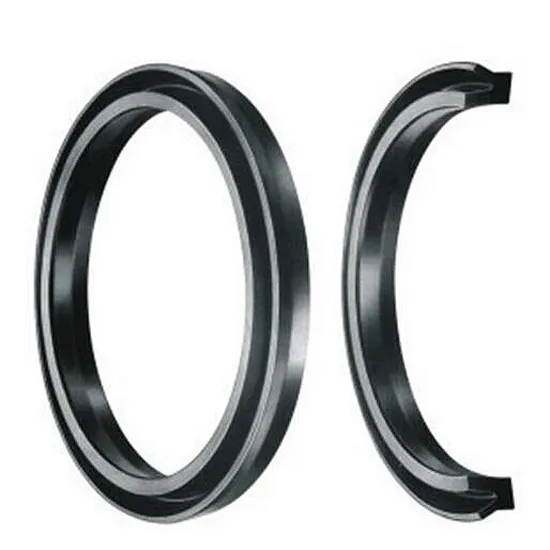
Customization Process for Industrial Rubber Interlocking Pavers
At Suzhou Baoshida Trading Co., Ltd., our customization process for industrial rubber interlocking pavers is engineered for precision and reliability, ensuring optimal performance under demanding operational conditions. This structured workflow transforms client specifications into high-performance paving solutions through rigorous scientific and industrial methodologies.
The process initiates with comprehensive Drawing Analysis. Our engineering team meticulously reviews client-provided technical drawings, focusing on critical dimensional tolerances, interlock geometry, surface texture requirements, and load-bearing specifications. We assess compatibility with anticipated traffic types—such as forklifts, pallet jacks, or heavy machinery—and environmental exposure factors like UV intensity, chemical spills, or temperature extremes. This phase identifies potential manufacturing constraints early, enabling proactive design validation before material selection begins.
Subsequent Formulation Development leverages our proprietary rubber compounding expertise. Based on the validated drawing parameters and performance requirements, our Rubber Formula Engineers precisely calibrate EPDM or SBR-based compounds. Key variables adjusted include polymer ratios, reinforcing fillers (e.g., carbon black or silica), vulcanizing agents, and specialized additives for UV resistance, ozone protection, or flame retardancy. Shore A hardness is systematically tuned between 50–85 to balance impact absorption with structural integrity, while tensile strength and elongation at break are optimized to prevent cracking under cyclic loading. This stage ensures the compound meets exact functional demands without over-engineering material costs.
Prototyping and Validation follows compound finalization. We produce physical samples using precision hydraulic molding under controlled temperature and pressure profiles. Each prototype undergoes stringent in-house testing per ASTM and ISO standards, including compression set analysis, abrasion resistance measurement, and interlock shear strength verification. Client feedback is integrated iteratively; minor geometry or compound adjustments are implemented within 7–10 days. Only after successful validation of all critical performance metrics do we approve the prototype for scale-up.
OEM-Managed Mass Production commences with full documentation control. Production runs utilize dedicated tooling and automated mixing systems to maintain batch consistency. Real-time quality monitoring tracks cure time, hardness deviation (±2 Shore A), and dimensional accuracy (±0.5mm tolerance). Every 500 units undergo抽样 inspection for tensile properties and compression set. We maintain traceability from raw material lot to finished paver, ensuring compliance with the client’s technical dossier. Final packaging is customized for logistics efficiency, with anti-slip pallet configurations and moisture-resistant wrapping for global shipment.
The following table summarizes critical performance specifications achievable through our customization pipeline:
| Property | Test Standard | Typical Range | Industrial Significance |
|---|---|---|---|
| Shore A Hardness | ASTM D2240 | 50–85 | Balances comfort underfoot with load distribution |
| Tensile Strength | ASTM D412 | 7.0–15.0 MPa | Resists tearing from point impacts |
| Elongation at Break | ASTM D412 | 200–450% | Accommodates thermal expansion without fracture |
| Compression Set (22h/70°C) | ASTM D395 | ≤ 25% | Maintains interlock integrity after sustained load |
| Abrasion Loss (Taber) | ASTM D5963 | ≤ 120 mg/1000 cycles | Ensures longevity under heavy wheeled traffic |
| Color Fastness (UV) | ISO 4892-2 | ≥ 4 (on 1-5 scale) | Prevents premature fading in outdoor exposure |
Contact Engineering Team
Contact Suzhou Baoshida for Premium Rubber Interlocking Pavers
Suzhou Baoshida Trading Co., Ltd. stands at the forefront of industrial rubber solutions, delivering high-performance rubber interlocking pavers engineered for durability, safety, and long-term value. As a trusted OEM partner with extensive expertise in rubber formulation and manufacturing, we specialize in customizing paver solutions to meet the exact demands of industrial flooring, logistics centers, automotive facilities, and commercial environments. Our rubber interlocking pavers are designed to withstand heavy loads, resist abrasion and impact, and provide superior slip resistance, making them ideal for high-traffic and high-stress applications.
We invite manufacturers, distributors, and industrial project developers to contact Mr. Boyce, our dedicated OEM Manager and Rubber Formula Engineer, to discuss tailored rubber paver solutions. Whether you require standard product specifications or custom formulations with specific hardness, color, thickness, or surface texture, our team ensures precision engineering and consistent quality control throughout production. With advanced compounding capabilities and strict adherence to international standards, Suzhou Baoshida delivers products that meet rigorous performance criteria across diverse operational environments.
Our interlocking design ensures rapid installation, minimal maintenance, and seamless replacement when needed, reducing downtime and labor costs. The modular nature of our pavers allows for flexible layout configurations and easy adaptation to irregular floor spaces. Additionally, the inherent shock absorption and sound-dampening properties of our rubber compounds enhance workplace safety and comfort.
To initiate collaboration or request technical documentation, samples, and pricing, please contact Mr. Boyce directly via email at [email protected]. We respond promptly to all inquiries and support global distribution with reliable logistics and scalable production capacity.
Below are the standard technical specifications of our most widely supplied rubber interlocking pavers. Custom modifications are available upon request.
| Property | Specification |
|---|---|
| Material Composition | Recycled SBR and virgin rubber blend |
| Density | 1.15–1.25 g/cm³ |
| Hardness (Shore A) | 65–75 |
| Tensile Strength | ≥8.0 MPa |
| Elongation at Break | ≥200% |
| Compression Set (22 hrs @ 70°C) | ≤25% |
| Thickness Tolerance | ±0.5 mm |
| Standard Dimensions | 500 mm × 500 mm × 20 mm or 30 mm |
| Interlocking Pattern | Four-way male-female edge |
| Flame Resistance | Meets ASTM E648 Class II |
| Operating Temperature Range | -30°C to +80°C |
| Slip Resistance (DIN 51130) | R10 (suitable for industrial use) |
Partner with Suzhou Baoshida to integrate high-performance rubber interlocking pavers into your product line or project. Reach out to Mr. Boyce today at [email protected] to discuss technical requirements, request samples, or schedule a consultation.
⚖️ O-Ring Weight Calculator
Estimate rubber O-ring weight (Approx).