
Technical Contents
Engineering Guide: Rubber Isolation Feet
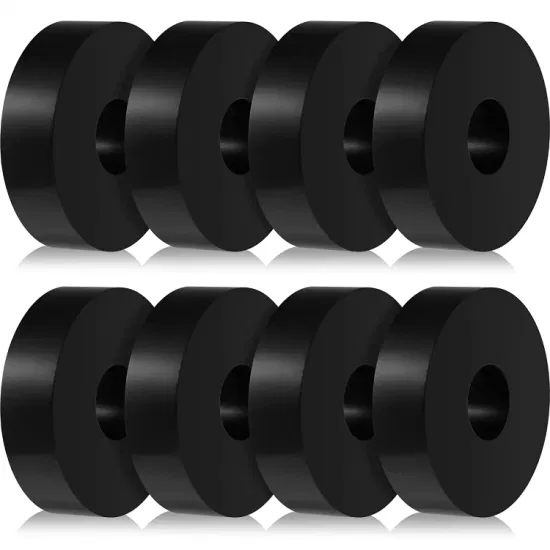
Engineering Insight: Material Selection in Rubber Isolation Feet
Material selection is the cornerstone of effective vibration isolation in industrial rubber feet, yet it remains the most frequently overlooked factor in off-the-shelf solutions. Generic isolation feet often fail prematurely because they prioritize cost and availability over the precise material properties required for specific operational environments. When vibration energy resonates through inadequately formulated rubber compounds, it accelerates fatigue, compromises structural integrity, and ultimately transmits destructive forces to sensitive machinery. This results in unplanned downtime, increased maintenance costs, and reduced equipment lifespan—consequences directly tied to suboptimal polymer chemistry.
Off-the-shelf feet typically utilize standard rubber formulations optimized for broad applicability rather than targeted performance. For instance, a natural rubber compound may suffice for light-duty indoor applications but catastrophically degrades under ozone exposure or oil contact common in manufacturing settings. Similarly, incorrect hardness (durometer) ratings lead to resonance at operational frequencies, amplifying vibration instead of isolating it. Static load ratings on generic products ignore dynamic cyclic stresses inherent in rotating or reciprocating equipment, causing rapid compression set and loss of damping efficacy. Without tailored compound design, isolation feet cannot maintain consistent performance across temperature extremes, chemical exposure, or prolonged cyclic loading—conditions demanding rigorous material science input.
The following table outlines critical material properties for common rubber compounds used in industrial isolation feet, illustrating why standardized solutions fall short:
| Compound Type | Hardness Range (Shore A) | Temperature Range (°C) | Oil/Fuel Resistance | Compression Set (70°C, 22h) | Key Industrial Limitations |
|---|---|---|---|---|---|
| Natural Rubber (NR) | 40–70 | -50 to +70 | Poor | ≤ 20% | Degrades rapidly with ozone, oil, and UV exposure; unsuitable for harsh environments |
| Nitrile (NBR) | 50–90 | -40 to +100 | Excellent | ≤ 25% | Limited high-temperature stability; stiffens below -30°C |
| EPDM | 40–80 | -50 to +150 | Moderate | ≤ 15% | Poor resistance to petroleum-based fluids; swells in oil |
| Custom Formulated | 30–95 (precise tuning) | -60 to +200 | Engineered per requirement | ≤ 10% | Requires OEM collaboration for application-specific validation |
At Suzhou Baoshida Trading Co., Ltd., we engineer rubber isolation feet by reverse-engineering the operational profile: vibration frequency spectra, environmental contaminants, dynamic load profiles, and lifecycle expectations. Our compound development process modifies polymer chains with specialized additives—reinforcing fillers for tear resistance, antioxidants for thermal stability, and plasticizers for low-temperature flexibility—ensuring the material’s dynamic modulus aligns precisely with the machinery’s resonant frequencies. This eliminates the guesswork inherent in off-the-shelf products, where material properties are static compromises.
OEMs must recognize that isolation feet are not commodities but engineered components. Partnering with a supplier capable of material science-driven customization prevents the cascading failures of generic solutions. By prioritizing compound formulation over dimensional conformity, industrial operations achieve true vibration control, extending asset longevity and operational reliability. Suzhou Baoshida delivers this precision through iterative testing and data-backed material selection—transforming isolation from a cost line item into a strategic performance enabler.
Material Specifications
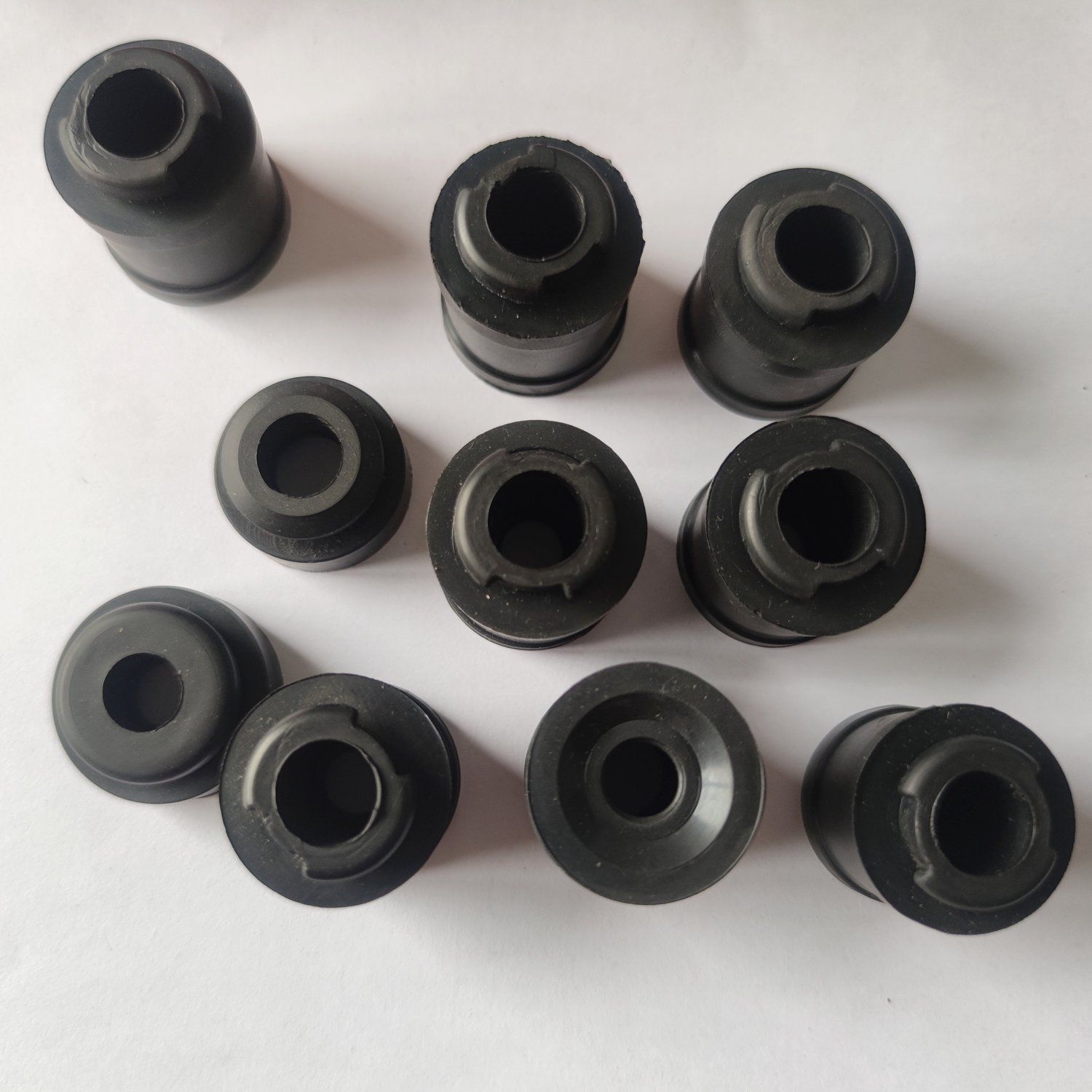
Material selection is a critical determinant in the performance and longevity of rubber isolation feet, particularly in demanding industrial environments. At Suzhou Baoshida Trading Co., Ltd., we engineer isolation solutions to meet precise operational requirements, focusing on vibration damping, chemical resistance, temperature stability, and mechanical durability. Our primary elastomers—Viton, Nitrile (NBR), and Silicone—are selected based on their distinct polymer characteristics and compatibility with specific service conditions.
Viton, a fluorocarbon-based rubber (FKM), offers exceptional resistance to high temperatures, oils, fuels, and a broad spectrum of aggressive chemicals. This makes it ideal for isolation feet deployed in aerospace, petrochemical, and high-performance automotive applications where exposure to hydrocarbons and extreme heat is routine. Viton maintains structural integrity from -20°C to +200°C, with intermittent resistance up to 250°C. Its high cost is justified in environments where failure due to chemical degradation or thermal breakdown is not acceptable.
Nitrile rubber (NBR) is a cost-effective, widely used elastomer known for its excellent resistance to petroleum-based oils, greases, and hydraulic fluids. With a temperature range of -30°C to +100°C (extendable to 120°C briefly), NBR is suitable for general industrial machinery, compressors, and HVAC systems. While not as thermally stable or chemically resistant as Viton, Nitrile provides strong abrasion resistance and mechanical strength, making it a reliable choice for dynamic loading conditions. However, it exhibits poor performance in ozone, UV, and polar solvent environments, necessitating protective measures in outdoor or chemical-exposed installations.
Silicone rubber (VMQ) excels in extreme temperature applications, functioning reliably from -60°C to +200°C, with some formulations tolerating brief excursions beyond. It demonstrates outstanding resistance to UV radiation, ozone, and weathering, making it ideal for outdoor or high-altitude applications. Silicone is also biocompatible and often used in cleanroom or medical equipment settings. However, its mechanical strength and resistance to oils and fuels are inferior to both Viton and Nitrile, limiting its use in high-vibration or hydrocarbon-rich environments.
Choosing the correct material requires balancing performance parameters with cost and service life expectations. Below is a comparative summary of key technical specifications for these elastomers in the context of rubber isolation feet.
| Property | Viton (FKM) | Nitrile (NBR) | Silicone (VMQ) |
|---|---|---|---|
| Temperature Range (°C) | -20 to +200 | -30 to +100 | -60 to +200 |
| Tensile Strength (MPa) | 15–20 | 10–20 | 5–8 |
| Elongation at Break (%) | 200–300 | 250–400 | 200–600 |
| Hardness (Shore A, typical) | 70–90 | 60–80 | 40–80 |
| Resistance to Oils & Fuels | Excellent | Excellent | Poor |
| Resistance to Ozone/UV | Excellent | Fair | Excellent |
| Compression Set (High Temp) | Low | Moderate | Low to Moderate |
| Chemical Resistance | Excellent | Good (non-polar) | Fair |
| Cost Level | High | Low to Medium | Medium to High |
Each material presents a unique performance profile, and selection must align with the operational environment, load requirements, and lifecycle expectations of the isolation system.
Manufacturing Capabilities
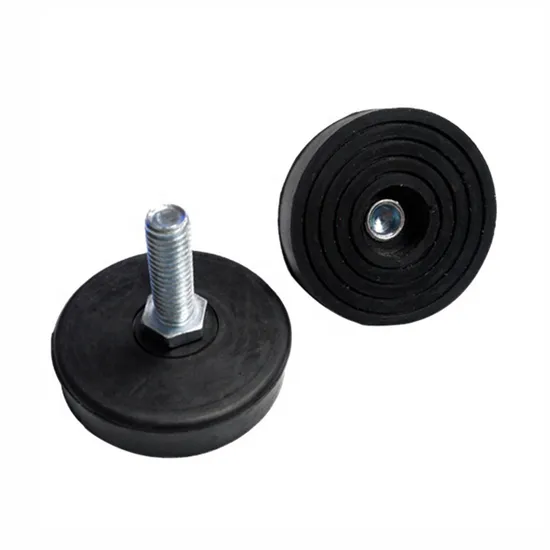
Engineering Capabilities for Precision Rubber Isolation Feet
Suzhou Baoshida Trading Co., Ltd. leverages a dedicated team of seven specialized engineers—five Mould Engineers and two Rubber Formula Engineers—to deliver engineered rubber isolation feet meeting stringent industrial performance criteria. Our integrated approach ensures every component addresses dynamic load requirements, environmental resilience, and longevity demands inherent in industrial machinery, HVAC systems, and precision equipment. Formula development is rooted in material science rigor, optimizing polymer blends for targeted damping coefficients, hysteresis control, and fatigue resistance. This scientific foundation directly translates to isolation efficiency, minimizing structure-borne vibration transmission while maintaining dimensional stability under cyclic stress.
Material selection is systematically validated against operational parameters. Our formula engineers conduct iterative compound testing, adjusting filler systems, plasticizers, and vulcanization protocols to achieve precise Shore A hardness ranges, temperature tolerance, and dynamic modulus properties. This eliminates trial-and-error in client applications, reducing time-to-deployment for critical machinery. Below outlines key material options and their engineered performance profiles for isolation feet:
| Material Type | Hardness Range (Shore A) | Operating Temperature | Dynamic Damping Ratio | Typical Industrial Applications |
|---|---|---|---|---|
| Natural Rubber (NR) | 40–70 | -40°C to +80°C | 0.15–0.25 | Heavy machinery bases, compressors |
| Styrene-Butadiene (SBR) | 50–80 | -30°C to +100°C | 0.10–0.20 | Pumps, generators, conveyor systems |
| EPDM | 60–90 | -50°C to +150°C | 0.08–0.18 | HVAC units, marine equipment, outdoor use |
OEM collaboration is central to our workflow. We initiate projects with detailed technical consultations to define load spectra, deflection limits, and environmental exposure. Our mould engineers then develop precision tooling using CAD/CAM simulations, ensuring optimal material flow and minimizing flash or knit lines that compromise isolation integrity. All compounds undergo accelerated aging tests per ASTM D2240 and ISO 48 standards, with full traceability from raw material batch to finished part. Clients receive comprehensive validation dossiers including hysteresis loops, compression set data, and finite element analysis (FEA) reports for critical interfaces.
Prototyping adheres to accelerated timelines without sacrificing validation depth. We utilize in-house mixing and curing facilities to iterate compound adjustments within 72 hours, followed by dynamic testing on servo-hydraulic shakers replicating real-world vibration profiles. This closed-loop process guarantees that final production units achieve specified transmissibility ratios below 0.25 at resonant frequencies. Suzhou Baoshida’s engineering framework transforms isolation requirements into certified performance—eliminating resonance risks while extending equipment service life through scientifically validated rubber solutions. Partner with us for OEM-grade isolation components engineered for operational certainty.
Customization Process
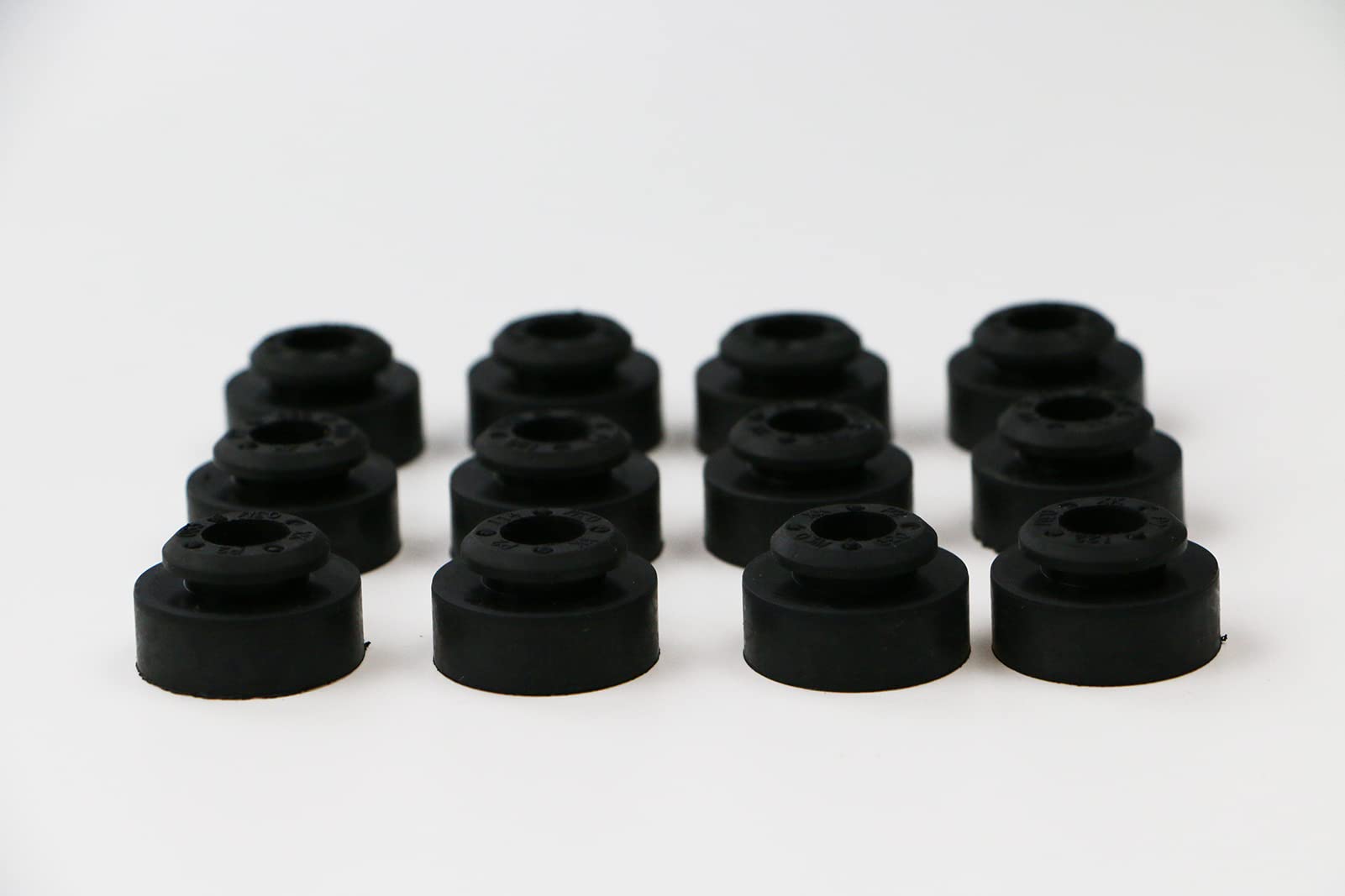
Drawing Analysis
The customization process for rubber isolation feet begins with a comprehensive drawing analysis. At Suzhou Baoshida Trading Co., Ltd., we evaluate customer-provided technical drawings to extract critical dimensional, tolerance, and performance parameters. This includes load-bearing requirements, environmental exposure conditions, and interface geometry with mating components. Our engineering team verifies compliance with ISO 10137 and GB/T 16491 standards for mechanical testing and dimensional accuracy. Any ambiguities in the design are clarified through direct consultation with the client to ensure alignment with application-specific demands such as vibration damping efficiency, static deflection, and resonant frequency suppression.
Formulation Development
Following drawing validation, our rubber formulation engineers initiate material development based on operational conditions. Key factors include dynamic stress levels, temperature range (–40°C to +120°C), exposure to oils, ozone, or UV radiation, and required Shore A hardness. We primarily utilize NR (Natural Rubber), SBR (Styrene-Butadiene Rubber), EPDM (Ethylene Propylene Diene Monomer), or NBR (Nitrile Butadiene Rubber), selecting each compound for its viscoelastic properties and chemical resistance. Our proprietary additive packages enhance fatigue life and compression set resistance. All formulations are documented under internal material specification codes and subjected to preliminary lab-scale rheometry and cure kinetics analysis to ensure process stability.
Prototyping and Validation
Once the compound is finalized, we proceed to prototype production using precision molds fabricated in-house. Prototypes are manufactured under controlled vulcanization conditions—temperature, pressure, and time optimized via our molding simulation software. Each prototype batch undergoes rigorous physical testing, including compression deflection, dynamic stiffness, and durability under accelerated aging per ASTM D573 and ISO 1817. Clients receive a full test report alongside physical samples for fit, form, and function verification. Iterations, if required, are executed within 7–10 working days to accommodate fast development cycles.
Mass Production and Quality Assurance
After prototype approval, we transition to mass production using fully documented process parameters. Our 10,000 m² facility in Suzhou supports high-volume output with automated mixing, injection molding, and post-cure handling systems. Every production lot is subject to AQL 1.0 inspection levels, with random sampling for hardness, weight, dimensional checks, and batch traceability maintained for 5 years. Packaging is customized per client logistics needs, with options for anti-corrosion wrapping and export-grade palletization.
The following table outlines typical performance specifications for standard rubber isolation feet formulations:
| Property | NR | SBR | EPDM | NBR |
|---|---|---|---|---|
| Hardness Range (Shore A) | 50–70 | 55–75 | 50–80 | 60–85 |
| Tensile Strength (MPa) | ≥18 | ≥15 | ≥16 | ≥14 |
| Elongation at Break (%) | ≥450 | ≥400 | ≥350 | ≥300 |
| Temperature Range (°C) | –30 to +100 | –40 to +110 | –40 to +120 | –30 to +100 |
| Oil Resistance | Poor | Fair | Good | Excellent |
| Ozone Resistance | Poor | Fair | Excellent | Good |
This systematic approach ensures consistent delivery of high-performance rubber isolation feet tailored to industrial machinery, HVAC systems, and precision equipment applications.
Contact Engineering Team
Technical Consultation for Precision Rubber Isolation Solutions
Suzhou Baoshida Trading Co., Ltd. operates at the forefront of industrial vibration control engineering, specializing in custom-formulated rubber isolation feet for mission-critical applications. Our expertise spans material science, dynamic load analysis, and OEM integration, ensuring solutions that mitigate structural resonance, reduce equipment fatigue, and maintain operational integrity under extreme thermal and mechanical stress. With over 15 years of collaboration with Tier-1 industrial manufacturers, we deliver ISO 9001-certified components engineered to exacting tolerances. Generic off-the-shelf isolators often fail to address site-specific harmonic frequencies or environmental degradation—compromising both safety and productivity. Our engineered approach begins with a rigorous analysis of your equipment’s dynamic profile, material compatibility requirements, and regulatory constraints.
The table below outlines standard specifications for our most deployed isolation feet series, though 92% of our projects involve bespoke formulations. We prioritize material hysteresis optimization to minimize energy transfer while maximizing longevity in aggressive settings—from petrochemical plants with hydrocarbon exposure to semiconductor fabs requiring ultra-low particle emission.
| Parameter | Standard Series RIF-7 | Custom OEM Series | Test Method |
|---|---|---|---|
| Material | Hydrogenated Nitrile (HNBR) | FKM, EPDM, SIL, or proprietary blends | ASTM D2000 |
| Hardness Range | 50–80 Shore A | 30–90 Shore A | ASTM D2240 |
| Max Load Capacity | 500 kg/foot | Up to 5,000 kg/foot | ISO 1817 |
| Temp Range | -40°C to +150°C | -65°C to +250°C | ASTM D573 |
| Compression Set | ≤15% (70h @ 100°C) | ≤8% (custom) | ASTM D395 |
| Dimensional Tolerance | ±0.5 mm | ±0.1 mm | ISO 2768-mK |
Initiating collaboration with our technical team eliminates the risk of misaligned isolator performance. Mr. Boyce, our dedicated OEM Engineering Manager, will conduct a confidential review of your equipment schematics, operational environment, and failure history. This enables us to model dynamic deflection curves, predict service life under cyclic loading, and select optimal polymer architectures—whether requiring oil resistance, flame retardancy (UL 94 V-0), or conductive properties. Our Shanghai-based R&D lab utilizes advanced rheometry and accelerated aging protocols to validate formulations against your real-world conditions before prototyping.
Do not compromise equipment uptime with inadequate isolation. Contact Mr. Boyce directly to commence a technical dialogue grounded in engineering rigor. Provide your application details—including equipment mass, vibration frequency spectrum, ambient conditions, and target transmissibility—and receive a data-driven proposal within 24 business hours. Our commitment extends beyond component supply: we offer lifetime performance validation support and rapid re-engineering for evolving operational demands.
Contact Mr. Boyce for Technical Collaboration
Email exclusively to [email protected] with subject line: “RIF Technical Query – [Your Company Name]”. Include equipment specifications, current isolation challenges, and target performance metrics. All inquiries receive a structured engineering response within one business day, detailing material recommendations, test protocols, and scalability pathways for volume production. Suzhou Baoshida ensures your vibration control solution is not merely compliant—but engineered for operational excellence.
⚖️ O-Ring Weight Calculator
Estimate rubber O-ring weight (Approx).