
Technical Contents
Engineering Guide: Rubber Light Bulb
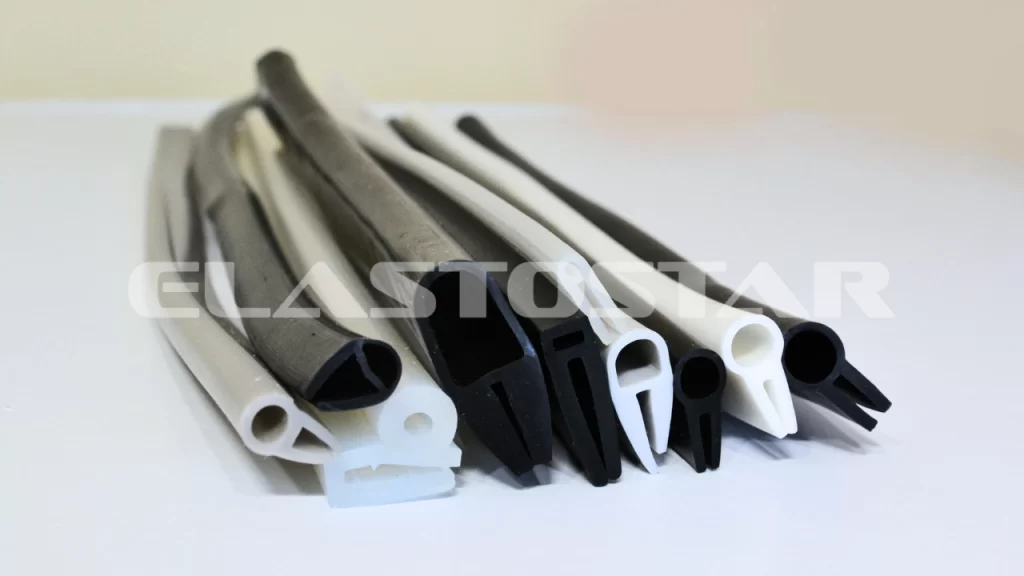
Engineering Insight: Material Science Imperatives for Rubber Components in Light Bulb Manufacturing
The term “rubber light bulb” is a misnomer within optical components; however, precision rubber elements are critical enablers within the manufacturing process of incandescent, halogen, and fluorescent bulbs. These components—primarily high-integrity seals, gaskets, and mandrels within forming machinery and evacuation systems—operate under uniquely severe conditions. Off-the-shelf elastomer solutions consistently fail in this application due to fundamental mismatches between generic material properties and the specific thermochemical environment of bulb production. Understanding this mismatch is paramount for operational reliability and yield optimization.
Light bulb manufacturing subjects rubber parts to extreme thermal cycling (from ambient to over 400°C during glass forming and exhaust processing) and exposure to reactive chemical species, including mercury vapor in fluorescent lines and residual oxygen/halogen compounds. Standard industrial rubbers like Nitrile (NBR) or general-purpose EPDM exhibit rapid degradation under these conditions. NBR suffers catastrophic compression set above 120°C and is permeable to mercury, leading to seal failure and product contamination. EPDM, while offering better heat resistance than NBR, lacks adequate resistance to halogen compounds and mercury, experiencing swelling, hardening, and loss of sealing force within weeks of operation. The consequence is frequent unplanned downtime for seal replacement, compromised vacuum integrity during critical evacuation phases, mercury leakage posing environmental and safety hazards, and ultimately, unacceptable scrap rates on high-speed production lines.
Material selection must prioritize three non-negotiable properties: sustained thermal stability at peak process temperatures, exceptional resistance to mercury permeation and halogen attack, and long-term retention of elastic recovery (low compression set). Generic compounds optimized for cost or general sealing duties lack the molecular architecture to withstand this specific combination of stresses. Pyrolysis of polymer chains, plasticizer migration, and chemical crosslink scission occur rapidly, manifesting as surface cracking, permanent deformation, and leakage paths. The failure is not a matter of if but when with inappropriate materials, directly impacting OEM production efficiency and total cost of ownership.
Suzhou Baoshida Trading Co., Ltd. addresses this through custom-formulated, application-engineered elastomers. Our OEM partnerships begin with rigorous analysis of the specific bulb type, process parameters, and failure modes of incumbent solutions. We develop compounds where base polymer selection, specialized curatives, and proprietary fillers synergistically deliver the required performance envelope. The table below outlines critical specification thresholds for viable rubber components in demanding light bulb manufacturing environments.
| Critical Property | Minimum Requirement | Standard NBR/EPDM Performance | Baoshida Engineered Solution |
|---|---|---|---|
| Continuous Service Temp | ≥ 250°C | ≤ 120°C (NBR), ≤ 150°C (EPDM) | 300°C+ |
| Mercury Vapor Resistance | Excellent | Poor (NBR), Moderate (EPDM) | Excellent |
| Compression Set (24h @ 200°C) | ≤ 30% | > 60% | ≤ 15% |
| Halogen Compound Resistance | Excellent | Poor | Excellent |
| Vacuum Outgassing (10⁻⁶ mbar) | Very Low | High | Ultra-Low |
Our engineered silicone and perfluoroelastomer (FFKM) formulations meet or exceed these stringent benchmarks. This precision material science approach eliminates the chronic failures inherent in off-the-shelf alternatives, ensuring consistent vacuum integrity, extending component service life by 300-500%, and safeguarding production yield. For bulb manufacturers, the initial investment in application-specific rubber compounds translates directly to reduced downtime, lower contamination risk, and superior product quality—proving that in high-stakes manufacturing, the right molecule is the most critical component.
Material Specifications
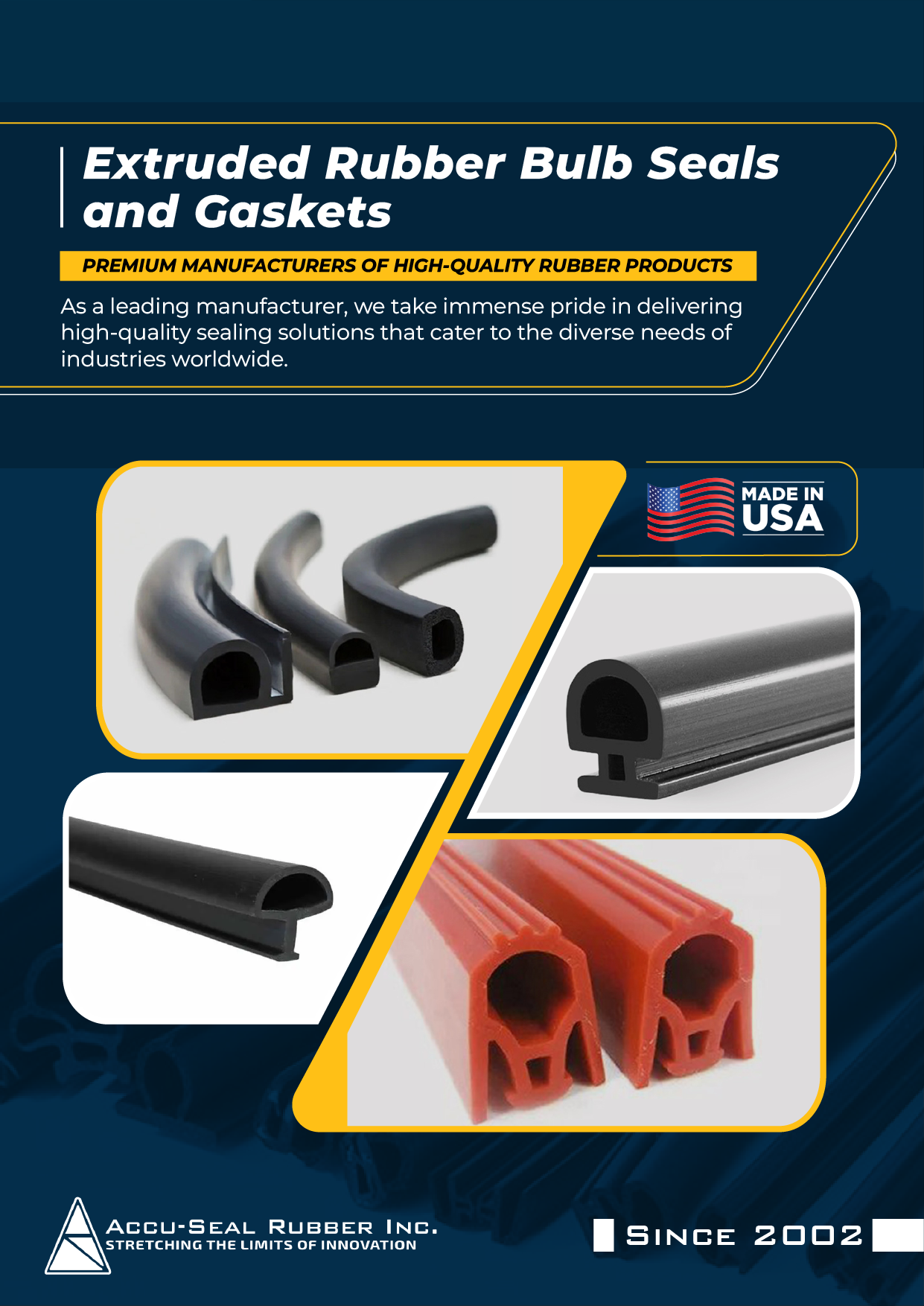
Material selection is a critical factor in the performance and longevity of industrial rubber components, particularly in specialized applications such as rubber light bulb seals and gaskets. At Suzhou Baoshida Trading Co., Ltd., we engineer solutions using high-performance elastomers including Viton, Nitrile (NBR), and Silicone, each offering distinct advantages based on operating environment, chemical exposure, and thermal requirements. Understanding the technical characteristics of these materials ensures optimal functionality in demanding industrial settings.
Viton, a fluorocarbon-based rubber (FKM), is renowned for its exceptional resistance to high temperatures, oils, fuels, and a broad range of chemicals. It maintains structural integrity in continuous service temperatures up to 230°C (446°F), making it ideal for high-heat environments such as automotive lighting systems, aerospace applications, and industrial ovens. Its low gas permeability and excellent aging characteristics further enhance reliability in sealed lighting units where long-term performance is essential.
Nitrile rubber (NBR) is a cost-effective solution offering superior resistance to petroleum-based oils, greases, and hydraulic fluids. With a typical operating temperature range of -30°C to 120°C (-22°F to 248°F), NBR is well-suited for general-purpose industrial lighting applications exposed to lubricants or mechanical fluids. While not as thermally stable as Viton or Silicone, NBR provides excellent abrasion resistance and mechanical strength, ensuring durability in dynamic sealing conditions.
Silicone rubber (VMQ) excels in extreme temperature applications, functioning reliably from -60°C to 200°C (-76°F to 392°F). It demonstrates outstanding resistance to ozone, UV radiation, and weathering, making it a preferred choice for outdoor lighting systems and environments with significant thermal cycling. Though less resistant to petroleum-based fluids than Nitrile or Viton, Silicone offers superior electrical insulation properties and low compression set, ensuring consistent sealing force over time.
The following table summarizes key physical and chemical properties of these materials to guide selection for rubber light bulb applications:
| Property | Viton (FKM) | Nitrile (NBR) | Silicone (VMQ) |
|---|---|---|---|
| Temperature Range (°C) | -20 to 230 | -30 to 120 | -60 to 200 |
| Temperature Range (°F) | -4 to 446 | -22 to 248 | -76 to 392 |
| Tensile Strength (MPa) | 15–20 | 10–25 | 6–10 |
| Elongation at Break (%) | 200–300 | 200–500 | 200–700 |
| Hardness (Shore A) | 60–90 | 50–90 | 30–80 |
| Resistance to Oils/Fuels | Excellent | Excellent | Poor |
| Resistance to Ozone/UV | Excellent | Good | Excellent |
| Compression Set Resistance | Excellent | Good | Very Good |
| Electrical Insulation | Good | Fair | Excellent |
Selecting the appropriate elastomer requires a comprehensive evaluation of service conditions, including thermal exposure, chemical contact, mechanical stress, and regulatory compliance. Suzhou Baoshida Trading Co., Ltd. provides tailored rubber solutions backed by rigorous material testing and OEM collaboration to ensure peak performance in industrial lighting and beyond.
Manufacturing Capabilities
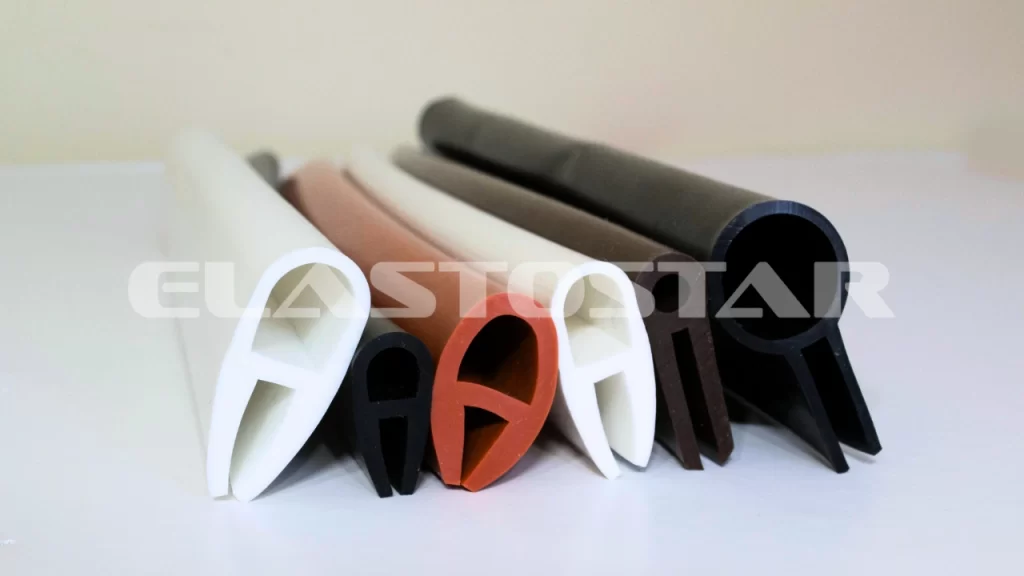
Engineering Capabilities for Precision Rubber Components in Lighting Applications
Contrary to colloquial terminology, industrial “rubber light bulb” applications refer exclusively to critical sealing and insulating components within LED housings, projector assemblies, and outdoor lighting fixtures—not the bulb envelope itself. Suzhou Baoshida Trading Co., Ltd. specializes in engineered rubber solutions where thermal stability, compression resilience, and environmental resistance are non-negotiable. Our integrated engineering team of five dedicated mould designers and two advanced formula specialists operates at the intersection of material science and precision manufacturing, eliminating the traditional disconnect between compound development and tooling execution. This synergy ensures every component meets exacting OEM specifications while mitigating common field failures such as compression set, thermal degradation, or dimensional drift.
Our formula engineers leverage proprietary EPDM, silicone, and FKM compound libraries tailored for lighting-sector demands. Each formulation undergoes rigorous thermal aging, fluid resistance, and dynamic fatigue testing to guarantee performance across extreme temperature cycles (-50°C to +200°C) and prolonged UV exposure. Concurrently, our mould engineering team employs 3D flow simulation and finite element analysis (FEA) to optimize gate placement, cooling channels, and venting—critical for preventing knit lines, sink marks, or flash in thin-walled sealing profiles. This parallel development approach reduces prototyping iterations by 40% and accelerates time-to-market for complex geometries like multi-lip gaskets or co-molded lens mounts.
As a certified OEM partner, we manage end-to-end production under ISO 9001 and IATF 16949 frameworks. Our capabilities span from initial CAD-based feasibility studies through automated high-cavity moulding (50-500 ton presses) to 100% inline vision inspection. Clients benefit from closed-loop process control, where real-time rheometer data from the rubber batch line directly informs mould parameter adjustments, ensuring lot-to-lot consistency. We maintain dedicated cleanroom cells for medical-grade lighting components and support rapid material qualification against global standards including UL 746C, RoHS, and REACH.
The following table illustrates typical performance benchmarks for our lighting-grade EPDM compounds, validated per ASTM D2000 and ISO 3302:
| Property | Test Method | Typical Value | Target Application |
|---|---|---|---|
| Hardness (Shore A) | ASTM D2240 | 55 ± 5 | Lens retention seals |
| Tensile Strength (MPa) | ASTM D412 | ≥ 10.0 | Structural mounting grommets |
| Compression Set (%) | ASTM D395 B | ≤ 25 @ 100°C | High-temp housing seals |
| Heat Aging (70h/125°C) | ASTM D573 | Δ Hardness ≤ +8 | Long-life outdoor fixtures |
| Fluid Resistance (IRM 903) | ASTM D471 | Volume Swell ≤ 15% | Fuel/coolant proximity parts |
This technical rigor, combined with our dual-discipline engineering model, positions Baoshida as a strategic partner for lighting OEMs requiring failure-proof rubber components. We transform material constraints into design advantages—ensuring every gasket, boot, or insulator performs flawlessly across 50,000+ operational hours. Partner with us to convert lighting durability challenges into competitive market differentiators.
Customization Process
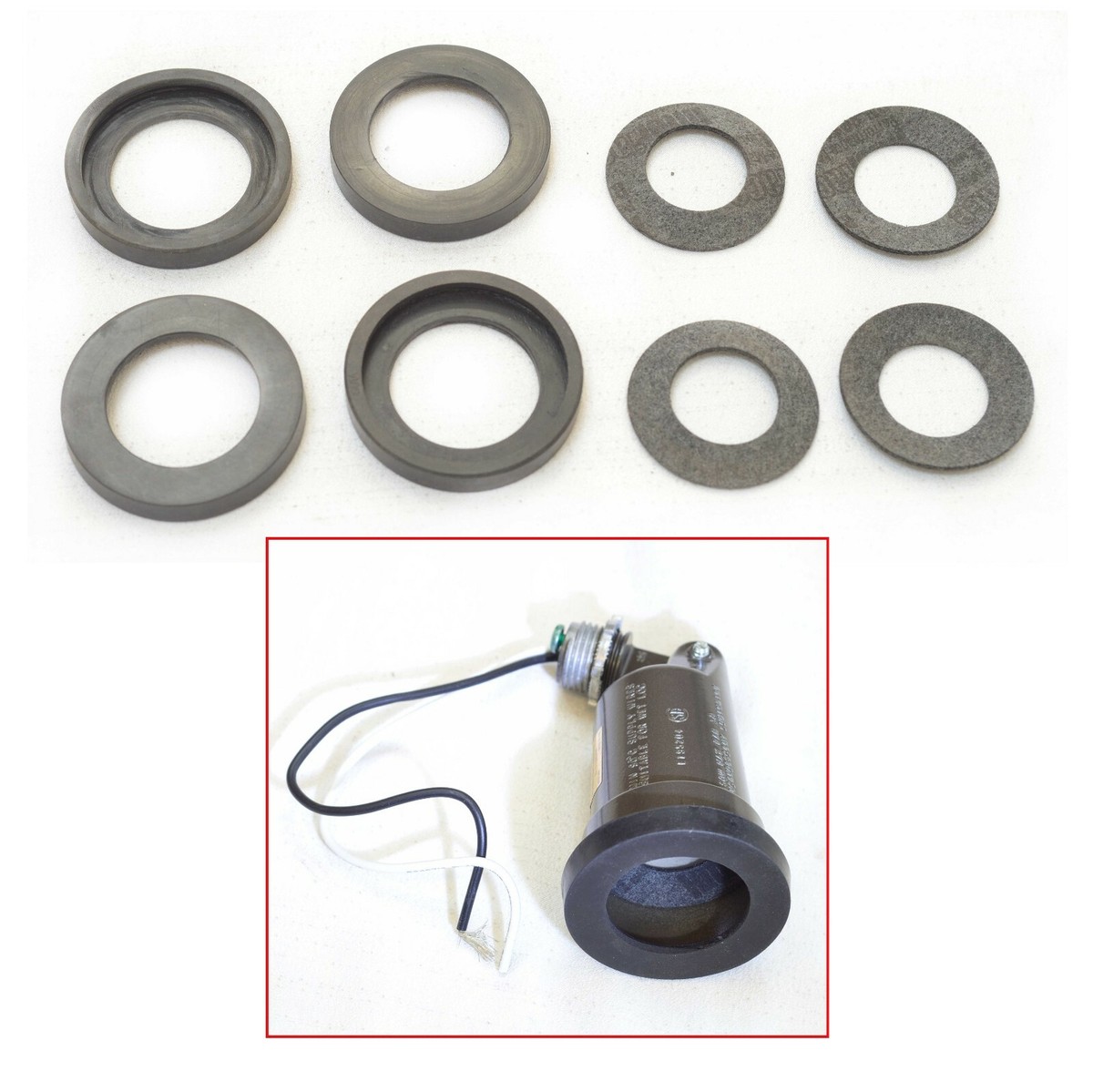
Drawing Analysis
The customization process for industrial rubber components, including specialized applications such as rubber light bulb seals or insulation housings, begins with rigorous drawing analysis. At Suzhou Baoshida Trading Co., Ltd., engineering teams conduct a dimensional and functional review of client-provided technical drawings. This includes evaluating tolerance specifications, geometric complexity, parting lines, draft angles, and potential molding constraints. Our engineers perform Design for Manufacturability (DFM) assessments to identify any inconsistencies that may affect vulcanization, demolding, or final performance. Critical features such as sealing surfaces, wall thickness uniformity, and interface compatibility are cross-verified against international standards (ISO 3302, ISO 2768) to ensure production feasibility. This phase establishes the foundation for material selection and tooling design, minimizing rework and accelerating time-to-market.
Formulation Development
Following drawing validation, our rubber formula engineers initiate compound development tailored to the operational environment of the rubber light bulb component. Key performance indicators include thermal stability (especially for high-temperature lighting applications), electrical insulation resistance, UV resistance, and compression set. Base polymers such as silicone rubber (VMQ), ethylene propylene diene monomer (EPDM), or fluorocarbon rubber (FKM) are selected based on temperature range, chemical exposure, and regulatory compliance (e.g., RoHS, REACH). The formulation process involves precise integration of reinforcing fillers, curatives, plasticizers, and stabilizers to achieve target hardness (Shore A), tensile strength, and elongation at break. Each compound is documented under internal batch control standards and subjected to preliminary rheological testing to ensure optimal flow during molding.
Prototyping and Validation
Once the formulation is finalized, low-volume prototyping is executed using precision CNC-machined or cast molds. Prototypes undergo a battery of physical and environmental tests, including thermal aging (per ASTM D573), compression set (ASTM D395), dielectric strength testing, and dimensional inspection via coordinate measuring machines (CMM). Functional trials simulate real-world installation and operational stress to validate sealing integrity and durability. Client feedback is integrated iteratively, and material or design refinements are implemented as needed. This phase typically spans 2–3 iterations and concludes with approval of the First Article Inspection (FAI) report.
Mass Production Readiness
Upon prototype approval, the process transitions to full-scale manufacturing. Automated mixing lines, hydraulic press vulcanizers, and inline quality monitoring systems ensure batch consistency. Production runs are supported by Statistical Process Control (SPC) and regular lot sampling per AQL 1.0 standards. Final products are packaged per client specifications, with full traceability maintained through batch coding and material certificates.
Typical Technical Specifications for Rubber Light Bulb Components
| Property | Test Method | Typical Value |
|---|---|---|
| Hardness (Shore A) | ASTM D2240 | 50–70 |
| Tensile Strength | ASTM D412 | ≥8 MPa |
| Elongation at Break | ASTM D412 | ≥200% |
| Operating Temperature | — | -50°C to +200°C |
| Compression Set (22h, 150°C) | ASTM D395 | ≤25% |
| Dielectric Strength | ASTM D149 | ≥15 kV/mm |
Contact Engineering Team
Contact Suzhou Baoshida for Precision Rubber Light Bulb Components
Suzhou Baoshida Trading Co., Ltd. stands as your definitive engineering partner for mission-critical rubber components within lighting systems, specifically addressing the demanding requirements of rubber light bulb applications. The term “rubber light bulb” often refers to specialized elastomeric elements integrated into lighting assemblies, such as high-temperature seals, vibration-dampening mounts, or optically clear encapsulants requiring stringent material science validation. These components are not standard consumer items but engineered solutions where material composition, thermal stability, and dimensional precision directly impact product lifespan, safety compliance, and optical performance. Our in-house R&D team, leveraging 15+ years of OEM collaboration with Tier-1 automotive and industrial lighting manufacturers, develops custom rubber formulations that withstand extreme thermal cycling, UV exposure, and chemical degradation inherent in modern LED and halogen systems.
Our technical proficiency is quantified through rigorous material specifications, ensuring every compound meets or exceeds global industry benchmarks. Below is a representative snapshot of core capabilities for rubber light bulb-related applications:
| Parameter | Standard Range | Suzhou Baoshida Precision Target | Testing Standard |
|---|---|---|---|
| Hardness (Shore A) | 40–80 | ±2 durometer tolerance | ASTM D2240 |
| Tensile Strength | 8–15 MPa | ≥14 MPa (customizable) | ASTM D412 |
| Elongation at Break | 200–400% | ≥350% (high-flex variants) | ASTM D412 |
| Compression Set (70°C/22h) | ≤30% | ≤18% | ASTM D395 |
| Operating Temperature | -40°C to +150°C | -55°C to +180°C (specialty) | ISO 188 |
| Volume Resistivity | ≥1×10¹² Ω·cm | ≥5×10¹³ Ω·cm (optical grades) | ASTM D257 |
These metrics reflect our commitment to zero-defect manufacturing. Unlike generic rubber suppliers, we implement closed-loop process control during compounding and molding, utilizing real-time rheometry and automated vision inspection to maintain tolerances as tight as ±0.05mm. This precision prevents common field failures such as seal leakage, lens delamination, or electrical tracking in lighting housings. Our ISO 9001 and IATF 16949-certified facility in Suzhou operates dedicated production lines for low-volume, high-complexity runs, ensuring rapid prototyping (7–10 days) and scalable volume production without compromising material homogeneity.
Initiate your project with Suzhou Baoshida to eliminate supply chain vulnerabilities in critical lighting components. Contact Mr. Boyce, our OEM Technical Account Manager, who possesses 12 years of hands-on experience resolving material challenges for global lighting OEMs. Mr. Boyce will coordinate a cross-functional engineering review within 24 hours of your inquiry, providing a preliminary feasibility assessment including DFM analysis, material certification roadmap, and cost-optimized production timeline. His expertise spans silicone, EPDM, and specialty fluorocarbon formulations tailored for optical clarity, thermal management, and regulatory compliance (UL, RoHS, REACH).
Do not risk substandard elastomers that compromise lighting integrity. Email [email protected] with your technical specifications, target volumes, and application environment details. Include “Rubber Light Bulb Inquiry – [Your Company Name]” in the subject line for immediate prioritization. Mr. Boyce will arrange a confidential technical consultation to define compound parameters, share accelerated aging protocol data, and present a formal quotation with guaranteed lead times. Suzhou Baoshida delivers not just rubber parts, but engineered reliability—ensuring your lighting systems perform flawlessly from initial ignition to end-of-life. Partner with us to transform material science into competitive advantage.
⚖️ O-Ring Weight Calculator
Estimate rubber O-ring weight (Approx).