
Technical Contents
Engineering Guide: Rubber Patio Stones
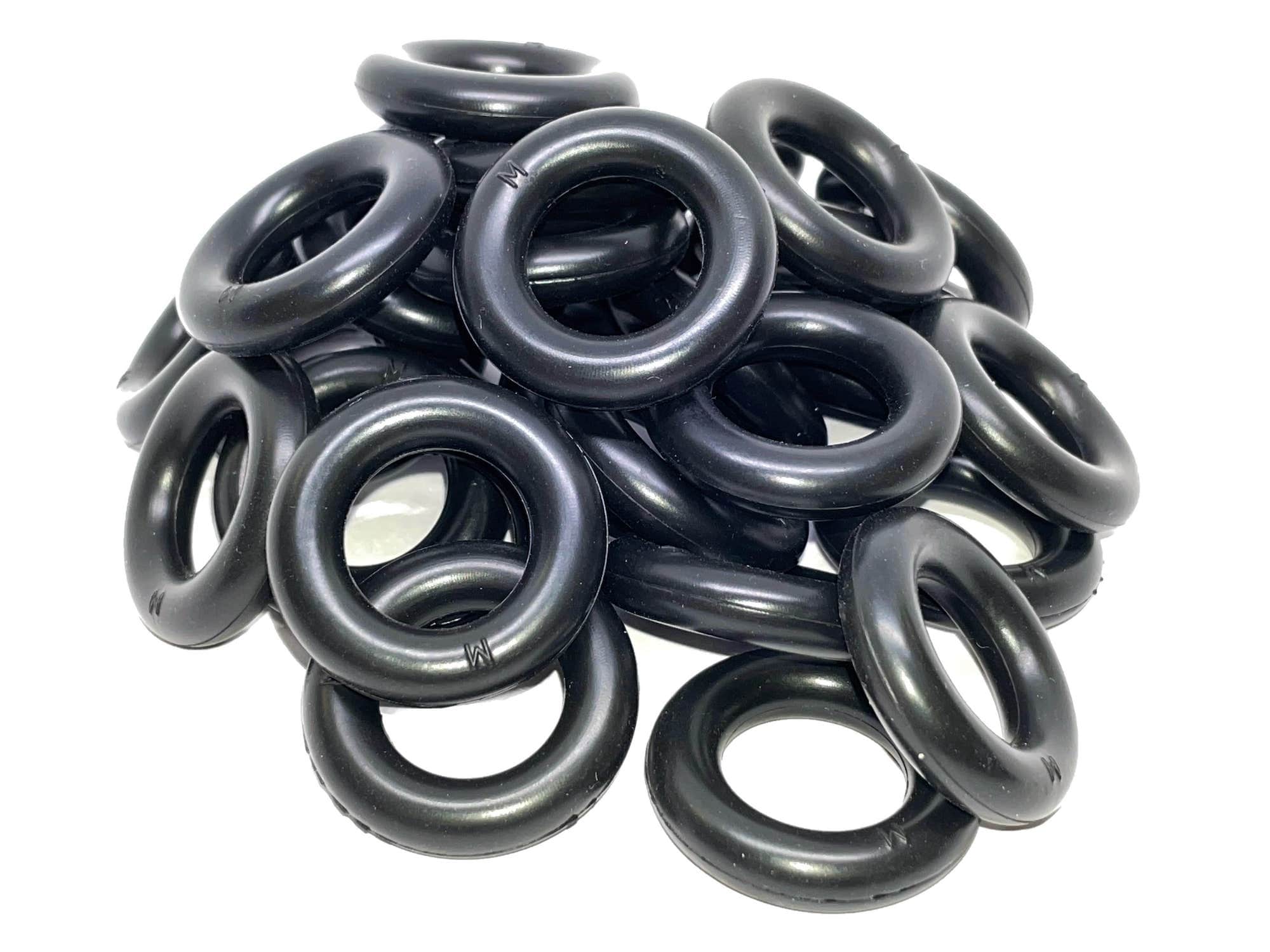
Engineering Insight: Material Selection in Rubber Patio Stones
The performance longevity of rubber patio stones hinges entirely on precision material engineering, not mere commodity sourcing. Off-the-shelf solutions frequently fail under real-world conditions due to inadequate polymer formulation and insufficient performance validation. Generic products often prioritize cost reduction over functional resilience, leading to premature degradation that compromises safety, aesthetics, and lifecycle value. At Suzhou Baoshida Trading Co., Ltd., we treat patio stones as engineered components requiring rigorous material science protocols, not disposable commodities.
Common failure modes in substandard products include surface cracking from UV exposure, irreversible compression set under static loads, and dimensional instability due to thermal cycling. These issues stem from three critical oversights in commodity formulations: insufficient UV stabilizer packages, improper filler-polymer bonding, and narrow operational temperature ranges. For instance, recycled rubber content exceeding 30% without compatibilizers accelerates oxidative degradation, while incorrect vulcanization kinetics cause excessive permanent deformation after six months of seasonal use. Our OEM-grade formulations address these through proprietary SBR/EPDM blends with nano-silica reinforcement and multi-stage antioxidant systems, validated through 2,000-hour QUV accelerated aging tests.
Material selection must align with regional environmental stressors. A patio stone in Scandinavia requires different low-temperature flexibility parameters than one in Southeast Asia, where humidity and fungal resistance become critical. Commodity suppliers typically offer a single “universal” compound, ignoring these variables. Our approach tailors Shore A hardness, compression set, and resilience to specific geographic and load-bearing requirements. The table below illustrates key differentiators between OEM-engineered and commodity-grade patio stones:
| Performance Parameter | Suzhou Baoshida OEM Specification | Commodity Grade Typical Range | Consequence of Substandard Performance |
|---|---|---|---|
| Shore A Hardness Tolerance | 65 ± 3 at 23°C | 55–75 (uncontrolled) | Uneven load distribution; trip hazards |
| Compression Set (70°C, 22h) | ≤ 12% | 25–40% | Permanent sinking; water pooling |
| UV Resistance (QUV-B, 1500h) | ΔE < 3.0; no cracking | ΔE > 8.0; surface fissures | Rapid aesthetic degradation; safety risks |
| Tensile Strength Retention | ≥ 85% after aging | 50–65% | Brittleness; fragmentation under impact |
These specifications are non-negotiable in our manufacturing process. We enforce strict batch traceability from raw material sourcing through vulcanization, ensuring every stone meets ASTM D2240 and ISO 48-4 standards. Commodity alternatives often skip third-party validation, relying on supplier certificates of conformity without independent testing. This creates latent vulnerabilities that manifest only after installation—when remediation costs exceed initial savings by 300%.
Suzhou Baoshida’s patio stones undergo 12-point validation, including dynamic load testing at 5,000 kg/m² and freeze-thaw cycling down to -40°C. This engineering rigor prevents the hidden costs of premature replacement and liability exposure. Material selection isn’t a cost center—it’s the foundation of lifecycle reliability. Partner with us to transform patio infrastructure from a maintenance liability into a durable asset.
Material Specifications
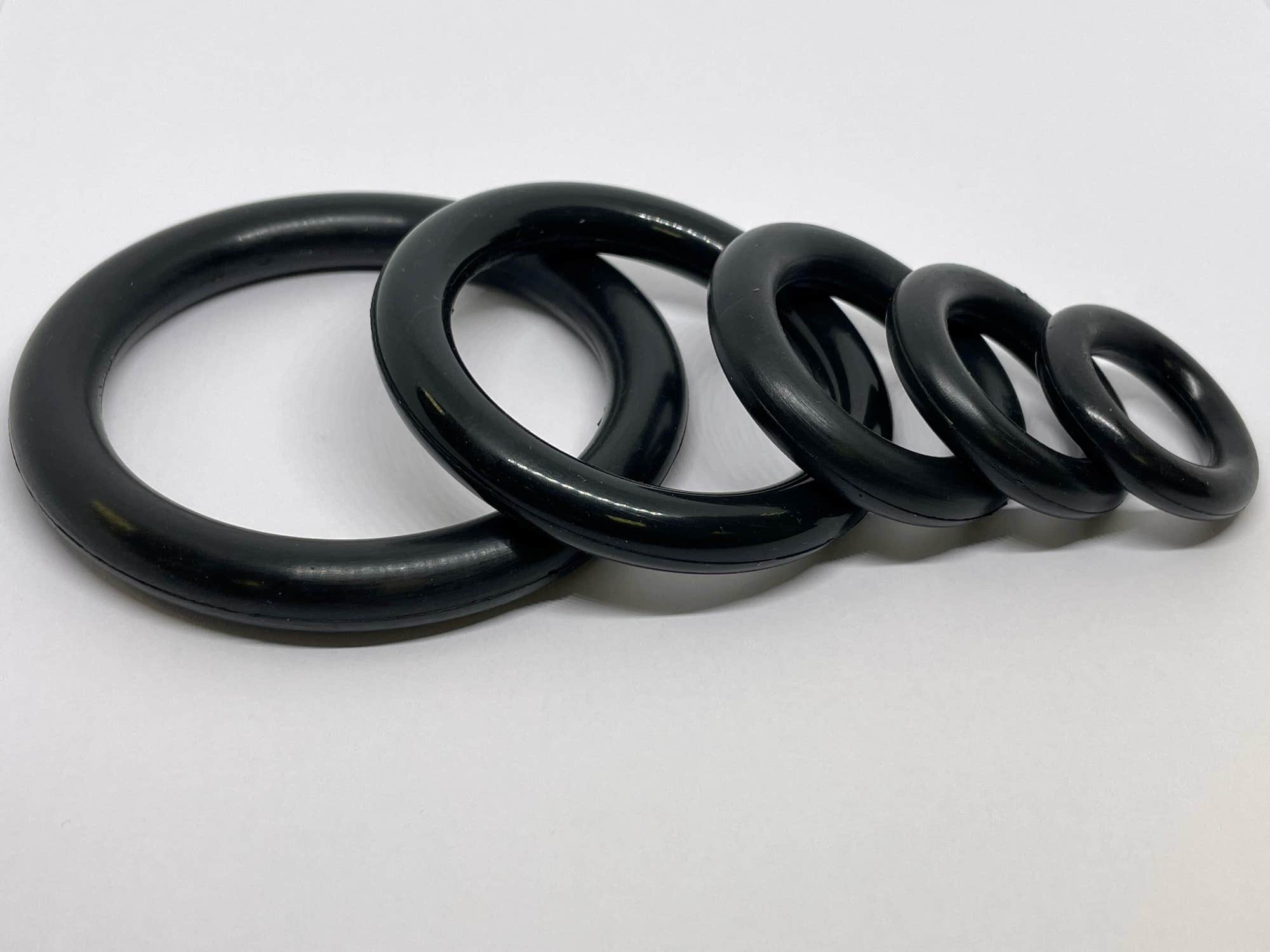
Material Specifications for Industrial Rubber Patio Stones
Suzhou Baoshida Trading Co., Ltd. provides high-performance rubber patio stones engineered for durability, resilience, and long-term performance in demanding environments. The selection of base elastomer is critical to the functional lifespan and application suitability of these products. We offer formulations based on three premium synthetic rubber compounds: Viton (FKM), Nitrile (NBR), and Silicone (VMQ). Each material exhibits distinct chemical, thermal, and mechanical properties, allowing for targeted deployment across industrial, commercial, and outdoor applications.
Viton rubber, a fluorocarbon-based polymer, delivers exceptional resistance to high temperatures, oils, fuels, and aggressive chemicals. With continuous service capability up to 250°C and short-term exposure tolerance beyond 300°C, Viton is ideal for patio stones deployed in industrial zones, near machinery, or in environments exposed to hydrocarbons and corrosive agents. Its low gas permeability and outstanding aging characteristics ensure dimensional stability and extended service life, though at a higher material cost compared to alternatives.
Nitrile rubber, a copolymer of acrylonitrile and butadiene, is widely used for its excellent resistance to oils, greases, and aliphatic hydrocarbons. It offers strong abrasion resistance and mechanical toughness, making it suitable for high-traffic outdoor installations. Nitrile-based patio stones perform reliably in temperature ranges from -30°C to 120°C, balancing cost-efficiency with robust performance in urban and semi-industrial settings. However, NBR exhibits limited resistance to UV radiation and ozone, necessitating formulation enhancements or protective coatings for prolonged outdoor exposure.
Silicone rubber is selected for its outstanding thermal stability, UV resistance, and flexibility across extreme temperature ranges (-60°C to 230°C). While not as mechanically robust as Viton or Nitrile, silicone offers superior weatherability and maintains elasticity under cyclic thermal loading. This makes it particularly effective in patio stones intended for harsh climatic zones, including regions with intense sunlight, freeze-thaw cycles, or coastal exposure. Silicone’s inherent resistance to oxidation and minimal outgassing further enhance its suitability for environmentally sensitive installations.
The following table summarizes key material properties to guide selection based on operational requirements:
| Property | Viton (FKM) | Nitrile (NBR) | Silicone (VMQ) |
|---|---|---|---|
| Temperature Range (°C) | -20 to 250 | -30 to 120 | -60 to 230 |
| Tensile Strength (MPa) | 15–20 | 10–25 | 6–12 |
| Elongation at Break (%) | 150–250 | 200–500 | 200–600 |
| Hardness (Shore A) | 60–90 | 50–90 | 30–80 |
| Resistance to Oils/Fuels | Excellent | Excellent | Poor |
| Resistance to Ozone/UV | Excellent | Fair | Excellent |
| Compression Set Resistance | Excellent | Good | Good |
| Typical Applications | High-temp industrial zones | Urban walkways, garages | Coastal, alpine, extreme weather |
Selection of the appropriate elastomer must consider environmental exposure, mechanical loading, and lifecycle cost. Suzhou Baoshida Trading Co., Ltd. supports OEM customization and material testing to ensure optimal performance alignment with client specifications.
Manufacturing Capabilities
Engineering Excellence in Rubber Patio Stone Manufacturing
Suzhou Baoshida Trading Co., Ltd. leverages deep technical expertise to deliver industrial-grade rubber patio stones, combining advanced material science with precision manufacturing. Our core strength lies in the integrated collaboration of 5 dedicated Mould Engineers and 2 specialized Rubber Formula Engineers, ensuring every product meets rigorous performance and durability standards for commercial outdoor applications. Mould Engineers focus on geometric optimization, stress distribution analysis, and thermal management during curing, while Formula Engineers refine elastomer compositions to resist UV degradation, temperature extremes, and mechanical wear. This dual-engineering approach eliminates common failure points in rubber pavers, such as surface cracking, deformation under load, or premature aging.
Our OEM capabilities translate client specifications into certified production-ready solutions. From initial CAD review to final PPAP documentation, we manage end-to-end development cycles within 4–6 weeks. Clients provide dimensional requirements, load-bearing targets, or aesthetic directives, and our team executes material selection, prototype validation, and process tuning. Critical to this workflow is our proprietary compound database, which tailors polymer matrices (EPDM, SBR, or TPE blends) to regional climate demands—ensuring patio stones maintain flexibility in sub-zero temperatures while resisting softening above 70°C. All formulations undergo accelerated weathering tests per ASTM G154 and ISO 4892-2, guaranteeing 10+ years of service life in high-traffic public spaces.
Material performance is non-negotiable for infrastructure-grade rubber pavers. The table below details our standard engineering specifications, validated through third-party laboratory testing:
| Property | Target Value | Test Standard | Performance Benefit |
|---|---|---|---|
| Shore A Hardness | 65–75 | ASTM D2240 | Optimal balance: pedestrian comfort + load resistance |
| Tensile Strength | ≥12.5 MPa | ISO 37 | Prevents tearing under dynamic stresses |
| Tear Strength | ≥18 kN/m | ASTM D624 | Resists edge damage during installation |
| Compression Set (22h/70°C) | ≤15% | ISO 815-1 | Maintains dimensional stability over time |
| UV Resistance (5k hrs) | ΔE < 3.0 | SAE J2527 | Minimal color fade in direct sunlight |
This precision extends to manufacturing tolerances, where our mould engineers achieve ±0.3 mm dimensional accuracy across 1m² panels—critical for seamless installation in municipal walkways or commercial plazas. We further support clients with lifecycle cost analysis, demonstrating how optimized rubber formulations reduce long-term replacement expenses versus concrete or plastic alternatives.
Suzhou Baoshida’s engineering framework ensures rubber patio stones exceed ASTM F1951 (accessibility) and EN 1177 (impact attenuation) benchmarks. By unifying compound innovation with mould science, we transform client concepts into resilient, code-compliant infrastructure solutions—proving that industrial rubber products demand nothing less than exacting scientific rigor. Partner with us to convert technical challenges into durable, market-ready assets.
Customization Process
Customization Process for Industrial Rubber Patio Stones
At Suzhou Baoshida Trading Co., Ltd., our approach to manufacturing custom rubber patio stones is rooted in engineering precision and material science. Each project follows a structured four-phase workflow: Drawing Analysis, Formulation Development, Prototyping, and Mass Production. This ensures optimal performance, durability, and compliance with client specifications under diverse environmental and load-bearing conditions.
The process begins with Drawing Analysis, where technical blueprints, CAD files, or site schematics are evaluated by our engineering team. Key parameters such as dimensions, surface texture, interlocking geometry, and installation environment are assessed. We analyze load requirements, expected foot or vehicular traffic, UV exposure, and thermal cycling to determine structural integrity needs. This phase also includes tolerance verification and compliance checks against regional safety or accessibility standards.
Following drawing validation, our Rubber Formula Engineering team initiates Formulation Development. Based on application demands, we select the appropriate elastomer base—typically SBR (Styrene-Butadiene Rubber), EPDM (Ethylene Propylene Diene Monomer), or a custom blend. The formulation is tailored for hardness (Shore A 40–80), abrasion resistance, compression set, and color stability. Additives such as UV stabilizers, anti-oxidants, and vulcanizing agents are precisely dosed to enhance longevity. All formulations are documented and archived for batch consistency.
Once the compound is finalized, we proceed to Prototyping. Using precision molds fabricated in-house, small-batch samples are produced under controlled vulcanization conditions. Prototypes undergo rigorous testing, including slip resistance (ASTM F2913), compression strength (ISO 7743), and accelerated weathering (QUV testing per ISO 4892-3). Clients receive physical samples alongside material test reports for approval. Adjustments to texture, color, or mechanical properties are implemented at this stage to ensure final product alignment.
Upon client sign-off, we transition to Mass Production. Our automated press lines operate under strict quality control protocols, with real-time monitoring of cure time, temperature, and pressure. Each batch is traceable through lot numbering, and random sampling ensures continued compliance with initial specifications. Production capacity scales efficiently from container-sized orders to full warehouse deployments, with logistics support for global delivery.
Our integrated process ensures that every rubber patio stone meets exact functional and aesthetic requirements, combining industrial resilience with design flexibility.
Typical Technical Specifications of Custom Rubber Patio Stones
| Property | Standard Range | Test Method |
|---|---|---|
| Material Base | SBR, EPDM, or Blended Recycled Rubber | Internal Specification |
| Hardness (Shore A) | 40–80 | ISO 7619-1 |
| Tensile Strength | ≥7.5 MPa | ISO 37 |
| Elongation at Break | ≥200% | ISO 37 |
| Compression Set (22h, 70°C) | ≤25% | ISO 815-1 |
| Slip Resistance (Dry/Wet) | R9–R11 (DIN 51130) | ASTM F2913 |
| Operating Temperature Range | -40°C to +80°C | Internal Cycling Test |
| UV Resistance (1000h QUV) | No cracking, <15% color shift | ISO 4892-3 |
Contact Engineering Team
Contact Suzhou Baoshida: Precision Engineering for Your Rubber Patio Stone Requirements
Suzhou Baoshida Trading Co., Ltd. operates at the intersection of advanced polymer science and industrial manufacturing excellence, specifically engineered to meet the demanding specifications of the global rubber patio stone market. Our core competency lies in the precise formulation and production of high-performance recycled rubber composites, where material integrity, dimensional stability, and long-term environmental resistance are non-negotiable. We understand that patio stones represent a critical interface between structural durability and aesthetic expectation in commercial and municipal infrastructure projects. Standardized solutions often fail to address site-specific challenges such as extreme thermal cycling, heavy pedestrian or vehicular load requirements, or unique substrate conditions. This is where Suzhou Baoshida’s OEM partnership model delivers decisive value. Our engineering team possesses deep expertise in tailoring rubber compound formulations – optimizing the balance of vulcanizing agents, reinforcing fillers, and UV stabilizers – to achieve exact Shore A hardness targets, tensile strength profiles, and compression set resistance required for your specific application and geographic location. We move beyond commodity supply to become an integrated extension of your product development and quality assurance processes.
Our manufacturing infrastructure is calibrated for stringent industrial tolerances, utilizing precision hydraulic presses and controlled curing environments to ensure batch-to-batch consistency in critical parameters like thickness variation, surface texture definition, and edge integrity. Quality is not an afterthought; it is embedded within our ISO 9001-certified production workflow, featuring rigorous in-process testing and final product validation against agreed technical benchmarks. The table below summarizes the foundational performance characteristics achievable within our standard and custom rubber patio stone formulations, providing a baseline for technical discussion:
| Property | Standard Grade Range | Premium Customizable Range | Test Method |
|---|---|---|---|
| Shore A Hardness | 65 – 75 | 55 – 85 (Precise Target) | ASTM D2240 |
| Tensile Strength (MPa) | ≥ 8.0 | ≥ 10.0 – 15.0+ | ASTM D412 |
| Elongation at Break (%) | ≥ 200 | ≥ 250 – 400 | ASTM D412 |
| Compression Set (B, 22h) | ≤ 25% | ≤ 15% – 20% | ASTM D395 |
| Density (g/cm³) | 1.10 – 1.25 | 1.05 – 1.30 | ASTM D297 |
| Operating Temp Range (°C) | -40 to +70 | -50 to +85 | Material Science |
| UV Resistance (ASTM G154) | Pass 500h | Pass 2000h+ | ASTM G154 |
Initiating collaboration with Suzhou Baoshida begins with a detailed technical consultation. We require clear specifications regarding your target performance envelope, dimensional requirements, surface finish preferences, colorfastness expectations, and intended installation environment. This enables our formula engineers to develop a material solution that not only meets but exceeds your functional and longevity criteria, while optimizing cost-efficiency within your production framework. Our OEM management process ensures seamless integration from prototype validation through to high-volume, just-in-time delivery, backed by comprehensive material traceability and dedicated quality documentation.
To translate your rubber patio stone vision into a technically superior, market-ready product, direct engagement with our technical leadership is essential. Mr. Boyce, our dedicated OEM Manager and Rubber Formula Specialist, possesses the precise expertise to evaluate your requirements, propose optimal compound solutions, and structure a manufacturing partnership aligned with your operational and quality objectives. Do not rely on generic supplier responses or off-the-shelf compromises. Contact Mr. Boyce immediately via email at [email protected] to schedule a confidential technical review. Provide your specific performance targets, volume projections, and any preliminary drawings for expedited analysis. Suzhou Baoshida is committed to delivering not just rubber stones, but engineered performance solutions that define industry standards. Your project’s success demands a partner with uncompromising scientific rigor – initiate the precision engineering process today.
⚖️ O-Ring Weight Calculator
Estimate rubber O-ring weight (Approx).