
Technical Contents
Engineering Guide: Rubber Patio Tiles
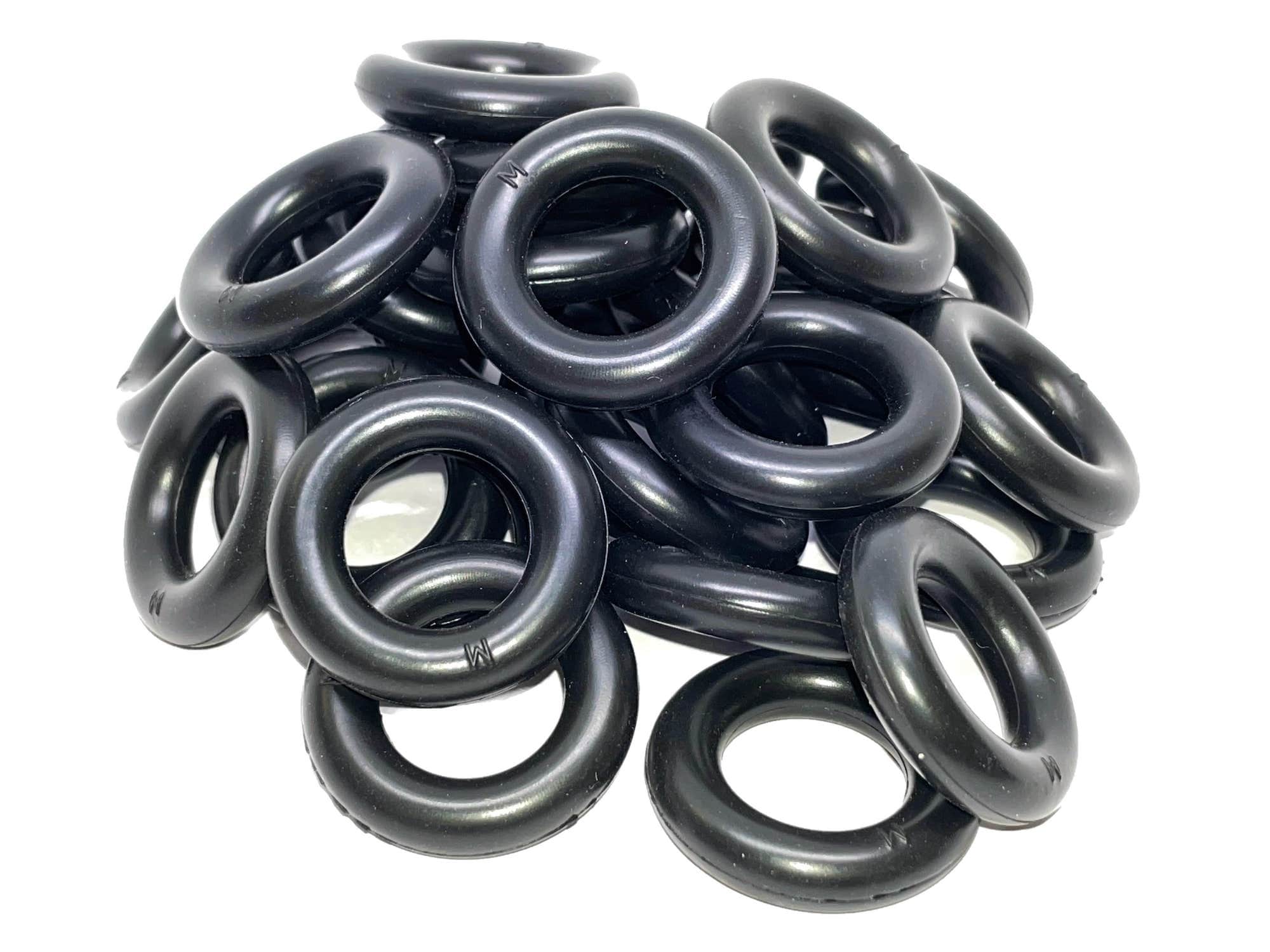
Engineering Insight: The Critical Role of Material Selection in Rubber Patio Tiles
In the industrial manufacturing of rubber patio tiles, material selection is not merely a design consideration—it is the foundational determinant of performance, longevity, and safety. Off-the-shelf solutions often fail to meet the rigorous demands of commercial and high-traffic outdoor environments due to inadequate material formulation and inconsistent sourcing. At Suzhou Baoshida Trading Co., Ltd., we emphasize engineered rubber compounds tailored to specific environmental and mechanical stressors, ensuring superior durability and compliance with international standards.
Standard consumer-grade patio tiles are typically manufactured from recycled rubber granules bound with low-grade adhesives and unmodified elastomers. These materials exhibit poor resistance to UV degradation, leading to rapid discoloration, surface cracking, and embrittlement within 12–24 months of outdoor exposure. Furthermore, inconsistent cross-linking in the vulcanization process reduces tensile strength and elongation at break, making tiles susceptible to deformation under dynamic loads. Such failures are especially evident in applications involving vehicular access, public walkways, or regions with extreme thermal cycling.
In contrast, our industrial-grade rubber patio tiles utilize a proprietary blend of EPDM (Ethylene Propylene Diene Monomer) and reclaimed SBR (Styrene-Butadiene Rubber), optimized for outdoor resilience. The EPDM component provides exceptional ozone and UV resistance, while the SBR fraction enhances abrasion resistance and cost efficiency without compromising structural integrity. Each batch undergoes controlled vulcanization with sulfur and accelerators to achieve a uniform cross-linked network, ensuring consistent Shore A hardness and compression set performance.
Critical to our formulation is the integration of anti-aging agents and thermal stabilizers, which mitigate oxidative degradation caused by prolonged sun exposure and temperature fluctuations. Additionally, the inclusion of nano-silica fillers improves tear strength and reduces water absorption—key factors in preventing mold growth and freeze-thaw damage in colder climates.
The performance differential between standard and engineered rubber tiles is quantifiable. The table below outlines key mechanical and environmental properties of our industrial formulation compared to conventional off-the-shelf alternatives.
| Property | Suzhou Baoshida Industrial Tile | Standard Off-the-Shelf Tile |
|---|---|---|
| Tensile Strength (MPa) | ≥ 8.5 | 3.0–4.5 |
| Elongation at Break (%) | ≥ 220 | 100–150 |
| Shore A Hardness | 65–70 | 50–60 |
| UV Resistance (1000h QUV) | Minimal color change, no cracking | Severe fading, surface cracking |
| Water Absorption (%) | ≤ 1.2 | 3.5–5.0 |
| Compression Set (22h at 70°C) | ≤ 20% | ≥ 35% |
| Operating Temperature Range | -40°C to +90°C | -20°C to +60°C |
These specifications underscore the inadequacy of generic solutions in demanding applications. Our engineered tiles maintain dimensional stability, slip resistance, and aesthetic consistency over extended service life—critical for institutional, hospitality, and municipal projects.
Material selection in rubber patio tiles is not a commodity decision. It is a precision engineering imperative. At Suzhou Baoshida, we apply industrial rubber science to deliver solutions that perform reliably under real-world conditions, avoiding the premature failure endemic to mass-market alternatives.
Material Specifications
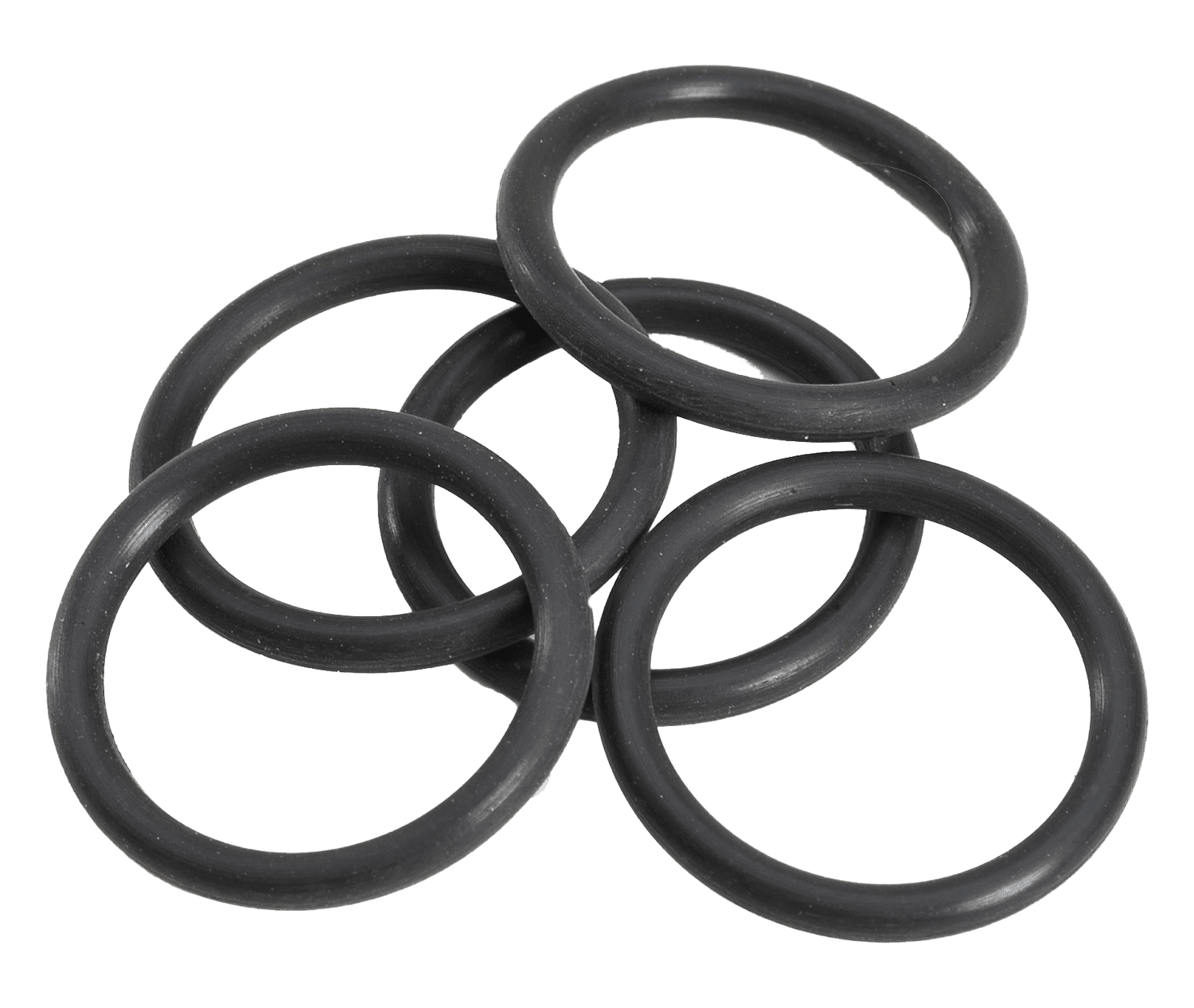
Material Specifications: High-Performance Elastomers for Industrial Patio Tiles
Selecting the correct elastomer formulation is critical for rubber patio tiles deployed in demanding industrial environments. Standard EPDM compounds often fail under exposure to hydrocarbons, extreme temperatures, or aggressive chemicals. Suzhou Baoshida Trading Co., Ltd. prioritizes material integrity through engineered solutions using Viton (FKM), Nitrile (NBR), and Silicone (VMQ) compounds. Each material delivers distinct performance advantages tailored to specific operational hazards, ensuring tile longevity, slip resistance, and structural stability under continuous mechanical load.
Viton fluorocarbon rubber excels in applications requiring resistance to aromatic hydrocarbons, chlorinated solvents, and high-temperature oxidation. Its fluorine content (66-68%) provides exceptional stability, with continuous service temperatures up to 230°C and intermittent exposure to 300°C. Viton tiles maintain integrity when exposed to jet fuels, hydraulic fluids, and concentrated acids, making them ideal for aerospace maintenance zones or chemical transfer areas. However, its higher raw material cost necessitates strategic deployment where lower-cost elastomers would rapidly degrade.
Nitrile butadiene rubber (NBR) offers an optimal balance of oil resistance and mechanical durability for cost-sensitive industrial settings. With acrylonitrile content ranging from 33% to 50%, NBR formulations achieve superior resistance to aliphatic hydrocarbons, greases, and water-based hydraulic fluids. Standard grades operate effectively between -30°C and 120°C, with specialty hydrogenated NBR (HNBR) extending the upper limit to 150°C. NBR patio tiles are the standard solution for automotive service bays, manufacturing floors with frequent oil exposure, and marine deck applications requiring fuel resistance.
Silicone rubber (VMQ) provides unmatched performance in extreme temperature cycling and ozone environments. Its silicone-oxygen backbone enables continuous use from -60°C to 200°C, with brief excursions to 260°C. While exhibiting moderate resistance to non-polar solvents, silicone’s key advantage lies in maintaining flexibility at cryogenic temperatures and resisting UV degradation without surface chalking. This makes it indispensable for outdoor tiles in arctic processing facilities, pharmaceutical cleanrooms requiring steam sterilization, or solar farm walkways exposed to intense solar radiation.
The following comparative analysis details critical specifications for industrial patio tile applications:
| Material | Continuous Temp Range (°C) | Hardness Range (Shore A) | Key Resistant Chemicals | Key Limitations |
|---|---|---|---|---|
| Viton (FKM) | -20 to 230 | 60-90 | Aromatic hydrocarbons, acids, jet fuels, hydraulic fluids | Poor resistance to ketones, esters, ammonia; high cost |
| Nitrile (NBR) | -30 to 120 (150 for HNBR) | 50-90 | Aliphatic hydrocarbons, greases, water-based fluids | Swells in ozone, esters, ketones; limited high-temp stability |
| Silicone (VMQ) | -60 to 200 | 30-80 | Ozone, UV radiation, steam, dilute acids/bases | Low tear strength; swells in hydrocarbons, fuels, concentrated acids |
Material selection must align with site-specific chemical exposure profiles and thermal demands. Suzhou Baoshida Trading Co., Ltd. validates all formulations through ASTM D2000 testing protocols, ensuring Shore A hardness consistency within ±3 points and compression set below 25% after 70 hours at maximum service temperature. Custom compound adjustments—such as increasing NBR’s acrylonitrile content for enhanced oil resistance or incorporating ceramic fillers in Silicone for abrasion resistance—are available to meet OEM technical requirements. This precision engineering guarantees patio tiles perform reliably under sustained industrial stress, directly impacting facility safety and lifecycle cost efficiency.
Manufacturing Capabilities
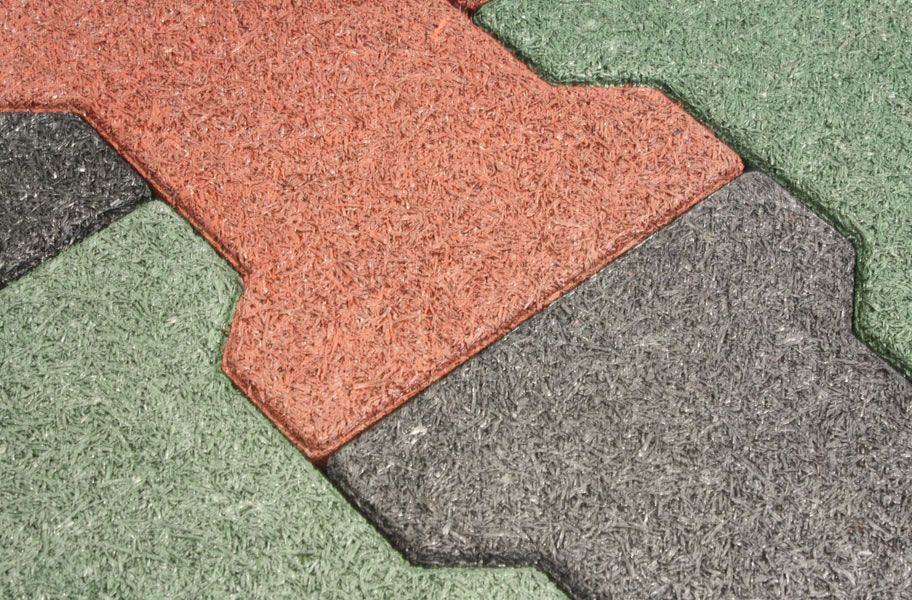
Engineering Capability: Precision in Industrial Rubber Solutions
At Suzhou Baoshida Trading Co., Ltd., our engineering capability forms the backbone of our leadership in industrial rubber manufacturing, particularly in the development and production of high-performance rubber patio tiles. With a dedicated team of five certified mould engineers and two specialized rubber formulation engineers, we deliver technically advanced, durable, and customizable solutions tailored to the precise demands of global OEM partners.
Our mould engineering team brings over 60 combined years of experience in precision tooling design and rapid prototyping. Each engineer utilizes advanced CAD/CAM systems—SolidWorks, AutoCAD, and Moldflow—to simulate flow dynamics, optimize cooling channels, and minimize cycle times. This ensures that every mould achieves dimensional accuracy within ±0.1 mm and supports high-volume, repeatable production. We specialize in multi-cavity steel and aluminum moulds, engineered for longevity and resistance to thermal fatigue, essential for maintaining consistency across large-scale OEM contracts.
Complementing our tooling expertise is our in-house rubber formulation capability. Our two senior formula engineers hold advanced degrees in polymer science and have led the development of over 200 custom elastomer compounds. They focus on enhancing mechanical properties such as abrasion resistance, UV stability, compression set, and slip resistance—critical for outdoor applications like patio tiles exposed to variable climates. We formulate using SBR, EPDM, and recycled rubber compounds, balancing performance, cost, and sustainability per client specifications.
Our integrated approach allows seamless coordination between material development and mould design, reducing time-to-market by up to 30% compared to industry benchmarks. This synergy is central to our OEM service model, where we support clients from concept to mass production, including DFM analysis, sample validation, and batch traceability.
We maintain strict quality control through on-site testing facilities, conducting hardness (Shore A), tensile strength, elongation at break, and aging resistance tests per ASTM and ISO standards. All formulations and tooling designs are documented and archived for full reproducibility across production cycles.
The following table outlines the key technical specifications we engineer into our rubber patio tiles:
| Property | Standard Value | Test Method |
|---|---|---|
| Hardness (Shore A) | 65–85 | ASTM D2240 |
| Tensile Strength | ≥7.5 MPa | ASTM D412 |
| Elongation at Break | ≥200% | ASTM D412 |
| Compression Set (22 hrs, 70°C) | ≤25% | ASTM D395 |
| Abrasion Loss | ≤120 mm³ | ASTM D5963 |
| Operating Temperature Range | -40°C to +80°C | Internal Protocol |
| Slip Resistance (Dry/Wet) | R10–R11 | DIN 51130 |
Suzhou Baoshida Trading Co., Ltd. is committed to engineering excellence, offering OEM partners a vertically integrated solution where material science and precision manufacturing converge to deliver superior rubber patio tile systems.
Customization Process
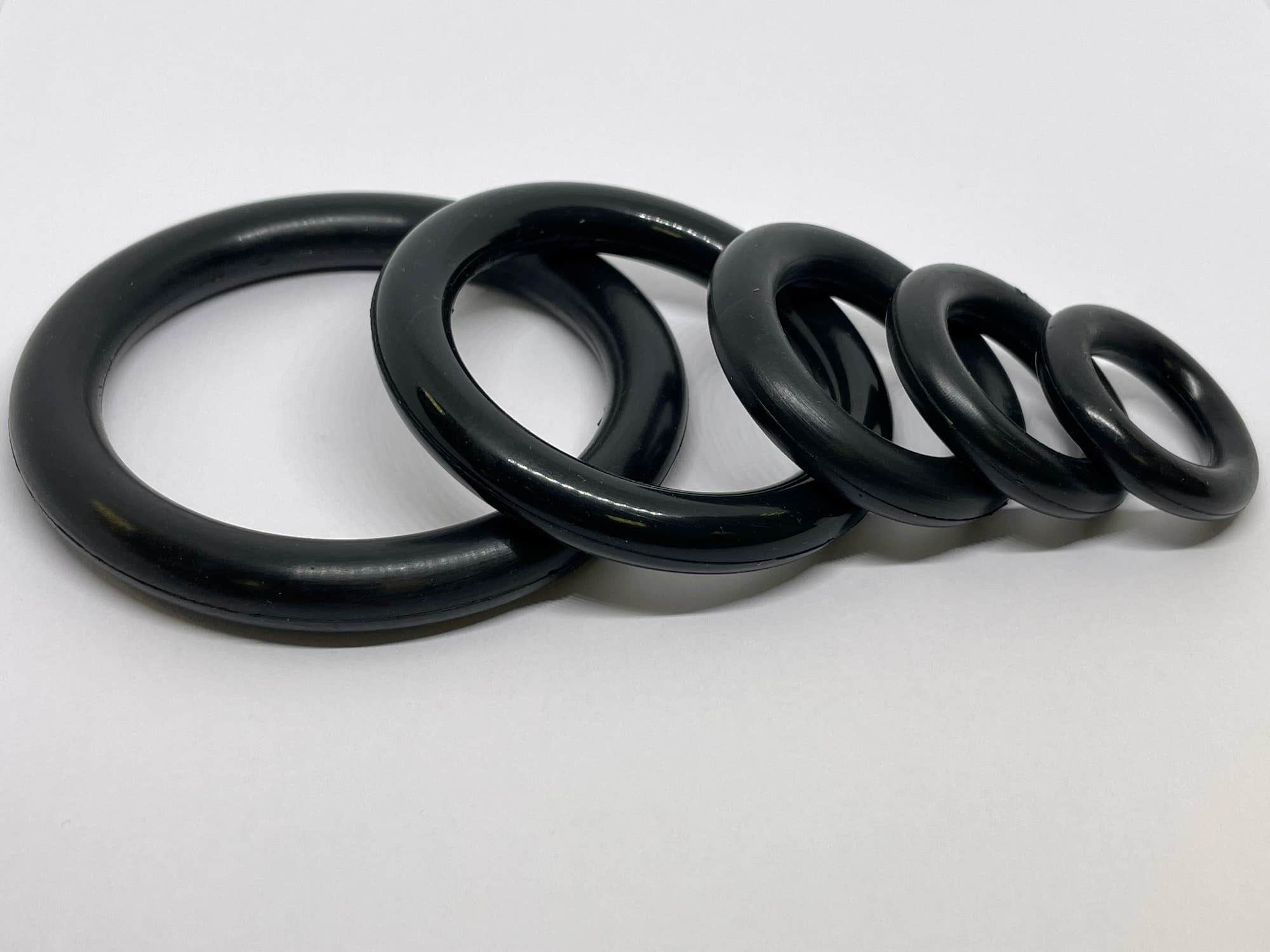
Rubber Patio Tile Customization Process: Engineering Precision from Concept to Scale
At Suzhou Baoshida Trading Co., Ltd., our customization process for industrial rubber patio tiles integrates material science with rigorous manufacturing protocols to deliver OEM solutions meeting exact performance and aesthetic specifications. This four-phase methodology ensures technical feasibility, material optimization, and seamless scalability while adhering to global quality standards.
Drawing Analysis initiates the workflow. Our engineering team conducts a comprehensive review of client-provided CAD drawings or technical schematics, focusing on dimensional tolerances, surface texture requirements, interlocking mechanisms, and structural load-bearing zones. Critical parameters such as tile thickness variance (±0.5 mm), edge chamfer angles, and drainage channel geometry are validated against ISO 9001-compliant manufacturability criteria. We identify potential production constraints early—such as undercuts affecting mold release or thin sections prone to vulcanization defects—and collaborate with clients to refine designs without compromising functionality.
Formulation Development follows, leveraging our 15+ years of rubber compounding expertise. Based on the analyzed use case—outdoor exposure, pedestrian traffic intensity, climate zone—we engineer proprietary EPDM or SBR-based compounds. Key considerations include UV stabilizer concentration (2.5–4.0 phr) for colorfastness, silica reinforcement for abrasion resistance (targeting DIN 53516 wear loss <120 mm³), and controlled carbon black loading to balance tensile strength (≥8.0 MPa) with flexibility. Shore A hardness is precisely tuned between 60–85 to ensure slip resistance (DIN 51130 R11 rating) while maintaining comfort underfoot. All formulations undergo accelerated aging tests per ASTM D573 to validate 10+ year service life.
Prototyping transitions the validated formula into physical form. Using CNC-machined aluminum molds, we produce 3–5 sample tiles for client approval. Each prototype undergoes in-house testing for critical properties: compression set (ASTM D395, ≤25% at 70°C/22h), flammability (UL 94 HF-1), and color consistency (ΔE <1.5 via spectrophotometry). Client feedback on texture, dimensional accuracy, and fit is incorporated within 72 hours, with iterative adjustments to compound rheology or mold design as needed.
Mass Production commences only after formal sign-off. Our automated press lines operate under strict ISO 14001 environmental controls, with real-time monitoring of vulcanization temperature (±2°C) and cure time. Every production batch includes statistical process control (SPC) checks on 10% of units for thickness uniformity, hardness deviation, and visual defects. Final tiles are packaged in climate-controlled warehouses with humidity <60% to prevent pre-installation degradation.
The table below summarizes critical specifications achievable through our customization pipeline:
| Parameter | Standard Range | Customizable Range | Test Standard |
|---|---|---|---|
| Shore A Hardness | 70 ± 5 | 60–85 | ASTM D2240 |
| Tensile Strength | ≥8.0 MPa | 6.5–12.0 MPa | ASTM D412 |
| Abrasion Loss | ≤120 mm³ | ≤90 mm³ | DIN 53516 |
| Compression Set | ≤25% | ≤18% | ASTM D395 |
| Tile Thickness Tolerance | ±0.5 mm | ±0.3 mm | ISO 2818 |
This end-to-end process, governed by Suzhou Baoshida’s QC-1000 quality management system, ensures rubber patio tiles exceed OEM expectations for durability, safety, and aesthetic consistency in demanding outdoor environments. All projects include full traceability documentation from raw material certificates to final inspection reports.
Contact Engineering Team
For industrial partners seeking high-performance rubber patio tiles engineered for durability, safety, and long-term resilience, Suzhou Baoshida Trading Co., Ltd. stands as a trusted OEM manufacturer and technical solutions provider. With over a decade of specialization in industrial rubber applications, our team delivers precision-formulated rubber products tailored to commercial, municipal, and industrial environments. Our rubber patio tiles are not mass-market commodities—they are engineered systems designed to withstand extreme weather, heavy foot traffic, chemical exposure, and prolonged UV degradation.
Each tile is produced using advanced vulcanization techniques and premium-grade recycled rubber compounds, ensuring consistent density, shock absorption, and slip resistance. We prioritize material integrity and dimensional stability, adhering to international standards for load-bearing performance and environmental safety. Whether deployed in public parks, rooftop terraces, industrial walkways, or marine decks, our tiles maintain structural integrity across temperature ranges from -40°C to +80°C.
We invite technical buyers, procurement managers, and project engineers to engage directly with Mr. Boyce, OEM Project Manager at Suzhou Baoshida. With extensive experience in rubber compounding and client-specific product development, Mr. Boyce leads collaborative engineering consultations to align material specifications with project requirements. From custom thickness and color matching to performance additives such as anti-microbial agents or flame retardants, our team supports full customization within scalable production frameworks.
To ensure seamless integration into your supply chain, we provide comprehensive technical documentation, including material data sheets (MDS), certificates of compliance (COC), and third-party test reports for wear resistance, compression set, and tensile strength. Our production facility operates under ISO 9001-certified quality management protocols, with monthly output capacity exceeding 100,000 square meters.
For immediate technical consultation or to request sample batches for performance validation, contact Mr. Boyce at [email protected]. Include project scope, required quantities, and performance criteria to receive a targeted solution proposal within 48 hours.
Below are key technical specifications for our standard rubber patio tile series:
| Property | Specification | Test Method |
|---|---|---|
| Material Composition | Recycled SBR/NR Blend (80–90% rubber content) | ASTM D297 |
| Thickness | 20 mm, 25 mm, 30 mm (custom up to 50 mm) | ASTM D3776 |
| Density | 1.15–1.25 g/cm³ | ISO 2781 |
| Tensile Strength | ≥7.5 MPa | ASTM D412 |
| Elongation at Break | ≥200% | ASTM D412 |
| Compression Set (22h at 70°C) | ≤20% | ASTM D395 |
| Shore A Hardness | 65 ± 5 | ASTM D2240 |
| Slip Resistance (R10/R11) | ≥65 BPN (wet) | BS EN 13036-4 |
| Temperature Range | -40°C to +80°C | Internal Cycling Test |
| UV Resistance | 1,500+ hours (no cracking/fading) | ASTM G154 |
Initiate your next project with a partner committed to material science excellence and manufacturing precision. Contact Mr. Boyce today to advance from specification to production.
⚖️ O-Ring Weight Calculator
Estimate rubber O-ring weight (Approx).