
Technical Contents
Engineering Guide: Rubber Pipe
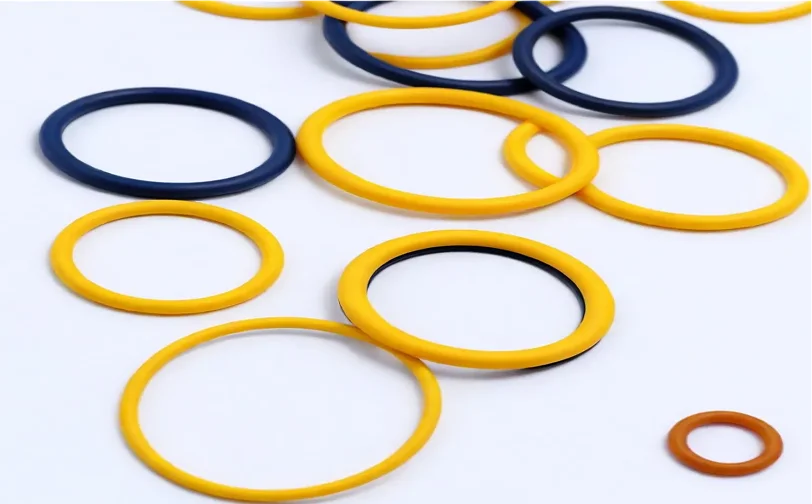
Engineering Insight: Material Selection in Rubber Pipe Design
In industrial fluid handling systems, rubber pipes serve as critical conduits for transferring media under dynamic mechanical and chemical conditions. Despite their apparent simplicity, the performance and service life of rubber pipes are profoundly influenced by material selection. Off-the-shelf rubber pipe solutions often fail prematurely because they are engineered for generalized applications rather than the specific operational demands of a given environment. This mismatch leads to degradation mechanisms such as swelling, cracking, abrasion, and loss of structural integrity.
The core challenge lies in the diversity of elastomeric compounds and their response to environmental stressors. Natural rubber (NR), nitrile (NBR), ethylene propylene diene monomer (EPDM), fluorocarbon (FKM), and chloroprene (CR) each exhibit distinct chemical resistance, temperature tolerance, and mechanical properties. Selecting the appropriate base polymer requires a detailed understanding of the conveyed media, operating temperature range, pressure cycles, and exposure to ozone, UV, or abrasive particulates.
For example, a standard NBR hose may suffice for hydraulic oil transfer at moderate temperatures, but in high-temperature environments exceeding 120°C, thermal aging accelerates, leading to hardening and embrittlement. Conversely, EPDM offers superior heat and steam resistance but performs poorly when exposed to petroleum-based fluids due to swelling and loss of tensile strength. Similarly, FKM demonstrates exceptional resistance to aggressive chemicals and high temperatures but comes at a significantly higher cost and reduced flexibility, making it unsuitable for applications requiring frequent flexing.
Another critical factor is reinforcement structure. The elastomer alone does not bear the system’s pressure; textile or steel braiding provides tensile strength. Mismatched reinforcement can lead to delamination or burst failure, especially under pulsating pressure conditions. Furthermore, the adhesive bonding between the inner tube, reinforcement layer, and outer cover must be chemically compatible with both the rubber compound and operational stress.
Custom engineering mitigates these failure modes by aligning material properties with application-specific requirements. At Suzhou Baoshida Trading Co., Ltd., we prioritize application analysis before recommending or manufacturing rubber pipe solutions. This includes media compatibility testing, pressure-temperature profiling, and lifecycle assessment to ensure durability and safety.
The following table outlines key elastomers used in industrial rubber pipes and their performance characteristics:
| Elastomer | Temperature Range (°C) | Key Strengths | Limitations | Typical Applications |
|---|---|---|---|---|
| NBR | -30 to +120 | Oil and fuel resistance, abrasion resistance | Poor ozone and weathering resistance | Hydraulic systems, fuel lines |
| EPDM | -50 to +150 | Steam and hot water resistance, ozone stability | Swells in oils and hydrocarbons | Cooling systems, steam hoses |
| FKM | -20 to +200 | Excellent chemical and heat resistance | High cost, limited flexibility | Chemical processing, semiconductor |
| CR | -30 to +100 | Flame resistance, good weathering | Moderate oil resistance | Industrial air lines, marine |
| NR | -50 to +80 | High elasticity, low compression set | Poor oil and ozone resistance | Water transfer, low-pressure lines |
Material selection is not a commodity decision—it is an engineering imperative. Premature failure of rubber pipes results in unplanned downtime, safety hazards, and increased total cost of ownership. By moving beyond off-the-shelf solutions and adopting a tailored approach, industrial operators can achieve optimal performance and reliability in demanding applications.
Material Specifications
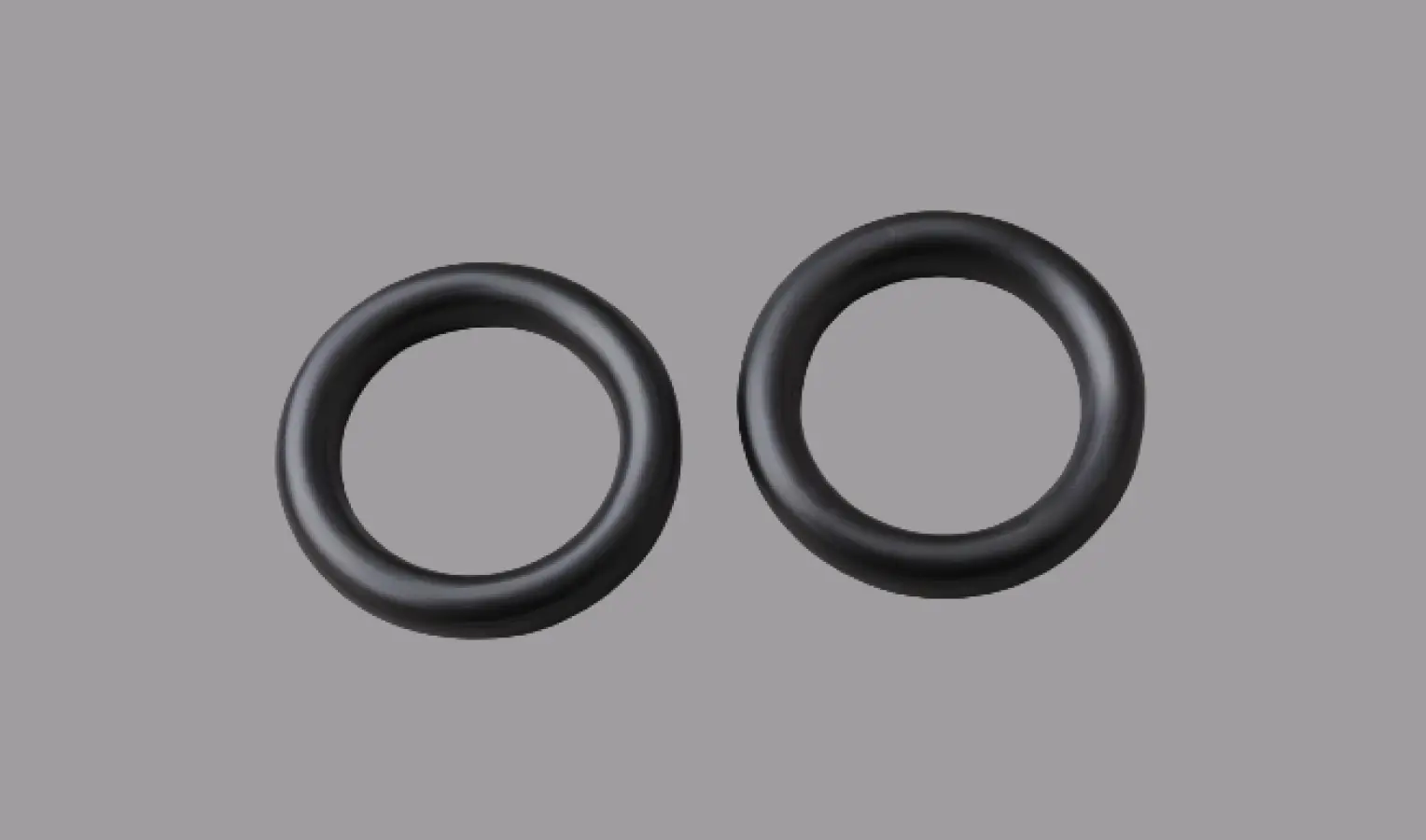
Material Specifications for Industrial Rubber Pipes
Suzhou Baoshida Trading Co., Ltd. provides engineered rubber pipe solutions meeting stringent industrial demands. Material selection directly impacts performance in chemical exposure, temperature extremes, and mechanical stress. Our formulations prioritize longevity and safety compliance per ASTM D2000 and ISO 37 standards. Below we detail three core elastomers: Viton (FKM), Nitrile (NBR), and Silicone (VMQ), each optimized for distinct operational environments.
Viton fluorocarbon rubber delivers exceptional resistance to aggressive chemicals, including fuels, acids, and hydrocarbons. It operates continuously at -20°C to +230°C, with intermittent peaks up to 300°C. Its low gas permeability makes it ideal for aerospace hydraulic systems and semiconductor manufacturing where purity is critical. Compression set resistance exceeds 85% after 70 hours at 200°C, ensuring seal integrity under prolonged stress. However, Viton exhibits limited flexibility below -10°C and higher raw material costs compared to alternatives.
Nitrile butadiene rubber (NBR) remains the cost-optimized solution for oil and fuel applications. Standard grades function reliably from -40°C to +105°C, with hydrogenated variants (HNBR) extending to +150°C. NBR demonstrates outstanding abrasion resistance and tensile strength (15–25 MPa), suiting it for automotive fuel lines and hydraulic couplings. It withstands aliphatic hydrocarbons but degrades rapidly in ketones, ozone, and chlorinated solvents. Compression set values typically range 25–40% after 70 hours at 100°C, necessitating careful cycle-life assessment.
Silicone rubber excels in extreme temperature stability (-60°C to +200°C continuous, +250°C intermittent) and biocompatibility. Its inert composition meets FDA 21 CFR 177.2600 for food/pharmaceutical transfer, while maintaining flexibility down to -100°C. Silicone resists ozone and UV degradation but exhibits lower tensile strength (6–10 MPa) and poor resistance to concentrated acids and steam. Applications include medical tubing, bakery conveyors, and high-purity semiconductor gas lines where outgassing must be minimized below 0.1%.
The following comparative analysis distills critical parameters for rapid OEM evaluation. All data reflects standard commercial grades per ASTM testing protocols.
| Parameter | Viton (FKM) | Nitrile (NBR) | Silicone (VMQ) |
|---|---|---|---|
| Temperature Range | -20°C to +230°C | -40°C to +105°C | -60°C to +200°C |
| Tensile Strength | 12–18 MPa | 15–25 MPa | 6–10 MPa |
| Compression Set* | ≤15% | 25–40% | 20–35% |
| Key Chemical Resistance | Fuels, acids, aromatics | Oils, aliphatic hydrocarbons | None significant |
| Key Weaknesses | Ketones, low-temp flexibility | Ozone, steam, polar solvents | Acids, steam, hydrocarbons |
| Primary Industries | Aerospace, chemical processing | Automotive, hydraulics | Medical, food processing |
| Cost Tier | Premium | Standard | Moderate |
*After 70h at max continuous temperature per ASTM D395 Method B.
Material choice requires balancing chemical compatibility, thermal profile, and lifecycle economics. Suzhou Baoshida’s OEM engineering team validates all specifications through in-house fluid immersion testing and dynamic flex analysis. Contact our technical division for application-specific formulation data sheets or custom compound development. Precision in elastomer selection prevents premature failure in critical fluid transfer systems.
Manufacturing Capabilities
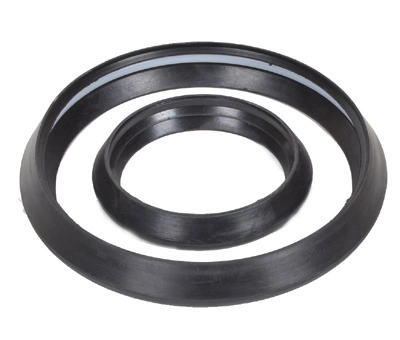
Engineering Excellence in Industrial Rubber Pipe Manufacturing
At Suzhou Baoshida Trading Co., Ltd., our engineering capability forms the backbone of our industrial rubber pipe production, enabling us to deliver high-performance, application-specific solutions for demanding environments. Our technical team comprises five dedicated mould engineers and two specialized rubber formula engineers, all operating within a tightly integrated development workflow. This multidisciplinary structure ensures that every rubber pipe we produce is optimized for performance, durability, and manufacturability.
Our mould engineers bring extensive experience in precision tooling design, utilizing advanced CAD/CAM software and finite element analysis (FEA) to develop robust, high-tolerance moulds. These engineers focus on critical parameters such as flow dynamics, curing uniformity, and dimensional stability, ensuring consistent product quality across production runs. By incorporating real-time feedback from production and testing phases, they continuously refine mould designs to reduce cycle times, minimize flash, and enhance part repeatability—key factors in maintaining cost-efficiency for large-scale OEM contracts.
Complementing this expertise are our two in-house rubber formula engineers, who specialize in polymer chemistry and material performance optimization. These engineers formulate custom elastomer compounds tailored to specific operational requirements, including resistance to oils, ozone, extreme temperatures (-50°C to +150°C), and dynamic mechanical stress. By controlling the formulation process internally—from base polymer selection to curatives, fillers, and reinforcing agents—we ensure full traceability and consistency in every batch. This level of control is particularly critical in industries such as automotive, construction machinery, and hydraulic systems, where failure is not an option.
Our OEM capabilities are built on this foundation of engineering integration. We support clients from initial concept through prototyping, validation, and full-scale production. Whether modifying an existing design or developing a new rubber pipe from scratch, we align material properties, structural geometry, and manufacturing processes to meet exact performance criteria. Our facility is equipped for small-batch customization as well as high-volume continuous extrusion and moulding, accommodating a wide range of diameters, wall thicknesses, and reinforcement configurations.
To illustrate our technical reach, the following table outlines key specifications we routinely achieve in rubber pipe manufacturing:
| Parameter | Standard Range | Custom Capability |
|---|---|---|
| Inner Diameter | 6 mm – 300 mm | Up to 500 mm |
| Wall Thickness | 2 mm – 20 mm | Up to 35 mm |
| Operating Temperature | -50°C to +150°C | Up to +200°C (special compounds) |
| Pressure Rating (Dynamic) | Up to 40 bar | Up to 100 bar (reinforced designs) |
| Materials | NBR, EPDM, SBR, Silicone, CR | Custom-blended composites |
| Reinforcement Types | Textile braid, steel spiral, wire | Multi-layer hybrid reinforcement |
| Standards Compliance | ISO 1307, SAE J517, DIN 20022 | Client-specific OEM standards |
This technical depth, combined with rigorous quality control and rapid prototyping, positions Suzhou Baoshida as a trusted engineering partner in the industrial rubber sector. We do not merely manufacture rubber pipes—we engineer fluid transmission solutions.
Customization Process
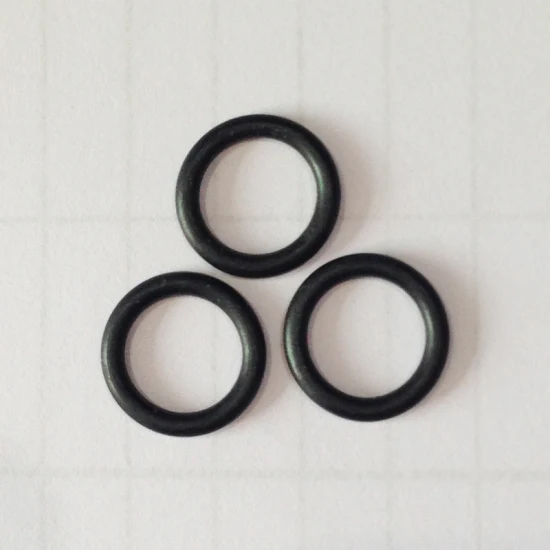
Customization Process for Industrial Rubber Pipe Manufacturing
At Suzhou Baoshida Trading Co., Ltd., our rubber pipe customization follows a rigorously defined engineering sequence to ensure absolute alignment with OEM performance and durability requirements. This process eliminates guesswork through scientific validation at every phase, transforming client specifications into mission-critical fluid handling solutions.
Drawing Analysis initiates the workflow. Our engineering team conducts a granular review of client-provided technical drawings, focusing on dimensional tolerances, pressure ratings, and application-specific constraints such as dynamic flexing or media exposure. We cross-reference these parameters against ISO 3601 and SAE J514 standards, identifying potential stress points or material incompatibilities early. This phase includes computational fluid dynamics (CFD) simulations where required to model flow behavior and thermal expansion, ensuring the design accommodates real-world operational dynamics before material selection begins.
Formulation leverages our proprietary compound database and 20+ years of OEM collaboration data. Based on the drawing analysis, we select base polymers and additives targeting precise performance metrics. Critical factors include chemical resistance to specified media (e.g., hydraulic fluids, acids), temperature range, abrasion resistance, and compression set. Our lab engineers adjust sulfur, peroxide, or resin cure systems to optimize crosslink density, directly influencing fatigue life and seal integrity. Each formulation undergoes predictive modeling for cure kinetics and physical property outcomes, ensuring the compound meets or exceeds ASTM D2000 classification requirements.
Prototyping validates the engineered solution. We produce small-batch samples using client-approved tooling, subjecting them to accelerated life testing per ISO 1307 and SAE J30. Key validation steps include burst pressure testing at 4x working pressure, ozone resistance (ASTM D1149), and fluid immersion trials measuring volume swell and tensile retention. Dimensional accuracy is verified via CMM (Coordinate Measuring Machine) against the original drawing. Client feedback on prototype performance triggers iterative refinements, with full traceability of all material lots and process parameters documented.
Mass Production commences only after formal client sign-off on prototypes. We implement Statistical Process Control (SPC) across extrusion, molding, and vulcanization stages, monitoring critical variables like temperature profiles and cure times in real-time. Every production batch undergoes 100% visual inspection and抽样 testing per AQL 1.0, including hardness (Shore A), tensile strength, and elongation. Final validation includes third-party certification reports where mandated by industry standards.
The table below summarizes key compound options for common industrial applications:
| Compound Type | Temperature Range (°C) | Key Media Resistance | Typical Shore A Hardness | Primary Applications |
|---|---|---|---|---|
| NBR (Nitrile) | -40 to +120 | Oils, Fuels, Hydraulic Fluids | 50-90 | Automotive Hydraulics, Fuel Lines |
| EPDM | -50 to +150 | Steam, Water, Brake Fluids, Ozone | 40-80 | Cooling Systems, Sanitary Piping |
| FKM (Viton®) | -20 to +250 | Aggressive Chemicals, High-Temp Oils | 60-85 | Petrochemical, Semiconductor Processing |
This structured approach ensures Suzhou Baoshida delivers rubber pipes that perform reliably under extreme industrial conditions, backed by material science rigor and full production traceability. Our commitment to precision engineering transforms complex client requirements into validated, scalable manufacturing outcomes.
Contact Engineering Team
For industrial manufacturers and engineering firms seeking high-performance rubber pipe solutions, Suzhou Baoshida Trading Co., Ltd. stands as a trusted partner in the global supply chain. Specializing in precision-engineered rubber components, we deliver products that meet the rigorous demands of hydraulics, petrochemical processing, mining, construction, and heavy machinery applications. Our rubber pipes are formulated for resilience under extreme pressure, temperature fluctuations, and exposure to aggressive media, ensuring long service life and operational safety.
At Suzhou Baoshida, every rubber pipe is developed through a rigorous process of material selection, compounding, vulcanization, and quality validation. We utilize advanced elastomer formulations including NBR (nitrile butadiene rubber), EPDM (ethylene propylene diene monomer), SBR (styrene-butadiene rubber), and silicone, tailored to the specific chemical and mechanical requirements of your application. Our in-house testing facilities verify burst strength, flexibility, abrasion resistance, and adhesion between reinforcement layers and rubber linings, ensuring full compliance with international standards such as ISO 1436, DIN 20022, and SAE J517.
We understand that industrial clients require more than off-the-shelf products—they demand technical collaboration. Our engineering team works closely with OEMs and system integrators to customize pipe length, diameter, reinforcement structure (spiral wire, textile braid, or steel braid), and end-fitting configurations. Whether you need high-pressure hydraulic hoses, acid-resistant chemical transfer lines, or heat-resistant expansion joints, we provide engineered-to-order solutions with documented traceability and performance certification.
The following table outlines key technical specifications commonly associated with our standard and custom rubber pipe offerings:
| Parameter | Typical Range / Value | Notes |
|---|---|---|
| Inner Diameter | 6 mm – 300 mm | Custom sizes available upon request |
| Pressure Rating | 10 bar – 800 bar | Depends on reinforcement and wall thickness |
| Temperature Range | -40°C to +150°C (up to +200°C for silicone) | Application-specific limits apply |
| Material Types | NBR, EPDM, SBR, Silicone, CR (neoprene) | Custom compounds for specialty fluids |
| Reinforcement Layers | 1 to 6 braided or spiral layers | Steel wire, textile, or hybrid |
| Bend Radius | 1.5x to 3x outer diameter | Varies with pressure class |
| Standards Compliance | ISO 1436, DIN 20022, SAE J517, RMA Grade | Certifications available on request |
To initiate a technical consultation or request a quotation for rubber pipe solutions, contact Mr. Boyce, OEM Account Manager at Suzhou Baoshida Trading Co., Ltd. With extensive experience in industrial elastomer applications and global supply logistics, Mr. Boyce serves as the primary liaison for engineering teams requiring precision rubber components. He ensures seamless communication between technical specifications, production scheduling, and delivery timelines.
Reach out via email at [email protected] to discuss your project requirements, submit drawings or samples, or request material test reports. We support inquiries in English, Chinese, and German, and offer factory audits, sample provisioning, and on-site technical support for strategic partners. Suzhou Baoshida is committed to delivering not just components—but engineered reliability. Contact Mr. Boyce today to elevate your rubber pipe performance.
⚖️ O-Ring Weight Calculator
Estimate rubber O-ring weight (Approx).