
Technical Contents
Engineering Guide: Rubber Roofing Tiles
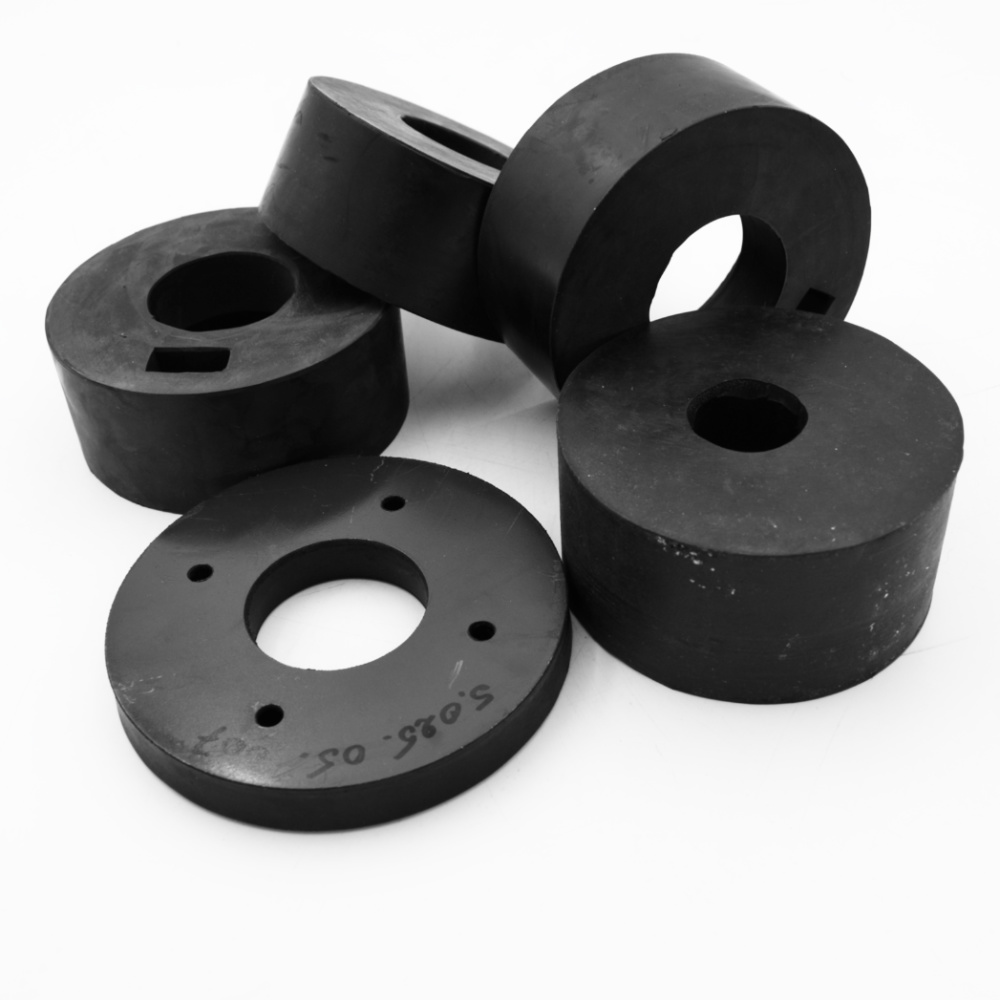
Engineering Insight Material Selection in Rubber Roofing Tiles
The structural integrity and service life of rubber roofing tiles hinge entirely on precise material formulation. Generic compounds marketed as universal solutions frequently fail under real-world conditions due to inadequate polymer chemistry and insufficient performance validation. Off-the-shelf products often prioritize cost reduction over engineered resilience, leading to premature degradation through UV exposure, thermal cycling, and chemical erosion. This results in costly field failures including membrane shrinkage, seam delamination, and catastrophic leakage—direct consequences of ignoring the dynamic stressors inherent in roofing applications.
Suzhou Baoshida Trading Co., Ltd. emphasizes that effective rubber roofing requires custom-formulated elastomers with optimized crosslink density, filler dispersion, and antioxidant packages. Standard ethylene propylene diene monomer (EPDM) blends with high carbon black content may achieve basic weatherability but lack the tensile recovery needed for thermal expansion cycles. Conversely, proprietary formulations balance saturated polymer backbones with specialized curatives to maintain elasticity across -40°C to 135°C ranges. Critical additives like hindered amine light stabilizers (HALS) prevent chain scission from solar radiation, while nano-silica reinforcement enhances puncture resistance without sacrificing flexibility.
Material failure thresholds become evident when comparing standardized test data against actual rooftop conditions. The table below illustrates why generic compounds fall short:
| Property | Standard Compound | Premium Compound | Critical Failure Threshold |
|---|---|---|---|
| Tensile Strength (MPa) | 7.5 | 14.2 | < 10.0 |
| Elongation at Break (%) | 100 | 320 | < 200 |
| Shore A Hardness Delta | +15 | +3 | > +10 |
| Accelerated UV Aging | Cracking at 500h | Intact at 3000h | Cracking < 1000h |
| Ozone Resistance | Severe cracking | No visible change | Any surface cracking |
Hardness delta exceeding +10 Shore A indicates embrittlement from polymer backbone degradation—a common flaw in low-cost SBR-based tiles exposed to ozone. Similarly, elongation below 200% guarantees fracture during thermal contraction in sub-zero climates. Off-the-shelf solutions rarely undergo ASTM D471 oil immersion testing, leaving them vulnerable to plasticizer leaching from asphalt underlayment or industrial pollutants.
Suzhou Baoshida’s OEM process mandates application-specific formulation adjustments based on geographic UV index, wind uplift requirements, and substrate compatibility. We reject one-size-fits-all approaches by conducting real-time weathering trials per ISO 4892-2 and validating performance against localized environmental stressors. This precision engineering prevents the hidden costs of premature replacement—proving that material selection is not a procurement decision but a structural imperative. Partnering with a technical manufacturer ensures your roofing system performs as engineered, not merely as purchased.
Material Specifications
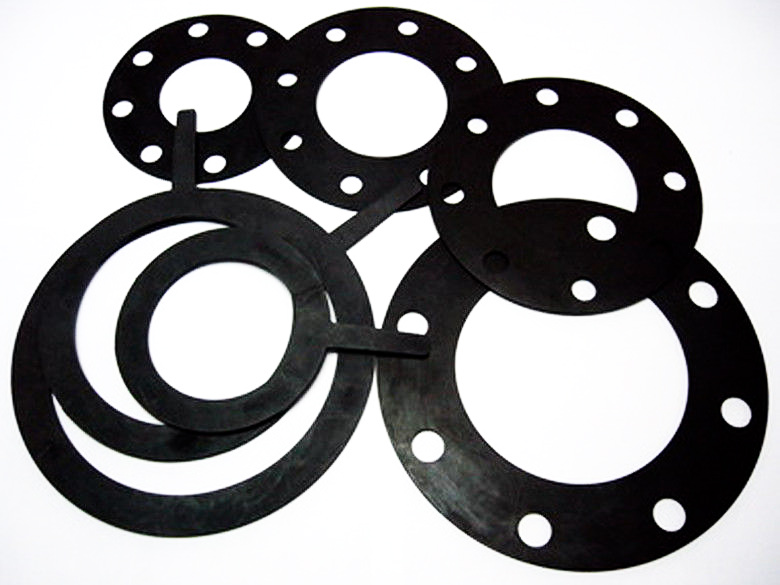
Material selection is a critical factor in the performance, longevity, and reliability of rubber roofing tiles, especially in industrial and commercial applications where exposure to extreme environmental and chemical conditions is common. At Suzhou Baoshida Trading Co., Ltd., we specialize in high-performance rubber compounds tailored for demanding roofing environments. Our primary materials—Viton (FKM), Nitrile (NBR), and Silicone (VMQ)—each offer distinct advantages based on chemical resistance, temperature stability, mechanical strength, and weatherability. Understanding these properties enables engineers and manufacturers to make informed decisions aligned with specific operational requirements.
Viton, a fluorocarbon-based elastomer, is renowned for its exceptional resistance to high temperatures, oils, fuels, and a wide range of aggressive chemicals. With continuous service capability up to 230°C and intermittent exposure tolerance beyond 250°C, Viton is ideal for roofing applications in industrial zones with chemical exposure or elevated thermal loads. Its superior ozone and UV resistance further enhance outdoor durability, making it a premium choice for long-term installations in harsh climates.
Nitrile rubber, a copolymer of butadiene and acrylonitrile, offers excellent resistance to petroleum-based oils, greases, and aliphatic hydrocarbons. While its temperature range is more limited compared to Viton, Nitrile performs reliably between -30°C and 120°C, making it suitable for moderate environments where fuel or oil exposure is a concern. It also exhibits good abrasion resistance and mechanical strength, contributing to structural integrity in roofing tile applications subject to physical stress.
Silicone rubber delivers outstanding thermal stability across a broad range, from -60°C to 200°C, with short-term tolerance up to 250°C. It is highly resistant to UV radiation, ozone, and weathering, making it an optimal solution for roofing systems exposed to prolonged sunlight and fluctuating outdoor conditions. While less resistant to oils and solvents compared to Viton and Nitrile, silicone excels in electrical insulation and flexibility retention at low temperatures, supporting applications requiring consistent performance under thermal cycling.
The following table summarizes key physical and chemical properties of these materials for direct comparison:
| Property | Viton (FKM) | Nitrile (NBR) | Silicone (VMQ) |
|---|---|---|---|
| Temperature Range (°C) | -20 to 230 (+250 intermittent) | -30 to 120 | -60 to 200 (+250 intermittent) |
| Tensile Strength (MPa) | 12–20 | 10–25 | 5–10 |
| Elongation at Break (%) | 150–300 | 200–500 | 200–700 |
| Hardness (Shore A) | 60–90 | 50–90 | 30–80 |
| Resistance to Oils/Fuels | Excellent | Good to Excellent | Poor |
| Resistance to Ozone/UV | Excellent | Good | Excellent |
| Compression Set Resistance | Excellent | Moderate | Good |
| Water Resistance | Excellent | Good | Excellent |
Each material presents a balanced trade-off between performance attributes. Selection should be guided by environmental exposure, mechanical demands, and lifecycle expectations. Suzhou Baoshida Trading Co., Ltd. supports OEMs and industrial clients with custom compounding, rigorous quality control, and technical consultation to ensure optimal material integration in rubber roofing tile manufacturing.
Manufacturing Capabilities
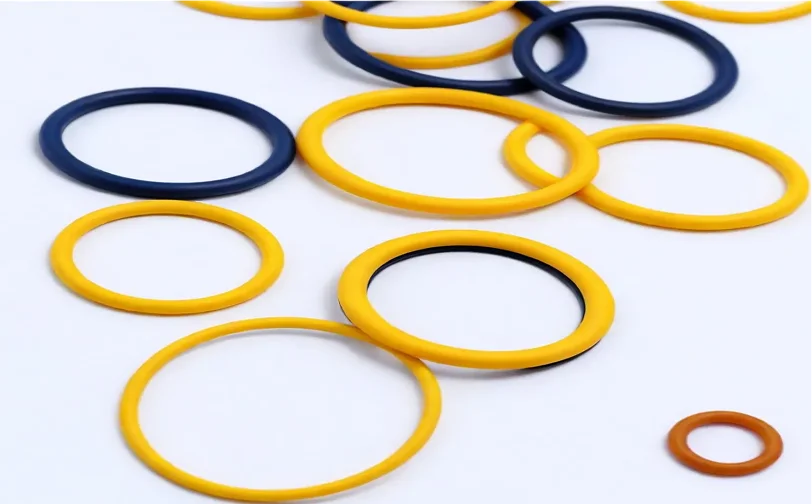
Engineering Capability: Precision Rubber Roofing Tile Development at Suzhou Baoshida
Suzhou Baoshida Trading Co., Ltd. leverages a dedicated core of seven specialized engineering professionals to deliver technically superior rubber roofing tile solutions. Our distinct advantage lies in the integrated expertise of five Mold Design Engineers and two Rubber Formulation Engineers, operating synergistically within a rigorous industrial framework. This structure ensures every product transitions from concept to high-volume production with uncompromising material science integrity and dimensional precision, directly addressing the demanding performance requirements of modern roofing systems.
Our Mold Design Engineers utilize advanced CAD/CAM suites (SolidWorks, UG NX) to develop complex, multi-cavity tooling optimized for thermoset rubber processing. Focus areas include precise thermal management channels for uniform vulcanization, strategic venting to eliminate surface defects, and robust construction for extended service life under high-tonnage presses. Concurrently, our Rubber Formulation Engineers apply deep polymer chemistry knowledge to tailor compound properties. We specialize in EPDM, SBR, and proprietary hybrid formulations engineered for critical roofing performance parameters: exceptional UV and ozone resistance, sustained flexibility across extreme temperature cycles (-40°C to +120°C), and long-term resistance to thermal oxidative degradation. Every compound undergoes stringent accelerated aging tests per ASTM D471 and ISO 188 protocols before mold validation begins.
This integrated engineering approach is fundamental to our OEM capability. We do not merely replicate designs; we partner with clients to optimize products for manufacturability, cost-efficiency, and target market specifications. Our team conducts thorough Design for Manufacturing (DFM) and Design for Assembly (DFA) analyses early in the collaboration, identifying potential material flow issues, ejection challenges, or post-molding processing needs. Clients benefit from our ability to rapidly iterate both tooling geometry and compound composition based on real-world test data, ensuring the final product meets exacting durability, weight, and aesthetic requirements without costly production delays. Confidentiality and intellectual property protection are strictly enforced throughout the OEM development cycle.
The resulting rubber roofing tiles exhibit performance characteristics validated through standardized industrial testing. Key specifications demonstrate our engineering rigor:
| Performance Parameter | Test Standard | Typical Result (EPDM-SBR Hybrid) | Significance for Roofing |
|---|---|---|---|
| Tensile Strength | ASTM D412 | ≥ 12.0 MPa | Resists mechanical stress during installation & service |
| Elongation at Break | ASTM D412 | ≥ 300% | Accommodates substrate movement without failure |
| Hardness (Shore A) | ASTM D2240 | 60 ± 5 | Optimal balance: walkability & wind uplift resistance |
| Heat Aging Resistance (100°C x 72h) | ASTM D573 | Tensile Retention ≥ 85% | Long-term stability under solar exposure |
| Accelerated Weathering (3000h) | ASTM G154 | ΔE < 3.0; Cracking None | Maintains appearance & integrity in harsh UV environments |
Suzhou Baoshida’s engineering capability transforms client specifications into reliable, high-performance rubber roofing tiles through the deliberate fusion of advanced mold technology and scientifically validated rubber chemistry. We deliver not just components, but engineered roofing system solutions backed by measurable data and scalable OEM execution. Partner with us for technical precision where roofing performance is non-negotiable.
Customization Process
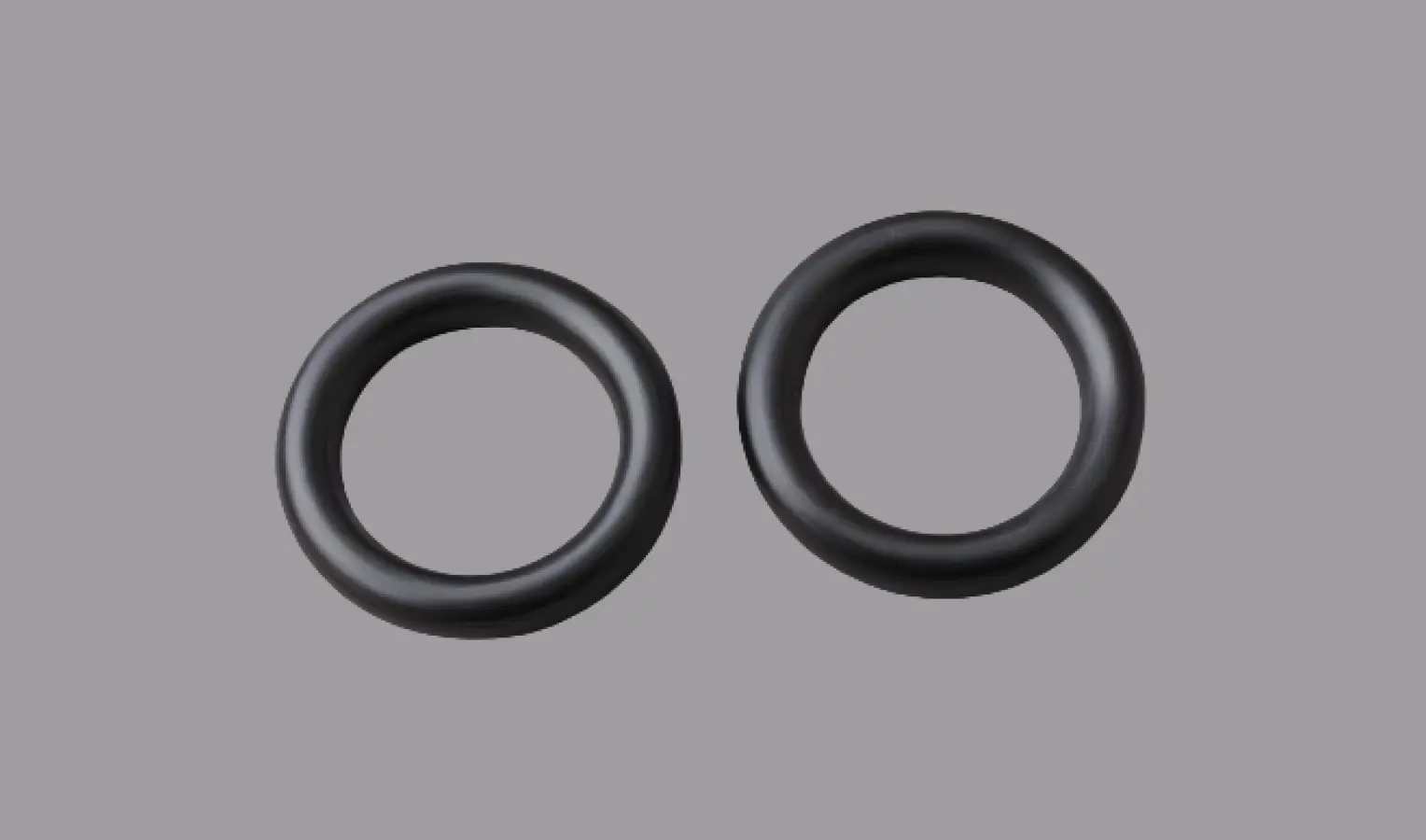
Customization Process for Rubber Roofing Tiles at Suzhou Baoshida Trading Co., Ltd.
At Suzhou Baoshida Trading Co., Ltd., we specialize in delivering high-performance rubber roofing tiles tailored to meet the precise structural, environmental, and aesthetic demands of industrial and commercial applications. Our customization process is engineered for accuracy, durability, and scalability, ensuring seamless integration from concept to mass production.
The first phase, Drawing Analysis, begins with a comprehensive review of customer-provided technical drawings or CAD models. Our engineering team evaluates dimensional tolerances, interlocking mechanisms, load-bearing profiles, and installation requirements. We assess slope compatibility, wind uplift resistance, and thermal expansion coefficients to ensure the design performs under real-world conditions. This stage includes finite element analysis (FEA) simulations where necessary, particularly for non-standard geometries or extreme climate applications.
Following design validation, we proceed to Formulation Development. Our rubber compounding laboratory formulates proprietary EPDM, SBR, or NBR-based blends optimized for UV resistance, thermal stability, and mechanical resilience. Additives such as carbon black, silica, and anti-oxidants are precisely dosed to enhance weatherability and tensile strength. The formulation is adjusted based on regional climate data—such as average rainfall, solar irradiance, and temperature ranges—provided by the client. Shore A hardness, elongation at break, and compression set are rigorously controlled to meet ASTM and ISO standards.
Once the compound is finalized, we initiate Prototyping using precision compression or injection molding techniques. Prototypes are subjected to accelerated aging tests, freeze-thaw cycling, and static load testing to validate performance. We provide clients with physical samples and full material test reports (MTRs), including tensile strength, water absorption, and fire resistance ratings (e.g., Class A per ASTM E108). Feedback is incorporated iteratively, with design or formulation refinements made as needed.
Upon client approval, we transition to Mass Production. Our automated production lines ensure batch consistency, with real-time quality monitoring via inline spectrometry and dimensional scanning. Each tile is serialized and traceable, supporting full supply chain transparency. Production capacity scales from 50,000 to over 500,000 units per month, depending on complexity and order specifications.
Below are standard performance specifications for our base rubber roofing tile formulation:
| Property | Test Standard | Typical Value |
|---|---|---|
| Tensile Strength | ASTM D412 | ≥12 MPa |
| Elongation at Break | ASTM D412 | ≥300% |
| Shore A Hardness | ASTM D2240 | 55–65 |
| Compression Set (22h, 70°C) | ASTM D395 | ≤20% |
| Water Absorption (7 days) | ISO 2781 | ≤1.5% |
| UV Resistance (3000h QUV) | ASTM G154 | No cracking, <15% Δcolor |
| Fire Rating | ASTM E108 | Class A |
| Service Temperature Range | — | -40°C to +120°C |
Our structured customization pathway ensures that every rubber roofing tile exceeds functional expectations while maintaining cost-efficiency and production agility.
Contact Engineering Team
Technical Partnership for Industrial Rubber Roofing Solutions
Suzhou Baoshida Trading Co., Ltd. operates at the forefront of engineered rubber solutions, specializing in high-performance roofing tiles for industrial and commercial applications. Our formulations leverage advanced EPDM and SBR polymer matrices, rigorously optimized for UV stability, thermal cycling resilience, and structural integrity under extreme environmental stress. As your OEM partner, we integrate material science precision with scalable manufacturing to deliver tiles that exceed ASTM D4637 and ISO 12967 standards for durability, fire resistance, and dimensional stability.
Our technical team collaborates directly with global manufacturers to refine compound formulations, ensuring seamless compatibility with your production lines and end-use requirements. Key performance attributes are validated through in-house accelerated aging chambers, dynamic mechanical analysis (DMA), and real-world pilot installations across diverse climatic zones. The table below summarizes core specifications for our standard industrial-grade rubber roofing tiles, though all parameters are adjustable per client OEM specifications.
| Property | Test Method | Typical Value | Tolerance |
|---|---|---|---|
| Tensile Strength | ASTM D412 | 12.5 MPa | ±0.8 MPa |
| Elongation at Break | ASTM D412 | 450% | ±30% |
| Shore A Hardness | ASTM D2240 | 65 | ±3 |
| Temperature Range | ISO 188 | -40°C to +130°C | Continuous |
| Flame Spread Index | ASTM E108 | Class A (25) | Meets UL 790 |
| Water Absorption (72h) | ASTM D570 | ≤0.8% | Max |
| Accelerated Aging (150°C) | ASTM D573 | ΔTensile ≤15% | 72h |
Manufacturing excellence is non-negotiable. Our Suzhou facility employs computer-controlled extrusion lines with laser-guided thickness calibration, ensuring ±0.3mm dimensional consistency across batches. Vulcanization occurs in nitrogen-inerted autoclaves with real-time pressure-temperature profiling, eliminating scorching and optimizing crosslink density. Every production run undergoes third-party certification through SGS or TÜV, with full traceability from raw material lot to finished tile. We provide comprehensive technical documentation, including compound certificates, process validation reports, and lifecycle performance forecasts tailored to your geographic deployment zones.
For custom OEM projects, we initiate collaboration with a detailed technical scoping session. Our engineers analyze your substrate requirements, installation methodology, and regulatory landscape to co-develop a formulation roadmap. This includes finite element analysis (FEA) for thermal expansion behavior, adhesion testing with your preferred underlayment systems, and prototyping with rapid feedback loops. Minimum order quantities are structured to support both high-volume production and niche architectural applications without compromising material consistency.
To advance your rubber roofing tile project with scientifically validated solutions, contact Mr. Boyce, our dedicated OEM Technical Manager. He will coordinate a confidential technical review, including sample dispatch, cost modeling, and production timeline mapping. Direct all engineering inquiries and partnership proposals to [email protected]. Note that rubber-tools.com is our exclusive technical support domain for global OEM clients, ensuring prompt engagement with our formulation and manufacturing teams. Include your target volume, regional compliance needs, and material performance priorities in initial correspondence to expedite solution development. Suzhou Baoshida commits to technical responsiveness within 8 business hours for all qualified industrial inquiries.
⚖️ O-Ring Weight Calculator
Estimate rubber O-ring weight (Approx).