
Technical Contents
Engineering Guide: Rubber Seal China
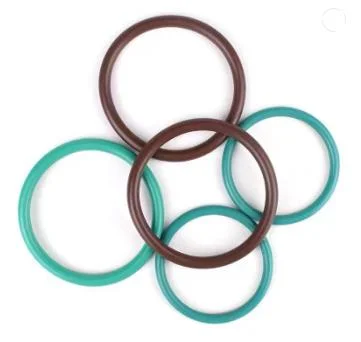
Engineering Insight: The Critical Role of Material Selection in Rubber Seal Performance
In the precision-driven world of industrial sealing solutions, material selection is not merely a design consideration—it is the foundation of functional reliability. At Suzhou Baoshida Trading Co., Ltd., we emphasize that off-the-shelf rubber seals, while seemingly cost-effective, frequently fail to meet the rigorous demands of real-world applications. These failures are rarely due to manufacturing defects but instead stem from an inadequate match between the elastomer material and the operational environment.
Rubber seals are exposed to a complex interplay of mechanical stress, thermal cycling, chemical exposure, and dynamic movement. Generic seals, often formulated for broad compatibility, lack the specificity required to withstand such conditions over extended service life. For example, a standard NBR (nitrile butadiene rubber) seal may perform adequately in low-temperature hydraulic systems but will rapidly degrade when exposed to ozone, high heat, or certain synthetic lubricants. Similarly, EPDM seals, while excellent for weather resistance, are incompatible with petroleum-based fluids, leading to swelling and loss of sealing integrity.
The root cause of these failures lies in the molecular structure of the elastomer. Each rubber compound has a unique polymer backbone and cross-linking chemistry that determines its resistance profile. Selecting the correct material requires a detailed understanding of fluid compatibility, temperature range, compression set resistance, and environmental exposure. This is where engineered solutions diverge from commodity products.
At Baoshida, we collaborate with OEMs to analyze application parameters and formulate custom compounds tailored to the specific duty cycle. Whether it’s FKM for high-temperature fuel systems, silicone for medical-grade biocompatibility, or HNBR for dynamic automotive applications, our approach ensures optimal performance and longevity.
Below is a comparative overview of common elastomers used in precision sealing applications:
| Material | Temperature Range (°C) | Key Strengths | Common Limitations | Typical Applications |
|---|---|---|---|---|
| NBR | -30 to +100 | Excellent resistance to oils, fuels, and water | Poor ozone and UV resistance; limited high-temp performance | Hydraulic systems, pneumatic seals |
| EPDM | -50 to +150 | Outstanding weather, steam, and water resistance | Incompatible with petroleum oils and fuels | HVAC systems, automotive cooling |
| FKM (Viton®) | -20 to +200 (up to +250 short-term) | Superior chemical, heat, and oil resistance | Higher cost; lower flexibility at low temperatures | Aerospace, chemical processing, fuel systems |
| Silicone | -60 to +200 | Exceptional thermal stability and biocompatibility | Low tensile strength; poor resistance to oils | Medical devices, food processing, electronics |
| HNBR | -40 to +170 | High mechanical strength, ozone, and heat resistance | Moderate fuel resistance compared to FKM | Automotive timing seals, industrial rollers |
Material selection is not a one-size-fits-all proposition. The consequences of misalignment—leakage, contamination, equipment downtime—far outweigh the initial savings of using generic seals. Precision engineering begins with molecular precision. At Suzhou Baoshida, we deliver not just seals, but scientifically validated solutions.
Material Specifications
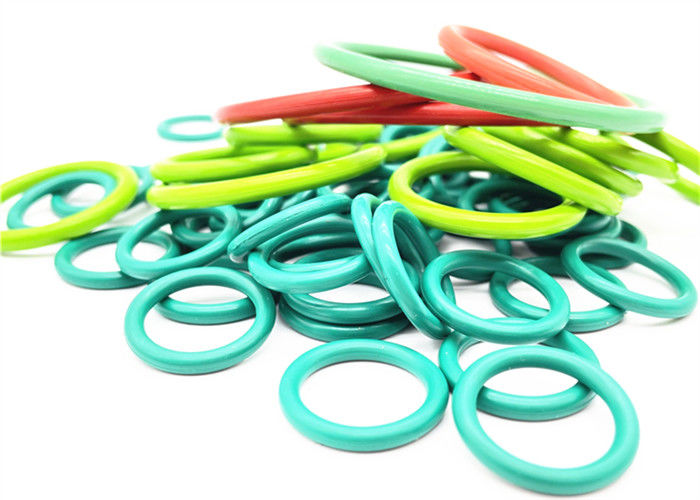
Material Specifications for Precision Rubber Seals
Material selection is the cornerstone of reliable seal performance in demanding industrial applications. At Suzhou Baoshida Trading Co., Ltd., we engineer precision rubber seals using rigorously tested polymers to meet exacting OEM specifications. Understanding the chemical composition, thermal limits, and mechanical behavior of base materials ensures optimal service life under operational stress. Viton (FKM), Nitrile (NBR), and Silicone (VMQ) represent industry-standard solutions, each with distinct performance profiles validated through ASTM D2000 and ISO 3601 protocols.
Viton fluorocarbon rubber delivers unparalleled resistance to aggressive chemicals, including fuels, acids, and hydraulic fluids, while maintaining integrity at continuous temperatures up to 250°C. Its molecular stability minimizes swelling in aromatic hydrocarbons, making it indispensable for aerospace and semiconductor manufacturing seals. Standard Viton compounds exhibit tensile strengths of 12–18 MPa and elongation at break of 150–250%, with hardness ranges from 60 to 90 Shore A. Compression set values remain below 25% after 70 hours at 200°C, critical for dynamic sealing longevity.
Nitrile butadiene rubber offers cost-effective resilience against petroleum-based oils and greases, with operational viability from -40°C to 120°C. Standard high-acrylonitrile grades (45–50% ACN) achieve tensile strengths of 15–20 MPa and elongation of 200–350%. Hardness spans 50–90 Shore A, allowing customization for low-friction or high-extrusion-resistance applications. While susceptible to ozone and ketones, NBR’s abrasion resistance and rapid compression set recovery (20–35% at 100°C) make it ideal for automotive hydraulic systems and industrial machinery.
Silicone rubber excels in extreme temperature versatility (-60°C to 230°C continuous) and biocompatibility, with low compression set (20–40% at 200°C). Its inert structure resists UV, ozone, and steam, though tensile strength (5–8 MPa) and tear resistance are moderate compared to FKM or NBR. Elongation exceeds 400%, enabling flexibility in cryogenic or high-heat medical and food-grade seals. Peroxide-cured silicone variants enhance fluid resistance but require specialized molding protocols.
The comparative analysis below details critical specifications for informed material selection:
| Material | Temperature Range (°C) | Tensile Strength (MPa) | Elongation at Break (%) | Hardness Range (Shore A) | Key Resistances | Primary Limitations |
|---|---|---|---|---|---|---|
| Viton (FKM) | -20 to 250 | 12–18 | 150–250 | 60–90 | Fuels, acids, solvents, heat | Poor ketone/ester resistance; high cost |
| Nitrile (NBR) | -40 to 120 | 15–20 | 200–350 | 50–90 | Petroleum oils, water, abrasion | Limited heat/ozone resistance |
| Silicone (VMQ) | -60 to 230 | 5–8 | 400–600 | 30–80 | Extreme temps, ozone, steam, biocompatibility | Low tensile strength; permeable to gases |
Suzhou Baoshida’s OEM manufacturing leverages these material properties through precision compounding and molding. We validate all formulations against ISO 3302 tolerances for dimensional stability and ISO 2230 for fluid resistance. Critical factors such as durometer variance (±3 Shore A), compression set under application-specific loads, and extractable content are monitored per customer technical data sheets. Partner with us to translate material science into seals that eliminate leakage risks and extend maintenance cycles in your systems.
Manufacturing Capabilities
Engineering Capability
At Suzhou Baoshida Trading Co., Ltd., our engineering capability in precision rubber seal manufacturing is anchored in deep technical expertise and a disciplined approach to material science and mold design. Our team comprises five dedicated mold engineers and two specialized rubber formula engineers, enabling us to deliver fully integrated OEM solutions from concept to production. This structure ensures that every component we produce meets exacting performance, durability, and dimensional requirements for demanding industrial applications.
Our mold engineers bring over a decade of experience in precision tooling for rubber compression, transfer, and injection molding processes. They utilize advanced CAD/CAM software, including SolidWorks and AutoCAD, to develop optimized mold designs that ensure consistent part quality, minimal flash, and extended tool life. Finite element analysis (FEA) is routinely applied to simulate material flow and curing behavior, allowing for proactive correction of potential defects such as air traps or uneven vulcanization. All molds are manufactured in-house or through tightly controlled partner facilities, with strict adherence to ISO 9001 standards for dimensional accuracy and surface finish.
Complementing our mold engineering strength is our in-house rubber compounding capability. Our two formula engineers specialize in developing custom elastomer formulations tailored to specific environmental and mechanical demands. With access to a fully equipped laboratory for rheometry, tensile testing, compression set analysis, and accelerated aging, we formulate compounds based on NBR, EPDM, FKM, silicone, and other specialty rubbers. This vertical integration allows us to solve complex sealing challenges involving extreme temperatures, aggressive chemicals, dynamic loads, or regulatory compliance (e.g., FDA, ROHS, UL).
Our OEM capabilities are designed for scalability and technical collaboration. We support customers from initial design review and material selection through prototyping, validation testing, and full-volume production. Every project undergoes Design for Manufacturability (DFM) analysis to ensure cost-efficiency without compromising performance. We maintain full traceability of materials and process parameters, with documented control plans and PPAP submissions available upon request.
The synergy between mold design and compound formulation enables us to deliver rubber seals with superior sealing integrity, extended service life, and consistent batch-to-batch repeatability—critical for automotive, aerospace, medical devices, and industrial equipment manufacturers.
| Specification | Capability |
|---|---|
| Mold Design Software | SolidWorks, AutoCAD, Moldflow |
| Mold Types Supported | Compression, Transfer, Injection |
| Rubber Compounding | In-house formulation and testing |
| Base Polymers | NBR, EPDM, FKM, Silicone, CR, ACM, AEM |
| Testing Capabilities | Tensile Strength, Elongation, Hardness, Compression Set, Aging, Durometer |
| OEM Services | Design Support, DFM, Prototyping, PPAP, Full Production |
| Quality Standards | ISO 9001:2015, ROHS, FDA (upon request), UL Recognition Support |
Customization Process
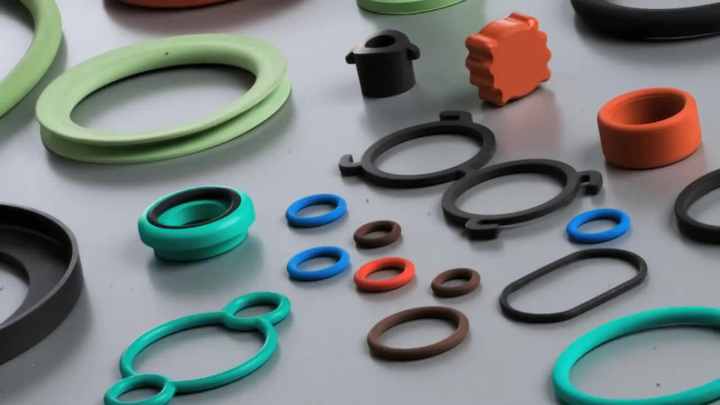
Precision Rubber Seal Customization Process: From Concept to Volume Production
At Suzhou Baoshida Trading Co., Ltd., our engineering-driven approach to custom rubber seal manufacturing ensures optimal performance and reliability for demanding industrial applications. We adhere to a rigorous four-phase customization workflow, integrating material science expertise with precision manufacturing protocols to meet exact OEM specifications. This structured methodology minimizes development cycles while guaranteeing compliance with international quality standards.
Drawing Analysis
The process initiates with comprehensive technical drawing evaluation. Our engineering team conducts dimensional tolerance verification against ISO 3302 and ISO 2768 standards, assessing critical features such as cross-section geometry, sealing lips, and groove compatibility. We perform finite element analysis (FEA) simulations to predict compression behavior under operational loads and identify potential stress concentration zones. Material compatibility requirements, including fluid exposure and temperature ranges, are cross-referenced against our polymer database to establish preliminary compound selection criteria. This phase concludes with a formal Design for Manufacturability (DFM) report, highlighting any geometric modifications needed to ensure producibility without compromising functional integrity.
Formulation Development
Leveraging Suzhou Baoshida’s proprietary material database spanning 200+ validated rubber compounds, our formula engineers develop application-specific elastomer formulations. Key performance indicators dictate the polymer base selection (e.g., NBR for oil resistance, EPDM for ozone stability, FKM for extreme temperatures). Critical properties are precisely engineered through controlled variation of fillers, plasticizers, and curing systems. All formulations undergo predictive modeling for compression set, tensile strength, and fluid resistance prior to laboratory compounding. Each compound is validated against ASTM D2000 material specification sheets, with full traceability maintained from raw material lot to finished part.
Prototyping & Validation
Functional prototypes are produced using precision CNC-machined molds under controlled vulcanization parameters. Prototypes undergo rigorous testing per customer-specified protocols, including:
Hydraulic pressure testing to 150% of operational limits
Accelerated aging per ASTM D573 at elevated temperatures
Dynamic friction coefficient measurement
Full dimensional inspection via CMM
Test results are documented in an Engineering Validation Report (EVR), correlating physical performance against simulation data. Typically 2-3 iterative prototype cycles are required to achieve final design approval, with material adjustments implemented based on empirical test data.
Mass Production Implementation
Upon prototype sign-off, we transition to volume production under ISO 9001-certified processes. Production molds are manufactured to ISO 20456 Class A standards with hardened tool steel construction. In-process controls include:
100% visual inspection at demolding
Automated dimensional sampling every 30 minutes
Real-time cure monitoring via rheometer-linked press controls
Final lots undergo full First Article Inspection (FAI) per AS9102 requirements. All production batches include certified material test reports and traceability documentation for full supply chain accountability. Our lean manufacturing systems ensure consistent part-to-part repeatability with CpK values exceeding 1.67 for critical dimensions.
Critical Material Performance Specifications
| Material Type | Tensile Strength (MPa) | Hardness Range (Shore A) | Compression Set (% after 70h @ 100°C) | Fluid Resistance (ASTM No. 1) | Temperature Range (°C) |
|---|---|---|---|---|---|
| NBR | 15-25 | 50-90 | 15-25 | Excellent | -30 to +120 |
| EPDM | 12-22 | 50-90 | 20-30 | Good | -50 to +150 |
| FKM | 10-18 | 60-80 | 10-20 | Exceptional | -20 to +230 |
| VMQ | 6-10 | 30-80 | 15-25 | Fair | -60 to +200 |
This systematic approach ensures Suzhou Baoshida delivers technically optimized rubber seals that meet the exacting demands of global OEMs, combining advanced material science with disciplined production control for mission-critical sealing performance.
Contact Engineering Team
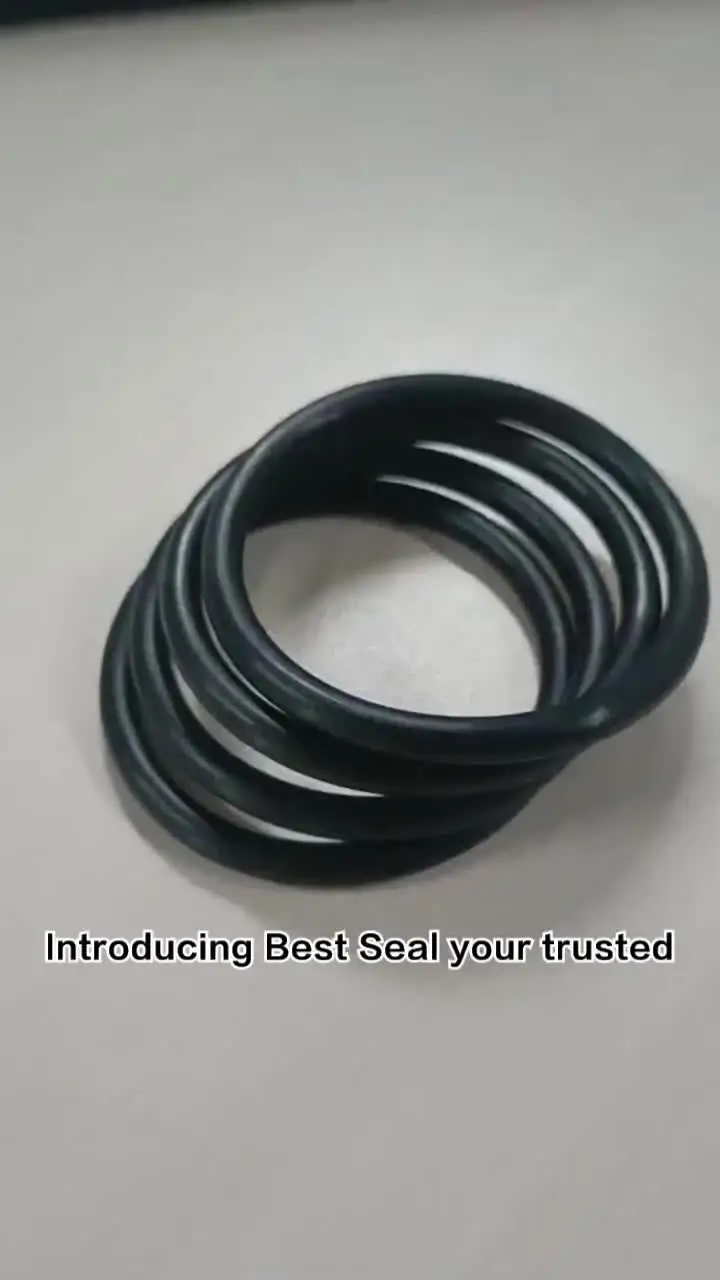
Contact Suzhou Baoshida for Precision Rubber Seals Engineered to Perform
When sourcing high-performance rubber seals for demanding industrial applications, precision, material integrity, and engineering expertise are non-negotiable. At Suzhou Baoshida Trading Co., Ltd., we specialize in the development and supply of custom-engineered rubber seals that meet exacting OEM specifications. Our manufacturing processes are rooted in material science, dimensional accuracy, and long-term reliability—ensuring your sealing solutions perform under pressure, extreme temperatures, and dynamic operating conditions.
As a trusted partner to global manufacturers in automotive, aerospace, hydraulics, and industrial equipment sectors, we understand that every application presents unique challenges. Whether you require seals resistant to aggressive chemicals, low-temperature flexibility, or high compression set stability, our technical team works closely with your engineers to select the optimal elastomer compound and design configuration. From initial concept to final validation, Suzhou Baoshida delivers sealing performance you can rely on.
Our core materials include Nitrile (NBR), Ethylene Propylene Diene Monomer (EPDM), Fluorocarbon (FKM/Viton®), Silicone (VMQ), and specialty blends engineered for specific environmental exposures. Each compound is tested in accordance with international standards, including ASTM D2000 and ISO 3601, to guarantee consistency and compliance. We support both high-volume production runs and low-volume prototyping, with rapid turnaround and full traceability.
Below is a representative summary of material properties we routinely work with:
| Material | Hardness Range (Shore A) | Temperature Range (°C) | Key Resistance Properties |
|---|---|---|---|
| NBR (Nitrile) | 50–90 | -30 to +120 | Oil, fuel, abrasion |
| EPDM | 50–90 | -50 to +150 | Steam, ozone, weathering |
| FKM (Viton®) | 60–90 | -20 to +230 | High heat, chemicals, acids |
| Silicone (VMQ) | 40–80 | -60 to +200 | Extreme cold, UV, biocompatibility |
| ACM (Acrylate) | 65–85 | -10 to +170 | Heat, oxidation, hydraulic fluids |
All seals are manufactured under strict quality control protocols, with in-house tooling capabilities and metrology systems to ensure dimensional conformity. We support international certifications including ISO 9001:2015 and provide full material test reports upon request.
To discuss your next rubber seal project, contact Mr. Boyce, our dedicated OEM Manager and Rubber Formula Engineer. With over 12 years of experience in elastomer formulation and industrial sealing solutions, Mr. Boyce provides direct technical engagement to align material performance with your application requirements. Reach him via email at [email protected] to initiate a technical consultation, request samples, or receive a detailed quotation.
At Suzhou Baoshida, we don’t just supply rubber seals—we engineer sealing performance. Partner with us to reduce failure rates, extend service life, and enhance system reliability. Your application demands precision. We deliver it.
⚖️ O-Ring Weight Calculator
Estimate rubber O-ring weight (Approx).