
Technical Contents
Engineering Guide: Rubber Sheet Material
Engineering Insight: Material Selection in Rubber Sheet Applications
Material selection for rubber sheeting transcends basic specification matching; it is a precision engineering decision directly impacting system longevity and safety. Off-the-shelf rubber sheets often fail in demanding industrial environments because standardized compounds cannot address the nuanced interplay of chemical exposure, thermal cycling, mechanical stress, and regulatory constraints inherent to specialized applications. Generic formulations prioritize cost and broad usability over performance under specific operational extremes, leading to premature degradation such as swelling in hydrocarbon environments, hardening at low temperatures, or catastrophic compression set under sustained load. These failures manifest as seal leakage, structural fatigue, or contamination risks—costly outcomes when integrated into critical machinery like hydraulic systems, semiconductor manufacturing tools, or pharmaceutical processing equipment.
The core limitation of off-the-shelf solutions lies in their static property profiles. Industrial rubber must dynamically withstand variable conditions: a sheet tolerating +120°C in air may rapidly deteriorate at 85°C when exposed to ozone or phosphate ester hydraulic fluids. Similarly, tensile strength alone is insufficient; elongation retention after aging, tear resistance under cyclic flexing, and electrical resistivity in cleanroom settings require tailored polymer architectures. Compounding errors compound quickly—a nitrile rubber (NBR) sheet rated for “general oil resistance” may swell 40% in biodiesel blends, while an ethylene propylene diene monomer (EPDM) variant marketed for “weather resistance” could crystallize at -40°C, losing sealing integrity.
Suzhou Baoshida Trading Co., Ltd. addresses these gaps through OEM-driven material engineering. We reject one-size-fits-all approaches, instead developing application-specific compounds validated against actual use-case parameters. Below is a comparative analysis illustrating why engineered solutions outperform generic alternatives:
| Property | Generic NBR Sheet | Baoshida Engineered NBR OEM Sheet |
|---|---|---|
| Temperature Range | -30°C to +100°C | -50°C to +135°C (with fluid exposure) |
| Biodiesel Swell (B100, 70°C/72h) | 35-45% | ≤12% |
| Compression Set (70h/70°C) | 35-45% | ≤18% |
| Ozone Resistance (50pphm, 40°C) | Poor (cracking) | Excellent (no cracking) |
Our process begins with failure mode analysis of existing solutions, followed by molecular-level adjustments to polymer backbone saturation, crosslink density, and additive packages. For instance, hydrogenated NBR (HNBR) with peroxide curing achieves superior thermal stability for automotive turbocharger hoses, while custom-silica-filled EPDM resists gamma radiation in medical device sterilization trays. Every formulation undergoes accelerated aging per ASTM D2000 and application-specific fluid immersion testing, with traceable batch documentation ensuring repeatability.
Off-the-shelf rubber sheets represent a gamble with operational reliability. At Suzhou Baoshida, we engineer certainty—transforming material selection from a procurement task into a strategic advantage that eliminates unplanned downtime and extends asset lifecycle. Partner with us to convert your environmental and mechanical challenges into validated rubber solutions.
Material Specifications
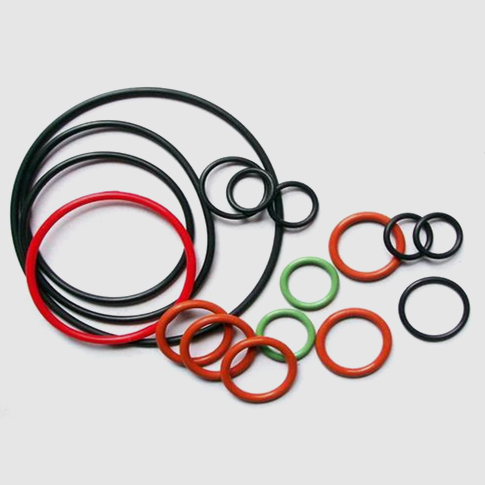
Material Specifications for Industrial Rubber Sheet Applications
Suzhou Baoshida Trading Co., Ltd. provides high-performance rubber sheet materials engineered for demanding industrial environments. Our portfolio includes Viton, Nitrile (NBR), and Silicone rubber sheets—each formulated to meet specific mechanical, thermal, and chemical resistance requirements. These materials are widely used in sealing, gasketing, insulation, and protective barrier applications across automotive, aerospace, oil & gas, pharmaceutical, and food processing industries. Understanding the technical specifications of each rubber compound is essential for optimal material selection and long-term performance.
Viton rubber, a fluorocarbon-based elastomer (FKM), offers exceptional resistance to high temperatures, oils, fuels, and a broad range of chemicals. It maintains structural integrity from -20°C to +230°C, with intermittent exposure capability up to 300°C. Viton sheets are ideal for extreme service conditions where long-term reliability under chemical stress is critical. They exhibit low gas permeability and excellent aging characteristics, making them suitable for aerospace seals, refinery gaskets, and chemical processing components.
Nitrile rubber (NBR) is a copolymer of butadiene and acrylonitrile, known for its outstanding resistance to aliphatic hydrocarbons, oils, and fuels. With a service temperature range of -30°C to +100°C (up to +120°C intermittently), NBR is a cost-effective solution for hydraulic systems, fuel hoses, and oil-resistant gaskets. Its mechanical strength, abrasion resistance, and compression set performance are superior in standard industrial environments. However, NBR exhibits limited resistance to ozone, UV radiation, and polar solvents, which should be considered during application design.
Silicone rubber (VMQ) delivers exceptional thermal stability and flexibility across a wide temperature spectrum, operating reliably from -60°C to +200°C. It is non-toxic, transparent, and meets FDA and USP Class VI compliance when formulated accordingly, making it ideal for food, medical, and pharmaceutical applications. Silicone sheets exhibit excellent electrical insulation properties and resistance to oxidation and weathering. While it has moderate mechanical strength and poor resistance to hydrocarbon fluids, its biocompatibility and thermal resilience position it as the material of choice for medical seals, electronic insulation pads, and kitchenware components.
The following table summarizes key technical specifications for Viton, Nitrile, and Silicone rubber sheets to aid in material selection:
| Property | Viton (FKM) | Nitrile (NBR) | Silicone (VMQ) |
|---|---|---|---|
| Temperature Range (°C) | -20 to +230 (300 intermittent) | -30 to +100 (+120 intermittent) | -60 to +200 |
| Tensile Strength (MPa) | 12–20 | 10–25 | 5–10 |
| Elongation at Break (%) | 150–300 | 200–500 | 200–700 |
| Hardness (Shore A) | 60–90 | 50–90 | 30–80 |
| Resistance to Oils/Fuels | Excellent | Excellent | Poor |
| Resistance to Ozone/UV | Excellent | Moderate | Excellent |
| Electrical Insulation | Good | Fair | Excellent |
| FDA Compliance Available | Yes (specific grades) | Limited | Yes (standard) |
All rubber sheet materials from Suzhou Baoshida are manufactured to international quality standards, with traceable certifications and batch consistency. Custom thicknesses, colors, and formulations are available upon request to meet OEM and industrial specifications.
Manufacturing Capabilities
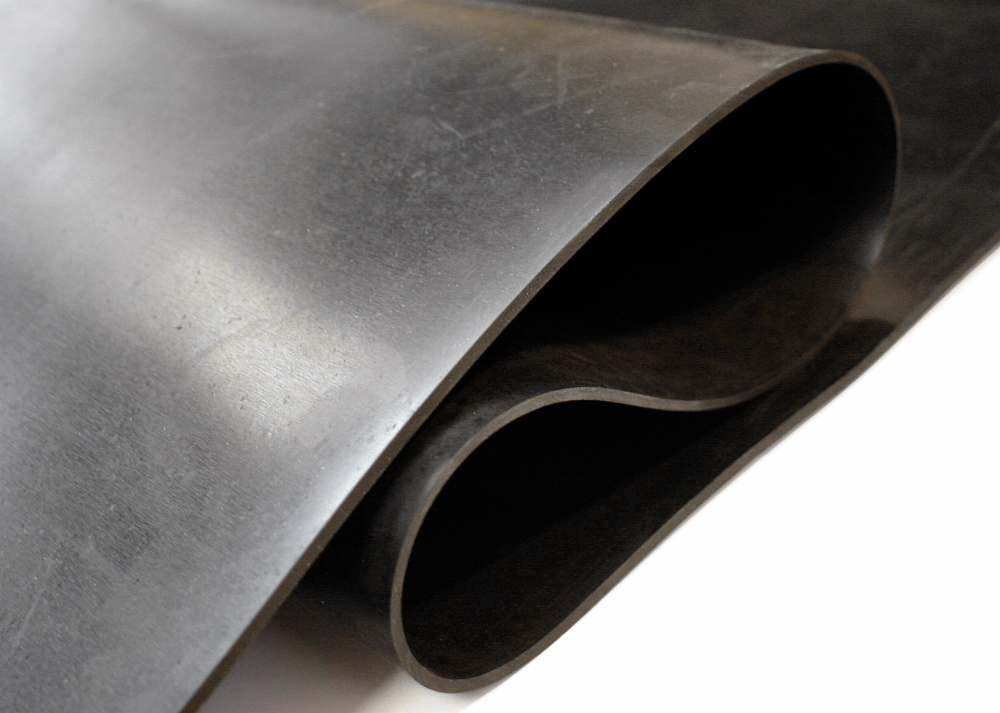
Engineering Capabilities: Precision Rubber Sheet Manufacturing
Suzhou Baoshida Trading Co., Ltd. leverages deep technical expertise to deliver mission-critical rubber sheet solutions for demanding industrial applications. Our engineering division integrates advanced material science with precision manufacturing, ensuring every product meets exacting performance, durability, and regulatory standards. Central to this capability is a dedicated team of five Mold Engineers and two Rubber Formula Engineers, operating at the forefront of elastomeric innovation. This specialized structure enables end-to-end control—from molecular-level compound design to mold optimization—eliminating third-party dependencies and accelerating time-to-market for complex OEM projects.
Our Formula Engineers specialize in tailoring polymer architectures for extreme operational environments. Utilizing rheological analysis, DSC thermal profiling, and accelerated aging protocols, they develop proprietary compounds resistant to ozone, hydraulic fluids, high-energy radiation, and temperatures spanning -60°C to +300°C. This precision extends to critical properties like compression set (ASTM D395), tensile strength (ASTM D412), and abrasion resistance (ASTM D5963), ensuring long-term functionality in aerospace seals, semiconductor handling, and heavy machinery. Concurrently, our Mold Engineering team employs 3D flow simulation (Moldflow) and CNC-machined steel tooling to achieve ±0.15mm dimensional tolerances, eliminating knit lines and optimizing cure kinetics for consistent sheet uniformity.
As a certified OEM partner, we execute full-spectrum customization:
Material formulation adjustments based on chemical exposure or dynamic stress requirements
Mold design validation for complex geometries and tight-tolerance sheet profiles
Process parameter optimization for extrusion, calendering, and vulcanization
Comprehensive material performance validation per ISO 9001 and customer-specific protocols
The following table summarizes key rubber sheet specifications achievable through our engineered solutions:
| Property | Test Standard | Typical Range | Critical Applications |
|---|---|---|---|
| Durometer (Shore A) | ASTM D2240 | 30–90 | Sealing, Vibration Damping |
| Tensile Strength (MPa) | ASTM D412 | 8.0–25.0 | Hydraulic Systems, Conveyors |
| Elongation at Break (%) | ASTM D412 | 150–650 | Flexible Couplings, Expansion Joints |
| Compression Set (%) | ASTM D395 | ≤15 (70h @ 100°C) | Static Seals, Gaskets |
| Temperature Range (°C) | ISO 188 | -60 to +300 (FKM) | Aerospace, Semiconductor |
| Fluid Resistance (IRMOG) | ASTM D471 | Grade AA (Per MIL-H-83282) | Fuel/Oil Systems |
This technical rigor ensures seamless integration into client supply chains. We collaborate from initial concept through PPAP documentation, providing material traceability, batch-specific certificates, and iterative prototyping. By embedding engineering accountability at every phase, Suzhou Baoshida transforms material challenges into reliable, high-performance rubber sheet solutions—proven across automotive, energy, and industrial automation sectors. Partner with us to convert stringent specifications into manufactured reality.
Customization Process
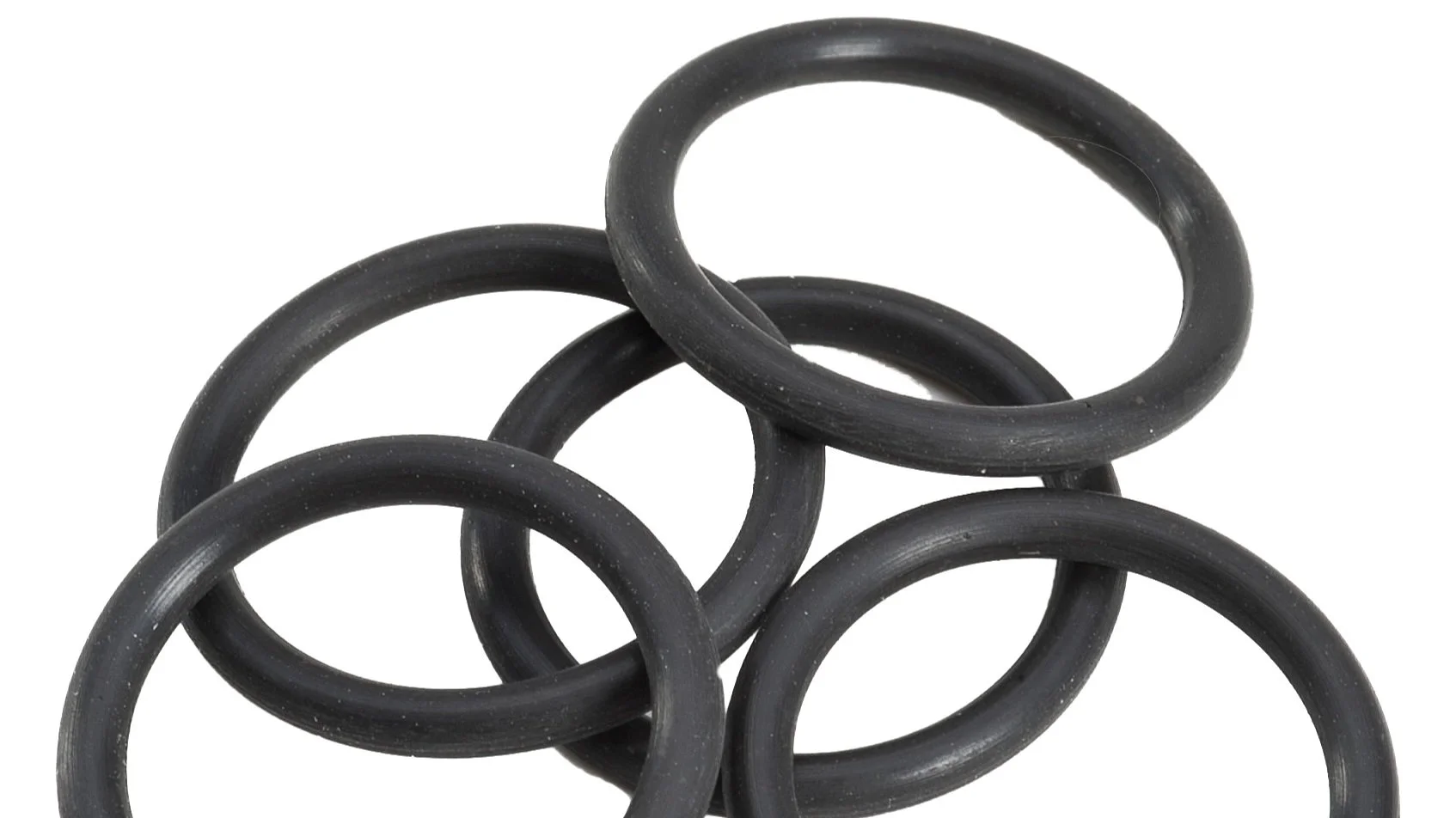
Customization Process for Rubber Sheet Material at Suzhou Baoshida Trading Co., Ltd.
At Suzhou Baoshida Trading Co., Ltd., precision and performance define our approach to custom rubber sheet manufacturing. Our industrial rubber solutions are engineered to meet exact client specifications, ensuring compatibility with demanding operational environments. The customization process follows a disciplined sequence: Drawing Analysis, Formulation, Prototyping, and Mass Production. Each phase integrates material science, engineering validation, and quality control to deliver reliable, high-performance rubber sheets.
The process begins with Drawing Analysis, where technical blueprints and dimensional schematics are rigorously reviewed. Our engineering team evaluates tolerance requirements, surface finish specifications, and application conditions such as temperature exposure, mechanical stress, and chemical resistance. This stage ensures that design intent aligns with material capabilities and manufacturability. Critical dimensions and functional zones are flagged for special attention during formulation and tooling.
Following drawing validation, the Formulation phase determines the optimal rubber compound. Based on the operational environment, we select base polymers—such as NBR, EPDM, silicone, or fluororubber—and engineer the additive package to achieve desired physical and chemical properties. Key parameters include hardness (Shore A), tensile strength, elongation at break, compression set, and resistance to oils, ozone, or UV exposure. Our in-house compounding laboratory enables precise control over filler content, vulcanization systems, and aging stabilizers, ensuring repeatability and compliance with international standards.
Once the formulation is finalized, we proceed to Prototyping. Small-batch production runs are conducted using calibrated rolling mills or precision calendering lines to produce sample sheets. These prototypes undergo comprehensive testing, including dimensional verification, hardness measurement, and environmental exposure trials. Clients receive physical samples along with material test reports (MTRs) for evaluation. Feedback is incorporated into final adjustments before scaling to full production.
The final stage, Mass Production, leverages automated calendering and curing systems to ensure consistency across large volumes. Real-time monitoring of temperature, pressure, and line speed guarantees uniform thickness and cross-link density. Every batch is subject to quality inspection, with traceability maintained through batch coding and documentation.
The table below outlines typical specifications achievable in our rubber sheet production:
| Property | Typical Range | Test Standard |
|---|---|---|
| Thickness | 0.5 mm – 20 mm | ASTM D3767 |
| Hardness (Shore A) | 40 – 90 | ASTM D2240 |
| Tensile Strength | 8 – 25 MPa | ASTM D412 |
| Elongation at Break | 200% – 600% | ASTM D412 |
| Temperature Resistance | -40°C to +250°C (varies by compound) | ASTM D573 / D1329 |
| Compression Set (24h) | ≤25% | ASTM D395 |
Our structured customization process ensures that every rubber sheet meets the exact functional and regulatory demands of industrial applications, from sealing systems to vibration damping and protective linings.
Contact Engineering Team
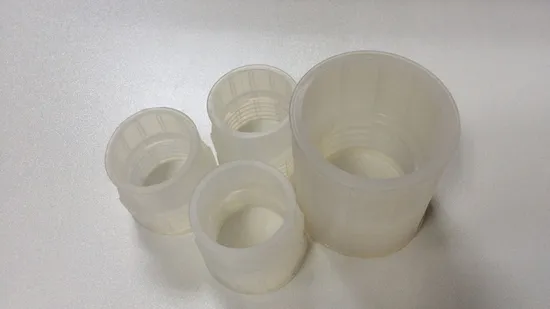
Contact Suzhou Baoshida for Precision Rubber Sheet Solutions
Industrial applications demand rubber sheet materials engineered for uncompromising performance under exacting conditions. At Suzhou Baoshida Trading Co., Ltd., we specialize in formulating and supplying custom rubber compounds that meet rigorous OEM specifications for durability, chemical resistance, and thermal stability. Our technical team possesses deep expertise in polymer chemistry and material science, ensuring every sheet delivers consistent mechanical properties critical for sealing, insulation, vibration damping, and wear resistance. Generic off-the-shelf solutions often fail to address the nuanced requirements of high-stakes manufacturing environments. We bridge this gap through collaborative engineering, starting with a thorough analysis of your operational parameters—from dynamic stress exposure to media compatibility—to develop a material solution optimized for your product lifecycle.
Our commitment to precision begins at the molecular level. Utilizing advanced compounding techniques and stringent QC protocols, we control variables such as cross-linking density, filler dispersion, and cure kinetics to achieve target performance metrics. The table below outlines key technical parameters we routinely engineer for industrial rubber sheets, reflecting our capacity to tailor solutions beyond standard commercial grades.
| Technical Parameter | Standard Range (Customizable) | Measurement Standard | Critical Application Impact |
|---|---|---|---|
| Hardness (Shore A) | 30–90 ±2 | ASTM D2240 | Compression set, sealing force, wear |
| Tensile Strength (MPa) | 10–30 | ASTM D412 | Structural integrity under load |
| Elongation at Break (%) | 150–600 | ASTM D412 | Flexibility, resistance to tearing |
| Temperature Range (°C) | -50 to +150 (Specialty: -70 to +250) | ISO 188 | Operational stability in extreme climates |
| Compression Set (% @ 70°C) | ≤25 (70h) | ASTM D395 | Long-term sealing effectiveness |
Partnering with Suzhou Baoshida means direct access to formulation engineers who translate your functional requirements into material specifications. We support OEMs through every phase—from prototyping and small-batch validation to full-scale production—ensuring seamless integration into your manufacturing workflow. Our supply chain infrastructure guarantees on-time delivery of ISO 9001-certified materials, with full traceability documentation for critical industries like automotive, aerospace, and industrial machinery.
For technical collaboration or to initiate a material qualification process, contact Mr. Boyce, our dedicated OEM Solutions Manager. With over 12 years of experience in rubber compound development and global supply chain management, Mr. Boyce provides authoritative guidance on material selection, performance validation, and cost-optimized sourcing strategies. He will coordinate our engineering resources to address your specific challenges, whether requiring NBR for oil resistance, EPDM for weatherability, or custom-modified silicone for extreme temperatures.
Initiate your project with confidence by reaching out directly to Mr. Boyce at [email protected]. Include details such as required dimensions, operating environment (temperature, media exposure), mechanical stress factors, and regulatory certifications (e.g., FDA, UL, RoHS). Our team responds to all technical inquiries within 4 business hours, providing preliminary compound recommendations and feasibility assessments. Suzhou Baoshida operates as your strategic extension in material innovation—where scientific rigor meets industrial execution. Trust us to deliver rubber sheet solutions engineered for zero compromise in performance.
⚖️ O-Ring Weight Calculator
Estimate rubber O-ring weight (Approx).