
Technical Contents
Engineering Guide: Rubber Sleve
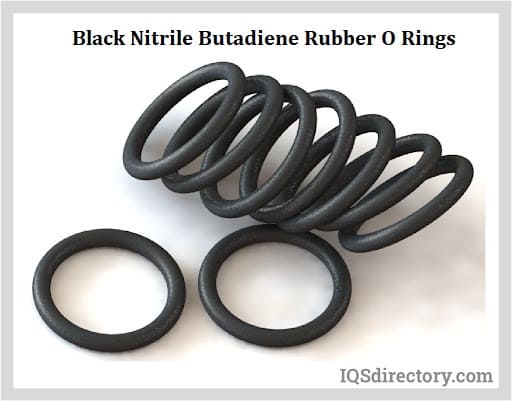
Engineering Insight: The Critical Role of Material Selection in Rubber Sleeve Performance
In industrial applications, rubber sleeves serve as vital interface components in machinery, providing sealing, damping, alignment, and protection against wear and environmental exposure. Despite their seemingly simple design, the performance and longevity of rubber sleeves are profoundly influenced by material selection. A common misconception in procurement is that off-the-shelf rubber sleeves can universally meet application demands. This assumption often leads to premature failure, unplanned downtime, and increased maintenance costs.
The failure of generic rubber sleeves typically stems from mismatched material properties relative to operational conditions. Key factors such as temperature extremes, chemical exposure, mechanical stress, compression set, and abrasion resistance must be evaluated during the design phase. For instance, a sleeve made from standard natural rubber (NR) may perform adequately in mild environments but will rapidly degrade when exposed to ozone, oils, or elevated temperatures above 70°C. Similarly, using nitrile rubber (NBR) in high-temperature steam environments will result in hardening and cracking due to thermal oxidation.
Material selection must be application-specific. At Suzhou Baoshida Trading Co., Ltd., we emphasize engineered solutions that begin with a thorough analysis of the operating environment. For hydraulic systems exposed to petroleum-based fluids, NBR remains a robust choice due to its excellent oil resistance. In contrast, for outdoor applications requiring UV and ozone resistance, ethylene propylene diene monomer (EPDM) is preferred, offering stability up to 150°C and superior weathering performance. For aggressive chemical environments or extreme temperature ranges, fluorocarbon rubber (FKM) provides exceptional resistance, albeit at a higher material cost—justified by extended service life and reliability.
Another critical consideration is the compression set, which measures a material’s ability to recover its shape after prolonged deformation. Sleeves used in dynamic sealing applications must maintain elastic recovery; otherwise, leakage and loss of function occur. Silicone rubber (VMQ), while not mechanically robust, excels in low- and high-temperature flexibility (-60°C to 200°C) and is ideal for thermal insulation sleeves in electrical or food processing equipment.
The table below outlines key rubber materials and their performance characteristics relevant to industrial sleeve applications.
| Material | Temperature Range (°C) | Key Strengths | Common Limitations | Typical Applications |
|---|---|---|---|---|
| Natural Rubber (NR) | -40 to 70 | High elasticity, abrasion resistance | Poor oil/ozone resistance | General industrial rollers |
| Nitrile (NBR) | -30 to 100 | Excellent oil/fuel resistance | Limited heat/ozone stability | Hydraulic seals, fuel lines |
| EPDM | -50 to 150 | Ozone, UV, steam resistance | Poor oil resistance | Outdoor seals, cooling systems |
| FKM (Viton®) | -20 to 200 | Chemical, heat, oil resistance | High cost, lower elasticity | Chemical processing, aerospace |
| Silicone (VMQ) | -60 to 200 | Thermal stability, flexibility | Low tensile strength | Electrical insulation, food-grade |
Off-the-shelf solutions often fail because they prioritize cost and availability over technical fit. At Suzhou Baoshida, we advocate for custom-engineered rubber sleeves where material formulation, durometer, and reinforcement layers are tailored to the application. This precision approach ensures reliability, reduces lifecycle costs, and aligns with the stringent demands of modern industrial systems.
Material Specifications
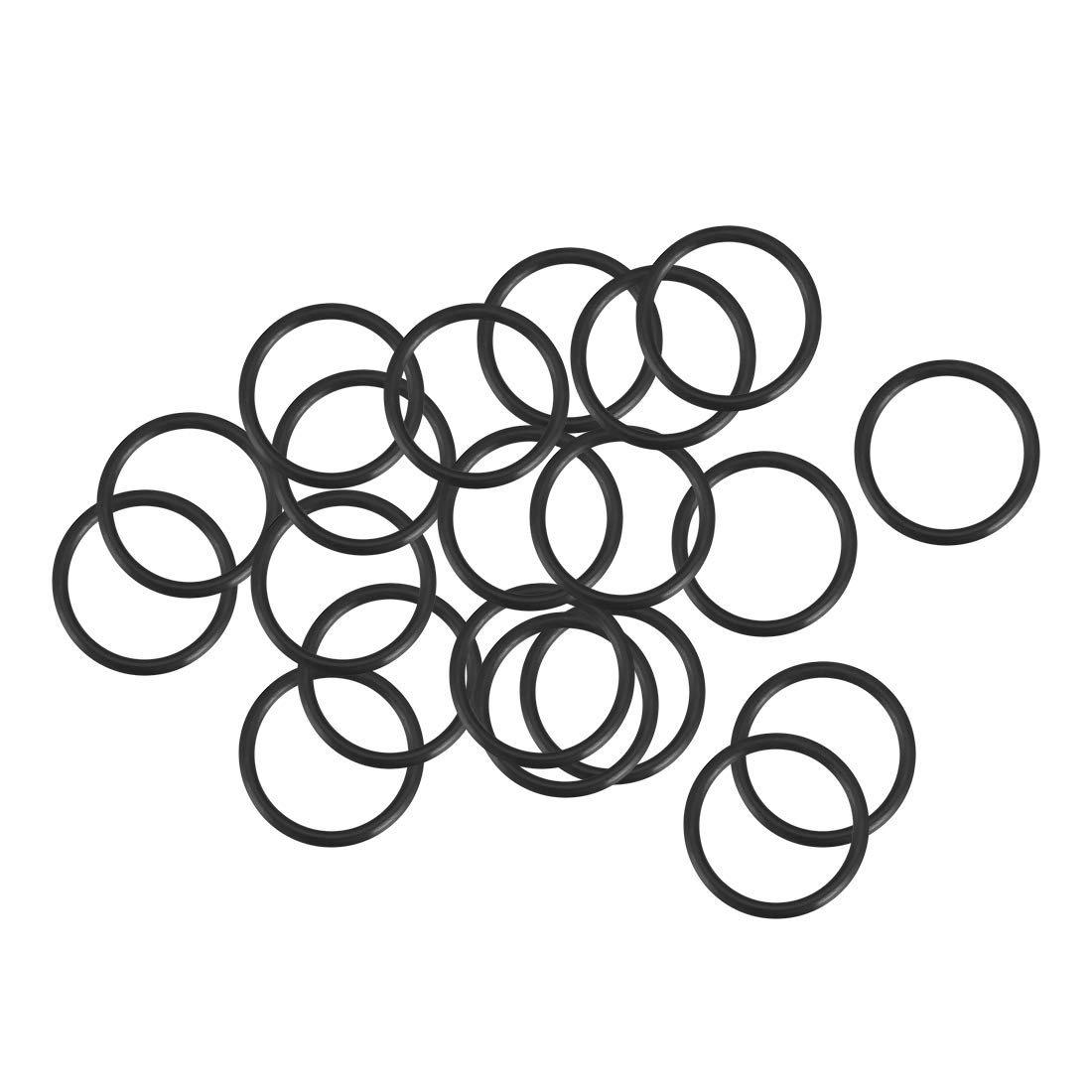
Material Specifications for Industrial Rubber Sleeves
Precise material selection is fundamental to the performance and longevity of rubber sleeves in demanding industrial applications. At Suzhou Baoshida Trading Co., Ltd., our engineering team emphasizes that sleeve functionality—sealing integrity, resistance to environmental stressors, and dimensional stability—is intrinsically linked to the elastomer compound. This section details the critical specifications for three primary materials utilized in our sleeve manufacturing: Fluoroelastomer (Viton), Nitrile Butadiene Rubber (NBR), and Silicone Rubber (VMQ). Each material offers distinct advantages dictated by its chemical structure and formulation, requiring careful alignment with operational parameters such as temperature extremes, chemical exposure, and mechanical load.
Viton (FKM) represents the premium solution for extreme chemical and thermal resistance. Its fluorine-carbon backbone provides exceptional stability against aggressive media including concentrated acids, aromatic hydrocarbons, jet fuels, and high-temperature steam. Viton sleeves maintain integrity within a continuous service range of -20°C to +230°C, with brief excursions up to 300°C possible. While exhibiting lower elasticity than NBR or Silicone, Viton delivers high tensile strength and low gas permeability, making it indispensable for aerospace, chemical processing, and critical automotive fuel systems where failure is not an option. Nitrile (NBR) remains the workhorse elastomer for oil and fuel resistance at a competitive cost. Optimized acrylonitrile content enhances resistance to petroleum-based oils, greases, and aliphatic hydrocarbons, though performance diminishes against ozone, ketones, and chlorinated solvents. NBR sleeves operate effectively between -40°C and +120°C, offering excellent abrasion resistance and compression set properties. This balance makes NBR ideal for hydraulic seals, fuel line sleeves, and general industrial machinery exposed to lubricants. Silicone (VMQ) excels in extreme temperature flexibility and biocompatibility. It withstands continuous exposure from -60°C to +200°C, with specialized grades reaching +230°C, while maintaining flexibility at cryogenic temperatures. Silicone demonstrates good resistance to water, ozone, and weathering but exhibits poor resistance to petroleum oils and fuels. Its inherent purity and compliance with FDA/USP Class VI standards drive its use in food processing, pharmaceutical equipment, and medical device sleeves requiring sterilization.
The following table provides a concise technical comparison of key properties per ASTM D2000 standards, essential for OEM specification decisions.
| Material | Continuous Temp Range (°C) | Key Chemical Resistances | Tensile Strength (MPa) | Hardness Range (Shore A) | Primary Industrial Applications |
|---|---|---|---|---|---|
| Viton (FKM) | -20 to +230 | Acids, Aromatics, Jet Fuels, Steam | 10-18 | 60-90 | Chemical Processing, Aerospace Seals, High-Temp Fuel Systems |
| Nitrile (NBR) | -40 to +120 | Petroleum Oils, Greases, Aliphatic Hydrocarbons | 15-25 | 50-90 | Hydraulic Systems, Automotive Fuel/Oil Lines, General Machinery |
| Silicone (VMQ) | -60 to +200 | Water, Ozone, Weathering, Steam | 5-12 | 30-80 | Food & Pharma Processing, Medical Devices, Extreme Temp Seals |
Material selection must transcend basic compatibility charts. Suzhou Baoshida Trading Co., Ltd. engineers recommend comprehensive evaluation of dynamic stresses, fluid compatibility at operational temperatures, regulatory requirements, and total cost of ownership. Viton is justified for mission-critical chemical exposure despite higher cost. NBR delivers optimal value for standard oil resistance needs. Silicone is non-negotiable for ultra-low/high-temperature flexibility or biocompatibility demands. Our OEM partners benefit from our formulation expertise to tailor compound hardness, filler systems, and additive packages within these base materials, ensuring sleeves meet exacting application specifications and international quality standards. Consult our technical team for application-specific validation testing protocols.
Manufacturing Capabilities
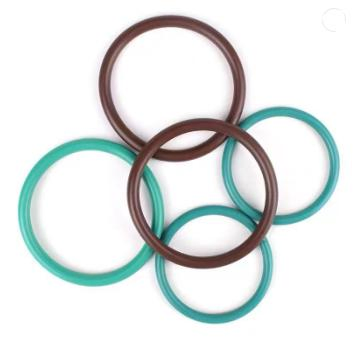
Engineering Excellence in Industrial Rubber Sleeve Manufacturing
At Suzhou Baoshida Trading Co., Ltd., our engineering capability forms the backbone of our industrial rubber sleeve production, enabling us to deliver high-performance, application-specific solutions for demanding environments. Our in-house technical team comprises five dedicated mold engineers and two specialized rubber formulation engineers, allowing full control over both the physical design and material science aspects of every product we manufacture. This integrated approach ensures precision, durability, and compliance with OEM specifications across diverse industrial sectors including automotive, construction, machinery, and fluid handling systems.
Our mold engineering team leverages advanced CAD/CAM software and CNC machining technologies to develop precision molds with tight tolerances, optimized flow channels, and extended service life. Each mold is designed to ensure consistent part geometry, minimal flash, and efficient production cycles. Through finite element analysis (FEA) and iterative prototyping, we validate mold performance under real-world conditions, reducing time-to-market and enhancing product reliability. This capability supports both standard and custom rubber sleeve geometries, including complex internal profiles, multi-lip sealing surfaces, and insert-molded metal reinforcements.
Complementing our mold expertise, our two full-time rubber formulation engineers specialize in developing proprietary elastomer compounds tailored to specific mechanical, thermal, and chemical resistance requirements. Utilizing a systematic 5M1E (Man, Machine, Material, Method, Measurement, Environment) framework, they optimize cure kinetics, filler dispersion, and polymer matrix compatibility to achieve target hardness (Shore A 40–90), tensile strength, elongation, and compression set performance. Our compound development lab is equipped for accelerated aging, fluid immersion, and dynamic mechanical analysis (DMA), ensuring long-term performance validation prior to scale-up.
We maintain full OEM manufacturing capabilities, supporting customers from initial concept to mass production. Our facility is certified to ISO 9001 standards and operates under strict process controls, including Statistical Process Control (SPC) and First Article Inspection (FAI). With an annual production capacity exceeding 5 million units and the ability to manage multi-cavity mold runs, we offer scalable solutions without compromising quality.
The following table outlines key engineering and production specifications:
| Parameter | Specification |
|---|---|
| Mold Design Software | AutoCAD, SolidWorks, UG NX |
| CNC Machining Accuracy | ±0.01 mm |
| Rubber Hardness Range (Shore A) | 40–90 |
| Tensile Strength Range | 8–25 MPa |
| Elongation at Break | 200–600% |
| Compression Set (70°C × 22h) | ≤25% |
| Fluid Resistance | Oil, water, glycols, mild acids |
| Annual Production Capacity | >5,000,000 units |
| OEM Project Lead Time (Prototype) | 25–35 days |
| Certifications | ISO 9001:2015 |
Through the synergy of advanced mold engineering and precision rubber formulation, Suzhou Baoshida delivers technically superior rubber sleeves engineered for real-world performance.
Customization Process
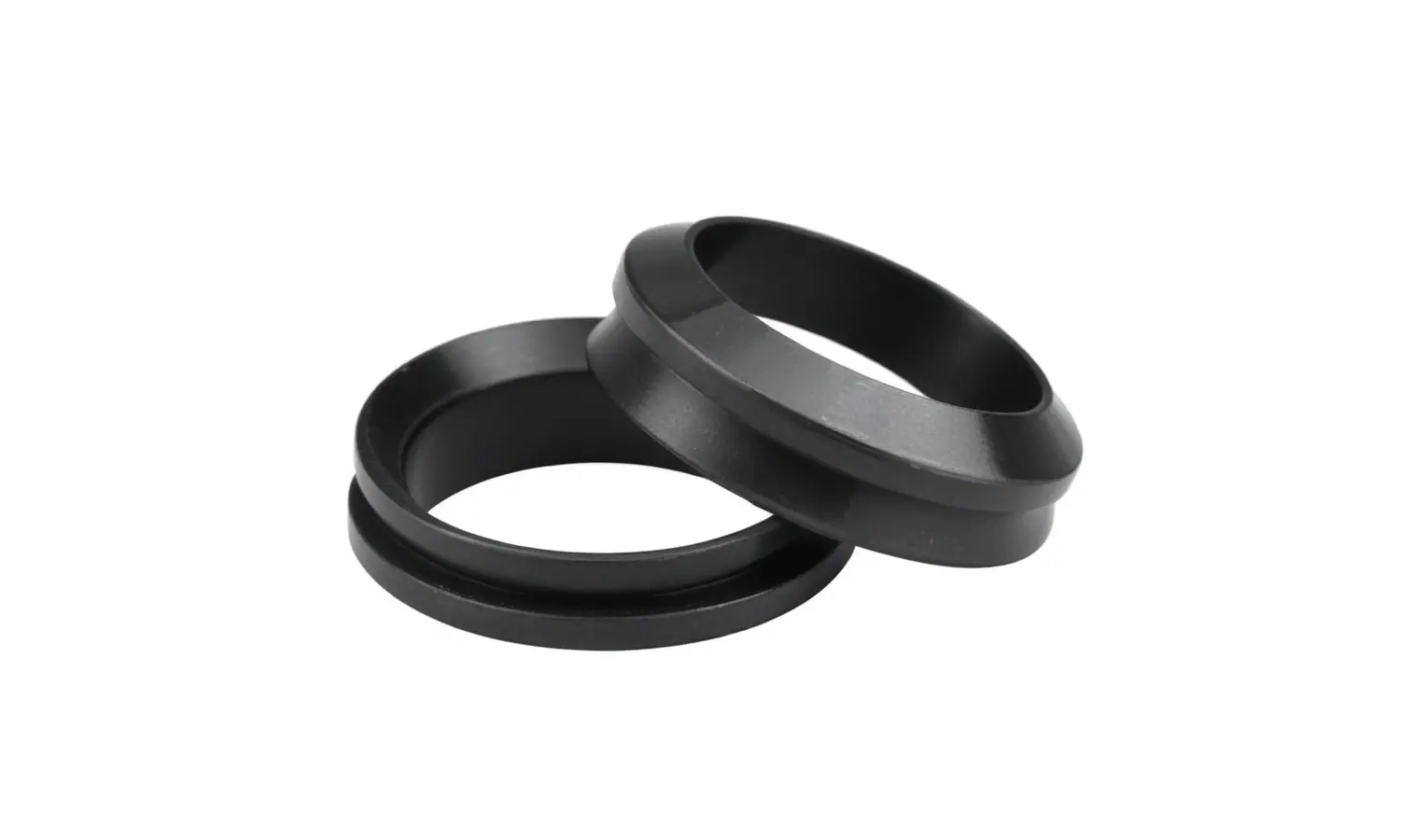
Rubber Sleeve Customization Process: Precision Engineering from Concept to Volume Production
At Suzhou Baoshida Trading Co., Ltd., our rubber sleeve customization follows a rigorously defined engineering workflow to ensure dimensional accuracy, material performance, and manufacturing repeatability. This process eliminates design-to-production gaps common in industrial elastomer applications, directly supporting OEM reliability and supply chain continuity.
Drawing Analysis
We initiate with comprehensive technical drawing review, focusing on critical-to-function dimensions, tolerance stacks, and interface geometries. Our engineering team cross-references ISO 37, ASTM D2000, and customer-specific GD&T callouts to identify potential molding challenges such as undercuts, thin walls, or complex sealing profiles. Finite element analysis (FEA) simulates compression set behavior under operational loads, ensuring the sleeve maintains sealing integrity across thermal cycles. Any ambiguities in surface finish requirements or critical zones trigger immediate clarification protocols with the client.
Formulation Development
Based on the validated drawing and application environment, our rubber chemists develop a proprietary compound targeting precise performance thresholds. Key variables include polymer backbone selection (NBR, EPDM, or FKM for oil/chemical resistance), filler reinforcement levels, and cure system optimization. We prioritize balancing compression set resistance with dynamic flex fatigue life—critical for sleeves subjected to cyclic movement. Below are standard specification ranges we engineer for industrial sleeves:
| Property | Test Standard | Typical Range | Critical Application Impact |
|---|---|---|---|
| Hardness (Shore A) | ASTM D2240 | 50–90 | Sealing force vs. installation ease |
| Tensile Strength (MPa) | ASTM D412 | 10–25 | Burst resistance under pressure |
| Elongation at Break (%) | ASTM D412 | 150–400 | Flexibility in dynamic joints |
| Temp Range (°C) | ISO 188 | -40 to +150 | Fluid compatibility & stability |
Prototyping & Validation
Pre-production tooling generates sleeves for dimensional CMM inspection against the original CAD model, with tolerances held to ±0.1 mm on critical diameters. We conduct accelerated life testing per SAE J20 rubber standards: 72-hour fluid immersion (ISO 1817), compression set at 70°C (ASTM D395), and dynamic fatigue cycling. Client approval requires ≤15% compression set after 22 hours and zero extrusion at maximum system pressure.
Mass Production
Upon prototype sign-off, we transition to high-cavity steel molds with thermal pin-point gating for consistent flow. Every production batch undergoes real-time rheometer monitoring (ASTM D5289) to verify cure kinetics. Final sleeves pass 100% visual inspection for surface defects and automated diameter gauging. We maintain batch traceability via QR-coded lot numbers, with full material certifications (including RoHS/REACH compliance) shipped with each container. This closed-loop process ensures ≤0.25% defect rates at OEM assembly lines, minimizing line stoppages.
Suzhou Baoshida’s structured customization framework transforms complex sleeve requirements into field-proven components, backed by 15 years of OEM partnership in automotive, hydraulics, and industrial machinery sectors. Our technical team remains engaged through volume ramp-up to optimize cycle times and cost efficiency.
Contact Engineering Team
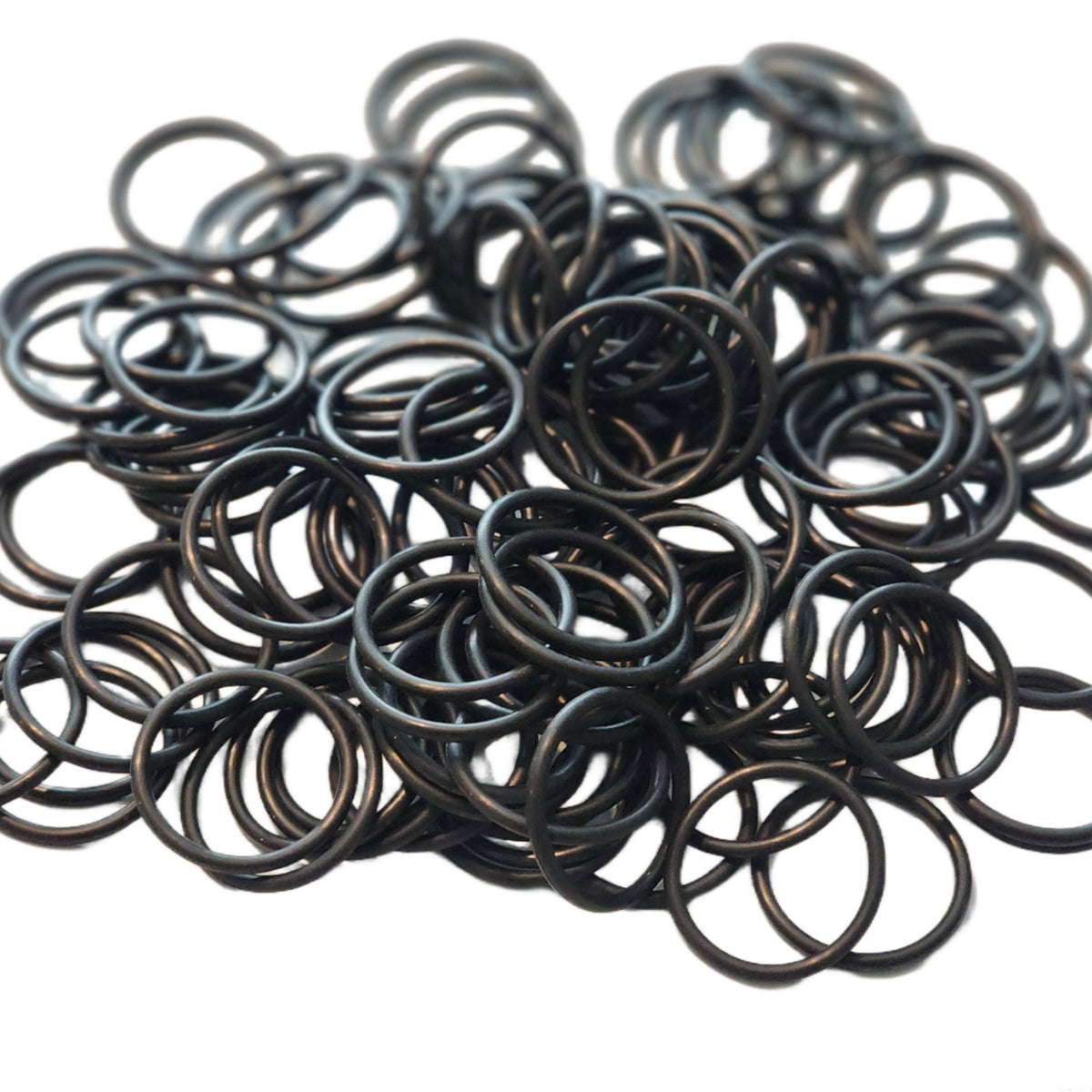
For industrial manufacturers seeking high-performance rubber sleeve solutions, Suzhou Baoshida Trading Co., Ltd. stands as a trusted partner in the global supply chain. With years of engineering expertise and a deep understanding of elastomer applications across demanding environments, we deliver precision-crafted rubber sleeves tailored to meet the rigorous requirements of automotive, construction, mining, and heavy machinery sectors. Our commitment to material science, dimensional accuracy, and long-term durability ensures that every component we supply supports optimal equipment performance and reduced operational downtime.
Rubber sleeves are critical in vibration damping, shaft protection, sealing, and mechanical isolation. At Suzhou Baoshida, we specialize in custom formulation and manufacturing using natural rubber (NR), nitrile (NBR), ethylene propylene diene monomer (EPDM), silicone (VMQ), and other specialized compounds. Each product is engineered to resist oil, ozone, heat, abrasion, or chemical exposure—depending on the operational environment. Whether you require static sealing sleeves, dynamic rotational components, or impact-resistant protective casings, our R&D team collaborates with OEMs to optimize compound selection, durometer hardness, and geometric tolerances.
We maintain strict quality control protocols throughout production, including raw material testing, in-process inspections, and final product validation per ISO 9001 standards. Our manufacturing network integrates advanced molding technologies—such as injection, compression, and transfer molding—to ensure consistency and scalability for both prototype and high-volume orders. Additionally, we provide technical documentation, material certifications, and batch traceability to support compliance with international industry regulations.
Below is a representative specification profile for a standard industrial rubber sleeve. All parameters are adjustable based on client requirements.
| Property | Value | Test Method |
|---|---|---|
| Material | Nitrile Rubber (NBR) | ASTM D2000 |
| Hardness (Shore A) | 70 ±5 | ASTM D2240 |
| Tensile Strength | ≥15 MPa | ASTM D412 |
| Elongation at Break | ≥250% | ASTM D412 |
| Compression Set (22 hrs, 70°C) | ≤20% | ASTM D395 |
| Temperature Range | -30°C to +100°C | — |
| Fluid Resistance | Excellent against oils, greases, aliphatic hydrocarbons | ISO 1817 |
| Color | Black (custom available) | — |
| Custom Dimensions | Acceptable (ID, OD, length, tolerances) | ISO 3302 |
To initiate a technical consultation or request a quotation for rubber sleeve components, contact Mr. Boyce, OEM Account Manager at Suzhou Baoshida Trading Co., Ltd. Mr. Boyce brings over a decade of experience in industrial elastomer solutions and serves as the primary liaison between engineering teams and global clients. He ensures seamless communication, rapid response to technical inquiries, and end-to-end project coordination from design validation to logistics.
Reach out via email at [email protected] to discuss material specifications, performance requirements, or custom tooling needs. We respond to all inquiries within 24 business hours and support English, Mandarin, and technical documentation in multiple languages. For urgent requests, include your preferred contact time and application details to expedite the evaluation process. Partner with Suzhou Baoshida for engineered rubber solutions that meet the highest standards of industrial reliability.
⚖️ O-Ring Weight Calculator
Estimate rubber O-ring weight (Approx).