
Technical Contents
Engineering Guide: Rubber Sweeper
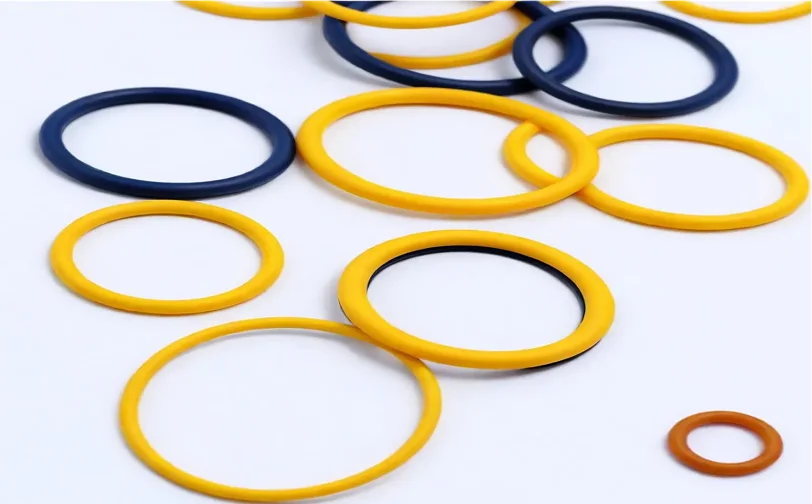
Engineering Insight: Material Selection Criticality in Rubber Sweeper Performance
Industrial rubber sweepers operate under extreme mechanical stress, chemical exposure, and temperature fluctuations. Off-the-shelf solutions frequently fail due to generic material formulations that ignore site-specific operational dynamics. Standard rubber compounds prioritize cost over performance, leading to premature wear, reduced debris clearance efficiency, and unplanned downtime. The core issue lies in inadequate abrasion resistance, poor resilience under cyclic loading, and insufficient chemical tolerance. For instance, conventional EPDM sweeps exposed to hydrocarbon-laden surfaces experience rapid swelling and loss of tensile strength, while low-resilience compounds fracture under repetitive impact with road debris.
Material science dictates that optimal sweeper performance requires engineered elastomers balancing hardness, tear strength, and dynamic modulus. Hardness below 60 Shore A lacks structural integrity for heavy debris, while values exceeding 85 Shore A reduce conformability to uneven surfaces. Crucially, abrasion resistance must exceed 1200% on the DIN 53516 scale to withstand aggregate-laden asphalt. Off-the-shelf variants typically use filler-saturated compounds that compromise elasticity, causing permanent set deformation after 500 operational hours. In contrast, precision-formulated polyurethanes or modified nitrile rubbers maintain >95% recovery under 20% strain, ensuring consistent contact pressure across the sweeper blade’s lifespan.
Suzhou Baoshida’s OEM approach integrates application-specific variables into compound design. We analyze substrate composition, operating temperature ranges, and contaminant profiles to calibrate polymer architecture. Below is a comparative specification analysis highlighting critical differentiators:
| Property | Standard EPDM Sweepers | Baoshida Engineered Polyurethane | Performance Impact |
|---|---|---|---|
| Abrasion Resistance | 300% (DIN 53516) | 1200% | 4x longer service life on abrasive surfaces |
| Operating Temperature | -20°C to +100°C | -40°C to +130°C | No hardening in sub-zero conditions |
| Tear Strength | 25 kN/m | 65 kN/m | Resists snagging on rebar or curbs |
| Hydrocarbon Resistance | Poor (swells >15%) | Excellent (<3% swell) | Maintains dimensional stability near fuels |
| Resilience (ASTM D2632) | 45% | 78% | Sustained energy return for debris lift |
Generic solutions fail because they treat rubber as a homogeneous material rather than a tunable system. A sweeper blade clearing steel mill scale requires radically different crosslink density than one removing wet sand at a port facility. Our formulations utilize reactive processing aids to enhance filler dispersion, reducing hysteresis losses by 30% compared to commodity mixes. This translates to lower rolling resistance and 15% less energy consumption for the host machinery.
The true cost of off-the-shelf sweepers manifests in replacement frequency and secondary damage. A fractured blade can gouge pavement or jam conveyor systems, incurring costs 8x the initial purchase price. Suzhou Baoshida’s engineered compounds deliver total cost optimization through extended lifecycle performance and operational reliability. Material selection isn’t a commodity decision—it’s the foundational element of industrial sweeper efficacy.
Material Specifications
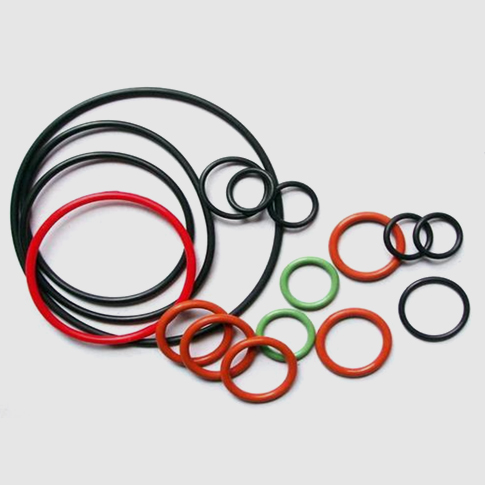
Material selection is a critical determinant in the performance, durability, and application suitability of industrial rubber sweepers. At Suzhou Baoshida Trading Co., Ltd., we engineer rubber sweeper components using three primary elastomers: Viton (FKM), Nitrile (NBR), and Silicone (VMQ). Each material offers distinct chemical, thermal, and mechanical properties tailored to specific operational environments. Understanding these differences enables OEMs and industrial partners to make informed decisions based on fluid exposure, temperature range, abrasion resistance, and regulatory compliance.
Viton, a fluorocarbon-based rubber, is engineered for extreme environments involving high temperatures and aggressive chemical exposure. It demonstrates exceptional resistance to oils, fuels, acids, and ozone, making it ideal for use in petrochemical, aerospace, and heavy industrial applications. Viton maintains structural integrity within a temperature range of -20°C to +250°C, with short-term excursions up to 300°C. Its low gas permeability and excellent aging characteristics ensure long service life, although it is less flexible at low temperatures and carries a higher material cost compared to alternatives.
Nitrile rubber, or Buna-N, is a cost-effective solution for applications involving petroleum-based oils and hydrocarbons. It offers strong abrasion resistance and tensile strength, making it well-suited for mechanical sweepers operating in automotive, manufacturing, and hydraulic environments. Nitrile performs reliably within a temperature range of -30°C to +120°C, with performance degrading rapidly beyond this threshold. While it exhibits poor resistance to ozone and UV exposure, proper formulation with protective additives can extend service life in outdoor conditions.
Silicone rubber excels in extreme temperature applications, operating effectively from -60°C to +230°C. It is highly resistant to UV radiation, ozone, and weathering, making it ideal for outdoor or temperature-cycling environments. However, silicone has lower mechanical strength and abrasion resistance compared to Viton and Nitrile, which limits its use in high-wear sweeping applications unless reinforced. It is also highly compliant with food-grade and medical standards (e.g., FDA, USP Class VI), enabling deployment in cleanroom or sanitary environments.
The following table summarizes key performance characteristics of each material for comparative evaluation:
| Property | Viton (FKM) | Nitrile (NBR) | Silicone (VMQ) |
|---|---|---|---|
| Temperature Range | -20°C to +250°C | -30°C to +120°C | -60°C to +230°C |
| Tensile Strength | High | High | Moderate |
| Abrasion Resistance | Good | Excellent | Fair |
| Oil/Fuel Resistance | Excellent | Excellent | Poor |
| Ozone/UV Resistance | Excellent | Poor | Excellent |
| Compression Set Resistance | Excellent | Good | Good |
| Chemical Resistance | Broad (acids, bases, fuels) | Good (hydrocarbons) | Limited |
| FDA Compliance | Limited grades | No | Yes |
| Typical Hardness (Shore A) | 70–90 | 60–90 | 40–80 |
Selection of the appropriate elastomer must balance performance requirements with cost and regulatory constraints. Suzhou Baoshida Trading Co., Ltd. provides custom formulation and testing services to ensure optimal material pairing for your rubber sweeper application.
Manufacturing Capabilities

Engineering Capability: Precision Rubber Sweeper Development
Suzhou Baoshida Trading Co., Ltd. leverages a dedicated engineering cohort comprising five specialized mold designers and two advanced rubber formula scientists to deliver industrial sweeper solutions engineered for extreme operational demands. Our integrated team operates at the convergence of material science and precision manufacturing, ensuring every sweeper blade meets stringent OEM performance criteria. Core to our methodology is the development of proprietary rubber compounds tailored to abrasion resistance, thermal stability, and dynamic flex endurance—critical factors in municipal, mining, and logistics applications where debris composition and environmental stressors vary significantly.
Our formula engineers utilize accelerated aging protocols and finite element analysis to optimize polymer matrices, fillers, and curing systems. This scientific approach yields compounds with controlled hardness gradients that balance debris clearance efficiency against wear life. For instance, we formulate dual-durometer designs where the contact edge maintains 75±3 Shore A hardness for optimal scraping, while the structural backbone operates at 60±3 Shore A to absorb impact without permanent deformation. All formulations undergo rigorous validation per ASTM D2240 (hardness), D412 (tensile properties), and D624 (tear resistance) to guarantee repeatability across production batches.
Material performance specifications for our standard industrial sweeper compounds are summarized below:
| Parameter | Standard Test Method | Typical Range | Application Relevance |
|---|---|---|---|
| Hardness (Shore A) | ASTM D2240 | 65–85 | Balances debris clearance and wear life |
| Tensile Strength | ASTM D412 | 15–25 MPa | Resists tearing during high-load use |
| Elongation at Break | ASTM D412 | 300–500% | Accommodates surface irregularities |
| Tear Strength | ASTM D624 | 45–70 kN/m | Prevents edge chipping on sharp debris |
| Temperature Range | ISO 188 | -40°C to +120°C | Ensures functionality in all climates |
| Abrasion Loss (DIN) | ISO 4649 | ≤ 120 mm³ | Directly correlates with service life |
OEM collaboration forms the backbone of our service model. We partner with equipment manufacturers from initial concept through mass production, offering full technical stewardship including CAD-validated mold flow analysis, material substitution for cost optimization, and custom profile geometries for unique chassis interfaces. Our closed-loop process integrates customer field data with in-house compounding adjustments—reducing time-to-market by 30% while ensuring seamless integration with existing sweeper assemblies. Recent projects include developing oil-resistant compounds for port authority sweepers operating on fuel-contaminated surfaces and low-temperature formulations for Arctic municipal fleets.
This engineering rigor, combined with Suzhou Baoshida’s vertical supply chain oversight, ensures sweepers achieve 20% longer service intervals versus industry averages. We transform material constraints into competitive advantages through data-driven compound design and OEM-centric manufacturing agility.
Customization Process
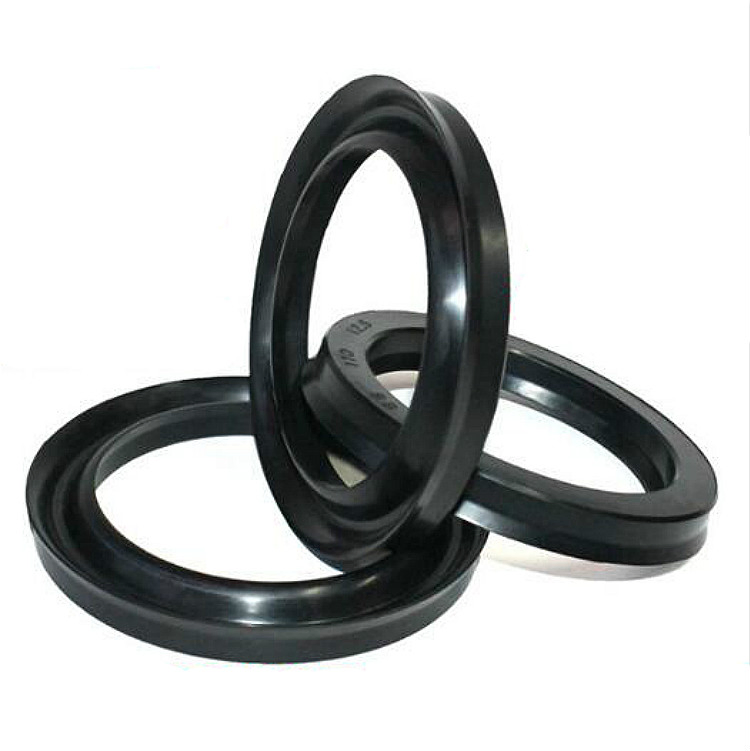
Customization Process for Industrial Rubber Sweepers at Suzhou Baoshida Trading Co., Ltd.
At Suzhou Baoshida Trading Co., Ltd., our approach to manufacturing custom rubber sweepers is rooted in precision engineering and material science. We serve industrial clients requiring high-performance cleaning solutions tailored to specific operational environments. Our four-phase customization process ensures optimal functionality, durability, and compliance with OEM standards.
The first phase, Drawing Analysis, begins with a detailed technical review of the client’s design specifications. This includes dimensional accuracy, cross-sectional profiles, mounting configurations, and surface contact requirements. Our engineering team evaluates CAD drawings and 3D models to identify critical performance zones, such as edge sealing, ground conformity, and wear resistance. Tolerance analysis is performed to ensure compatibility with existing sweeping machinery. Any design ambiguities or potential failure points are flagged and discussed with the client to refine the blueprint before proceeding.
Following drawing validation, we enter the Formulation stage. This is where our expertise in polymer chemistry becomes decisive. Based on the operational environment—whether it involves abrasive debris, wet surfaces, oil exposure, or extreme temperatures—we select the appropriate rubber compound. Common base materials include natural rubber (NR), styrene-butadiene rubber (SBR), nitrile rubber (NBR), and ethylene propylene diene monomer (EPDM). Additives such as carbon black, silica, and anti-aging agents are precisely blended to enhance abrasion resistance, UV stability, and tensile strength. Each formulation is documented and tested for hardness, elongation, and compression set in accordance with ASTM standards.
The third phase, Prototyping, allows for real-world validation. Using precision molds and vulcanization techniques, we produce a limited batch of sample sweepers. These prototypes undergo rigorous performance testing, including wear cycle simulations, adhesion checks, and environmental exposure trials. Clients receive physical samples along with material test reports (MTRs) for evaluation. Feedback is incorporated into final adjustments, ensuring the design and compound meet all functional criteria.
Upon approval, we transition to Mass Production. Our facility leverages automated mixing, extrusion, and curing systems to maintain batch consistency and throughput. Quality control checkpoints are implemented at every stage, from raw material inspection to final packaging. All products are traceable via batch coding and comply with ISO 9001 standards.
Below is a summary of typical rubber sweeper specifications we customize:
| Property | Standard Range | Test Method |
|---|---|---|
| Hardness (Shore A) | 50–80 | ASTM D2240 |
| Tensile Strength | 10–25 MPa | ASTM D412 |
| Elongation at Break | 200–500% | ASTM D412 |
| Abrasion Loss (Taber) | ≤120 mg/1000 cycles | ASTM D1044 |
| Operating Temperature | -40°C to +100°C | ISO 188 |
| Compression Set (24h) | ≤25% | ASTM D395 |
Through this structured methodology, Suzhou Baoshida ensures every custom rubber sweeper delivers reliable performance in demanding industrial applications.
Contact Engineering Team
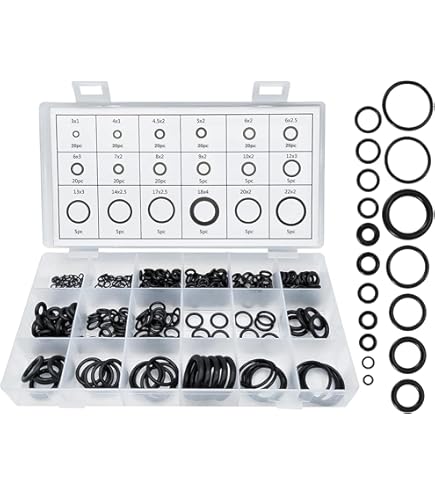
Contact Suzhou Baoshida for Precision Rubber Sweeper Solutions
Suzhou Baoshida Trading Co., Ltd. stands at the forefront of industrial rubber innovation, specializing in engineered solutions for demanding applications like rubber sweepers. Our expertise transcends standard manufacturing; we optimize polymer matrices for unparalleled abrasion resistance, temperature stability, and mechanical integrity under continuous operational stress. As your dedicated Rubber Formula Engineer and OEM partner, we translate complex material science into reliable, high-performance components that minimize downtime and extend service life in critical infrastructure, mining, and logistics environments.
Our commitment to precision begins with rigorous material characterization and extends through controlled vulcanization processes. We formulate compounds using advanced synthetic rubbers—such as SBR, EPDM, and specialized polyurethanes—tailored to specific load profiles, surface contaminants, and environmental exposure. This scientific approach ensures consistent Shore A hardness, tensile strength, and tear resistance across production batches, directly impacting sweeper efficiency and lifecycle costs. Unlike generic suppliers, we prioritize data-driven validation through ASTM D2240 hardness testing, DIN abrasion loss analysis, and dynamic mechanical thermal analysis (DMTA) to guarantee real-world performance.
The table below summarizes key technical parameters for our standard rubber sweeper formulations, reflecting our adherence to industrial-grade specifications. These values represent baseline capabilities; all properties are adjustable through collaborative engineering to meet your exact operational requirements.
| Property | Standard Range | Test Method | Significance for Sweeper Performance |
|---|---|---|---|
| Hardness (Shore A) | 55–75 | ASTM D2240 | Balances flexibility for debris contact and rigidity for structural stability |
| Tensile Strength | 15–25 MPa | ASTM D412 | Resists tearing under high-load scraping forces |
| Abrasion Resistance | 80–120 mm³ loss | DIN 53516 | Extends service life on abrasive surfaces like concrete or gravel |
| Operating Temperature | -30°C to +100°C | ISO 188 | Maintains elasticity in extreme climates |
| Elongation at Break | 300–500% | ASTM D412 | Accommodates dynamic flexing without cracking |
Initiate a technical consultation with Mr. Boyce, our dedicated OEM Manager, to advance your rubber sweeper project from specification to optimized production. Mr. Boyce possesses 12 years of experience in industrial rubber compounding and supply chain coordination, ensuring seamless integration of our solutions into your manufacturing workflow. Contact him directly at [email protected] to discuss material certification requirements, volume scalability, or custom formulation challenges. Provide your target application parameters—including surface type, speed, load, and environmental factors—for a tailored compound proposal within 72 hours.
We do not offer off-the-shelf compromises. Suzhou Baoshida delivers engineered rubber systems validated through iterative prototyping and field testing. Our ISO 9001-certified processes guarantee traceability from raw material sourcing to finished component delivery, with batch-specific quality documentation included. For OEMs requiring consistent dimensional accuracy (±0.3 mm tolerance) and accelerated wear validation, our team implements real-time process monitoring and failure mode analysis to preempt production risks. Partner with us to transform material limitations into competitive advantages. Contact Mr. Boyce today to schedule a technical review and receive sample validation data for your specific use case. Precision engineering begins with a single point of contact.
⚖️ O-Ring Weight Calculator
Estimate rubber O-ring weight (Approx).