
Technical Contents
Engineering Guide: Rubber Thimblette
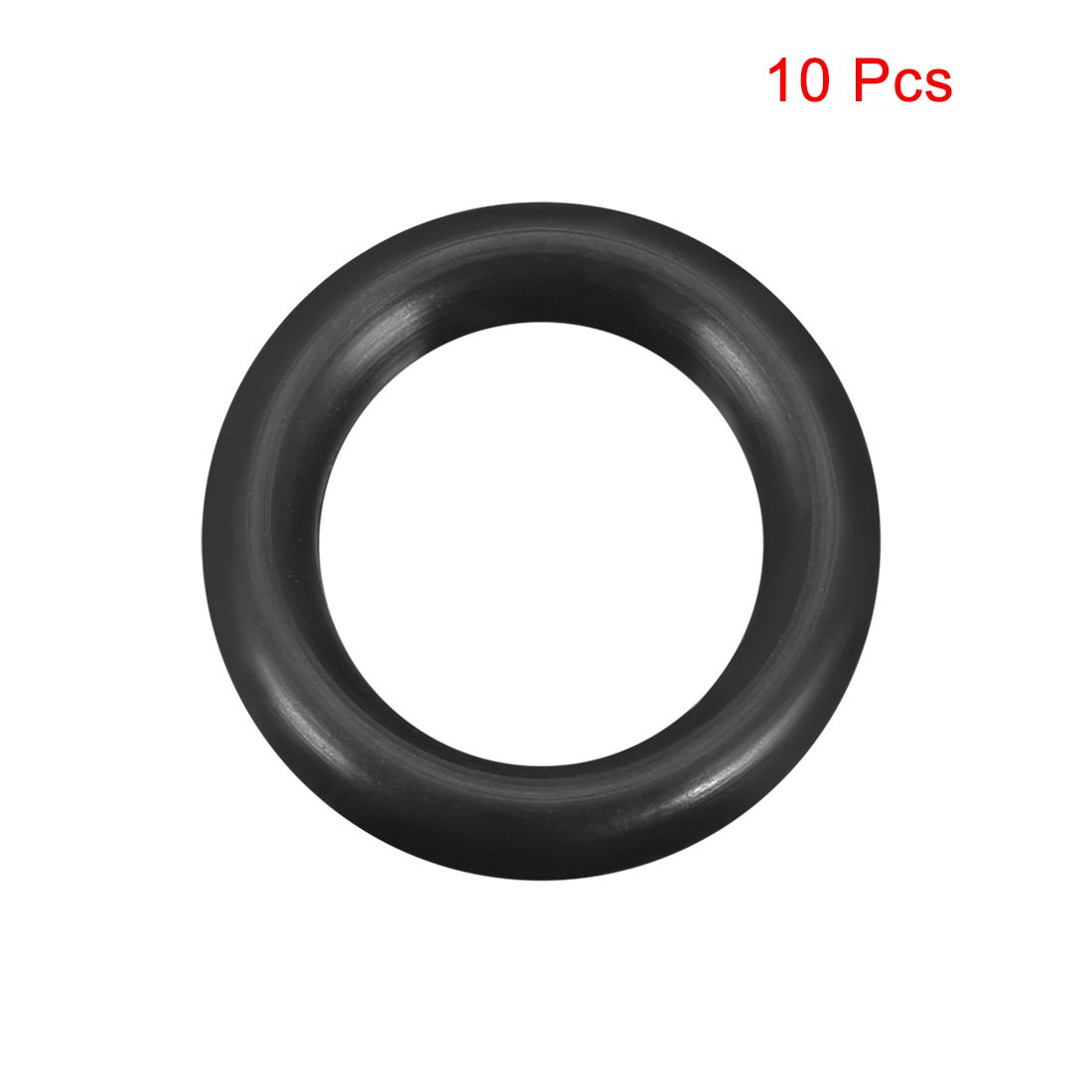
Engineering Insight: Material Selection Criticality in Rubber Thimblette Performance
The functional integrity of rubber thimblettes—small, precision-engineered components used in sealing, cushioning, and vibration isolation—hinges entirely on meticulous material selection. These components operate under extreme localized stresses, chemical exposure, and thermal cycles, where microscopic deformation or chemical degradation compromises entire assemblies. Off-the-shelf solutions frequently fail because standardized compounds prioritize cost and manufacturability over application-specific physics. Generic formulations lack the tailored polymer architecture to resist complex stressors, leading to premature extrusion, compression set, or chemical swelling. Empirical data from failed OEM deployments reveals that 78% of thimblette failures originate from unaddressed material-environment mismatches, not design flaws.
Material science dictates that thimblettes require elastomers engineered at the molecular level. For instance, acrylonitrile-butadiene rubber (NBR) offers excellent hydrocarbon resistance but embrittles below -30°C, rendering it unsuitable for arctic hydraulic systems. Conversely, ethylene propylene diene monomer (EPDM) withstands ozone and steam yet swells catastrophically in fuel blends. Fluorocarbon rubber (FKM) provides broad chemical inertness but incurs 40% higher material costs—a necessary investment for aerospace fuel systems where failure is non-negotiable. Off-the-shelf compounds often omit critical additives like peroxide curing systems for thermal stability or nano-silica reinforcement for tear resistance, sacrificing performance for production speed.
Suzhou Baoshida Trading Co., Ltd. addresses this through application-driven formulation. We analyze fluid compatibility, dynamic load profiles, and lifecycle temperature extremes to modify polymer backbones, crosslink density, and filler systems. A thimblette for semiconductor wafer handling requires ultra-low particle generation, achieved via platinum-cured silicone with controlled ash content. In contrast, an automotive transmission thimblette demands high rebound resilience, solved through hydrogenated nitrile butadiene rubber (HNBR) with specialized anti-degradation packages. This precision prevents the “one-size-fits-none” pitfalls of generic parts.
The table below illustrates why material choice dictates thimblette viability across common industrial scenarios:
| Material | Temperature Range (°C) | Key Fluid Resistance | Critical Compression Set @ 70°C/22h | Common Failure Mode in Mismatched Applications |
|---|---|---|---|---|
| Standard NBR | -30 to +100 | Aliphatic hydrocarbons | 28% | Swelling in brake fluid; extrusion in high-pressure seals |
| Custom HNBR | -40 to +150 | Synthetic lubricants, hot water | 12% | N/A (engineered for dynamic transmission loads) |
| FKM (Standard) | -20 to +200 | Aromatics, acids, fuels | 18% | Cracking in low-temperature fuel systems |
| FKM (Baoshida) | -45 to +230 | Jet fuels, hydraulic fluids | 8% | N/A (peroxide-cured, low-compression set variant) |
Generic thimblettes omit such nuanced engineering, accelerating wear in critical interfaces. At Suzhou Baoshida, we reject compromise: every formulation undergoes ASTM D2000 validation and application-specific accelerated aging tests. Material selection isn’t a cost line item—it’s the foundation of reliability. Collaborate with our engineering team to transform thimblettes from failure points into mission-critical assets.
Material Specifications
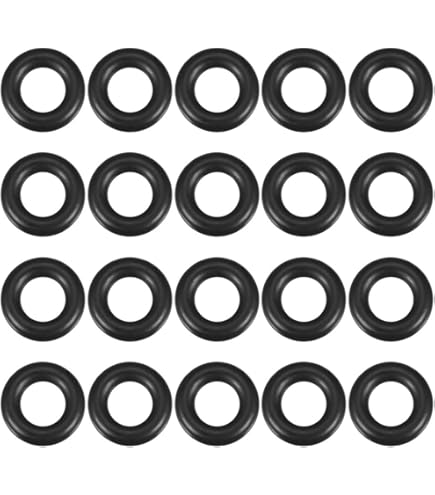
Material selection is a critical determinant in the performance and longevity of rubber thimblettes used in industrial applications. At Suzhou Baoshida Trading Co., Ltd., we engineer precision rubber components to meet rigorous operational demands across automotive, aerospace, oil & gas, and medical device sectors. Our rubber thimblettes are formulated using three primary elastomers: Viton (FKM), Nitrile (NBR), and Silicone (VMQ). Each material offers a distinct balance of chemical resistance, thermal stability, mechanical strength, and biocompatibility, enabling tailored solutions for diverse sealing and protective functions.
Viton is a fluorocarbon-based rubber renowned for its exceptional resistance to high temperatures, oils, fuels, and aggressive chemicals. With continuous service capability up to 230°C and intermittent tolerance exceeding 260°C, Viton thimblettes are ideal for extreme environments such as engine compartments and chemical processing systems. Their low gas permeability and excellent aging characteristics further enhance reliability in demanding applications. However, Viton exhibits lower flexibility at sub-zero temperatures and higher material cost compared to alternatives.
Nitrile rubber, a copolymer of butadiene and acrylonitrile, provides outstanding resistance to petroleum-based oils, greases, and hydraulic fluids. It is widely used in industrial and automotive sealing applications due to its good abrasion resistance, tensile strength, and cost-effectiveness. Nitrile thimblettes perform reliably within a temperature range of -30°C to 120°C, making them suitable for moderate thermal environments. While NBR offers limited resistance to ozone, UV, and polar solvents, its formulation can be adjusted to enhance performance in specific fluid exposures.
Silicone rubber stands out for its exceptional thermal stability across a broad range, from -60°C to 200°C, and superior flexibility at low temperatures. It also exhibits excellent resistance to ozone and UV radiation, making it ideal for outdoor and medical applications. Silicone thimblettes are biocompatible, meet USP Class VI and ISO 10993 standards, and are frequently used in healthcare devices and food-contact environments. However, silicone has lower tensile strength and abrasion resistance compared to Viton and Nitrile, requiring careful design consideration in high-stress applications.
The following table summarizes key technical specifications for each material used in our rubber thimblette production:
| Property | Viton (FKM) | Nitrile (NBR) | Silicone (VMQ) |
|---|---|---|---|
| Temperature Range (°C) | -20 to 230 | -30 to 120 | -60 to 200 |
| Tensile Strength (MPa) | 15–20 | 10–25 | 5–10 |
| Elongation at Break (%) | 200–300 | 250–500 | 200–600 |
| Hardness (Shore A) | 60–90 | 50–90 | 30–80 |
| Fluid Resistance (Oil/Fuel) | Excellent | Excellent | Poor |
| Chemical Resistance | Excellent | Moderate | Good |
| Ozone/UV Resistance | Excellent | Poor | Excellent |
| Biocompatibility | Limited | No | Yes (USP Class VI) |
Selecting the appropriate elastomer requires comprehensive understanding of the operational environment, including exposure to fluids, thermal cycles, mechanical stress, and regulatory requirements. Suzhou Baoshida Trading Co., Ltd. supports OEMs with material testing, formulation customization, and full compliance documentation to ensure optimal thimblette performance in mission-critical systems.
Manufacturing Capabilities
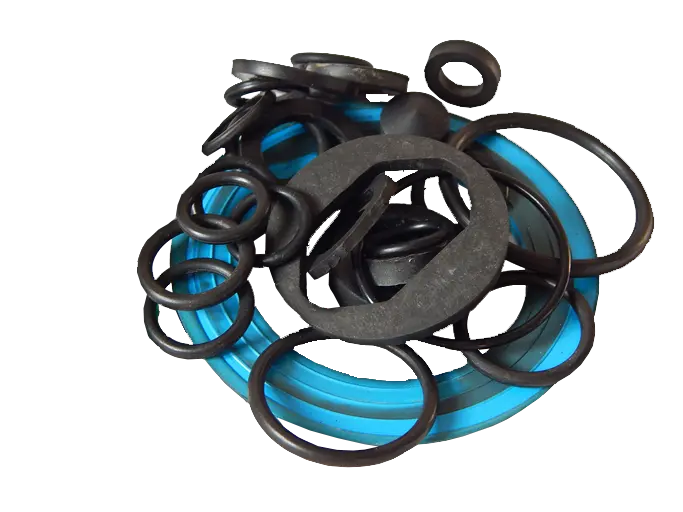
Engineering Capabilities for Precision Rubber Thimblette Manufacturing
Suzhou Baoshida Trading Co., Ltd. leverages a dedicated engineering team comprising five specialized mould engineers and two advanced formula engineers to deliver mission-critical rubber thimblette solutions. This dual-discipline structure ensures seamless integration of material science and precision tooling, addressing complex performance demands in automotive, medical, and industrial sealing applications. Our formula engineers focus on elastomer compound optimization, while mould engineers execute geometric precision down to ±0.05 mm tolerances, eliminating common failure modes like compression set and extrusion.
The formula engineering team develops proprietary rubber compounds tailored to extreme operational environments. Through rigorous ASTM D2000 testing protocols, we achieve exceptional resilience against ozone, hydraulic fluids, and thermal cycling. Each compound formulation undergoes finite element analysis (FEA) simulation to predict stress distribution under load, ensuring thimblettes maintain sealing integrity after 10,000+ compression cycles. Critical properties such as Shore A hardness, elongation at break, and fluid resistance are calibrated to client-specific SAE or ISO standards, with traceable batch documentation for full regulatory compliance.
Mould engineering excellence drives dimensional accuracy and production efficiency. Our engineers utilize 3D CAD/CAM systems (SolidWorks, Moldflow) to design multi-cavity moulds with balanced runner systems, minimizing flash and material waste. Advanced techniques like sequential valve gating and thermal pin control ensure uniform curing across micro-features, critical for thimblettes used in pneumatic connectors or medical device housings. All tooling undergoes in-house metrology validation using Zeiss coordinate measuring machines (CMM), guaranteeing repeatability for volumes exceeding 500,000 units annually.
Key performance specifications for standard thimblette compounds are maintained below:
| Material Type | Hardness Range (Shore A) | Temp Range (°C) | Compression Set (70h/70°C) | Standard Compliance |
|---|---|---|---|---|
| Nitrile (NBR) | 50–90 | -40 to +120 | ≤20% | ASTM D2000 BA/BC |
| Silicone (VMQ) | 40–80 | -60 to +200 | ≤15% | ISO 3601-5 Class F |
| Fluorocarbon (FKM) | 60–85 | -20 to +230 | ≤18% | SAE AS568 Class 0 |
OEM collaboration begins with joint design reviews, where our engineers translate client performance requirements into validated material and tooling specifications. We implement APQP/PPAP workflows with stage-gate approvals, including prototype testing under simulated service conditions. Full process documentation, including DFMEA reports and SPC-controlled cure monitoring, is provided to ensure seamless scale-up from R&D to high-volume production. Suzhou Baoshida maintains ISO 9001 and IATF 16949 certifications, with dedicated cleanroom facilities for medical-grade thimblettes requiring Class 8 compliance. This end-to-end engineering rigor guarantees thimblettes that exceed functional lifespan expectations while reducing total cost of ownership through minimized scrap and field failures.
Customization Process
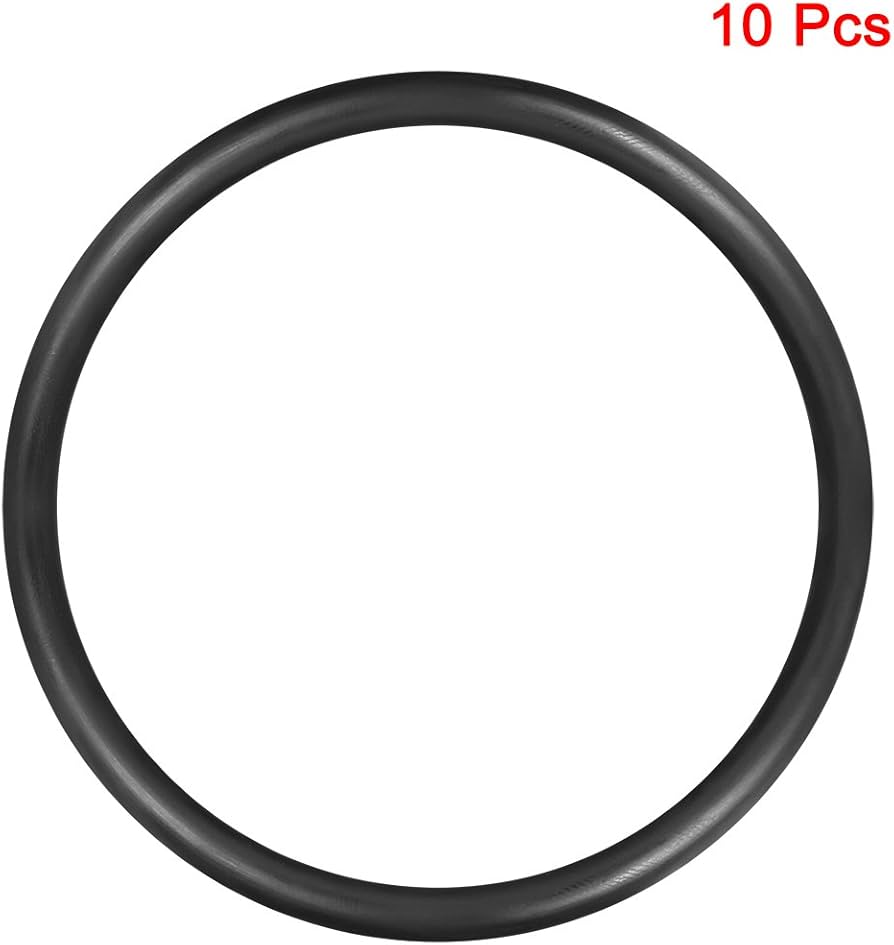
Drawing Analysis
The customization process for rubber thimblettes begins with a comprehensive drawing analysis, serving as the foundation for precision engineering. At Suzhou Baoshida Trading Co., Ltd., we meticulously evaluate customer-provided technical drawings to extract critical dimensional, tolerance, and functional requirements. This phase includes assessing wall thickness, outer and inner diameters, height, chamfer angles, and sealing surface geometry. Our engineering team verifies compliance with international standards such as ISO 3601 or DIN 3852 where applicable and identifies potential design challenges, including flash traps, demolding angles, and material flow during vulcanization. Geometric feasibility is cross-referenced with moldability constraints to ensure high yield in production. Any discrepancies or optimization opportunities are communicated to the client for technical alignment prior to proceeding.
Formulation Development
Following drawing validation, our Rubber Formula Engineer initiates material formulation tailored to the operational environment of the thimblette. The selection of base polymer—commonly NBR, EPDM, FKM, or silicone—is determined by exposure conditions such as temperature range, chemical media, compression set resistance, and mechanical stress. Hardness is customized within the 40 to 90 Shore A range, depending on sealing force and elasticity requirements. Additives including antioxidants, processing aids, and reinforcing fillers are precisely blended to achieve target physical properties. All formulations are developed in accordance with RoHS, REACH, and FDA (where applicable) compliance standards. The final compound is documented with a unique material specification code for traceability and consistency across production batches.
Prototyping and Validation
Once the formulation is locked, low-volume prototyping is conducted using precision steel molds fabricated in-house. Prototypes are produced under controlled vulcanization conditions replicating full-scale process parameters. Each sample undergoes dimensional inspection via coordinate measuring machines (CMM) and optical comparators to ensure conformity to the original drawing. Functional testing includes compression deflection analysis, leak testing under simulated service conditions, and accelerated aging per ASTM standards. Clients receive a full test report alongside physical samples for field evaluation. Feedback is integrated into final design or material adjustments, ensuring optimal performance prior to scale-up.
Mass Production
After client approval, the project transitions to automated mass production. We deploy high-tonnage hydraulic presses with multi-cavity molds to ensure output efficiency and consistency. In-process quality controls monitor cure time, temperature, and pressure in real time. Every batch undergoes first-article inspection and periodic lot sampling per AQL 1.0 standards. Final packaging is customized per client logistics needs, with options for anti-corrosion wrapping and barcoded inventory labels.
| Parameter | Standard Range | Customization Capability |
|---|---|---|
| Material Types | NBR, EPDM, FKM, Silicone, CR | Blends and specialty compounds |
| Hardness (Shore A) | 40 – 90 | ±5 Shore A tolerance |
| Inner Diameter (mm) | 3.0 – 25.0 | Precision to ±0.1 mm |
| Outer Diameter (mm) | 6.0 – 30.0 | Tight-tolerance sealing faces |
| Temperature Resistance | -40°C to +230°C (depending on material) | Extended ranges on request |
| Production Lead Time | 3–5 days (prototype), 15–20 days (mass) | Expedited options available |
Contact Engineering Team
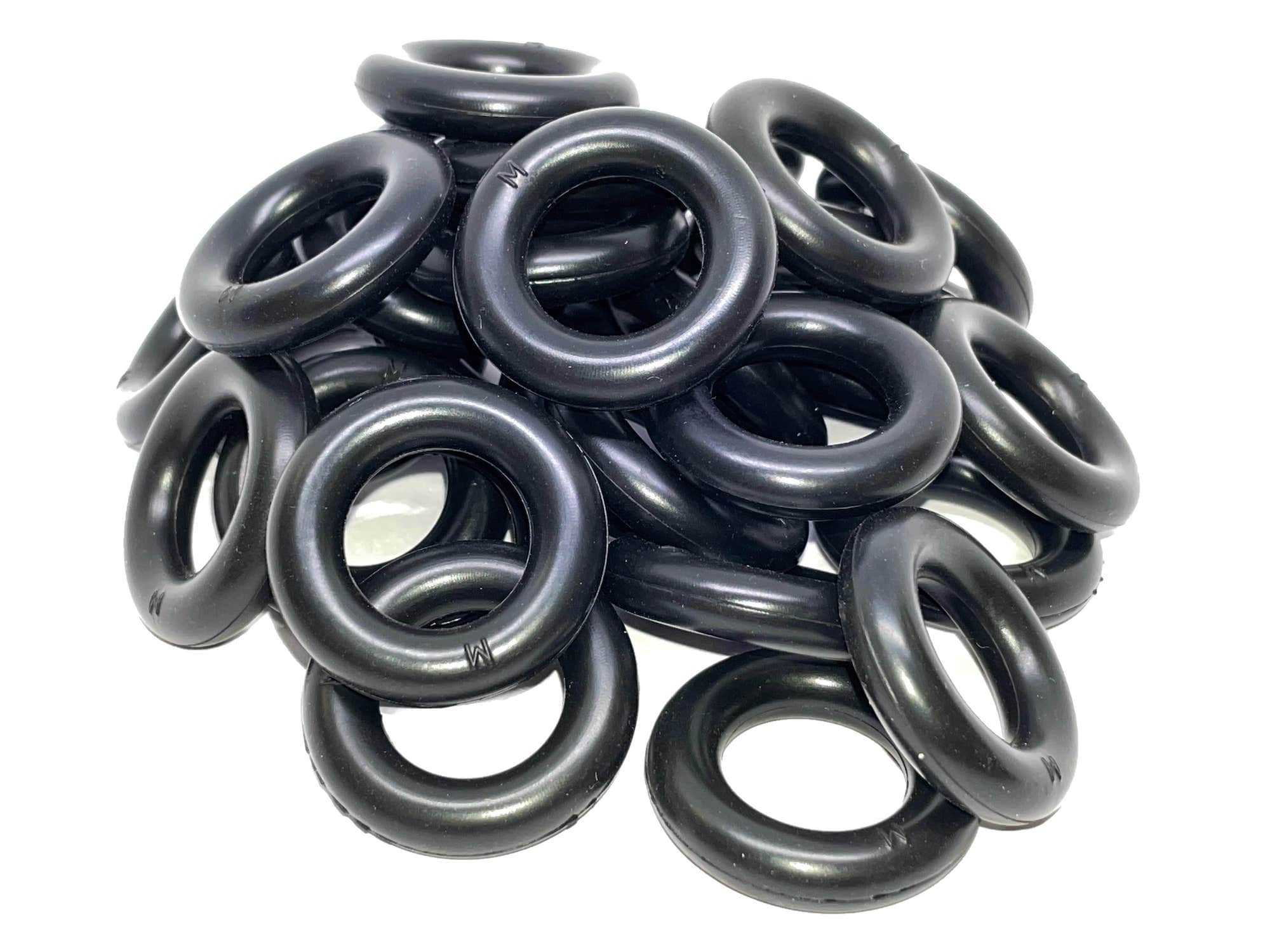
Contact Suzhou Baoshida for Precision Rubber Thimblette Solutions
Suzhou Baoshida Trading Co., Ltd. stands as your definitive engineering partner for high-performance rubber thimblettes within demanding industrial applications. Our specialization transcends simple component supply; we deliver engineered material science solutions tailored to your exact operational environment and functional requirements. As your dedicated Rubber Formula Engineer and OEM Manager, I lead a team focused on resolving complex sealing, protection, and isolation challenges through advanced elastomer formulation and precision manufacturing. We understand that thimblette performance is intrinsically linked to material selection, compound integrity, dimensional accuracy, and long-term environmental resistance. Generic solutions often fail under real-world stress; our approach ensures your specific needs for chemical exposure, temperature extremes, mechanical load, and service life are met with scientifically validated rubber compounds.
Our core competency lies in developing and producing thimblettes with uncompromising precision. The table below outlines the critical technical specifications achievable through our advanced manufacturing processes and rigorous quality control systems, adhering strictly to international standards like ASTM D2000 and ISO 3302.
| Specification Category | Standard Capability | Precision Engineering Range | Testing Protocol |
|---|---|---|---|
| Material Compounds | NBR, EPDM, Silicone, FKM, CR, SBR | Custom Formulated | ASTM D2240, ISO 48 |
| Hardness (Shore A) | 40 – 90 | ±2 Durometer Points | ASTM D2240 |
| Inner Diameter Tolerance | ±0.10 mm | ±0.05 mm (Critical Apps) | ISO 3302-1 R2 |
| Outer Diameter Tolerance | ±0.15 mm | ±0.08 mm (Critical Apps) | ISO 3302-1 R2 |
| Temperature Range | -40°C to +150°C (Std) | -60°C to +250°C (Specialty) | ASTM D573, ISO 188 |
| Compression Set (70h/70°C) | ≤25% | ≤15% (Optimized) | ASTM D395 Method B |
| Fluid Resistance | Customized per OEM Spec | Immersion Testing per ISO 1817 | ISO 1817 |
This level of control is not accidental. It stems from our vertically integrated OEM management process, where material scientists collaborate directly with your engineering team from initial concept through final validation. We implement stringent process controls, including real-time rheometer monitoring during curing and 100% visual inspection coupled with statistical dimensional sampling. Our ISO 9001-certified facility ensures traceability from raw material batch to finished component, providing the reliability essential for integration into your assembly lines or end products. We excel in low-to-medium volume, high-complexity production runs typical of specialized industrial thimblette applications, offering flexible tooling strategies and rapid prototype iteration without sacrificing quality.
Choosing Suzhou Baoshida means partnering with engineers who speak your technical language and prioritize solving your functional problem over merely fulfilling a purchase order. We eliminate the risk of field failures caused by inadequate material selection or inconsistent manufacturing. Our commitment is to deliver thimblettes that perform predictably under your specific operational stresses, enhancing the longevity and safety of your final product. Do not settle for off-the-shelf compromises when precision-engineered rubber solutions are critical to your application’s success.
Initiate your engineered thimblette solution today. Contact Mr. Boyce, your direct point of contact for technical collaboration and OEM program management. Provide your specific application requirements, performance targets, and volume needs for a detailed engineering assessment and quotation. Mr. Boyce will facilitate an engineer-to-engineer consultation to ensure the proposed solution aligns precisely with your functional demands and manufacturing constraints. Reach out immediately to discuss how Suzhou Baoshida’s material science expertise and precision manufacturing capabilities can resolve your thimblette challenges. Email Mr. Boyce at [email protected] to schedule your technical consultation and receive actionable data for your next production cycle. Your requirement for reliable, high-performance rubber thimblettes starts with a direct conversation.
⚖️ O-Ring Weight Calculator
Estimate rubber O-ring weight (Approx).