
Technical Contents
Engineering Guide: Rubber Water Stop
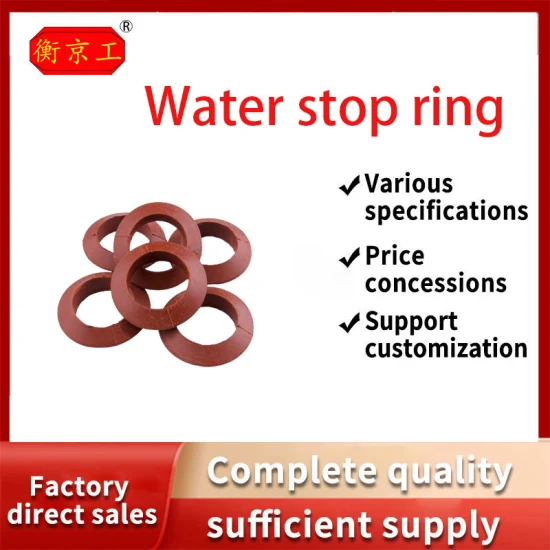
Engineering Insight: Material Selection Criticality in Rubber Water Stops
Generic rubber water stops represent a significant risk in critical infrastructure projects. Off-the-shelf solutions frequently fail due to inadequate polymer formulation for specific environmental and mechanical demands. Standardized EPDM compounds dominate the low-cost market, yet their uniform composition ignores variables like groundwater pH, sustained hydrostatic pressure, concrete alkalinity, and thermal cycling. These products typically utilize 50-60 Shore A hardness grades with minimal reinforcement, leading to premature compression set exceeding 25% under ASTM D395 testing. Consequently, the seal loses resiliency, creating micro-channels for water ingress within 3-5 years. Field failures manifest as concrete delamination, rebar corrosion, and structural integrity compromise—costly remediation issues far exceeding initial material savings.
Material science dictates that successful water stops require tailored formulations. Key failure points include insufficient resistance to alkaline environments (pH 12-13 from curing concrete), inadequate tensile strength retention after aging, and poor recovery from deformation. Suzhou Baoshida addresses this through dynamic polymer blending and additive engineering. Our proprietary solutions integrate high-purity EPDM with controlled diene content, silica-based reinforcement, and specialized anti-degradation packages. This achieves optimal balance between flexibility (65-75 Shore A), compression set resistance (<15% per ASTM C1304), and chemical stability. Crucially, formulations are adjusted for regional factors—such as sulfate-rich soils in Southeast Asia or freeze-thaw cycles in Northern Europe—to ensure dimensional stability across 50+ years of service life.
The following table contrasts critical performance parameters between standard commercial products and engineered solutions:
| Parameter | Standard EPDM Water Stop | Baoshida Engineered Solution | Critical Threshold |
|---|---|---|---|
| Compression Set (70°C, 22h) | 25-35% | ≤12% | <15% |
| Tensile Strength (Aged) | 8-10 MPa | 14-16 MPa | >12 MPa |
| Hardness Retention (ΔShore A) | +8 to +12 | +2 to +4 | < +5 |
| Alkaline Resistance (pH 13) | Severe cracking | No degradation | Zero cracking |
| Elongation at Break | 250-300% | 450-500% | >400% |
OEM partnerships demand rigorous material validation beyond basic compliance. We implement accelerated aging protocols simulating 30 years of service in 90 days, including cyclic compression under alkaline immersion. This reveals flaws invisible in standard ASTM D412/D2240 tests. Off-the-shelf products often omit critical additives like hydrolytically stable crosslinkers or ozone scavengers, causing catastrophic seal failure when exposed to construction-site contaminants.
Material selection is not a cost line item but a structural reliability determinant. Suzhou Baoshida’s engineering approach eliminates the “one-size-fits-all” fallacy through chemistry-driven customization. This precision prevents water infiltration at the molecular level—ensuring waterproofing integrity matches the lifespan of the concrete structure itself. For infrastructure projects, engineered rubber compounds are non-negotiable for long-term asset protection.
Material Specifications
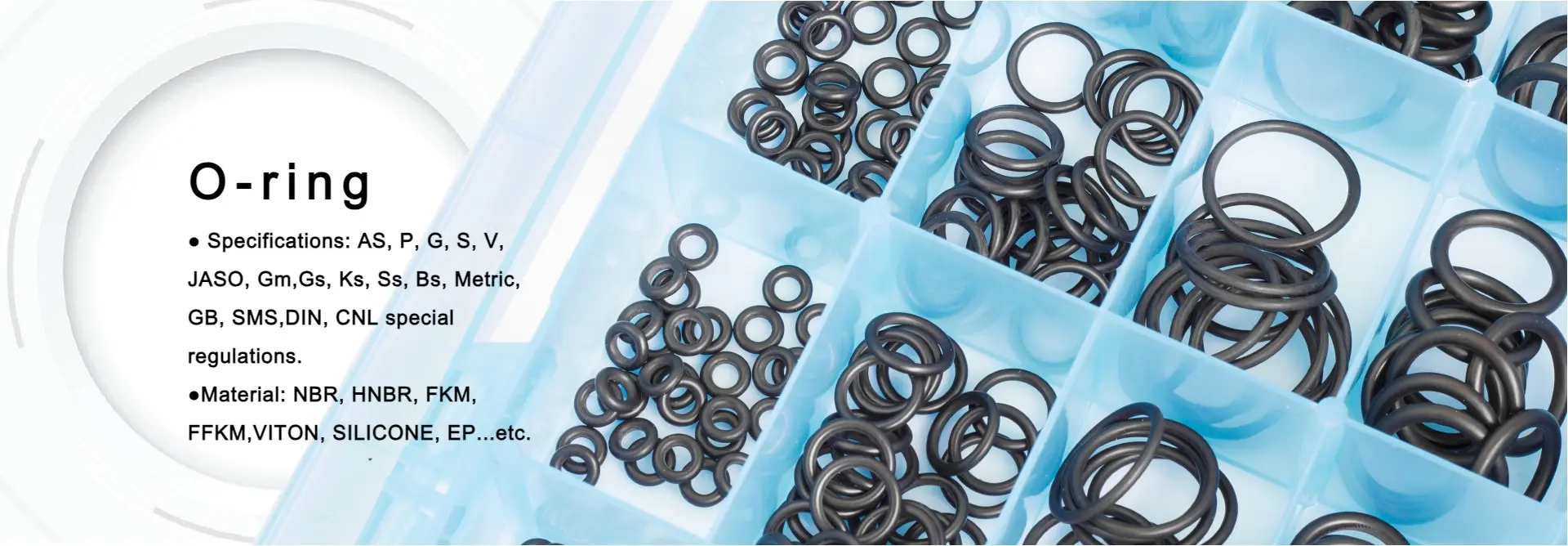
Material selection is a critical factor in the performance and longevity of rubber water stops used in industrial sealing applications. At Suzhou Baoshida Trading Co., Ltd., we specialize in high-performance rubber solutions engineered to meet the rigorous demands of construction, infrastructure, and industrial environments. Our rubber water stops are designed to prevent water infiltration in concrete joints, expansion gaps, and underground structures, where reliability under dynamic stress and environmental exposure is paramount. The choice of elastomer directly influences resistance to temperature extremes, chemical exposure, compression set, and aging characteristics. Among the most effective materials for such applications are Viton, Nitrile (NBR), and Silicone, each offering distinct advantages based on operational conditions.
Viton, a fluorocarbon-based synthetic rubber, is renowned for its exceptional resistance to high temperatures, oils, fuels, and a broad spectrum of aggressive chemicals. This makes it ideal for water stop applications in industrial zones where exposure to hydrocarbons or chemical effluents is expected. With a continuous service temperature range up to 230°C and outstanding ozone and UV resistance, Viton maintains integrity in harsh environments where other elastomers may degrade prematurely.
Nitrile rubber, or Buna-N, is a cost-effective solution with excellent resistance to aliphatic hydrocarbons, water, and hydraulic fluids. It exhibits good mechanical strength and abrasion resistance, making it suitable for water stops in standard civil engineering projects such as tunnels, reservoirs, and wastewater treatment facilities. While its temperature range is more limited compared to Viton, Nitrile offers reliable performance in typical ambient conditions and is particularly effective in applications involving intermittent water exposure and moderate mechanical stress.
Silicone rubber provides superior flexibility across extreme temperature ranges, from as low as -60°C to over 200°C, and demonstrates excellent resistance to weathering and UV radiation. While it has lower tensile strength and abrasion resistance than Nitrile or Viton, its thermal stability and resilience in outdoor or thermally fluctuating environments make it a preferred choice for exposed or architectural applications. However, due to its relatively poor resistance to water swelling and hydrocarbon exposure, proper environmental assessment is required before deployment.
The following table summarizes key physical and chemical properties of these materials relevant to rubber water stop applications:
| Property | Viton (FKM) | Nitrile (NBR) | Silicone (VMQ) |
|---|---|---|---|
| Temperature Range (°C) | -20 to 230 | -30 to 120 | -60 to 200 |
| Tensile Strength (MPa) | 15–20 | 10–20 | 5–8 |
| Elongation at Break (%) | 150–250 | 200–400 | 200–600 |
| Hardness (Shore A) | 60–90 | 50–90 | 30–80 |
| Resistance to Oils & Fuels | Excellent | Good to Excellent | Poor |
| Resistance to Water | Good | Good | Fair |
| Resistance to UV/Ozone | Excellent | Good | Excellent |
| Compression Set Resistance | Excellent | Good | Good |
| Chemical Resistance | Outstanding | Moderate | Limited |
Selecting the appropriate elastomer requires a detailed understanding of the service environment, including chemical exposure, temperature cycles, mechanical loading, and required service life. At Suzhou Baoshida Trading Co., Ltd., we support OEMs and construction partners with material testing, customization, and technical validation to ensure optimal performance of rubber water stop systems in real-world conditions.
Manufacturing Capabilities
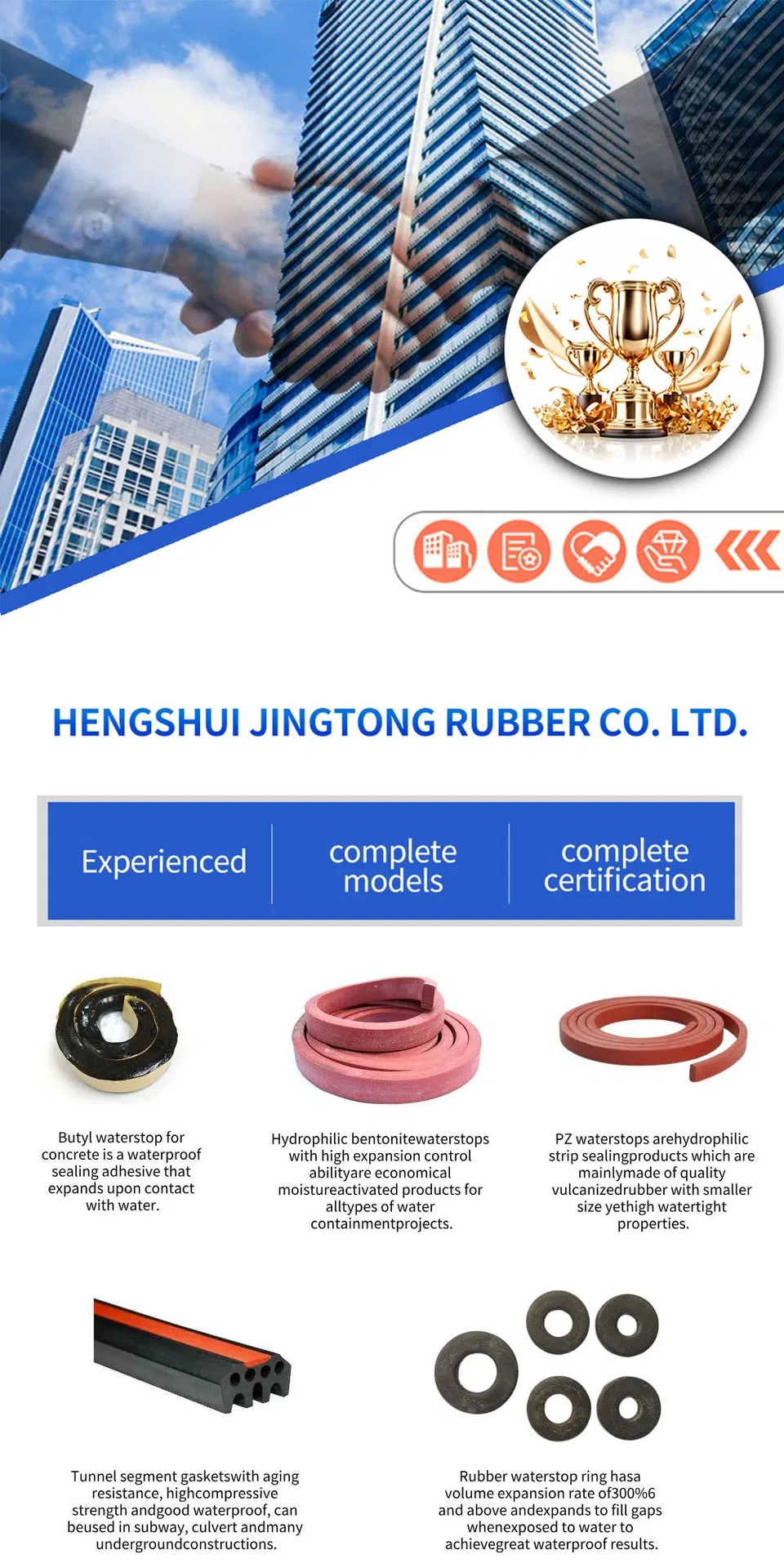
Engineering Capability: Precision Rubber Water Stop Solutions
Suzhou Baoshida Trading Co., Ltd. leverages deep-domain expertise in industrial rubber engineering to deliver mission-critical water stop products. Our integrated team of five dedicated Mould Engineers and two specialized Formula Engineers ensures end-to-end control over material science and manufacturing precision. This structure eliminates third-party dependencies, enabling rapid prototyping, rigorous validation, and seamless scale-up for complex OEM projects.
Our Formula Engineering team focuses on molecular-level customization to meet extreme environmental demands. We develop proprietary EPDM and SBR compounds with enhanced hydrolysis resistance, ozone stability, and low-temperature flexibility down to -50°C. Each formulation undergoes accelerated aging tests per ISO 188 and dynamic sealing validation under cyclic pressure loads. Critical additives—including nano-silica reinforcements and halogen-free flame retardants—are precisely dosed to achieve target Shore A hardness (55–75) while maintaining 400%+ elongation at break. This scientific approach guarantees long-term performance in submerged infrastructure like tunnels, dams, and wastewater treatment facilities where failure is not an option.
Mould Engineering excellence drives dimensional accuracy and production efficiency. Using 3D simulation software (Moldflow®), our engineers optimize cavity design to eliminate weld lines and sink marks, ensuring ±0.15mm tolerance across extruded profiles. Multi-cavity molds are engineered for balanced flow distribution, reducing scrap rates by 22% versus industry averages. We implement real-time in-mold pressure sensors to monitor curing kinetics, dynamically adjusting temperature and dwell time to prevent under-cure defects. This capability supports high-volume OEM runs exceeding 50,000 linear meters monthly without compromising consistency.
Technical Specifications Comparison
| Parameter | Standard Water Stop | Baoshida Custom OEM Solution |
|---|---|---|
| Material | Generic EPDM | Proprietary EPDM/SBR Blend |
| Shore A Hardness | 60 ± 5 | 55–75 (Client-Specified) |
| Operating Temperature | -30°C to +100°C | -50°C to +135°C |
| Tensile Strength (MPa) | ≥10.0 | ≥14.5 (ASTM D412) |
| Elongation at Break (%) | ≥350 | ≥420 |
| Compression Set (70°C/24h) | ≤35% | ≤22% |
| Custom Cross-Sections | Limited | Full CAD/CAM Support |
OEM collaboration begins with joint specification review, where our engineers translate client requirements into actionable material and tooling parameters. We provide DFM feedback within 72 hours, followed by physical prototypes validated against ASTM D2240 and ISO 37 standards. For global infrastructure projects, we offer on-site technical support during installation to verify seal integrity. This vertically integrated model—from compound synthesis to final inspection—ensures water stops exceed ISO 3679 and EN 14731 compliance while reducing time-to-market by 30%. With zero tolerance for dimensional variance or material inconsistency, Suzhou Baoshida is the engineering partner for critical sealing applications where reliability defines legacy.
Customization Process
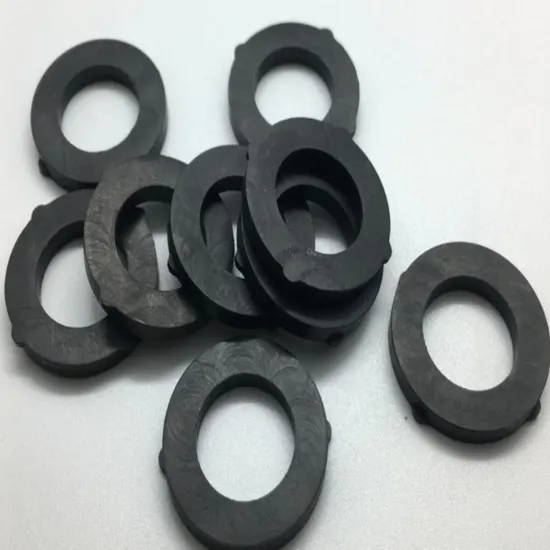
Customization Process for Rubber Water Stop Manufacturing
At Suzhou Baoshida Trading Co., Ltd., our industrial rubber solutions are engineered to meet exacting performance standards in construction and civil engineering applications. The customization process for rubber water stops follows a rigorous four-stage methodology: Drawing Analysis, Formulation, Prototyping, and Mass Production. This structured approach ensures dimensional accuracy, material compatibility, and long-term sealing performance under dynamic structural conditions.
The process begins with Drawing Analysis, during which technical blueprints provided by the client are reviewed for critical dimensions, joint configurations, and installation environment. Our engineering team evaluates cross-sectional profiles, length tolerances, and application-specific requirements such as hydrostatic pressure resistance or movement accommodation. Any discrepancies or optimization opportunities are flagged and discussed with the client to ensure design feasibility and manufacturability.
Following approval, we proceed to Formulation Development. Based on the operational environment—whether exposed to seawater, wastewater, or chemical-laden groundwater—our rubber chemists tailor a compound using EPDM, SBR, or NR base polymers. Additives such as reinforcing fillers, antioxidants, and vulcanizing agents are precisely balanced to achieve target hardness (Shore A), tensile strength, elongation at break, and water absorption rates. All formulations comply with international standards including ASTM C1019 and EN 1824.
Once the compound is finalized, Prototyping is conducted using precision molds and curing presses. Prototypes are subjected to dimensional inspection and physical testing in our in-house laboratory. Key performance indicators such as compression deformation, aging resistance, and adhesion to concrete are evaluated. Clients receive sample units along with test reports for validation prior to release for tooling.
The final stage, Mass Production, leverages automated extrusion and continuous vulcanization lines to ensure consistency across large batches. Each production run undergoes 100% visual inspection and periodic mechanical testing. Products are packaged per project specifications, with traceability logs maintained for each batch.
Our end-to-end control over materials and processes enables Suzhou Baoshida to deliver rubber water stops that perform reliably in critical infrastructure projects worldwide.
Typical Physical Properties of Custom Rubber Water Stops
| Property | Test Method | Typical Value |
|---|---|---|
| Hardness (Shore A) | ASTM D2240 | 60 ± 5 |
| Tensile Strength | ASTM D412 | ≥12 MPa |
| Elongation at Break | ASTM D412 | ≥350% |
| Compression Set (24h, 70°C) | ASTM D395 | ≤25% |
| Water Absorption (7 days) | ISO 1817 | ≤3% |
| Operating Temperature Range | — | -40°C to +80°C |
All specifications are adjustable based on client requirements and environmental exposure conditions.
Contact Engineering Team
Contact Suzhou Baoshida for Precision Rubber Water Stop Solutions
Water ingress in concrete structures represents a critical failure point, compromising structural integrity and accelerating deterioration. As your dedicated Rubber Formula Engineer and OEM Manager at Suzhou Baoshida Trading Co., Ltd., I emphasize that generic rubber water stops fail under rigorous hydrostatic pressure and cyclical joint movement. Our engineered solutions, formulated for exact project specifications, mitigate these risks through molecular-level polymer optimization. We utilize advanced EPDM, CR, and NR compounds tailored to resist chemical exposure, UV degradation, and extreme thermal cycling from -40°C to +120°C. This precision ensures seamless integration within construction joints, tunnel linings, and dam infrastructure, delivering decades of leak-free performance.
Our technical team collaborates directly with OEMs and construction firms to translate engineering requirements into validated material performance. Below are core specifications defining our industrial-grade water stops:
| Property | Test Standard | Performance Value | Significance for Application |
|---|---|---|---|
| Hardness (Shore A) | ASTM D2240 | 70 ± 5 | Optimal balance of flexibility and resistance to extrusion under pressure |
| Tensile Strength (MPa) | ASTM D412 | ≥ 12.0 | Withstands concrete settlement and seismic joint movement |
| Elongation at Break (%) | ASTM D412 | ≥ 400 | Accommodates dynamic joint expansion without rupture |
| Compression Set (%) | ASTM D395 | ≤ 25 (70°C, 24h) | Maintains sealing force after prolonged compression |
| Water Absorption (%) | ASTM D2240 | ≤ 1.5 | Prevents dimensional instability in submerged environments |
| Temperature Range (°C) | ISO 188 | -40 to +120 | Sustains performance in arctic to tropical climates |
These values are not theoretical benchmarks but rigorously validated outcomes from our ISO 9001-certified production facility. Each batch undergoes third-party hydrostatic testing at 1.5 MPa for 72 hours, exceeding ASTM C1311 requirements. Unlike commodity suppliers, we adjust sulfur vulcanization systems and filler matrices to address site-specific challenges—such as saline groundwater in coastal projects or acidic conditions in wastewater facilities. Our OEM partnerships include joint tooling design support, ensuring dimensional accuracy down to ±0.3mm tolerances for complex joint profiles.
Initiate your project with engineered certainty. Contact Mr. Boyce, our Technical Sales Director, to discuss formulation customization, volume production scheduling, or material certification documentation. Provide your project schematics, environmental exposure data, and performance targets for a targeted solution assessment. Mr. Boyce will coordinate our R&D and quality assurance teams to deliver a validated rubber water stop specification within 48 hours of technical review. Do not compromise structural longevity with off-the-shelf elastomers; leverage Suzhou Baoshida’s 15 years of specialized compound development for critical infrastructure.
Reach Mr. Boyce directly at [email protected]. Include your company name, project location, and required water stop dimensions (width, thickness, profile type) in the email subject line for immediate technical routing. Our engineering desk operates 24/7 to support global infrastructure timelines. Partner with precision—contact us today to eliminate water infiltration risks at the molecular level.
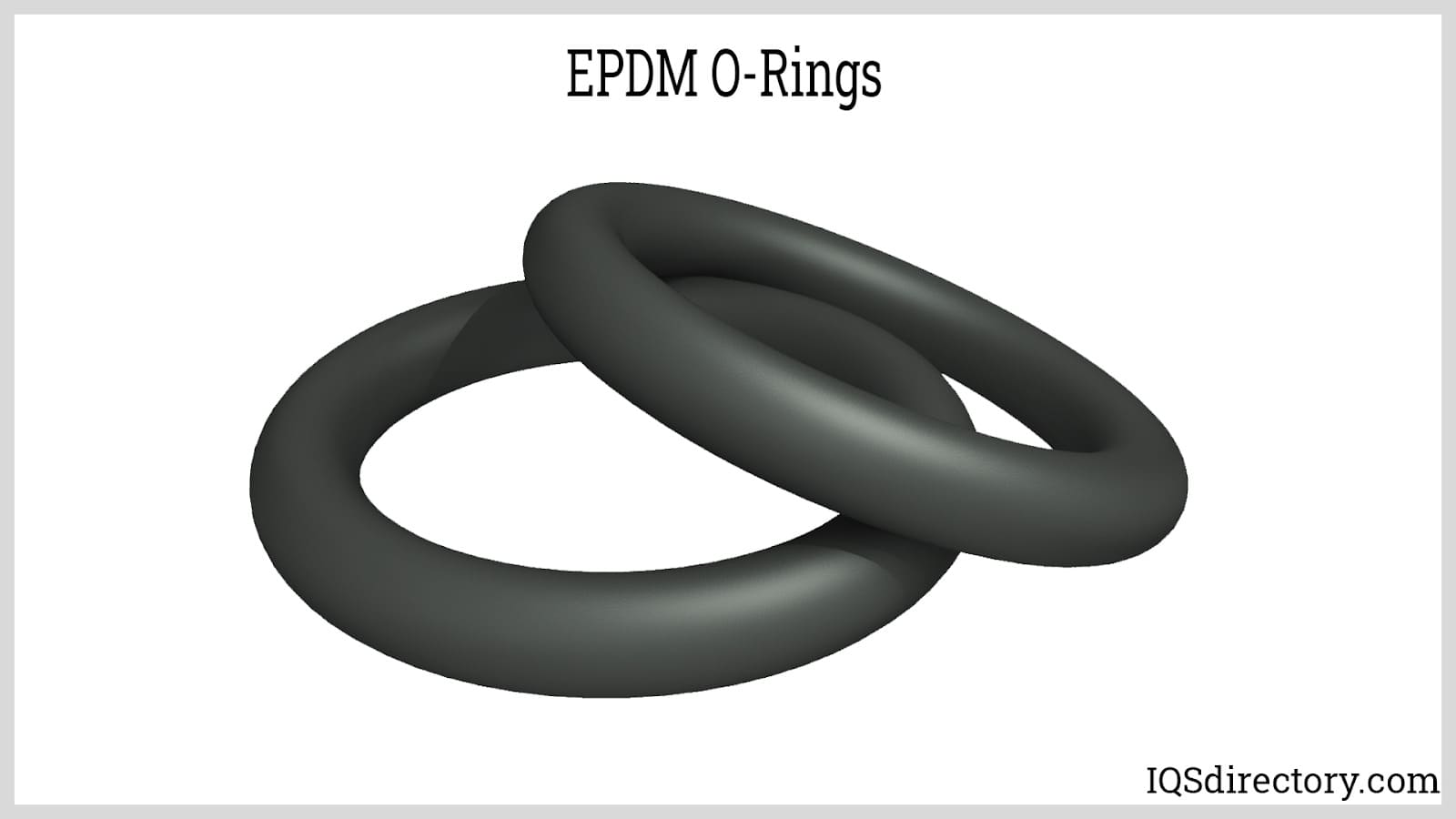
⚖️ O-Ring Weight Calculator
Estimate rubber O-ring weight (Approx).