
Technical Contents
Engineering Guide: Rubber Water Stopper
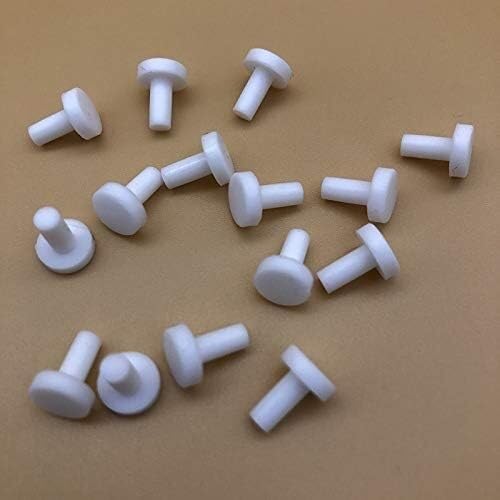
Engineering Insight: The Critical Role of Material Selection in Rubber Water Stoppers
In industrial sealing applications, the rubber water stopper is a deceptively simple component whose performance hinges entirely on precision material engineering. While off-the-shelf variants are readily available and often selected for cost efficiency, they frequently fail under real-world operational stresses. These failures stem not from design flaws per se, but from inappropriate material selection relative to the environmental and mechanical demands of the application.
A rubber water stopper functions as a dynamic or static seal, preventing the migration of water, moisture, or other fluids across joints in concrete structures, pipelines, expansion joints, and civil infrastructure. The material must endure prolonged exposure to water, fluctuating temperatures, UV radiation, chemical contaminants, and mechanical compression or shear forces. Standard elastomers such as low-grade EPDM or recycled rubber compounds may appear suitable on paper, but they lack the consistency, resilience, and long-term stability required in critical installations.
Material degradation mechanisms—hydrolysis, ozone cracking, compression set, and thermal aging—are accelerated when substandard compounds are deployed. For instance, a generic EPDM stopper may exhibit adequate initial water resistance but suffer from premature hardening or swelling when exposed to chlorinated water or alkaline environments common in wastewater systems. Similarly, NBR-based stoppers, while excellent for oil resistance, degrade rapidly in prolonged aqueous exposure due to hydrolytic instability.
At Suzhou Baoshida Trading Co., Ltd., our approach begins with application-specific formulation. High-purity EPDM with controlled ethylene content, terpolymer ratios, and optimized cure systems ensures superior resistance to weathering, steam, and alkaline conditions. For aggressive chemical environments, we deploy specialty compounds such as hydrogenated nitrile (HNBR) or chlorosulfonated polyethylene (CSM), engineered to maintain elasticity and sealing force over decades.
Equally critical is consistency in manufacturing. Off-the-shelf products often use reprocessed rubber or inconsistent filler loads, leading to variable durometer, tensile strength, and elongation at break. These inconsistencies result in differential compression, uneven stress distribution, and ultimately, leakage paths.
The following table outlines key performance specifications of engineered rubber compounds used in industrial-grade water stoppers:
| Property | EPDM (High-Grade) | NBR (Standard) | HNBR (Engineered) | CSM (Chlorosulfonated) |
|---|---|---|---|---|
| Hardness (Shore A) | 60–75 | 65–80 | 70–85 | 65–75 |
| Tensile Strength (MPa) | ≥15 | ≥12 | ≥20 | ≥14 |
| Elongation at Break (%) | ≥450 | ≥300 | ≥400 | ≥350 |
| Heat Resistance (°C) | 150 | 120 | 180 | 155 |
| Water Resistance | Excellent | Poor | Excellent | Excellent |
| Ozone Resistance | Excellent | Poor | Excellent | Good |
| Chemical Resistance | Moderate | Good (oils) | Excellent | Excellent |
Material selection is not a one-size-fits-all decision. It is a calculated engineering choice based on fluid type, temperature range, mechanical load, and service life expectations. Off-the-shelf rubber water stoppers fail because they generalize these variables. At Baoshida, we reject generic solutions in favor of formulated precision—ensuring reliability, compliance, and longevity in every seal.
Material Specifications
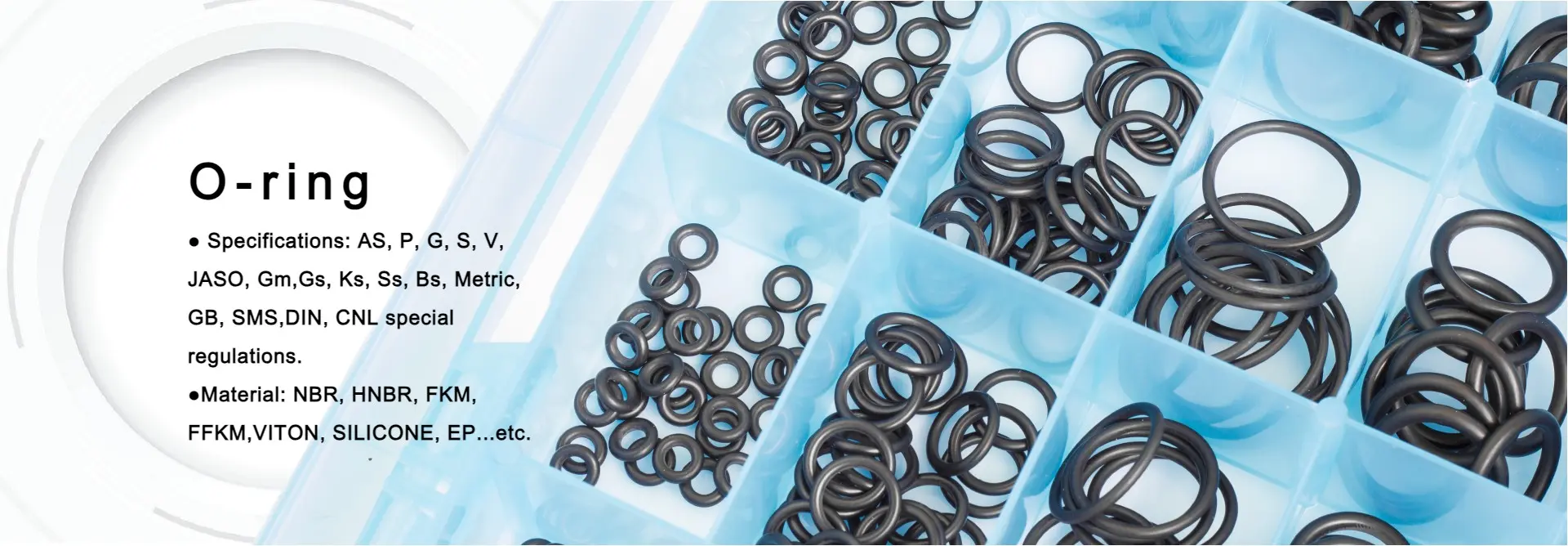
Material Specifications for Industrial Rubber Water Stoppers
Selecting the optimal elastomer for rubber water stoppers is critical for ensuring long-term hydrostatic integrity in construction joints, tunnels, and submerged infrastructure. At Suzhou Baoshida Trading Co., Ltd., we engineer compounds to withstand cyclic pressure, chemical exposure, and thermal degradation while maintaining low compression set. The three primary materials—Viton, Nitrile, and Silicone—each address distinct operational demands. Viton (FKM) excels in aggressive chemical environments, resisting acids, oils, and solvents up to 250°C. Its perfluorinated structure prevents swelling in petroleum-based fluids, making it ideal for wastewater treatment plants with industrial effluent. However, its higher cost necessitates justified application scenarios. Nitrile (NBR) offers the best cost-performance balance for standard aqueous and aliphatic oil exposure. With a temperature range of -40°C to 125°C, it delivers robust resistance to chlorinated water and hydraulic fluids but degrades in ozone-rich or aromatic hydrocarbon settings. Silicone (VMQ) provides unmatched flexibility at extreme temperatures (-60°C to 230°C) and superior resistance to weathering and sterilization processes. Its hydrophobic nature minimizes water absorption yet limits use in continuous petroleum contact due to swelling risks.
All materials undergo rigorous compression set testing per ASTM D395 to ensure dimensional stability under sustained load. Water stoppers require ≤25% compression set after 1000 hours at service temperature to prevent joint leakage. Shore A hardness is precision-tuned between 55–70 to balance seal conformity and extrusion resistance. Below is a comparative analysis of key specifications:
| Property | Viton (FKM) | Nitrile (NBR) | Silicone (VMQ) |
|---|---|---|---|
| Temperature Range (°C) | -20 to +250 | -40 to +125 | -60 to +230 |
| Tensile Strength (MPa) | 12–18 | 15–25 | 5–12 |
| Fluid Resistance | Excellent: Acids, oils, solvents | Good: Water, aliphatic oils; Poor: Aromatics | Excellent: Water, steam; Poor: Petroleum |
| Compression Set (1000h) | ≤20% at 200°C | ≤25% at 100°C | ≤22% at 200°C |
| Key OEM Application | Chemical plants, oil refineries | Municipal pipelines, HVAC systems | Sterilization chambers, cryogenic seals |
Material selection must align with fluid chemistry, temperature extremes, and lifecycle cost analysis. Viton is non-negotiable for sulfuric acid exposure above 50%, while NBR remains the economical choice for potable water infrastructure. Silicone’s low-temperature resilience suits Arctic construction but requires protective coatings against abrasion. Suzhou Baoshida validates all compounds through ISO 188 accelerated aging and ISO 1817 fluid immersion tests, ensuring compliance with EN 14730 for water stopper performance. Partner with our engineering team to specify hardness, color-coding, and splicing protocols tailored to your project’s hydrostatic pressure profile and environmental stressors. Precision formulation prevents premature failure in critical sealing applications.
Manufacturing Capabilities
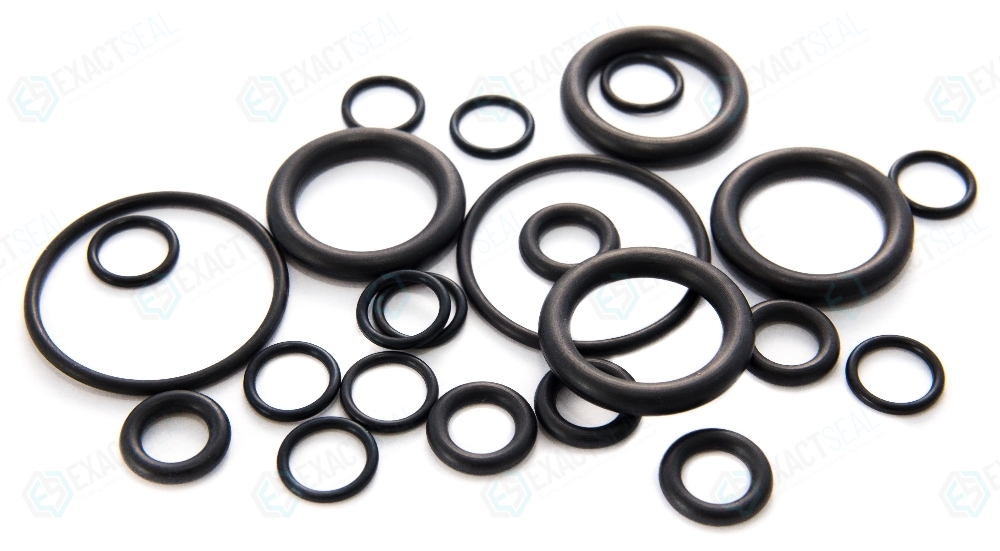
Engineering Capability
At Suzhou Baoshida Trading Co., Ltd., our engineering capability forms the backbone of our industrial rubber solutions, particularly in the design and production of high-performance rubber water stoppers. With a dedicated team of five certified mould engineers and two specialized rubber formula engineers, we integrate material science with precision tooling to deliver custom-engineered products that meet exacting OEM standards. Our in-house engineering unit ensures complete control over the development lifecycle, from concept and material formulation to mould design, prototyping, and mass production.
Our two rubber formula engineers bring over 15 years of combined experience in polymer chemistry and elastomer compounding. They specialize in formulating custom rubber compounds tailored to specific environmental conditions, including resistance to water pressure, UV exposure, ozone degradation, and temperature extremes. Whether the application demands EPDM for superior weather resistance or SBR for cost-effective durability, our formula development process is rooted in rigorous testing and compliance with international standards such as ISO 3302 and ASTM D2000. This scientific approach ensures that every water stopper maintains long-term sealing integrity under dynamic structural movement and hydrostatic stress.
Complementing our material expertise, the five-member mould engineering team focuses on precision tool design and manufacturability. Utilizing advanced CAD/CAM software including SolidWorks and AutoCAD, they develop high-tolerance steel or aluminum moulds optimized for consistent part geometry, minimal flash, and extended service life. Each mould is engineered to accommodate complex profiles, including T-shaped, dumbbell, or hollow-section water stoppers, ensuring seamless integration into concrete joints. We also conduct finite element analysis (FEA) simulations to validate stress distribution and deformation behavior before tooling fabrication, reducing development time and enhancing product reliability.
Our OEM capabilities are built on a foundation of technical agility and confidentiality. We support full private-label manufacturing, offering customers exclusive designs, custom packaging, and traceable quality documentation. From initial technical drawings to final product validation, we maintain IP protection and adhere to strict project timelines. Our facility is equipped with hydraulic vulcanization presses, hardness testers, tensile testing machines, and aging chambers, enabling full in-house quality verification.
The synergy between our formula and mould engineering teams allows us to solve complex sealing challenges efficiently, delivering water stoppers that exceed performance expectations in infrastructure projects such as tunnels, dams, subways, and underground parking structures.
| Specification | Detail |
|---|---|
| Mould Engineers | 5 in-house specialists |
| Formula Engineers | 2 in-house specialists |
| Material Standards | EPDM, SBR, NR, CR; compliant with ASTM D2000, ISO 3302 |
| Mould Tolerance | ±0.1 mm |
| Vulcanization Capacity | 50–500 tons press range |
| OEM Support | Full design, tooling, and packaging customization |
| Testing Capabilities | Tensile strength, elongation, hardness, compression set, aging resistance |
Customization Process
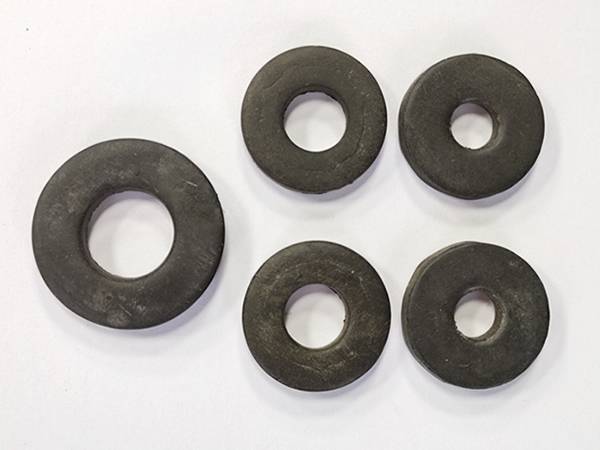
Rubber Water Stopper Customization Process: Precision Engineering from Concept to Production
At Suzhou Baoshida Trading Co., Ltd., the customization of rubber water stoppers is a rigorously defined engineering workflow, not merely a production sequence. Success hinges on translating precise application demands into a validated elastomeric solution capable of enduring decades of service under hydrostatic pressure, chemical exposure, and structural movement. Our process systematically addresses material science, dimensional accuracy, and long-term performance reliability through four critical phases.
Drawing analysis initiates the engagement. Our engineering team meticulously dissects client-provided technical drawings and environmental specifications, focusing on installation geometry, anticipated movement ranges (compression, shear, tension), fluid介质 type (freshwater, seawater, wastewater), temperature extremes, and required service life. We identify potential stress concentrations, evaluate substrate compatibility, and assess sealing force requirements against joint tolerances. This phase often involves collaborative refinement with the client to ensure the design is both functionally sound and manufacturable within tight dimensional tolerances (typically ±0.5mm).
Material formulation is the core scientific discipline. Based on the validated application parameters, our rubber chemists select the optimal base polymer and compound architecture. Critical factors include resistance to hydrolysis, ozone, specific chemicals, low-temperature flexibility, and compression set performance. We avoid generic material selection, instead tailoring cure systems, filler types, plasticizers, and protective additives to achieve the exact balance of hardness, tensile strength, elongation, and resilience required. The table below outlines common compound options and their key performance characteristics for water stopper applications.
| Compound Type | Temperature Range (°C) | Typical Hardness (Shore A) | Tensile Strength (MPa) | Key Resistance Properties |
|---|---|---|---|---|
| EPDM | -40 to +150 | 55-75 | 12-18 | Steam, Ozone, Weathering, Alkalis |
| NBR | -30 to +120 | 60-80 | 15-22 | Oils, Fuels, Aliphatic Hydrocarbons |
| CR (Neoprene) | -40 to +100 | 50-70 | 14-20 | Ozone, Weathering, Flame, Moderate Oils |
Prototyping follows compound finalization. We manufacture initial samples using precision-machined molds replicating the final production tool geometry. These prototypes undergo stringent in-house validation testing per ASTM D2000 or client-specific protocols, including compression set analysis at service temperatures, accelerated aging, fluid immersion testing, and dimensional verification. Critical performance metrics like recovery force and seal integrity under simulated joint movement are quantified. Client feedback on fit and function during mock installations is integrated before final sign-off.
Mass production deployment leverages Suzhou Baoshida’s certified manufacturing systems. All production batches are traceable to the validated formulation and process parameters. Continuous in-process quality control monitors key variables: compound viscosity, mold temperature uniformity, cure time, and dimensional consistency via automated optical inspection. Final release requires full conformance to the approved prototype’s physical and chemical properties, documented through comprehensive material test reports. This disciplined transition ensures every water stopper delivered meets the exact engineered specification for critical infrastructure sealing applications.
Contact Engineering Team
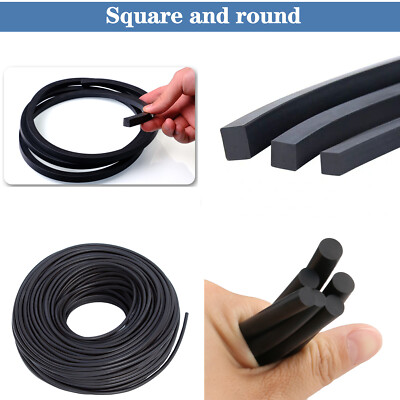
For precision-engineered rubber water stoppers designed to meet the rigorous demands of modern construction and infrastructure projects, Suzhou Baoshida Trading Co., Ltd. stands as a trusted partner in industrial rubber solutions. Our engineered rubber products are formulated for durability, chemical resistance, and long-term sealing performance under dynamic structural conditions. As a leading supplier specializing in construction waterproofing components, we offer customized rubber water stoppers tailored to project-specific requirements, including dimensional tolerances, hardness ratings, and environmental resilience.
Our rubber water stoppers are manufactured using high-quality raw materials such as EPDM, NBR, and natural rubber compounds, each selected based on application parameters such as exposure to UV radiation, submersion in water, or contact with aggressive chemicals. Through advanced vulcanization techniques and strict quality control protocols, we ensure consistent product integrity across every production batch. Whether your project requires center-bulb, omega-type, or flat-type water stops, our formulations deliver reliable watertight seals in concrete joints, expansion segments, and underground structures.
To support global clients in civil engineering, tunneling, wastewater treatment, and foundation construction, we provide technical consultation from concept to delivery. Our team assists with material selection, performance validation, and compliance documentation to meet international standards including ASTM C1311, BS 5977, and ISO 10545.
For direct technical collaboration or procurement inquiries, contact Mr. Boyce, OEM Manager and Rubber Formula Engineer at Suzhou Baoshida Trading Co., Ltd. With over 12 years of experience in polymer formulation and industrial rubber manufacturing, Mr. Boyce leads client-driven innovation in sealing solutions. He is available to discuss custom compound development, volume production scheduling, and technical data submission for project bidding.
Reach out via email at [email protected] to initiate a technical dialogue. Include project specifications, required quantities, performance criteria, and any relevant drawings for prompt evaluation. Our response time is within 12 business hours, with sample production typically completed within 7–10 working days upon confirmation. We support MOQ flexibility for pilot testing and large-scale contracts with CIF, FOB, and DDP shipping terms worldwide.
Partner with Suzhou Baoshida for engineered reliability, scientific precision, and responsive service in industrial rubber technology.
| Property | Specification |
|---|---|
| Material Options | EPDM, NBR, Natural Rubber, CR (Neoprene) |
| Hardness Range (Shore A) | 50–75 ±5 |
| Tensile Strength | ≥8 MPa (ASTM D412) |
| Elongation at Break | ≥300% |
| Operating Temperature | -40°C to +120°C (varies by compound) |
| Water Resistance | Excellent (no swelling >72 hrs immersion) |
| Joint Type Compatibility | Center Bulb, Omega, Flat Strip, T-Joint |
| Standard Compliance | ASTM C1311, ISO 10545, GB/T 22083 |
⚖️ O-Ring Weight Calculator
Estimate rubber O-ring weight (Approx).