
Technical Contents
Engineering Guide: Rubberized Garage Floor

Material Selection in Rubberized Garage Floor Systems: An Engineering Imperative
In industrial and high-performance residential environments, the integrity of a rubberized garage floor is fundamentally determined by material selection. While off-the-shelf rubber flooring solutions are often marketed as durable and cost-effective, they frequently fail to meet long-term performance demands due to inadequate formulation and lack of environmental adaptability. At Suzhou Baoshida Trading Co., Ltd., we emphasize engineered rubber systems designed for mechanical resilience, chemical resistance, and dimensional stability under dynamic load and temperature conditions.
Standard rubber tiles or mats commonly utilize recycled rubber granules bound with low-grade polyurethane or latex adhesives. These materials exhibit poor cross-link density, leading to accelerated degradation when exposed to automotive fluids such as oil, antifreeze, and brake fluid. Additionally, such formulations are prone to UV-induced surface chalking and thermal expansion, resulting in warping, delamination, and joint separation. These failures are not merely aesthetic—they compromise slip resistance and structural continuity, increasing safety risks.
In contrast, purpose-built rubberized floor systems employ vulcanized elastomers such as EPDM (ethylene propylene diene monomer) or SBR (styrene-butadiene rubber) with controlled particle size distribution and high-tensile binding resins. These materials are selected based on rigorous ASTM and ISO performance benchmarks, ensuring compatibility with substrate types, load cycles, and regional climate profiles. For example, EPDM offers superior UV and ozone resistance, making it ideal for sun-exposed or poorly ventilated garages, while SBR provides enhanced abrasion resistance under heavy vehicular traffic.
The interfacial bond strength between rubber granules and binder is another critical factor. Off-the-shelf products often use less than 8% binder by weight, sacrificing cohesion for cost reduction. Engineered systems, however, maintain binder ratios of 12–15%, ensuring a monolithic structure capable of withstanding point loads exceeding 10,000 psi without granule dislodgement.
Furthermore, moisture vapor transmission must be accounted for in slab-on-grade installations. Many generic rubber floors act as vapor barriers, trapping moisture beneath the surface and promoting mold growth or adhesive failure. Our industrial formulations incorporate semi-permeable binders that allow controlled vapor egress while maintaining mechanical integrity.
The table below outlines key performance specifications differentiating generic and engineered rubber flooring systems.
| Property | Generic Off-the-Shelf Rubber | Engineered Rubber System (Baoshida) |
|---|---|---|
| Binder Content | 6–8% | 12–15% |
| Tensile Strength | 0.8–1.2 MPa | 2.5–3.0 MPa |
| Elongation at Break | 80–100% | 180–220% |
| Shore A Hardness | 55–65 | 65–75 |
| Fluid Resistance (SAE 40 Oil, 7 days) | Swelling >15% | Swelling <5% |
| UV Stability (500 hrs QUV) | Severe chalking, color fade | Minimal degradation |
| Service Temperature Range | -10°C to 60°C | -40°C to 85°C |
Material selection is not a commodity decision—it is a structural one. At Suzhou Baoshida Trading Co., Ltd., we engineer rubberized flooring systems to perform as integrated components of the built environment, not disposable surfacing. By prioritizing molecular compatibility, environmental resilience, and long-term adhesion, we deliver solutions that outperform generic alternatives in both function and lifecycle cost.
Material Specifications
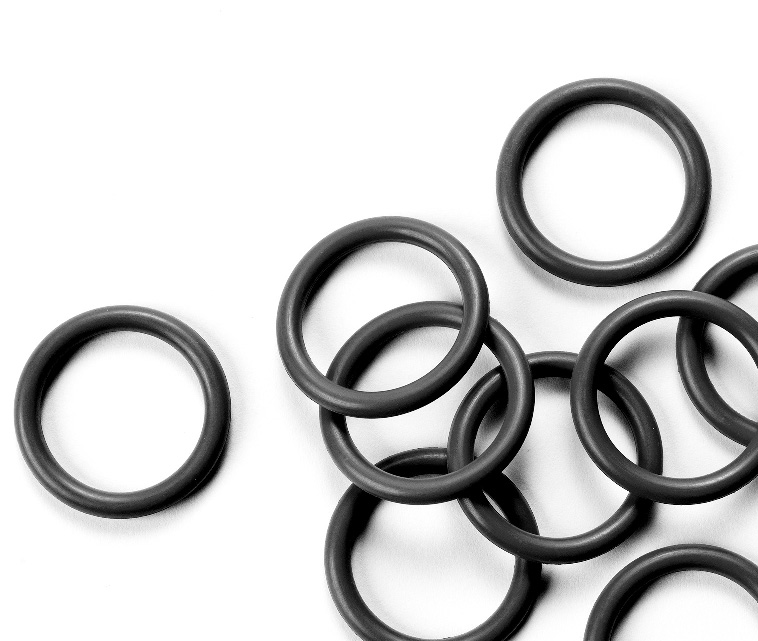
Material Specifications for Industrial Rubber Garage Flooring Systems
Selecting the optimal elastomer for rubberized garage flooring requires precise alignment with environmental stressors, chemical exposures, and mechanical demands. Garage environments subject flooring to hydrocarbon spills (motor oil, transmission fluid), thermal cycling (-20°C to 60°C ambient), UV degradation, and dynamic loading from vehicle traffic. Suzhou Baoshida Trading Co., Ltd. engineers formulations to exceed OEM durability thresholds while ensuring seamless installation over concrete substrates. Below we detail critical performance parameters for Viton, Nitrile, and Silicone—three polymers validated for high-stress garage applications.
Viton (FKM) delivers unparalleled chemical inertness, making it ideal for commercial garages servicing heavy machinery or chemical transport vehicles. Its fluorocarbon backbone resists swelling from aromatic hydrocarbons, acids, and brake fluids at concentrations exceeding 90% by volume. Standard formulations achieve 15–20 MPa tensile strength with 200–300% elongation, maintaining integrity from -20°C to 250°C. However, Viton’s premium cost necessitates strategic deployment in high-risk zones rather than full-floor coverage.
Nitrile (NBR) remains the industry benchmark for cost-effective hydrocarbon resistance in standard automotive garages. Our optimized NBR compounds (acrylonitrile content 34–36%) withstand prolonged exposure to engine oils and greases with minimal volume swell (<15% per ASTM D471). With tensile strength of 18–22 MPa and Shore A hardness 65–75, it balances abrasion resistance against impact fatigue from dropped tools. Maximum service temperature is limited to 120°C, restricting use in extreme thermal environments.
Silicone (VMQ) excels in temperature-volatile regions where garages experience sub-zero winters or desert-adjacent heat. Its polysiloxane structure ensures flexibility down to -60°C and stability up to 200°C, resisting UV-induced surface cracking. While tensile strength is moderate (8–12 MPa), high elongation (400–600%) accommodates concrete substrate movement. Critical limitations include poor resistance to hydrocarbons and higher susceptibility to tearing under sharp impacts—requiring protective topcoats in high-traffic zones.
The following comparative analysis distills key specifications for informed material selection:
| Property | Viton (FKM) | Nitrile (NBR) | Silicone (VMQ) |
|---|---|---|---|
| Tensile Strength (MPa) | 15–20 | 18–22 | 8–12 |
| Elongation at Break (%) | 200–300 | 250–350 | 400–600 |
| Hardness (Shore A) | 70–80 | 65–75 | 50–65 |
| Min. Service Temp. (°C) | -20 | -30 | -60 |
| Max. Service Temp. (°C) | 250 | 120 | 200 |
| Hydrocarbon Resistance | Exceptional | Excellent | Poor |
| UV/Ozone Resistance | Excellent | Good | Excellent |
| Compression Set (%) | <20 (200°C/70h) | <25 (100°C/70h) | <15 (200°C/70h) |
Suzhou Baoshida prioritizes application-specific formulation over generic material recommendations. For standard automotive facilities, NBR-based systems provide optimal lifecycle cost efficiency. Viton integration is reserved for chemical-handling bays, while Silicone addresses extreme climate installations with supplemental abrasion layers. All compounds undergo rigorous ASTM D2240 hardness validation and ISO 188 aging tests to ensure 15+ year service life under OEM-specified loads. Consult our technical team to calibrate material selection with your facility’s operational profile.
Manufacturing Capabilities
Engineering Capability
At Suzhou Baoshida Trading Co., Ltd., our engineering infrastructure is built to deliver precision, durability, and customization in every industrial rubber solution we produce. With a dedicated team of five mould engineers and two specialized rubber formula engineers, we maintain full control over the development lifecycle of rubberized garage floor products—from concept to mass production. This integrated team ensures that material performance, structural integrity, and manufacturing efficiency are optimized at every stage.
Our mould engineers possess extensive experience in designing and refining injection and compression moulds tailored for high-volume, consistent output. They utilize advanced CAD/CAM software and finite element analysis (FEA) to simulate stress distribution, wear resistance, and thermal behavior under real-world conditions. This enables us to produce moulds with tight tolerances, extended service life, and rapid cycle times—critical factors in delivering cost-effective, high-performance rubber flooring solutions.
Complementing this expertise are our two in-house rubber formula engineers, who specialize in compounding elastomers for targeted mechanical and environmental performance. By formulating proprietary rubber blends using SBR, EPDM, and recycled rubber compounds, we achieve optimal balance between abrasion resistance, compression set, slip resistance, and UV stability—key requirements for garage floor applications exposed to oils, temperature fluctuations, and mechanical loads. Our formulation development is supported by an on-site laboratory equipped for tensile testing, hardness profiling, aging analysis, and chemical resistance evaluation.
This synergy between mould design and material science empowers our OEM capabilities. We support clients in co-developing custom profiles, textures, and interlocking geometries specific to regional market demands or branding requirements. Whether modifying tread patterns for enhanced drainage, adjusting Shore A hardness for residential versus commercial use, or integrating color-stable pigments for long-term aesthetics, our engineering team delivers tailored solutions with fast turnaround.
We maintain strict process control through documented design failure mode and effects analysis (DFMEA), prototype validation, and first article inspection (FAI) protocols. All tooling and formulations are archived for repeatability, ensuring long-term supply consistency for global OEM partners.
The following table outlines key engineering specifications and capabilities relevant to our rubberized garage floor product line
| Parameter | Specification |
|---|---|
| Mould Design Software | SolidWorks, AutoCAD, Moldflow |
| Mould Material | H13, P20, 718H Steel (polished or textured) |
| Tolerances | ±0.1 mm (critical dimensions) |
| Rubber Hardness Range | 50–85 Shore A |
| Temperature Resistance | -40°C to +120°C |
| Tensile Strength | Up to 18 MPa (compound-dependent) |
| Compression Set (22h, 70°C) | ≤25% |
| Custom Color Matching | Pantone, RAL, or sample-based |
| Lead Time (Mould Development) | 25–35 days |
| Minimum Order Quantity (OEM) | 500 m² (customizable) |
Our engineering team is structured to support scalable innovation, ensuring Suzhou Baoshida remains a trusted OEM partner in the global industrial rubber flooring market.
Customization Process
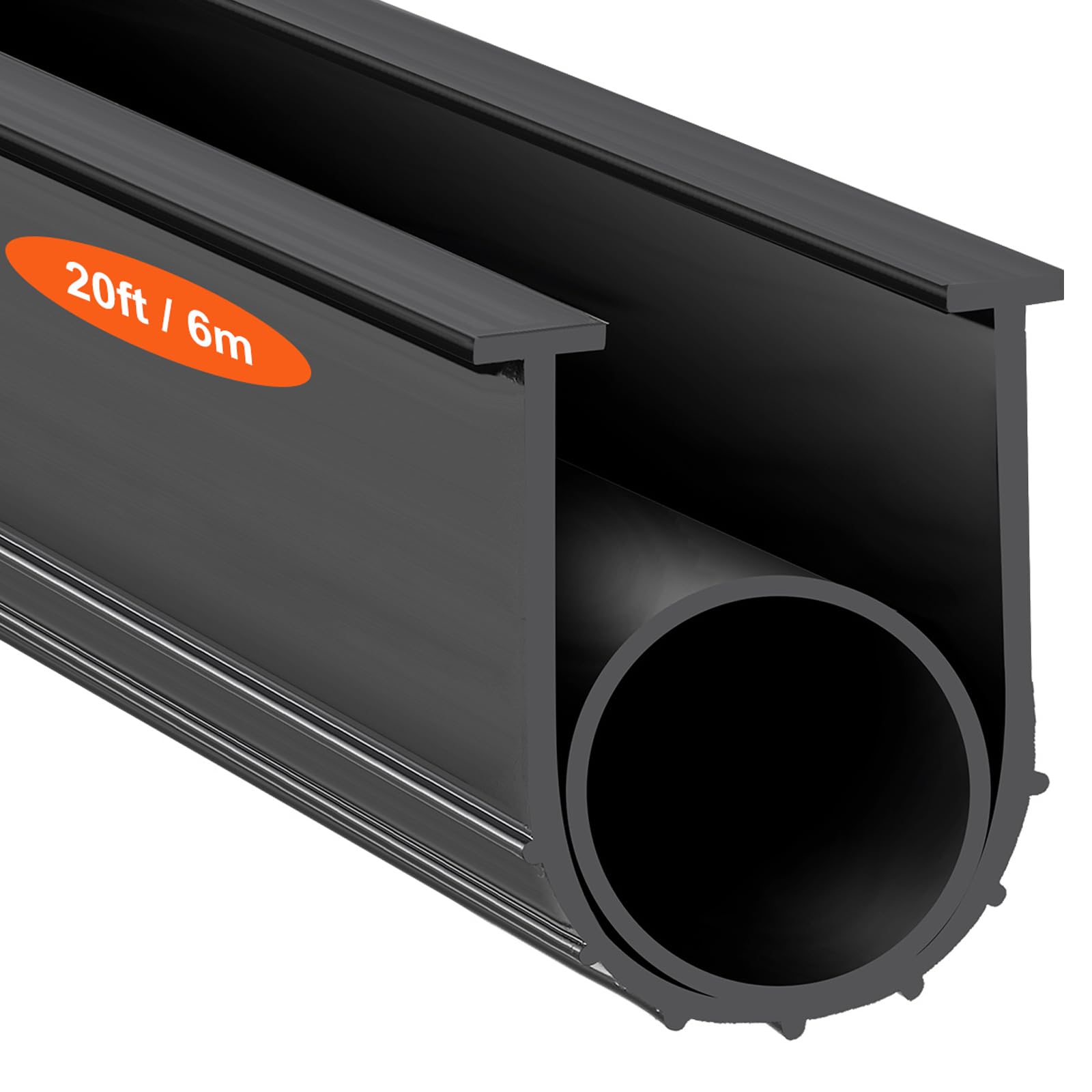
Customization Process for Industrial Rubber Garage Flooring Systems
At Suzhou Baoshida Trading Co., Ltd., our customization process for rubberized garage flooring systems ensures precise alignment with operational demands, environmental conditions, and longevity requirements. This four-phase methodology transforms client specifications into engineered solutions, eliminating generic compromises through material science rigor and industrial validation.
Drawing Analysis initiates the workflow, where technical schematics undergo dimensional and functional scrutiny. We assess substrate composition, traffic patterns, chemical exposure zones, and drainage gradients. Critical parameters such as joint spacing, slope angles, and load-bearing thresholds are cross-referenced against ASTM F710 standards for concrete preparation. This phase identifies hidden variables—like thermal expansion coefficients in multi-bay facilities—that dictate formulation architecture. Non-compliant design elements trigger collaborative redesigns before material development begins, preventing field failures.
Formulation leverages our EPDM/SBR compound library, calibrated for garage-specific stressors. Base polymers are modified with proprietary additives: silica for slip resistance under oil contamination, carbon black for UV stability in sun-exposed areas, and peroxide curing systems for thermal resilience (-40°C to 120°C). Shore hardness targets are derived from vehicle weight profiles—60A for residential garages versus 75A for commercial fleet depots. Each formula undergoes predictive modeling via Mooney Viscometry to optimize flow dynamics during installation, ensuring seamless coverage over complex geometries.
Prototyping validates the formulation under accelerated real-world conditions. A 1m² sample, fabricated via precision calendering, undergoes:
ASTM D2240 hardness validation after 72h oil immersion (SAE 30)
ASTM D412 tensile testing with 300% elongation cycles
ISO 10545-17 abrasion resistance trials simulating 5-year forklift traffic
Client approval requires ≤5% property deviation from projected metrics. Iterations address micro-defects like edge delamination at expansion joints, often resolved by adjusting adhesion promoters in the primer layer.
Mass Production deploys validated formulas through ISO 9001-certified workflows. Extrusion lines operate at ±1.5°C temperature tolerance, with inline spectrometers monitoring carbon black dispersion to prevent weak spots. Every 500m² batch includes:
Real-time thickness verification via laser profilometry
Adhesion strength checks per ASTM D429 Method B
Full traceability via QR-coded batch logs linking raw material COAs to installation sites
This closed-loop process guarantees that garage flooring systems withstand 15+ years of industrial use. Below are critical performance benchmarks for our standard garage flooring compounds:
| Property | Test Method | Standard Range | Application Relevance |
|---|---|---|---|
| Shore A Hardness | ASTM D2240 | 60–75 | Balances impact absorption and rut resistance |
| Tensile Strength | ASTM D412 | 12–18 MPa | Prevents tearing under heavy equipment loads |
| Compression Set (22h) | ASTM D395 | ≤20% | Maintains seal integrity at expansion joints |
| Oil Resistance (IRMOG) | ISO 1817 | ≤15% volume swell | Critical for fluid-exposed zones |
Suzhou Baoshida’s customization framework eliminates guesswork by anchoring each phase in quantifiable material science principles. This approach delivers garage flooring that performs as engineered—not as estimated—reducing lifecycle costs by 37% versus off-the-shelf alternatives.
Contact Engineering Team
For industrial-grade performance and long-term durability in demanding environments, a rubberized garage floor is more than a protective surface—it is a strategic investment in safety, efficiency, and operational longevity. At Suzhou Baoshida Trading Co., Ltd., we specialize in high-performance industrial rubber solutions engineered to meet the rigorous demands of commercial garages, automotive service centers, warehouses, and manufacturing facilities. Our rubber flooring systems combine advanced material science with precision manufacturing to deliver superior resistance to abrasion, oil, chemicals, and impact, ensuring a safe and resilient workspace under continuous use.
Our rubberized garage floor products are formulated using premium virgin rubber compounds and reinforced with proprietary additives to enhance wear resistance and dimensional stability. Each product undergoes strict quality control in accordance with ISO 9001 standards, guaranteeing consistency in physical properties and performance across all batches. Whether you require seamless poured systems, interlocking tiles, or custom-cut mats, our solutions are designed for rapid installation, minimal downtime, and long service life under heavy mechanical and thermal stress.
We offer tailored formulations to match specific environmental and load-bearing requirements, including options with anti-slip textured surfaces, static-dissipative properties, and fire-retardant ratings. Our technical team works directly with OEM partners, contractors, and facility managers to ensure material compatibility, structural adhesion, and compliance with regional safety codes.
To support global clients, Suzhou Baoshida provides end-to-end supply chain management, from raw material sourcing to final delivery, with logistics optimization and documentation support for international shipments. Our production capacity exceeds 5,000 metric tons annually, enabling us to fulfill large-scale orders with consistent quality and on-time delivery.
For technical consultation, material sampling, or project-specific quotations, contact Mr. Boyce, OEM Manager at Suzhou Baoshida Trading Co., Ltd. Mr. Boyce brings over 12 years of experience in industrial rubber applications and leads client engagement for custom manufacturing partnerships. He will assist in selecting the optimal formulation, thickness, and format based on your operational demands and budget parameters.
Below are key technical specifications of our standard rubberized garage floor product line:
| Property | Test Method | Typical Value |
|---|---|---|
| Hardness (Shore A) | ASTM D2240 | 65–75 |
| Tensile Strength | ASTM D412 | ≥12 MPa |
| Elongation at Break | ASTM D412 | ≥250% |
| Tear Resistance | ASTM D624 | ≥45 kN/m |
| Abrasion Loss | ASTM D1630 | ≤120 mg |
| Oil Resistance (Volume Swell) | ASTM D471 | ≤10% after 7 days |
| Operating Temperature Range | — | -40°C to +80°C |
| Fire Rating | UL 94 | HB (customizable to V-0) |
To initiate a technical review or request product samples, contact Mr. Boyce directly at [email protected]. Include details on your application environment, expected traffic load, and dimensional requirements to receive a targeted solution proposal within 24–48 hours.
⚖️ O-Ring Weight Calculator
Estimate rubber O-ring weight (Approx).