
Technical Contents
Engineering Guide: Rubberized Roofing Material
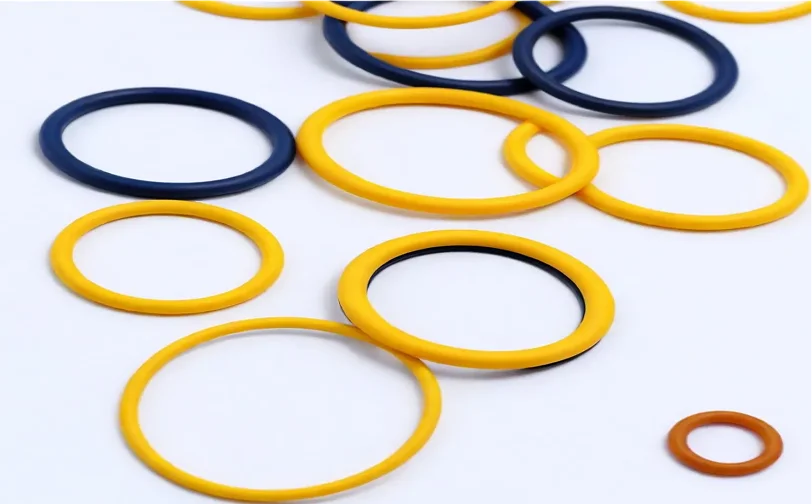
Engineering Insight: Material Selection in Rubberized Roofing Systems
The performance and longevity of rubberized roofing materials are fundamentally determined by the precision of material selection during formulation. In industrial applications, particularly within harsh environmental and mechanical conditions, generic or off-the-shelf elastomeric solutions frequently underperform due to inadequate resistance profiles and poor compatibility with structural substrates. At Suzhou Baoshida Trading Co., Ltd., we emphasize engineered material solutions tailored to site-specific variables such as UV exposure, thermal cycling, chemical contact, and dynamic load stress.
Standard roofing membranes often utilize recycled rubber content or unmodified EPDM compounds that lack reinforcement for dimensional stability. These materials may exhibit acceptable initial tensile strength but degrade rapidly under prolonged thermal oxidation or ozone exposure. A critical failure mode observed in non-engineered systems is microcracking along stress points, accelerating water ingress and substrate corrosion. Furthermore, adhesion compatibility with underlying substrates—such as metal, concrete, or composite panels—is frequently overlooked, leading to delamination and premature system failure.
Our approach integrates high-purity synthetic rubbers with advanced cross-linking agents and UV stabilizers to achieve consistent performance across extreme temperature ranges. For example, formulations based on vulcanized EPDM with controlled ethylene content provide superior flexibility at low temperatures while maintaining tensile integrity above 120°C. Additionally, the incorporation of nano-reinforced fillers enhances abrasion resistance without compromising elasticity.
Another key factor is the balance between hardness and elongation. Off-the-shelf products often prioritize cost-effective production over functional metrics, resulting in either overly rigid membranes that crack under flexural stress or excessively soft compounds prone to permanent deformation. Precision in Shore A hardness and elongation at break ensures the material accommodates structural movement while resisting puncture and fatigue.
Below is a comparative specification table highlighting critical parameters between standard commercial rubberized roofing membranes and our engineered solution:
| Property | Standard Commercial Membrane | Baoshida Engineered Solution |
|---|---|---|
| Base Polymer | Recycled EPDM blend | Virgin EPDM (high ethylene) |
| Tensile Strength | 7.5 MPa | 14.2 MPa |
| Elongation at Break | 280% | 450% |
| Shore A Hardness | 65 ± 5 | 58 ± 2 |
| Heat Aging Resistance (100°C, 7 days) | Tensile loss: 25% | Tensile loss: <8% |
| Ozone Resistance (100 pphm, 40°C, 96h) | Cracking observed | No cracking |
| Water Absorption (24h) | 2.1% | 0.4% |
| Service Temperature Range | -20°C to 90°C | -45°C to 130°C |
Material selection is not a secondary consideration—it is the foundation of system reliability. By rejecting one-size-fits-all formulations and instead applying rigorous polymer science, Suzhou Baoshida ensures that each rubberized roofing solution delivers sustained performance under real-world industrial demands. This engineering-first philosophy mitigates lifecycle costs and enhances structural protection over decades, not years.
Material Specifications
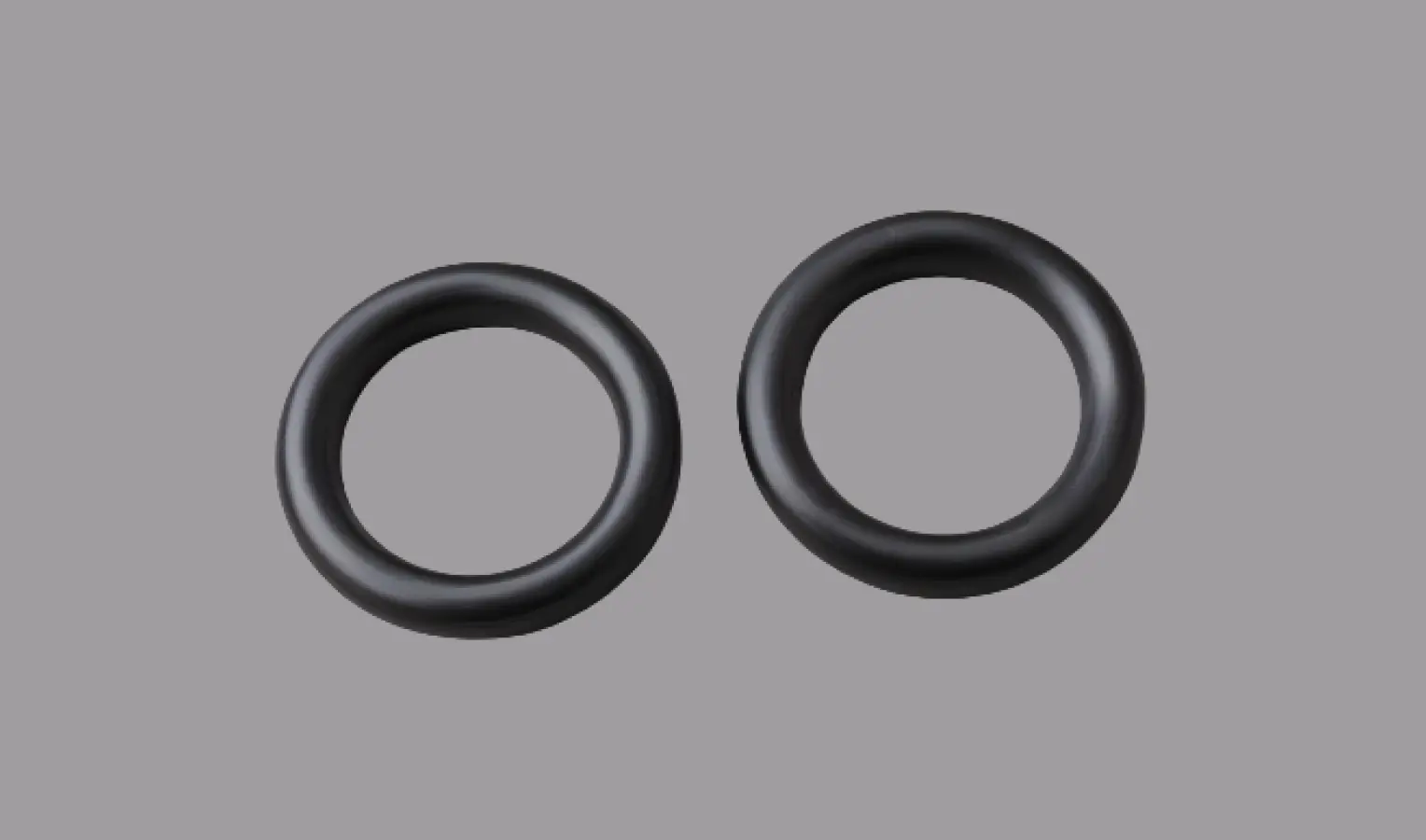
Material Specifications for High-Performance Rubberized Roofing Systems
Selecting the optimal elastomer for rubberized roofing components demands rigorous evaluation of environmental exposure, mechanical stress, and chemical compatibility. At Suzhou Baoshida Trading Co., Ltd., our engineering team validates material performance against ASTM D2000 and ISO 37 standards to ensure longevity in demanding architectural applications. Viton (FKM), Nitrile (NBR), and Silicone (VMQ) represent industry-preferred solutions, each exhibiting distinct properties for critical roofing elements such as flashings, seals, and expansion joints. Viton excels in extreme chemical resistance and thermal stability, making it indispensable for industrial roofs exposed to aggressive solvents or high-temperature effluents. Nitrile provides cost-effective resilience against petroleum-based substances and moderate weathering, ideal for standard commercial roofing substrates. Silicone delivers unmatched ultraviolet and ozone resistance alongside exceptional low-temperature flexibility, ensuring performance in severe climatic zones. Precise formulation adjustments within each polymer family further tailor hardness, tensile strength, and compression set for seamless integration with bitumen, EPDM, or TPO membrane systems.
The comparative specifications below reflect standard commercial grades after 72 hours of air oven aging at 150°C, per OEM validation protocols. All materials undergo mandatory post-cure processing to minimize volatile organic compound emissions and dimensional instability during installation.
| Material Type | Temperature Range (°C) | Key Chemical Resistances | Tensile Strength (MPa) | Elongation at Break (%) | Primary Roofing Applications |
|---|---|---|---|---|---|
| Viton (FKM) | -20 to +230 | Fuels, acids, halogens, steam | 12.5–15.0 | 150–200 | Chemical plant roofs, exhaust stack seals |
| Nitrile (NBR) | -40 to +120 | Oils, greases, aliphatic hydrocarbons | 10.0–14.0 | 250–350 | Parking deck membranes, gutter seals |
| Silicone (VMQ) | -60 to +200 | Ozone, UV radiation, water, mild acids | 6.0–9.0 | 400–600 | Solar panel mounts, arctic climate roofing |
Critical performance differentiators emerge under sustained stress. Viton maintains integrity after 1,000 hours of jet fuel immersion but incurs higher material costs. Nitrile exhibits superior abrasion resistance yet degrades rapidly under prolonged UV exposure without protective coatings. Silicone’s inherent hydrophobicity prevents moisture absorption-related swelling but requires reinforcement for high-tensile applications. Our OEM manufacturing process incorporates proprietary filler systems to enhance tear strength in Silicone compounds by 30% versus standard grades, addressing historical limitations in dynamic joint movement.
Material selection must align with project-specific ASTM C1379 wind uplift requirements and FM 4474 fire ratings. Suzhou Baoshida’s technical team conducts accelerated aging tests per ISO 188 to predict 25+ year service life under regional weathering conditions. We emphasize that no universal elastomer exists for roofing; optimal performance derives from matching polymer chemistry to the operational envelope defined by the architect and structural engineer. All formulations undergo third-party validation for VOC compliance under ISO 16000-9 before release to global supply chains.
Manufacturing Capabilities
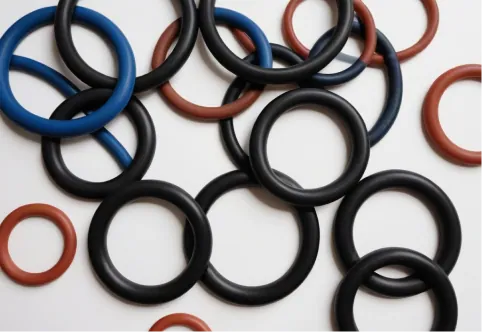
Suzhou Baoshida Trading Co., Ltd. operates at the forefront of industrial rubber solutions, delivering engineered performance to global construction and infrastructure markets. Our specialization in rubberized roofing materials is backed by a robust engineering infrastructure designed to meet the exacting demands of modern building applications. At the core of our technical capability are seven dedicated engineers—five mould specialists and two advanced formula chemists—ensuring precision in both physical design and material science.
Our mould engineering team brings over a decade of cumulative experience in designing complex, high-tolerance tooling for rubber extrusion and compression moulding processes. Each mould is developed using CAD/CAM software and validated through finite element analysis (FEA) to ensure uniform material flow, minimal flash, and extended service life under industrial production cycles. This precision translates into roofing components with consistent dimensional accuracy, seamless interlocking profiles, and long-term weather resistance. From initial concept sketches to production-ready tooling, our engineers support full design iteration and rapid prototyping, enabling fast time-to-market for custom OEM solutions.
Complementing our mould expertise are two in-house rubber formulation engineers with specialized knowledge in elastomer chemistry, polymer blending, and performance additive integration. These experts develop proprietary rubber compounds tailored to roofing applications, balancing critical properties such as UV resistance, thermal stability, tensile strength, and low-temperature flexibility. Our formulations primarily utilize EPDM, SBR, and NBR base polymers, modified with carbon black, plasticizers, and anti-aging agents to achieve optimal durability under prolonged outdoor exposure. Each compound is batch-tested for rheological behavior, cure kinetics, and aging performance according to ASTM and ISO standards.
We offer full OEM manufacturing services, supporting clients from concept validation through mass production. Our facility integrates closed-loop mixing systems, hydraulic presses, and automated curing lines to ensure batch-to-batch consistency and traceability. Clients benefit from IP-protected formulations, custom branding, and packaging solutions tailored to regional installation practices.
The following table outlines key technical specifications of our standard rubberized roofing material:
| Property | Test Method | Typical Value |
|---|---|---|
| Tensile Strength | ASTM D412 | ≥12 MPa |
| Elongation at Break | ASTM D412 | ≥350% |
| Hardness (Shore A) | ASTM D2240 | 60 ± 5 |
| Compression Set (22h, 70°C) | ASTM D395 | ≤20% |
| Heat Aging (70°C, 168h) | ASTM D573 | Tensile retention ≥85% |
| UV Resistance | ASTM G154 | Pass (1000h cycle) |
| Water Absorption (24h) | ASTM D471 | ≤2% weight gain |
Through the synergy of advanced mould design and precision rubber formulation, Suzhou Baoshida delivers roofing materials engineered for longevity, adaptability, and performance in extreme environments. Our OEM framework ensures scalability, quality control, and technical partnership for global building solution providers.
Customization Process
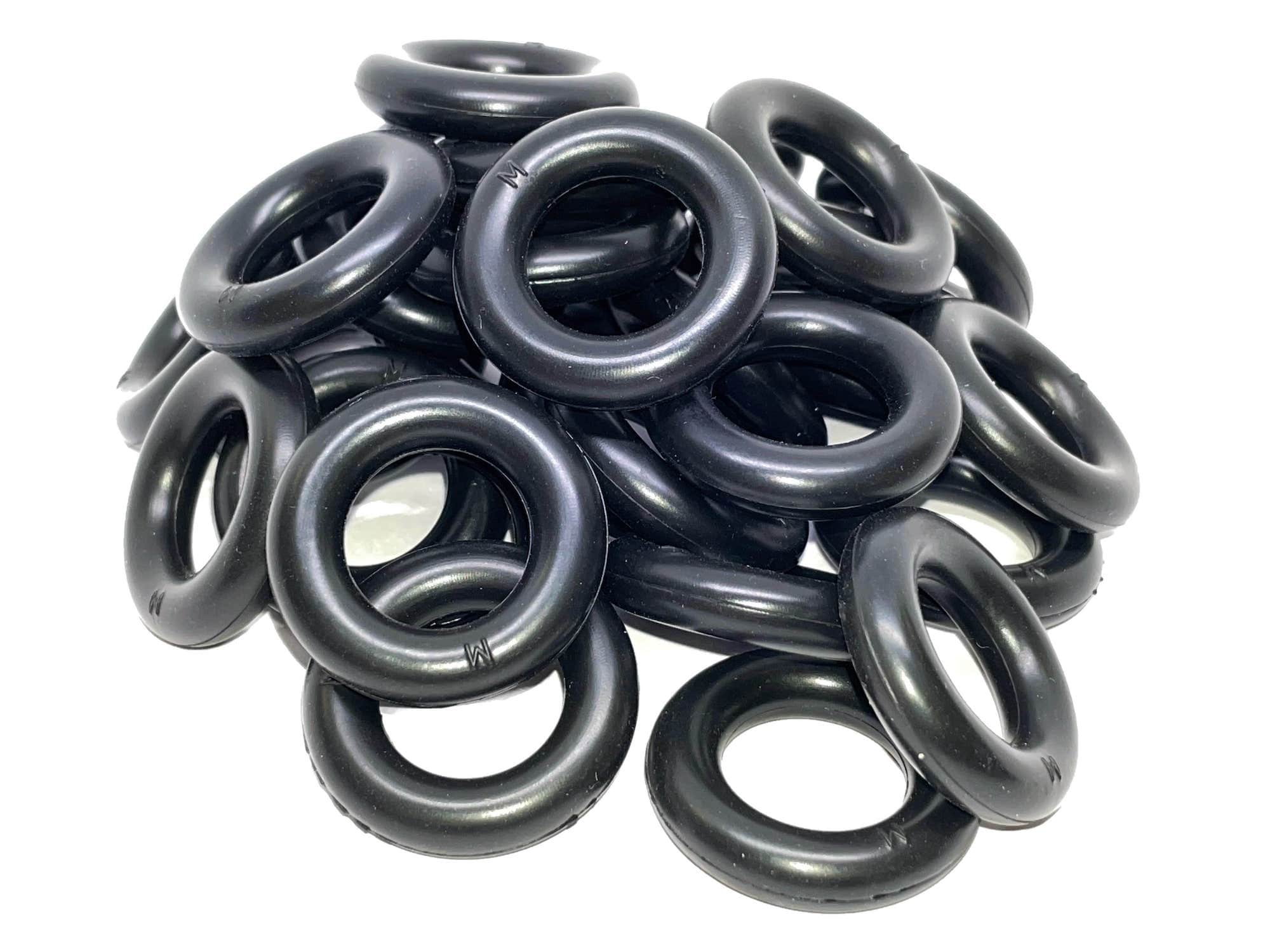
Rubberized Roofing Material Customization Process
Suzhou Baoshida Trading Co., Ltd. implements a rigorously defined engineering pathway for custom rubberized roofing material production. Our process ensures precise alignment with client technical drawings while optimizing material performance for extreme environmental exposure. The methodology spans four sequential phases, each governed by ASTM and ISO standards to eliminate variability in industrial applications.
Drawing Analysis Phase
Initial engagement requires comprehensive review of client-provided CAD schematics and performance specifications. We dissect critical parameters including dimensional tolerances, substrate adhesion requirements, and regional climate exposure data. This phase identifies non-negotiable constraints such as fire resistance ratings (ASTM E108) or wind uplift thresholds. Any ambiguities in geometric features or material callouts trigger immediate technical clarification loops with the client engineering team. Only upon signed-off documentation does formulation commence.
Formulation Development
Our rubber chemists translate drawing requirements into proprietary compound recipes using EPDM as the foundational polymer. Key variables adjusted include filler ratios (carbon black vs. silica), plasticizer types, and UV stabilizer concentrations. For instance, roofing membranes destined for desert climates receive elevated HALS (Hindered Amine Light Stabilizer) loading to withstand 3000+ hours of QUV accelerated weathering. All formulations undergo computational modeling via Mooney-Rivlin equations to predict elongation behavior before lab synthesis.
Prototyping and Validation
Three physical prototypes are manufactured per approved formula using precision calendering equipment. Each iteration undergoes destructive and non-destructive testing per ASTM D412 (tensile), D2240 (hardness), and D518 (abrasion resistance). Critical validation includes low-temperature flexibility checks at -40°C and accelerated aging in Q-SUN xenon arc testers. Clients receive full test reports with deviation analysis against target specs. Only prototypes meeting 100% of critical parameters advance to production tooling.
Mass Production Execution
Finalized compounds enter ISO 9001-certified production lines with real-time rheometer monitoring during mixing. Every 500m² batch undergoes inline thickness verification via beta-gauge systems and adhesion peel strength checks. Statistical process control charts track key variables like cure time and Mooney viscosity. Finished rolls are quarantined until third-party lab certification (e.g., SGS) confirms compliance with all contractual performance criteria.
The following table illustrates how client requirements directly dictate formulation adjustments in our process:
| Performance Requirement | Standard EPDM Specification | Suzhou Baoshida Customized Solution |
|---|---|---|
| UV Resistance (25-year lifespan) | 1500 hrs QUV @ 60°C | 3500+ hrs QUV via triazine-based stabilizers |
| Tensile Strength | 7.5 MPa minimum | 12.8 MPa achieved through silica reinforcement |
| Low-Temperature Flexibility | -30°C pass | -45°C pass with specialty plasticizers |
| Fire Rating (Class A) | ASTM E108 compliant | UL 790 certified with halogen-free flame retardants |
This structured engineering workflow guarantees that every rubberized roofing membrane shipped from Suzhou Baoshida delivers exact performance replication across 10,000+ m² production runs. Our closed-loop quality system ensures zero deviation between prototype validation data and final product certification.
Contact Engineering Team
For industrial manufacturers and construction solution providers seeking high-performance rubberized roofing materials, Suzhou Baoshida Trading Co., Ltd. delivers engineered precision and long-term durability. As a specialized supplier in the industrial rubber solutions sector, we focus on advanced elastomeric formulations designed to meet the rigorous demands of commercial, industrial, and infrastructure roofing applications. Our rubberized roofing materials are developed using proprietary compounding techniques that ensure superior UV resistance, thermal stability, and mechanical resilience under extreme environmental conditions.
Our formulations are based on EPDM, SBR, and butyl rubber matrices, optimized for weatherability, tensile strength, and water impermeability. Each batch is subjected to stringent quality control protocols, including accelerated aging tests, tensile testing, and low-temperature flexibility assessments, to guarantee compliance with international performance benchmarks. Whether used in single-ply membranes, spray-applied coatings, or prefabricated roofing sheets, our materials offer consistent performance across diverse climatic zones and structural requirements.
Suzhou Baoshida collaborates directly with OEMs, roofing system integrators, and material distributors to provide tailored compound solutions. From adjusting durometer ratings to customizing reinforcement layers or integrating flame-retardant additives, our technical team ensures that each product meets the exact functional and regulatory needs of your project. We support low minimum order quantities for prototyping and scalable production runs for long-term supply contracts.
For technical inquiries, material data sheets, or sample requests, contact Mr. Boyce, Rubber Formula Engineer and OEM Manager, at [email protected]. Mr. Boyce leads formulation development and client integration, offering direct engineering support to ensure seamless material adoption. He is available to discuss compound specifications, performance testing data, and application-specific modifications to align with your roofing system design.
Below are key technical specifications for our standard rubberized roofing compound (Grade RRM-45), representative of our core product line:
| Property | Test Method | Value |
|---|---|---|
| Base Polymer | — | EPDM Modified |
| Hardness (Shore A) | ASTM D2240 | 45 ± 3 |
| Tensile Strength | ASTM D412 | ≥12.5 MPa |
| Elongation at Break | ASTM D412 | ≥450% |
| Tear Resistance | ASTM D624 | ≥38 kN/m |
| Temperature Range | — | -40°C to +135°C |
| Water Absorption (24h) | ASTM D471 | <1.2% |
| UV Resistance | ASTM G154 | Pass (3000h) |
| Flame Spread Index | ASTM E84 | <25 |
Partnering with Suzhou Baoshida means accessing precision-engineered rubber solutions backed by deep formulation expertise and responsive technical service. Initiate your project consultation today by contacting Mr. Boyce directly. We provide full documentation, including RoHS and REACH compliance statements, and support global logistics with DDP and FOB shipping options. For engineered reliability in rubberized roofing systems, Suzhou Baoshida is your trusted industrial partner.
⚖️ O-Ring Weight Calculator
Estimate rubber O-ring weight (Approx).