
Technical Contents
Engineering Guide: Rubberized Silicone
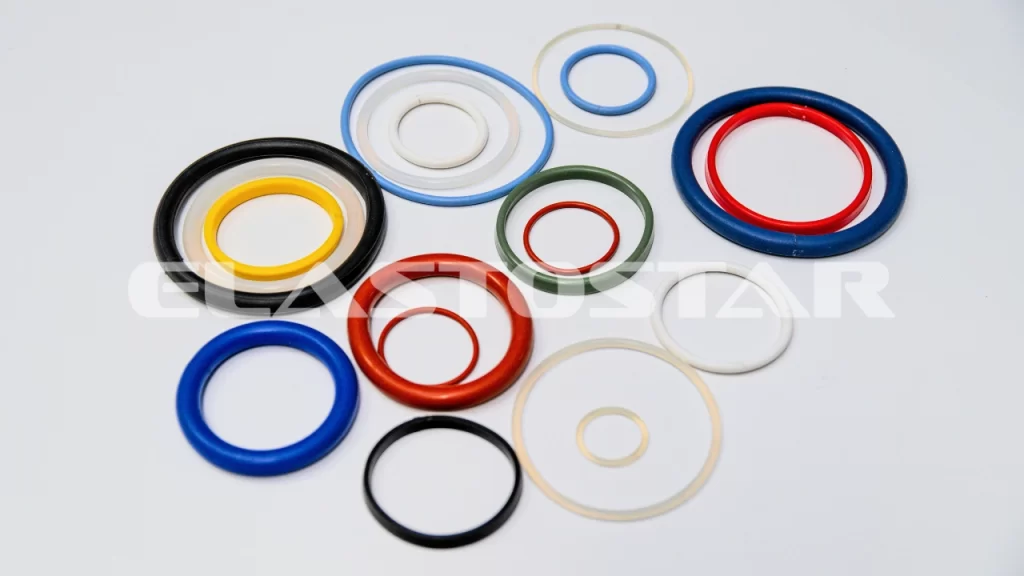
Engineering Insight: The Critical Role of Material Selection in Rubberized Silicone Applications
In industrial applications, the term rubberized silicone often refers to a hybrid elastomeric system engineered to combine the flexibility and resilience of rubber with the thermal stability and chemical inertness of silicone. While this material class offers exceptional performance potential, its success hinges entirely on precise material selection tailored to the operational environment. Off-the-shelf solutions, though cost-attractive initially, frequently fail under real-world conditions due to oversimplified assumptions about performance parameters.
The fundamental flaw in generic rubberized silicone products lies in their one-size-fits-all formulation. Industrial environments vary dramatically—ranging from high-vibration automotive underhood systems to static seals in pharmaceutical processing equipment. A material that performs adequately in moderate temperatures and low stress will degrade rapidly when exposed to continuous thermal cycling, aggressive media, or mechanical loading. For instance, standard formulations may use lower-grade silicone polymers or insufficient reinforcing fillers, leading to compression set, hardening, or cracking after prolonged use.
Material selection must begin with a comprehensive analysis of service conditions: temperature extremes, dynamic vs. static loading, exposure to oils, solvents, or ozone, and required lifespan. Rubberized silicone compounds can be precisely tuned by adjusting the base polymer (e.g., VMQ, PVMQ), crosslink density, and additive package (plasticizers, thermal stabilizers, reinforcing silica). Without this customization, even minor deviations in operating conditions can trigger premature failure.
Another overlooked factor is the interface between the rubberized silicone and mating components. Coefficient of thermal expansion mismatches, surface energy differences, and adhesion requirements must be evaluated during material selection. Off-the-shelf compounds rarely account for these interfacial dynamics, resulting in delamination, seal leakage, or accelerated wear.
At Suzhou Baoshida Trading Co., Ltd., we emphasize application-driven engineering over catalog-based selection. Our technical team collaborates with OEMs to define performance envelopes and develop formulations that meet exacting demands. This approach ensures longevity, reliability, and total cost efficiency—key metrics in industrial supply chains.
The following table outlines key performance specifications for a high-grade custom rubberized silicone compound versus a typical off-the-shelf alternative:
| Property | Custom-Engineered Rubberized Silicone | Off-the-Shelf Rubberized Silicone |
|---|---|---|
| Temperature Range (°C) | -60 to +250 | -40 to +180 |
| Tensile Strength (MPa) | ≥9.5 | ≥5.0 |
| Elongation at Break (%) | ≥450 | ≥300 |
| Compression Set (22h at 150°C) | ≤20% | ≤40% |
| Hardness (Shore A) | 50–70 (adjustable) | Fixed at 60 |
| Fluid Resistance (IRMOG 703, 7d) | Minimal swell (<10%) | Moderate swell (15–25%) |
| Service Life (Accelerated Aging) | >10,000 hours | <5,000 hours |
In conclusion, material selection is not a procurement decision—it is an engineering imperative. Choosing a rubberized silicone compound based solely on availability or price risks system integrity and operational uptime. Precision formulation, grounded in application-specific data, is the only reliable path to performance assurance in demanding industrial environments.
Material Specifications
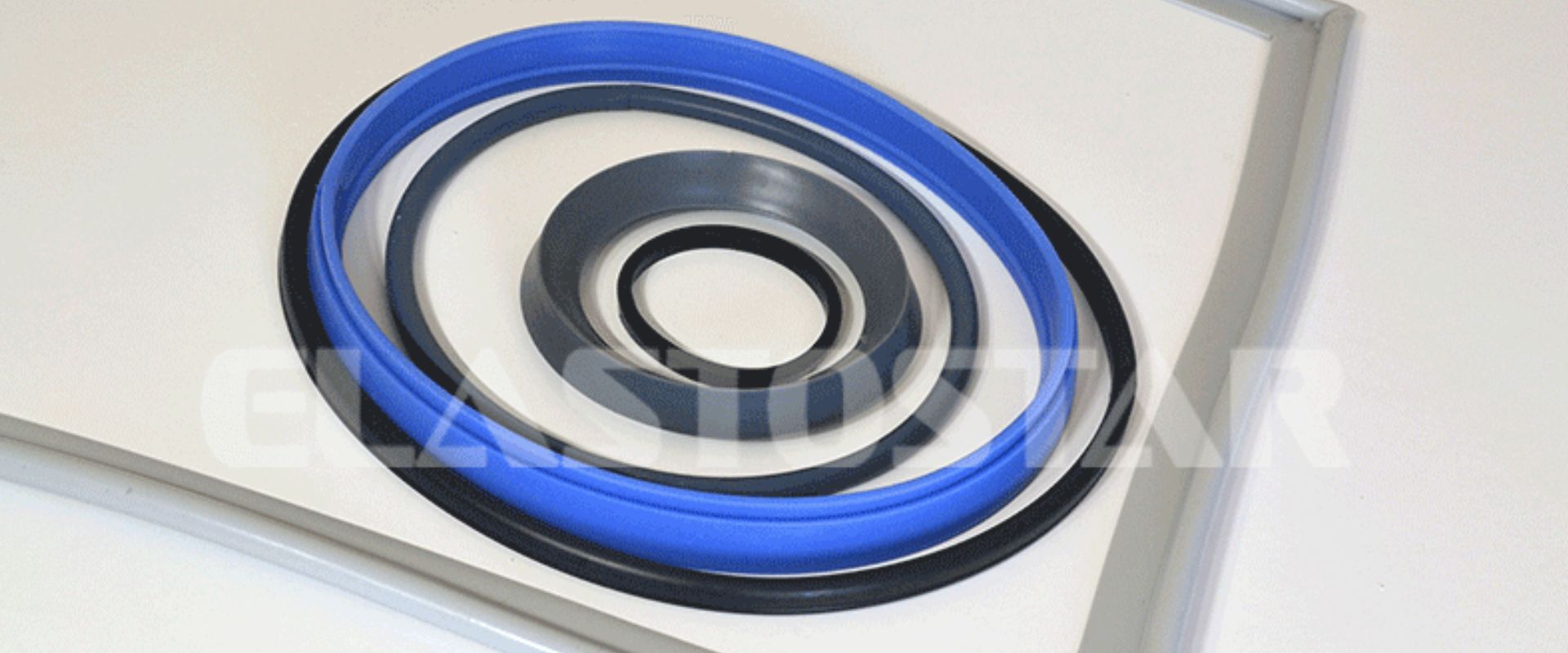
Material Specifications for Critical Elastomer Selection
Suzhou Baoshida Trading Co., Ltd. clarifies that the term “rubberized silicone” is not recognized in industrial polymer science. Silicone rubber itself is a distinct elastomer category, while Viton® (FKM) and Nitrile (NBR) represent separate synthetic rubber families. Each material exhibits unique molecular structures dictating performance in demanding industrial environments. Our engineering team rigorously evaluates these elastomers against OEM application parameters, including thermal exposure, chemical compatibility, and mechanical stress. Misapplication due to terminology confusion risks premature seal failure, fluid contamination, or safety hazards. Precision in material specification is non-negotiable for mission-critical components in automotive, aerospace, and chemical processing systems.
Viton® fluorocarbon rubber delivers exceptional resistance to high temperatures, aggressive fuels, and synthetic lubricants. Its saturated carbon-fluorine backbone prevents chain scission under extreme conditions, making it ideal for jet engine seals and refinery gaskets. Nitrile butadiene rubber provides cost-effective resilience against petroleum-based oils and hydraulic fluids but suffers in ozone-rich or high-temperature settings above 120°C. Silicone rubber excels in extreme temperature flexibility (-60°C to 200°C) and biocompatibility, yet its low tear strength necessitates careful design for dynamic applications. All materials require specific cure systems and filler packages tailored to end-use requirements; our OEM partnerships include customized compound formulation to meet exact ASTM D2000 or ISO 3601 standards.
The following table details core specifications for Viton®, Nitrile, and Silicone elastomers under continuous service conditions. Data reflects standard commercial grades; proprietary formulations may extend performance boundaries.
| Property | Viton® (FKM) | Nitrile (NBR) | Silicone (VMQ) |
|---|---|---|---|
| Continuous Service Temp | -20°C to +230°C | -40°C to +120°C | -60°C to +200°C |
| Tensile Strength (MPa) | 12–20 | 10–25 | 5–10 |
| Hardness Range (Shore A) | 50–90 | 50–90 | 30–80 |
| Fuel Resistance (BUNA No. 3) | Excellent (ΔV < 5%) | Good (ΔV 15–25%) | Poor (ΔV > 100%) |
| Ozone Resistance | Excellent | Poor | Excellent |
| Key Limitation | Cost, low-temp flexibility | Heat degradation, polar fluid sensitivity | Low abrasion resistance, permeability |
Material selection must align with fluid chemistry, dynamic stress profiles, and regulatory constraints. For instance, silicone’s permeability to gases disqualifies it for vacuum systems despite its thermal range, while NBR’s susceptibility to brake fluid hydrolysis mandates Viton® in modern ABS modules. Suzhou Baoshida’s OEM engineering team conducts accelerated aging tests per ASTM D573 and fluid immersion protocols to validate compound suitability. We reject generic material substitutions—each application demands physics-based validation. Partner with us to transform specification sheets into field-proven reliability through data-driven elastomer science.
Manufacturing Capabilities
Engineering Capability
At Suzhou Baoshida Trading Co., Ltd., our engineering division is built on a foundation of technical precision, material science expertise, and deep industrial experience. We specialize in advanced rubberized silicone formulations and precision molding solutions tailored for demanding industrial applications. Our in-house team comprises five dedicated mold engineers and two certified rubber formula engineers, enabling full vertical control from concept to production. This integrated structure ensures that every component we manufacture meets exact performance, durability, and regulatory requirements.
Our mold engineers bring over 70 combined years of experience in precision tooling design, utilizing modern CAD/CAM systems and finite element analysis (FEA) to optimize flow, shrinkage, and part integrity in complex geometries. They work in close collaboration with clients during the design-for-manufacturability (DFM) phase, ensuring rapid prototyping, reduced cycle times, and long-term tooling reliability. All molds are fabricated using high-grade steel alloys and undergo rigorous quality validation, including cavity pressure testing and dimensional inspection via coordinate measuring machines (CMM).
Complementing our mold engineering strength is our advanced rubber compounding capability. Our two formula engineers specialize in silicone-based elastomers modified with functional fillers, reinforcing agents, and performance additives to achieve targeted physical properties. Whether the application demands extreme temperature resistance (-60°C to +250°C), high dielectric strength, low compression set, or compliance with FDA, ROHS, or UL standards, our team develops custom rubberized silicone compounds that meet exacting specifications. We maintain full traceability of raw materials and conduct batch-specific cure kinetics analysis to ensure consistency across production runs.
As an OEM manufacturing partner, Suzhou Baoshida offers end-to-end development support. From initial material selection and prototype molding to process validation and volume production, we provide technical documentation including material data sheets, PPAP files, and process capability (CpK) reports. Our facility supports insert molding, overmolding, and multi-cavity production, with cleanroom options available for sensitive applications in medical and semiconductor industries.
The synergy between our mold design and rubber formulation teams allows us to solve complex engineering challenges—such as sealing under dynamic stress, thermal cycling stability, or chemical exposure—through material and design co-optimization. This capability is particularly critical in sectors such as automotive sensors, industrial automation, energy systems, and medical devices, where failure is not an option.
Below is a summary of our core technical specifications and capabilities:
| Parameter | Specification |
|---|---|
| Material Types | Silicone rubber, fluorosilicone, LSR (Liquid Silicone Rubber), filled silicone composites |
| Hardness Range (Shore A) | 20–80 ±5 |
| Temperature Resistance | -60°C to +250°C (short-term up to 300°C) |
| Tensile Strength | Up to 12 MPa (custom formulations) |
| Elongation at Break | 250%–600% |
| Compression Set (22h, 150°C) | ≤20% |
| Regulatory Compliance | FDA 21 CFR 177.2600, ROHS, REACH, UL 94 V-0 |
| Tooling Materials | H13, P20, 420SS, 1.2343, 1.2379 |
| Molding Processes | Compression, transfer, injection, insert, overmolding |
| Production Capacity | Up to 500,000 units/month (scalable) |
This level of engineering integration positions Suzhou Baoshida as a strategic partner for OEMs requiring technically advanced, reliable, and scalable rubberized silicone solutions.
Customization Process
Rubberized Silicone Customization Process: From Concept to Production
Suzhou Baoshida Trading Co., Ltd. executes a rigorous four-phase customization workflow for rubberized silicone components, ensuring technical alignment with OEM specifications and industrial performance demands. This process eliminates design-to-production gaps while adhering to global material standards.
Drawing Analysis & Feasibility Assessment
Engineering teams conduct granular dimensional and tolerance validation against ASTM D3183 and ISO 1307 standards. Critical parameters including part geometry, sealing surfaces, and environmental exposure zones are cross-referenced with material behavior models. We identify potential molding challenges—such as undercuts or thin-wall sections—and propose GD&T adjustments before formulation begins. Thermal expansion coefficients and chemical resistance requirements are mapped to silicone’s inherent properties during this phase.
Precision Formulation Development
Based on the validated design, our rubber formula engineers construct bespoke silicone compounds. Key variables modulated include:
| Parameter | Standard Range | Customization Scope |
|---|---|---|
| Hardness (Shore A) | 30–80 | 20–90 (per ASTM D2240) |
| Temp Resistance | -60°C to +250°C | -100°C to +300°C (specialty grades) |
| Tensile Strength | 6–10 MPa | 4–15 MPa (reinforced) |
| Compression Set | ≤20% (22h/150°C) | ≤10% (high-purity grades) |
| Durometer Tolerance | ±5 Shore A | ±2 Shore A (tight-spec) |
Vinyl content, filler types (e.g., fumed silica vs. precipitated), and catalyst systems are optimized for cure kinetics, elongation, and fluid resistance. All formulations undergo preliminary rheology screening to ensure processability in client-specified molding equipment.
Prototyping & Validation
Functional prototypes are produced via compression, injection, or liquid silicone rubber (LSR) molding, mirroring mass production tooling. Each prototype batch undergoes:
Dimensional verification per ISO 3302
Accelerated aging per ASTM D573
Fluid immersion testing (ISO 1817)
Dynamic mechanical analysis (DMA) for fatigue prediction
Clients receive full material test reports (MTRs) with traceable batch data. Iterations are completed within 15 business days using rapid tooling adjustments.
Controlled Mass Production
Upon prototype approval, production transitions to ISO 9001-certified facilities with real-time statistical process control (SPC). Critical controls include:
In-line hardness and weight monitoring at 30-minute intervals
Automated vision systems for dimensional conformity
Batch-wise FTIR spectroscopy to verify compound consistency
Full lot traceability via serialized barcoding from raw material to shipment
All production lots undergo final audit per ASTM D2000 classification standards, with certificates of conformance (CoC) provided. Suzhou Baoshida maintains 99.2% on-time delivery through dual-source material procurement and dedicated production cells for OEM programs.
This structured workflow ensures rubberized silicone components meet stringent industrial requirements while minimizing time-to-market for automotive, medical, and energy sector applications.
Contact Engineering Team
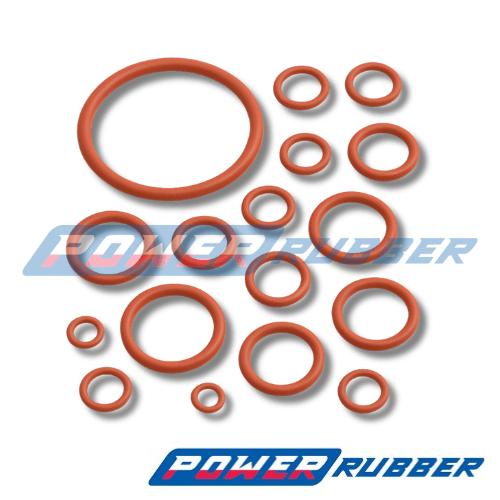
For industrial manufacturers seeking advanced rubberized silicone solutions, Suzhou Baoshida Trading Co., Ltd. stands at the forefront of material innovation and precision engineering. As a trusted OEM partner in the industrial rubber sector, we specialize in the development and supply of high-performance rubberized silicone compounds tailored for demanding applications across automotive, aerospace, electronics, and heavy machinery industries. Our expertise lies in formulating materials that combine the thermal stability and chemical resistance of silicone with the mechanical durability and abrasion resistance of synthetic rubber—delivering a hybrid solution optimized for extreme environments.
Rubberized silicone is not a one-size-fits-all material. At Suzhou Baoshida, we understand that performance depends on precise formulation, reinforcement strategies, and cross-linking technologies. Our engineering team works closely with clients to customize durometer ratings, elongation at break, compression set resistance, and fluid compatibility to meet exact operational requirements. Whether you require seals exposed to jet fuel at -60°C or gaskets operating continuously at 250°C, our formulations are validated through rigorous ASTM and ISO testing protocols to ensure long-term reliability.
To support scalable production and seamless integration into your manufacturing workflow, we offer rubberized silicone in multiple forms: pre-cured sheets, injection-moldable pellets, liquid dispersions, and custom-molded components. All materials are produced under ISO 9001-certified processes, with full traceability and batch certification available upon request.
The following table outlines the standard technical specifications for our most widely adopted rubberized silicone compound, designated SBR-450HT:
| Property | Test Method | Typical Value |
|---|---|---|
| Hardness (Shore A) | ASTM D2240 | 48 ± 3 |
| Tensile Strength | ASTM D412 | 10.2 MPa |
| Elongation at Break | ASTM D412 | 280% |
| Compression Set (22 hrs @ 150°C) | ASTM D395 | 22% |
| Operating Temperature Range | — | -60°C to +250°C |
| Specific Gravity | ASTM D792 | 1.18 |
| Dielectric Strength | ASTM D149 | 18 kV/mm |
| Fluid Resistance (IRMOG 77, 70 hrs) | ASTM D471 | <12% volume swell |
These values represent baseline performance; modifications are available to enhance flame retardancy (UL94 V-0), conductive properties (surface resistivity 10^3–10^6 Ω/sq), or low outgassing for vacuum environments.
For technical consultation, sample requests, or OEM partnership discussions, contact Mr. Boyce, Lead Rubber Formula Engineer and OEM Manager at Suzhou Baoshida Trading Co., Ltd. Mr. Boyce brings over 14 years of experience in elastomer formulation and industrial supply chain integration, ensuring your project receives both scientific rigor and commercial practicality. Reach him directly via email at [email protected] to initiate a technical review of your application requirements. Include details on operating conditions, part geometry, performance life expectancy, and regulatory standards to receive a tailored material proposal within 48 hours. At Suzhou Baoshida, we don’t just supply materials—we engineer performance.
⚖️ O-Ring Weight Calculator
Estimate rubber O-ring weight (Approx).