
Technical Contents
Engineering Guide: Ruber Floor
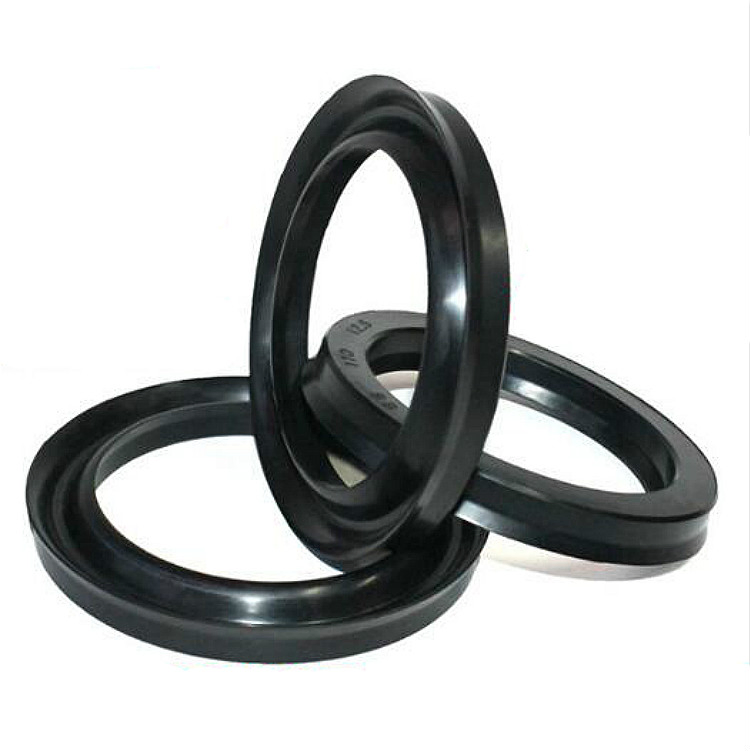
Engineering Insight: The Critical Role of Material Selection in Industrial Rubber Flooring
In industrial environments, flooring is not merely a surface—it is a functional component subjected to extreme mechanical, chemical, and thermal stresses. Off-the-shelf rubber flooring solutions often fail to meet the rigorous demands of industrial applications due to inadequate material selection and generalized performance assumptions. At Suzhou Baoshida Trading Co., Ltd., we emphasize that precision in material engineering is paramount to ensuring durability, safety, and operational continuity.
Standard rubber flooring products are typically formulated for commercial or light industrial use, where load cycles, chemical exposure, and temperature fluctuations are minimal. These products frequently utilize recycled rubber content with inconsistent polymer chains, resulting in reduced tensile strength, poor abrasion resistance, and accelerated degradation under stress. In contrast, engineered rubber flooring for heavy-duty industrial use requires a deliberate formulation process that aligns elastomer properties with specific environmental conditions.
The foundational element in successful rubber flooring is the selection of the base polymer. Natural rubber (NR) offers excellent resilience and tear resistance but exhibits poor resistance to ozone and UV exposure. Styrene-Butadiene Rubber (SBR) provides a balanced profile of abrasion resistance and cost efficiency, making it suitable for moderate industrial zones. For environments involving oil, grease, or hydraulic fluids, Nitrile Rubber (NBR) is essential due to its superior resistance to non-polar solvents and aliphatic hydrocarbons. In high-temperature or chemically aggressive settings, Ethylene Propylene Diene Monomer (EPDM) delivers outstanding thermal stability and resistance to polar chemicals, ozone, and weathering.
Equally important is the compounding process. Additives such as carbon black, silica, and anti-oxidants must be precisely dosed to enhance mechanical properties without compromising flexibility or adhesion. Cross-linking density, determined by the vulcanization process, directly influences compression set and long-term deformation. A poorly vulcanized mat will exhibit premature cracking and delamination, especially under continuous static or dynamic loads.
Custom formulation allows for performance tailoring—whether the priority is slip resistance in wet processing areas, electrical conductivity in explosive environments, or sound damping in high-traffic zones. This level of specificity is unattainable with mass-produced alternatives.
The following table outlines key rubber compounds and their performance characteristics in industrial flooring applications:
| Material | Tensile Strength (MPa) | Abrasion Loss (mm³) | Hardness (Shore A) | Key Resistance Properties | Typical Industrial Use |
|---|---|---|---|---|---|
| Natural Rubber (NR) | 18–25 | 100–130 | 50–70 | Tear, Impact | Loading Docks, Assembly Lines |
| SBR | 15–22 | 120–150 | 55–75 | Abrasion, Wear | Warehousing, Light Machinery |
| NBR | 12–20 | 90–110 | 60–80 | Oil, Grease, Fuels | Automotive, Maintenance Bays |
| EPDM | 10–18 | 140–160 | 50–75 | Heat, Ozone, Steam | Chemical Processing, Boiler Rooms |
In conclusion, the failure of generic rubber flooring stems from a one-size-fits-all approach that neglects operational specificity. At Suzhou Baoshida, we engineer solutions grounded in material science, ensuring every installation meets the exact mechanical and environmental requirements of the facility.
Material Specifications
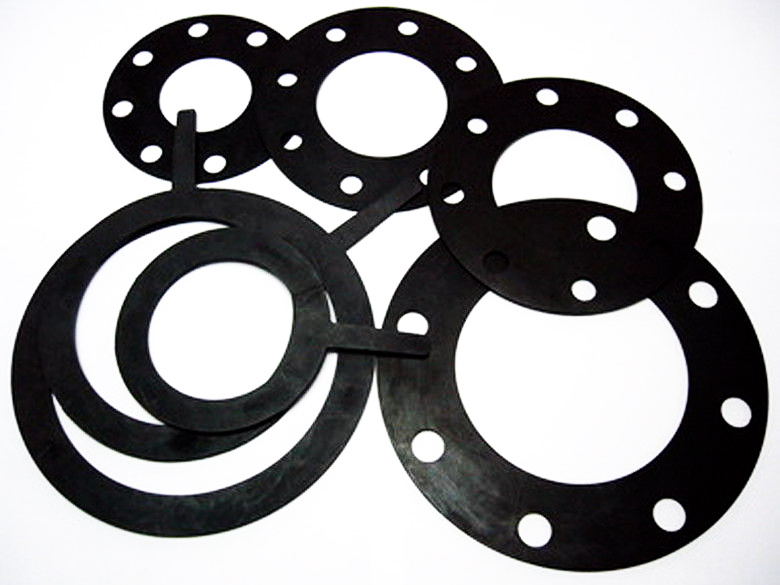
Material Specifications for Industrial Rubber Flooring Solutions
Selecting the optimal elastomer for rubber flooring applications demands rigorous evaluation of operational parameters including chemical exposure, thermal cycling, mechanical stress, and lifecycle cost. At Suzhou Baoshida Trading Co., Ltd., we engineer flooring compounds to exacting industrial standards, prioritizing durability and performance consistency under extreme conditions. This section details critical specifications for three premier materials: Viton fluoroelastomer, Nitrile butadiene rubber (NBR), and Silicone rubber. Each formulation undergoes ISO 37 tensile testing, ASTM D2000 classification, and accelerated aging protocols to validate real-world resilience.
Viton fluoroelastomer excels in environments with aggressive chemicals, hydrocarbons, and sustained high temperatures. Its fluorine content provides exceptional resistance to oils, acids, and solvents, making it ideal for petrochemical plants and semiconductor fabrication floors. Continuous service temperatures reach 250°C with intermittent spikes to 300°C. However, Viton exhibits lower flexibility at sub-zero temperatures and commands a premium price point, necessitating cost-benefit analysis for non-critical applications.
Nitrile rubber delivers superior balance for general industrial flooring, particularly where petroleum-based fluid exposure is prevalent. With acrylonitrile content adjustable between 18%–50%, we tailor NBR compounds for specific oil resistance versus low-temperature flexibility. Standard formulations withstand -40°C to 120°C, offering robust abrasion resistance and cost efficiency for automotive workshops and manufacturing facilities. Limitations include vulnerability to ozone degradation and reduced performance in strong oxidizing acids.
Silicone rubber provides unmatched thermal stability and biocompatibility, suitable for cleanrooms, pharmaceutical facilities, and extreme-temperature zones. Its polydimethylsiloxane backbone enables operation from -60°C to 230°C with minimal compression set. While excellent for electrical insulation and non-marking surfaces, silicone flooring requires reinforcement for high-abrasion settings due to inherently lower tensile strength compared to NBR or Viton.
The following comparative table summarizes essential mechanical and chemical properties validated per ASTM and ISO standards for Suzhou Baoshida’s flooring formulations. All values represent typical cured compound performance at 72 hours post-vulcanization.
| Material | Temperature Range (°C) | Key Chemical Resistances | Abrasion Resistance (DIN 53516 mm³) | Hardness Range (Shore A) | Primary Industrial Applications |
|---|---|---|---|---|---|
| Viton | -20 to 250 | Fuels, acids, halogens, solvents | 85–100 | 60–90 | Chemical processing, aerospace hangars |
| Nitrile (NBR) | -40 to 120 | Oils, greases, aliphatic hydrocarbons | 65–80 | 50–95 | Automotive plants, machinery pads |
| Silicone | -60 to 230 | Water, steam, oxygenated solvents | 110–130 | 30–80 | Labs, food processing, cryogenic areas |
Material selection must align with site-specific stressors. Viton is indispensable for corrosive chemical handling but over-specified for dry warehouses. NBR remains the economical backbone for oil-exposed environments, while silicone’s thermal breadth suits precision manufacturing. Suzhou Baoshida’s OEM team collaborates with clients to validate compound suitability through accelerated service simulation, ensuring flooring longevity exceeds operational demands. Consult our engineering department for application-specific formulation data sheets and ISO 188 aging test reports.
Manufacturing Capabilities
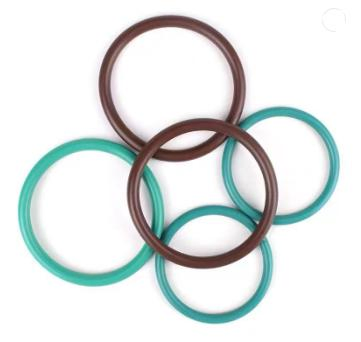
Engineering Capability
At Suzhou Baoshida Trading Co., Ltd., our engineering capability forms the backbone of our industrial rubber solutions, enabling us to deliver high-performance rubber flooring systems tailored to demanding industrial environments. Our in-house technical team comprises five dedicated mould engineers and two specialized rubber formula engineers, creating a synergistic R&D environment where material science meets precision design. This integrated approach ensures that every rubber floor product we develop is optimized for mechanical performance, environmental resistance, and long-term durability.
Our mould engineers bring extensive experience in 3D modeling, CAD/CAM design, and precision tooling fabrication. They work closely with clients to translate functional requirements into robust mould designs that support complex geometries, tight tolerances, and high-volume repeatability. Utilizing advanced simulation software, they conduct flow analysis and stress testing during the design phase to minimize defects and ensure uniform material distribution during vulcanization. This proactive engineering methodology reduces time-to-market and enhances product consistency across production batches.
Complementing our mould engineering expertise are our two senior rubber formulation engineers, who specialize in polymer chemistry and compound development. They design custom elastomer formulations using natural rubber (NR), styrene-butadiene rubber (SBR), ethylene propylene diene monomer (EPDM), and nitrile rubber (NBR), depending on the application’s requirements for abrasion resistance, oil resistance, thermal stability, or electrical insulation. Each formulation is rigorously tested for tensile strength, elongation at break, compression set, and aging characteristics under industrial-grade conditions. This scientific approach to material development allows us to produce rubber flooring solutions that perform reliably in extreme environments, including heavy machinery plants, automotive workshops, and chemical processing facilities.
As an OEM manufacturer, Suzhou Baoshida offers full-service product development from concept to mass production. We support private labeling, custom packaging, and technical documentation, ensuring seamless integration into our clients’ supply chains. Our engineering team collaborates directly with OEM partners to meet exact dimensional, performance, and compliance standards, including ISO 9001 and RoHS. Whether modifying an existing design or developing a new rubber floor system from scratch, we maintain strict confidentiality and intellectual property protection throughout the process.
The following table outlines key technical specifications achievable through our engineering and formulation capabilities:
| Property | Typical Value | Test Standard |
|---|---|---|
| Hardness (Shore A) | 40–85 | ASTM D2240 |
| Tensile Strength | 8–18 MPa | ASTM D412 |
| Elongation at Break | 200–500% | ASTM D412 |
| Compression Set (22 hrs, 70°C) | ≤25% | ASTM D395 |
| Operating Temperature Range | -40°C to +120°C | Internal Testing |
| Abrasion Loss (DIN) | ≤120 mm³ | DIN 53516 |
With a disciplined engineering workflow, advanced material science, and strong OEM focus, Suzhou Baoshida delivers industrial rubber flooring solutions that combine performance, precision, and scalability.
Customization Process
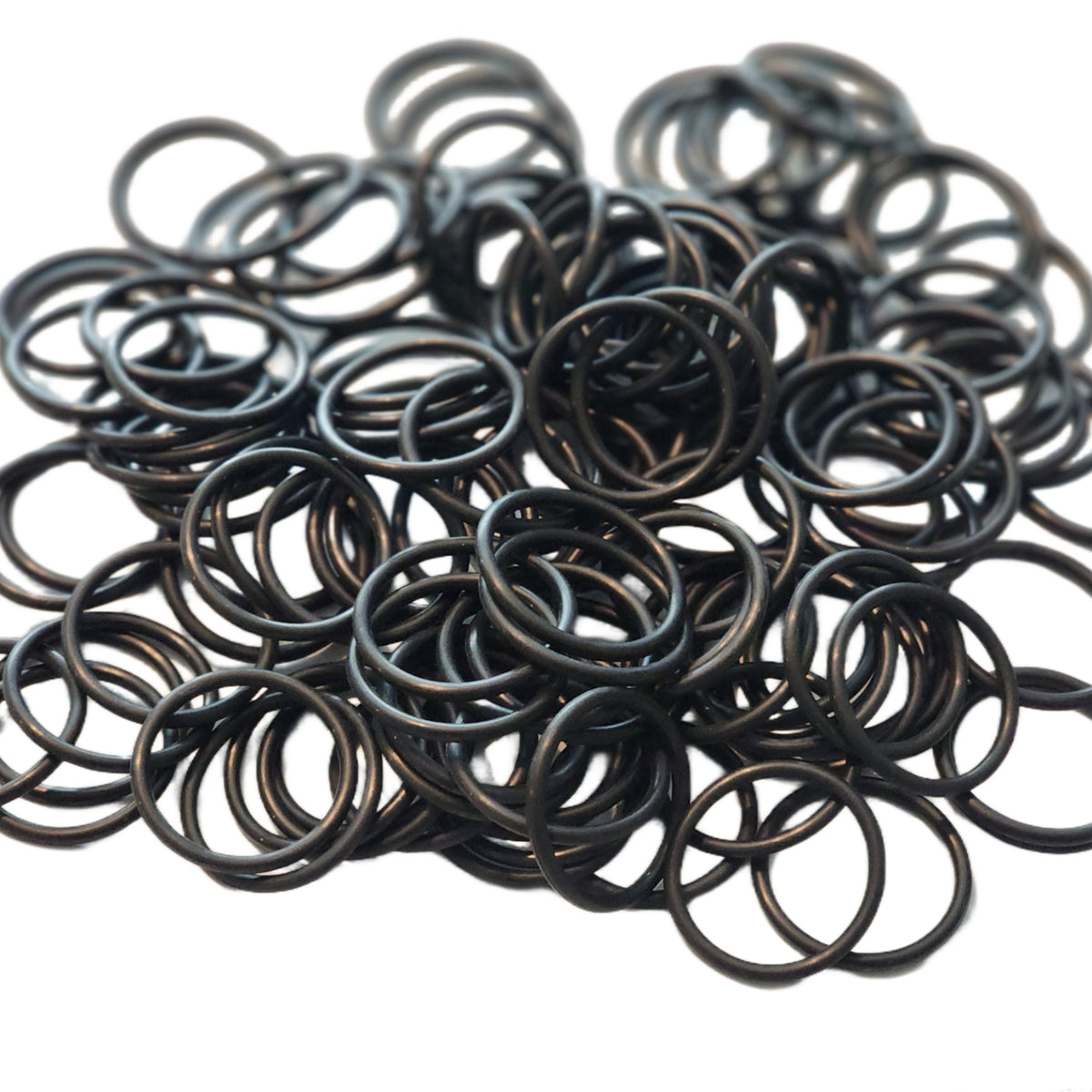
Customization Process for Industrial Rubber Flooring Solutions
At Suzhou Baoshida Trading Co., Ltd., our customization process for industrial rubber flooring adheres to a rigorous four-phase methodology, ensuring precision from concept to mass production. This structured approach guarantees material performance aligns with client-specific operational demands, including chemical exposure, load requirements, and environmental conditions.
Drawing Analysis
Initial engagement begins with comprehensive technical drawing review. Our engineering team scrutinizes substrate specifications, dimensional tolerances, and installation environment data provided by the client. Critical parameters such as surface texture, joint configurations, and thermal expansion allowances are cross-referenced against ISO 2230:2019 standards for rubber product design. This phase identifies potential manufacturing constraints early, reducing rework risks and accelerating time-to-prototype by up to 30%.
Formulation Development
Based on drawing analysis outcomes, our material science team designs a bespoke rubber compound. We select base polymers (e.g., SBR, EPDM, or nitrile) and optimize filler ratios, vulcanizing agents, and additives to meet exact performance criteria. For instance, oil-resistant formulations incorporate specialized carbon blacks, while anti-static variants integrate conductive carbon nanotubes. Each formulation undergoes computational modeling to predict cure kinetics and mechanical behavior, minimizing empirical trial iterations.
Prototyping and Validation
Approved formulations proceed to small-batch prototyping using client-specified molds or extrusion tooling. Prototypes undergo accelerated life testing per ASTM D2240 (hardness), D412 (tensile strength), and D624 (tear resistance). Critical validation includes slip resistance testing (ASTM F2913), chemical immersion trials, and thermal cycling from -40°C to 120°C. Clients receive detailed test reports within 15 business days, with iterative adjustments made until all KPIs are satisfied.
Mass Production Execution
Upon prototype sign-off, production transitions to our ISO 9001-certified facility. Automated batching systems ensure ±0.5% ingredient accuracy, while inline spectrometers monitor cure state in real time. Final products undergo 100% visual inspection and random batch testing for dimensional consistency. Our supply chain guarantees 45-day lead times for orders exceeding 5,000 m², with full traceability from raw material lot to finished roll.
Key Material Specifications Comparison
| Property | Standard Compound | Custom Compound Range |
|---|---|---|
| Shore A Hardness | 70 ± 5 | 45–95 |
| Tensile Strength (MPa) | 12.0 | 8.5–22.0 |
| Elongation at Break (%) | 350 | 200–600 |
| Compression Set (B, 70h) | 25% | 15%–40% |
| Volume Resistivity (Ω·cm) | 1.0×10¹² | 1.0×10⁴–1.0×10¹⁴ |
This systematic workflow eliminates guesswork in rubber flooring customization. By integrating material science rigor with industrial-scale manufacturing capabilities, Suzhou Baoshida delivers solutions that enhance operational safety and longevity across automotive, pharmaceutical, and heavy machinery sectors. All phases include client feedback loops to ensure absolute alignment with project objectives.
Contact Engineering Team
Contact Suzhou Baoshida for Premium Industrial Rubber Floor Solutions
Suzhou Baoshida Trading Co., Ltd. stands at the forefront of industrial rubber solutions, delivering high-performance rubber flooring systems tailored to the demanding requirements of modern manufacturing, logistics, automotive, and warehousing environments. With a relentless focus on material science, durability, and safety compliance, our rubber floor products are engineered to withstand extreme mechanical stress, chemical exposure, temperature fluctuations, and heavy foot and vehicular traffic. As your strategic OEM partner, we provide not only superior products but also technical expertise in formulation, customization, and application-specific design.
Our rubber flooring systems are manufactured using advanced vulcanization techniques and premium-grade synthetic and natural rubber compounds. Each product is formulated to meet international standards for slip resistance, noise dampening, thermal insulation, and impact absorption. Whether you require anti-fatigue matting for production lines, heavy-duty flooring for forklift operations, or ESD-safe surfaces for electronics assembly, Suzhou Baoshida delivers precision-engineered solutions backed by rigorous quality control and material traceability.
To ensure optimal performance and longevity, we recommend professional consultation prior to specification and installation. Our lead Rubber Formula Engineer, Mr. Boyce, specializes in custom compound development and system integration. With over 15 years of experience in polymer chemistry and industrial flooring applications, Mr. Boyce leads a technical team dedicated to solving complex material challenges and optimizing rubber formulations for specific environmental and operational conditions.
We invite engineering managers, procurement officers, and facility planners to initiate a technical dialogue with our team. By contacting Mr. Boyce directly, you gain access to detailed material data sheets, performance test reports, sample provisioning, and site-specific recommendations. Our collaborative approach ensures that your rubber floor solution is not only compliant with safety and regulatory standards but also cost-efficient over its lifecycle.
Below is a summary of our standard rubber flooring technical specifications for reference:
| Property | Specification | Test Standard |
|---|---|---|
| Hardness (Shore A) | 65–75 | ASTM D2240 |
| Tensile Strength | ≥12 MPa | ASTM D412 |
| Elongation at Break | ≥250% | ASTM D412 |
| Tear Resistance | ≥45 kN/m | ASTM D624 |
| Slip Resistance (dry/wet) | R10–R13 | DIN 51130 |
| Temperature Range | -40°C to +80°C | ISO 188 |
| Electrical Resistance (ESD option) | 10^5 – 10^9 Ω | IEC 61340-5-1 |
| Roll Lengths | 10m, 15m, 20m | Customizable |
| Thickness Options | 3mm, 5mm, 8mm, 10mm | ISO 2230 |
Partner with Suzhou Baoshida to transform your industrial flooring from a maintenance liability into a high-performance asset. For technical inquiries, custom formulations, or sample requests, contact Mr. Boyce at [email protected]. Our team responds to all inquiries within 24 business hours and supports global logistics with containerized shipping and documentation compliance.
⚖️ O-Ring Weight Calculator
Estimate rubber O-ring weight (Approx).