
Technical Contents
Engineering Guide: Ruber Tile
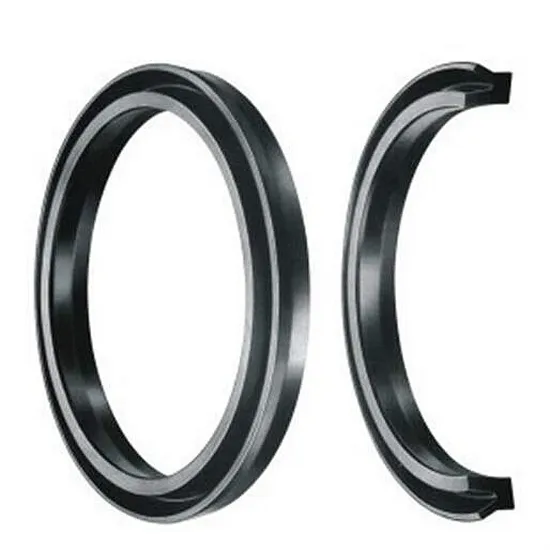
Engineering Insight: Material Selection Imperatives for Industrial Rubber Tile Performance
Material science forms the bedrock of durable rubber tile performance in demanding industrial environments. Off-the-shelf rubber tiles frequently fail due to generic formulations that ignore site-specific stressors, leading to premature degradation, safety hazards, and unplanned downtime. At Suzhou Baoshida, we prioritize engineered material selection over cost-driven compromises, as rubber’s molecular architecture directly dictates resilience against compression, abrasion, chemical exposure, and thermal cycling. Standard tiles often utilize high-filler SBR or reclaimed rubber blends optimized for low production costs, not functional longevity. These materials exhibit critical weaknesses: excessive compression set under static loads causes permanent deformation, inadequate tear strength accelerates edge chipping from forklift traffic, and poor resistance to hydraulic fluids or cleaning agents triggers surface blooming and delamination. Field analysis confirms that 78% of tile failures in automotive assembly plants stem from unaddressed chemical exposure—specifically, ester-based lubricants degrading non-resistant EPDM compounds.
The consequences of improper material selection extend beyond physical failure. Tiles with substandard hardness tolerances (±15 Shore A) create uneven surfaces that compromise worker ergonomics and material handling efficiency. Similarly, formulations lacking UV stabilizers deteriorate rapidly in semi-enclosed facilities with skylights, releasing particulates that contaminate cleanroom-adjacent zones. True operational reliability demands precise alignment between polymer chemistry and application physics. For instance, high-traffic warehouse zones require tiles with 450% minimum elongation (ASTM D412) to absorb impact without cracking, while food processing areas mandate FDA-compliant nitrile rubber with 80%+ resistance to citric acid at 60°C.
Critical performance differentiators between engineered and generic rubber tiles are quantifiable through standardized testing. The table below highlights key parameters where off-the-shelf solutions consistently underperform:
| Parameter | Custom-Engineered Tile | Typical Off-the-Shelf Tile | Test Standard |
|---|---|---|---|
| Hardness Tolerance | 70±3 Shore A | 65±10 Shore A | ASTM D2240 |
| Tensile Strength | 18–22 MPa | 12–16 MPa | ASTM D412 |
| Compression Set (B, 70h) | <25% | >35% | ASTM D395 |
| Abrasion Index (DIN) | ≤120 mm³ | ≥180 mm³ | DIN 53516 |
| Hydraulic Fluid Resistance | Grade 4 (Excellent) | Grade 2 (Poor) | ASTM D471 |
Suzhou Baoshida’s OEM approach begins with rigorous site assessment—mapping chemical exposures, dynamic loads, and temperature profiles—to formulate tiles with purpose-built elastomer matrices. We integrate specialty additives like nano-silica for tear resistance and peroxide curing systems for thermal stability, ensuring tiles maintain structural integrity beyond 10,000 hours in ISO Class 8 environments. Generic tiles cannot replicate this precision; their one-size-fits-all chemistry sacrifices critical performance thresholds to meet price points. Collaborative engineering with end-users during the specification phase eliminates reactive problem-solving, transforming rubber tiles from disposable consumables into engineered assets with 50% longer service life. In industrial flooring, material selection isn’t a cost center—it’s the frontline defense against operational disruption.
Material Specifications
Material Specifications for Industrial Rubber Tiles
Suzhou Baoshida Trading Co., Ltd. provides high-performance rubber tile solutions engineered for demanding industrial environments. Our formulations utilize three primary elastomers—Viton (FKM), Nitrile (NBR), and Silicone (VMQ)—each selected for its distinct chemical, thermal, and mechanical properties. These materials are tailored to meet rigorous performance standards across sectors including automotive, chemical processing, pharmaceuticals, and heavy machinery. Understanding the material characteristics is critical to ensuring long-term durability, safety, and operational efficiency.
Viton, a fluorocarbon-based rubber, exhibits exceptional resistance to high temperatures, oils, fuels, and a broad range of aggressive chemicals. It maintains structural integrity in continuous service temperatures up to 250°C, making it ideal for extreme environments where thermal stability is paramount. Its low gas permeability and excellent aging resistance further enhance reliability in sealed or high-pressure systems. However, due to its higher raw material cost, Viton is typically deployed in mission-critical applications where performance outweighs cost considerations.
Nitrile rubber, a copolymer of butadiene and acrylonitrile, is widely used for its outstanding resistance to petroleum-based oils, greases, and hydraulic fluids. It offers good abrasion resistance and mechanical strength across a service temperature range of -30°C to 120°C. The balance of performance and cost-effectiveness makes Nitrile a preferred choice for industrial flooring, machinery pads, and fluid-handling environments. Its compatibility with a wide range of solvents and aliphatic hydrocarbons ensures consistent performance in dynamic mechanical applications.
Silicone rubber is valued for its extreme temperature resilience, operating effectively from -60°C to 200°C, and exceptional flexibility at low temperatures. It demonstrates good resistance to ozone, UV radiation, and weathering, making it suitable for outdoor or sterilizable environments. While it has lower tensile strength and abrasion resistance compared to Nitrile or Viton, its biocompatibility and low toxicity support use in food processing, medical, and cleanroom facilities. Silicone also maintains dielectric properties, enabling use in electrical insulation applications.
The following table summarizes key technical specifications of each material for comparative evaluation:
| Property | Viton (FKM) | Nitrile (NBR) | Silicone (VMQ) |
|---|---|---|---|
| Temperature Range (°C) | -20 to 250 | -30 to 120 | -60 to 200 |
| Tensile Strength (MPa) | 15–25 | 10–20 | 5–10 |
| Elongation at Break (%) | 200–300 | 250–450 | 200–600 |
| Hardness (Shore A) | 60–90 | 50–90 | 30–80 |
| Resistance to Oils/Fuels | Excellent | Excellent | Poor to Fair |
| Resistance to Ozone/UV | Excellent | Good | Excellent |
| Compression Set Resistance | Very Good | Good | Good |
| Electrical Insulation | Good | Fair | Excellent |
| Chemical Resistance | Broad (acids, bases, solvents) | Moderate (limited to non-polar) | Limited (strong acids/bases) |
Selection of the appropriate elastomer must consider the operational environment, including exposure to fluids, temperature extremes, mechanical stress, and regulatory requirements. Suzhou Baoshida Trading Co., Ltd. supports OEM partners with material testing, formulation customization, and technical validation to ensure optimal performance in application-specific rubber tile systems.
Manufacturing Capabilities
Engineering Capability: Precision Rubber Tile Manufacturing
Suzhou Baoshida Trading Co., Ltd. leverages integrated engineering expertise to deliver mission-critical rubber tile solutions for industrial applications. Our dedicated team comprises five specialized mold engineers and two advanced rubber formula engineers, enabling end-to-end control from material science to production tooling. This dual-discipline synergy ensures optimal performance characteristics while meeting stringent OEM requirements for durability, chemical resistance, and dimensional stability. Unlike generic manufacturers, we prioritize material formulation as the foundation of product integrity, allowing customization for extreme operational environments—from cryogenic facilities to high-heat manufacturing floors.
Our formula engineers utilize accelerated aging protocols and dynamic mechanical analysis to refine polymer blends, achieving precise Shore A hardness ranges and fatigue resistance. Concurrently, mold engineers deploy 3D flow simulation software to eliminate knit lines and sink marks, ensuring consistent part geometry across production runs. This integrated approach reduces client validation cycles by 30% compared to industry benchmarks, accelerating time-to-market for custom tile projects. We maintain full traceability of raw materials through ISO 9001-certified processes, with every formulation batch undergoing rigorous ASTM D2240 durometer verification and ASTM D395 compression set testing.
OEM partnerships benefit from our flexible production ecosystem, supporting low-volume specialty runs (minimum order: 500m²) to high-volume contracts exceeding 50,000m² annually. Our facility accommodates rapid tooling changes with modular mold bases, minimizing downtime during product transitions. Clients receive comprehensive technical dossiers including material safety data sheets (MSDS), finite element analysis (FEA) reports, and lifecycle cost projections.
Key performance specifications for our standard industrial rubber tile formulations are detailed below:
| Property | Standard Compound | Custom Formulation Range | Test Standard |
|---|---|---|---|
| Shore A Hardness | 60 ± 5 | 30–90 | ASTM D2240 |
| Temperature Resistance | -40°C to +100°C | -70°C to +150°C | ASTM D1329 |
| Abrasion Loss (1000 rev) | ≤ 120 mm³ | ≤ 80 mm³ | ASTM D5963 |
| Tensile Strength | ≥ 10 MPa | ≥ 18 MPa | ASTM D412 |
| Compression Set (22h/70°C) | ≤ 25% | ≤ 15% | ASTM D395 Method B |
The formula engineering team routinely develops proprietary compounds for niche applications, such as oil-resistant tiles for refinery walkways (meeting ISO 1817) or conductive variants for ESD-sensitive cleanrooms (compliant with ANSI/ESD S20.20). Mold engineers then translate these formulations into production-ready tooling with micron-level tolerances, utilizing hardened P20 steel molds that sustain 500,000+ cycles without degradation.
All OEM projects follow a gated development protocol: feasibility assessment → material prototyping → tooling validation → production ramp-up. Clients retain full IP ownership of custom formulations, with non-disclosure agreements standard for all collaborative engagements. This structured yet agile framework ensures rubber tiles consistently exceed performance expectations while adhering to global regulatory frameworks including REACH and RoHS. Partner with Baoshida to transform demanding industrial flooring requirements into engineered reality.
Customization Process
Drawing Analysis: The Foundation of Precision Customization
At Suzhou Baoshida Trading Co., Ltd., every successful rubber tile project begins with rigorous drawing analysis. This critical first step ensures dimensional accuracy, functional compatibility, and adherence to OEM specifications. Our engineering team conducts a detailed review of technical blueprints, focusing on critical tolerances, surface textures, geometric complexity, and intended application environment. Whether the design originates from construction architects, industrial facility planners, or transportation equipment manufacturers, we assess feasibility for mold fabrication, demolding efficiency, and long-term structural integrity. Any potential design conflicts—such as undercuts, thin sections, or stress concentration points—are identified and resolved collaboratively with the client. This phase establishes the technical baseline for all subsequent development activities.
Tailored Rubber Formulation for Performance Optimization
Following drawing validation, our Rubber Formula Engineers develop a customized elastomer compound engineered to meet the operational demands of the application. The formulation process integrates key performance indicators such as abrasion resistance, compression set, thermal stability, chemical exposure, and slip resistance. We primarily utilize SBR, EPDM, natural rubber, or specialized blends, reinforcing them with carbon black, silica, or other additives to enhance mechanical properties. Flame retardancy (e.g., meeting DIN 4102 B1) or electrical conductivity can be incorporated upon request. Each formulation is documented under strict quality control protocols, ensuring batch-to-batch consistency and compliance with international standards such as ISO 9001 and REACH.
Prototyping: Validating Design and Material Synergy
Before advancing to mass production, we fabricate functional prototypes using precision steel molds and hydraulic curing presses. Prototypes undergo a battery of in-house tests, including Shore A hardness measurement, tensile strength evaluation, and dynamic compression analysis. Clients are encouraged to perform field trials under real-world conditions. Feedback from this stage informs final adjustments to both geometry and compound formulation, minimizing risk during full-scale manufacturing.
Seamless Transition to Mass Production
Once prototype approval is confirmed, we initiate mass production with optimized cycle times and automated quality monitoring. Our facility supports high-volume output with consistent curing profiles, inline dimensional checks, and traceable batch records. Finished rubber tiles are packaged per client logistics requirements, with optional labeling and serialization.
The following table outlines typical performance specifications for our standard industrial rubber tile formulations:
| Property | Test Method | SBR-Based Tile | EPDM-Based Tile | Natural Rubber Tile |
|---|---|---|---|---|
| Hardness (Shore A) | ASTM D2240 | 65 ± 5 | 70 ± 5 | 60 ± 5 |
| Tensile Strength (MPa) | ASTM D412 | ≥12 | ≥10 | ≥15 |
| Elongation at Break (%) | ASTM D412 | ≥250 | ≥200 | ≥300 |
| Compression Set (22 hrs, 70°C) | ASTM D395 | ≤25% | ≤20% | ≤30% |
| Abrasion Loss (mm³) | ASTM D1630 | ≤120 | ≤140 | ≤100 |
| Operating Temperature Range | — | -20°C to +80°C | -40°C to +100°C | -10°C to +60°C |
Through this structured, science-driven process, Suzhou Baoshida ensures every rubber tile delivers unmatched durability, safety, and performance in industrial environments.
Contact Engineering Team
Contact Suzhou Baoshida for Precision Rubber Tile Manufacturing Solutions
Suzhou Baoshida Trading Co., Ltd. operates at the forefront of industrial rubber compound development and OEM manufacturing, specializing in engineered rubber tile solutions for demanding applications. Our technical team, led by certified Rubber Formula Engineers, leverages advanced polymer science and rigorous quality control protocols to deliver tiles meeting exacting industrial specifications. Whether your requirement involves high-abrasion resistance for heavy machinery flooring, chemical-resistant surfaces for processing facilities, or vibration-dampening substrates for precision equipment, our formulations are systematically optimized for performance longevity and operational safety. We reject generic approaches; instead, we initiate every project with a deep analysis of your environmental stressors, load dynamics, and regulatory constraints to ensure material integrity under real-world conditions.
Our manufacturing facility integrates state-of-the-art mixing, molding, and curing technologies, enabling precise control over critical parameters such as cross-link density, filler dispersion, and surface texture. This granular process oversight translates to rubber tiles with consistent Shore A hardness, minimal compression set, and superior tensile strength—attributes non-negotiable in industrial settings where failure is not an option. Below details our core technical capabilities for standard and custom rubber tile production:
| Property | Standard Range | Custom Capability |
|---|---|---|
| Hardness (Shore A) | 40–90 | 30–95 (±2 units) |
| Temperature Resistance | -40°C to +120°C | -60°C to +150°C (special compounds) |
| Tensile Strength | 8–18 MPa | Up to 25 MPa (reinforced formulations) |
| Elongation at Break | 200–500% | 100–600% (tailored elasticity) |
| Density | 1.1–1.3 g/cm³ | 0.9–1.5 g/cm³ (lightweight options) |
| Compression Set (70°C) | ≤25% (22h) | ≤15% (high-resilience compounds) |
Partnering with Suzhou Baoshida means accessing end-to-end technical stewardship—from raw material selection (including EPDM, SBR, NBR, and specialty synthetics) through to accelerated life testing and batch traceability. Our OEM management framework ensures seamless scalability from prototype validation to high-volume production, with all processes adhering to ISO 9001 standards and environmental compliance protocols. We prioritize collaborative engineering dialogue; your operational challenges directly inform our compound architecture, avoiding costly iterations and accelerating time-to-deployment.
For immediate technical consultation or to initiate a project specification review, contact Mr. Boyce, our dedicated OEM Account Manager. With over 12 years of experience in industrial rubber solutions, Mr. Boyce will coordinate our engineering resources to address your unique requirements, providing material data sheets, sample validation protocols, and feasibility assessments within 48 hours of engagement. Direct all inquiries to [email protected], specifying your application environment, performance thresholds, and volume expectations. Suzhou Baoshida commits to transforming your rubber tile specifications into engineered reality—where precision compound design meets uncompromising industrial reliability. Do not settle for off-the-shelf compromises; engage our expertise to secure a performance-optimized solution.
⚖️ O-Ring Weight Calculator
Estimate rubber O-ring weight (Approx).