
Technical Contents
Engineering Guide: Runner Rolls
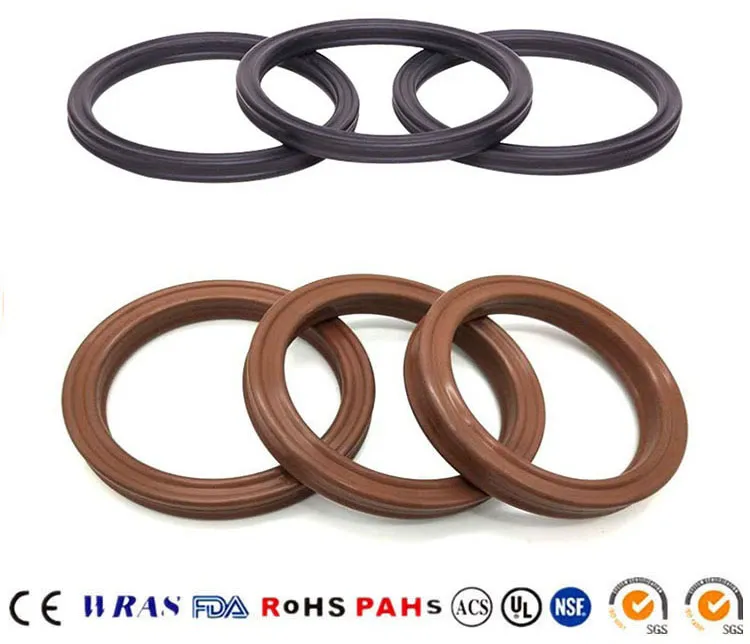
Engineering Insight: Material Selection in Runner Rolls
In the design and deployment of runner rolls for industrial processing lines, material selection is not merely a specification—it is a foundational engineering decision that directly governs performance, durability, and total cost of ownership. Runner rolls, which guide, support, or drive continuous materials such as textiles, films, foils, or rubber compounds, operate under dynamic mechanical and environmental conditions. These include constant abrasion, exposure to oils, solvents, elevated temperatures, and cyclic loading. As such, the elastomeric surface of the roll must be precisely engineered to withstand these challenges, making off-the-shelf solutions inherently inadequate for most high-performance applications.
Generic runner rolls, often constructed from standard NBR or SBR compounds, fail prematurely when deployed outside benign environments. These materials lack the tailored resistance required for aggressive chemical exposure or high-temperature operations. For instance, in extrusion or calendering lines, where surface temperatures can exceed 120°C, conventional rubber compounds degrade rapidly, leading to cracking, hardening, or loss of traction. Similarly, in printing or coating applications involving solvent-based inks or adhesives, non-resistant elastomers swell and delaminate, compromising roll geometry and process stability.
The failure of off-the-shelf rolls is not always immediate. Subtle degradation—such as gradual loss of Shore hardness or micro-cracking—can go unnoticed until web tracking errors, surface marring, or downtime occur. This latent failure mode increases operational risk and reduces process repeatability, particularly in precision industries like automotive rubber goods or specialty films.
At Suzhou Baoshida Trading Co., Ltd., we approach runner roll formulation as a system-level engineering task. Each compound is developed in alignment with the specific mechanical, thermal, and chemical demands of the application. By selecting from advanced elastomer families—including HNBR, EPDM, FKM, and specialty polyurethanes—we ensure optimal performance under extreme conditions. Reinforcement with engineered fillers, controlled cross-link density, and precise curing protocols further enhance wear resistance and dimensional stability.
The table below outlines key material options and their performance characteristics for industrial runner rolls:
| Material | Hardness Range (Shore A) | Max Continuous Temp | Abrasion Resistance | Chemical/Oil Resistance | Typical Application |
|---|---|---|---|---|---|
| Natural Rubber (NR) | 60–80 | 70°C | Excellent | Poor | Low-heat, high-grip conveyance |
| Nitrile (NBR) | 65–90 | 100°C | Good | Very Good | Oil-contact environments |
| Hydrogenated NBR (HNBR) | 70–95 | 150°C | Excellent | Excellent | High-temp, dynamic rolls |
| EPDM | 60–85 | 130°C | Moderate | Excellent (polar fluids) | Steam/water exposure |
| Fluorocarbon (FKM) | 70–90 | 200°C | Good | Outstanding | Aggressive solvents, high heat |
| Polyurethane (PU) | 80–95 | 90°C | Exceptional | Moderate | High-wear, dry-running |
Custom material engineering mitigates the risk of premature failure and ensures consistent process efficiency. At Baoshida, we prioritize application-specific formulation over generic substitution—delivering runner rolls that perform reliably, not just initially, but over thousands of operational hours.
Material Specifications
Material Specifications for Precision Runner Rolls
Runner rolls demand exacting elastomer properties to maintain dimensional stability and surface integrity under continuous extrusion stresses. At Suzhou Baoshida Trading Co., Ltd., we prioritize material science rigor to ensure optimal performance in demanding industrial environments. Each compound undergoes stringent ASTM D2000 classification for hardness (60–90 Shore A), tensile strength (≥10 MPa), and elongation at break (≥200%). Critical parameters include thermal resilience, chemical compatibility, and abrasion resistance, directly influencing roll lifespan and product consistency.
Viton (FKM fluoroelastomer) delivers superior resistance to high temperatures (up to 250°C) and aggressive chemicals like oils, acids, and ozone. Its molecular stability prevents swelling in fuel or hydraulic fluid exposure, making it ideal for automotive and aerospace extrusion lines. However, Viton exhibits higher compression set at elevated temperatures and commands a premium cost. Nitrile rubber (NBR) balances cost efficiency with excellent oil and fuel resistance, operating effectively between -40°C and 120°C. Its acrylonitrile content (typically 33–50%) directly correlates with hydrocarbon resistance, though it degrades under ozone or ketone exposure. NBR remains the standard for general-purpose runner rolls in PVC and synthetic rubber processing. Silicone (VMQ) provides unmatched flexibility across extreme temperatures (-60°C to 230°C) and exceptional electrical insulation. While resistant to UV and moisture, its low tear strength and susceptibility to silicone oil migration limit use in high-abrasion applications unless reinforced with specialty fillers.
The following table details comparative specifications for informed material selection:
| Material | Temperature Range (°C) | Key Strengths | Primary Limitations | Typical Runner Roll Applications |
|---|---|---|---|---|
| Viton (FKM) | -20 to 250 | Extreme chemical/heat resistance | High cost; poor steam resistance | Fuel line extrusion; chemical seals |
| Nitrile (NBR) | -40 to 120 | Cost-effective oil/fuel resistance | Ozone degradation; limited heat | General rubber profiles; cable sheathing |
| Silicone (VMQ) | -60 to 230 | Ultra-wide temp range; biocompatible | Low abrasion resistance; high gas permeability | Medical tubing; high-temp food processing |
Material selection must align with process-specific variables: extrusion speed, media chemistry, and ambient conditions. For instance, NBR suffices for low-temperature PVC profiles but fails in continuous high-heat silicone extrusion, where Viton’s stability justifies its investment. Silicone rolls excel in medical-grade applications requiring sterilization but require surface treatments to mitigate particle generation. All compounds undergo Baoshida’s proprietary adhesion optimization to ensure seamless bonding with metallic cores, preventing delamination under cyclic loading. Consult our engineering team to validate material suitability against your operational parameters, ensuring minimal downtime and maximal yield in critical manufacturing sequences.
Manufacturing Capabilities
Engineering Excellence in Rubber Roll Manufacturing
At Suzhou Baoshida Trading Co., Ltd., our engineering capability forms the backbone of our industrial rubber solutions, particularly in the design and production of high-performance runner rolls. With a dedicated team of five specialized mould engineers and two advanced rubber formulation engineers, we integrate material science with precision engineering to deliver custom OEM solutions that meet exacting industrial standards.
Our mould engineers bring extensive experience in the design and optimization of roll tooling, ensuring dimensional accuracy, thermal stability, and long service life. They utilize advanced CAD/CAM software and finite element analysis (FEA) to simulate roll performance under operational stress, enabling proactive design refinements before production. This precision-driven approach minimizes defects, reduces lead times, and ensures compatibility with high-speed manufacturing environments across industries such as plastics, textiles, and film processing.
Complementing our tooling expertise, our two in-house rubber formula engineers specialize in developing proprietary elastomer compounds tailored to specific application demands. Whether the requirement is for high abrasion resistance, thermal conductivity, chemical stability, or low compression set, our formulation team designs rubber blends using NR, SBR, NBR, EPDM, silicone, and specialty fluoroelastomers. Each formula undergoes rigorous laboratory testing for physical properties, aging performance, and dynamic behavior to ensure consistency and reliability in real-world conditions.
This synergy between mould design and rubber chemistry allows us to offer comprehensive OEM services, from concept and prototyping to mass production. Clients benefit from a single-source solution where material selection, tooling design, and process validation are seamlessly integrated. Our OEM capabilities support custom durometer ratings (Shore A 30–90), precise surface finishes (polished, grooved, or patterned), and advanced bonding techniques for rubber-to-metal core adhesion.
We maintain strict quality control throughout the manufacturing cycle, adhering to ISO standards and utilizing precision CNC lathes, hydraulic presses, and post-curing ovens to ensure uniformity and performance. Every runner roll is subjected to dimensional inspection, hardness testing, and dynamic balancing to meet the tight tolerances demanded by modern industrial equipment.
Our engineering-driven approach ensures that each runner roll is not just a component, but a performance-optimized solution designed for durability, efficiency, and seamless integration into the client’s machinery.
| Specification | Range/Detail |
|---|---|
| Rubber Types | NR, SBR, NBR, EPDM, Silicone, FKM, CR |
| Durometer (Shore A) | 30–90 ±5 |
| Roll Diameter Tolerance | ±0.02 mm |
| Surface Finish | Ra 0.2–1.6 μm (polished to textured) |
| Bonding Method | Vulcanization with adhesion promoters |
| Core Materials | Steel, aluminum, or custom alloys |
| Maximum Roll Length | 2,000 mm |
| Operating Temperature | -40°C to +250°C (depending on compound) |
| OEM Customization | Full design, prototyping, and validation support |
Customization Process
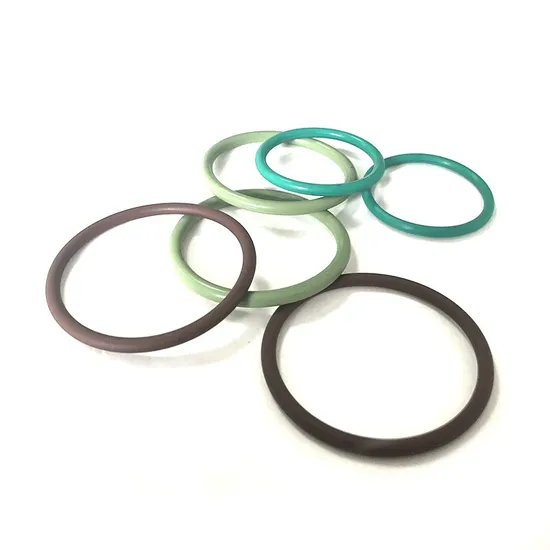
Customization Process for Industrial Runner Rolls: Precision Engineering from Concept to Production
At Suzhou Baoshida Trading Co., Ltd., our runner roll customization process begins with rigorous drawing analysis to translate client specifications into actionable engineering parameters. We meticulously evaluate dimensional tolerances, surface finish requirements, and operational environmental factors such as temperature exposure, chemical contact, and rotational speed. This phase identifies critical constraints like maximum allowable runout (≤0.05mm) or concentricity deviations, ensuring the design aligns with both functional demands and manufacturability. Our engineering team collaborates directly with clients to resolve ambiguities, preventing downstream production risks while optimizing material efficiency.
Material formulation follows as the scientific core of customization. Leveraging our proprietary rubber compound database, we select base polymers—EPDM for ozone resistance, NBR for oil immersion, or HNBR for high-temperature stability—then engineer additives to achieve target mechanical properties. Key considerations include controlling crosslink density for rebound resilience, incorporating wear-resistant fillers like silica for abrasion resistance, and balancing hardness with flex fatigue life. Each formula undergoes computational simulation to predict compression set behavior and thermal degradation, minimizing trial iterations.
Prototyping validates theoretical models against real-world conditions. We produce 3–5 sample rolls using precision-machined mandrels and controlled vulcanization cycles (150–180°C, 20–40 minutes). These undergo accelerated life testing per ASTM D2240 and ISO 37 standards, including dynamic fatigue assessment at 500,000+ cycles, Shore A hardness verification, and surface friction coefficient measurement. Client feedback on prototype performance triggers micro-adjustments—such as modifying sulfur accelerator ratios to reduce hysteresis heating—before final sign-off.
Mass production integrates stringent process controls to maintain consistency. Our automated mixing lines batch compounds within ±0.5% tolerance, while inline IR thermography monitors vulcanization temperature gradients in real time. Every roll undergoes 100% post-cure inspection via coordinate measuring machines (CMM) for geometric accuracy and laser profilometry for surface uniformity. The table below summarizes critical quality parameters we enforce:
| Property | Standard Range | Application Impact | Testing Standard |
|---|---|---|---|
| Hardness (Shore A) | 60–90 ±3 | Affects grip stability and wear rate | ASTM D2240 |
| Tensile Strength | 15–28 MPa | Determines load-bearing capacity | ISO 37 |
| Elongation at Break | 250–450% | Critical for impact resistance | ISO 37 |
| Compression Set (70°C) | ≤25% after 24h | Predicts long-term sealing integrity | ASTM D395 |
| Abrasion Loss | ≤120 mm³ | Directly correlates with service life | ISO 4649 |
Final quality assurance includes traceability documentation linking each roll to its specific compound batch certificate and process log. This end-to-end precision—from drawing interpretation through validated prototyping to statistically controlled production—ensures Suzhou Baoshida delivers runner rolls that meet exact operational lifespans while reducing client downtime risks. Our ISO 9001-certified workflow guarantees repeatability across volumes from 50 to 10,000 units, cementing reliability in high-stakes industrial applications.
Contact Engineering Team
For precision-critical industrial applications, the performance and longevity of runner rolls directly influence production efficiency, material consistency, and system reliability. At Suzhou Baoshida Trading Co., Ltd., we specialize in engineered rubber solutions designed to meet the demanding requirements of modern manufacturing environments. Our runner rolls are formulated using high-performance elastomers and manufactured to exacting dimensional tolerances, ensuring seamless integration into injection molding, extrusion, and transfer systems.
Each runner roll produced under our supervision undergoes rigorous quality control, from compound formulation to final finishing. We utilize advanced rubber-to-metal bonding techniques, precision grinding, and dynamic balancing to deliver components that exhibit minimal runout, excellent heat resistance, and superior wear characteristics. Whether your operation requires nitrile (NBR), silicone (VMQ), EPDM, or fluorocarbon (FKM) compounds, we tailor material properties to match your specific thermal, chemical, and mechanical demands.
Suzhou Baoshida serves as a strategic OEM partner for global industrial equipment manufacturers, offering scalable production capabilities, technical documentation, and full traceability. Our engineering team collaborates directly with clients to optimize roll geometry, durometer hardness, surface finish, and rotational dynamics—ensuring peak performance under continuous operation.
To support your project requirements, we provide comprehensive technical specifications and application analysis upon request. Our commitment extends beyond supply; we deliver solutions grounded in material science and industrial experience.
For immediate technical consultation or custom quotation, contact Mr. Boyce, Rubber Formula Engineer and OEM Manager, at [email protected]. Mr. Boyce leads our application engineering division and is responsible for client-specific formulation development, performance validation, and production coordination. Direct engagement with our technical leadership ensures accurate interpretation of your operational challenges and accelerates time-to-deployment.
Below are representative specifications for our standard industrial runner roll configurations. Custom dimensions and materials are available upon engineering review.
| Parameter | Standard Specification | Available Options |
|---|---|---|
| Outer Diameter Tolerance | ±0.02 mm | ±0.01 mm (precision grade) |
| Length Range | 100 mm – 1200 mm | Up to 2000 mm |
| Hardness Range (Shore A) | 60 – 90 | 40 – 95 (compound-dependent) |
| Surface Finish (Ra) | 0.4 – 0.8 µm | Polished to 0.2 µm (mirror finish) |
| Maximum Operating Temp | 150°C (NBR) / 250°C (FKM) | Up to 300°C with specialty grades |
| Bonding Type | Cold-cured adhesive + mechanical interlock | Hot-vulcanized, plasma-treated interface |
| Core Material | Hard Chrome-plated steel | Stainless steel, aluminum alloy |
| Dynamic Balance Grade | G6.3 (ISO 1940-1) | G2.5 (high-speed applications) |
Partner with Suzhou Baoshida Trading Co., Ltd. to integrate durable, high-precision rubber components into your manufacturing systems. Initiate your project with expert-backed engineering support—reach out to Mr. Boyce today for technical alignment and prototyping timelines.
⚖️ O-Ring Weight Calculator
Estimate rubber O-ring weight (Approx).