
Technical Contents
Engineering Guide: Saft Seal
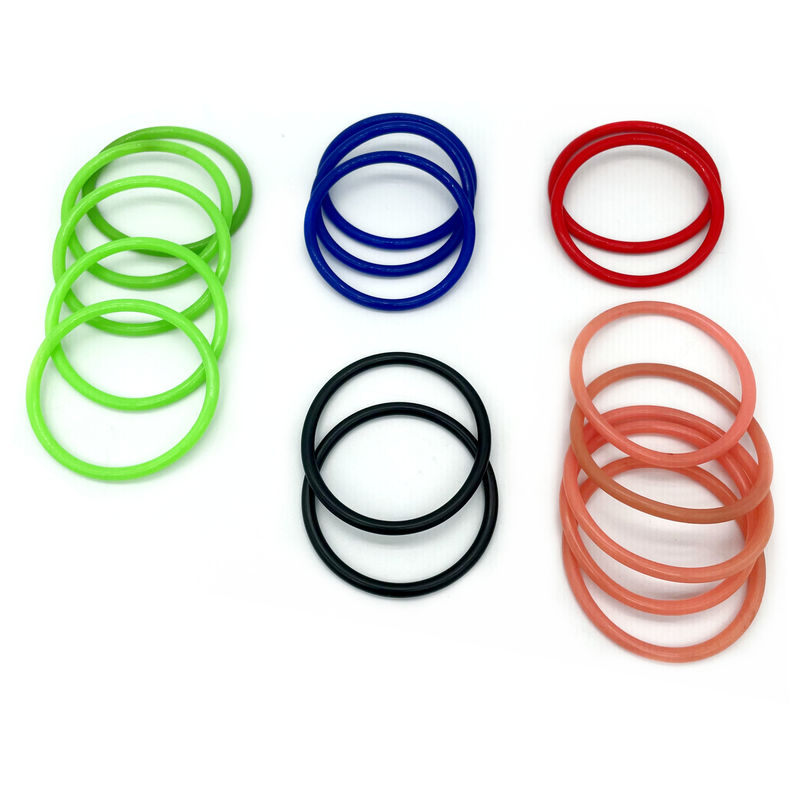
Engineering Insight: Critical Role of Material Selection in Shaft Seal Performance
Material selection is the cornerstone of reliable shaft seal functionality, yet it remains the most frequent point of failure in industrial applications. Off-the-shelf rubber seals often succumb prematurely due to generic formulations that ignore the precise chemical, thermal, and mechanical demands of specific operating environments. Standard compounds prioritize cost reduction over performance longevity, leading to catastrophic seal degradation when exposed to aggressive media, extreme temperatures, or dynamic stress cycles. For instance, a generic NBR seal installed in a hydraulic system handling phosphate ester fluids will rapidly swell and lose resilience, causing leakage within weeks. Similarly, seals subjected to intermittent high-temperature excursions above 150°C without specialized heat-resistant polymers experience accelerated compression set, permanently losing sealing force.
The inherent flaw in off-the-shelf solutions lies in their one-size-fits-all approach. Shaft seals operate under complex, multi-stress conditions where material properties must be engineered in concert. A seal functioning in an offshore drilling mud pump faces simultaneous challenges: abrasive particulate ingress, exposure to sour gas (H₂S), cyclic pressure spikes, and subsea temperatures. Standard FKM compounds may resist the H₂S but lack the necessary abrasion resistance or low-temperature flexibility required below 0°C. This mismatch accelerates wear, extrusion, and ultimately system contamination. At Suzhou Baoshida, our OEM engineering process begins with a forensic analysis of the application’s stressors—fluid compatibility, PV limits, surface speeds, and duty cycles—to formulate a bespoke elastomer matrix. We adjust polymer backbone chemistry, filler systems, and crosslink density to achieve balanced performance, not just isolated property targets.
The cost of under-specifying material is far greater than the initial savings from generic seals. Premature seal failure triggers unplanned downtime, secondary component damage, and safety risks. In wind turbine gearboxes, for example, a failed shaft seal can introduce water ingress, leading to bearing corrosion and multi-million-yuan repair costs. Our engineered solutions mitigate this by ensuring material resilience across the entire operational envelope, not just nominal conditions. Below is a critical comparison highlighting why custom formulation is non-negotiable for mission-critical shaft seals.
| Property | Standard NBR Seal (Off-the-Shelf) | Baoshida Custom FKM/HNBR Hybrid |
|---|---|---|
| Temperature Range (°C) | -30 to +100 | -50 to +230 |
| Compression Set (24h/150°C) | 35% | ≤15% |
| Swell in Skydrol LD-4 | +28% | +3.5% |
| Abrasion Resistance (DIN 53516) | 120 mm³ | 65 mm³ |
| H₂S Resistance (72h/80°C) | Severe cracking | No degradation |
Material science is not a commodity. Generic seals compromise integrity by design; engineered elastomers deliver predictable lifecycle performance. Partner with Suzhou Baoshida to transform seal specification from a procurement decision into a strategic reliability asset. Our OEM collaboration ensures your shaft seals are molecularly optimized for your machine’s unique physics—eliminating failure points before they manifest. Precision sealing demands precision chemistry. There are no shortcuts.
Material Specifications
Material Specifications for Precision Rubber Seals
Suzhou Baoshida Trading Co., Ltd. provides high-performance rubber seals engineered for reliability in demanding industrial environments. Our saft seal product line is designed to meet rigorous OEM standards, with material selection playing a critical role in seal performance, longevity, and compatibility. The three primary elastomers used in our precision sealing solutions are Viton (FKM), Nitrile (NBR), and Silicone (VMQ). Each material offers distinct chemical, thermal, and mechanical properties tailored to specific operational conditions.
Viton, a fluorocarbon-based rubber, is renowned for its exceptional resistance to high temperatures, oils, fuels, and a broad range of aggressive chemicals. It performs reliably in continuous service temperatures up to 200°C and can withstand short-term exposure to temperatures as high as 250°C. This makes Viton the preferred choice for aerospace, automotive, and chemical processing applications where thermal stability and chemical inertness are paramount. Additionally, Viton exhibits low gas permeability and excellent aging characteristics, ensuring long-term sealing integrity under extreme conditions.
Nitrile rubber, also known as Buna-N, is a cost-effective solution for applications involving petroleum-based oils and hydraulic fluids. It offers good abrasion resistance and tensile strength, with operational temperature limits ranging from -30°C to 100°C, and short-term peaks up to 125°C. Nitrile seals are widely used in automotive systems, hydraulic equipment, and industrial machinery where exposure to oils and greases is common. While Nitrile lacks the chemical resistance of Viton, its mechanical robustness and affordability make it ideal for general-purpose sealing tasks.
Silicone rubber provides outstanding flexibility and thermal stability across a wide temperature range, from -60°C to 200°C. It is highly resistant to ozone, UV radiation, and weathering, making it suitable for outdoor and high-purity applications such as medical devices, food processing, and semiconductor manufacturing. Silicone exhibits excellent electrical insulation properties and low toxicity, but has lower tensile strength and abrasion resistance compared to Viton and Nitrile. It is not recommended for dynamic sealing under high mechanical stress but excels in static sealing and environments requiring biocompatibility.
The selection of the appropriate elastomer is crucial to ensure optimal performance and service life of saft seals. Engineers must consider fluid compatibility, temperature exposure, mechanical load, and regulatory requirements when specifying materials.
The following table summarizes key physical and chemical properties of the three primary seal materials:
| Property | Viton (FKM) | Nitrile (NBR) | Silicone (VMQ) |
|---|---|---|---|
| Temperature Range (°C) | -20 to 200 (250 peak) | -30 to 100 (125 peak) | -60 to 200 |
| Tensile Strength (MPa) | 15–20 | 10–20 | 5–8 |
| Elongation at Break (%) | 200–300 | 250–400 | 200–600 |
| Hardness (Shore A) | 60–90 | 50–90 | 30–80 |
| Fluid Resistance (Oil/Fuel) | Excellent | Good | Poor |
| Chemical Resistance | Excellent | Fair | Good (limited) |
| Compression Set Resistance | Excellent | Good | Good |
| UV/Ozone Resistance | Excellent | Fair | Excellent |
Understanding these material characteristics enables precise matching of seal composition to application demands, ensuring reliability and compliance in critical industrial systems.
Manufacturing Capabilities
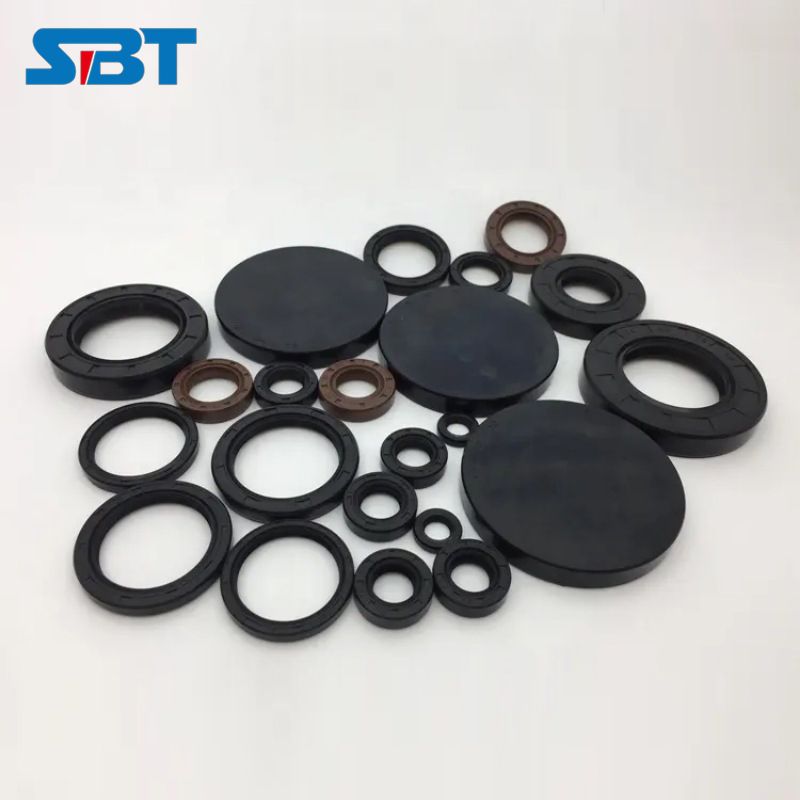
Engineering Capability: Precision Rubber Seal Development at Suzhou Baoshida
Suzhou Baoshida Trading Co., Ltd. leverages deep technical expertise in rubber formulation and mold engineering to deliver mission-critical sealing solutions for demanding industrial and automotive applications. Our dedicated team comprises five specialized Mould Engineers and two certified Rubber Formula Engineers, ensuring end-to-end control from material science to precision manufacturing. This integrated capability enables us to solve complex sealing challenges while adhering to stringent OEM specifications and international quality standards.
Our Rubber Formula Engineers focus on advanced elastomer compound development, utilizing ASTM and ISO-compliant methodologies to tailor material properties for extreme environments. Through rigorous laboratory testing and finite element analysis (FEA), we optimize formulations for thermal stability, chemical resistance, and dynamic performance. Each compound is validated against customer-specific requirements, including fluid compatibility, compression set retention, and low-temperature flexibility. This scientific approach minimizes field failures and extends product lifecycle, particularly for applications involving aggressive media or fluctuating operational stresses.
Complementing this, our Mould Engineering team employs 3D CAD/CAM systems and mold flow simulation software to achieve micron-level dimensional accuracy. We design and validate molds for complex geometries, including multi-cavity configurations and insert-molded assemblies, ensuring consistent part replication across high-volume production runs. Critical tolerances are maintained through real-time process monitoring and statistical process control (SPC), with capabilities extending to tight sealing lip profiles and intricate sealing surfaces demanded by automotive powertrain and hydraulic systems.
As a certified OEM partner, Suzhou Baoshida implements a structured development workflow encompassing design validation, PPAP documentation, and full traceability. We collaborate directly with client engineering teams during the prototyping phase to refine materials and tooling, reducing time-to-market by up to 30% compared to conventional suppliers. Our facility supports low-volume pilot runs through to mass production, with all processes audited to IATF 16949 standards.
Key material and performance specifications achievable through our engineering framework include:
| Property | Standard Range | Custom Capability | Testing Standard |
|---|---|---|---|
| Hardness (Shore A) | 40–90 | 30–95 | ASTM D2240 |
| Temperature Range | -40°C to +150°C | -60°C to +250°C | ISO 188 |
| Tensile Strength | 8–25 MPa | Up to 35 MPa | ASTM D412 |
| Compression Set (70h/70°C) | ≤25% | ≤15% | ASTM D395 |
This synergy between formula science and precision tooling allows Suzhou Baoshida to exceed OEM expectations for reliability in critical sealing applications. By embedding engineering rigor at every development stage, we transform complex technical requirements into robust, high-yield manufacturing solutions.
Customization Process
Customization Process for Precision Rubber Seals at Suzhou Baoshida Trading Co., Ltd.
At Suzhou Baoshida Trading Co., Ltd., the customization of precision rubber seals begins with a rigorous engineering workflow designed to meet exact OEM specifications and performance requirements. Our process ensures dimensional accuracy, material compatibility, and long-term reliability under demanding operational conditions. The four-phase approach—Drawing Analysis, Formulation, Prototyping, and Mass Production—enables seamless transition from concept to high-volume output.
The first phase, Drawing Analysis, involves a detailed technical review of customer-supplied CAD models, engineering drawings, and performance parameters. Our engineering team evaluates critical dimensions, tolerance ranges (typically ±0.05 mm to ±0.2 mm), sealing surface geometry, and installation constraints. We verify compliance with international standards such as ISO 3601, AS568, or JIS B 2401, and identify potential design risks including compression set, extrusion gaps, or thermal expansion effects. This stage is crucial for ensuring manufacturability and functional integrity.
Following drawing validation, we proceed to Formulation. Based on the application environment—temperature range, fluid media, pressure load, and dynamic/static operation—we select the optimal elastomer compound. Our in-house compounding laboratory develops custom formulations using materials such as Nitrile (NBR), Fluorocarbon (FKM), Ethylene Propylene Diene Monomer (EPDM), Silicone (VMQ), or specialty blends. Each formulation is engineered for targeted properties including tensile strength, elongation at break, hardness (Shore A 40–90), and resistance to oils, ozone, or steam. Material selection is cross-referenced with chemical compatibility databases and accelerated aging models.
The third stage is Prototyping. Using precision CNC machining or mold-based compression molding, we produce functional prototype seals for customer evaluation. Prototypes are subjected to dimensional inspection via coordinate measuring machines (CMM) and performance testing including compression deflection, leak rate, and thermal cycling. Feedback from application testing is incorporated into final design adjustments before release for production.
Final Mass Production leverages automated molding lines, statistical process control (SPC), and 100% visual inspection. We maintain traceability through batch coding and material certification (e.g., RoHS, FDA, UL). Production cycles are optimized for scalability from thousands to millions of units, with strict adherence to lead time and packaging requirements.
The following table summarizes typical technical specifications achievable through our customization process:
| Parameter | Range / Capability |
|---|---|
| Material Types | NBR, FKM, EPDM, VMQ, ACM, AEM, CR |
| Hardness (Shore A) | 40 – 90 |
| Tolerance (Standard) | ±0.05 mm to ±0.2 mm |
| Operating Temperature | -40°C to +230°C (material-dependent) |
| Production Volume | 100 pcs to 1,000,000+ pcs per batch |
| Lead Time (Prototyping) | 7–15 days |
| Lead Time (Production) | 20–45 days (varies by volume) |
This structured methodology ensures that every saft seal produced meets the highest standards of precision, durability, and application-specific performance.
Contact Engineering Team
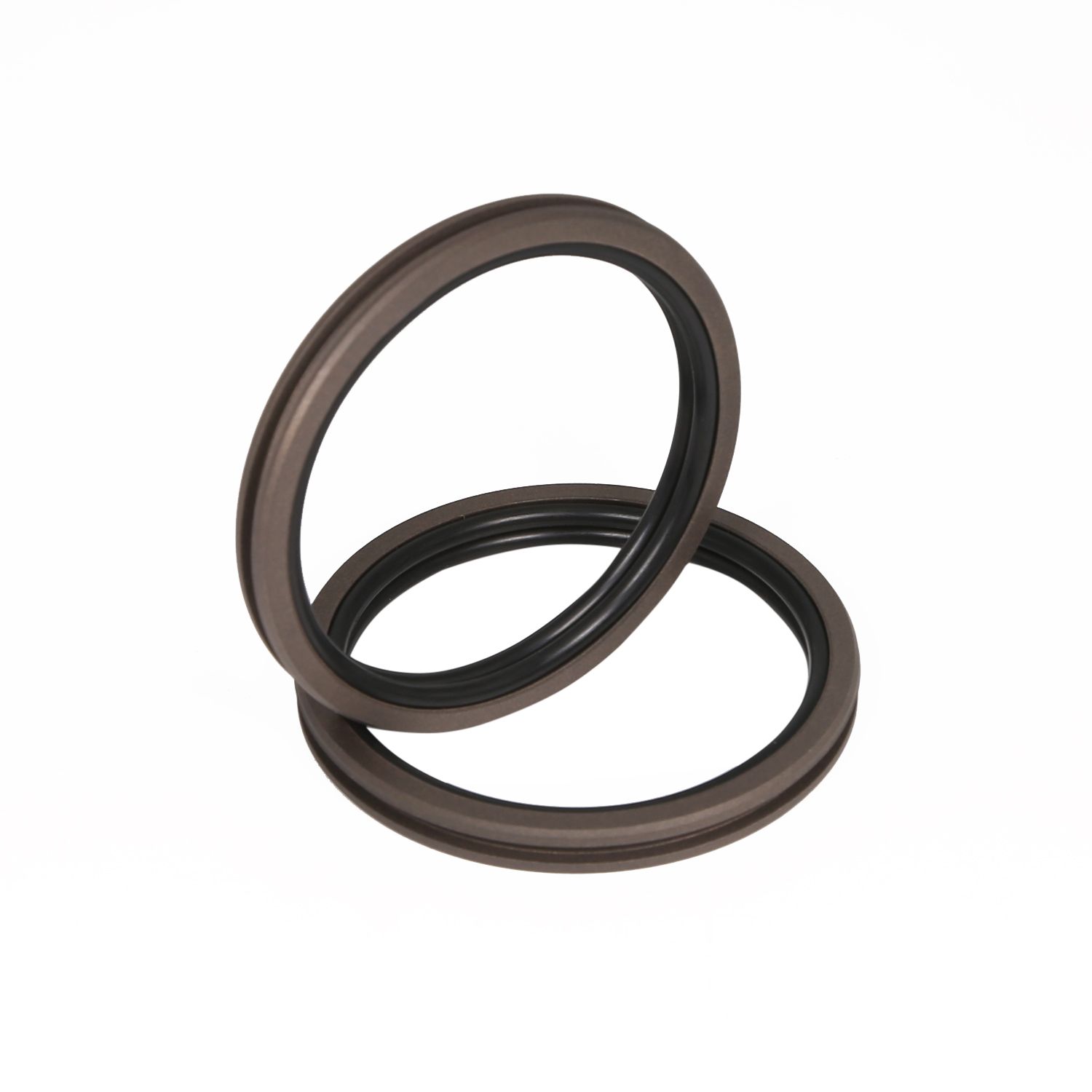
Contact Suzhou Baoshida for Precision Rubber Seal Solutions
Suzhou Baoshida Trading Co., Ltd. stands at the forefront of engineered elastomer solutions for critical industrial applications. Our expertise in polymer science and precision manufacturing ensures that every “saft seal” component meets the exacting demands of safety, longevity, and performance in extreme operational environments. As your dedicated Rubber Formula Engineer and OEM Manager, I oversee the rigorous development process—from raw material selection to final validation—guaranteeing seals that withstand thermal cycling, chemical exposure, and mechanical stress beyond industry baselines. We do not produce generic seals; we engineer mission-critical barriers where failure is not an option.
Our proprietary formulations leverage advanced compounding techniques to optimize the polymer matrix for specific fluid compatibility, compression set resistance, and dynamic sealing efficiency. This scientific approach is validated through ISO 17025-accredited laboratory testing, including accelerated aging protocols per ASTM D2000 and real-world simulation under OEM-specified duty cycles. The table below summarizes key performance metrics achievable with our custom “saft seal” compounds, reflecting typical values for aerospace, automotive, and energy sector applications.
| Property | Test Standard | Typical Value Range | Target Application Significance |
|---|---|---|---|
| Temperature Resistance | ASTM D573 | -65°C to +250°C | Cryogenic to high-heat fluid systems |
| Compression Set (70h/150°C) | ASTM D395 | ≤15% | Long-term sealing force retention |
| Fluid Resistance (IRMOG) | ASTM D471 | Volume Swell ≤8% | Compatibility with aggressive media |
| Tensile Strength | ASTM D412 | 18–24 MPa | Structural integrity under load |
| Hardness (Shore A) | ASTM D2240 | 70–90 | Balance of sealing conformity & extrusion resistance |
| Outgassing (TML) | ASTM E595 | ≤0.50% | Vacuum/cleanroom critical environments |
These specifications are not theoretical ideals but rigorously achieved benchmarks under controlled production conditions. Each compound is traceable to batch-specific Certificates of Conformance, with full material disclosure aligned with REACH and FDA 21 CFR 177.2600 requirements where applicable. Our OEM partnership model integrates your engineering team directly into the validation phase, ensuring seamless transition from prototype to high-volume manufacturing with zero compromise on dimensional tolerances (ISO 3302-1:2014 E1) or surface finish (Ra ≤ 0.8 µm).
Initiate your project with Suzhou Baoshida by contacting Mr. Boyce, our designated technical liaison for global OEM partnerships. Mr. Boyce possesses 12 years of direct experience in translating complex sealing challenges into validated production solutions, with expertise spanning FKM, FFKM, HNBR, and specialty peroxide-cured compounds. He will coordinate a confidential technical review of your application parameters, including media exposure profiles, dynamic stroke requirements, and lifecycle expectations. Provide your preliminary specifications via email to enable a targeted feasibility assessment within 72 business hours.
Direct all technical inquiries and project initiation requests to:
Mr. Boyce
OEM Technical Manager
Suzhou Baoshida Trading Co., Ltd.
Email: [email protected]
Subject Line: Precision Seal Inquiry – [Your Company Name] – [Application Reference]
Include detailed operating conditions, drawing references (ISO 1120:2010 format preferred), and target volumes to expedite our engineering response. Suzhou Baoshida operates under strict IP confidentiality agreements and adheres to IATF 16949:2016 quality management protocols. Do not settle for off-the-shelf elastomer solutions when your application demands scientifically engineered integrity. Contact Mr. Boyce today to commence a precision sealing partnership built on material science rigor and industrial accountability.
⚖️ O-Ring Weight Calculator
Estimate rubber O-ring weight (Approx).