
Technical Contents
Engineering Guide: Sealing Grommet

Engineering Insight: Material Selection in Sealing Grommets
The performance and longevity of a sealing grommet are fundamentally determined by its material composition. In precision environments, particularly within automotive, aerospace, and industrial automation systems, off-the-shelf rubber grommets frequently underperform or fail prematurely due to inadequate material compatibility with operational conditions. These generic solutions are typically manufactured using standard elastomers optimized for cost and general-purpose use, not for the specific chemical, thermal, or mechanical demands of high-performance applications.
Material selection directly influences critical performance parameters such as compression set resistance, tensile strength, thermal stability, and resistance to environmental degradation. For instance, a grommet exposed to engine oils or hydraulic fluids in an automotive transmission system requires excellent oil swell resistance. Nitrile rubber (NBR) is often suitable in such cases due to its inherent resistance to petroleum-based fluids. However, if the same grommet is subjected to elevated temperatures exceeding 120°C, NBR begins to degrade, leading to hardening, cracking, and eventual seal failure. In such high-temperature environments, fluorocarbon rubber (FKM) provides superior thermal and chemical resistance, maintaining integrity up to 200°C and offering resilience against aggressive fuels and oxidizing agents.
Another common failure mode arises from ozone and UV exposure in outdoor applications. Standard natural rubber or SBR compounds degrade rapidly under these conditions due to chain scission in the polymer backbone. Ethylene propylene diene monomer (EPDM) is specifically engineered to resist such environmental aging, making it the preferred choice for exterior sealing applications in construction or telecommunications.
Furthermore, dynamic applications involving repeated flexing or vibration demand materials with high fatigue resistance. Silicone rubber (VMQ), while excellent for extreme temperature ranges (-60°C to 200°C), exhibits lower mechanical strength and abrasion resistance compared to polyurethane (PU), which offers superior durability under mechanical stress but limited high-temperature performance.
A critical oversight in procurement is assuming dimensional conformity equates to functional interchangeability. A grommet may fit physically but fail functionally due to material incompatibility. Custom-engineered solutions from precision rubber manufacturers like Suzhou Baoshida Trading Co., Ltd. ensure that material properties are aligned with application-specific requirements, including fluid exposure, temperature cycles, mechanical load, and regulatory standards.
The following table outlines key elastomer properties relevant to sealing grommet applications:
| Material | Temperature Range (°C) | Fluid Resistance | Ozone/UV Resistance | Typical Applications |
|---|---|---|---|---|
| NBR | -30 to +120 | Excellent (oils, fuels) | Poor | Automotive, hydraulics |
| FKM | -20 to +200 | Exceptional (fuels, acids) | Excellent | Aerospace, chemical processing |
| EPDM | -50 to +150 | Good (water, steam) | Excellent | Outdoor enclosures, HVAC |
| VMQ | -60 to +200 | Fair (water, some chemicals) | Good | Electronics, medical devices |
| PU | -40 to +90 | Good (oils, greases) | Moderate | Industrial machinery, pneumatics |
Material selection is not a secondary consideration—it is the cornerstone of reliable sealing performance. Off-the-shelf grommets may offer short-term cost savings but often result in unplanned downtime, maintenance costs, and system failures. Precision engineering begins with polymer science.
Material Specifications
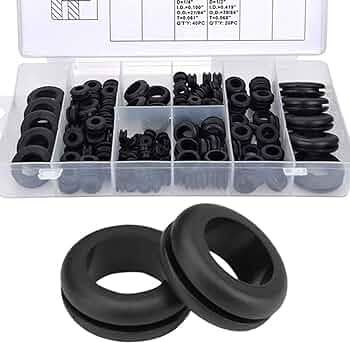
Material Specifications for Precision Sealing Grommets
Selecting the optimal elastomer for sealing grommets is critical for ensuring long-term performance in demanding industrial environments. At Suzhou Baoshida Trading Co., Ltd., we engineer grommets to exacting standards, prioritizing chemical compatibility, thermal stability, and mechanical resilience. The choice between Viton, Nitrile, and Silicone directly impacts seal integrity, service life, and operational safety. Each material offers distinct advantages tailored to specific application parameters, including fluid exposure, temperature extremes, and regulatory requirements. Understanding these specifications enables OEMs to mitigate failure risks and reduce total cost of ownership.
Viton fluorocarbon rubber (FKM) delivers exceptional resistance to aggressive chemicals, fuels, and high temperatures. It maintains structural integrity in continuous service up to 230°C (446°F) and withstands intermittent exposure to 300°C (572°F). Viton exhibits low permeability to hydrocarbons and excellent resistance to ozone, UV radiation, and mineral acids. This makes it indispensable for aerospace, semiconductor manufacturing, and chemical processing applications where failure is unacceptable. Standard formulations achieve Shore A hardness of 70–90 and tensile strength of 15–20 MPa.
Nitrile rubber (NBR) remains the industry standard for cost-effective sealing in oil and fuel environments. Its acrylonitrile content (typically 33–50%) directly correlates with oil resistance, while butadiene provides flexibility. NBR operates reliably from -40°C to 120°C (-40°F to 248°F), with specialized grades extending low-temperature performance to -55°C (-67°F). It offers strong abrasion resistance and moderate tensile strength (10–20 MPa), making it ideal for automotive fuel systems, hydraulic equipment, and general industrial machinery. Limitations include poor resistance to polar solvents and ozone degradation.
Silicone rubber (VMQ) excels in extreme temperature applications, functioning continuously from -60°C to 200°C (-76°F to 392°F) with brief excursions to 250°C (482°F). Its inert, biocompatible nature meets FDA and USP Class VI requirements for medical and food-processing equipment. Silicone provides excellent electrical insulation and resistance to weathering but exhibits lower tensile strength (6–10 MPa) and higher gas permeability than Viton or NBR. Reinforced formulations enhance tear resistance for dynamic sealing in pharmaceutical, electronics, and high-temperature HVAC systems.
The following table summarizes key mechanical and thermal properties for comparative analysis:
| Property | Viton (FKM) | Nitrile (NBR) | Silicone (VMQ) |
|---|---|---|---|
| Shore A Hardness | 70–90 | 50–90 | 30–80 |
| Tensile Strength (MPa) | 15–20 | 10–20 | 6–10 |
| Elongation at Break (%) | 150–300 | 200–500 | 200–700 |
| Continuous Temp Range (°C) | -20 to +230 | -40 to +120 | -60 to +200 |
| Fluid Resistance | Excellent (fuels, acids) | Excellent (oils, fuels) | Poor (oils) |
Material selection must align with fluid compatibility charts and dynamic stress requirements. Suzhou Baoshida Trading Co., Ltd. provides custom compound development to address niche challenges, including low-temperature NBR variants and peroxide-cured silicone for enhanced durability. Consult our engineering team to validate material suitability against your specific operational profile and regulatory standards. Precision grommets demand precision material science—our formulations ensure zero-compromise sealing performance.
Manufacturing Capabilities
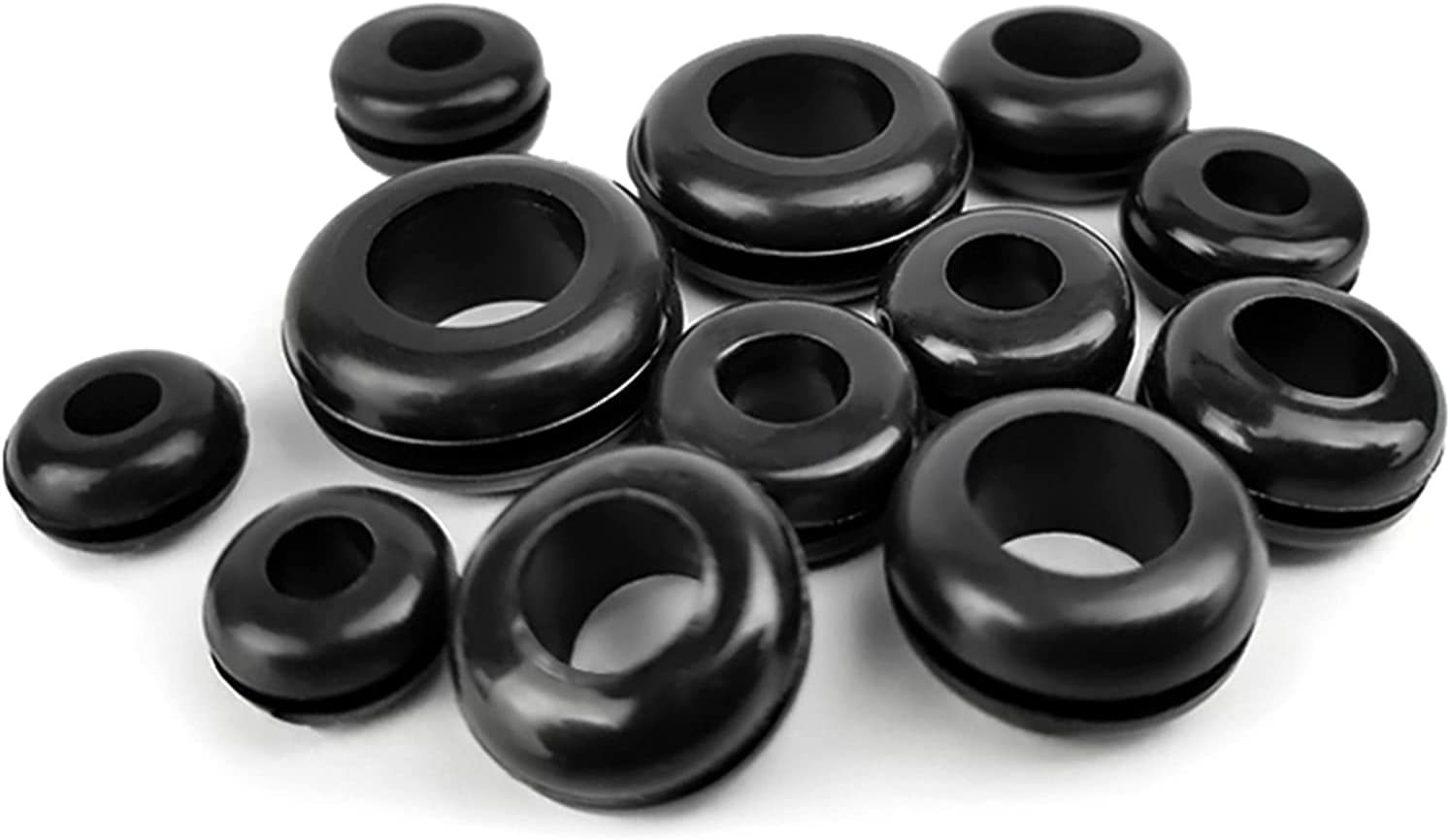
Engineering Capability
At Suzhou Baoshida Trading Co., Ltd., our core strength in precision rubber seals lies in our integrated engineering expertise, combining advanced material science with precision mold design. Our team comprises five dedicated mold engineers and two specialized rubber formula engineers, enabling us to deliver technically robust sealing grommets tailored to exacting industrial requirements. This multidisciplinary approach ensures seamless development from concept to mass production, with full control over material behavior, tooling accuracy, and long-term performance under dynamic operating conditions.
Our rubber formula engineers possess deep expertise in polymer chemistry, focusing on elastomer systems such as NBR, EPDM, silicone, FKM, and CR. They formulate custom compounds that meet specific performance demands including temperature resistance (-40°C to +250°C), compression set, fluid compatibility, and mechanical durability. These formulations are rigorously tested in-house using standardized ASTM and ISO methods to validate physical properties prior to prototyping. This scientific foundation allows us to develop grommets that maintain sealing integrity in aggressive environments—such as automotive engine bays, industrial pumps, and outdoor electrical enclosures.
Complementing material development, our five mold engineers bring extensive experience in precision tooling for rubber injection, compression, and transfer molding processes. They utilize advanced CAD/CAM software (SolidWorks, AutoCAD, UG NX) to design high-tolerance molds with optimized flow dynamics, venting, and ejection systems. Finite element analysis (FEA) is routinely applied to predict part deformation and ensure dimensional stability across production cycles. All molds are manufactured in certified partner facilities under strict quality supervision, supporting tolerances down to ±0.05 mm for critical sealing interfaces.
We offer comprehensive OEM services, enabling customers to outsource full product development with confidence. Our engineers collaborate directly with client design teams to review application requirements, perform DFM (Design for Manufacturability) analysis, and deliver functional prototypes within 2–3 weeks. This agile development cycle reduces time-to-market and ensures alignment with end-use performance criteria. With in-house testing capabilities including tensile strength, hardness, aging resistance, and leak testing, we validate every stage of the process.
Our engineering-led approach ensures that every sealing grommet is not only dimensionally precise but also chemically and mechanically suited to its operating environment. This integration of formulation science and mold engineering positions Suzhou Baoshida as a trusted partner for mission-critical sealing solutions across automotive, energy, and industrial equipment sectors.
Typical Material Properties for Sealing Grommets
| Material | Hardness (Shore A) | Temp Range (°C) | Tensile Strength (MPa) | Elongation at Break (%) | Fluid Resistance |
|---|---|---|---|---|---|
| NBR | 50–90 | -30 to +120 | 10–20 | 200–400 | Oil, fuel, water |
| EPDM | 50–80 | -40 to +150 | 8–18 | 250–450 | Water, steam, ozone |
| Silicone | 40–80 | -50 to +200 | 5–12 | 200–600 | Extreme temp, UV |
| FKM | 60–90 | -20 to +250 | 12–22 | 150–300 | Oil, acids, fuels |
| CR | 50–75 | -30 to +100 | 10–17 | 250–350 | Ozone, weathering |
Customization Process
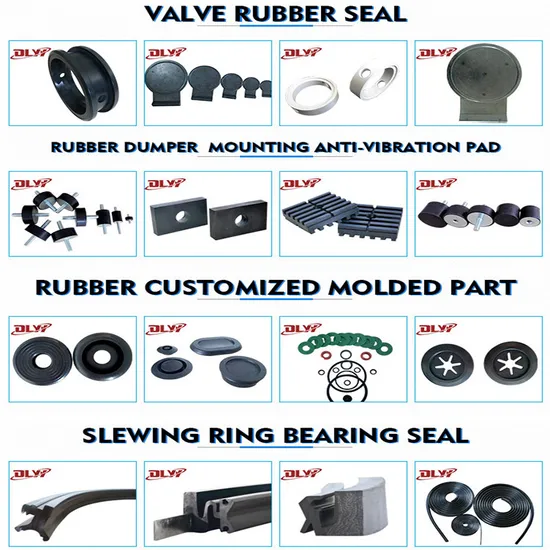
Customization Process for Precision Sealing Grommets
At Suzhou Baoshida Trading Co., Ltd., our customization process for sealing grommets integrates rigorous engineering protocols to ensure optimal performance in demanding industrial applications. This structured workflow begins with Drawing Analysis, where client-provided technical specifications undergo comprehensive validation. Our engineering team cross-references CAD geometry against ASME Y14.5 standards, verifying critical dimensions, tolerances, and surface finish requirements. We identify potential failure modes such as compression set risks or installation stresses through finite element analysis (FEA) simulations. This phase includes joint reviews with client engineering teams to resolve ambiguities and confirm material compatibility with operational environments, including fluid exposure and temperature extremes.
Material Formulation follows, leveraging our proprietary compound database and accelerated aging protocols. Based on the validated design parameters, we select base polymers—such as EPDM, NBR, or FKM—and engineer custom elastomer blends to meet specific durometer, resilience, and chemical resistance targets. Each formulation undergoes iterative laboratory testing for compression deflection, tensile strength, and fluid immersion stability per ASTM D2000 standards. Critical additives like peroxide curatives or specialty fillers are precisely dosed to balance cost efficiency with performance longevity, ensuring the compound adheres to OEM-specified service life requirements.
Prototyping employs high-precision CNC-machined molds to produce ISO 9001-certified trial units. We conduct multi-axis dimensional inspections using coordinate measuring machines (CMM) and subject samples to application-specific functional tests, including pressure decay leakage assessments and thermal cycling between -50°C and +200°C. Client feedback on prototype performance drives rapid design iterations, typically achieving final validation within 15 business days. This phase minimizes downstream production risks by confirming seal integrity under simulated operational loads.
Mass Production initiates only after formal client sign-off on PPAP documentation. Our automated vulcanization lines operate under strict SPC controls, with real-time monitoring of cure temperature, pressure, and dwell time. Every batch undergoes 100% visual inspection and statistical sampling for hardness, density, and critical dimensions. Traceability is maintained via laser-etched lot codes, enabling full material pedigree tracking from raw compound to finished grommet. This closed-loop manufacturing system guarantees consistent compliance with IATF 16949 standards while supporting JIT delivery schedules.
Key Material Specifications for Common Grommet Applications
| Material Type | Hardness Range (Shore A) | Temperature Range (°C) | Fluid Resistance | Typical Applications |
|---|---|---|---|---|
| EPDM | 50–90 | -50 to +150 | Excellent for water/glycol; poor for oils | HVAC systems, automotive cooling |
| NBR | 40–95 | -30 to +120 | Good for oils/fuels; limited ozone resistance | Fuel lines, hydraulic equipment |
| FKM | 60–85 | -20 to +250 | Exceptional for aggressive chemicals/fuels | Aerospace, chemical processing |
This end-to-end customization framework ensures Suzhou Baoshida delivers sealing grommets that exceed functional requirements while reducing time-to-market for global OEM partners. Our commitment to material science precision and process validation eliminates costly field failures, securing long-term operational reliability.
Contact Engineering Team
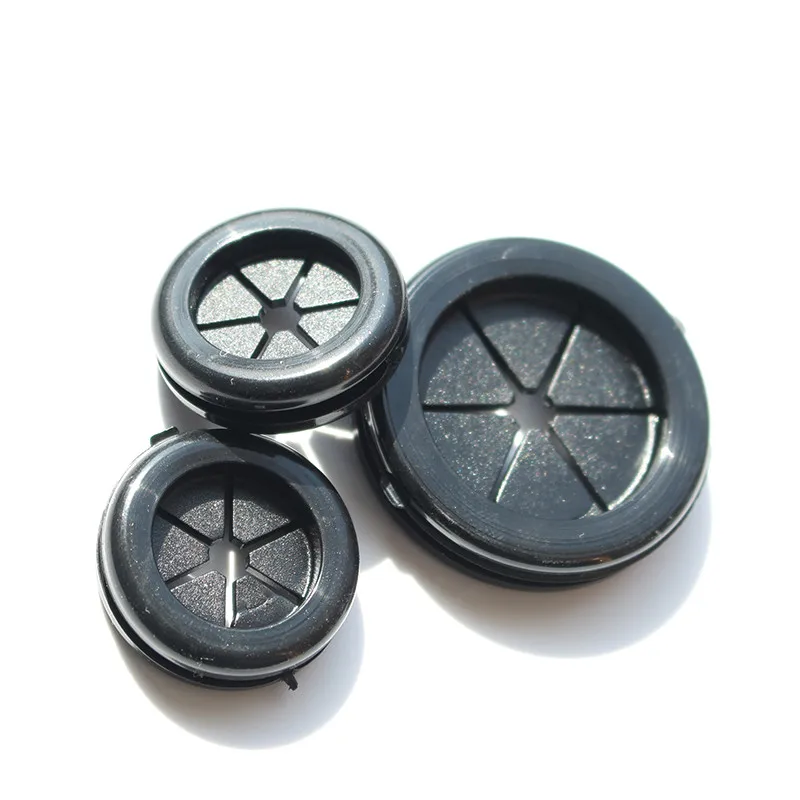
For industrial manufacturers and engineering teams seeking precision-engineered sealing solutions, Suzhou Baoshida Trading Co., Ltd. stands as a trusted partner in the development and supply of high-performance rubber grommets. Our expertise in elastomer formulation and custom molding ensures that every sealing component meets rigorous standards for durability, chemical resistance, and operational reliability across automotive, aerospace, industrial machinery, and electronic enclosure applications.
Our sealing grommets are designed to protect cables, wires, and conduits from vibration, moisture, dust, and environmental degradation. Utilizing advanced rubber compounding techniques, we tailor material properties to match the specific demands of your operating environment—whether requiring resistance to extreme temperatures, UV exposure, or aggressive fluids such as oils, fuels, and industrial solvents. Every grommet is manufactured under strict quality control protocols, ensuring dimensional accuracy, consistent durometer hardness, and long-term sealing integrity.
We specialize in both standard and custom grommet configurations, supporting rapid prototyping, low-volume pilot runs, and high-volume production. Our engineering team collaborates directly with clients to optimize part geometry, select appropriate base polymers—including NBR, EPDM, silicone, FKM, and neoprene—and validate performance through environmental and mechanical testing.
To ensure seamless integration into your assembly process, we provide detailed technical documentation, material certifications (including RoHS and REACH compliance), and batch traceability. Our manufacturing capabilities include injection molding, compression molding, and extrusion, enabling us to produce complex profiles with tight tolerances and excellent surface finish.
For immediate technical consultation or to initiate a custom grommet development project, contact Mr. Boyce, OEM Account Manager at Suzhou Baoshida Trading Co., Ltd. With over 15 years of experience in rubber sealing solutions and OEM collaboration, Mr. Boyce provides expert guidance on material selection, design optimization, and supply chain integration. He ensures responsive communication, competitive pricing, and on-time delivery tailored to your production schedule.
Reach out today to discuss your sealing requirements and receive sample kits, CAD support, and material data sheets. Partner with a company committed to precision, performance, and industrial reliability.
| Property | Typical Value / Range | Test Standard |
|---|---|---|
| Hardness (Shore A) | 40–90 | ASTM D2240 |
| Temperature Range | -40°C to +200°C (varies by material) | — |
| Tensile Strength | 8–20 MPa | ASTM D412 |
| Elongation at Break | 150–600% | ASTM D412 |
| Compression Set (24h, 70°C) | ≤25% | ASTM D395 |
| Fluid Resistance | Excellent (oil, water, ozone) | ASTM D471 |
Contact Mr. Boyce directly at [email protected] to begin your next sealing solution project with Suzhou Baoshida.
⚖️ O-Ring Weight Calculator
Estimate rubber O-ring weight (Approx).