
Technical Contents
Engineering Guide: Shed Floorboards
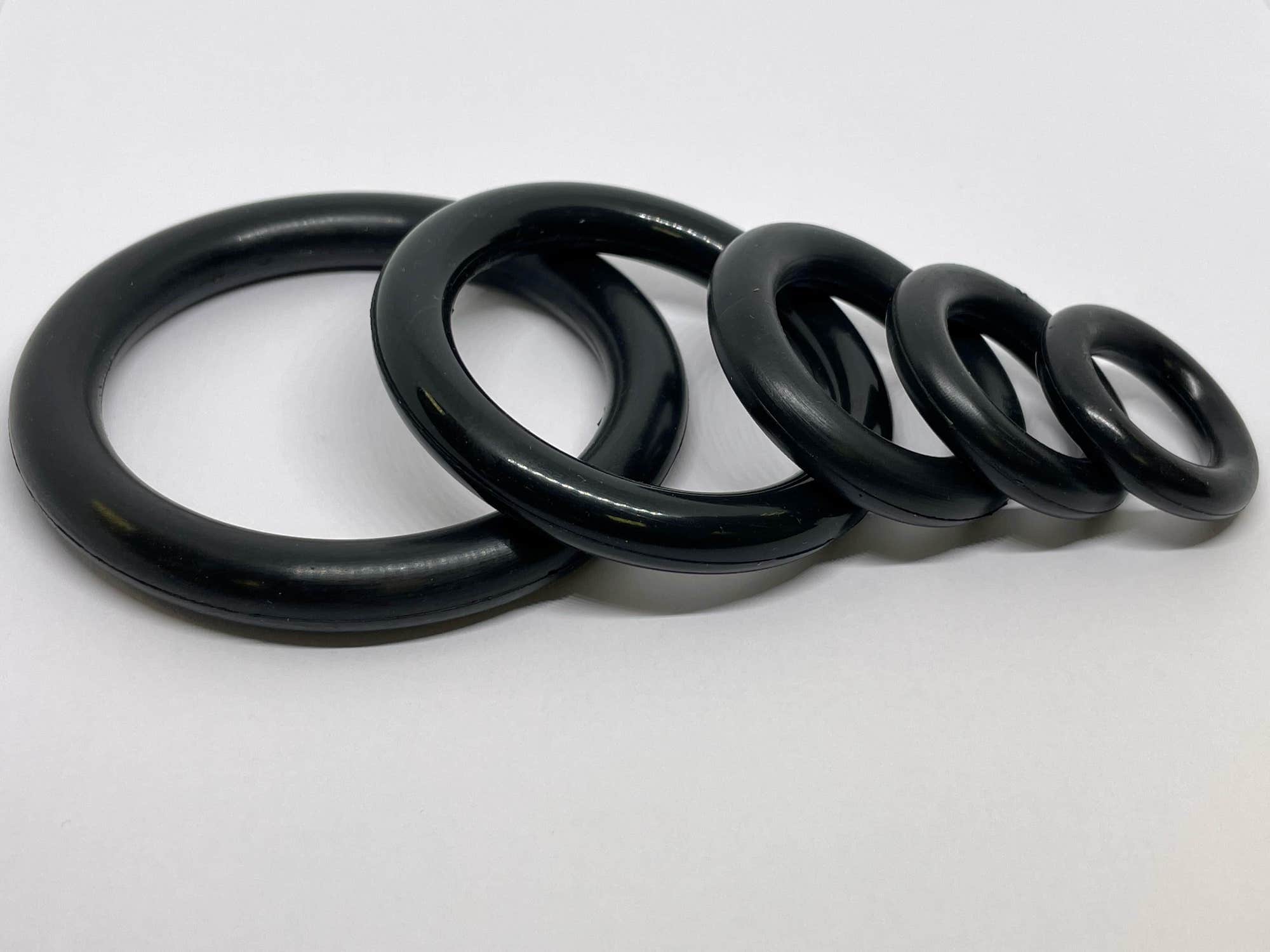
Engineering Insight Shed Floorboards Material Selection Imperatives
Shed floorboards operate within a uniquely demanding microenvironment characterized by persistent moisture exposure, intermittent heavy static loads, chemical spills from stored materials, temperature extremes, and abrasive contact from tools or equipment. Standardized off-the-shelf flooring solutions, often formulated for general-purpose applications, consistently fail to address this specific confluence of stressors. Material selection is not merely a cost consideration; it is the foundational engineering decision determining operational lifespan and functional reliability. Generic rubber compounds lack the tailored polymer architecture and additive systems required to resist the synergistic degradation mechanisms inherent in shed environments. Premature failure manifests as accelerated wear, permanent deformation under load, chemical-induced swelling or embrittlement, and catastrophic cracking due to UV/ozone exposure – leading to unsafe surfaces, costly downtime, and repeated replacement cycles.
The core deficiency of off-the-shelf products lies in their generic formulation philosophy. These materials prioritize broad applicability and low initial cost over performance under sustained, multi-factor stress. They typically utilize lower-grade base polymers with insufficient molecular weight or crosslink density. Critical protective additives – such as advanced anti-degradants for ozone resistance, specialized plasticizers resistant to extraction by oils or solvents, and reinforcing fillers optimized for dynamic compression – are often minimized or omitted. Consequently, when subjected to the reality of a shed floor, standard compounds experience rapid polymer chain scission from environmental factors, plasticizer migration causing hardening, and inadequate recovery from compression set. This results in surfaces that become slippery when wet, develop permanent indentations under stored equipment, crack under foot traffic after minimal exposure, or degrade upon contact with common workshop fluids like gasoline or hydraulic oil.
The performance gap between generic and engineered solutions is quantifiable through critical material properties directly impacting shed floor durability. Consider the comparative analysis below:
| Property | Standard Compound | Engineered Compound | Performance Impact in Shed Application |
|---|---|---|---|
| Tensile Strength (MPa) | 10-15 | 20-25 | Resists tearing from sharp impacts or dragging |
| Elongation at Break (%) | 200-300 | 400-550 | Accommodates thermal expansion without cracking |
| Oil Resistance (ASTM D471) | High Swell (>30%) | Low Swell (<15%) | Maintains integrity after fuel/oil exposure |
| Compression Set (B, 22h) | 35-45% | 15-22% | Recovers shape, prevents permanent indentation |
Suzhou Baoshida Trading Co., Ltd. addresses this critical need through precision-engineered rubber formulations developed specifically for industrial flooring applications. Our OEM approach begins with a detailed analysis of the shed’s intended use profile – whether housing heavy machinery, chemical storage, or general tools. This informs the selection of high-purity base polymers like hydrogenated nitrile (HNBR) or specially stabilized EPDM, combined with proprietary additive packages. We optimize crosslink density for resilience under static load while ensuring flexibility for thermal cycling. Advanced anti-ozonants and UV stabilizers are integrated at levels proven effective in accelerated aging tests simulating years of shed exposure. As your OEM partner, we do not offer commoditized sheets; we deliver scientifically validated solutions where material science directly translates to extended service life, reduced total cost of ownership, and a consistently safe, functional workspace. The engineering investment in correct material selection is the definitive factor separating temporary fixes from permanent performance.
Material Specifications
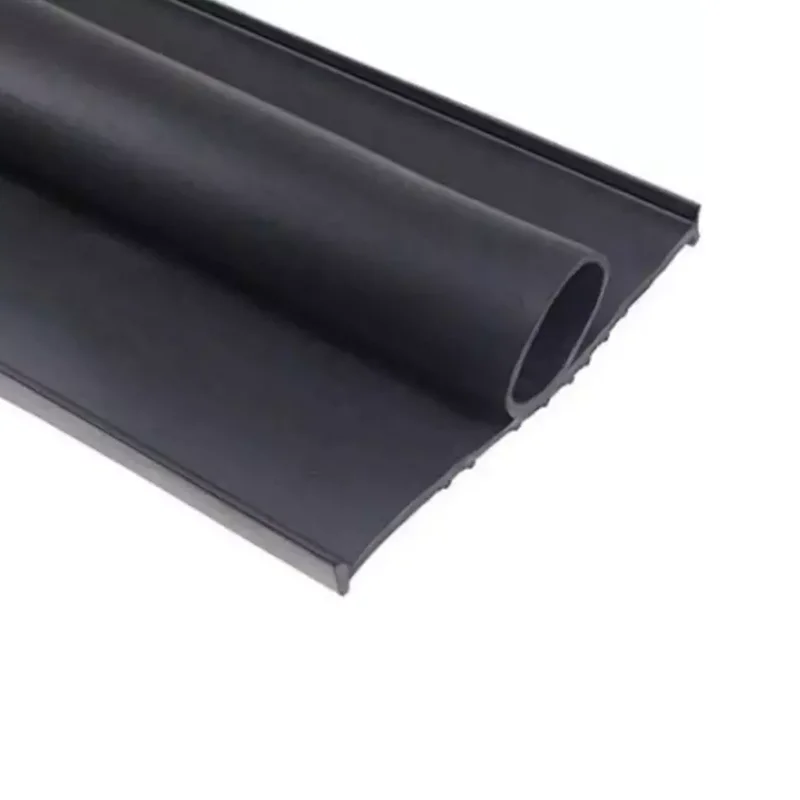
Suzhou Baoshida Trading Co., Ltd. specializes in high-performance industrial rubber solutions engineered for durability, chemical resistance, and mechanical stability under extreme conditions. In the context of shed floorboards, material selection is critical to ensure long-term performance in environments exposed to oils, solvents, temperature fluctuations, and mechanical wear. Three primary elastomers are recommended for industrial-grade shed flooring applications: Viton (FKM), Nitrile (NBR), and Silicone (VMQ). Each material offers distinct advantages based on operational parameters such as chemical exposure, thermal range, and mechanical load.
Viton is a fluorocarbon-based rubber renowned for its outstanding resistance to high temperatures, aggressive chemicals, and hydrocarbon fuels. It maintains integrity in continuous service up to 230°C and exhibits minimal swelling when exposed to mineral oils, aromatic hydrocarbons, and many acids. This makes Viton an ideal choice for industrial or automotive maintenance sheds where floorboards may be exposed to engine oils, brake fluids, and cleaning solvents. However, Viton has higher material costs and reduced flexibility at low temperatures, limiting its use in cold environments.
Nitrile rubber, also known as Buna-N, is a cost-effective solution with excellent resistance to aliphatic hydrocarbons, greases, and water-based fluids. It performs reliably in temperature ranges from -30°C to 100°C, with some formulations extending to 125°C intermittently. Nitrile is particularly well-suited for general-purpose industrial sheds where exposure to lubricants and hydraulic fluids is common. Its high abrasion resistance and mechanical strength ensure long service life under foot and light vehicular traffic. However, Nitrile exhibits poor resistance to ozone, UV radiation, and polar solvents, necessitating protective coatings or indoor use.
Silicone rubber provides exceptional thermal stability, operating effectively from -60°C to 200°C, with short-term resistance up to 250°C. It offers good flexibility across a wide temperature range and excellent resistance to ozone and UV degradation. While silicone has limited resistance to petroleum-based oils and fuels, it excels in clean or temperature-variable environments such as climate-controlled storage sheds or electrical equipment enclosures. Its low toxicity and compliance with health and safety standards also make it suitable for sensitive applications.
The following table summarizes key performance characteristics of these materials for shed floorboard applications.
| Property | Viton (FKM) | Nitrile (NBR) | Silicone (VMQ) |
|---|---|---|---|
| Temperature Range (°C) | -20 to 230 | -30 to 125 | -60 to 200 |
| Tensile Strength (MPa) | 15–20 | 10–25 | 6–10 |
| Elongation at Break (%) | 150–250 | 200–500 | 200–600 |
| Hardness (Shore A) | 65–90 | 50–90 | 30–80 |
| Resistance to Oils & Fuels | Excellent | Good to Excellent | Poor |
| Resistance to Ozone/UV | Excellent | Fair | Excellent |
| Compression Set Resistance | Excellent | Good | Good |
| Chemical Resistance | Broad (acids, bases, solvents) | Moderate (limited to non-polar) | Limited (strong acids/bases) |
Material selection should be guided by the specific environmental and mechanical demands of the shed application. Suzhou Baoshida Trading Co., Ltd. provides customized rubber formulations to meet OEM and industrial specifications.
Manufacturing Capabilities
Engineering Capability: Precision Rubber Solutions for Industrial Shed Flooring
Suzhou Baoshida Trading Co., Ltd. delivers engineered rubber shed floorboards through an integrated technical framework combining advanced mould design and proprietary compound formulation. Our dedicated team of five certified Mould Engineers and two specialized Rubber Formula Engineers operates within a closed-loop development system, ensuring every component meets exacting industrial performance criteria. This dual-engineering discipline is fundamental to solving complex application challenges inherent in demanding shed environments, where factors like heavy point loads, chemical exposure, thermal cycling, and slip resistance are critical failure points.
Our Mould Engineering team utilizes 3D CAD/CAM simulation (Siemens NX) to optimize cavity pressure distribution, cooling channel geometry, and ejection sequencing. This precision engineering mitigates common defects such as flash, sink marks, and dimensional instability during high-volume production cycles. Each mould undergoes rigorous flow analysis to guarantee uniform material fill across intricate tread patterns designed for maximum traction under wet or oily conditions. The result is a consistently dimensionally stable floorboard with tight tolerances (+/- 0.3mm) essential for seamless interlocking installation and long-term structural integrity under sustained load.
Complementing this, our Rubber Formula Engineers develop bespoke elastomer compounds targeting specific shed operational profiles. We manipulate polymer chain architecture, crosslink density, and functional filler systems to achieve the precise balance of properties required. Standard formulations prioritize high abrasion resistance (DIN 53516 abrasion loss < 120 mm³) and resilience, while custom solutions integrate specialized additives for extreme oil resistance, enhanced flame retardancy (UL 94 HB), or low-temperature flexibility down to -40°C. Every compound undergoes accelerated aging tests per ASTM D573 and dynamic mechanical analysis to validate performance longevity under simulated real-world stressors.
This integrated engineering capability forms the backbone of our OEM service model. We collaborate directly with industrial clients from initial concept through to full-scale manufacturing, providing comprehensive material data sheets, DFMEA support, and production validation dossiers. Our facility maintains full traceability from raw material batch to finished part, adhering to ISO 9001 protocols. Clients receive not just a product, but a documented engineering solution validated against their unique operational parameters.
Key Performance Specifications for Industrial Shed Floorboards
| Property | Test Method | Standard Value | Customizable Range | Industrial Relevance |
|---|---|---|---|---|
| Hardness (Shore A) | ASTM D2240 | 65 ± 5 | 50 – 85 | Load distribution, comfort, slip resistance |
| Tensile Strength (MPa) | ASTM D412 | ≥ 15.0 | 12.0 – 22.0 | Resistance to tearing under impact |
| Elongation at Break (%) | ASTM D412 | ≥ 350 | 250 – 500 | Flexibility over uneven subfloors |
| Compression Set (22h/70°C) | ASTM D395 B | ≤ 25% | ≤ 20% achievable | Long-term load-bearing recovery |
| Temperature Range (°C) | ISO 188 | -30 to +80 | -40 to +100 | Performance in unheated/heated sheds |
| Oil Resistance (IRMOG) | ASTM D471 | Volume Swell < 20% | < 10% achievable | Resistance to lubricants, fuels, solvents |
This technical rigor ensures Suzhou Baoshida’s rubber floorboards deliver measurable operational advantages: extended service life exceeding 10 years in typical industrial settings, reduced slip-related incidents, and minimal maintenance requirements compared to traditional materials. Our engineering team stands ready to translate specific shed operational demands into a validated, high-performance flooring solution.
Customization Process
Customization Process for Industrial Rubber Floorboards
At Suzhou Baoshida Trading Co., Ltd., our approach to manufacturing customized rubber floorboards for industrial sheds is rooted in precision engineering and material science. We follow a structured four-phase process—Drawing Analysis, Formulation, Prototyping, and Mass Production—to ensure every product meets the exact mechanical, environmental, and dimensional requirements of the end application.
The first phase, Drawing Analysis, involves a comprehensive review of technical schematics provided by the client. Our engineering team evaluates load-bearing specifications, installation environment (indoor/outdoor, chemical exposure, temperature range), expected foot and vehicle traffic, and dimensional tolerances. This stage determines key design parameters such as thickness, surface profile (e.g., diamond tread, smooth, or grooved), and edge treatment. Accurate interpretation at this stage is critical to downstream performance and longevity.
Following drawing validation, we proceed to Formulation. Our rubber chemists develop a compound tailored to the operational demands identified in the analysis. For shed floorboards, this typically involves selecting between natural rubber (NR), styrene-butadiene rubber (SBR), or ethylene propylene diene monomer (EPDM), depending on required resilience, UV resistance, and oil/fuel exposure. Reinforcing fillers such as carbon black or silica are incorporated to enhance tensile strength and abrasion resistance. Additives for anti-slip performance, flame retardancy, and ozone protection are integrated as needed. The final formulation is documented and archived for batch consistency.
Prototyping follows compound finalization. Using precision molds and calibrated vulcanization presses, we produce a small batch of floorboards for client evaluation. These samples undergo in-house testing for compression set, hardness (Shore A scale), slip resistance (DIN 51130 ramp test), and dimensional accuracy. Clients are encouraged to perform field trials under real-world conditions. Feedback is systematically collected and, if necessary, minor adjustments are made to the formulation or mold geometry before approval.
Upon client sign-off, the project transitions to Mass Production. We deploy our automated rubber molding lines with real-time quality monitoring to ensure uniformity across large volumes. Each batch is traceable through a lot-numbering system, and third-party inspection is available upon request. Our facility supports production runs from 500 to over 50,000 units, with lead times optimized through lean manufacturing protocols.
All rubber floorboards are packaged to prevent deformation during shipping and labeled with technical specifications for easy identification.
Typical Physical Properties of Custom Rubber Floorboards
| Property | Test Method | Typical Value |
|---|---|---|
| Hardness (Shore A) | ASTM D2240 | 60–75 |
| Tensile Strength | ASTM D412 | ≥12 MPa |
| Elongation at Break | ASTM D412 | ≥250% |
| Compression Set (24h @ 70°C) | ASTM D395 | ≤20% |
| Slip Resistance (R9–R13) | DIN 51130 | R10 (standard) |
| Thickness Tolerance | ISO 3302-1 | ±0.5 mm |
| Operating Temperature Range | — | -40°C to +80°C |
This systematic process ensures that every rubber floorboard we deliver combines durability, safety, and dimensional precision, tailored to the unique demands of industrial environments.
Contact Engineering Team
Contact Suzhou Baoshida for Precision Rubber Shed Flooring Solutions
Suzhou Baoshida Trading Co., Ltd. specializes in engineered rubber compounds for demanding industrial applications, including optimized flooring systems for utility sheds, workshops, and equipment storage facilities. While traditional timber or composite “floorboards” dominate this segment, our focus lies in high-performance rubber matting solutions that surpass conventional materials in safety, longevity, and operational efficiency. These are not mere floor coverings but critical components in mitigating workplace hazards—absorbing impact, resisting chemical spills, insulating against electrical currents, and eliminating trip risks from uneven subfloors. Our formulations leverage vulcanized SBR, NBR, and EPDM polymers, precisely tailored to withstand UV degradation, extreme temperatures, and heavy point loads inherent in industrial environments. Unlike generic rubber mats, Baoshida’s shed flooring integrates proprietary anti-slip textures and closed-cell structures to prevent moisture retention and microbial growth, ensuring compliance with ISO 22867 safety standards for workplace walking surfaces.
Technical superiority is validated through rigorous material testing. Below are key performance metrics for our standard industrial shed flooring compound, produced under ISO 9001-certified manufacturing protocols:
| Property | Test Standard | Value | Significance for Shed Applications |
|---|---|---|---|
| Hardness (Shore A) | ASTM D2240 | 65 ± 5 | Balances durability with foot fatigue reduction |
| Tensile Strength | ASTM D412 | ≥ 12 MPa | Resists tearing under heavy equipment movement |
| Elongation at Break | ASTM D412 | ≥ 300% | Accommodates subfloor settling without cracking |
| Compression Set (24h) | ASTM D395 | ≤ 15% | Maintains thickness integrity under constant load |
| Temperature Range | ISO 188 | -40°C to +100°C | Performs in unheated sheds across global climates |
| Coefficient of Friction | ASTM F2913 | ≥ 0.8 (wet) | Critical slip resistance during hose-down or rain ingress |
As your OEM partner, Baoshida delivers beyond off-the-shelf products. We collaborate with manufacturers to co-engineer flooring solutions matching exact dimensional tolerances, color-coding requirements, or load-bearing specifications—such as reinforced variants for forklift traffic zones. Our in-house polymer lab adjusts filler ratios, crosslink density, and surface profiles to meet regional safety certifications (e.g., CE, ANSI B101.3) while optimizing cost-per-square-meter. This precision engineering minimizes waste during installation and extends service life by 300% compared to standard PVC alternatives, directly improving your product’s lifecycle value proposition.
Initiate a technical consultation with Mr. Boyce, our dedicated OEM Manager, to transform your shed flooring specifications into a validated production solution. Mr. Boyce holds 14 years of compound development experience and will coordinate material sampling, DFMEA analysis, and pilot batch validation within 10 business days of engagement. Provide your target performance criteria, volume forecasts, and regulatory requirements to receive a customized formulation dossier with accelerated lead-time projections. Do not settle for generic rubber suppliers; partner with an engineering-led team that treats material science as a competitive differentiator. Contact Mr. Boyce directly at [email protected] with subject line “OEM Shed Flooring Technical Query” to schedule a confidential review of your project parameters. Suzhou Baoshida ensures every compound batch meets your exact functional and commercial objectives—because industrial flooring is never just a commodity.
⚖️ O-Ring Weight Calculator
Estimate rubber O-ring weight (Approx).