
Technical Contents
Engineering Guide: Sheeting Waterproof
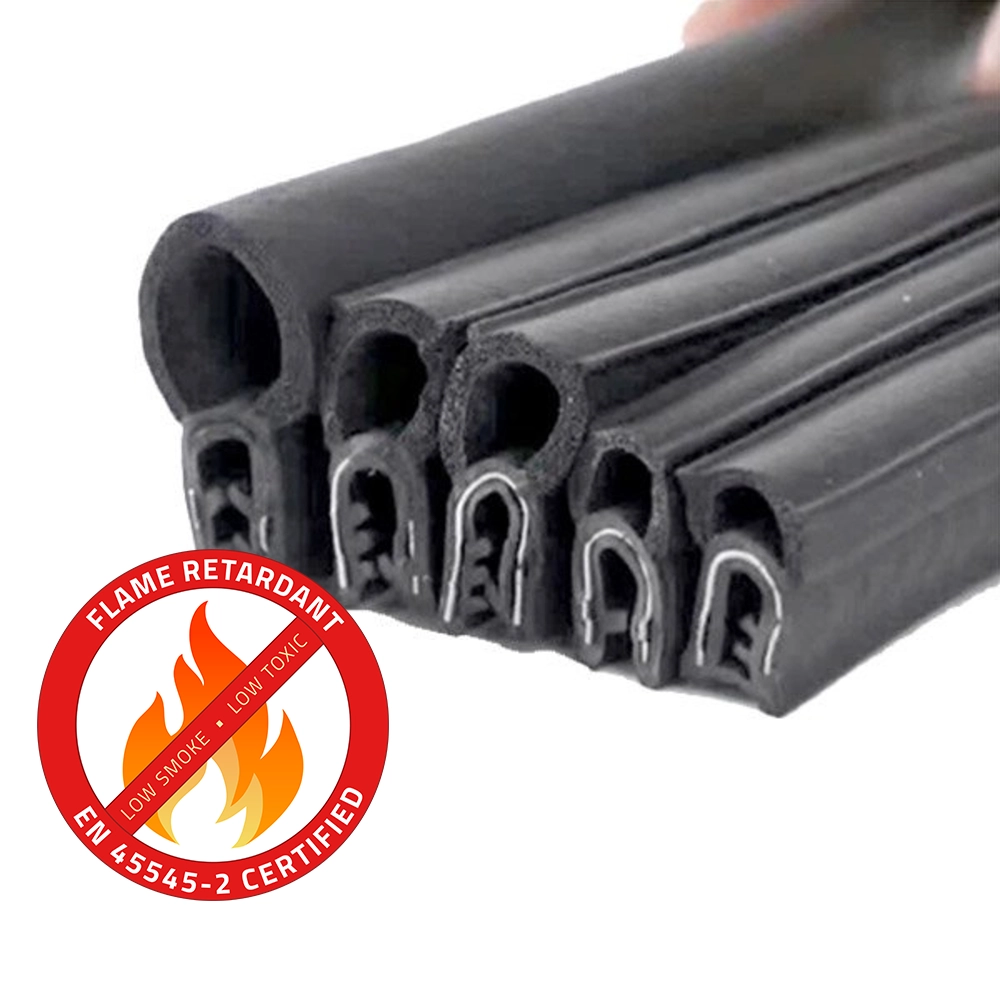
Engineering Insight Material Selection in Waterproof Sheeting Critical Failure Analysis
Material selection constitutes the foundational determinant of waterproof sheeting performance in industrial applications. Off-the-shelf rubber compounds frequently fail due to generic formulations that ignore site-specific environmental and mechanical stressors. Standardized products prioritize cost reduction over polymer architecture optimization, resulting in compromised crosslink density, inadequate filler dispersion, and suboptimal polymer backbone stability. These deficiencies manifest as premature degradation under thermal cycling, chemical exposure, or sustained hydrostatic pressure—conditions demanding tailored molecular engineering.
The critical flaw in non-specialized sheeting lies in its inability to balance competing properties. A compound optimized solely for flexibility often sacrifices tensile strength, while one emphasizing hardness may exhibit catastrophic cracking at low temperatures. Real-world installations involve dynamic variables: substrate movement, UV intensity, pH fluctuations, and fluid composition. Generic EPDM or SBR sheeting typically employs fixed polymer ratios and unrefined carbon black systems, leading to rapid plasticization when exposed to hydrocarbons or accelerated ozone cracking in urban environments.
Suzhou Baoshida Trading Co., Ltd. addresses these challenges through OEM-driven formulation science. Our engineered solutions integrate advanced silane coupling agents for filler-rubber bonding, peroxide curing systems for thermal stability, and proprietary antioxidant packages targeting specific fluid exposures. This approach ensures the crosslink network maintains integrity across operational extremes—from Arctic pipeline joints to chemical plant containment liners.
The following table quantifies performance gaps between engineered and generic waterproof sheeting under industrial stress conditions:
| Property | Engineered Solution | Generic Alternative | Critical Difference |
|---|---|---|---|
| Elongation at Break (%) | 450 | 250 | 80% higher strain tolerance prevents joint separation |
| Hardness (Shore A) | 55 ± 3 | 65 ± 8 | Controlled modulus resists brittle failure at -40°C |
| Tensile Strength (MPa) | 18.5 | 12.0 | 54% greater load-bearing capacity |
| ASTM D471 Fuel B Swell | 8% | 22% | Resists plasticization in hydrocarbon exposure |
| Ozone Resistance (pphm) | 100 | 50 | Doubled service life in polluted atmospheres |
Failure analysis consistently traces field incidents to unaddressed chemical incompatibility or inadequate fatigue resistance. A municipal wastewater project using standard PVC sheeting failed within 18 months due to leachate-induced plasticizer migration—a risk mitigated in our custom formulations through non-migratory ester alternatives. Similarly, solar farm foundation membranes require UV-stable CSPE compounds; generic TPO sheeting delaminates under 2-year UV exposure due to insufficient HALS stabilizers.
Suzhou Baoshida’s OEM framework eliminates these vulnerabilities by correlating fluid compatibility charts, thermal history analysis, and substrate adhesion testing during compound design. We reject one-size-fits-all approaches, instead deploying FTIR spectroscopy to verify polymer crystallinity and DMA profiling to map viscoelastic behavior across temperature domains. This precision engineering transforms waterproof sheeting from a consumable commodity into a mission-critical component with predictable 25+ year service life. The cost of failure—downtime, remediation, safety liabilities—far exceeds the marginal premium for scientifically validated material selection.
Material Specifications
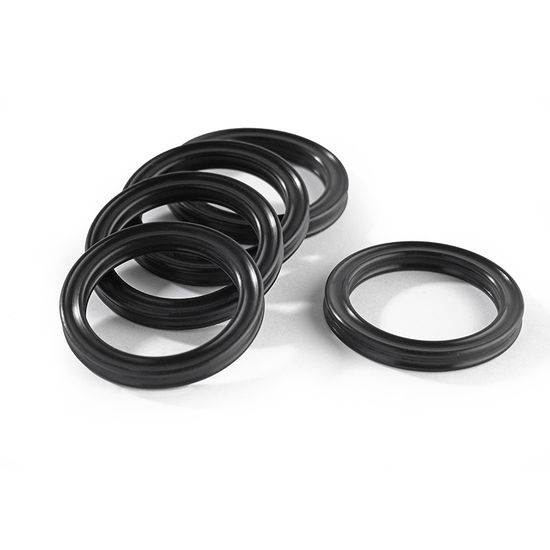
Material selection is a critical factor in the performance and longevity of sheeting waterproof solutions within industrial environments. At Suzhou Baoshida Trading Co., Ltd., we specialize in high-performance rubber materials engineered to meet rigorous sealing, insulation, and environmental resistance requirements. Our core offerings—Viton, Nitrile (NBR), and Silicone—are formulated to deliver optimal balance between mechanical strength, chemical resistance, and thermal stability. Each material exhibits distinct characteristics that make it suitable for specific operational conditions, and understanding these differences is essential for correct application engineering.
Viton, a fluorocarbon-based elastomer, stands out for its exceptional resistance to high temperatures, oils, fuels, and a broad range of chemicals. It maintains integrity in continuous service temperatures up to 230°C and short-term exposures beyond 300°C. This makes Viton ideal for aerospace, automotive, and chemical processing applications where exposure to aggressive media is common. Its low gas permeability and excellent aging properties further enhance reliability in demanding sealing environments.
Nitrile rubber, or Buna-N, is widely used for its superior resistance to aliphatic hydrocarbons, greases, and oils. With a service temperature range of -30°C to 120°C, Nitrile offers strong abrasion resistance and mechanical durability, making it a cost-effective solution for hydraulic systems, fuel handling, and general industrial sealing. While not as thermally stable as Viton, Nitrile provides excellent performance in oil-based environments and is easily compounded for specific hardness and resilience requirements.
Silicone rubber excels in extreme temperature applications, with continuous service capabilities from -60°C to 200°C. It demonstrates outstanding resistance to ozone, UV radiation, and weathering, making it the preferred choice for outdoor and high-purity applications such as medical devices, food processing, and electrical insulation. Though lower in tensile strength compared to Viton and Nitrile, silicone offers excellent electrical insulation properties and maintains flexibility at low temperatures.
The following table summarizes key physical and chemical properties of these materials to aid in material selection for sheeting waterproof applications.
| Property | Viton (FKM) | Nitrile (NBR) | Silicone (VMQ) |
|---|---|---|---|
| Temperature Range (°C) | -20 to 230 (up to 300 short-term) | -30 to 120 | -60 to 200 |
| Tensile Strength (MPa) | 15–20 | 10–25 | 5–8 |
| Elongation at Break (%) | 150–250 | 200–500 | 200–600 |
| Hardness (Shore A) | 60–90 | 50–90 | 30–80 |
| Resistance to Oils & Fuels | Excellent | Excellent | Poor to Fair |
| Resistance to Ozone/UV | Excellent | Good | Excellent |
| Electrical Insulation | Good | Fair | Excellent |
| Compression Set Resistance | Excellent | Good | Good |
| Common Applications | Aerospace, chemical seals | Hydraulic systems, gaskets | Medical, food, outdoor |
Selecting the appropriate rubber material requires careful evaluation of operational stressors including temperature extremes, chemical exposure, and mechanical load. Our technical team at Suzhou Baoshida Trading Co., Ltd. supports OEMs and industrial clients in matching material properties to application demands, ensuring long-term performance and reliability in sheeting waterproof systems.
Manufacturing Capabilities
Engineering Capability: Precision-Driven Solutions for Industrial Waterproof Sheeting
At Suzhou Baoshida Trading Co., Ltd., engineering excellence forms the cornerstone of our industrial rubber sheeting waterproof solutions. Our dedicated team integrates advanced material science with precision manufacturing to deliver products that exceed stringent environmental and performance benchmarks. With five specialized mould engineers and two certified rubber formula engineers, we maintain rigorous control over every phase of development—from polymer matrix optimization to production scalability. This dual-engineering synergy ensures uncompromised integrity in waterproof applications, where molecular stability and dimensional accuracy directly dictate long-term durability against hydrostatic pressure, UV exposure, and chemical degradation.
Our formula engineers leverage 15+ years of compound development expertise to tailor elastomer formulations for extreme-condition resilience. Through iterative testing of fillers, plasticizers, and cross-linking agents, we achieve optimal balance between flexibility, tensile strength, and impermeability. Each compound undergoes accelerated aging protocols per ASTM D573 and fluid resistance validation per ISO 1817, guaranteeing performance consistency across temperature ranges from -40°C to +120°C. This scientific approach eliminates field failures caused by material creep or solvent-induced swelling, critical for infrastructure, marine, and industrial containment systems.
Complementing this, our mould engineering cohort employs finite element analysis (FEA) to preempt warpage, sink marks, and flow inconsistencies in large-format sheeting production. Utilizing CNC-machined tooling with micron-level tolerances (±0.05mm), we ensure uniform thickness distribution and surface finish critical for seamless installation. Advanced cavity pressure sensors and real-time thermal mapping further refine curing kinetics, minimizing batch variability. This precision translates to zero-rejection rates in OEM partnerships, where dimensional repeatability directly impacts assembly efficiency for clients in construction and transportation sectors.
Our OEM framework operates under ISO 9001-certified workflows, enabling end-to-end customization from prototype to volume production. Clients supply performance targets; our engineers respond with validated material-process matrices, including full traceability of raw material lot codes and in-process QC checkpoints. This collaborative model has accelerated time-to-market by 30% for tier-1 automotive and renewable energy clients requiring bespoke waterproof membranes.
Key Technical Specifications for Waterproof Rubber Sheeting
| Parameter | Range/Value | Test Standard |
|---|---|---|
| Material Types | EPDM, NBR, CR, SBR | ASTM D2000 |
| Thickness Range | 1.0 mm – 10.0 mm | ASTM D3767 |
| Durometer (Shore A) | 40 – 90 | ASTM D2240 |
| Tensile Strength | ≥ 10 MPa | ASTM D412 |
| Elongation at Break | ≥ 250% | ASTM D412 |
| Water Absorption (7d) | ≤ 2.0% | ISO 188 |
| Hardness Tolerance | ±3 Shore A | Internal QC |
| Production Lead Time | 15–25 days (after approval) | — |
This engineering rigor, coupled with responsive OEM collaboration, positions Suzhou Baoshida as a strategic partner for mission-critical waterproofing. We transform material constraints into performance advantages—ensuring every sheeting solution delivers decades of leak-free service under operational duress. Partner with us to convert technical specifications into field-proven reliability.
Customization Process
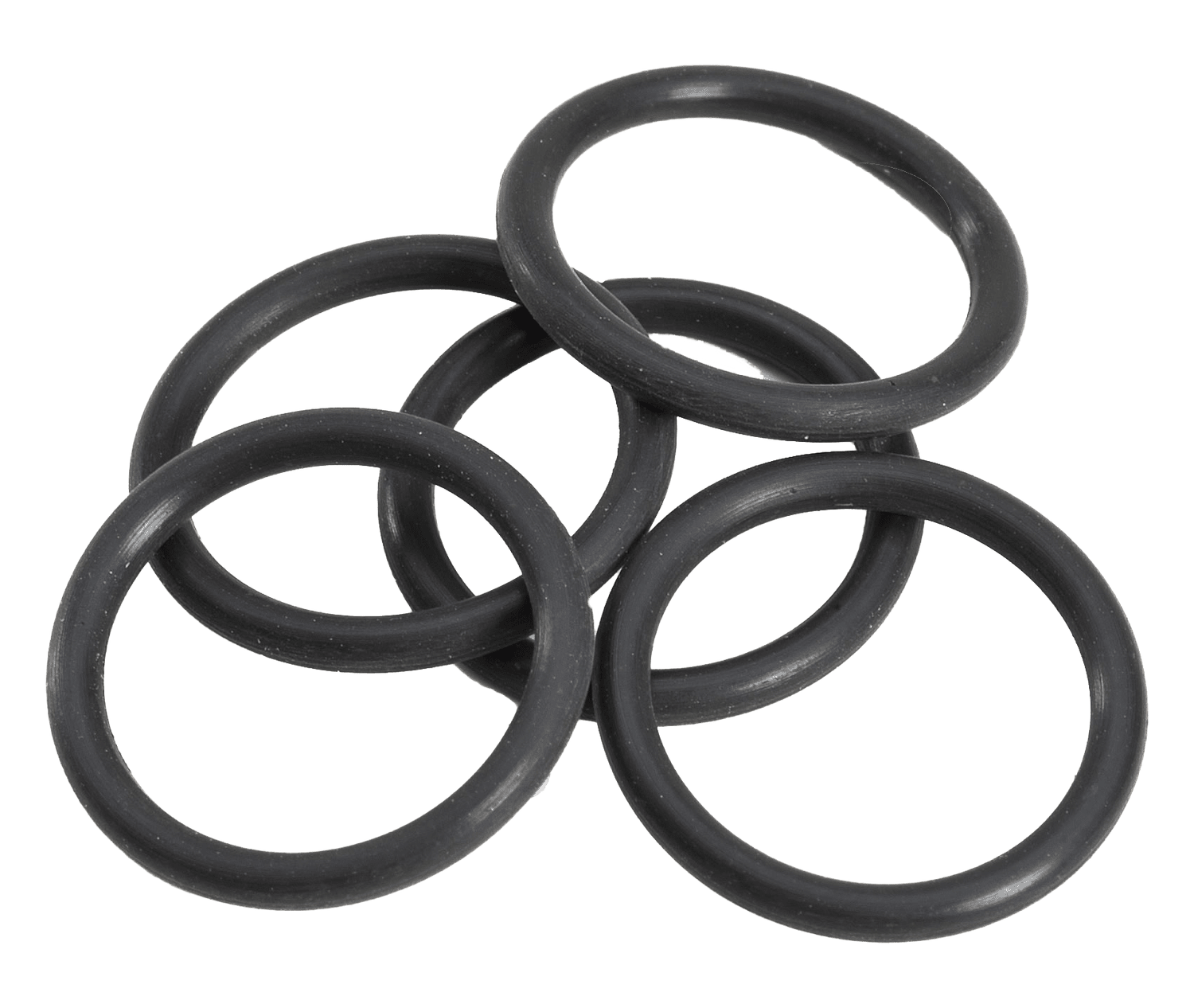
Drawing Analysis: Precision at the Foundation
The customization process for sheeting waterproof solutions begins with a rigorous drawing analysis. At Suzhou Baoshida Trading Co., Ltd., we treat engineering drawings not merely as visual references but as technical blueprints that define dimensional accuracy, tolerance limits, and performance boundaries. Our team of rubber formulation engineers reviews every detail—thickness profiles, edge definitions, surface finish requirements, and intended application environment. This phase includes cross-referencing client specifications with material feasibility, ensuring that the final product will perform under real-world mechanical and environmental stresses. We validate critical dimensions against manufacturing capabilities, particularly in calendaring and curing processes, to prevent post-production deviations. Any discrepancies or potential risks are flagged and discussed with the client prior to progression, ensuring alignment from the outset.
Formulation: Tailoring Chemistry to Performance
Following confirmed drawing specifications, our engineers initiate the rubber formulation phase. This is where material science meets application demand. Based on service conditions—such as exposure to water pressure, UV radiation, temperature extremes, or chemical environments—we select the optimal base polymer. Common choices include EPDM for superior weather and water resistance, NBR for oil compatibility where incidental exposure occurs, or neoprene for balanced mechanical and environmental performance. Reinforcing fillers, plasticizers, vulcanizing agents, and anti-degradants are precisely dosed to achieve target physical properties. The formulation is designed not only to meet ASTM or ISO standards but also to exceed the functional requirements defined in the initial drawing. Each compound is documented in our internal database for traceability and consistency across production batches.
Prototyping: Validating Design and Material Synergy
Once the formulation is finalized, we proceed to prototyping using pilot-scale calendaring and vulcanization equipment. This stage produces small-batch samples that mirror the intended production process, allowing for accurate evaluation of sheet uniformity, surface integrity, and dimensional stability. Clients receive physical samples for field testing, along with full material test reports including tensile strength, elongation at break, hardness (Shore A), and water absorption rates. Feedback from this phase is critical and may trigger iterative adjustments in either formulation or processing parameters.
Mass Production: Scalable Consistency
Upon client approval of the prototype, we transition to mass production. Our automated calendaring lines ensure continuous output of waterproof rubber sheets with tight thickness control and consistent quality. Every roll is inspected for defects, and random batch sampling is conducted to verify adherence to the approved specifications.
Below is a representative specification table for a typical EPDM-based waterproof sheet:
| Property | Test Method | Typical Value |
|---|---|---|
| Hardness (Shore A) | ASTM D2240 | 65 ± 5 |
| Tensile Strength | ASTM D412 | ≥14 MPa |
| Elongation at Break | ASTM D412 | ≥350% |
| Water Absorption (7 days) | ASTM D471 | ≤3% |
| Thickness Tolerance | ISO 3302 | ±0.2 mm (for 2.0 mm) |
| Temperature Range | — | -40°C to +120°C |
Contact Engineering Team
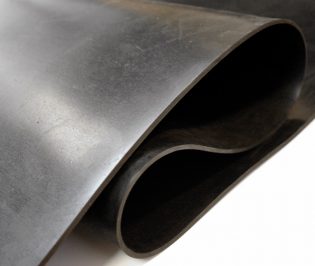
Initiate Technical Collaboration for Precision Waterproof Sheeting Solutions
Suzhou Baoshida Trading Co., Ltd. operates at the forefront of industrial rubber formulation and OEM manufacturing, specializing in engineered waterproof sheeting for critical infrastructure and industrial applications. Our advanced compounding processes integrate proprietary polymer blends, precision vulcanization control, and rigorous QC protocols to deliver sheets with uncompromised barrier integrity under extreme environmental stress. Unlike generic suppliers, we prioritize molecular-level customization—adjusting filler dispersion, crosslink density, and polymer saturation to meet exact fluid resistance, tensile durability, and thermal stability requirements specified by OEMs. This scientific approach ensures your waterproofing solution performs predictably across decades of service life, minimizing lifecycle costs and failure risks in demanding sectors such as civil engineering, transportation containment, and renewable energy systems.
Material performance is non-negotiable in waterproof sheeting. Below are key specifications achievable through our tailored formulations, validated per ISO 37, ASTM D2240, and EN 1297 standards:
| Property | EPDM-Based Sheeting | NBR-Based Sheeting | FKM-Based Sheeting |
|---|---|---|---|
| Tensile Strength (MPa) | 18.5–22.0 | 20.0–24.0 | 15.0–18.5 |
| Elongation at Break (%) | 450–550 | 350–450 | 250–350 |
| Hardness (Shore A) | 65–75 | 70–80 | 75–85 |
| Temperature Range (°C) | -50 to +150 | -30 to +120 | -20 to +200 |
| Water Absorption (7d) | ≤0.8% | ≤1.2% | ≤0.5% |
These metrics reflect our capacity to exceed baseline industry expectations through controlled polymer architecture. For instance, our EPDM variants incorporate nano-silica reinforcement to suppress permeation rates by 32% compared to conventional mixes, while NBR formulations utilize hydrogenated variants for superior ozone resistance in above-ground installations. Each sheet undergoes 100% inline thickness verification (±0.1mm tolerance) and hydrostatic pressure testing at 0.6 MPa for 72 hours prior to shipment.
OEM integration is streamlined through our collaborative engineering framework. Share your performance targets—whether chemical exposure profiles, dimensional constraints, or regulatory certifications (e.g., NSF/ANSI 61, CE marking)—and our R&D team will develop a material dossier within 15 business days. We manage full-scale production from 500kg pilot batches to 200-ton annual contracts, with co-extrusion capabilities for multi-layer barrier systems. All compounds are traceable via blockchain-enabled batch records, ensuring compliance with ISO 9001 and IATF 16949 frameworks.
To resolve complex waterproofing challenges with scientifically validated rubber solutions, contact Mr. Boyce, our dedicated OEM Relationship Manager. With 14 years of experience in industrial elastomer applications, he will coordinate a technical consultation to align our sheeting capabilities with your project specifications. Initiate this critical partnership by emailing [email protected]. Include your target application, performance non-negotiables, and volume requirements to receive a formal proposal with material test reports and production timelines within 48 hours. Suzhou Baoshida does not sell commodities—we deliver engineered resilience.
⚖️ O-Ring Weight Calculator
Estimate rubber O-ring weight (Approx).