
Technical Contents
Engineering Guide: Shock Absorber Pad
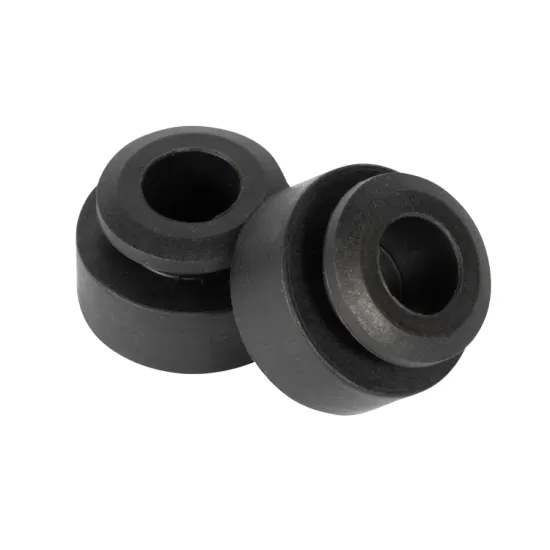
Engineering Insight: The Critical Role of Material Selection in Shock Absorber Pads
In industrial applications, shock absorber pads serve as essential components for mitigating mechanical stress, reducing vibration transmission, and protecting sensitive equipment. While often perceived as simple elastomeric inserts, their performance is deeply dependent on precise material selection tailored to operational demands. Off-the-shelf solutions, although cost-attractive and readily available, frequently fail to meet the dynamic requirements of real-world environments due to generic formulations that ignore specific load profiles, temperature ranges, and chemical exposures.
The failure of standard pads typically manifests in premature cracking, compression set, or loss of damping efficiency. These issues arise because mass-produced pads are commonly manufactured using low-grade natural rubber or generic synthetic compounds optimized for volume production, not performance longevity. In contrast, engineered rubber solutions require a systematic approach to polymer selection, filler composition, and vulcanization parameters to achieve targeted mechanical behavior.
For instance, applications involving high-frequency vibrations—such as in automated assembly lines or heavy-duty compressors—demand materials with superior hysteresis control and fatigue resistance. Nitrile rubber (NBR) offers excellent oil resistance and moderate resilience, making it suitable for environments exposed to lubricants and hydraulic fluids. For extreme temperature stability, silicone rubber (VMQ) or fluorocarbon rubber (FKM) may be required, despite higher costs. In high-load scenarios, polyurethane (PU) provides exceptional load-bearing capacity and abrasion resistance, though it may sacrifice some damping characteristics.
Equally critical is the durometer (hardness) profile, which must balance deflection and support. A pad that is too soft may bottom out under load, while an overly rigid compound transmits excessive force, defeating the purpose of isolation. Furthermore, environmental factors such as ozone exposure, UV radiation, and contact with solvents necessitate protective additives and specialty polymers to prevent degradation.
Custom-formulated compounds allow for optimization across these variables, ensuring compatibility with the mechanical and environmental conditions of the application. At Suzhou Baoshida Trading Co., Ltd., our engineering team evaluates operational parameters—including static and dynamic loads, temperature cycles, and media exposure—to develop application-specific rubber formulations that outperform generic alternatives.
The following table outlines common elastomer options and their performance characteristics for industrial shock absorber pads:
| Material | Hardness Range (Shore A) | Temperature Range (°C) | Key Advantages | Limitations |
|---|---|---|---|---|
| Natural Rubber (NR) | 40–80 | -40 to +80 | High resilience, good fatigue resistance | Poor oil and ozone resistance |
| Nitrile Rubber (NBR) | 50–90 | -30 to +100 | Excellent oil and fuel resistance | Limited low-temperature flexibility |
| Ethylene Propylene (EPDM) | 50–85 | -50 to +150 | Outstanding ozone and weather resistance | Poor oil and hydrocarbon resistance |
| Polyurethane (PU) | 60–95 | -30 to +90 | High load capacity, excellent abrasion resistance | Susceptible to hydrolysis |
| Silicone (VMQ) | 40–80 | -60 to +200 | Exceptional temperature range, good electrical insulation | Lower mechanical strength, higher cost |
Material selection is not a one-size-fits-all decision. It is a precision engineering process that directly influences system reliability, maintenance intervals, and operational safety. Relying on off-the-shelf pads risks unplanned downtime and equipment damage. In contrast, engineered rubber solutions from experienced industrial suppliers ensure long-term performance under demanding conditions.
Material Specifications

Material Specifications for Industrial Shock Absorber Pads
Critical damping performance in industrial shock absorber pads hinges on precise elastomer selection. At Suzhou Baoshida Trading Co., Ltd., we engineer compounds to meet rigorous OEM mechanical and environmental demands. Our Viton, Nitrile, and Silicone formulations undergo stringent ISO 9001-certified testing for compression set, resilience, and chemical resistance. Each material offers distinct advantages for specific operational parameters, ensuring optimal vibration isolation, load distribution, and service longevity. Below is a comparative analysis of key technical properties.
| Property | Viton (FKM) | Nitrile (NBR) | Silicone (VMQ) |
|---|---|---|---|
| Hardness Range (Shore A) | 60–90 | 50–90 | 30–80 |
| Temperature Range (°C) | -20 to +200 | -30 to +100 | -60 to +200 |
| Tensile Strength (MPa) | 12–20 | 10–25 | 5–12 |
| Compression Set (70h/100°C) | ≤20% | ≤30% | ≤25% |
| Fuel/Oil Resistance | Excellent | Good | Poor |
| Resilience (%) | 15–25 | 40–60 | 50–70 |
Viton (FKM) excels in high-temperature and aggressive chemical environments, such as automotive engine mounts or aerospace applications. Its fluorocarbon backbone provides exceptional resistance to oils, fuels, and ozone, maintaining structural integrity up to 200°C. Compression set values below 20% ensure minimal permanent deformation under sustained load, critical for precision machinery requiring consistent damping characteristics. However, its higher cost and lower resilience necessitate targeted deployment where chemical exposure justifies the investment.
Nitrile (NBR) remains the industry standard for cost-sensitive, high-volume applications like industrial machinery bases or hydraulic systems. With superior abrasion resistance and a balanced hardness range, it delivers reliable performance in oil and grease-rich settings up to 100°C. Its higher resilience (40–60%) enables efficient energy dissipation during dynamic loading cycles. While limited by moderate temperature tolerance and inferior ozone resistance compared to Viton, NBR’s versatility and economical processing make it ideal for general-purpose shock absorption.
Silicone (VMQ) dominates extreme-temperature scenarios, particularly in cryogenic or intermittent high-heat operations like semiconductor manufacturing equipment. Its broad operational range (-60°C to +200°C) and exceptional low-temperature flexibility prevent brittleness in sub-zero conditions. Though weak against oils and exhibiting lower tensile strength, silicone’s electrical insulation properties and biocompatibility suit medical or electronics handling systems. Precision compounding adjusts hardness to achieve optimal damping without sacrificing thermal stability.
Suzhou Baoshida prioritizes application-specific formulation. Our OEM partnerships leverage dynamic mechanical analysis (DMA) and ASTM D2000 compliance testing to validate material selection against real-world stress profiles. All compounds are optimized for injection molding or compression molding, ensuring dimensional accuracy and repeatability. Engage our engineering team to refine material parameters for your shock absorber pad’s operational envelope, balancing performance, durability, and lifecycle cost.
Manufacturing Capabilities
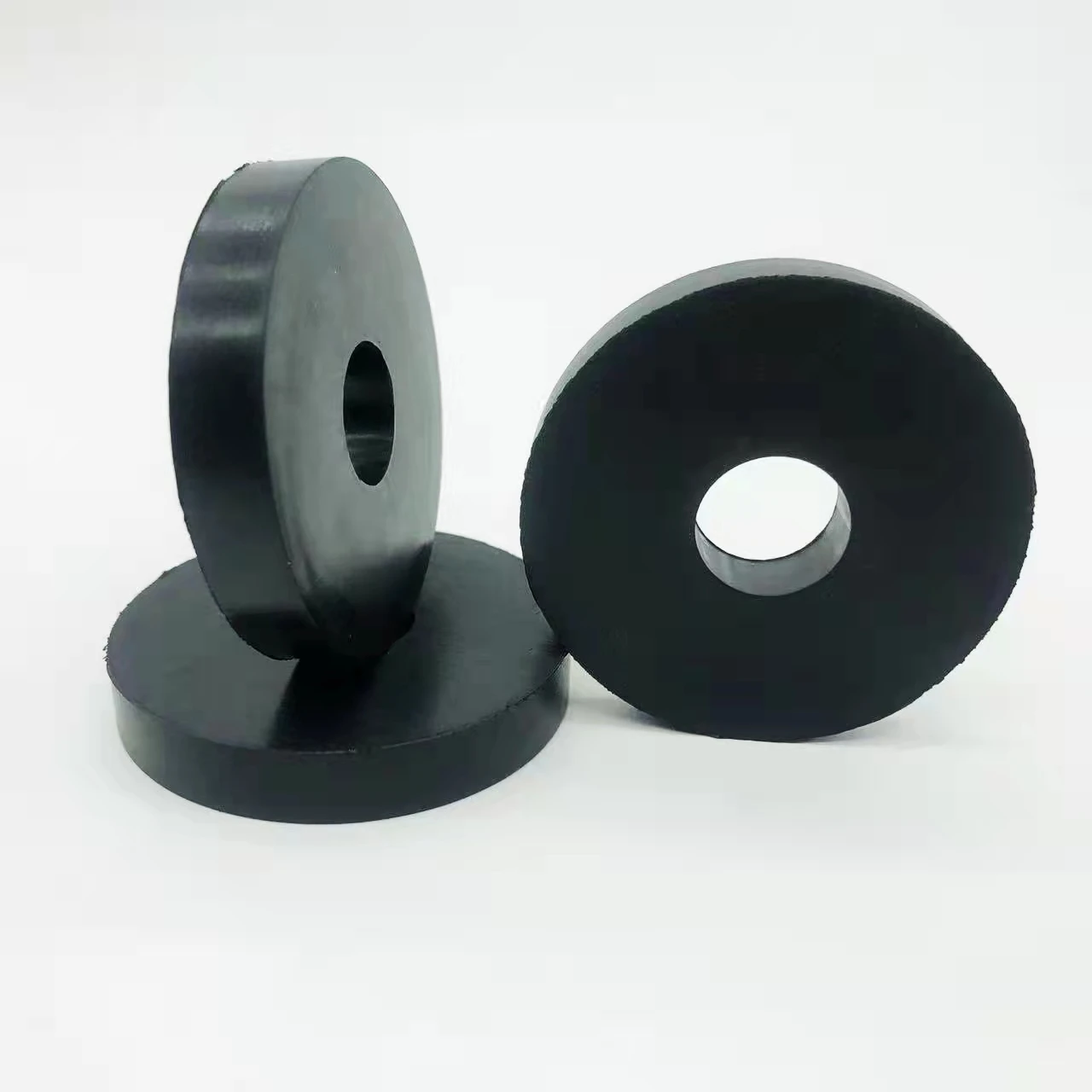
Engineering Excellence in Industrial Rubber Solutions
At Suzhou Baoshida Trading Co., Ltd., our engineering capability forms the backbone of our industrial rubber manufacturing expertise, particularly in high-performance applications such as shock absorber pads. With a dedicated team of five specialized mould engineers and two advanced rubber formulation engineers, we integrate material science with precision tooling to deliver OEM-grade components that meet rigorous performance standards.
Our mould engineering team brings extensive experience in designing and optimizing rubber compression, transfer, and injection moulds. Each engineer follows a structured development process that begins with technical analysis of customer drawings or samples, followed by 3D modelling, tolerance evaluation, and finite element analysis (FEA) where applicable. This ensures optimal material flow, minimal flash, and consistent part geometry across production runs. The team utilizes CAD/CAM software including SolidWorks and AutoCAD, enabling rapid prototyping and seamless integration with customer design systems.
Complementing our tooling expertise is our in-house rubber formulation capability. Our two rubber formula engineers specialize in developing custom elastomer compounds tailored to specific mechanical, thermal, and environmental requirements. Whether the application demands high rebound resilience, low compression set, oil resistance, or extreme temperature performance, we formulate NR, SBR, NBR, EPDM, and silicone-based compounds with precision. Each formula undergoes rigorous laboratory testing for tensile strength, elongation, hardness, aging resistance, and dynamic fatigue before approval for production.
This dual-engineering approach—mould design and material formulation—enables us to offer full OEM services from concept to mass production. We support customers through every stage, including design for manufacturability (DFM), prototype validation, tool trial optimization, and batch consistency control. Our facility is equipped with state-of-the-art vulcanization presses, hardness testers, aging ovens, and universal testing machines to ensure every shock absorber pad meets exact specifications.
We maintain strict documentation and traceability protocols, adhering to ISO 9001 standards. This systematic engineering framework ensures repeatability, scalability, and long-term reliability for our industrial partners.
Typical Shock Absorber Pad Specifications
| Property | Test Method | Typical Value |
|---|---|---|
| Hardness (Shore A) | ASTM D2240 | 50–80 ±5 |
| Tensile Strength | ASTM D412 | ≥8 MPa |
| Elongation at Break | ASTM D412 | ≥250% |
| Compression Set (22 hrs, 70°C) | ASTM D395 | ≤20% |
| Operating Temperature Range | — | -30°C to +120°C (depending on compound) |
| Dynamic Fatigue Resistance | Custom Test | 100,000+ cycles (custom profiles) |
By combining deep material knowledge with advanced mould engineering, Suzhou Baoshida delivers shock absorber pads that provide reliable vibration isolation, impact absorption, and structural protection in demanding industrial environments. Our OEM-centric model ensures that every solution is engineered to perform.
Customization Process
Customization Process for Industrial Shock Absorber Pads
At Suzhou Baoshida Trading Co., Ltd., our engineering-driven customization process ensures shock absorber pads meet exact OEM performance and integration requirements. This systematic approach transforms client specifications into reliable, high-volume rubber components through four critical phases.
Drawing Analysis initiates the project. Our engineering team conducts a rigorous technical review of provided CAD models or 2D drawings, focusing on dimensional tolerances, critical sealing surfaces, load distribution geometry, and interface compatibility with mating metal components. We identify potential stress concentration points and assess manufacturability, flagging any features that may compromise vulcanization integrity or final part performance. Material compatibility with anticipated fluids, temperature extremes, and dynamic loads is cross-referenced against our extensive database. This phase concludes with a formal Engineering Review Report, confirming feasibility and proposing optimized design adjustments if necessary, ensuring the foundation aligns with industrial durability standards.
Formulation development leverages our deep expertise in polymer science. Based on the validated design parameters and operational environment, our rubber chemists select the optimal base polymer system—typically hydrogenated nitrile (HNBR) for oil resistance, silicone (VMQ) for extreme temperatures, or ethylene propylene diene monomer (EPDM) for weather/ozone stability. Precise additive packages are engineered to achieve target properties: controlled hardness for load absorption, minimized compression set for long-term resilience, specific tensile strength, and tailored damping characteristics. Each formulation undergoes computational modeling to predict dynamic behavior before physical prototyping, significantly reducing iteration cycles. Critical material specifications are defined and documented for strict adherence.
Prototyping validates the engineered solution. Using precision CNC-machined molds or rapid tooling, we produce functional prototypes meeting the approved drawing tolerances. These samples undergo comprehensive in-house testing per ASTM or ISO standards, including dynamic fatigue cycling, compression set measurement at service temperatures, fluid immersion resistance, and hardness stability checks. Prototype performance data is rigorously compared against the client’s technical requirements. Any deviations trigger immediate formulation or process refinement. Client approval of validated prototypes is mandatory before progression, ensuring zero surprises in mass production.
Mass Production executes with industrial precision. Approved formulations are compounded under strict batch control using calibrated Banbury mixers. Production occurs on high-tonnage hydraulic presses with precise temperature and cure time control, monitored via real-time vulcanization sensors. Every production batch undergoes 100% visual inspection and statistical dimensional verification per AS9102 or equivalent. Critical physical properties are sampled per AQL 1.0 standards. Our integrated quality management system (IATF 16949 compliant) ensures traceability from raw material lot to finished part, guaranteeing consistent performance for your assembly line.
Key Shock Absorber Pad Material Specifications
| Property | Typical Range (HNBR Example) | Test Standard | Critical for Performance |
|---|---|---|---|
| Hardness (Shore A) | 60 – 80 | ASTM D2240 | Load distribution, sealing force |
| Tensile Strength (MPa) | ≥ 15.0 | ASTM D412 | Resistance to tearing under shock |
| Elongation at Break (%) | ≥ 250 | ASTM D412 | Flexibility during dynamic loading |
| Compression Set (%), 22h @ 100°C | ≤ 25 | ASTM D395 B | Long-term resilience, maintaining preload |
| Temperature Range (°C) | -40 to +150 (continuous) | Internal | Operational envelope stability |
| Fluid Resistance (IRMOG) | Pass (70h @ 150°C) | ASTM D471 | Integrity in oil/hydraulic environments |
This structured methodology, combining advanced material science with disciplined manufacturing controls, ensures Suzhou Baoshida delivers shock absorber pads that consistently exceed the demanding requirements of industrial and automotive OEM applications.
Contact Engineering Team
Contact Suzhou Baoshida for Precision Shock Absorber Pad Solutions
At Suzhou Baoshida Trading Co., Ltd., we specialize in high-performance industrial rubber components engineered for durability, consistency, and exacting operational demands. As a trusted OEM manager and rubber formulation engineer, we deliver tailored shock absorber pad solutions designed to meet the rigorous requirements of automotive, railway, construction, and heavy machinery applications. Our expertise lies in material science, dynamic load response, and long-term fatigue resistance—ensuring that every component performs reliably under real-world stress conditions.
If your operation demands precision-engineered elastomeric damping systems, we invite you to contact Mr. Boyce, our dedicated technical liaison, at [email protected]. Mr. Boyce brings over a decade of experience in rubber compounding and industrial application support, offering direct access to technical consultation, custom formulation development, and rapid prototyping services. Whether you are replacing legacy components, scaling production, or developing next-generation equipment, our team ensures seamless integration of shock absorber pads into your assembly process.
We understand that every application presents unique challenges—vibration frequency, temperature range, load distribution, and environmental exposure. That’s why we prioritize collaboration from the outset, working closely with engineers and procurement teams to define performance parameters and material specifications. Our manufacturing infrastructure supports low-to-high volume production runs with strict adherence to ISO standards, dimensional tolerances, and quality control protocols.
Below are representative technical specifications for our standard shock absorber pad formulations. These values serve as a baseline; all compounds can be modified to meet client-specific ASTM, DIN, or OEM requirements.
| Property | Nitrile Rubber (NBR) | Ethylene Propylene Diene Monomer (EPDM) | Natural Rubber (NR) | Silicone Rubber (VMQ) |
|---|---|---|---|---|
| Hardness (Shore A) | 60–80 | 50–75 | 55–85 | 40–70 |
| Tensile Strength (MPa) | ≥15 | ≥12 | ≥20 | ≥8 |
| Elongation at Break (%) | ≥300 | ≥250 | ≥400 | ≥200 |
| Operating Temperature Range (°C) | -30 to +100 | -50 to +135 | -40 to +80 | -60 to +200 |
| Compression Set (70°C, 22h) (%) | ≤25 | ≤20 | ≤22 | ≤28 |
| Damping Coefficient (tan δ) | 0.18–0.25 | 0.15–0.20 | 0.22–0.30 | 0.10–0.15 |
| Fluid Resistance | Excellent (oils, fuels) | Excellent (water, steam, UV) | Moderate | Good (ozone, weather) |
All materials undergo rigorous testing for compression deflection, creep resistance, and dynamic stiffness to ensure predictable behavior in service. Custom durometers, geometries, and bonding configurations (e.g., metal-rubber adhesion) are available upon request.
Initiate your project with confidence by engaging our technical team early in the design phase. Mr. Boyce will coordinate sample submissions, material data sheets, and feasibility assessments tailored to your application. For prompt, expert support in industrial rubber solutions, contact [email protected] today. Suzhou Baoshida—precision in every compound.
⚖️ O-Ring Weight Calculator
Estimate rubber O-ring weight (Approx).