
Technical Contents
Engineering Guide: Shock Absorbing Pads
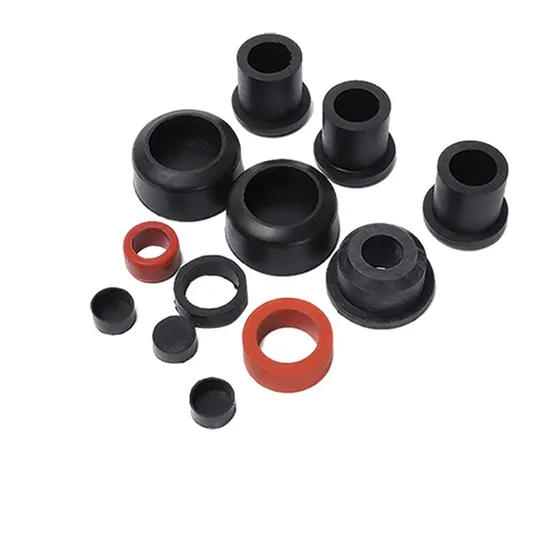
Engineering Insight: Material Selection in Shock Absorbing Pads
The performance and longevity of shock absorbing pads in industrial applications are fundamentally determined by material selection. While off-the-shelf rubber pads are often marketed as universal solutions, they frequently fail under real-world operational conditions due to mismatched mechanical properties, environmental resistance, and load dynamics. At Suzhou Baoshida Trading Co., Ltd., we emphasize engineered material solutions tailored to specific application parameters, ensuring optimal damping, durability, and safety.
Standard rubber compounds used in generic pads typically employ low-cost materials such as reclaimed rubber or unoptimized SBR (styrene-butadiene rubber). These materials lack consistent cross-link density, leading to premature compression set, reduced rebound resilience, and accelerated aging. In high-vibration or high-impact environments—such as heavy machinery mounts, conveyor systems, or industrial rail applications—these deficiencies result in pad collapse, misalignment, and increased maintenance downtime.
Critical material properties must be matched to application demands. Hardness (Shore A) dictates load distribution and resistance to deformation. Too soft, and the pad bottoms out; too hard, and it transmits excessive vibration. Tensile strength and elongation at break determine resistance to tearing under dynamic stress. Most importantly, resilience—the ability to return to original shape after deformation—directly impacts energy absorption efficiency. Additionally, resistance to oils, ozone, UV exposure, and temperature extremes must be evaluated, as environmental degradation is a leading cause of field failure.
At Baoshida, we utilize premium synthetic elastomers including NBR (nitrile butadiene rubber) for oil resistance, EPDM for thermal and UV stability, and polyurethane for high load-bearing and abrasion resistance. Each formulation is compounded with precise filler systems, plasticizers, and vulcanizing agents to achieve target performance metrics. Custom curing profiles further enhance structural integrity and long-term stability.
The following table outlines key material properties for common elastomers used in industrial shock absorbing pads:
| Material | Hardness Range (Shore A) | Tensile Strength (MPa) | Elongation at Break (%) | Resilience (%) | Key Resistance Properties |
|---|---|---|---|---|---|
| Natural Rubber (NR) | 40–80 | 18–25 | 400–600 | 70–80 | Abrasion, fatigue |
| SBR (Styrene-Butadiene) | 50–85 | 15–22 | 300–500 | 50–60 | Wear, moderate oils |
| NBR (Nitrile) | 60–90 | 10–20 | 200–400 | 55–65 | Oils, fuels, hydrocarbons |
| EPDM | 50–80 | 12–18 | 300–500 | 60–70 | Heat, ozone, UV, water |
| Polyurethane (PU) | 70–95 | 25–45 | 300–500 | 65–75 | Abrasion, high load |
Off-the-shelf pads often use generic SBR or blended compounds that compromise across all properties, resulting in suboptimal performance. In contrast, application-specific engineering ensures that each shock absorbing pad meets the exact mechanical and environmental demands of the system. By prioritizing material science in design, Suzhou Baoshida delivers solutions that reduce vibration transmission, extend equipment life, and minimize unplanned maintenance.
Material Specifications
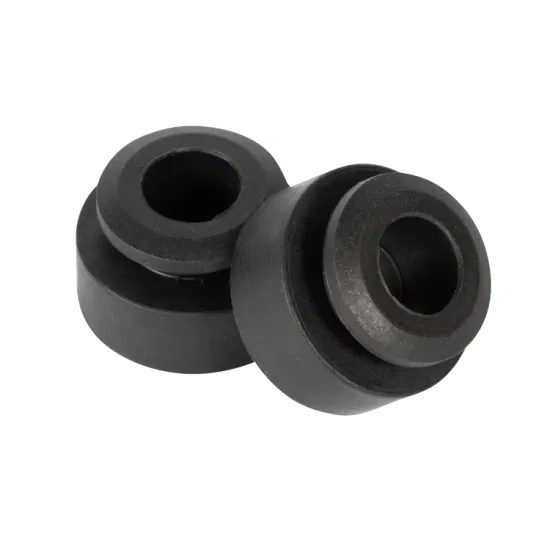
Material Specifications for Industrial Shock Absorbing Pads
Precise material selection is paramount for shock absorbing pads in demanding industrial applications. Performance hinges on dynamic properties including compression set resistance, resilience, and environmental stability. At Suzhou Baoshida Trading Co., Ltd., we rigorously formulate Viton (FKM), Nitrile (NBR), and Silicone (VMQ) compounds to meet exacting OEM specifications. Each elastomer offers distinct advantages dictated by operational parameters such as temperature extremes, chemical exposure, and load frequency. Misalignment between material properties and service conditions directly accelerates fatigue failure and compromises vibration isolation integrity.
Viton (FKM) excels in high-temperature and aggressive chemical environments. Our FKM formulations maintain stability from -20°C to +230°C, resisting fuels, oils, acids, and ozone far beyond standard elastomers. With tensile strengths of 12-18 MPa and compression set values below 25% after 70 hours at 150°C (ASTM D395 Method B), Viton pads are ideal for aerospace actuators, chemical processing equipment, and turbocharger mounts where failure is non-negotiable. Cost considerations position it for critical applications only.
Nitrile (NBR) remains the dominant solution for oil and fuel resistance in cost-sensitive applications. Our high-acrylonitrile NBR compounds operate effectively between -30°C and +120°C, with exceptional resistance to hydraulic fluids, aliphatic hydrocarbons, and water. Typical tensile strength ranges from 15-22 MPa, while low compression set (≤30% at 100°C/22h) ensures long-term recovery in dynamic loading. This balance of performance and economy makes NBR the standard for automotive engine mounts, industrial hydraulics, and machinery bases exposed to petroleum derivatives.
Silicone (VMQ) provides unparalleled thermal range and electrical insulation but requires careful design for high-load scenarios. Our VMQ pads function from -60°C to +200°C, with excellent resistance to oxidation, weathering, and ozone. While tensile strength is moderate (6-10 MPa), its low glass transition temperature (-120°C) ensures flexibility in cryogenic settings. Compression set values of 20-35% (200°C/22h) suit applications where thermal cycling dominates over mechanical stress, such as semiconductor manufacturing stages, medical device dampers, and outdoor electronics housings.
Material performance is quantified below for direct comparison under standardized test conditions:
| Property | Viton (FKM) | Nitrile (NBR) | Silicone (VMQ) | Test Standard |
|---|---|---|---|---|
| Durometer Range (Shore A) | 60 – 90 | 50 – 90 | 30 – 80 | ASTM D2240 |
| Temperature Range (°C) | -20 to +230 | -30 to +120 | -60 to +200 | ISO 188 |
| Tensile Strength (MPa) | 12 – 18 | 15 – 22 | 6 – 10 | ASTM D412 |
| Elongation at Break (%) | 150 – 300 | 250 – 500 | 200 – 600 | ASTM D412 |
| Compression Set (%)* | ≤25 | ≤30 | 20 – 35 | ASTM D395 B |
| Key Chemical Resistance | Fuels, Acids, Ozone | Oils, Fuels, Water | Ozone, Weathering | ISO 1817 |
*After 22 hours at material-specific elevated temperature (FKM: 150°C, NBR: 100°C, VMQ: 200°C).
Optimal shock absorption requires matching elastomer physics to the specific energy dissipation profile and environmental stressors. Suzhou Baoshida Trading Co., Ltd. provides certified material test reports and application engineering support to validate compound selection against your dynamic load requirements. Consistent performance demands adherence to specified cure parameters and post-cure protocols during manufacturing.
Manufacturing Capabilities
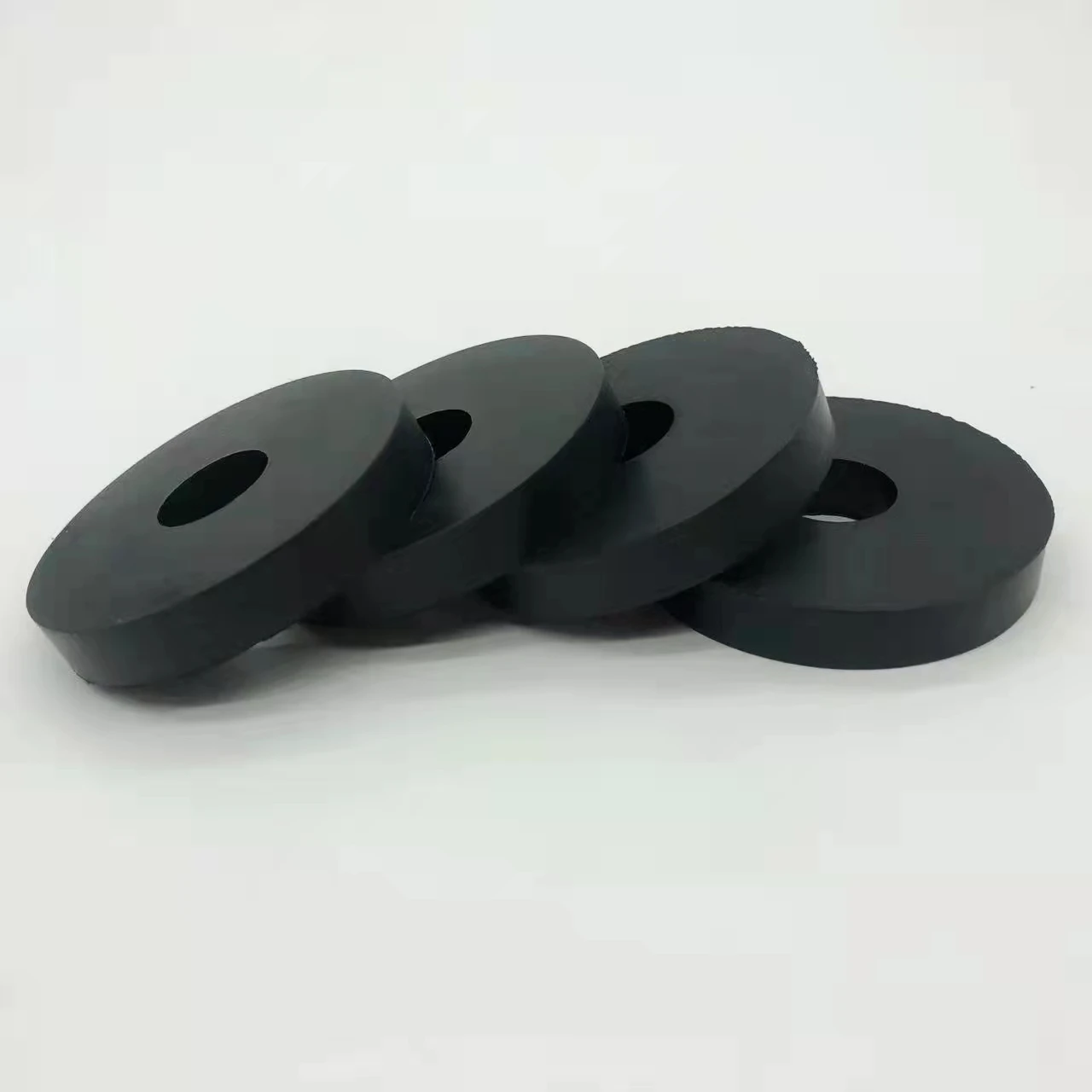
Engineering Capability
At Suzhou Baoshida Trading Co., Ltd., our engineering capability forms the backbone of our industrial rubber solutions, particularly in the design and production of high-performance shock absorbing pads. With a dedicated team of five specialized mould engineers and two advanced rubber formula engineers, we maintain full in-house control over the entire development cycle—from concept and material formulation to precision tooling and OEM manufacturing. This integrated technical structure enables us to deliver custom-engineered products that meet exacting performance standards across diverse industrial applications.
Our mould engineers possess extensive experience in designing complex rubber-to-metal bonded components, ensuring optimal geometry, dimensional accuracy, and long-term durability under dynamic load conditions. Utilizing advanced CAD/CAM software and CNC machining techniques, they develop precision steel moulds that support consistent replication of critical features such as compression profiles, shear zones, and bonding interfaces. Each mould is rigorously tested for cycle life and thermal stability, guaranteeing sustained production efficiency and part integrity.
Complementing this is our proprietary rubber formulation expertise. Our two formula engineers specialize in tailoring elastomer compounds to meet specific mechanical, thermal, and environmental requirements. By adjusting polymer base, filler content, cross-linking systems, and additive packages, we develop custom rubber formulations with targeted hardness, damping characteristics, compression set resistance, and aging performance. This scientific approach allows us to produce shock absorbing pads that perform reliably in extreme temperatures, high vibration environments, and corrosive conditions.
As an OEM manufacturer, we support clients from initial technical consultation through to mass production. Our engineering team collaborates directly with customer R&D departments to analyze load specifications, dynamic stresses, and installation constraints. This collaborative process ensures that every shock absorbing pad is optimized for its intended application—whether in heavy machinery, rail systems, industrial automation, or precision equipment.
We maintain strict quality control throughout development and production, with in-house testing facilities for hardness, tensile strength, compression deflection, and fatigue resistance. Our ISO-compliant processes ensure traceability and repeatability across batches.
The following table summarizes typical performance specifications achievable with our engineered shock absorbing pads:
| Property | Test Method | Typical Value Range |
|---|---|---|
| Hardness (Shore A) | ASTM D2240 | 40–90 |
| Tensile Strength | ASTM D412 | 8–20 MPa |
| Elongation at Break | ASTM D412 | 200–500% |
| Compression Set (24h @ 70°C) | ASTM D395 | ≤25% |
| Operating Temperature | — | -40°C to +120°C |
| Damping Coefficient | Dynamic Mechanical Analysis | 0.05–0.18 |
| Bond Strength (Rubber-to-Metal) | ASTM D429 | ≥7 MPa |
Our technical team’s dual focus on material science and precision engineering allows Suzhou Baoshida to deliver OEM shock absorbing solutions that combine superior performance with long-term reliability. We remain committed to innovation, quality, and responsive engineering support for global industrial partners.
Customization Process
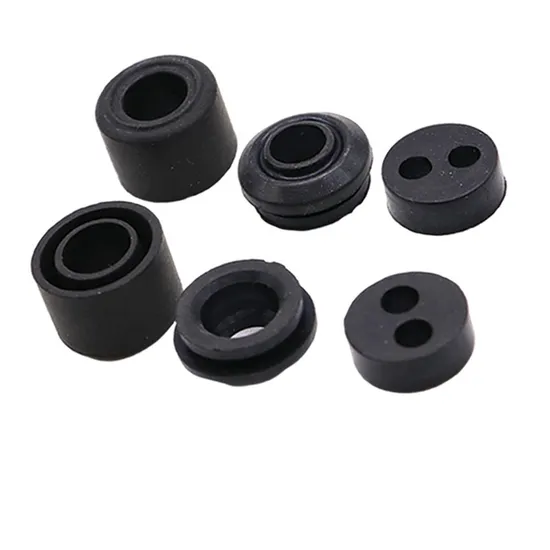
Customization Process for Industrial Shock Absorbing Pads
At Suzhou Baoshida Trading Co., Ltd., our shock absorbing pad customization follows a rigorously defined engineering pathway to ensure optimal performance under demanding industrial conditions. This process eliminates guesswork by anchoring each phase in material science and precision manufacturing protocols. We begin with comprehensive Drawing Analysis, where our engineering team dissects client-provided technical schematics and operational requirements. Critical parameters such as load distribution profiles, dynamic stress cycles, environmental exposure (e.g., ozone, oil, temperature extremes), and dimensional tolerances are quantified against ISO 18265 standards. This phase identifies non-negotiable functional boundaries, ensuring subsequent material development aligns with real-world mechanical demands. Ambiguities are resolved through direct OEM collaboration, preventing downstream deviations.
Material Formulation leverages Suzhou Baoshida’s proprietary polymer database and decades of compounding expertise. Based on the drawing analysis, our rubber chemists select base polymers—typically EPDM, NBR, or polyurethane—and engineer custom compounds targeting precise damping coefficients, compression set resistance, and fatigue life. Additives like nano-silica or specialized antioxidants are calibrated to achieve required Shore A hardness, resilience, and thermal stability. Every formulation undergoes virtual simulation via finite element analysis (FEA) to predict dynamic behavior before physical prototyping, reducing iteration cycles by 40%.
Prototyping employs CNC-machined molds and controlled-vulcanization processes to produce ISO-conforming test samples. Each prototype batch undergoes ASTM D2000-compliant validation: dynamic mechanical analysis (DMA) for hysteresis curves, accelerated aging tests per ASTM D573, and compression deflection profiling under simulated load conditions. Clients receive detailed test reports with pass/fail metrics against their original specifications. Only after OEM sign-off on all performance criteria do we advance to Mass Production.
Full-scale manufacturing occurs in our ISO 9001-certified facility using automated mixing lines and precision hydraulic presses. Statistical process control (SPC) monitors key variables like cure time, temperature uniformity, and durometer consistency in real time. Every production lot undergoes 100% visual inspection and random batch testing for dimensional accuracy and mechanical properties. Traceability is maintained via laser-etched batch codes, ensuring full accountability from raw material to finished pad.
Key Material Specifications and Customization Capabilities
| Parameter | Standard Range | Customization Capability | Validation Method |
|---|---|---|---|
| Hardness (Shore A) | 30–90 | ±2 units tolerance | ASTM D2240 |
| Temperature Range | -40°C to +120°C | Up to +150°C (special compounds) | ASTM D573 |
| Compression Set | ≤25% (70h @ 70°C) | ≤15% achievable | ASTM D395 Method B |
| Tensile Strength | 8–25 MPa | Up to 35 MPa | ASTM D412 |
| Oil Resistance | ASTM Type A/B | Type F (specialized) | ASTM D471 |
This structured approach ensures Suzhou Baoshida delivers shock absorbing pads that consistently meet exacting industrial requirements, minimizing equipment downtime and extending service life. Our commitment to scientific validation at every stage transforms client specifications into engineered reality.
Contact Engineering Team
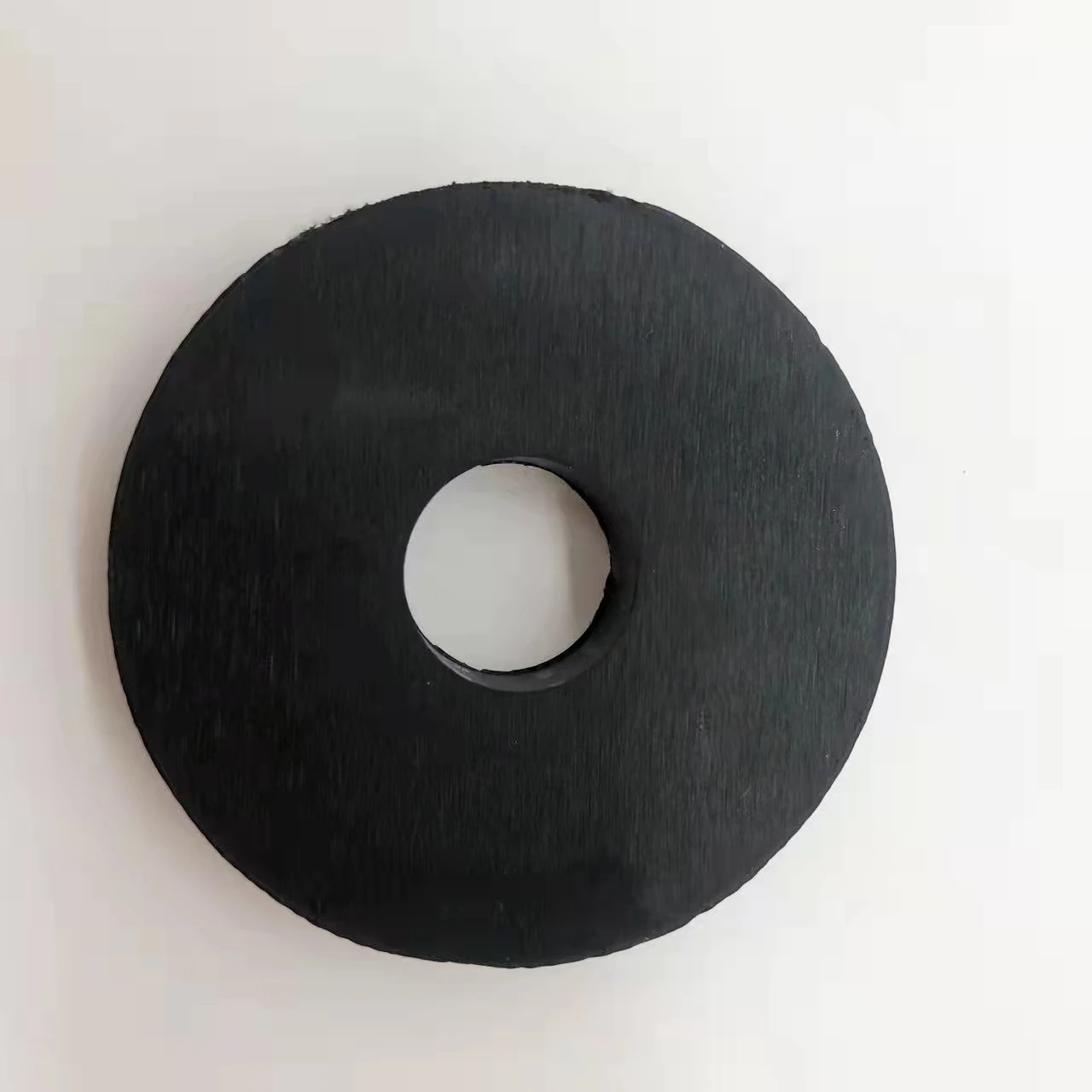
Contact Suzhou Baoshida for High-Performance Shock Absorbing Pads
Suzhou Baoshida Trading Co., Ltd. stands at the forefront of industrial rubber solutions, delivering precision-engineered shock absorbing pads tailored to meet the rigorous demands of modern manufacturing, transportation, and heavy machinery applications. Our expertise lies in formulating advanced rubber compounds that combine optimal elasticity, durability, and damping efficiency to protect equipment, reduce vibration transmission, and enhance operational safety. As your trusted OEM partner, we specialize in customizing solutions based on load requirements, environmental exposure, and dynamic stress conditions.
For immediate technical consultation or product sourcing, contact Mr. Boyce, Rubber Formula Engineer and OEM Manager, directly at [email protected]. Mr. Boyce leads material development and client integration, ensuring that every shock absorbing pad we supply meets exact performance benchmarks and industry compliance standards. Whether you require standard configurations or fully engineered-to-order components, our team provides end-to-end support—from material selection and prototyping to volume production and logistics coordination.
Our manufacturing process integrates state-of-the-art compounding technologies with rigorous quality control protocols, including Shore hardness verification, compression set testing, and dynamic fatigue analysis. We utilize natural rubber (NR), nitrile rubber (NBR), ethylene propylene diene monomer (EPDM), and other specialty elastomers to achieve targeted mechanical properties. Each formulation is optimized for specific service environments, including resistance to oil, ozone, UV exposure, and temperature extremes ranging from -40°C to +120°C.
We serve a global client base across automotive assembly lines, rail infrastructure, industrial automation, and precision equipment sectors. Our shock absorbing pads are designed to minimize structural resonance, prevent premature wear, and comply with ISO 9001 and RoHS standards. With in-house mold design, rapid sample turnaround (typically 7–10 working days), and scalable production capacity, Suzhou Baoshida ensures timely delivery without compromising on consistency or performance.
To initiate a technical discussion or request a customized quotation, reach out to Mr. Boyce with your application parameters, load specifications, and environmental conditions. We respond to all inquiries within 24 business hours and offer material data sheets, 3D CAD models, and sample kits upon request.
Below are representative technical specifications for our standard shock absorbing pad series:
| Property | Test Method | Value (Typical) |
|---|---|---|
| Hardness (Shore A) | ASTM D2240 | 50–80 ±5 |
| Tensile Strength | ASTM D412 | ≥12 MPa |
| Elongation at Break | ASTM D412 | ≥300% |
| Compression Set (22h, 70°C) | ASTM D395 | ≤25% |
| Operating Temperature Range | – | -40°C to +120°C |
| Damping Coefficient (Tan δ) | ISO 6721 | 0.18–0.32 @ 1Hz |
| Specific Gravity | ASTM D297 | 1.15 ±0.05 |
Partner with Suzhou Baoshida to integrate scientifically validated rubber solutions into your engineering systems. Contact Mr. Boyce today at [email protected] to optimize your vibration control strategy with precision-formulated shock absorbing pads.
⚖️ O-Ring Weight Calculator
Estimate rubber O-ring weight (Approx).