
Technical Contents
Engineering Guide: Side Seal
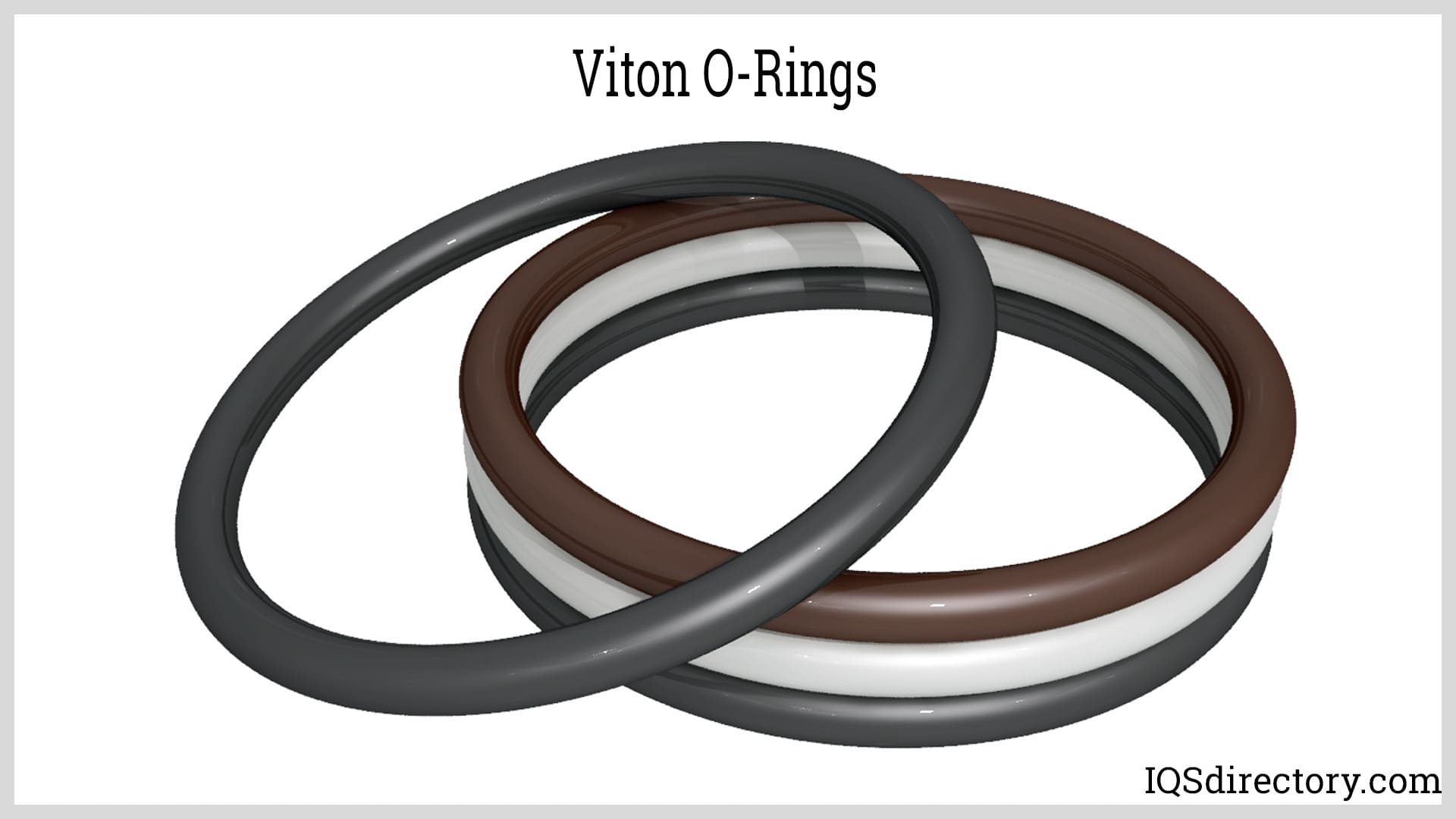
Engineering Insight: Material Selection Imperatives for Side Seals
Side seals operate under uniquely demanding conditions characterized by asymmetric pressure loading, cyclic thermal exposure, and frequent chemical interaction. Unlike symmetrical sealing applications, side seals experience non-uniform stress distribution across the sealing lip, accelerating localized degradation. Material selection is not merely a cost consideration but a fundamental determinant of functional longevity. Off-the-shelf elastomer solutions frequently fail in these applications due to inadequate customization for the specific tribo-mechanical environment. Generic compounds lack the tailored resilience to withstand combined shear forces, thermal expansion differentials, and fluid compatibility requirements inherent to side seal geometries.
The core failure mechanism in mismatched materials manifests as premature compression set or extrusion at the high-pressure lip interface. Standard NBR or EPDM formulations, while economical for static seals, exhibit excessive permanent deformation under sustained asymmetric loads. This results in loss of sealing force within 30-50% of the intended service life. Furthermore, unmodified compounds often lack resistance to modern synthetic lubricants or cleaning agents, leading to swelling-induced lip distortion or chemical hardening. Such failures are rarely instantaneous but progress insidiously through micro-extrusion gaps, culminating in catastrophic seal lip deformation and system contamination.
Critical material properties must be engineered at the molecular level. Optimal side seal performance requires balancing Shore A hardness (typically 70-85), low-temperature flexibility, and exceptional resistance to compression set below 20% after 70 hours at 100°C. Fillers and plasticizers must be precisely dosed to prevent migration under thermal cycling, while polymer backbone saturation dictates chemical resilience. Suzhou Baoshida’s OEM-grade formulations utilize peroxide-cured systems with reinforced polymer networks to achieve this equilibrium, directly addressing the asymmetric stress profile through controlled crosslink density.
The following table summarizes critical performance differentiators between standard and engineered compounds for side seal applications:
| Property | Standard Off-the-Shelf NBR | Baoshida OEM-Engineered FKM Blend | Failure Consequence in Side Seals |
|---|---|---|---|
| Compression Set (100°C/70h) | 35-45% | 12-18% | Loss of sealing force, leakage paths |
| Temperature Range (°C) | -30 to +120 | -20 to +230 | Thermal hardening at lip interface |
| Fluid Resistance (PAO) | Moderate swelling (8-12%) | Negligible (1-3%) | Lip distortion, extrusion |
| Tensile Strength (MPa) | 15-18 | 22-26 | Tear propagation under shear load |
OEMs selecting non-specialized materials inevitably face accelerated field failures, warranty claims, and reputational damage. Suzhou Baoshida’s approach begins with fluid dynamics analysis of the seal cavity to map pressure gradients, followed by compound simulation under actual operating conditions. This eliminates the guesswork of off-the-shelf solutions, transforming side seals from a failure point into a reliability asset. Precision compounding is not an overhead—it is the engineering foundation preventing system-level compromise.
Material Specifications
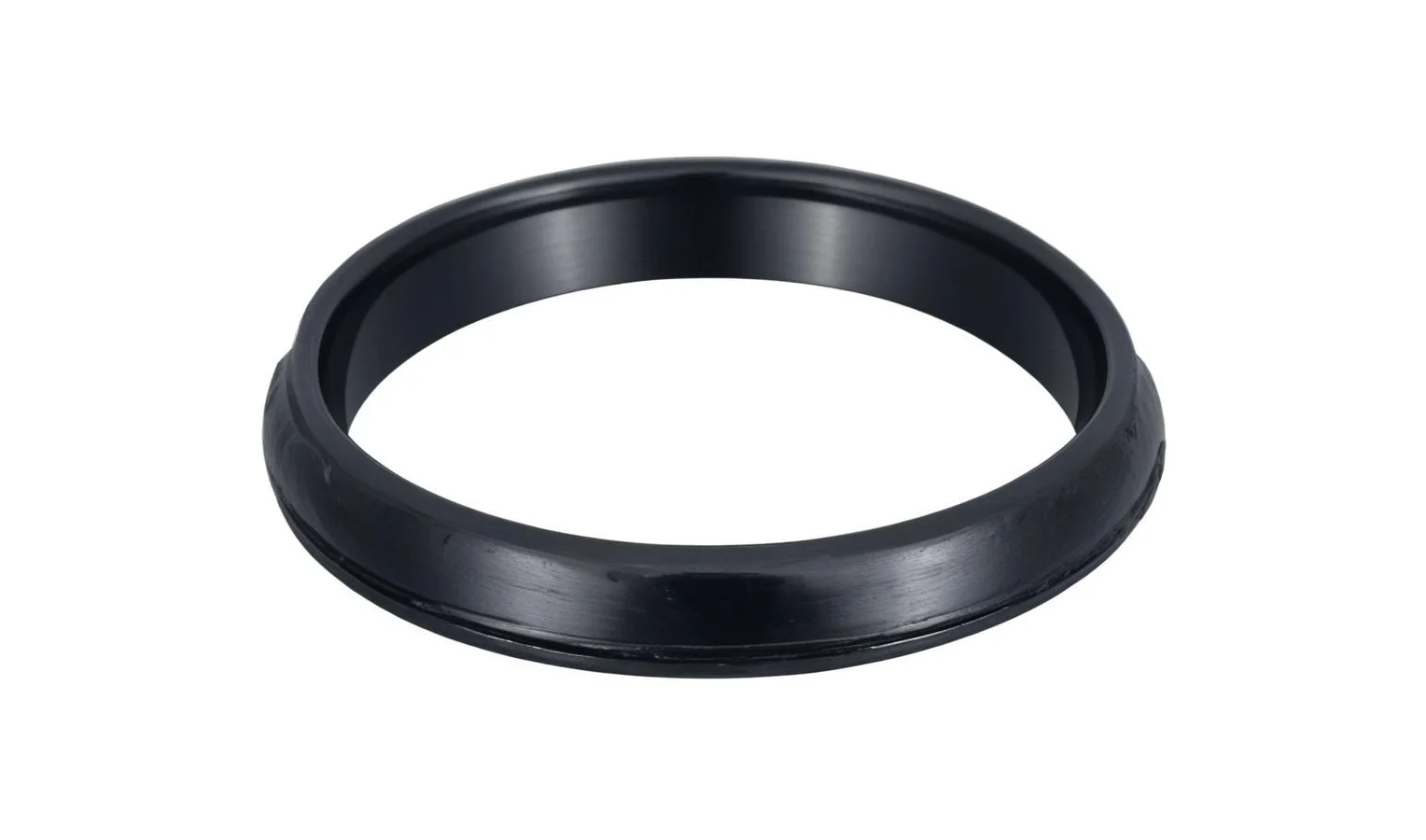
Material selection for side seal applications in precision rubber sealing systems is critical to ensuring long-term performance under dynamic mechanical and environmental conditions. At Suzhou Baoshida Trading Co., Ltd., we engineer side seals to meet stringent industrial demands, focusing on chemical resistance, thermal stability, compression set, and mechanical durability. The three primary elastomers used in our side seal manufacturing—Viton (FKM), Nitrile (NBR), and Silicone (VMQ)—each offer distinct performance profiles tailored to specific operational environments.
Viton is a fluorocarbon-based rubber renowned for its exceptional resistance to high temperatures, aggressive chemicals, and hydrocarbon fuels. With a continuous service temperature range up to 230°C, Viton side seals are ideal for aerospace, automotive, and oil & gas applications where exposure to engine oils, acids, and halogenated solvents is common. Its low gas permeability and excellent aging characteristics enhance seal reliability in critical systems. However, Viton exhibits lower flexibility at sub-zero temperatures and higher material cost compared to alternatives.
Nitrile rubber, or Buna-N, is widely used for side seals in hydraulic and pneumatic systems due to its excellent resistance to oils, greases, and aliphatic hydrocarbons. It offers good abrasion resistance and mechanical strength, with a service temperature range of -30°C to 120°C, extendable to 150°C for short durations. Nitrile is particularly effective in industrial machinery and mobile equipment where cost-effective, durable sealing is required. Limitations include poor resistance to ozone, UV radiation, and polar solvents, which may necessitate protective coatings or alternative materials in outdoor or chemical processing environments.
Silicone rubber provides outstanding thermal stability from -60°C to 200°C, making it suitable for extreme temperature cycling applications such as food processing, pharmaceuticals, and electronics. It maintains flexibility at low temperatures and exhibits excellent resistance to oxidation and UV exposure. Silicone side seals are non-toxic and compliant with FDA and USP Class VI standards, supporting use in sanitary and medical-grade systems. However, silicone has relatively low tensile strength and poor resistance to petroleum-based fluids, limiting its use in high-pressure or oil-rich environments.
The selection of the appropriate elastomer must balance performance requirements, environmental exposure, regulatory compliance, and total cost of ownership. Below is a comparative summary of key material properties for side seal applications.
| Property | Viton (FKM) | Nitrile (NBR) | Silicone (VMQ) |
|---|---|---|---|
| Temperature Range (°C) | -20 to 230 | -30 to 120 | -60 to 200 |
| Tensile Strength (MPa) | 15–20 | 10–25 | 5–10 |
| Elongation at Break (%) | 150–300 | 200–500 | 200–700 |
| Hardness (Shore A) | 60–90 | 50–90 | 30–80 |
| Compression Set (22h, 150°C) | 15–30% | 20–40% | 20–35% |
| Resistance to Oils/Fuels | Excellent | Excellent | Poor |
| Resistance to Ozone/UV | Excellent | Fair | Excellent |
| Resistance to Water/Steam | Good | Fair | Good |
| FDA Compliance | Limited grades | No | Yes (specific grades) |
Each material must be evaluated against the operational profile of the side seal application. Suzhou Baoshida Trading Co., Ltd. supports custom formulation and testing to ensure optimal performance across diverse industrial sectors.
Manufacturing Capabilities
Engineering Capability: Precision Side Seal Development and OEM Integration
Suzhou Baoshida Trading Co., Ltd. delivers mission-critical side seal solutions through integrated material science and precision manufacturing. Our engineering framework addresses the dual challenges of dynamic sealing performance and environmental resilience, particularly in automotive transmission systems, hydraulic assemblies, and industrial rotating equipment. Side seals operate under extreme torsional stress, fluid exposure, and thermal cycling, demanding exacting control over polymer formulation and geometric integrity. We mitigate failure modes like extrusion, compression set, and chemical degradation through concurrent development of elastomer compounds and mold tooling.
Our core advantage lies in the seamless collaboration between five dedicated mold engineers and two specialized rubber formula engineers. Mold engineers deploy advanced simulation tools (Moldflow, SolidWorks Plastics) to optimize cavity design, runner systems, and venting for zero flash and uniform material flow. This ensures ±0.05 mm dimensional repeatability across complex geometries, including asymmetric lips and multi-land profiles. Concurrently, formula engineers manipulate polymer crosslink density, filler dispersion, and additive packages to achieve target properties. For instance, custom FKM formulations resist automatic transmission fluid (ATF) at 150°C for 5,000+ hours while maintaining 20% compression set. This vertical integration eliminates iterative delays between material development and tooling validation, accelerating time-to-prototype by 30%.
As a certified OEM partner, we implement closed-loop production systems compliant with ISO/TS 16949. Our process begins with joint failure mode and effects analysis (FMEA) to define critical-to-quality parameters. We then co-engineer seals using client-specific boundary conditions—such as shaft runout tolerances or fluid compatibility matrices—and validate performance via in-house dynamometer testing. Full traceability from raw material lot to finished part is maintained through barcode-linked ERP systems, enabling rapid root cause analysis during production ramps. This methodology supports low-volume prototyping through high-volume manufacturing (1M+ units annually) with near-zero defect rates.
Material and performance specifications are rigorously controlled as follows:
| Parameter | Industry Standard | Baoshida Capability |
|---|---|---|
| Compression Set (70h/150°C) | ≤35% (ASTM D395) | ≤18% (Custom FKM) |
| Temperature Range | -30°C to +150°C | -40°C to +200°C (Perfluoro) |
| Dimensional Tolerance | ±0.10 mm | ±0.03 mm (Critical Zones) |
| Fluid Resistance (ATF) | 500h @ 120°C | 5,000h @ 150°C |
| Production Yield | 95-97% | 99.2% (Automated Vision) |
This technical rigor ensures side seals maintain sealing force under 0.5mm shaft eccentricity and 5,000 psi pressure surges—critical for preventing catastrophic fluid loss in powertrain systems. By unifying formula innovation with precision tooling expertise, Suzhou Baoshida transforms sealing challenges into reliability advantages for global OEMs. Our engineering pipeline converts material science into measurable operational uptime, setting benchmarks for the next generation of dynamic sealing applications.
Customization Process
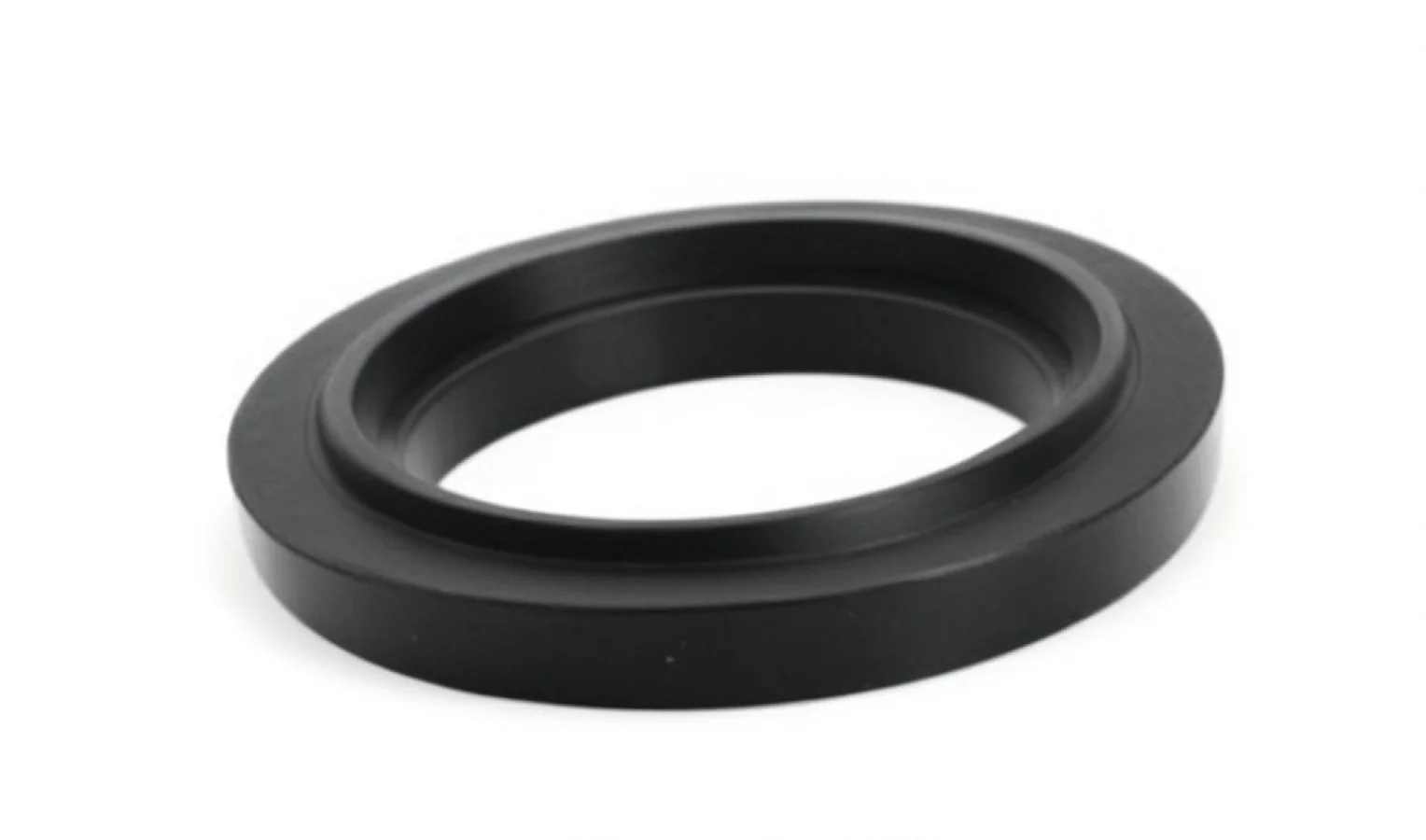
Drawing Analysis: The Foundation of Precision
The customization process for side seals begins with a rigorous drawing analysis, where engineering specifications are dissected to ensure dimensional accuracy, tolerance compliance, and functional suitability. At Suzhou Baoshida Trading Co., Ltd., our technical team evaluates customer-provided CAD models or 2D technical drawings, focusing on critical parameters such as cross-sectional diameter, lip geometry, sealing surface finish, and installation clearance. We assess environmental exposure factors including temperature range, media compatibility (e.g., oils, water, chemicals), and dynamic or static application mode. This phase also involves verifying adherence to international standards such as ISO 3601 for fluid power systems or SAE J542 for automotive applications. Any ambiguity in the drawing triggers a collaborative review with the client to prevent downstream deviations. This analytical rigor ensures that the design intent is fully captured before material development commences.
Rubber Formulation: Engineering for Performance
Based on the environmental and mechanical requirements identified in the drawing analysis, our rubber formulation specialists develop a compound tailored to the specific demands of the side seal application. We utilize a range of elastomers including NBR (nitrile butadiene rubber) for oil resistance, EPDM for weather and ozone stability, FKM (fluoroelastomer) for high-temperature performance, and silicone for extreme thermal flexibility. Additives such as reinforcing fillers, plasticizers, antioxidants, and cure systems are precisely calibrated to achieve target hardness (Shore A), compression set resistance, tensile strength, and low-temperature flexibility. Each formulation is documented and archived under a unique compound code, enabling full traceability and repeatability. The selected material is then subjected to preliminary testing in our in-house laboratory to verify compliance with performance benchmarks.
Prototyping: Validating Design and Material
Once the formulation is approved, we proceed to prototyping using precision rubber molding techniques such as injection, compression, or transfer molding, depending on the geometry and volume requirements. Prototypes are manufactured under controlled conditions that simulate mass production parameters. These samples undergo dimensional inspection via coordinate measuring machines (CMM) and are tested for sealing performance in simulated operational environments. Feedback from functional testing is used to refine either the mold design or compound formulation if necessary. This iterative process ensures that the final prototype meets all functional, durability, and regulatory requirements before transitioning to full-scale production.
Mass Production: Consistency at Scale
Upon customer approval of the prototype, we initiate mass production using automated molding lines equipped with real-time process monitoring. Each batch is subject to stringent quality control protocols, including first-article inspection, in-process sampling, and final batch testing per ISO 9001 standards. All side seals are packaged according to OEM specifications, with traceability maintained through lot numbering and material certifications.
The following table outlines typical performance specifications for common side seal materials:
| Property | NBR | EPDM | FKM | Silicone |
|---|---|---|---|---|
| Temperature Range (°C) | -30 to +120 | -50 to +150 | -20 to +200 | -60 to +200 |
| Hardness (Shore A) | 60–90 | 50–80 | 60–90 | 40–80 |
| Fluid Resistance (Oil) | Excellent | Poor | Excellent | Fair |
| Compression Set (70 hrs, 100°C) | ≤25% | ≤30% | ≤20% | ≤20% |
| Typical Applications | Hydraulic systems, gearboxes | Water systems, outdoor seals | Fuel systems, aerospace | Medical devices, high-temp seals |
Contact Engineering Team
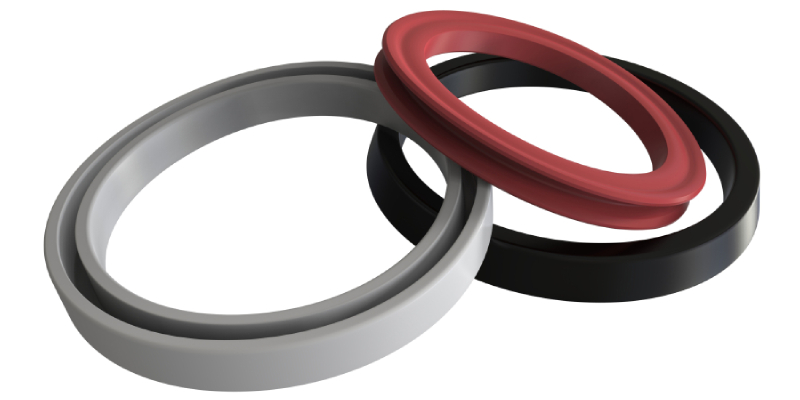
Engineered Precision for Critical Side Seal Applications
Suzhou Baoshida Trading Co., Ltd. delivers mission-critical rubber sealing solutions engineered for uncompromising performance in demanding industrial environments. Our side seals are precision-formulated to address extrusion gaps, thermal cycling, and dynamic pressure fluctuations inherent in hydraulic systems, pneumatic actuators, and rotating shaft assemblies. With proprietary compounding expertise and rigorous ASTM/ISO validation protocols, we transform material science into reliable interface integrity. Partnering with Baoshida ensures your side seals exceed lifecycle expectations while minimizing maintenance downtime and fluid leakage risks.
Material selection defines functional resilience. Our formulations balance hardness, elasticity, and chemical resistance to match your operational parameters. Below summarizes key performance characteristics of standard compounds used in side seal manufacturing. All materials undergo 72-hour compression set testing per ASTM D395 and fluid immersion validation per ISO 1817.
| Material Grade | Hardness Range (Shore A) | Continuous Temp Range (°C) | Compression Set (70°C, 22h) | Key Fluid Resistance |
|---|---|---|---|---|
| NBR 70 | 65–75 | -30 to +100 | ≤ 25% | Hydraulic oils, water, aliphatic fuels |
| EPDM 75 | 70–80 | -50 to +150 | ≤ 20% | Hot water, steam, brake fluids, acids |
| FKM 80 | 75–85 | -20 to +200 | ≤ 18% | Aromatic fuels, synthetic lubricants, HCl |
| HNBR 85 | 80–90 | -40 to +150 | ≤ 22% | Refrigerants, phosphate esters, sour gas |
These specifications reflect baseline capabilities; Baoshida’s engineering team routinely develops custom compounds for extreme conditions such as cryogenic exposure, ultra-high pressure (>500 bar), or aggressive chemical media. Our OEM partnership model integrates early-stage design collaboration, FEA-supported geometry optimization, and lot-traceable production. Every side seal undergoes 100% dimensional inspection per ISO 3302 and functional pressure testing to validate sealing force consistency.
Initiate a technical consultation with Mr. Boyce, our dedicated OEM Solutions Manager, to resolve your specific sealing challenges. Provide your application’s pressure profile, media composition, temperature extremes, and movement dynamics for a tailored material recommendation. Mr. Boyce will conduct a failure mode analysis of existing seals and propose formulations validated through accelerated life testing. This proactive approach prevents field failures and reduces total cost of ownership through extended service intervals.
Do not compromise on sealing integrity when system reliability is paramount. Contact Mr. Boyce directly to discuss custom side seal engineering, rapid prototyping, or volume production scheduling. Specify your required certifications (e.g., FDA, NORSOK, AS9100) and volume commitments for a formal technical proposal within 48 hours.
⚖️ O-Ring Weight Calculator
Estimate rubber O-ring weight (Approx).