
Technical Contents
Engineering Guide: Silicon Gasket
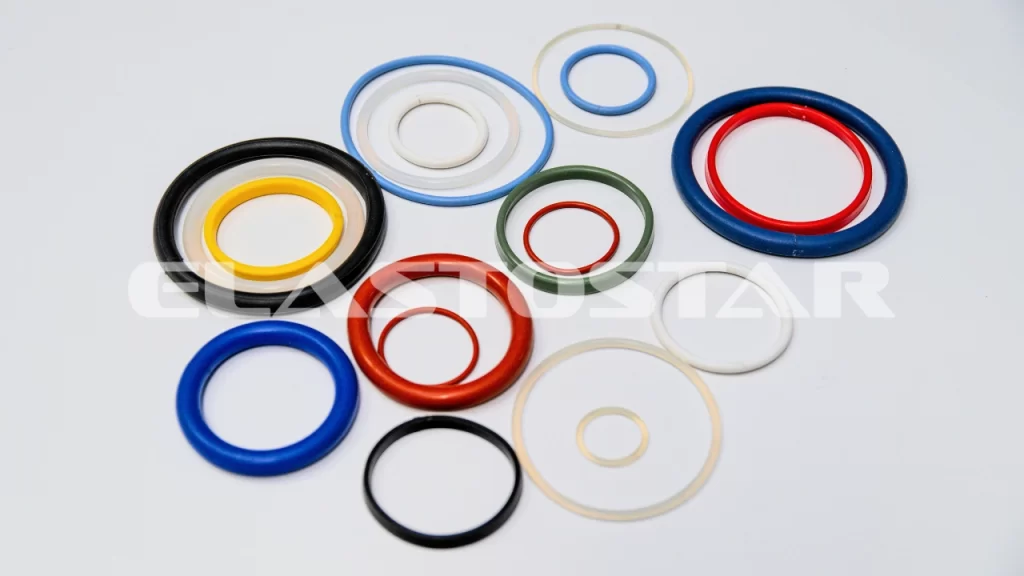
Engineering Insight: Material Selection as the Critical Determinant in Silicon Gasket Performance
The ubiquitous nature of silicon gaskets in industrial sealing applications often leads to the misconception that off-the-shelf solutions are universally adequate. As a Rubber Formula Engineer specializing in precision seals, we observe that generic silicon formulations frequently fail under demanding operational conditions, resulting in costly downtime, contamination, and safety hazards. The core issue lies not in the inherent properties of silicone rubber (VMQ) itself, but in the critical mismatch between standardized material grades and the specific, often extreme, requirements of the application environment. Material selection is not a secondary consideration; it is the foundational engineering decision dictating gasket longevity and system integrity.
Standard commercial silicones prioritize cost and broad applicability over performance optimization. They typically utilize base polymers with average molecular weight distributions and standard platinum cure systems. While suitable for benign environments like low-temperature food service or simple static seals, these formulations lack the tailored resilience required for aerospace hydraulics, semiconductor processing, or high-cycle automotive turbo systems. Key failure modes include accelerated compression set at elevated temperatures, leading to permanent loss of sealing force; inadequate resistance to specific chemicals or fuels causing swelling and degradation; and poor low-temperature flexibility resulting in brittle fracture during assembly or operation. Furthermore, off-the-shelf grades often exhibit unacceptable levels of extractables or outgassing in ultra-high vacuum or cleanroom settings, directly contaminating sensitive processes. The assumption that “silicone is silicone” ignores the profound impact of polymer architecture, filler type and loading, cure chemistry, and additive packages on end performance.
The performance chasm between standard and application-engineered silicones is quantifiable. Consider the following critical parameters:
| Property | Standard Silicone Gasket | Engineered Silicone Gasket | Test Method | Critical Application Impact |
|---|---|---|---|---|
| Continuous Temp Range | -55°C to +200°C | -65°C to +230°C | ASTM D2000 | Prevents thermal degradation in turbocharger seals |
| Compression Set (22h/200°C) | 35% | ≤15% | ASTM D395 | Maintains sealing force in long-term static seals |
| Volume Swell (IRM 903) | 15% | ≤5% | ASTM D471 | Resists swelling in aggressive brake fluids |
| Tensile Strength (MPa) | 6.0 | 9.5 | ASTM D412 | Withstands higher assembly/disassembly forces |
| Outgassing (TML) | 1.2% | ≤0.5% | ASTM E595 | Essential for satellite & semiconductor vacuum |
These specifications demonstrate why Suzhou Baoshida Trading Co., Ltd. emphasizes bespoke formulation. Our OEM engineering process begins with a rigorous analysis of the operational profile: dynamic vs. static load, media exposure, temperature extremes, cycle life, and regulatory constraints. We then select high-purity base polymers, optimize filler reinforcement for specific mechanical demands, and implement advanced cure systems—such as peroxide curing for superior thermal stability or dual-cure platinum systems for complex geometries. Additives are precisely dosed to mitigate specific failure risks, whether enhancing flame resistance per UL 94 V-0 or reducing ionic impurities for medical devices. This scientific approach transforms the gasket from a passive component into a precision-engineered interface, eliminating the preventable failures inherent in generic solutions. Material selection is not procurement; it is applied polymer science defining system reliability.
Material Specifications
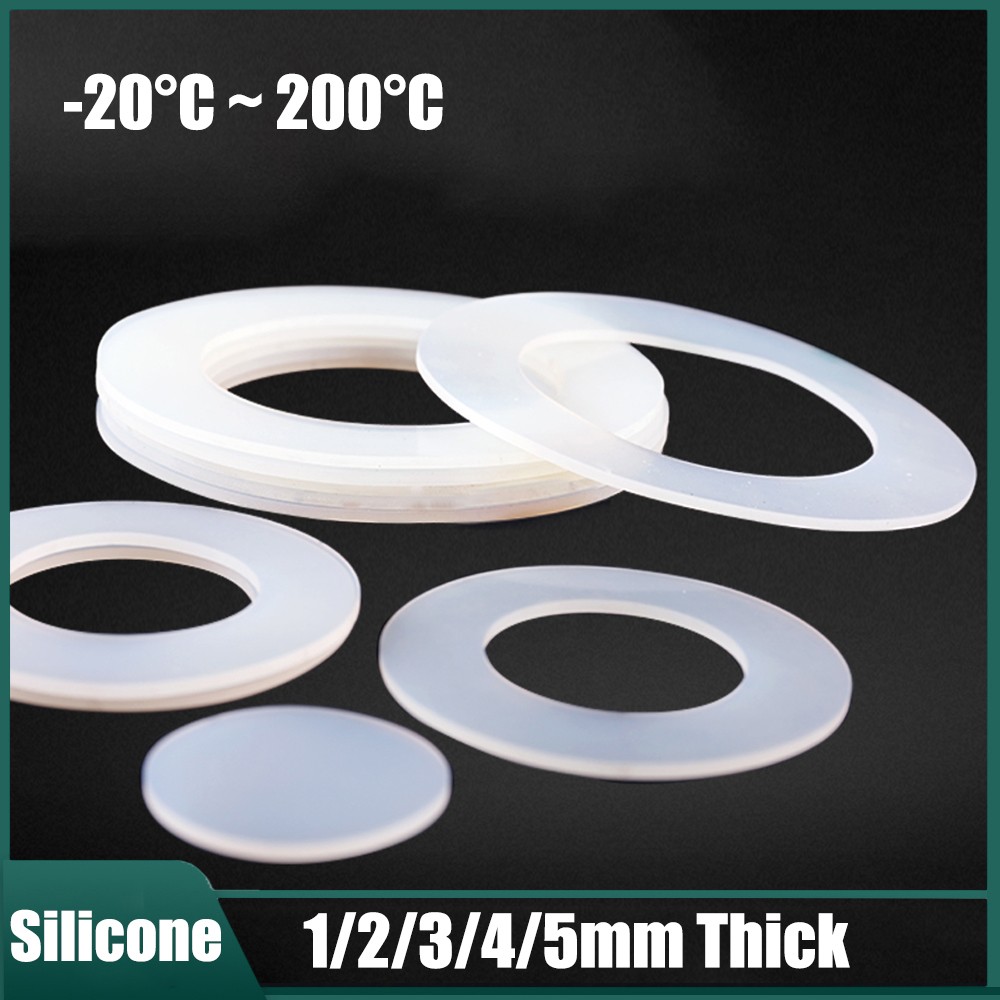
Silicon gaskets are critical components in precision sealing applications across industries such as automotive, aerospace, pharmaceuticals, and semiconductor manufacturing. At Suzhou Baoshida Trading Co., Ltd., our focus on material integrity and performance ensures that each gasket meets stringent operational demands. The selection of base elastomer directly influences the gasket’s thermal stability, chemical resistance, mechanical strength, and service life. Among the most widely used materials in high-performance sealing are Viton (FKM), Nitrile (NBR), and Silicone (VMQ). Each offers distinct advantages depending on the application environment.
Viton, a fluorocarbon-based rubber, excels in extreme temperature and chemical exposure conditions. It maintains structural integrity from -20°C to 230°C, with short-term resistance up to 300°C. Its exceptional resistance to oils, fuels, acids, and halogenated solvents makes it ideal for aerospace and chemical processing applications. However, Viton exhibits lower flexibility at low temperatures and higher material cost compared to alternatives.
Nitrile rubber, a copolymer of butadiene and acrylonitrile, provides excellent resistance to petroleum-based oils and fuels. Operating effectively between -30°C and 120°C (with some grades reaching 150°C), NBR is widely used in automotive and hydraulic systems. Its high abrasion resistance and compressive strength contribute to long-term durability in dynamic sealing environments. Limitations include poor ozone and UV resistance, as well as reduced performance in the presence of polar solvents and aromatic hydrocarbons.
Silicone rubber, known for its outstanding thermal stability and biocompatibility, operates reliably from -60°C to 200°C. It demonstrates excellent resistance to oxidation, UV radiation, and weathering, making it suitable for outdoor and medical applications. Silicone’s low toxicity and compliance with FDA and USP Class VI standards support its use in food processing and pharmaceutical equipment. While it offers good electrical insulation properties, silicone has relatively low tensile and tear strength, and is less resistant to petroleum-based fluids.
Selection among these materials must consider fluid compatibility, temperature range, mechanical stress, and regulatory requirements. Suzhou Baoshida Trading Co., Ltd. supports OEMs with material testing data and application engineering to ensure optimal gasket performance and longevity.
Below is a comparative summary of key physical and chemical properties for Viton, Nitrile, and Silicone rubber gaskets.
| Property | Viton (FKM) | Nitrile (NBR) | Silicone (VMQ) |
|---|---|---|---|
| Temperature Range (°C) | -20 to 230 (up to 300 short-term) | -30 to 120 (up to 150) | -60 to 200 |
| Tensile Strength (MPa) | 15–25 | 10–20 | 5–10 |
| Elongation at Break (%) | 150–300 | 200–500 | 200–700 |
| Hardness (Shore A) | 60–90 | 50–90 | 30–80 |
| Fluid Resistance (Oils/Fuels) | Excellent | Excellent | Poor to Fair |
| Chemical Resistance | Excellent (acids, solvents) | Good (aliphatic hydrocarbons) | Fair |
| Ozone/UV Resistance | Excellent | Poor | Excellent |
| Compression Set Resistance | Excellent | Good | Good |
| FDA/USP Compliance | Limited grades | No | Yes (specific formulations) |
Manufacturing Capabilities
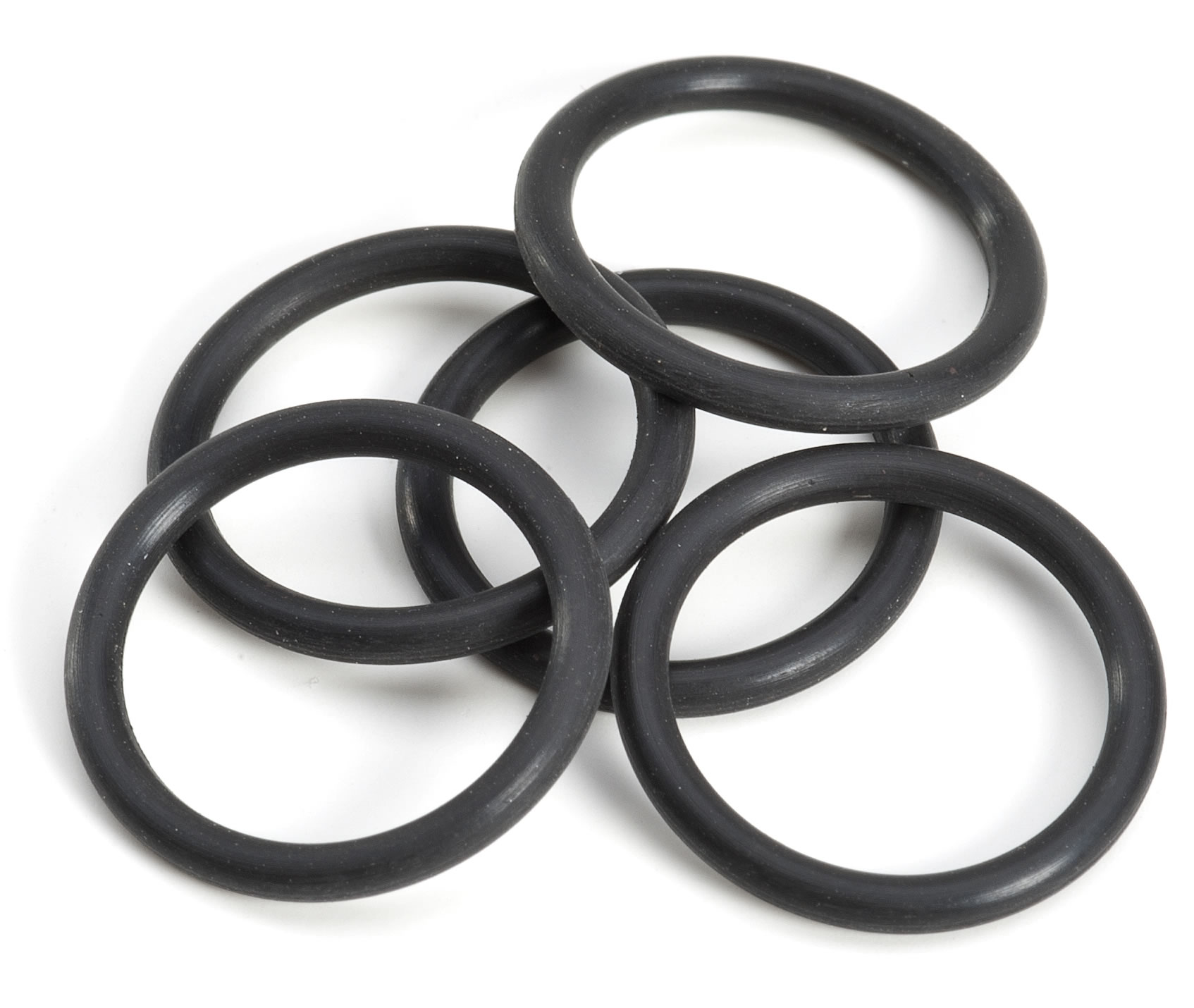
Engineering Capabilities for Precision Silicone Gasket Manufacturing
Suzhou Baoshida Trading Co., Ltd. deploys a dedicated team of seven specialized engineers—five Mould Engineers and two Rubber Formula Engineers—to deliver mission-critical silicone gasket solutions for demanding industrial applications. This integrated technical force ensures end-to-end control from molecular design to finished component, directly addressing OEM requirements for performance, durability, and regulatory compliance. Our methodology merges deep polymer science expertise with precision tooling innovation, eliminating traditional silos between material development and manufacturing execution.
Polymer Formulation Expertise
Our two Rubber Formula Engineers optimize silicone compounds at the molecular level, tailoring formulations to specific operational environments. This includes adjusting cross-linking density for enhanced compression set resistance, incorporating specialty fillers for thermal stability up to 300°C, and modifying surface energy for adhesion-critical interfaces. Each compound undergoes rigorous in-house validation against ASTM D2000 and ISO 3601 standards, with formulations engineered to minimize outgassing in vacuum applications or resist degradation from aggressive media like biodiesel or aerospace hydraulic fluids. Real-time adjustments during pilot production ensure seamless scalability from lab batch to high-volume manufacturing.
Mould Engineering Synergy
The five-member Mould Engineering team collaborates directly with formula specialists to translate material properties into precision tooling geometry. We employ 3D flow simulation software to predict polymer behavior during injection, optimizing gate placement and venting to eliminate knit lines in complex multi-cavity tools. All moulds feature hardened steel construction with tolerances held to ±0.025 mm, incorporating temperature-controlled manifold systems to maintain consistent cure profiles across production runs. This co-engineering approach reduces trial iterations by 40% compared to conventional sequential development cycles.
OEM Workflow Integration
Our OEM process begins with joint design reviews using customer CAD data, where we identify potential sealing surface deflection risks or assembly interference issues before tool fabrication. Dedicated project managers maintain full traceability via ERP-linked batch records, including raw material lot numbers, cure profiles, and dimensional inspection data. For regulated industries, we provide full PPAP documentation with material certifications traceable to ISO 17025-accredited third-party test reports.
Critical Silicone Gasket Performance Specifications
| Property | Standard Value Range | Test Method |
|---|---|---|
| Hardness (Shore A) | 50–80 | ASTM D2240 |
| Tensile Strength | ≥6.5 MPa | ASTM D412 |
| Elongation at Break | ≥250% | ASTM D412 |
| Compression Set (22h/150°C) | ≤20% | ASTM D395 Method B |
| Operating Temperature | -60°C to +300°C | ISO 188 |
| Fluid Resistance (IRMOG) | Grade AA | ISO 3601-3 |
Quality Assurance Protocol
Every production lot undergoes 100% automated vision inspection for critical dimensions, supplemented by destructive testing of cross-section integrity and hardness uniformity. Our IATF 16949-certified facility maintains class 8 cleanroom conditions for medical and semiconductor-grade gaskets, with statistical process control data available via customer portal access. This engineering-led framework ensures Suzhou Baoshida delivers silicone gaskets that consistently exceed OEM lifecycle expectations in automotive, aerospace, and energy sectors.
Customization Process
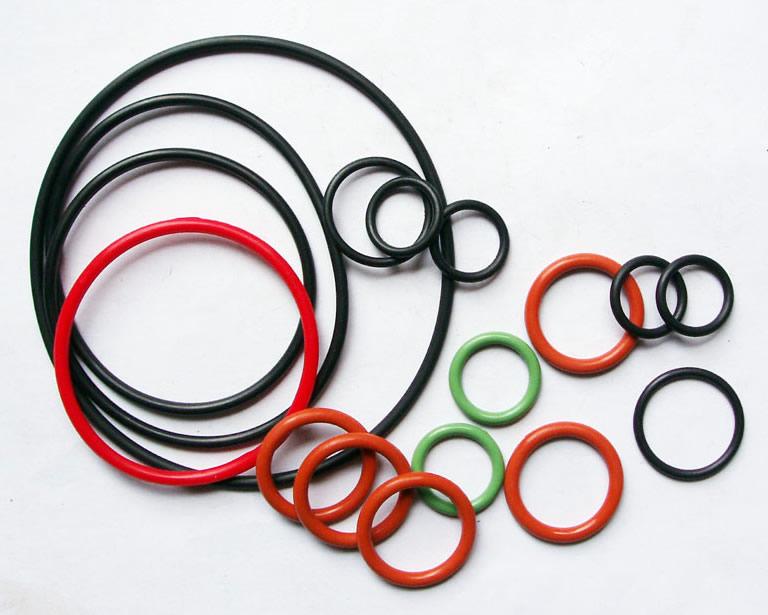
Drawing Analysis
The customization process for silicone gaskets begins with a comprehensive drawing analysis, where technical specifications provided by the client are evaluated for manufacturability, dimensional accuracy, and functional performance. At Suzhou Baoshida Trading Co., Ltd., our engineering team conducts a detailed review of CAD drawings, tolerances, surface finish requirements, and mating component interfaces. This step ensures that the gasket design aligns with intended sealing performance under operational conditions such as pressure, temperature, and media exposure. Any discrepancies or potential design risks—such as insufficient compression set resistance or inadequate sealing surface—are flagged and discussed with the client for refinement. This collaborative approach minimizes downstream production issues and accelerates time-to-market.
Formulation Development
Following drawing validation, the formulation phase focuses on tailoring the silicone compound to meet the application’s chemical, thermal, and mechanical demands. Our in-house rubber chemistry lab develops custom silicone formulations using high-purity base polymers, reinforcing fillers, and specialty additives. Key parameters include hardness (Shore A 30–80), thermal stability (-60°C to +200°C), compression set (≤20% at 150°C for 70 hours), and resistance to oils, ozone, or sterilization processes. For medical or food-grade applications, we utilize FDA-compliant or USP Class VI-certified materials. Electrical insulation properties or flame retardancy (UL94 HB/V-0) can also be engineered upon request. Each formulation is rigorously tested per ASTM and ISO standards to ensure consistency and performance.
Prototyping and Validation
Once the material is finalized, precision prototyping is conducted using CNC cutting or small-batch compression molding. Prototypes are dimensionally inspected using coordinate measuring machines (CMM) and subjected to functional testing, including leakage tests under simulated operating conditions. Clients receive sample kits with material certifications, test reports, and dimensional inspection data for approval. Iterations are made if necessary, ensuring the final design meets all performance criteria before transitioning to mass production.
Mass Production and Quality Assurance
Upon prototype approval, we initiate serial production using automated die-cutting, injection molding, or extrusion lines, depending on complexity and volume. Our ISO 9001-certified facility ensures process stability through statistical process control (SPC) and 100% visual inspection or automated optical inspection (AOI) where applicable. All batches undergo routine physical property verification, including tensile strength, elongation, and hardness.
The following table outlines key customizable parameters and achievable specifications:
| Parameter | Range/Option | Test Standard |
|---|---|---|
| Hardness (Shore A) | 30–80 | ASTM D2240 |
| Temperature Resistance | -60°C to +200°C (up to +300°C short-term) | ASTM D573 |
| Tensile Strength | ≥6.0 MPa | ASTM D412 |
| Elongation at Break | ≥200% | ASTM D412 |
| Compression Set | ≤20% (22h at 150°C) | ASTM D395 |
| Durometer Tolerance | ±5 Shore A | Internal QA |
| Dimensional Tolerance | ±0.1 mm (molded), ±0.2 mm (cut) | ISO 3302, ISO 2768 |
| Certifications | FDA, USP Class VI, ROHS, REACH | As per client request |
This structured approach ensures every custom silicone gasket meets exacting industrial standards while delivering long-term sealing integrity.
Contact Engineering Team
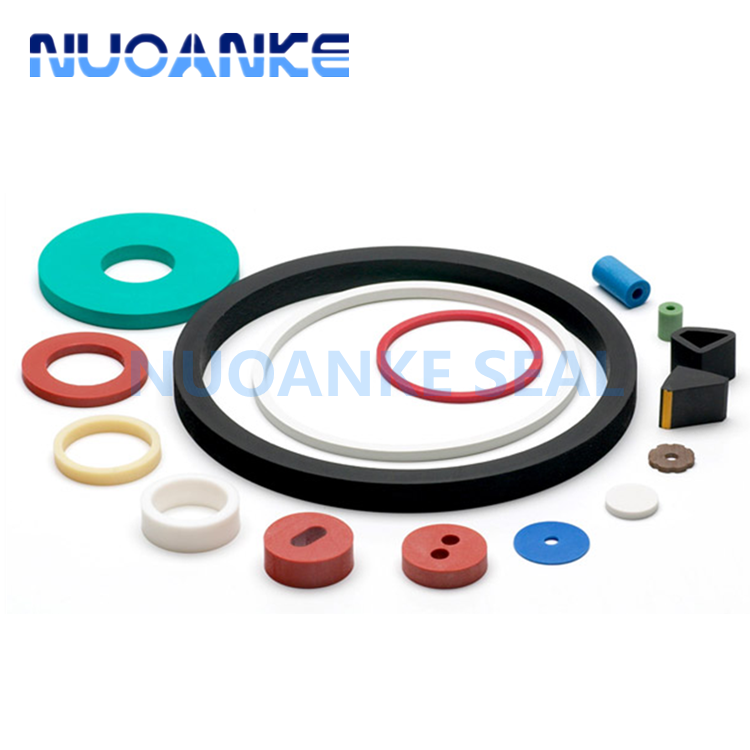
Precision Engineering Demands Verified Material Partnerships
Silicon gaskets represent a critical performance parameter in fluid control systems across aerospace hydraulics, semiconductor manufacturing, and medical device assembly. Material failure due to thermal degradation, chemical incompatibility, or compression set deviation directly compromises system integrity and regulatory compliance. Suzhou Baoshida Trading Co., Ltd. specializes in the formulation and production of silicone compounds engineered to exceed OEM specifications under extreme operational duress. Our ISO 9001-certified manufacturing processes integrate real-time rheological monitoring and post-cure validation protocols, ensuring dimensional stability within ±0.05mm tolerances for critical sealing interfaces. This precision eliminates field failures attributable to material inconsistency—a non-negotiable requirement for Tier-1 automotive and life science applications.
The following technical specifications reflect our standard high-performance silicone formulation. Custom compound development accommodates aggressive media exposure (e.g., concentrated acids, biofuels) and ultra-low outgassing requirements per ASTM E595 for vacuum environments.
| Property | Test Method | Value |
|---|---|---|
| Material Grade | ASTM D2000 | VMQ-A-70 |
| Temperature Range | ASTM D2240 | -60°C to +230°C |
| Hardness (Shore A) | ASTM D2240 | 70 ± 5 |
| Tensile Strength | ASTM D412 | ≥ 8.5 MPa |
| Elongation at Break | ASTM D412 | ≥ 350% |
| Compression Set (22h/150°C) | ASTM D395 | ≤ 20% |
| FDA Compliance | 21 CFR 177.2600 | Yes |
Material selection transcends catalog specifications; it requires collaborative engineering validation against your specific dynamic load profiles and chemical exposure scenarios. Our technical team conducts accelerated life testing using client-specified media and thermal cycling profiles, generating predictive failure mode data before tooling commitment. This mitigates NPI delays and costly requalification cycles inherent in generic supplier engagements.
Initiate your qualification process by contacting Mr. Boyce, our dedicated OEM Relationship Manager. With 14 years of experience resolving complex sealing challenges for Fortune 500 manufacturers, Mr. Boyce will coordinate a technical deep dive within 24 business hours of your inquiry. Provide your application parameters—pressure differentials, media composition, cycle frequency, and regulatory constraints—and receive a material suitability analysis with proposed validation protocol. This includes finite element analysis (FEA) of gasket deformation under load and comparative compression set projections against competitive materials.
Do not compromise system reliability through suboptimal elastomer selection. Suzhou Baoshida’s vertically integrated supply chain guarantees raw material traceability from certified silicone polymer producers, eliminating batch-to-batch variability that plagues offshore sourcing. Mr. Boyce will facilitate direct access to our formulation chemists and process engineers, ensuring your gasket performs as an engineered component—not a consumable commodity.
Contact Mr. Boyce immediately to schedule a technical consultation. Email [email protected] with subject line “OEM Silicon Gasket Validation Request” including your component drawings, operating environment details, and target volume requirements. Our engineering response will include a preliminary compound recommendation, DFM report, and accelerated sampling timeline. Precision sealing solutions begin with scientifically rigorous partnership—Suzhou Baoshida delivers both.
⚖️ O-Ring Weight Calculator
Estimate rubber O-ring weight (Approx).