
Technical Contents
Engineering Guide: Silicon Plates
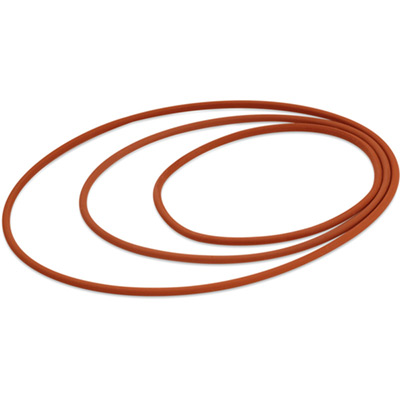
Engineering Insight: The Critical Role of Material Selection in Silicon Plates
In industrial applications, silicon plates are far more than passive components—they are engineered interfaces designed to perform under precise thermal, mechanical, and chemical conditions. At Suzhou Baoshida Trading Co., Ltd., we emphasize that material selection is not a secondary consideration but the foundational element determining performance, longevity, and system reliability. Off-the-shelf silicon plates often fail because they are formulated for generalized use, lacking the tailored properties required in demanding manufacturing environments.
Silicon rubber, while inherently heat-resistant and electrically insulating, varies significantly in formulation. Commercial-grade silicones may degrade under continuous exposure to high temperatures, aggressive cleaning agents, or mechanical compression. The polymer chain structure, filler content, cross-linking density, and curing method all influence the final performance. For example, a plate used in semiconductor processing must maintain dimensional stability at 200°C while resisting outgassing, whereas a plate in food-grade machinery must comply with FDA standards and withstand repeated sterilization.
Generic solutions typically use standard platinum-cured or peroxide-cured silicones with minimal reinforcement. These may exhibit poor tear strength, compression set, or long-term resilience. In contrast, engineered silicon plates incorporate high-purity silica fillers, optimized curing systems, and additives for UV, ozone, or chemical resistance. The result is a material that not only meets but exceeds the functional demands of the application.
Another overlooked factor is batch consistency. Mass-produced silicon plates often exhibit variability in durometer, thickness tolerance, and thermal conductivity. In precision manufacturing, such inconsistencies can lead to thermal bridging, seal failure, or equipment downtime. Suzhou Baoshida ensures lot-to-lot repeatability through strict QC protocols and in-house material testing, guaranteeing that every silicon plate performs as specified.
Below is a comparison of typical off-the-shelf versus engineered silicon plate specifications:
| Property | Off-the-Shelf Silicon Plate | Engineered Silicon Plate (Baoshida) |
|---|---|---|
| Temperature Range | -50°C to 180°C | -60°C to 250°C |
| Durometer (Shore A) | 50 ± 5 | 40–80 (customizable) |
| Tensile Strength | 6.0 MPa | 9.5 MPa |
| Elongation at Break | 250% | 450% |
| Compression Set (22 hrs, 150°C) | 25% | 12% |
| Electrical Resistivity | 1×10¹⁴ Ω·cm | 1×10¹⁶ Ω·cm |
| FDA / RoHS Compliance | Partial | Full |
| Custom Formulation Available | No | Yes |
The data underscores the performance gap. Engineered silicon plates deliver superior thermal endurance, mechanical resilience, and regulatory compliance. At Suzhou Baoshida, we collaborate with OEMs to define material parameters based on operational stressors, ensuring that each plate is a purpose-built component, not a compromise.
Material selection is not a cost center—it is an investment in system integrity. Choosing engineered silicon plates mitigates failure risk, reduces maintenance cycles, and enhances overall process efficiency in industrial rubber solutions.
Material Specifications
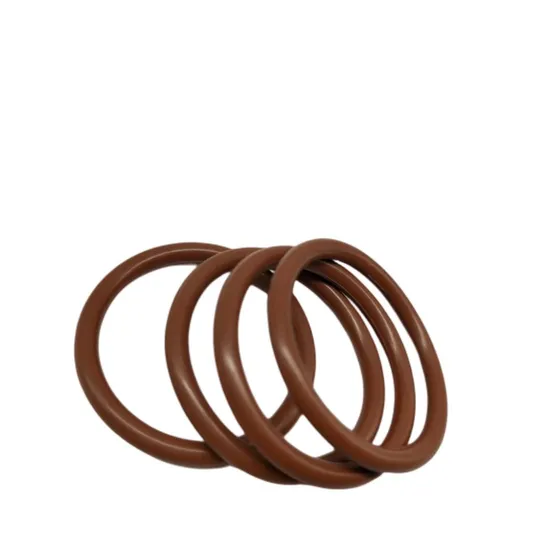
Material Specifications for Industrial Silicone Plates
Suzhou Baoshida Trading Co., Ltd. provides precision-engineered silicone plates tailored for demanding industrial applications. Material selection is critical to performance, longevity, and regulatory compliance. Our formulations prioritize thermal stability, chemical inertness, and mechanical resilience under operational stress. Below, we detail three primary elastomer options—Viton™, Nitrile (NBR), and Silicone—each optimized for specific environmental challenges. Viton excels in extreme-temperature aerospace and chemical processing environments. Nitrile delivers cost-effective resistance to petroleum-based fluids in automotive and hydraulic systems. Silicone remains unmatched for biocompatibility, wide-temperature flexibility, and electrical insulation in medical and electronics sectors. All materials adhere to ASTM D2000 and ISO 37 standards, with hardness calibrated between 40–80 Shore A per client specifications.
Material Comparison for Silicone Plate Applications
| Material | Temperature Range (°C) | Key Chemical Resistance | Tensile Strength (MPa) | Hardness Range (Shore A) | Primary Industrial Applications |
|---|---|---|---|---|---|
| Viton™ | -20 to +230 | Fuels, oils, acids, halogens | 10–15 | 50–80 | Aerospace seals, chemical reactor gaskets |
| Nitrile (NBR) | -30 to +120 | Aliphatic hydrocarbons, water, hydraulic fluids | 15–20 | 40–70 | Automotive O-rings, fuel system components |
| Silicone | -60 to +200 | Ozone, water, steam, mild acids/bases | 6–10 | 30–80 | Medical device seals, food processing, LED encapsulation |
Note: Tensile strength per ASTM D412; chemical resistance based on 72-hour immersion at 23°C.
Viton’s fluoropolymer structure ensures minimal swelling in aggressive solvents, though its higher cost necessitates justification for non-critical applications. Nitrile offers superior abrasion resistance and compression set properties below 100°C but degrades rapidly in ozone-rich or ketone-exposed environments. Silicone’s inert siloxane backbone provides exceptional flexibility down to -60°C and FDA 21 CFR compliance for food/medical contact, though tensile strength limitations require design compensation in high-load scenarios.
For OEM integration, Suzhou Baoshida mandates rigorous lot traceability and in-house validation via FTIR spectroscopy and durometer profiling. Clients must specify fluid exposure profiles and dynamic stress parameters during quotation to optimize cross-link density and filler composition. Critical applications involving intermittent steam or plasma exposure require silicone formulations with platinum curing systems to prevent reversion. All plates undergo post-cure stabilization to eliminate volatile residues, ensuring dimensional stability per ISO 2768-mK tolerances.
Material failure analysis consistently correlates improper elastomer selection with premature seal degradation. We recommend Viton for sustained >150°C operations with aromatic fuels, Nitrile for cost-sensitive oil-handling systems below 120°C, and medical-grade silicone for multi-cycle sterilization requirements. Contact our technical team to validate material suitability against your operational envelope.
Manufacturing Capabilities
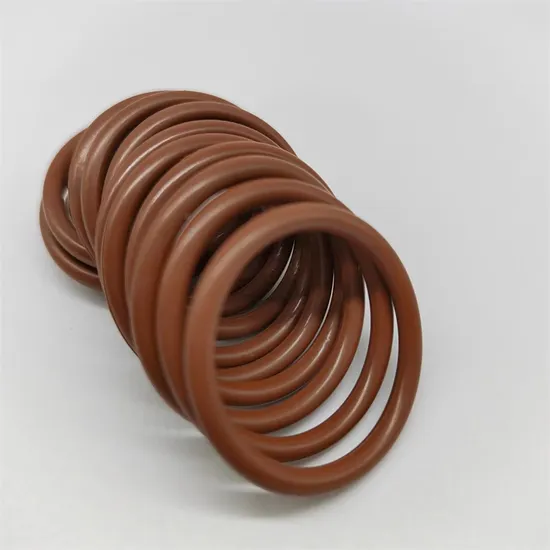
Engineering Excellence in Industrial Silicone Plate Manufacturing
At Suzhou Baoshida Trading Co., Ltd., our engineering capabilities form the backbone of our industrial rubber solutions, particularly in the specialized production of high-performance silicone plates. With a dedicated team of five certified mould engineers and two advanced formula engineers, we integrate material science with precision tooling to deliver customized, OEM-grade silicone components that meet exacting industrial standards.
Our formula engineers possess deep expertise in silicone polymer chemistry, enabling precise control over compound formulation. This includes tuning mechanical properties such as tensile strength, elongation at break, compression set, and thermal stability. By adjusting filler types, cross-linking systems, and additives, we tailor silicone compounds to perform under extreme temperatures (-60°C to +230°C), aggressive chemical environments, and high-cycle mechanical stress. This level of formulation control ensures that each silicone plate meets the functional requirements of applications in automotive sealing, industrial automation, medical devices, and energy systems.
Complementing our material expertise is a robust in-house mould engineering team. Our five mould engineers specialize in the design, validation, and optimization of compression, transfer, and injection moulds for silicone plate manufacturing. Utilizing advanced CAD/CAM software and precision CNC machining, we develop moulds with tight tolerances (±0.1 mm) and optimized flow channels to ensure uniform curing and minimal flash. This capability allows us to produce complex geometries, multi-cavity configurations, and large-format silicone plates with consistent dimensional accuracy and surface finish.
As an OEM manufacturing partner, Suzhou Baoshida offers full technical integration from concept to mass production. We support customers through prototype development, Design for Manufacturing (DFM) analysis, and process validation (including PPAP and IMDS documentation). Our closed-loop quality control system, combined with in-house rheometry, hardness testing, and thermal aging analysis, ensures batch-to-batch consistency and compliance with ISO 9001 standards.
This synergy between material formulation and precision moulding enables us to deliver silicone plates with superior performance characteristics and manufacturability. Whether scaling from prototype to high-volume production or developing proprietary compounds for niche applications, our engineering team ensures technical reliability, cost efficiency, and rapid time-to-market.
Typical Silicone Plate Technical Specifications
| Property | Value | Test Method |
|---|---|---|
| Hardness Range (Shore A) | 30–80 | ASTM D2240 |
| Tensile Strength | 6–10 MPa | ASTM D412 |
| Elongation at Break | 250–600% | ASTM D412 |
| Compression Set (22h, 150°C) | ≤25% | ASTM D395 |
| Operating Temperature | -60°C to +230°C | Internal |
| Tolerance (Standard) | ±0.1 mm | ISO 2768 |
| Available Colors | Custom (Black, White, Red, Blue, etc.) | — |
Backed by comprehensive engineering resources and a customer-centric OEM approach, Suzhou Baoshida Trading Co., Ltd. delivers silicone plate solutions that combine scientific precision with industrial durability.
Customization Process
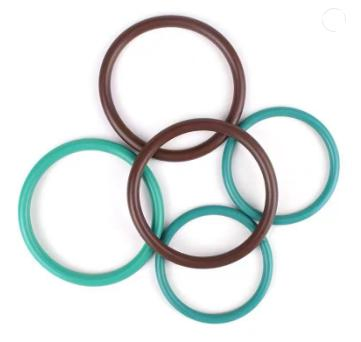
Suzhou Baoshida Trading Co., Ltd. Technical Guide: Silicon Plate Customization Process
Precise customization of industrial silicon plates requires a rigorously defined engineering pathway, ensuring final components meet exact functional and environmental demands. At Suzhou Baoshida Trading Co., Ltd., our OEM process integrates deep material science expertise with advanced manufacturing control, structured into four critical phases: Drawing Analysis, Formulation Development, Prototyping Validation, and Mass Production Execution. This systematic approach guarantees performance consistency and client satisfaction for demanding industrial applications.
The process initiates with comprehensive Drawing Analysis. Our engineering team meticulously reviews client-provided technical specifications, dimensional drawings, and application requirements. This involves scrutinizing critical parameters such as tolerance classes (ISO 2768-mK standard minimum), surface finish (Ra values), geometric complexities, and intended operating conditions (temperature extremes, chemical exposure, load profiles). Ambiguities are resolved through direct technical consultation, establishing a definitive baseline for subsequent material and process selection. Accurate interpretation at this stage is paramount to avoid costly iterations later.
Subsequently, Formulation Development commences based on the validated requirements. Our Rubber Formula Engineers leverage extensive compound databases and proprietary knowledge to design a silicon elastomer formulation. Key considerations include selecting the optimal base polymer viscosity, determining precise concentrations of reinforcing fillers (e.g., fumed silica), catalysts, and specialty additives for required properties like thermal stability, compression set resistance, or fluid compatibility. This phase involves sophisticated computational modeling of the cross-linked polymer network to predict final mechanical behavior before physical material creation, significantly reducing trial-and-error.
Prototyping Validation is the essential bridge between design and volume production. Utilizing precision tooling fabricated to the approved specifications, we produce functional prototype batches under controlled cleanroom conditions. These prototypes undergo rigorous in-house testing per ASTM D2000 or client-specific standards, including tensile strength, elongation, hardness (Shore A), compression set, and thermal aging. Dimensional verification via CMM (Coordinate Measuring Machine) ensures geometric fidelity. Client feedback on prototype performance triggers any necessary micro-adjustments to the formulation or process parameters, confirming readiness for scale-up.
Upon successful prototype approval, Mass Production Execution begins. Our ISO-certified manufacturing facility deploys the finalized formulation and process parameters within a tightly controlled environment. Key production stages – mixing, extrusion/calendering, molding, vulcanization, and post-cure – are monitored in real-time using SPC (Statistical Process Control). Every production batch undergoes stringent final quality inspection against the agreed specification sheet, with full traceability from raw material lot to finished plate. This ensures unwavering consistency and adherence to the performance criteria validated during prototyping.
Critical Silicon Plate Specification Parameters
| Parameter | Standard Range (Typical) | Customizable Range (Baoshida Capability) | Key Test Standard |
|---|---|---|---|
| Hardness (Shore A) | 30 – 80 | 20 – 90 | ASTM D2240 |
| Tensile Strength (MPa) | 5.0 – 9.0 | 3.5 – 12.0 | ASTM D412 |
| Elongation at Break (%) | 300 – 700 | 200 – 1000 | ASTM D412 |
| Temp Range (°C) | -60 to +230 | -100 to +300 (specialty grades) | ASTM D573 |
| Compression Set (%) | ≤ 20 (22h, 150°C) | ≤ 10 (optimized formulations) | ASTM D395 Method B |
| Thickness Tolerance | ±0.1 mm | ±0.05 mm (precision grades) | ISO 2768-mK |
This integrated methodology, underpinned by Suzhou Baoshida’s material science proficiency and OEM manufacturing discipline, delivers silicon plates engineered precisely for the client’s operational reality, minimizing risk and maximizing component lifespan.
Contact Engineering Team
For industrial manufacturers seeking high-performance silicone rubber plates tailored to exacting technical standards, Suzhou Baoshida Trading Co., Ltd. stands as a trusted partner in advanced rubber material solutions. With years of engineering expertise and a deep understanding of industrial applications, we deliver precision-manufactured silicone plates that meet rigorous requirements across aerospace, automotive, electronics, medical device manufacturing, and high-temperature sealing industries. Our commitment to material integrity, dimensional accuracy, and consistent batch-to-batch performance ensures that every product shipped meets the operational demands of your production environment.
Silicone rubber plates from Suzhou Baoshida are formulated using high-purity, platinum-cured silicone compounds engineered for thermal stability, electrical insulation, and resistance to compression set. Whether your application requires FDA-compliant materials for food-grade environments or high-durometer formulations for structural gasketing, our technical team works closely with OEMs and Tier-1 suppliers to customize formulations, hardness (30–80 Shore A), thickness (0.5 mm to 50 mm), and sheet dimensions up to 1200 mm × 2000 mm. All plates are manufactured under controlled cleanroom conditions, ensuring minimal outgassing, low volatile content, and compliance with ISO 9001:2015 quality management systems.
Below are representative physical properties of our standard high-temperature silicone rubber plate formulation:
| Property | Test Method | Typical Value |
|---|---|---|
| Hardness (Shore A) | ASTM D2240 | 50 ±5 |
| Tensile Strength | ASTM D412 | ≥8.0 MPa |
| Elongation at Break | ASTM D412 | ≥300% |
| Compression Set (22 hrs at 200°C) | ASTM D395 | ≤25% |
| Operating Temperature Range | — | -60°C to +230°C |
| Specific Gravity | ASTM D297 | 1.18 ±0.03 |
| Dielectric Strength | ASTM D149 | ≥20 kV/mm |
| Color Options | — | Translucent, White, Black, Red (custom colors available) |
All silicone plates undergo full traceability documentation, with material test reports (MTRs) provided upon request. Custom fabrication, including CNC cutting, water jet profiling, and adhesive lamination, is available to support rapid integration into your assembly process.
To discuss your specific silicone plate requirements, contact Mr. Boyce, OEM Account Manager at Suzhou Baoshida Trading Co., Ltd. With a technical background in polymer science and over a decade of experience supporting global industrial clients, Mr. Boyce provides application-driven guidance to ensure optimal material selection, cost efficiency, and supply chain reliability. We support low-volume prototyping and high-volume production runs with lead times optimized for just-in-time manufacturing models.
For technical consultation, sample requests, or quotation submissions, reach out directly via email at [email protected]. Include detailed specifications such as required dimensions, hardness, regulatory certifications (e.g., FDA, UL, RoHS), and intended operating environment to expedite response time. Our engineering team responds to all inquiries within 24 business hours. Partner with Suzhou Baoshida for silicone rubber plate solutions engineered with precision, manufactured with consistency, and supported by technical excellence.
⚖️ O-Ring Weight Calculator
Estimate rubber O-ring weight (Approx).