
Technical Contents
Engineering Guide: Silicon Seal
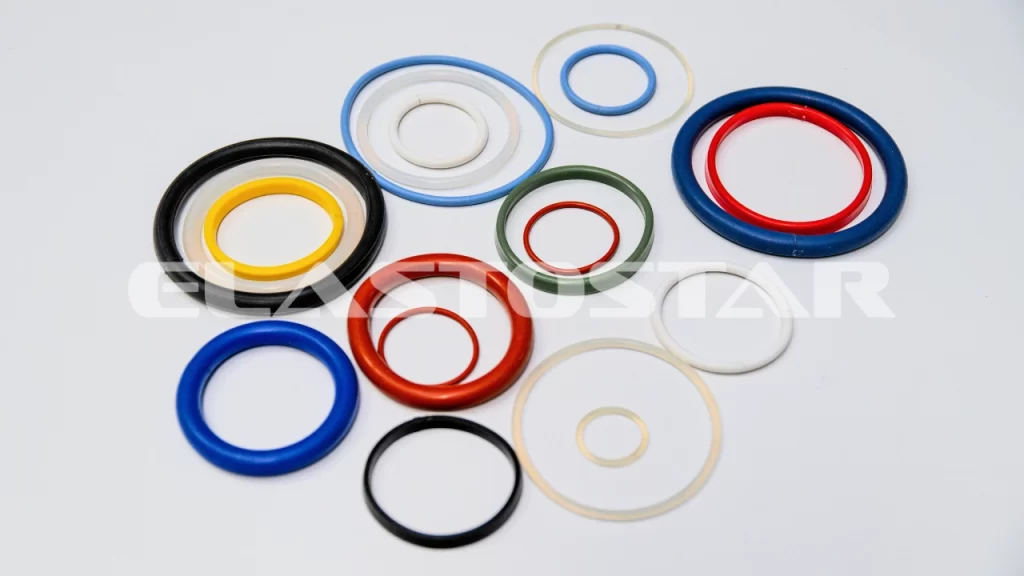
Engineering Insight: Material Selection in Silicon Seals – Why Off-the-Shelf Solutions Fail
In precision rubber sealing applications, silicon seal components are frequently specified for their thermal stability, chemical inertness, and flexibility across extreme temperature ranges. However, selecting the appropriate silicone compound is far more nuanced than choosing a generic off-the-shelf profile. At Suzhou Baoshida Trading Co., Ltd., we emphasize that material formulation must align precisely with operational demands—failure to do so results in premature seal degradation, system leakage, and unplanned downtime.
Silicone rubber, or polydimethylsiloxane (PDMS), inherently exhibits excellent resistance to ozone, UV radiation, and temperatures from -60°C to +200°C. These properties make it ideal for aerospace, medical devices, and semiconductor manufacturing. Yet, not all silicones are created equal. Variations in polymer chain length, filler content, cross-linking density, and additives dramatically influence compression set, tensile strength, and outgassing performance. Standard commercial grades often prioritize cost over performance, leading to compromised resilience under sustained stress or exposure to aggressive media.
For instance, a generic silicone O-ring may function adequately in low-pressure, room-temperature environments. However, when deployed in a high-vacuum chamber requiring minimal particle shedding, or in a dynamic reciprocating actuator exposed to intermittent steam sterilization, the same material may rapidly degrade due to poor compression recovery or hydrolytic instability. Such failures are not inherent to silicone as a class, but rather stem from inappropriate material grading.
Custom-formulated silicones address these challenges through targeted modifications. High-consistency rubber (HCR) compounds with reinforced fumed silica offer superior mechanical strength and thermal aging resistance compared to low-consistency liquid silicone rubber (LSR), which, while excellent for intricate molding, may lack durability in high-load applications. Additionally, specialty grades with platinum-cure systems ensure lower compression set and higher purity—critical in cleanroom environments.
A rigorous material selection process considers not only temperature and chemical exposure but also dynamic movement, mating surface finish, installation stress, and regulatory compliance (e.g., USP Class VI, FDA, REACH). At Baoshida, we collaborate with OEMs to define these parameters and develop application-specific formulations that exceed standard benchmarks.
The following table outlines key performance characteristics across common silicone types used in industrial sealing:
| Property | Standard HCR Silicone | High-Performance HCR | Liquid Silicone Rubber (LSR) | Specialty Platinum-Cure Silicone |
|---|---|---|---|---|
| Temperature Range (°C) | -60 to +200 | -60 to +230 | -50 to +180 | -60 to +250 |
| Tensile Strength (MPa) | 6–8 | 9–12 | 7–9 | 10–13 |
| Elongation at Break (%) | 400–600 | 500–700 | 500–650 | 600–800 |
| Compression Set (22h, 200°C) | ≤25% | ≤18% | ≤22% | ≤15% |
| Outgassing (TML, %) | <1.0 | <0.8 | <0.5 | <0.3 |
| Typical Application | General gaskets | Aerospace, energy | Medical components | Semiconductor, vacuum systems |
Relying on off-the-shelf silicon seals introduces unacceptable risk in high-reliability systems. True engineering integrity begins with material intelligence—understanding not just what the seal must endure, but how molecular architecture influences long-term performance. At Suzhou Baoshida, we engineer seals that perform, not just fit.
Material Specifications
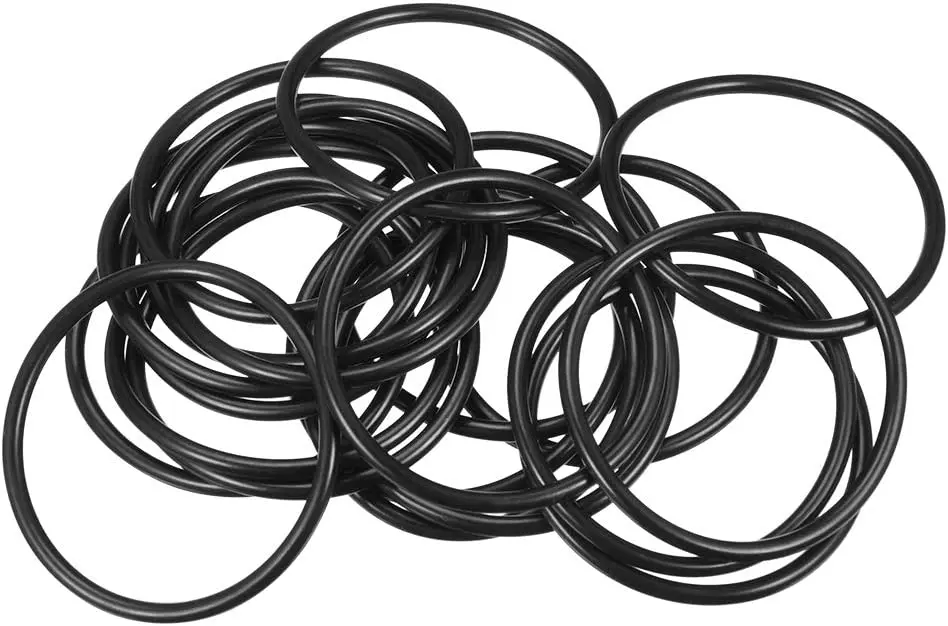
Material Specifications for Precision Rubber Seals
Selecting the appropriate elastomer is critical for seal performance in demanding industrial applications. At Suzhou Baoshida Trading Co., Ltd., we prioritize material integrity to prevent operational failures in hydraulic systems, automotive assemblies, and chemical processing equipment. Misalignment between seal material properties and environmental stressors—such as temperature extremes, fluid exposure, or mechanical compression—can accelerate degradation, leading to leakage, contamination, or system downtime. Our engineering team rigorously evaluates three primary elastomers: Viton (fluoroelastomer), Nitrile (nitrile butadiene rubber), and Silicone (polysiloxane). Each offers distinct advantages dictated by molecular structure and compounding.
Viton excels in high-temperature and chemical-resistant applications. Its fluorocarbon backbone provides exceptional stability against fuels, oils, acids, and solvents, maintaining functionality between -20°C and 230°C. This makes it indispensable for aerospace fuel systems and semiconductor manufacturing where halogenated fluids are present. However, Viton exhibits higher compression set at elevated temperatures compared to alternatives and carries a premium cost. Nitrile remains the industry standard for cost-sensitive oil and fuel sealing. With a temperature range of -30°C to 120°C, it delivers robust resistance to petroleum-based fluids, hydraulic oils, and aliphatic hydrocarbons. Its limitations include poor ozone/weathering resistance and vulnerability to polar solvents like ketones or brake fluids. Silicone dominates extreme-temperature scenarios, operating reliably from -60°C to 200°C. Its inorganic Si-O backbone ensures stability in cryogenic or high-heat environments, such as medical sterilization equipment or LED lighting housings. Silicone’s low tensile strength and susceptibility to撕裂 (tearing) under dynamic stress necessitate careful design validation.
The comparative analysis below details core specifications per ASTM D2000 standards. All materials are compounded to 70±5 Shore A hardness unless otherwise specified for application-specific formulations.
| Material | Base Polymer Type | Temperature Range (°C) | Key Strengths | Primary Limitations | Typical Applications |
|---|---|---|---|---|---|
| Viton | Fluoroelastomer | -20 to 230 | Exceptional chemical/fuel resistance | High cost; poor low-temp flexibility | Aerospace fuel systems; chemical pumps |
| Nitrile | NBR | -30 to 120 | Optimal oil/fuel resistance; cost-effective | Poor ozone resistance; limited heat stability | Automotive O-rings; hydraulic seals |
| Silicone | Polysiloxane | -60 to 200 | Ultra-wide temp range; biocompatible | Low tear strength; permeable to gases | Medical devices; food processing seals |
Suzhou Baoshida’s OEM partnerships leverage this material science expertise to customize seal formulations. We conduct accelerated aging tests per ISO 188 and fluid immersion analyses to validate performance against client-specific duty cycles. Material selection must balance chemical compatibility, thermal demands, mechanical loads, and lifecycle cost—never defaulting to a single solution. Consult our engineering team to optimize your seal specification for reliability and total cost of ownership. All compounds comply with ISO 9001 traceability protocols and can be tailored to meet FDA, NSF, or AMS standards upon request.
Manufacturing Capabilities
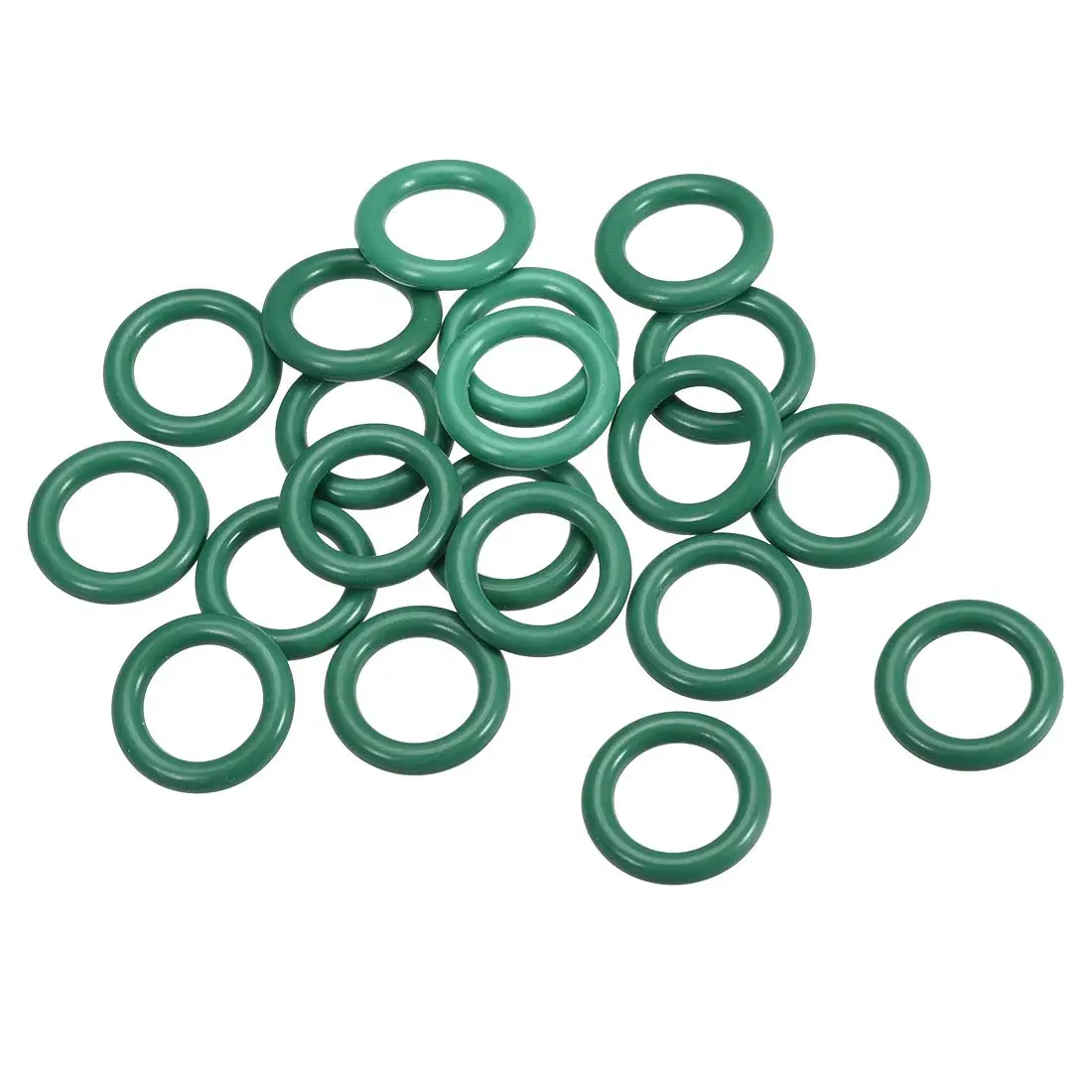
Engineering Capability
At Suzhou Baoshida Trading Co., Ltd., our engineering capability forms the backbone of our precision rubber seal manufacturing, ensuring that every silicon seal meets the exacting demands of industrial and automotive applications. With a dedicated team of five experienced mould engineers and two specialized rubber formula engineers, we maintain full in-house control over both the physical tooling and material science aspects of seal production. This integrated approach allows us to deliver optimized solutions tailored to customer specifications, with reduced development cycles and superior consistency in performance.
Our mould engineers possess extensive expertise in designing high-precision steel and aluminum tooling for compression, transfer, and injection molding processes. Each design is validated through 3D CAD modeling and finite element analysis (FEA) to ensure dimensional accuracy, optimal material flow, and extended tool life. We specialize in complex geometries, multi-cavity molds, and tight-tolerance seals required for aerospace, medical devices, and high-pressure fluid systems. Rapid prototyping capabilities enable us to deliver functional samples within 7–10 days, accelerating time-to-market for OEM partners.
Complementing our tooling strength is our advanced rubber formulation laboratory, led by two certified formula engineers with over 15 years of combined experience in silicone and specialty elastomer development. We formulate custom silicone compounds to meet specific requirements for temperature resistance, compression set, chemical exposure, and electrical insulation. Our formulations comply with international standards including ASTM D2000, ISO 3601, and FDA 21 CFR 177.2600 for food-grade applications. Every batch undergoes rigorous testing for durometer, tensile strength, elongation, and thermal stability to ensure repeatability across production runs.
We operate as a full-service OEM manufacturer, supporting clients from initial concept to mass production. Our engineering team collaborates directly with customer R&D departments to review drawings, suggest design for manufacturability (DFM) improvements, and validate performance under real-world conditions. With ISO 9001-certified processes and traceability systems in place, we guarantee consistent quality across volumes ranging from 1,000 to over 1 million units annually.
The synergy between our mould design and material formulation teams enables us to solve complex sealing challenges—such as dynamic sealing under extreme temperatures or low-outgassing requirements in vacuum environments—through a holistic engineering approach. This dual expertise sets Suzhou Baoshida apart as a technical partner, not just a supplier.
Material and Performance Specifications
| Property | Standard Silicone | High-Temp Silicone | Fluorosilicone | Custom Formulation Range |
|---|---|---|---|---|
| Hardness (Shore A) | 40–80 | 50–70 | 60–80 | 30–90 |
| Tensile Strength (MPa) | ≥6.0 | ≥5.5 | ≥6.5 | 4.0–12.0 |
| Elongation at Break (%) | ≥200 | ≥180 | ≥220 | 150–400 |
| Operating Temperature | -60°C to +200°C | -50°C to +250°C | -55°C to +200°C | -70°C to +300°C |
| Compression Set (22h, 150°C) | ≤25% | ≤20% | ≤30% | ≤15% (optimized) |
| Fluid Resistance | Good | Good | Excellent | Tailored to application |
This technical foundation enables Suzhou Baoshida to deliver reliable, high-performance silicon seals engineered for critical applications across global industries.
Customization Process
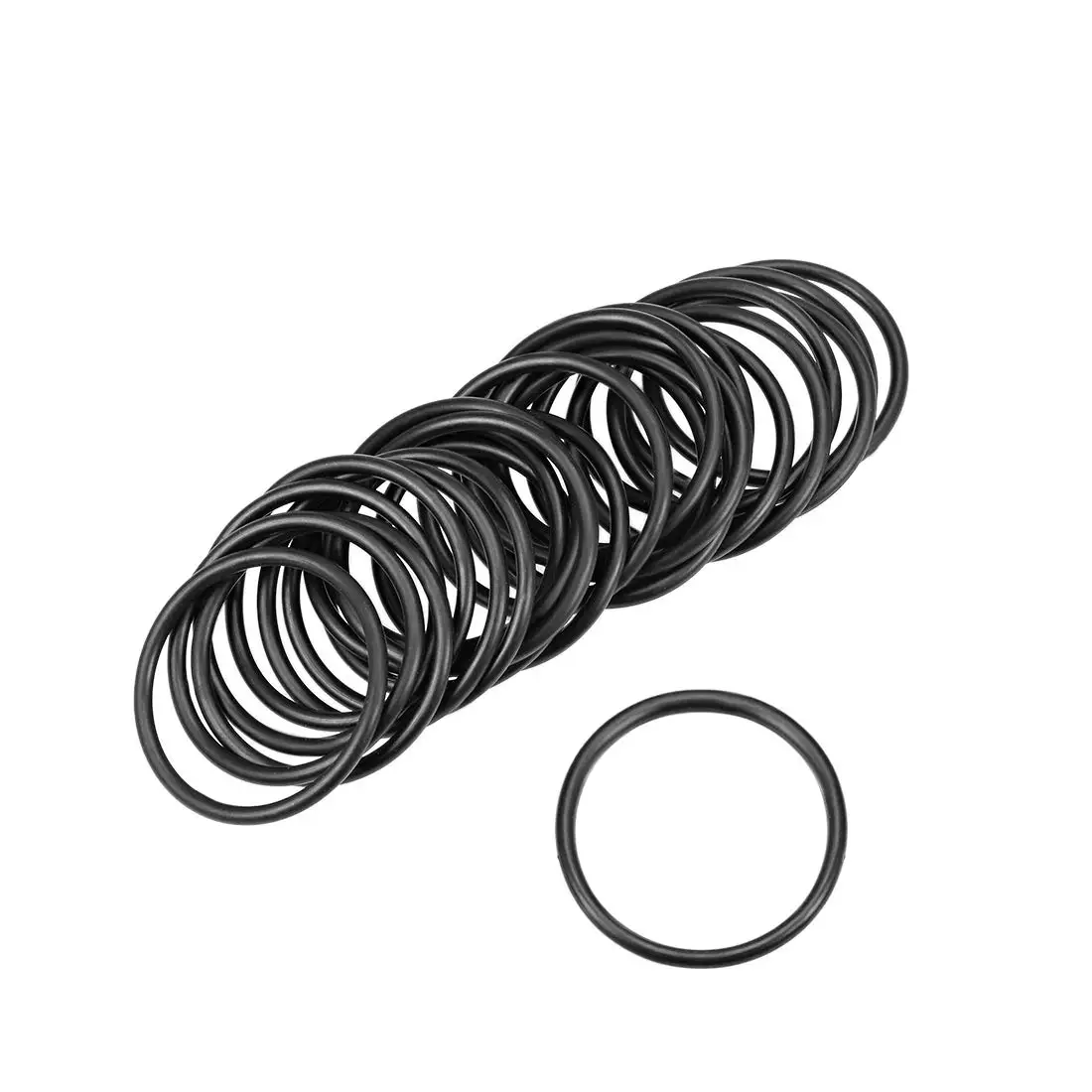
Silicon Seal Customization Process for Precision Applications
Suzhou Baoshida Trading Co., Ltd. executes a rigorously defined customization pathway for silicon seals, ensuring alignment with OEM performance and regulatory demands. This process integrates material science expertise with precision manufacturing controls, beginning with comprehensive drawing analysis. Engineering teams deconstruct client-provided CAD files and technical schematics to validate critical dimensions, tolerance stacks, and interface geometries against ISO 3601 or SAE AS568 standards. Cross-functional review identifies potential molding challenges, such as undercuts or thin-wall sections, while assessing material compatibility with operational media (e.g., hydraulic fluids, acids). This phase concludes with a formal feasibility report detailing required tooling modifications and dimensional risk mitigation strategies.
Material formulation follows drawing validation, leveraging our proprietary compound database and accelerated aging protocols. Base silicone polymers (VMQ, PVMQ, or FVMQ) are selected based on temperature exposure requirements, with reinforcement fillers and catalyst systems optimized for compression set resistance below 20% per ASTM D395 after 70 hours at 150°C. Critical additives—such as platinum inhibitors for high-temperature stability or conductive carbon for EMI shielding—are dosed to ±0.1% precision. Each formulation undergoes Durometer validation (Shore A 40–80 range) and thermal gravimetric analysis to confirm decomposition onset above 300°C.
Prototyping employs OEM-certified aluminum or steel molds under controlled ISO Class 8 cleanroom conditions. First-article samples undergo dimensional inspection via CMM (accuracy ±0.02mm) and functional testing per client-specified protocols, including:
| Test Parameter | Standard Method | Acceptance Threshold |
|---|---|---|
| Compression Set | ASTM D395 | ≤15% at 200°C/70h |
| Tensile Strength | ASTM D412 | ≥8.0 MPa |
| Fluid Resistance (IRMOG) | ASTM D471 | ΔVolume ≤15% |
| Outgassing (TGA) | ASTM E595 | TML ≤0.10% |
Client approval of prototyped seals triggers mass production under IATF 16949 protocols. Production lots utilize statistical process control (SPC) with real-time monitoring of injection pressure, cure time, and post-bake cycles. Each batch includes traceable material certificates (mill test reports), 100% visual inspection per ASME B46.1 surface finish criteria, and random destructive testing. Final shipment includes a comprehensive quality dossier documenting lot-specific rheology curves, hardness distribution maps, and dimensional conformance data to the original drawing revision.
This end-to-end workflow ensures Suzhou Baoshida delivers silicon seals with repeatable performance in aerospace, semiconductor, and medical device applications, where failure tolerance approaches zero. All stages maintain full material traceability from raw polymer batch to finished component, supporting OEM audit requirements and rapid root-cause analysis.
Contact Engineering Team
Contact Suzhou Baoshida for Precision Silicon Seal Solutions
At Suzhou Baoshida Trading Co., Ltd., we specialize in the development and supply of high-performance silicon seals engineered for demanding industrial applications. Our expertise spans material formulation, precision molding, and performance validation, ensuring that every seal meets exact OEM specifications for thermal stability, compression set resistance, and long-term sealing integrity. Whether your application involves extreme temperatures, dynamic movement, or exposure to aggressive media, our engineering team delivers tailored solutions backed by rigorous quality control and international compliance standards.
We understand that reliability in sealing technology is not a commodity—it is a critical performance factor. That’s why we focus on collaborative engineering partnerships, working closely with design and procurement teams to optimize seal geometry, durometer, and compound selection. Our silicon formulations are tested across a temperature range of -60°C to +230°C, maintaining elasticity and sealing force under prolonged stress. From automotive gaskets and aerospace components to medical device seals and semiconductor manufacturing systems, our products perform where failure is not an option.
To ensure seamless integration into your production workflow, we offer comprehensive technical documentation, batch traceability, and on-demand material certifications including ASTM D2000, ISO 3601, and FDA/USP Class VI where applicable. Our manufacturing partners utilize automated inspection systems and 100% visual checks to guarantee dimensional accuracy and surface quality. Lead times are optimized through strategic inventory planning and agile mold tooling capabilities, enabling rapid prototyping and scalable volume production.
For new projects or replacement components, engaging with Suzhou Baoshida means direct access to a dedicated rubber formulation engineer who will assess your operational environment and recommend the optimal silicon compound configuration. We support custom packaging, labeling, and logistics coordination to align with your supply chain requirements.
Below are key technical specifications for our standard high-consistency silicon rubber (HCR) compounds used in precision sealing applications:
| Property | Test Method | Typical Value |
|---|---|---|
| Hardness (Shore A) | ASTM D2240 | 40 – 80 ±5 |
| Tensile Strength | ASTM D412 | ≥8.0 MPa |
| Elongation at Break | ASTM D412 | ≥400% |
| Compression Set (22h at 150°C) | ASTM D395 | ≤25% |
| Operating Temperature Range | — | -60°C to +230°C |
| Specific Gravity | ASTM D792 | 1.18 – 1.22 |
| Volume Resistivity | ASTM D257 | ≥1.0 × 10¹⁴ Ω·cm |
Initiate your next sealing solution with confidence. Contact Mr. Boyce, OEM Account Manager at Suzhou Baoshida Trading Co., Ltd., for technical consultation, sample requests, or volume quotation support. Our team is prepared to assist with material selection, design feedback, and qualification testing documentation.
Email Mr. Boyce directly at [email protected] to begin a precision-driven partnership in silicon seal performance.
⚖️ O-Ring Weight Calculator
Estimate rubber O-ring weight (Approx).