
Technical Contents
Engineering Guide: Silicone 230
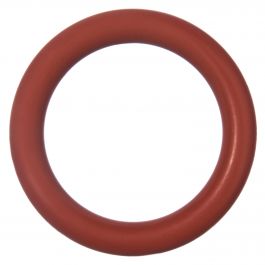
Engineering Insight: Silicone 230 – Precision Material Selection for Critical Performance
Material selection in demanding industrial sealing and component applications transcends basic specification matching. Generic silicone compounds, often marketed as universal solutions, frequently fail under real-world operational stresses, leading to premature part degradation, system downtime, and significant cost overruns. This failure stems from a critical oversight: the assumption that all silicones possess equivalent resilience across diverse thermal, chemical, and mechanical environments. Off-the-shelf formulations typically prioritize broad market appeal over targeted performance, lacking the precise additive packages and polymer architecture necessary to withstand specific, harsh conditions encountered in aerospace, advanced automotive, or semiconductor manufacturing. Consequently, standard silicones exhibit accelerated compression set, thermal degradation, or chemical attack where mission-critical reliability is non-negotiable.
The consequences of inadequate material choice are severe and quantifiable. Standard HTV (High-Temperature Vulcanizing) silicones may maintain basic flexibility at elevated temperatures but often suffer rapid loss of sealing force due to poor compression set resistance above 150°C. They lack tailored reinforcement for dynamic applications, leading to tear propagation under cyclic stress. Furthermore, unmodified formulations possess limited resistance to aggressive media like concentrated acids, strong bases, or specific hydraulic fluids prevalent in modern systems. This results in swelling, hardening, or complete structural failure – not during initial testing, but after cumulative exposure in the field. The false economy of selecting a lower-cost, generic grade is quickly erased by warranty claims, recall logistics, and reputational damage when seals extrude, gaskets leak, or insulators crack under operational load.
Silicone 230 represents Suzhou Baoshida Trading Co., Ltd.’s engineered response to these precise failure modes. Developed through rigorous OEM collaboration and application-specific testing, it integrates advanced fumed silica reinforcement, specialized platinum catalysts, and proprietary thermal stabilizers. This formulation delivers exceptional resistance to compression set deformation even after prolonged exposure at 200°C, maintains elastic recovery under high-frequency dynamic loading, and exhibits superior stability against a broader spectrum of industrial chemicals compared to baseline silicones. The result is extended service life and predictable performance in environments where standard materials falter.
Critical performance differentiators are evident in comparative testing:
| Property | Test Method | Silicone 230 | Generic Silicone HTV |
|---|---|---|---|
| Hardness (Shore A) | ASTM D2240 | 70 ± 2 | 65 ± 3 |
| Tensile Strength (MPa) | ASTM D412 | ≥ 9.5 | ≥ 7.0 |
| Elongation at Break (%) | ASTM D412 | ≥ 650 | ≥ 550 |
| Compression Set (22h, 150°C) | ASTM D395 B | ≤ 15% | ≤ 35% |
| Compression Set (70h, 200°C) | ASTM D395 B | ≤ 25% | > 50% (Failed) |
| Thermal Stability (Air, 200°C) | Weight Loss | < 3.0% | > 8.0% |
Selecting Silicone 230 is not merely purchasing a raw material; it is engaging Suzhou Baoshida’s engineering expertise to mitigate application-specific risk. We reject the one-size-fits-all approach, recognizing that true reliability demands compounds engineered for the exact thermal profile, fluid exposure, and mechanical duty cycle of your component. Partner with us to transform material selection from a procurement line item into a strategic advantage for your manufacturing resilience.
Material Specifications
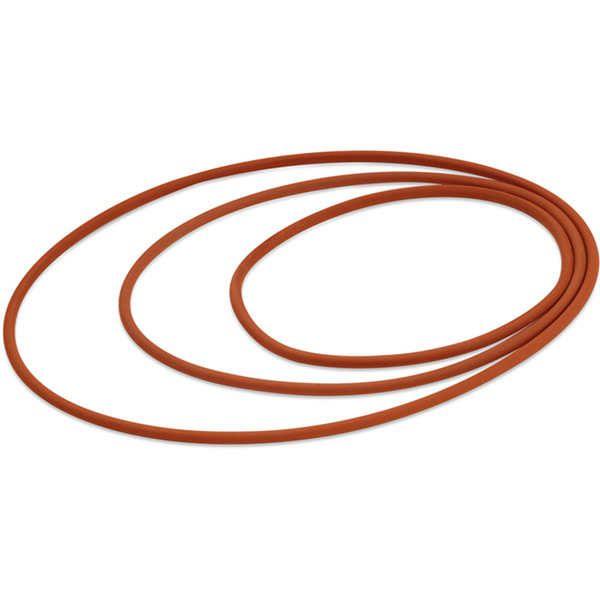
Silicone 230 is a high-performance elastomer engineered for demanding industrial environments where thermal stability, chemical resistance, and long-term reliability are critical. As part of Suzhou Baoshida Trading Co., Ltd.’s Industrial Rubber Solutions portfolio, this material is formulated to meet stringent OEM specifications across automotive, aerospace, medical, and semiconductor applications. Silicone 230 exhibits excellent resistance to extreme temperatures, maintaining flexibility and mechanical integrity from -60°C to +230°C continuously, with short-term exposure tolerance up to 300°C. Its inherent dielectric properties, low compression set, and resistance to ozone and UV radiation make it ideal for sealing, gasketing, and insulation applications in harsh operating conditions.
When selecting elastomeric materials for industrial use, comparative analysis against alternative compounds such as Viton and Nitrile is essential to ensure optimal performance under specific service conditions. Viton, a fluorocarbon rubber (FKM), offers superior chemical resistance to fuels, oils, and many acids, making it a preferred choice in aggressive chemical environments and high-temperature fuel systems. However, its cost is significantly higher than both Silicone and Nitrile, and it exhibits lower flexibility at sub-ambient temperatures. Nitrile (NBR), a copolymer of butadiene and acrylonitrile, provides excellent resistance to aliphatic hydrocarbons and petroleum-based fluids, making it widely used in hydraulic and fuel-handling systems. While cost-effective and mechanically robust, Nitrile has limited thermal stability and degrades rapidly above 120°C, restricting its use in high-heat applications.
Silicone 230 bridges the performance gap by offering superior thermal endurance compared to both Viton and Nitrile, along with excellent electrical insulation properties and physiological inertness. While its tensile strength and abrasion resistance are lower than Nitrile, and its chemical compatibility with non-polar solvents is inferior to Viton, Silicone 230 excels in applications requiring long-term thermal aging resistance, cleanroom compatibility, and stable performance under cyclic temperature loads. It is also compliant with FDA and USP Class VI standards, enabling use in medical and food-contact environments.
The following table provides a comparative overview of key physical and chemical properties for Silicone 230, Viton, and Nitrile:
| Property | Silicone 230 | Viton (FKM) | Nitrile (NBR) |
|---|---|---|---|
| Temperature Range (°C) | -60 to +230 (300 peak) | -20 to +230 (250 peak) | -40 to +120 (150 peak) |
| Tensile Strength (MPa) | 6.5 – 8.0 | 12.0 – 18.0 | 15.0 – 20.0 |
| Elongation at Break (%) | 350 – 500 | 200 – 300 | 250 – 400 |
| Hardness (Shore A) | 50 – 80 | 60 – 90 | 50 – 90 |
| Compression Set (22 hrs, 150°C) | ≤20% | ≤25% | ≤30% |
| Resistance to Ozone/UV | Excellent | Good | Poor |
| Resistance to Petroleum Oils | Fair to Poor | Excellent | Excellent |
| Resistance to Acids/Bases | Good | Excellent | Moderate |
| Electrical Insulation | Excellent | Good | Fair |
| FDA/USP Class VI Compliance | Yes | Limited grades | No |
Selection of the appropriate elastomer must be based on a holistic evaluation of operating environment, chemical exposure, mechanical stress, and regulatory requirements. Silicone 230 remains a premier choice for high-temperature and electrically sensitive applications where consistent performance and material safety are paramount.
Manufacturing Capabilities
Engineering Capability: Precision Development for Silicone 230 Solutions
Suzhou Baoshida Trading Co., Ltd. delivers engineered silicone 230 compounds and components through a foundation of deep technical expertise and integrated OEM manufacturing. Our dedicated engineering team is the cornerstone of this capability, ensuring every product meets the stringent performance and reliability demands of industrial applications. We maintain a specialized resource pool comprising five certified Mould Engineers and two advanced Formula Engineers, operating within a tightly coordinated framework to address complex material and manufacturing challenges from concept to量产.
Our Mould Engineering team possesses extensive proficiency in precision tooling design for liquid silicone rubber (LSR) and high-consistency rubber (HCR) processing. They leverage advanced CAD/CAM systems and mold flow simulation software to optimize cavity design, gating, venting, and cooling channels specifically for silicone 230’s unique rheological properties. This ensures dimensional stability, minimizes flash, and maximizes production efficiency and part consistency, critical for high-tolerance seals, gaskets, and medical components. Concurrently, our Formula Engineering specialists focus exclusively on silicone 230 compound architecture. They possess mastery in polymer chemistry, filler systems, and crosslinking mechanisms, enabling precise tailoring of mechanical properties, thermal stability, chemical resistance, and biocompatibility to meet exacting client specifications. This includes rigorous empirical validation of formulations through accelerated aging, compression set testing, and dynamic mechanical analysis under simulated end-use conditions.
This integrated engineering approach is fundamental to our OEM service model. We function as a true development partner, not merely a contract manufacturer. Clients collaborate directly with both engineering disciplines throughout the project lifecycle. Our process begins with comprehensive requirement analysis, followed by co-engineering of the optimal compound formulation and mold design. We implement strict process validation protocols (including PPAP documentation) and maintain full material traceability. Suzhou Baoshida manages the entire supply chain for raw materials, ensuring consistent quality of base polymers and additives critical for silicone 230 performance. Continuous improvement is driven by closed-loop feedback between production data, in-house testing results, and client field performance, guaranteeing sustained product excellence and rapid resolution of any technical deviations.
The core performance characteristics achievable with our engineered silicone 230 formulations are detailed below:
| Property | Typical Value (Silicone 230) | Test Standard | Significance for Industrial Use |
|---|---|---|---|
| Hardness (Shore A) | 30 – 80 (Customizable) | ASTM D2240 | Sealing force, flexibility, compression resistance |
| Tensile Strength (MPa) | ≥ 6.0 | ASTM D412 | Durability under mechanical stress |
| Elongation at Break (%) | ≥ 400 | ASTM D412 | Flexibility, resistance to tearing |
| Compression Set (%), 22h @ 150°C | ≤ 25 | ASTM D395 Method B | Long-term sealing integrity at elevated temperatures |
| Operating Temperature Range (°C) | -60 to +230 (Continuous) | Internal Validation | Suitability for extreme thermal environments |
| Volume Resistivity (Ω·cm) | ≥ 1.0 x 10^14 | ASTM D257 | Electrical insulation performance |
Suzhou Baoshida Trading Co., Ltd. leverages this combined engineering mastery and vertically integrated OEM capability to transform client specifications into high-performance, reliable silicone 230 components, ensuring technical success and supply chain security for demanding industrial applications.
Customization Process
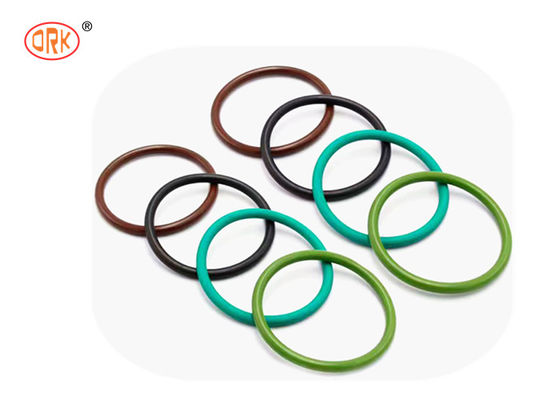
Drawing Analysis
The customization process for silicone 230 begins with a comprehensive drawing analysis to ensure dimensional accuracy, functional compatibility, and manufacturability. At Suzhou Baoshida Trading Co., Ltd., our engineering team evaluates technical drawings provided by OEM partners, focusing on critical tolerances, part geometry, surface finish requirements, and mating components. This phase includes geometric dimensioning and tolerancing (GD&T) verification, shrinkage prediction modeling, and identification of potential molding challenges such as undercuts, thin walls, or complex demolding paths. We utilize CAD-based analysis tools to simulate mold flow and detect air traps or weld lines that could affect part integrity. Close collaboration with the client ensures alignment on design intent and performance expectations before proceeding to material development.
Formulation Development
Once the design parameters are confirmed, our rubber formula engineers initiate the formulation stage tailored specifically to silicone 230. This high-performance platinum-cured silicone is engineered for thermal stability, chemical resistance, and long-term compression set performance. The base polymer is modified with reinforcing fillers, heat stabilizers, and processing aids to meet application-specific demands such as FDA compliance, UL94 V-0 flame rating, or enhanced tear strength. Each formulation is optimized for the intended service environment—whether exposed to extreme temperatures (-60°C to +230°C), dynamic sealing conditions, or repeated sterilization cycles. Rigorous lab-scale mixing and curing trials validate dispersion quality, scorch safety, and cure kinetics. The final compound is documented with full traceability, including raw material lot control and rheological profiles.
Prototyping and Validation
With the approved formulation, we proceed to prototype production using precision compression, transfer, or injection molding techniques. Prototypes are manufactured in small batches to verify tooling design, ejection efficiency, and dimensional repeatability. First articles undergo full inspection per ASME Y14.5 standards, including CMM (Coordinate Measuring Machine) reporting and visual defect screening. Functional testing may include compression set (ASTM D395), tensile properties (ASTM D412), hardness (Shore A/D), and environmental aging. Client feedback is integrated at this stage to refine geometry or material behavior before tool finalization.
Transition to Mass Production
After prototype approval, we scale to full-volume manufacturing under strict ISO 9001 and IATF 16949 protocols. Automated batching systems ensure formulation consistency, while in-process controls monitor cure time, weight, and外观 quality. Production runs are supported by statistical process control (SPC) and lot traceability down to the individual mold cavity. All shipments include material certification and test reports.
| Property | Value | Test Method |
|---|---|---|
| Hardness (Shore A) | 40 – 80 | ASTM D2240 |
| Tensile Strength | ≥8.0 MPa | ASTM D412 |
| Elongation at Break | ≥400% | ASTM D412 |
| Compression Set (22h, 150°C) | ≤20% | ASTM D395 |
| Operating Temperature | -60°C to +230°C | Internal |
| Cure System | Platinum | — |
This structured approach ensures silicone 230 components meet exacting industrial standards while maintaining scalability and cost-efficiency across the product lifecycle.
Contact Engineering Team
Technical Engagement for Silicone 230 Industrial Applications
Suzhou Baoshida Trading Co., Ltd. delivers precision-engineered silicone compounds meeting the exacting demands of advanced manufacturing. Our Silicone 230 formulation represents a critical solution for industries requiring thermal resilience, chemical inertness, and mechanical stability under cyclic stress. This compound is validated for aerospace seals, medical device components, and automotive under-hood applications where failure is not an option. Unlike generic silicones, Silicone 230 undergoes rigorous batch-specific validation per ASTM D2000 and ISO 3601 standards, ensuring dimensional consistency and long-term performance in dynamic sealing environments.
The following technical specifications reflect the baseline properties achievable through our controlled polymerization and platinum-catalyzed curing process. Custom modifications for compression set, conductivity, or biocompatibility are available through our OEM collaboration framework.
| Property | Test Method | Value | Units |
|---|---|---|---|
| Hardness (Shore A) | ASTM D2240 | 55 ± 3 | – |
| Tensile Strength | ASTM D412 | ≥ 8.5 | MPa |
| Elongation at Break | ASTM D412 | ≥ 450 | % |
| Compression Set (70h/150°C) | ASTM D395 | ≤ 18 | % |
| Operating Temperature | ISO 188 | -60 to +230 | °C |
| Specific Gravity | ASTM D297 | 1.18 ± 0.02 | – |
| Volume Resistivity | ASTM D257 | ≥ 1.0 × 10¹⁴ | ohm·cm |
These metrics are derived from 3mm cured plaques under controlled laboratory conditions. Real-world performance must account for part geometry, installation stress, and fluid exposure. Our engineering team provides finite element analysis (FEA) support to model compound behavior in your specific assembly, reducing prototyping iterations by up to 40%. We maintain ISO 9001-certified production lines with traceable lot numbering and accelerated aging protocols per AMS 7275.
For mission-critical applications, material certification alone is insufficient. Suzhou Baoshida integrates directly into your supply chain as an OEM partner. We manage raw material sourcing from Dow Corning and Wacker Chemie, implement in-process rheometry checks, and offer just-in-time kitting to minimize your inventory costs. Our technical service engineers resolve formulation conflicts—such as adhesion failures with fluoropolymers or outgassing in vacuum systems—within 72 hours of issue escalation.
Partner with our team to eliminate material-related production bottlenecks. Contact Mr. Boyce, OEM Technical Manager, for immediate engineering consultation. Provide your application parameters, target volumes, and quality protocol requirements to receive a tailored compound dossier within 48 hours. Mr. Boyce directs direct access to our formulation chemists and production schedulers, ensuring seamless transition from specification to certified delivery.
Initiate your technical review today:
[email protected]
+86 512 6288 7510 (24/7 engineering hotline)
Suzhou Baoshida Trading Co., Ltd.
No. 188 Huanhu Road, Suzhou Industrial Park
Jiangsu 215123, China
ISO 9001:2015 | IATF 16949 Certified | RoHS/REACH Compliant
Engineered for precision. Validated for performance.
⚖️ O-Ring Weight Calculator
Estimate rubber O-ring weight (Approx).