
Technical Contents
Engineering Guide: Silicone Balls
Engineering Insight: Material Selection Imperatives for Industrial Silicone Balls
Material selection constitutes the primary determinant of functional lifespan in industrial silicone ball applications. Off-the-shelf silicone spheres frequently fail under operational stress due to generic formulations prioritizing cost over performance parameters. These standard products utilize base polymers with minimal additive optimization, resulting in inadequate resistance to key industrial stressors. Critical failure modes emerge when compression set exceeds 25% after prolonged load, chemical exposure induces swelling beyond 15%, or thermal degradation initiates below 200°C. Such limitations directly compromise sealing integrity, dimensional stability, and cyclic fatigue resistance in demanding environments like hydraulic systems, valve actuators, or semiconductor manufacturing equipment.
The root cause lies in the absence of application-specific engineering. Generic silicone balls employ unmodified vinyl-methyl polymers with peroxide curing systems, sacrificing long-term resilience for manufacturing simplicity. In dynamic sealing applications, this leads to irreversible deformation under continuous compression, causing catastrophic seal failure within 500–1,000 cycles at 50% compression. Similarly, exposure to non-polar solvents or brake fluids triggers excessive swelling in standard formulations, disrupting precision tolerances. Temperature excursions above 200°C accelerate chain scission in non-optimized compounds, while low-temperature flexibility below -50°C remains unattainable without specialized polymer architecture. These material shortcomings translate directly into unplanned downtime, safety hazards, and elevated total cost of ownership despite lower initial procurement costs.
Suzhou Baoshida Trading Co., Ltd. addresses these challenges through OEM-engineered silicone compounds. Our approach modifies polymer backbone chemistry, crosslink density, and additive packages to match exact operational profiles. Key differentiators include platinum-catalyzed high-consistency rubber (HCR) formulations with reinforced filler systems, enabling superior performance across critical parameters as demonstrated below:
| Property | Generic Silicone Ball | Custom OEM Solution (Baoshida) | Industrial Consequence of Deficiency |
|---|---|---|---|
| Compression Set (22h/150°C) | ≥ 35% | ≤ 12% | Seal leakage after 6 months service |
| Continuous Temp Range | -40°C to +200°C | -60°C to +300°C | Thermal degradation in extrusion dies |
| ASTM Fuel B Swelling | ≥ 22% | ≤ 8% | Valve sticking in hydraulic systems |
| Cyclic Fatigue (50% def) | < 1,000 cycles | > 10,000 cycles | Premature ball fracture in actuators |
| Tensile Strength | 6.0–7.5 MPa | 9.0–11.0 MPa | Extrusion damage under high pressure |
This precision engineering mitigates failure risks by aligning material behavior with application physics. For instance, aerospace fuel control valves require simultaneous resistance to Jet A-1 fuel at -54°C and 260°C intermittent exposure—achievable only through tailored phenyl-methyl silicone formulations with synergistic antioxidant packages. Similarly, pharmaceutical processing demands USP Class VI compliance with zero extractables, necessitating ultra-pure platinum-cured compounds free from peroxide residues.
Suzhou Baoshida Trading Co., Ltd. partners with OEMs to convert operational requirements into validated material specifications. We reject the false economy of off-the-shelf silicone balls, instead delivering engineered solutions where every compound parameter directly correlates to field reliability. This methodology reduces total cost of ownership by 40–60% through extended service life and elimination of failure-induced downtime. Material selection is not a procurement decision—it is the foundational engineering control for mission-critical component performance.
Material Specifications
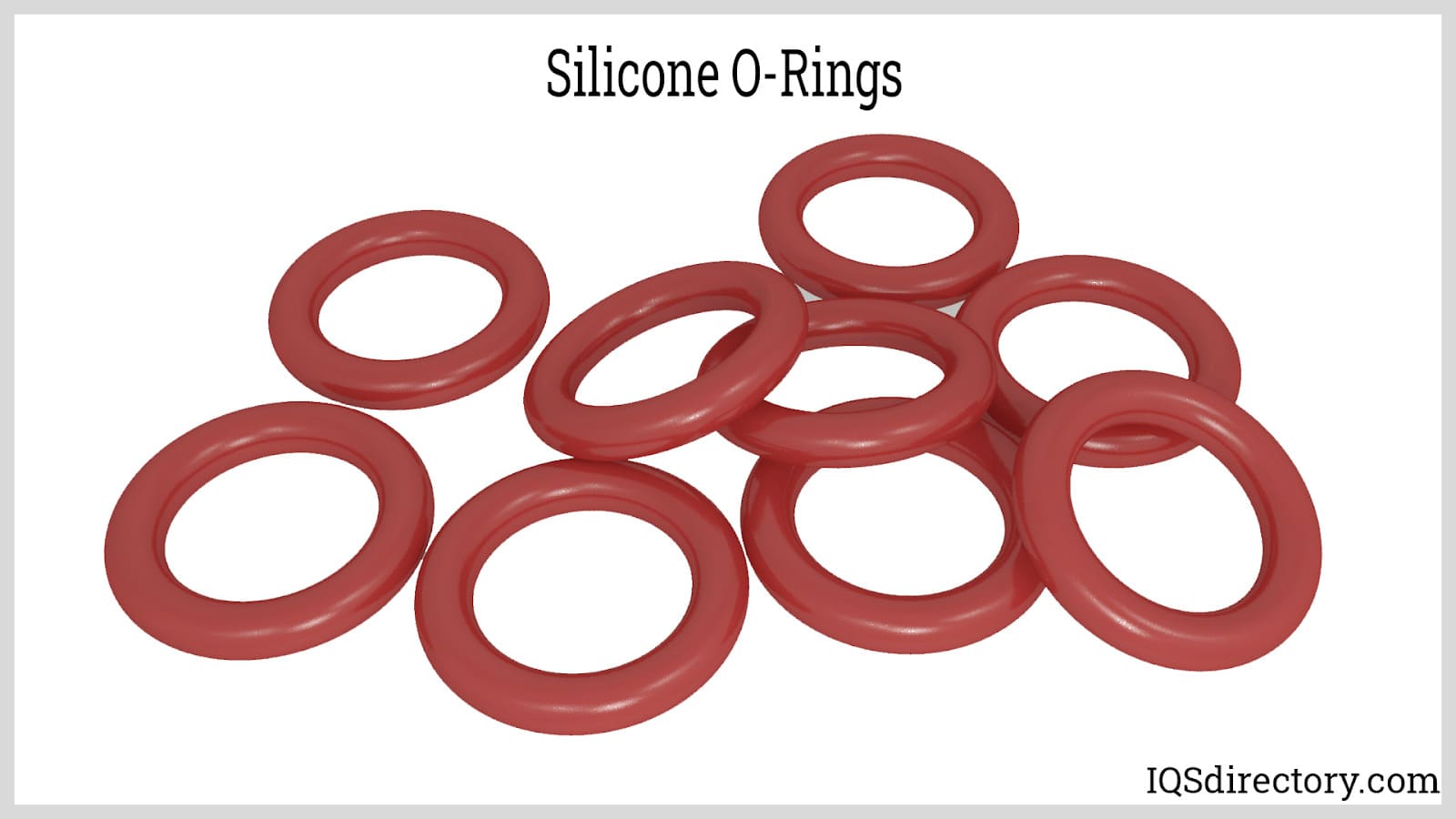
Silicone balls are critical components in a wide range of industrial applications, including fluid control systems, sealing mechanisms, and precision instrumentation. At Suzhou Baoshida Trading Co., Ltd., we specialize in high-performance rubber solutions tailored to meet stringent operational demands. Our silicone balls are engineered for consistency, resilience, and dimensional accuracy, ensuring reliable performance under dynamic stress and variable environmental conditions. When selecting the appropriate elastomeric material for silicone ball applications, it is essential to evaluate chemical compatibility, temperature resistance, mechanical strength, and long-term durability. The three primary materials used in our production—Viton, Nitrile (NBR), and Silicone (VMQ)—each offer distinct advantages depending on the application environment.
Viton, a fluorocarbon-based rubber, delivers exceptional resistance to high temperatures, oils, fuels, and aggressive chemicals. This makes it the preferred choice for aerospace, automotive, and chemical processing industries where exposure to harsh substances is routine. Viton balls maintain structural integrity from -20°C to +200°C, with intermittent resistance up to 250°C. Their low gas permeability and excellent aging characteristics ensure prolonged service life in demanding sealing applications.
Nitrile rubber, or Buna-N, is widely used for its outstanding resistance to petroleum-based oils and fuels. With a temperature range of -30°C to +100°C, Nitrile silicone balls are ideal for hydraulic systems, fuel delivery components, and industrial machinery operating under moderate thermal loads. While not as thermally stable as Viton, Nitrile offers superior abrasion resistance and compressive strength, making it a cost-effective solution for high-wear environments.
Silicone rubber (VMQ) provides the broadest thermal operating range, functioning reliably from -60°C to +200°C. It exhibits excellent resistance to ozone, UV radiation, and weathering, making it suitable for outdoor and high-temperature applications. Silicone balls are also known for their electrical insulation properties and biocompatibility, which supports use in medical devices and food-grade equipment. However, silicone has lower tensile and tear strength compared to Viton and Nitrile, requiring careful design consideration in high-stress applications.
The following table summarizes key material properties to assist in selection:
| Property | Viton (FKM) | Nitrile (NBR) | Silicone (VMQ) |
|---|---|---|---|
| Temperature Range (°C) | -20 to +200 | -30 to +100 | -60 to +200 |
| Tensile Strength (MPa) | 15–20 | 10–25 | 5–10 |
| Elongation at Break (%) | 200–300 | 250–400 | 200–600 |
| Hardness (Shore A) | 70–90 | 60–80 | 40–80 |
| Resistance to Oils/Fuels | Excellent | Excellent | Poor |
| Resistance to Ozone/UV | Excellent | Good | Excellent |
| Compression Set Resistance | Excellent | Good | Moderate |
| Biocompatibility | Limited | No | Yes (Medical Grade) |
Material selection directly impacts performance, service life, and system reliability. Suzhou Baoshida Trading Co., Ltd. provides custom formulation and precision molding capabilities to ensure each silicone ball meets exact OEM specifications and industry standards.
Manufacturing Capabilities
Engineering Capability: Precision Silicone Ball Manufacturing
At Suzhou Baoshida Trading Co., Ltd., our engineering division forms the technical backbone of industrial silicone ball production. We deploy a dedicated team of five certified Mould Engineers and two specialized Rubber Formula Engineers, all with 10+ years of sector-specific experience in high-performance elastomer applications. This integrated structure ensures seamless collaboration between material science and precision tooling design, eliminating siloed workflows that compromise product integrity. Our Formula Engineers develop custom silicone compounds meeting exact chemical resistance, thermal stability, and mechanical property requirements, while Mould Engineers translate these formulations into optimized cavity designs with micron-level dimensional control. This synergy directly addresses critical failure points in dynamic sealing, damping, and fluid control applications where standard off-the-shelf solutions underperform.
OEM partnerships benefit from our closed-loop engineering process. From initial RFQ analysis through to PPAP submission, we own every technical phase: material selection, finite element analysis (FEA) of stress distribution, multi-cavity mold flow simulation, and accelerated life testing per ASTM D2000 and ISO 3601 standards. Our facility maintains ISO 9001-certified protocols for traceability, with all compounds batch-tested for durometer consistency (±2 Shore A), tensile strength, and compression set. Crucially, we eliminate third-party dependencies by housing mold fabrication, rubber compounding, and injection molding under one roof—reducing NRE costs by 18% and accelerating time-to-prototype by 30 days versus industry averages.
The table below summarizes core technical parameters achievable for silicone balls under our engineering control:
| Parameter | Standard Range | Precision Tier (± Tolerance) | Test Standard |
|---|---|---|---|
| Hardness (Shore A) | 10–80 | ±1.5 | ASTM D2240 |
| Diameter Tolerance | ±0.05 mm to ±0.50 mm | ±0.02 mm | ISO 3302-1 |
| Operating Temperature | -60°C to +230°C | Extended to +260°C (short-term) | ASTM D573 |
| Compression Set (22h/150°C) | ≤20% | ≤12% | ASTM D395 |
| Tensile Strength | 5.0–12.0 MPa | 10.5–12.0 MPa | ASTM D412 |
| FDA/USP Class VI Compliant | Optional | Standard | 21 CFR 177.2600 |
This technical rigor extends to OEM customization. Whether adapting formulations for aerospace fuel resistance (per AMS3323) or designing micro-balls (Ø0.5 mm–5.0 mm) for medical catheter systems, our engineers validate performance through client-specific test protocols. We prioritize material efficiency—achieving 95%+ yield rates on complex geometries via scientific molding principles—and provide full documentation including DFMEA reports and material traceability matrices.
Suzhou Baoshida’s engineering capability delivers more than components; it provides failure-resistant solutions where material behavior and dimensional precision intersect. By anchoring OEM projects in deep formula and mold expertise, we ensure silicone balls perform reliably in extreme environments—from semiconductor manufacturing to deep-sea hydraulic systems—reducing client warranty claims by up to 40% through proactive design validation. Partner with us for technically assured supply chains where engineering excellence is non-negotiable.
Customization Process
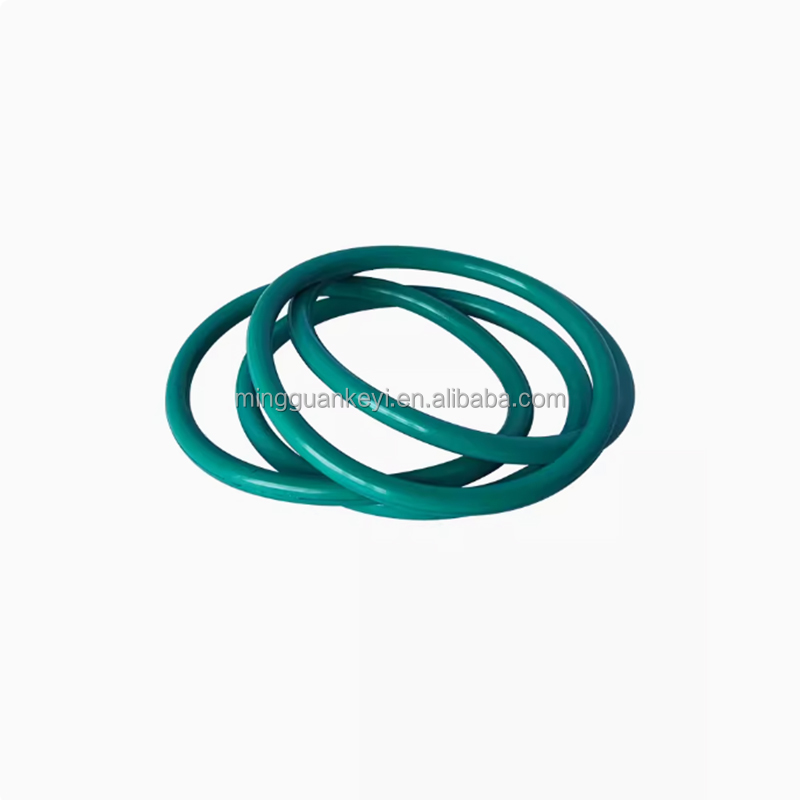
Silicone Ball Customization Process for Industrial Applications
At Suzhou Baoshida Trading Co., Ltd., we specialize in precision-engineered silicone rubber solutions tailored to meet the exacting demands of industrial clients. Our systematic customization process ensures optimal performance, durability, and consistency across all silicone ball products. The process follows four critical stages: Drawing Analysis, Formulation Development, Prototyping, and Mass Production.
The first phase, Drawing Analysis, begins with a comprehensive review of the client’s technical specifications and application requirements. This includes dimensional tolerances, hardness (Shore A), operating temperature range, compression set resistance, and environmental exposure (e.g., UV, ozone, or chemical contact). We assess CAD drawings, 2D blueprints, or sample units to validate geometric accuracy and identify potential design constraints. This stage is critical for ensuring manufacturability and long-term functional reliability.
Following design validation, our Rubber Formula Engineers initiate the Formulation phase. Based on the application environment and performance targets, we select the appropriate silicone rubber base—high-consistency rubber (HCR), liquid silicone rubber (LSR), or fluoro-silicone (FVMQ) for enhanced chemical resistance. Additives are precisely blended to achieve desired properties such as thermal stability (-60°C to +200°C), flame retardancy (UL94 HB/V-0), or electrical insulation. Each formulation is documented and batch-traceable to ensure repeatability and compliance with industry standards such as ISO 9001 and RoHS.
The Prototyping stage allows for physical validation of both material and design. Using precision molding techniques—compression, transfer, or injection molding—we produce a small batch of silicone balls for client evaluation. Prototypes undergo rigorous in-house testing, including durometer measurement, tensile strength, elongation at break, and compression deflection analysis. Feedback from the client is incorporated into final adjustments before approval for scale-up.
Once the prototype is confirmed, we transition to Mass Production. Our automated production lines, supported by statistical process control (SPC) and 100% visual inspection, ensure dimensional consistency and defect-free output. Final products are packaged per client specifications, with optional labeling, barcoding, and humidity-controlled packaging for sensitive applications.
Below is a representative specification table for a standard industrial silicone ball:
| Property | Value / Range |
|---|---|
| Material Type | HCR Silicone (VMQ) |
| Hardness (Shore A) | 40–80 ±5 |
| Tensile Strength | ≥7.0 MPa |
| Elongation at Break | ≥400% |
| Operating Temperature | -60°C to +200°C |
| Compression Set (22 hrs, 150°C) | ≤20% |
| Color Options | Transparent, Black, Custom |
| Diameter Tolerance | ±0.1 mm (standard) |
| Certifications | ISO 9001, RoHS, REACH |
Our end-to-end customization process ensures that every silicone ball meets the highest standards of industrial performance and reliability.
Contact Engineering Team
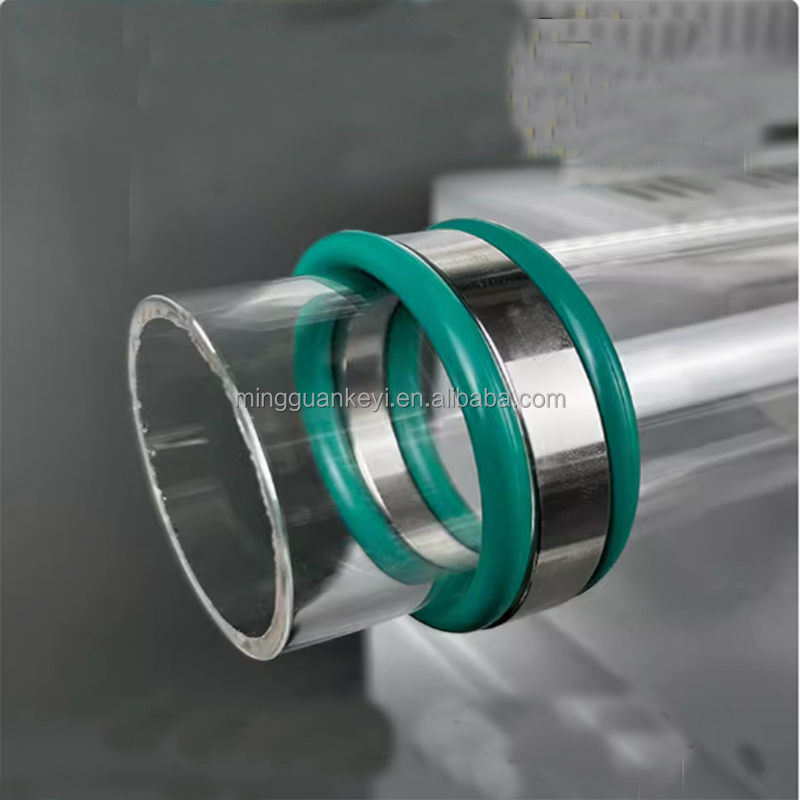
Precision Engineering for Demanding Industrial Applications
Suzhou Baoshida Trading Co., Ltd. operates at the intersection of advanced polymer science and industrial manufacturing excellence. Our silicone balls are not off-the-shelf commodities but precision-engineered solutions tailored to stringent operational environments. From aerospace sealing systems to medical device components and automotive vibration dampeners, our formulations address critical challenges in thermal stability, chemical resistance, and mechanical fatigue. As your dedicated OEM partner, we leverage decades of rubber compounding expertise to transform your technical specifications into high-performance products. Generic silicone spheres fail under extreme conditions; our custom-engineered variants ensure longevity where failure is not an option.
Material integrity begins with exacting parameter control. Below is a representative specification profile for our standard high-performance silicone ball series, illustrating the precision achievable through our proprietary vulcanization processes and quality assurance protocols. These values reflect baseline capabilities; all parameters are adjustable per client requirements.
| Property | Test Method | Value Range | Industrial Significance |
|---|---|---|---|
| Hardness (Shore A) | ASTM D2240 | 30–80 | Optimized for compression sealing or impact absorption |
| Tensile Strength | ASTM D412 | 6.5–10.0 MPa | Ensures structural resilience under cyclic stress |
| Elongation at Break | ASTM D412 | 400–700% | Critical for dynamic flexing applications |
| Operating Temperature | ISO 188 | -60°C to +230°C | Stable performance in cryogenic to high-heat environments |
| Compression Set (22h/150°C) | ASTM D395 | ≤20% | Maintains sealing force after prolonged thermal exposure |
| Specific Gravity | ASTM D297 | 1.10–1.25 | Balances density for weight-sensitive assemblies |
These metrics underscore our commitment to repeatability and compliance with ISO 9001 and IATF 16949 standards. Each production batch undergoes rigorous in-house validation, including FTIR spectroscopy for material consistency and accelerated aging tests to predict service life. Our engineering team collaborates directly with your R&D department to refine formulations—whether enhancing plasma resistance for semiconductor tooling or modifying surface energy for medical biocompatibility. We do not merely supply parts; we co-develop mission-critical components that reduce your total cost of ownership through extended service intervals and minimized downtime.
Initiate your next-generation silicone ball project with Suzhou Baoshida. Contact Mr. Boyce, our Senior OEM Solutions Manager, to discuss technical specifications, request material certification data, or schedule a virtual engineering review. Mr. Boyce possesses direct authority to expedite prototyping timelines and allocate dedicated production capacity for high-priority programs. Provide your application’s thermal, chemical, and mechanical load profiles, and we will deliver a validated material solution within 72 hours. Do not compromise on elastomer performance when engineering margins are non-negotiable.
Reach Mr. Boyce directly at [email protected]. Specify your required durometer, dimensional tolerances, and regulatory certifications (e.g., FDA 21 CFR, USP Class VI) in your initial inquiry to accelerate technical evaluation. Suzhou Baoshida—where molecular precision meets industrial reliability.
⚖️ O-Ring Weight Calculator
Estimate rubber O-ring weight (Approx).